
🏠 Trusted Local Roofers
Ridge Tile Repairs Chesterfield
Loose and cracked ridge tiles rarely fix themselves, and every storm off the Peak District nudges them a little further out of place. Tate & Sons Roofing repairs, rebeds and dry-fixes ridge lines across Chesterfield, from Victorian terraces near the town centre to newer estates on the edge of town. As a roofing contractor across Chesterfield, we treat ridge tile repairs and rebedding in Chesterfield as a job worth doing properly the first time, not a quick patch that fails again next winter.
This page covers the warning signs your ridge line needs work, real cost ranges, and how repointing, rebedding and dry ridge systems compare. You will also find straight answers to the questions Chesterfield homeowners ask us most about ridge tile repair.
- Fully Insured
- 10-Year Guarantee
- 5-Star Rated
Quick Free Estimate - No Obligation
We're not just roofers – we're your neighbours.
Fully Insured • Response within 15 mins
🔒 Your details are safe with us. No spam, ever.
How to Spot Ridge Tiles That Need Repair Before They Fail
A ridge line rarely fails without warning if you know what to look for. Catching a problem early on your Chesterfield roof usually means a smaller, cheaper repair.
Cracked or crumbling mortar is the most common early sign, especially after a hard frost. Once that pointing lets water in, the tiles above it can start to shift or lift within a season or two.
- A fine crack running along the mortar joint between ridge tiles
- A tile that looks slightly raised, twisted or out of line
- Crumbling or missing mortar visible from ground level
- Damp patches or brown staining on an upstairs ceiling
- Moss or grass taking hold in old, soft mortar
- A ridge line over 15-20 years old that has never been checked
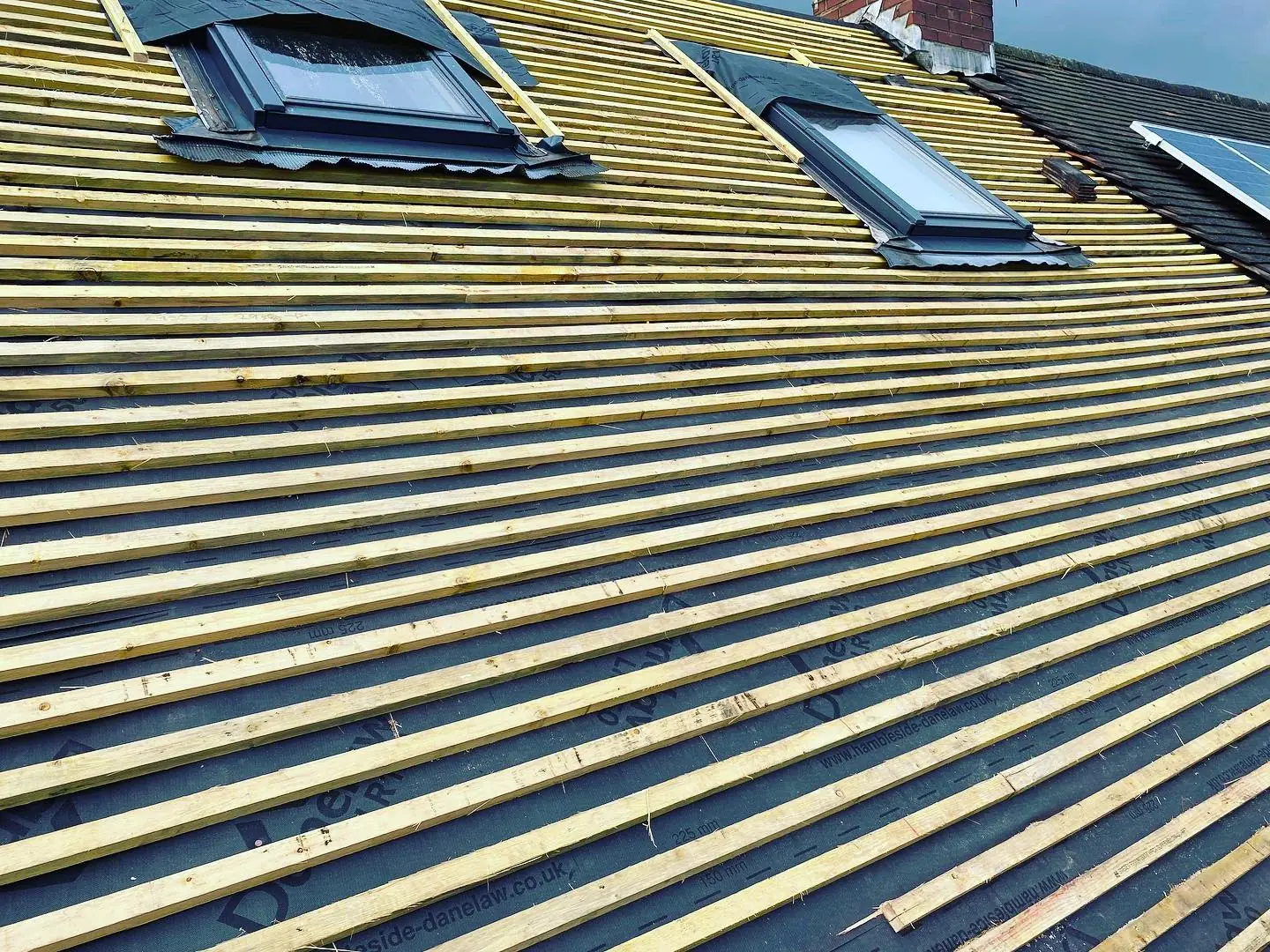
Homes around Old Whittington and other older parts of Chesterfield often show these signs first, since traditional mortar-bedded ridges were standard for decades before dry ridge systems became common. A free drone survey gets a close look at your actual ridge line without anyone setting foot on the roof, so you get real photos instead of a guess from the ground.
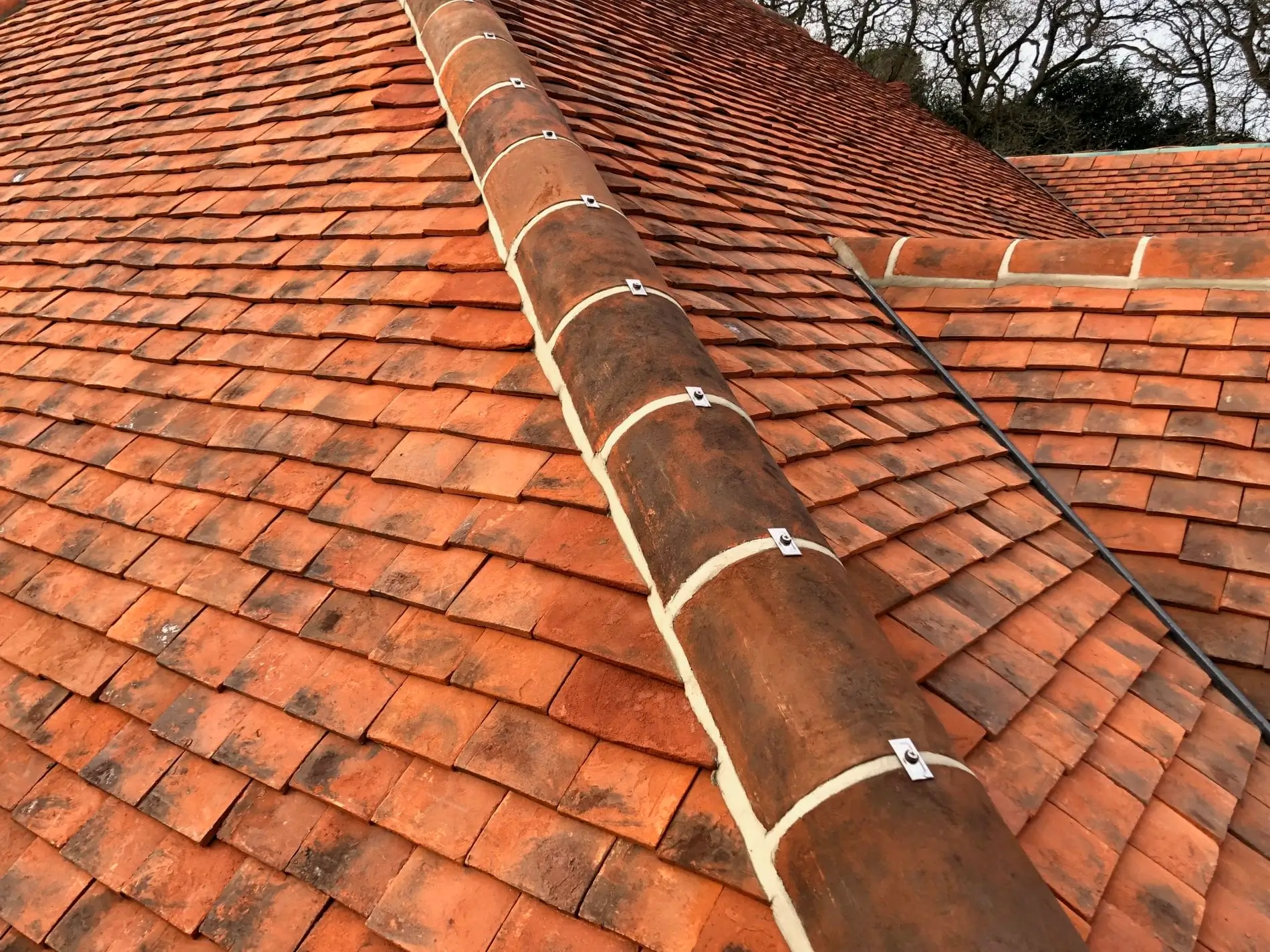
Repointing, Rebedding or Dry Ridge: Which Fix Is Right for Your Roof?
Not every ridge problem needs the same fix. The right choice depends on how far the mortar has failed and whether the tiles themselves are still sound.
Repointing replaces just the outer layer of mortar and suits a ridge line where the tiles are solid but the pointing has cracked. Rebedding goes further, lifting every tile, clearing out the old mortar, and rebuilding the bed underneath from scratch.
A dry ridge system fixes each tile mechanically instead of relying on mortar alone. The NFRC's guidance on installing pitched roofs to BS 5534 sets out why mortar alone is no longer treated as a reliable fixing method on its own, and why mechanical fixings matter on any ridge or hip line. We follow that standard on every rebedding and dry ridge job we quote in Chesterfield.
The table below compares your three main options for a Chesterfield ridge line.
We will recommend the option that suits your roof and your budget, not the option with the biggest price tag.
Ridge Tile Repair Cost in Chesterfield: What You'll Actually Pay
Most ridge tile repairs in the UK cost between £300 and £2,500, depending on how much work the ridge line needs. A simple repointing job on a Chesterfield semi typically runs £300 to £600.
Rebedding costs more because every tile comes off and goes back on with fresh mortar. Expect £450 to £1,200 for a short run and £900 to £2,500 or more for a full ridge line, depending on length and tile type.
A dry ridge conversion costs more upfront, usually £1,200 to £3,500 depending on ridge length and roof access. Labour makes up around 60-70% of most quotes, since ridge work is slow, careful hand labour rather than a quick fix.
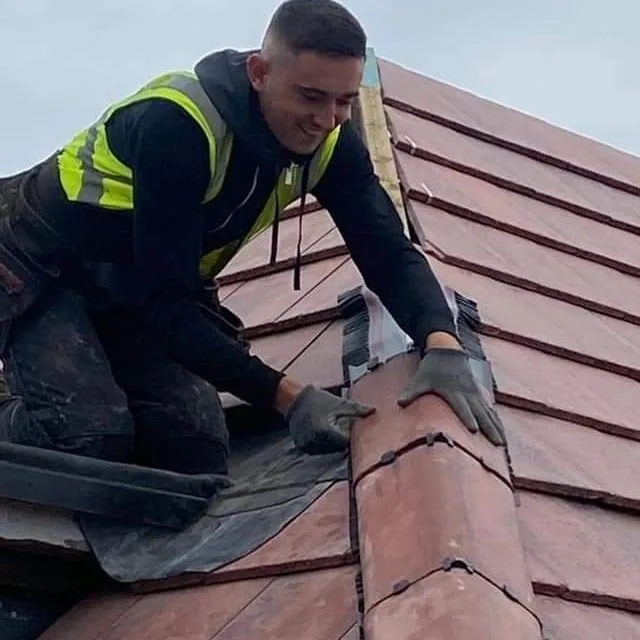
Cost rises when scaffolding is needed, when tiles have broken rather than just slipped, or when we find rotten battens under the ridge once the old mortar comes off. Cost falls on shorter runs with easy access and tiles still in good condition. A fixed price for your ridge repair needs a survey, since two roofs of the same age can need very different amounts of work.
| Option | Typical Cost | Typical Lifespan | Best For |
|---|---|---|---|
| Mortar Rebedding | £450-£2,500+ (by length) | 20-25 years before rebedding again | Traditional roofs, matching an existing mortar look |
| Dry Ridge System | £1,200-£3,500+ | 25-30+ years, low maintenance | Exposed roofs, homes wanting a low-upkeep fix |
| Full Ridge Replacement | £1,500-£4,000+ (by length/material) | 30+ years | Ridge tiles themselves cracked, broken or mismatched |
What Happens Before We Touch Your Ridge Line
We start every enquiry with a free drone roof survey, giving you close-up photos of your ridge line before anyone climbs a ladder. This often spots cracked tiles or crumbling mortar that is invisible from the ground.
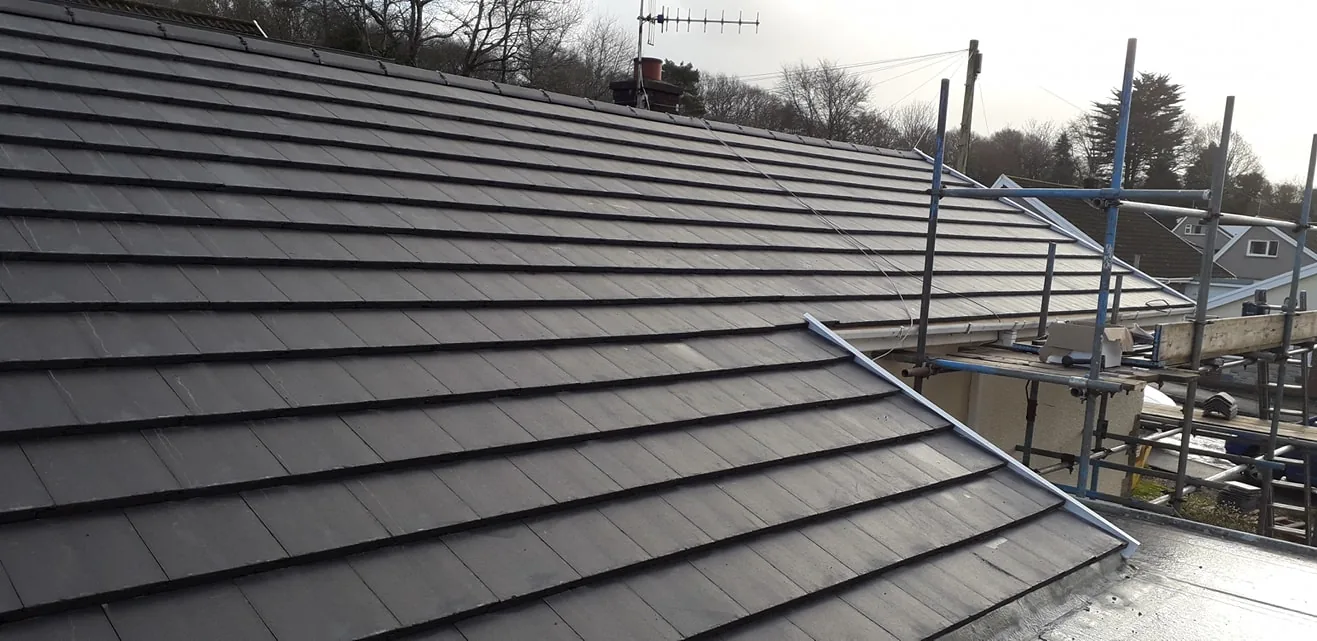
Ridge tiles sit at the highest, steepest point of your roof, so most repairs need scaffolding or a scaffold tower rather than a ladder. We plan access around your property, whether that is a terrace near the town centre or a detached home out toward Holymoorside or Wingerworth, where roofs often sit higher off the ground.
Mortar work also needs the right weather. Cement needs dry conditions and a temperature roughly between 5°C and 25°C to cure properly, so we plan repair dates around the forecast rather than starting a rebedding job the day before a frost. If you would rather avoid that weather dependence altogether, ask us about a free drone roof survey and a dry ridge quote at the same time.
Your Ridge Tile Repair, Step by Step
James Tate, our founder, prices and often oversees ridge and mortar work personally, drawing on 15 years working roofs across Derbyshire before he started the business. Heritage ridge and lead detailing on Chesterfield's older properties is the work he enjoys most.
We start by removing any loose or damaged tiles and clearing out old, failed mortar completely. Leaving old mortar in place is a common shortcut that leads to early failure, so we strip the ridge back to a sound base every time.
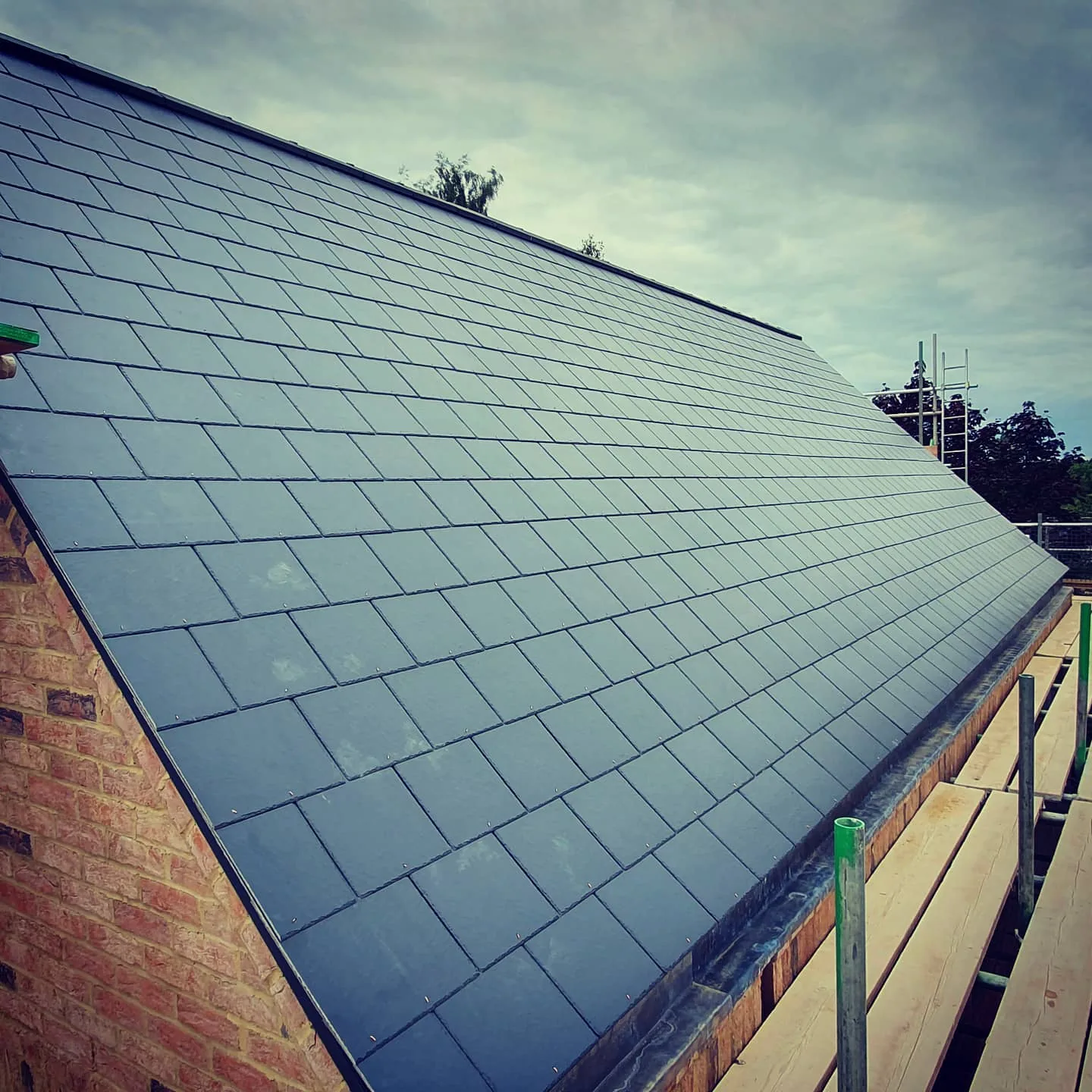
New tiles, or salvaged originals where a matching look matters, go back on with fresh mortar or a dry ridge kit, depending on which option you have chosen. Every joint is pointed by hand and finished flush, so the ridge line looks right from the street as well as holding up structurally.
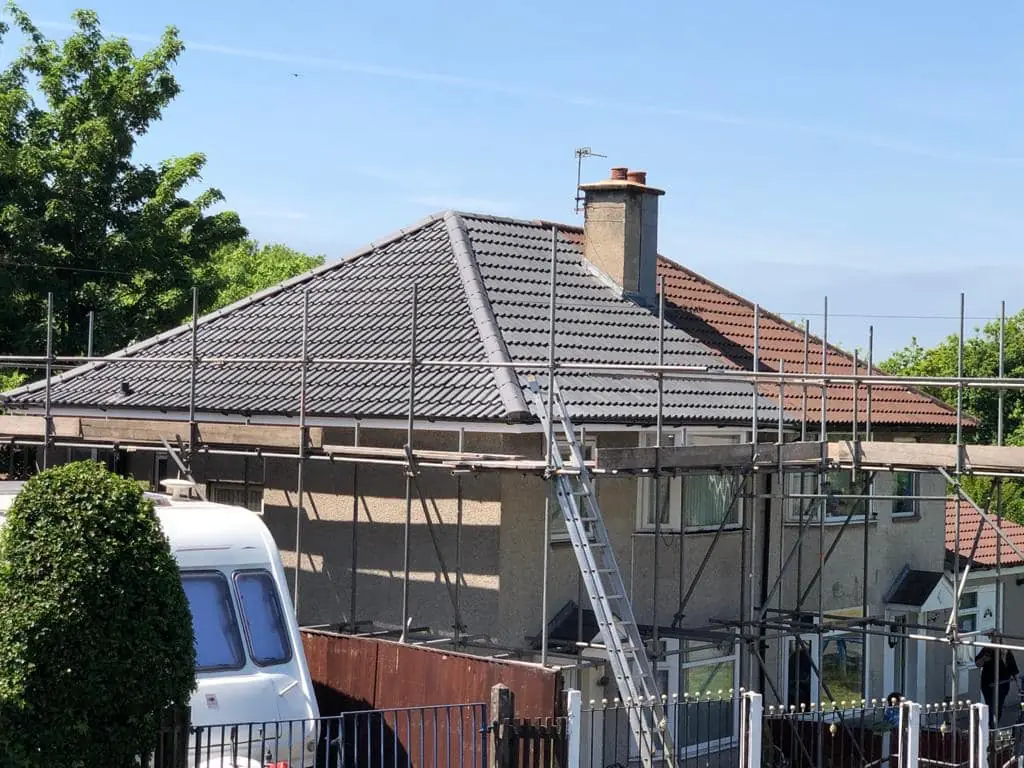
A short repair on a Chesterfield semi usually takes half a day to a day. A full rebedding of a longer ridge line can take 1-2 days, and a dry ridge conversion often finishes within a day once scaffolding is up.
Quality Checks and Keeping Your Ridge Line Watertight for Years
Every ridge repair comes with a 10-year workmanship guarantee, whether we repoint, rebed or fit a dry ridge system. We check every tile along the full ridge line before we leave, not just the section you called us about.
Simple checks protect your repair for years to come. Look at your ridge line from the garden after a storm, and book a check if you spot a gap, a raised tile or fresh staining on a ceiling below.
We keep a record of the work done on your ridge, including the date and the method used. That makes any future insurance claim or repair call far easier to sort out, wherever you are in Chesterfield.
Why Choose Tate & Sons Roofing for Ridge Tile Repairs
James Tate founded Tate & Sons after 15 years working roofs across Derbyshire and the East Midlands, and ridge and mortar detailing on older properties is still the work he prices and checks personally. He is happiest on a tricky period roof where the ridge line needs a careful, traditional finish, the kind you find on streets close to the Crooked Spire.
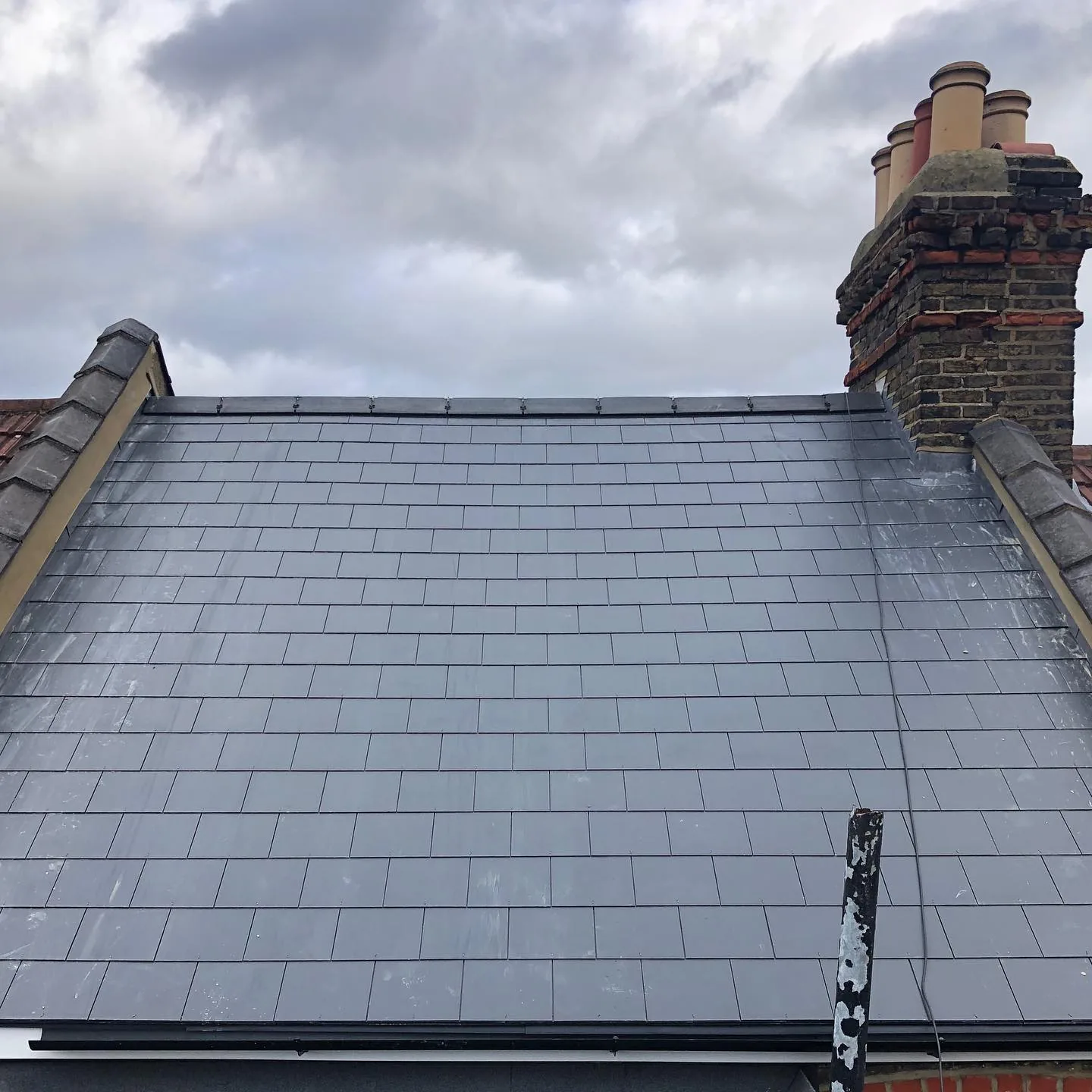
Daniel Oakland, our Project Manager and Lead Roofer, runs the day-to-day repair work on site, bringing over 20 years in the trade including heritage slate and lead detailing alongside modern roofing systems. Between them, James and Daniel cover both the traditional and modern sides of ridge tile repair for Chesterfield homes.
Our wider team holds NVQ Level 2/3 qualifications in Roofing Occupations, CSCS cards and NFRC trade membership, with over 40 years of combined experience between us. Read more about the people who will repair your ridge line on our About page.
Every ridge tile repair comes with a 10-year workmanship guarantee and starts with a free, no-obligation drone roof survey, so you know exactly what your Chesterfield roof needs before we start.
Areas We Serve Around Chesterfield
We repair and rebed ridge tiles across Chesterfield and the surrounding towns and villages listed below.
- Chesterfield (S40 / S41)
- Brampton (S40)
- Hasland (S41)
- Newbold (S41)
- Staveley (S43)
- Brimington (S43)
- Whittington Moor (S41)
- Old Whittington (S41)
- Wingerworth (S42)
- Clay Cross (S45)
- Dronfield (S18)
- Eckington (S21)
- Holymoorside (S42)
Got Questions?
Your Ridge Tile Repairs Questions, Answered Properly
How do I know if my ridge tiles need repairing?
Cracked or crumbling mortar along the ridge line is usually the first sign. You might also notice a fine gap opening between a tile and the mortar bed, or a tile that looks slightly raised after a storm. Water stains on an upstairs ceiling can mean a ridge tile has already let rain through. If your roof is over 15 years old and has not had the ridge checked, book a free drone survey before a small crack turns into a bigger repair.
How much does ridge tile repair or rebedding cost in Chesterfield?
Repointing a run of ridge tiles typically costs £300 to £600, while full rebedding runs £450 to £2,500 depending on length. Dry ridge conversions cost more upfront, from around £1,200 to £3,500, but need far less upkeep over time. Price depends on how many tiles need lifting, scaffold access, and whether we find rot or slipped tiles underneath. We only give you a fixed number after a free drone survey of your actual roof.
What's the difference between repointing and rebedding ridge tiles?
Repointing only replaces the outer layer of mortar around each tile, while rebedding lifts every tile and rebuilds the mortar underneath. Repointing suits a ridge line where the tiles are still sound and only the pointing has cracked. Rebedding is the right call once the bedding mortar has crumbled or tiles have started shifting out of line. As a guide, expect to repoint every 10 to 15 years and rebed every 20 to 25 years.
Is a dry ridge system better than mortar bedding?
A dry ridge system gives you a more reliable fix than mortar alone, because it clips every tile mechanically to the roof rather than relying on cement to hold it in place. Mortar bedding is still a proven method, but current guidance expects mechanical fixings alongside it too. Dry ridge kits cost more to install but need almost no maintenance for 25 years or more. We will tell you honestly which option suits your roof and budget, not just the option with the higher price tag.
Can one loose ridge tile really cause a leak inside my home?
Yes, a single slipped ridge tile can let rain track down into the roof timbers and the loft below. Water often travels along a rafter or batten before it shows as a stain on your ceiling, so the damp patch can appear well away from the actual gap. Left alone, one loose tile can let the next two or three come loose too. A quick repair to one tile is far cheaper than fixing rot or a damaged ceiling later on.
Do you need scaffolding to repair ridge tiles?
Most ridge tile repairs need scaffolding or a scaffold tower, because ridge tiles sit at the highest and steepest point of your roof. Working from a ladder is not a safe way to lift, rebed or replace a ridge tile. We use scaffold towers or full scaffolding depending on your roof height and the length of ridge that needs work. This is built into your quote, so there are no surprise costs once we arrive on site.
Can ridge tile repairs happen in winter or wet weather?
Mortar-based repairs need dry conditions and a temperature roughly between 5°C and 25°C to cure properly. That can make midwinter rebedding tricky during a cold snap, though most Chesterfield winters still give enough workable days. A dry ridge system avoids this problem completely, since the mechanical fixings do not need to cure at all. We plan repair dates around the forecast, so mortar work is never rushed ahead of frost or heavy rain.
Will a dry ridge system look right on a period home near the town centre?
Yes, dry ridge kits are made to match standard clay and concrete ridge profiles, so most homes keep the same roofline appearance. On older stone properties near the Crooked Spire and other traditional streets, some owners prefer to keep a mortar-bedded look, and that is a choice we respect. We can fit a dry ridge system with a mortar-effect finish where the visual match matters most. We will talk through both looks during your survey, so the result suits your street as well as your roof.
Why do ridge tiles crack even when the mortar underneath still looks fine?
Ridge tiles can crack from thermal movement, where the tile expands in summer heat and contracts in winter frost until a hairline crack forms. A manufacturing flaw or a heavy impact, such as a fallen branch, can also crack a tile that was fitted correctly. Once a tile cracks, water gets in behind it even if the mortar bed below still looks solid. We check every ridge tile individually during a survey, not just the pointing, so a cracked tile never gets missed.
Book Your Free Ridge Tile Survey Today
A cracked or slipped ridge tile rarely stays a small problem for long, and every storm that rolls off the Peak District can work it looser still. Left alone, a failing ridge line can let water into your roof timbers long before you ever see a stain on the ceiling. Book your free, no-obligation drone roof survey today and get a clear, fixed price for ridge tile repair or rebedding in Chesterfield.
Tate & Sons Roofing — Chesterfield Office
Address: 3 Marsden Street, Chesterfield, S40 1JY
Phone: 01246 956550
Get in Touch
Tate & Sons Roofing — Chesterfield
3 Marsden Street, Chesterfield, S40 1JY
📞 01246 956550
✉️ [email protected]