
🏠 Trusted Local Roofers
Valley Gutter Repairs in Market Harborough
A valley gutter is the sloping channel that runs where two roof pitches meet. It carries more rainwater than any other part of your roof. When that channel splits or blocks, water runs sideways under the tiles and into your home. Tate & Sons Roofing handles valley gutter repairs in Market Harborough and across the Harborough District, from a hairline crack in old lead to a fully re-lined valley.
This is not the gutter along your eaves. A valley sits up on the roof itself, tucked between two slopes, and it is easy to forget until a ceiling stain shows up. This page covers why valleys leak, the four main valley types, honest repair costs, and what a lasting fix involves. Valley work is one part of the wider guttering services across Market Harborough we offer. Start with a free drone survey and a written price before any work begins.
- Fully Insured
- 10-Year Guarantee
- 5-Star Rated
Quick Free Estimate - No Obligation
We're not just roofers – we're your neighbours.
Fully Insured • Response within 15 mins
🔒 Your details are safe with us. No spam, ever.
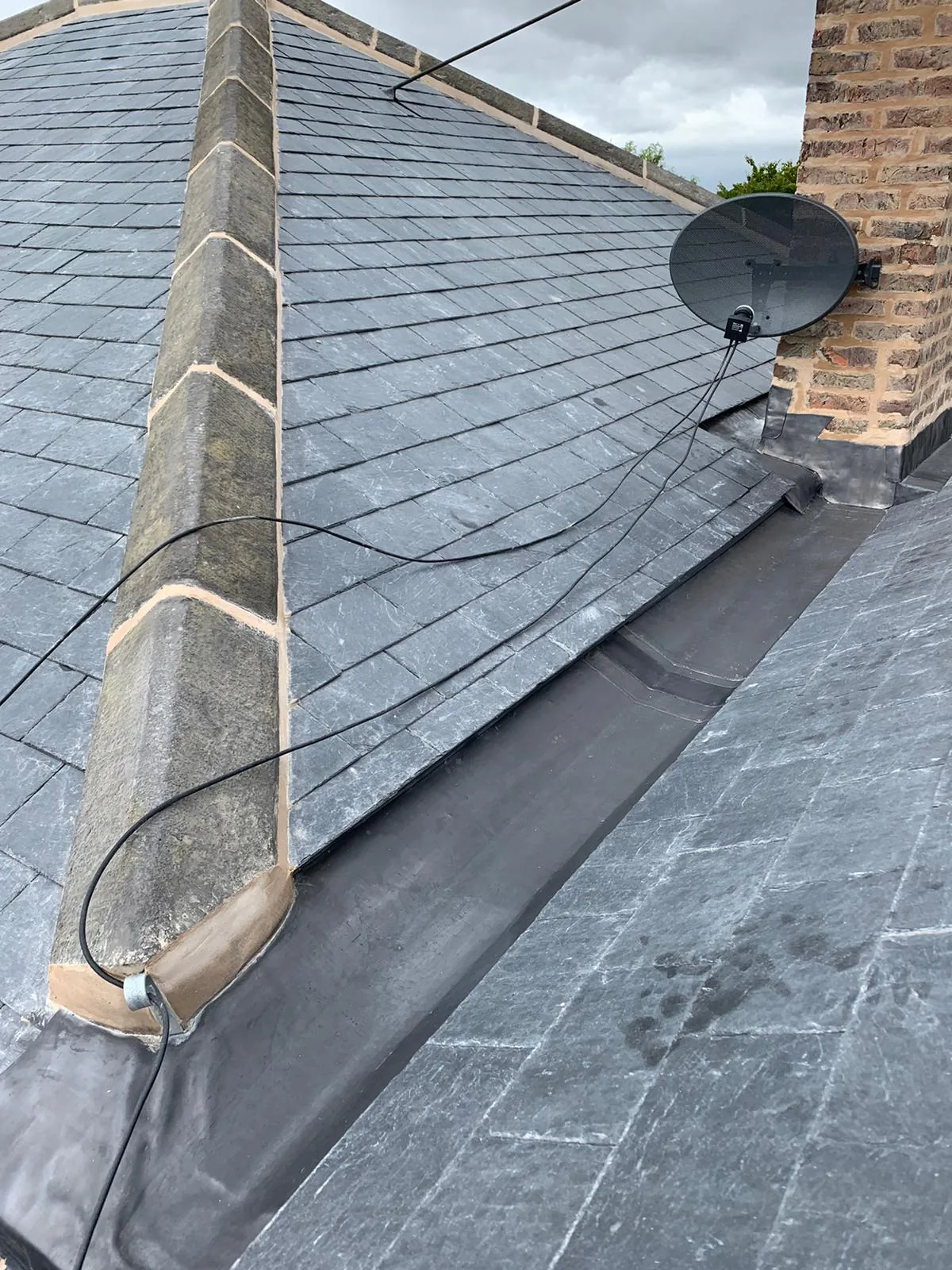
Why Roof Valleys Leak — And How to Catch It Early
A valley handles fast, concentrated water. Two roof slopes drain into one narrow channel, so even a small fault causes a real leak. Catch it early and a repair usually does the job, before the rafters and ceiling get involved.
Watch for these warning signs:
- A damp patch or stain on a ceiling below where two roofs meet
- Cracked or rippled lead running down the valley channel
- Loose or crumbling mortar along the edges of the tiles
- Moss, leaves or silt packed into the channel after autumn
- Tiles slipped or lifted along the line of the valley
- Water marks on rafters or felt when you look in the loft
- Staining that spreads a little after every heavy downpour
Lead is the classic culprit. Old lead laid in one long length expands and contracts with the seasons, and in time it cracks. Frost then works into the split and widens it. On newer roofs the fault is often a blocked channel or mortar that has washed out. Either way, water backs up, finds the gap, and tracks under the covering. Guess the cause and you pay for a patch that leaks again next winter.
Repair or Replace Your Valley? A Straight Answer, Not the Biggest Invoice
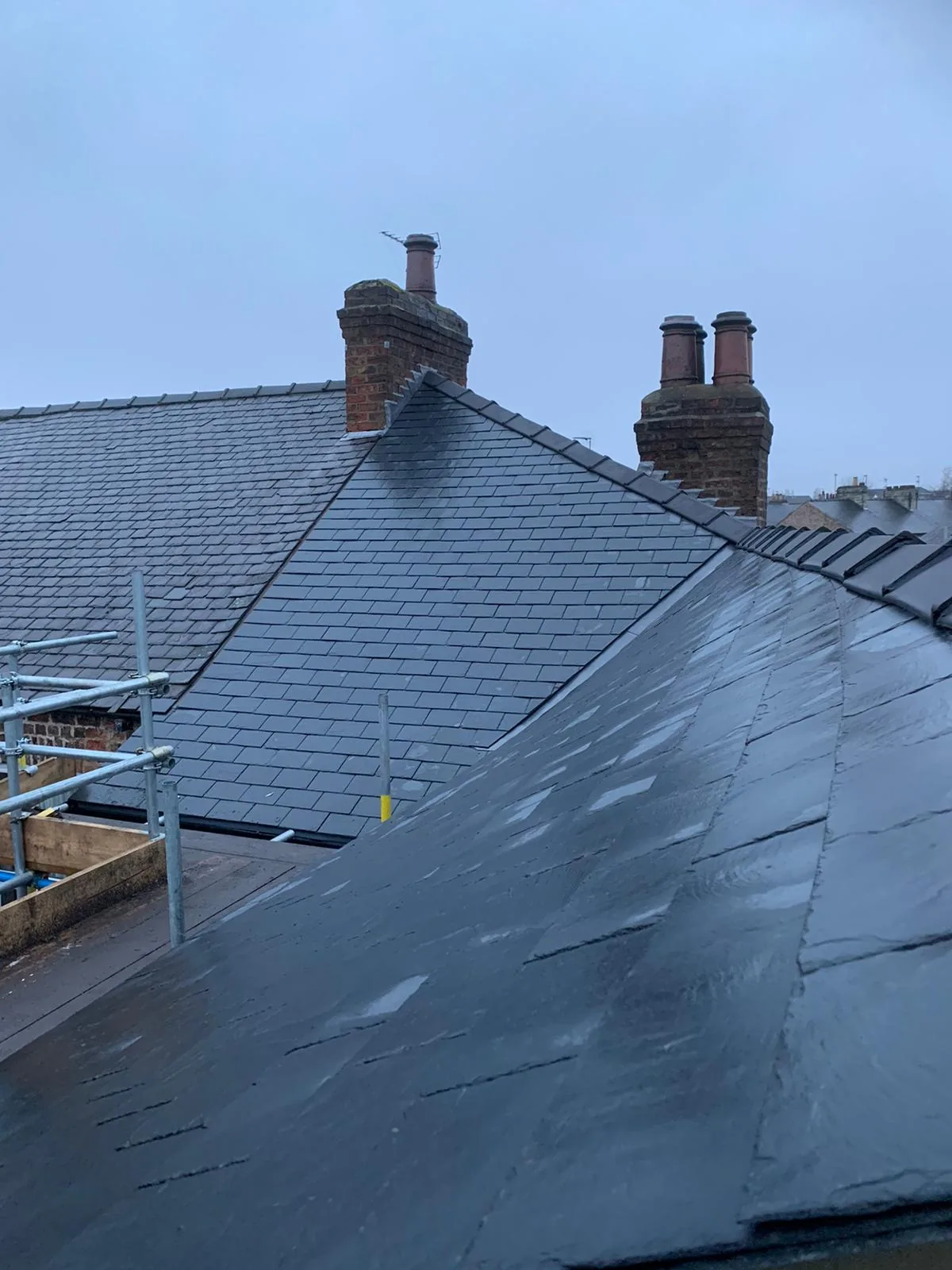
One cracked section rarely means the whole valley is finished. A single split in the lead, a washed-out mortar fillet or a slipped tile is usually a Gutter Repairs job, not a full strip-out. Lead that has cracked in several places, or a valley that has been patched twice already, points to a re-line instead.
We see the same story on older roofs around Lubenham and Foxton. A tired lead valley gets a smear of mortar or a strip of flashband, while nobody looks at why it split in the first place. That buys a season or two, then it fails again in the same spot. You end up paying for three small visits instead of one proper repair.
We check the whole valley before we recommend either route. A free drone survey shows the full channel — the cracks, the mortar line and the tile cuts that a view from the ground always misses. You get the footage, not just our word for it. Michael Tate built this firm on one rule: fix the cause, not just the symptom. If a clean and a re-point will hold, we say so. If the lead is done, we tell you that too.
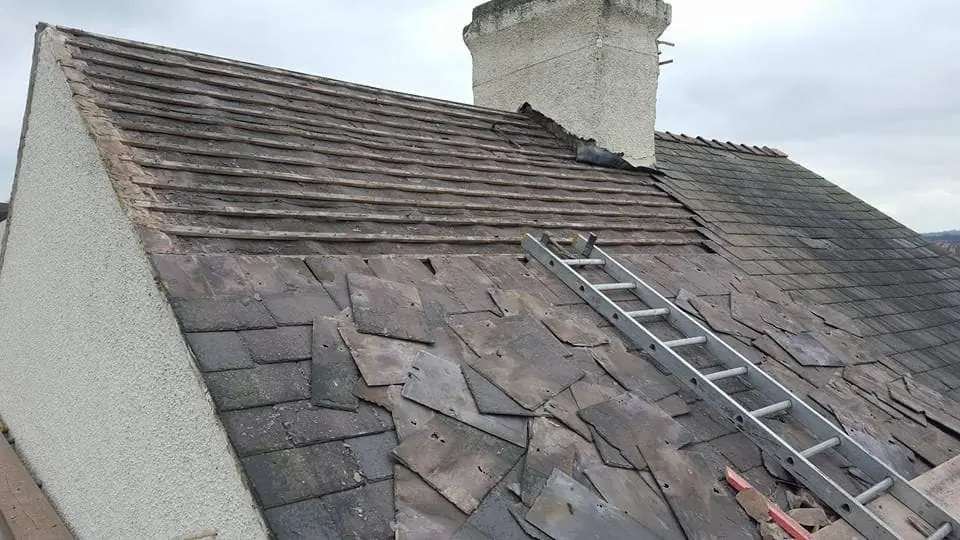
Lead, GRP, Tiled or Metal — Which Valley Suits Your Roof?
Four valley types cover almost every pitched roof in this area. Each suits a different roof, budget and lifespan. In short: lead-lined valleys are the traditional choice and last longest when laid right; GRP fibreglass is the tough, lightweight modern option; a tiled (mitred) valley gives a seamless look where both slopes share the same pitch; a metal open valley offers a low-maintenance channel without the cost of lead. The right choice depends on your roof and how long you want it to last. A survey settles it in plain terms.
For an independent reference on how these details are built, the Roof Tile Association on valley design details is a useful read before you commit to a type.
| :-: | :-: | :-: | :-: |
| Valley type | Typical cost (per valley) | Typical lifespan | Best for |
| Lead-lined | £450–£950 | 60–100 years | Period and heritage roofs; the longest life when laid in short lengths |
| GRP fibreglass | £350–£650 | 20–30 years | Modern tiled roofs; light, tough and strong value |
| Tiled (mitred) | £400–£900 | 40–60 years | A seamless look where both roof slopes match in pitch |
| Metal open valley | £400–£800 | 30–50 years | A low-maintenance open channel as a lead alternative |
- **Lead-lined valleys*suit traditional roofs and cope well with movement when laid in the right lengths. Lead lasts decades, but a length laid too long will crack, so the detail matters more than the material.
- **GRP fibreglass valleys*come as a pre-formed trough that nails into place. Light, tough and cheaper than lead, they sit well on newer tiled roofs. A poorly supported trough can flex, so it needs a firm bed underneath.
- **Tiled (mitred) valleys*carry the tiles round the join with no separate channel. They give a clean, continuous look, but both roof slopes need the same pitch for the water to run true.
- **Metal open valleys*use zinc or aluminium as an open channel. They shed water and debris well and offer a lead-free option that still lasts for decades.
What Valley Gutter Repairs Cost in Market Harborough
Cost comes down to four things: the valley type, its length, the access and how much has failed.
As a general guide, a straightforward valley repair runs up to around £450. Re-pointing a mortar valley, where the flashing stays and only the cement is renewed, sits around £300–£375. A full valley replacement lands around £350–£700 per valley, and a common two-valley job on a semi often falls between £1,200 and £2,500 all in. A 6-metre lead valley on a slate roof can run near £850 before access.
What pushes a price up or down:
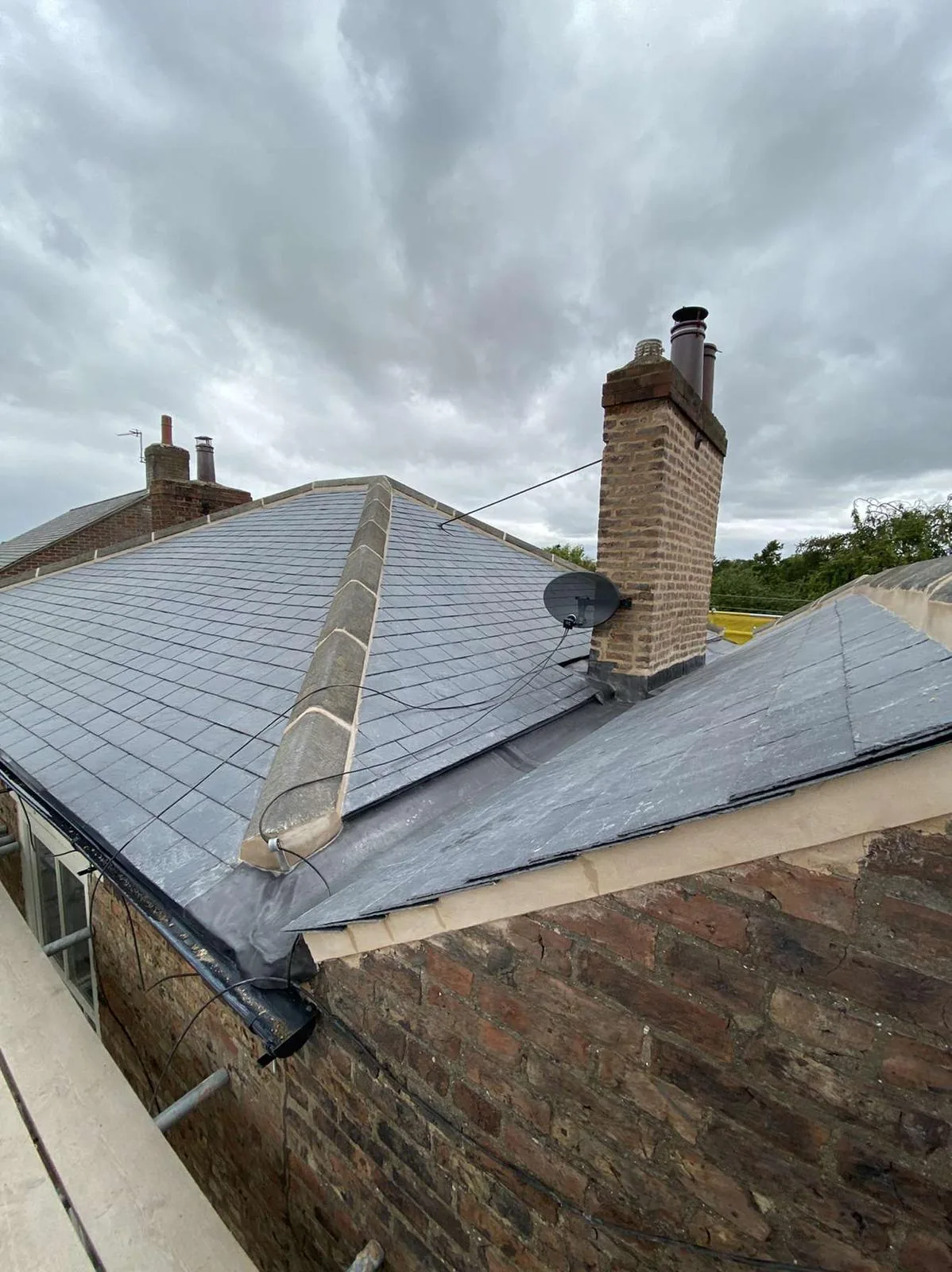
- **Valley type and length*— lead costs more than GRP, and a long valley uses more material and labour
- **Access*— a high or steep pitch may need scaffolding, which adds from around £250 upward
- **Hidden damage*— rotten valley boards or wet rafters under the channel add cost once exposed
- **Tile condition*— brittle old tiles that break on removal need replacing before the valley goes back
- **Number of valleys*— many roofs have two or more, and doing them together often works out cheaper
These are general market ranges, not a quote for your roof. Two valleys the same length can price very differently once access and hidden damage are counted in. If a full valley re-line is part of a wider roofline job, our Guttering Installation and Replacement page covers that side too. The only way to a firm figure is a proper survey — which is exactly what our free drone survey gives you. A fixed price needs a survey.
Blocked Valleys and Debris — The Cheap Fault That Wrecks Ceilings
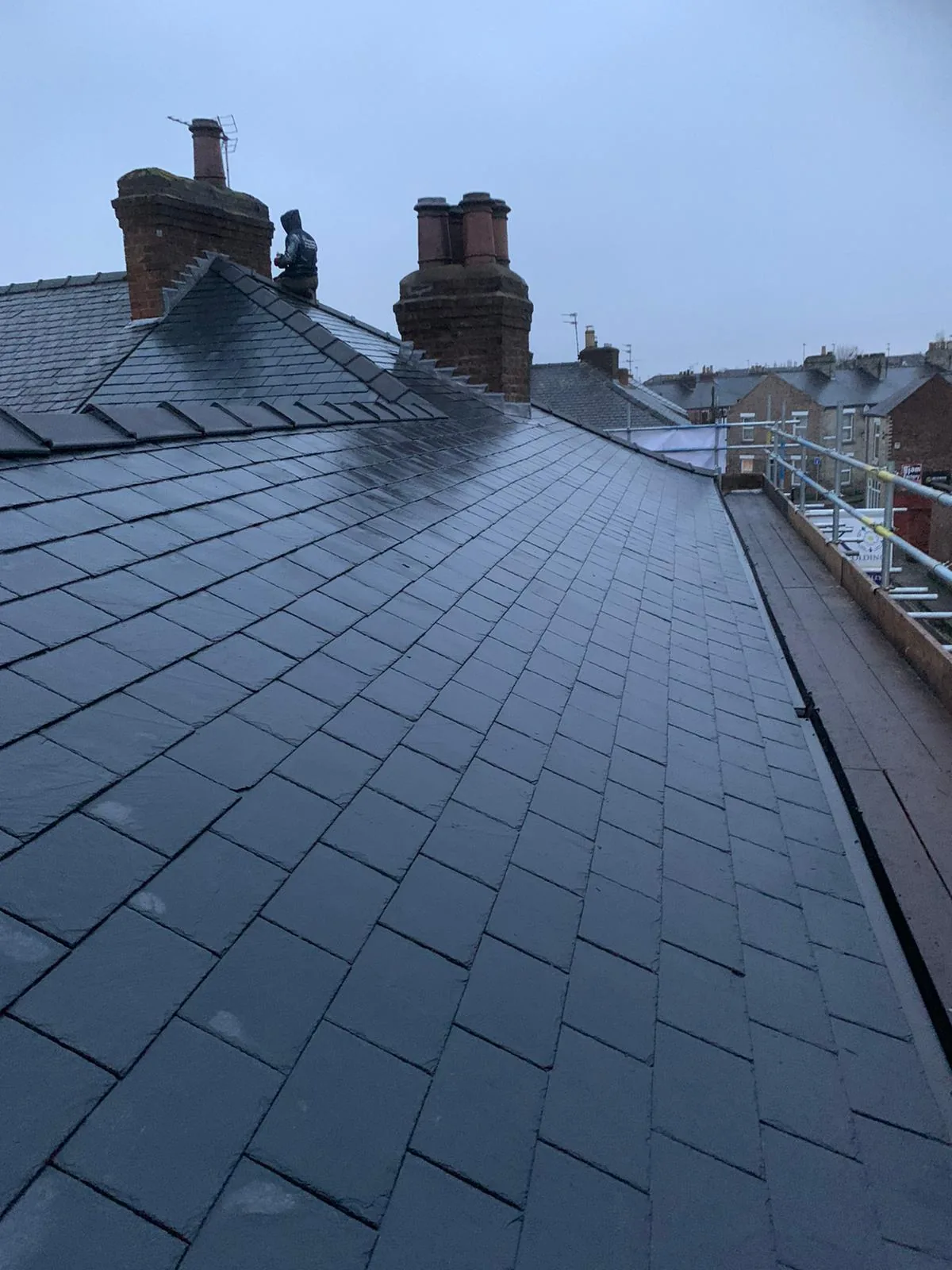
Not every valley leak is a crack. Plenty are simply blocked. Leaves, moss and silt collect in the channel, and where the tiles are cut too tight, debris packs in fast. In a downpour, even a small blockage pushes water sideways under the covering.
This is the cheapest fault to fix and the easiest to ignore. A clear-out and a check often solves an early-stage leak for a fraction of a re-line. Left alone, though, the backed-up water rots the valley boards and stains the ceiling below. Homes near trees around Great Bowden and Kibworth Beauchamp see this most, where overhanging branches drop leaves straight into the channel every autumn.
When we survey a valley, we clear it first and then look at what is really going on underneath. Sometimes the channel is sound and only needed cleaning. Other times the debris was hiding a split that has been leaking for months. Either way, you find out before you spend on the wrong repair.
Re-Lining a Valley the Right Way: What Happens on Repair Day
A valley re-line follows the same order on every job:
- Tiles along both sides of the valley lifted and set aside
- Old lead, GRP or mortar stripped out of the channel
- Valley boards checked and any rotten timber replaced
- New lining laid in the right lengths, lapped and dressed to shed water
- Tiles cut, re-bedded and pointed cleanly along the edges
- Channel flushed, checked for flow and the site cleared
Laid right, a lead valley outlives most of the roof around it. The trick is the detail — short lengths, proper laps and clips that let the metal move without splitting. Cut that corner and the same crack comes back in a few winters. We do it once, and we do it to last.
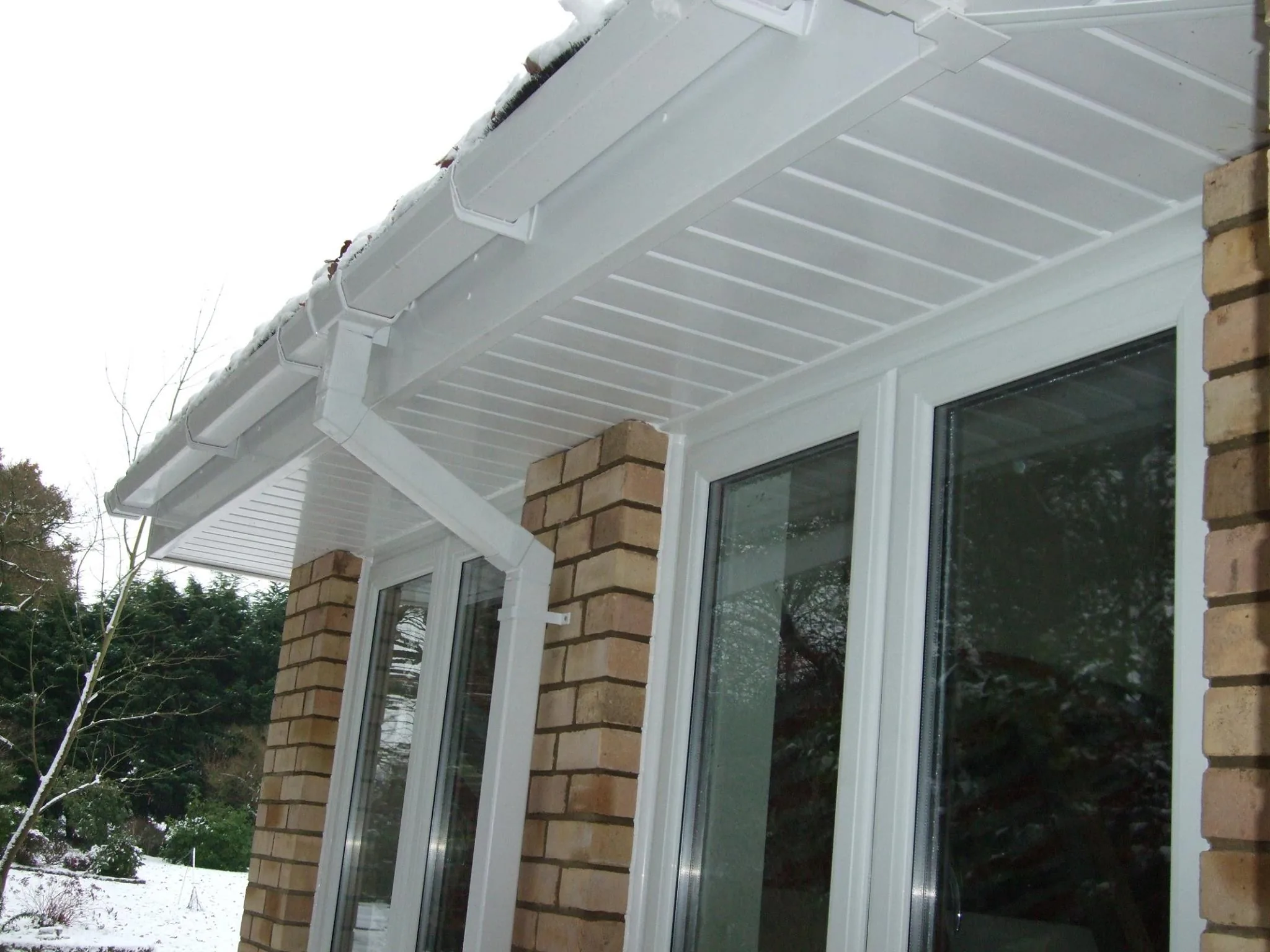
Most single valleys take a day, weather allowing. A run of valleys or a full roofline takes longer. Ryan Tate runs the site work and keeps the crew tidy, so you know who is turning up and roughly how long they will be there. We give you a realistic timeframe before work starts, not an optimistic one built to win the job.

A Few Minutes a Year Keeps Your Valley Watertight
A valley lasts longest when small faults get caught early. None of this needs a specialist — just a look, a couple of times a year.
- Clear leaves and moss from the channel each autumn
- Check the loft for damp marks on rafters after heavy rain
- Look for cracked lead or crumbling mortar from the ground
- Book a free drone survey if you spot any warning sign above
A blocked valley is a five-minute fix today and a rotten ceiling next year if it waits. A quick check each season is the cheapest insurance a roof has. If anything looks off, get eyes on it before the next downpour finds the weak spot.
Why Market Harborough Homeowners Call Tate & Sons First
You are not just buying a length of lead — you are buying whoever fits it. Founder Michael Tate leads the valley and heritage work, and he does the surveying himself. He started his apprenticeship at sixteen and built Tate & Sons on one conviction: fix the cause, not just the symptom. He will not patch a valley to look right for a season and fail again the next.
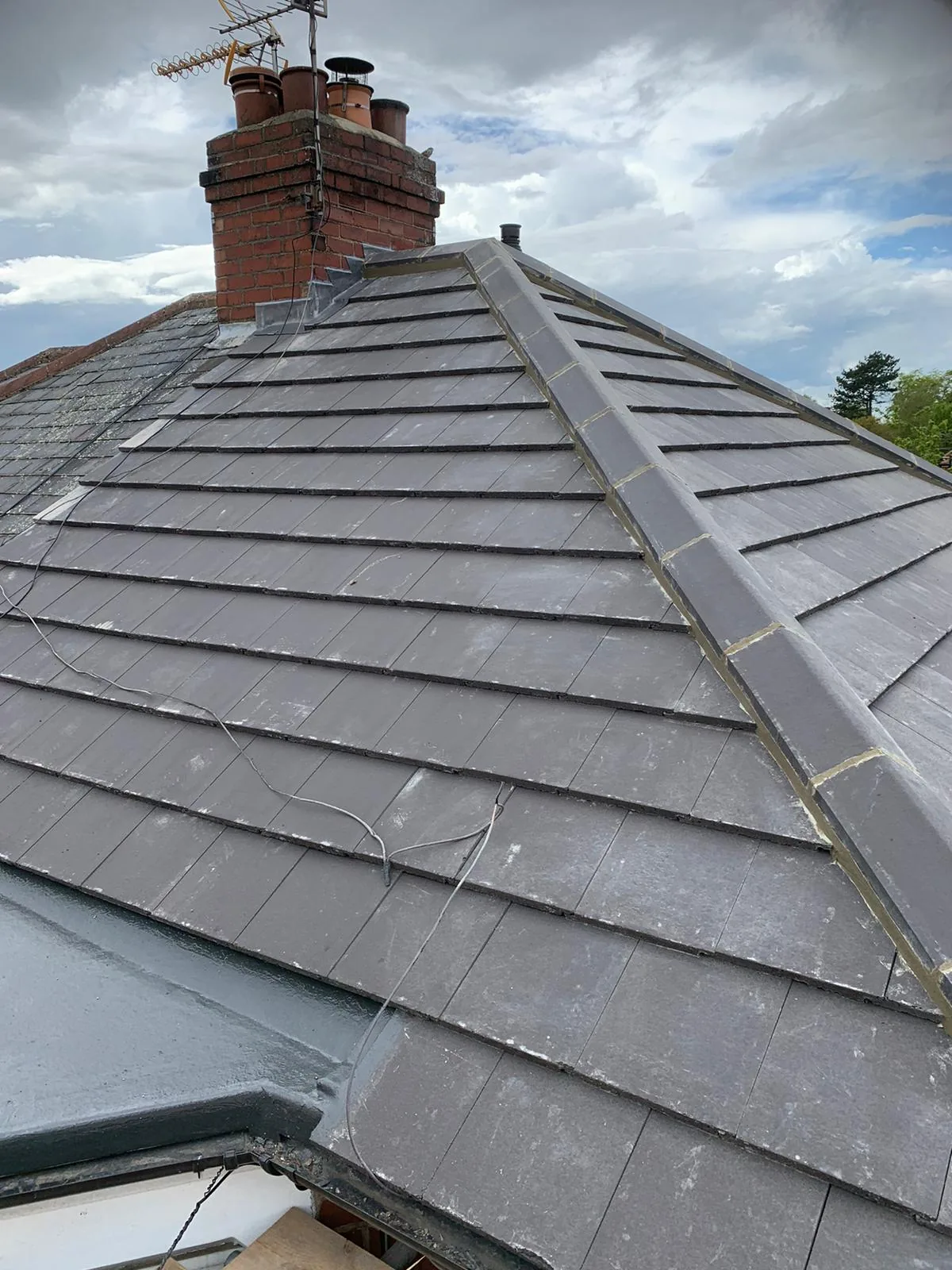
Ryan Tate runs the site work and the crew that turns up to your roof. Between us we carry over 45 years of combined experience, hold NVQ Level 2 and 3 qualifications in Roofing Occupations, and keep CSCS cards and NFRC trade-body membership. Lead detailing on a valley is a skill, not a bodge with sealant, and it is exactly the sort of work we are known for. Read more about the people behind the work on our About Tate & Sons Roofing page.
Areas We Serve Across Market Harborough and the Harborough District
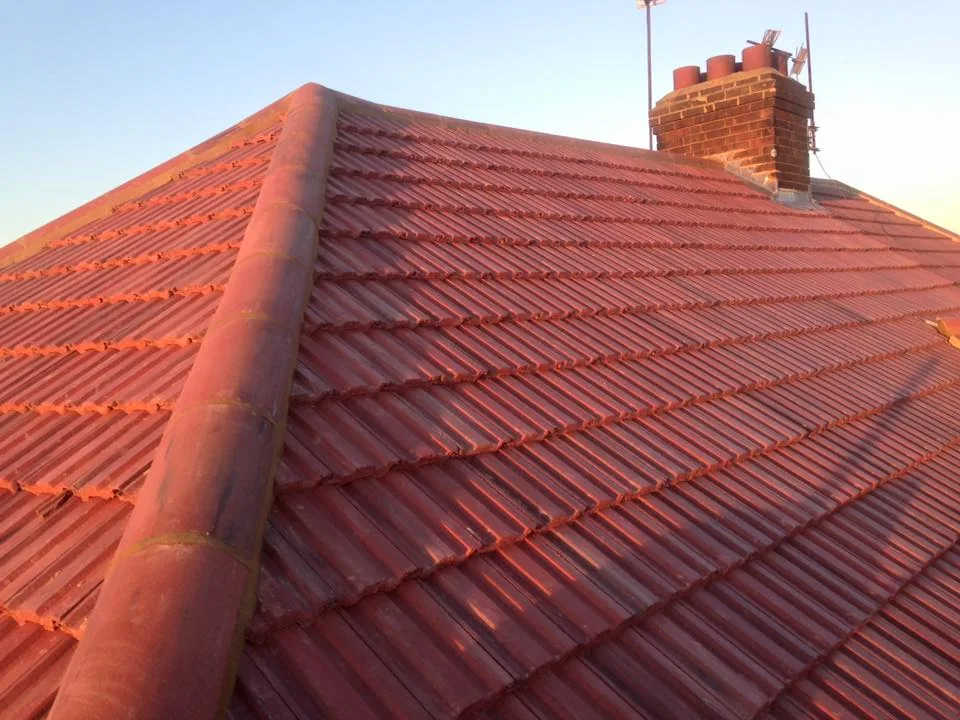
We repair and re-line roof valleys across Market Harborough and the surrounding Welland Valley villages. If your area is not on the list below, call us anyway — if you are nearby, there is a strong chance we cover you.
- Market Harborough (LE16)
- Great Bowden (LE16 7)
- Little Bowden (LE16 8)
- Lubenham (LE16 9)
- Foxton (LE16 7)
- Medbourne (LE16 8)
- Kibworth Beauchamp (LE8)
- Great Glen (LE8 9)
- Fleckney (LE8 8)
- Husbands Bosworth (LE17 6)
- Desborough (NN14 2)
Got Questions?
Your Valley Gutter Questions, Answered Properly
Why does my roof valley leak?
Most valley leaks come from cracked lead, washed-out mortar or a blocked channel. A valley drains two roof slopes into one narrow line, so it carries more water than anywhere else on the roof. Old lead laid in long lengths splits as it expands and contracts, and frost widens the crack. Debris makes the rest, backing water up until it runs under the tiles.
What is the difference between a valley gutter and a normal gutter?
A valley gutter sits up on the roof, in the channel where two slopes meet. A normal gutter runs along the eaves at the bottom edge and hangs off the fascia. The valley is often hidden and easy to forget, yet it handles the most concentrated water flow on the whole roof. That is why a small valley fault causes a fast, obvious leak inside.
Should I choose a lead or a GRP fibreglass valley?
Both work well when fitted right. Lead suits period and heritage roofs and lasts 60 years or more when laid in short lengths. GRP fibreglass is lighter, tougher against knocks and cheaper, which suits most modern tiled roofs. We survey the roof and tell you which fits your property, budget and how long you want it to last.
Can a blocked valley be cleared instead of replaced?
Often, yes. If the channel is sound and only packed with leaves, moss or silt, a clear-out and a check can solve an early leak. That is the cheapest fix there is. Sometimes the debris hides a split underneath, which the survey finds once the channel is clear. You learn which it is before spending on a full repair.
How much does it cost to repair a roof valley?
As a general guide, a straightforward valley repair runs up to around 450 pounds, and re-pointing a mortar valley sits around 300 to 375 pounds. A full valley replacement lands around 350 to 700 pounds per valley, with a two-valley job on a semi often between 1,200 and 2,500 pounds. Access, valley type and hidden damage all move the figure. A free drone survey gives you an exact written price rather than a phone estimate.
Can you repair a cracked lead valley, or does it need replacing?
A single small crack can sometimes be dressed or bonded as a short-term hold. If the lead has cracked in several places, or a patch has failed before, a re-line is the honest answer. Lead exposed to years of sun and frost eventually needs replacing in full. We show you the footage and give you a straight recommendation, not the biggest invoice.
What happens if you find rotten timber under the valley?
We replace it before the new lining goes back. There is no way to fit a lasting valley over soft or rotten boards. This is why our cost guidance leaves room for hidden damage, so it is not an unpleasant shock if it turns up. We always show you the problem and agree the extra work before we carry on.
How long does a valley repair take?
Most single valleys take a day, weather allowing. A run of valleys or a full roofline takes longer. We give you a realistic timeframe before work starts, and you will know who is turning up. If scaffolding is needed for a high or steep pitch, we factor that into the plan and the price up front.
Book Your Free Drone Roofline Survey Today
See exactly what your valley needs before any work starts. No ladders, no pressure — just a clear picture from a local Market Harborough team.
Every week a cracked valley waits, water works deeper into the boards and rafters beneath it. A quick, free survey today tells you exactly where you stand — and often the fix is smaller and cheaper than you feared. Book now, get an honest quote, and protect your home before the next downpour finds the weak spot.
ð 5 Hood Close, Market Harborough, LE16 9XS
ð 01858 457600
Call the Market Harborough team today on 01858 457600, or request your free drone survey online. We're already working across your area.
Book Your Free Drone Roof Survey
See exactly where your roof stands, with no obligation and no pressure. Call our Market Harborough team or request your free drone survey today.
Get in Touch
Tate & Sons Roofing — Market Harborough Office
5 Hood Close, Market Harborough, LE16 9XS
📞 01858 457600
✉️ [email protected]