
🏠 Trusted Local Roofers
UPVC Roofline Installation Nottingham
Rotten fascia boards and leaking joints along your gutter line don't just look tired — they let water track down your walls and into your loft space. UPVC roofline installation replaces your fascias, soffits, bargeboards and guttering with one low-maintenance plastic system that never needs painting. As part of our wider guttering services across Nottingham, we fit UPVC roofline the way it should be done — measured properly, colour-matched, and built to carry water away from your home for decades.
- Fully Insured
- 10-Year Guarantee
- 5-Star Rated
Quick Free Estimate - No Obligation
We're not just roofers – we're your neighbours.
Fully Insured • Response within 15 mins
🔒 Your details are safe with us. No spam, ever.
What Counts as "UPVC Roofline" and Is It Right for Your House?
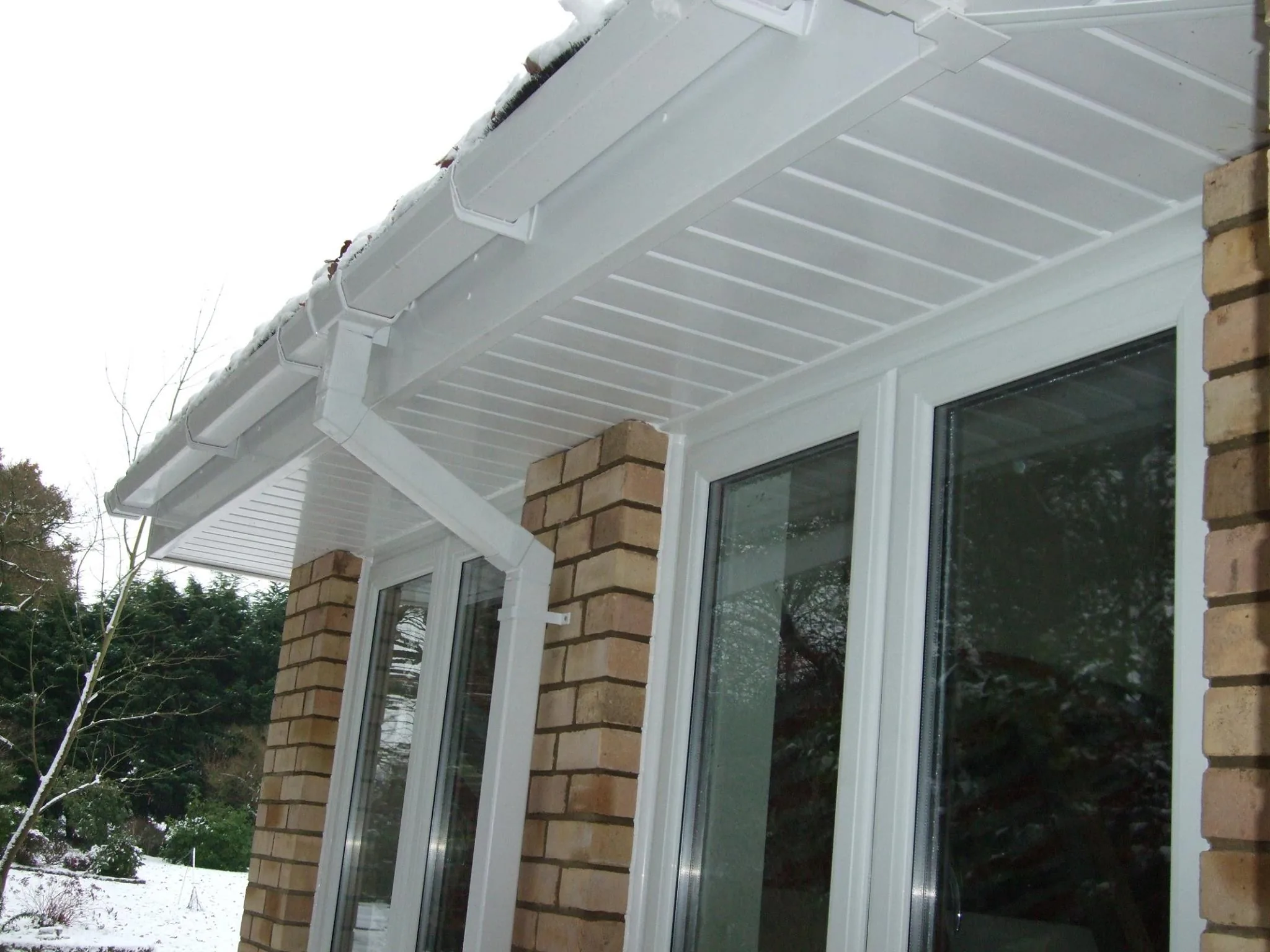
UPVC roofline is the set of plastic components that finish off the edge of your roof and carry rainwater away — the fascia, soffit, bargeboard and guttering, fitted as one matched system. The fascia is the board fixed to the rafter ends that your gutter clips onto. The soffit is the board underneath the roof overhang, and it's usually vented to let air into the loft. The bargeboard is the sloped board at a gable end. Cellular UPVC — a rigid foam-core plastic, not thin sheet plastic — is the material almost every UK installer now fits, because it doesn't rot, warp, or need repainting like timber does.
UPVC suits the vast majority of Nottingham homes, from 1930s semis in Wollaton to newer estates around Arnold and Carlton. It's a poorer fit for listed buildings and some properties inside conservation areas such as The Park, where planning conditions can call for painted timber or cast iron to preserve the original look. A free survey tells you which category your property falls into before you commit to anything.
UPVC vs Timber vs Aluminium: What Each Roofline System Actually Suits
Cost and lifespan only tell part of the story. Here's how each material behaves once it's up on your house, and where it earns its keep.
UPVC (Cellular PVC)
- Never needs painting or oiling — a wipe with soapy water keeps it looking new
- Comes in white, woodgrain foil finishes, black, brown, and anthracite grey
- Can often be fitted straight over sound existing timber, called overboarding, cutting labour time
- Lightweight, so it's quick to handle on ladders and doesn't strain old brackets
- Not the right choice for listed buildings or strict conservation area rules
Timber (Painted or Stained)
- The traditional choice, and often required on period and listed properties
- Needs repainting or re-staining every 3 to 5 years to stop it rotting
- Matches original detailing on Victorian and Edwardian houses around Sherwood and Mapperley
- More prone to warping and woodworm than UPVC or aluminium over time
- If your fascias and soffits are structurally sound timber, our fascias and soffits page covers repair options in more depth
Aluminium
- Holds its shape and colour far longer than UPVC in direct sun, with less fading
- Usually powder-coated, giving a crisp, contemporary finish
- Popular on extensions, new builds, and modern renovations
- Costs more upfront and needs a specialist installer, not a general fitter
- Won't crack in a hard frost the way older, cheaper UPVC sometimes can
Whatever roofline material you choose, the guttering fixed to it is a separate decision worth its own thought — profile, outlet positions, and downpipe routes all affect how well it copes with a heavy Trent Valley downpour. Our guttering installation and replacement page covers gutter profiles and sizing in full.
What Happens Before We Fit Your New Roofline
A good roofline job starts with an honest look at what's already there, not a guess from the ground.
- We carry out a free drone survey of your fascias, soffits, bargeboards and gutters — no ladders needed
- You get clear photos showing exactly where boards are rotten, cracked, or sagging
- We tell you honestly whether overboarding will work or whether a full strip-back replacement is needed
- You choose your finish from our UPVC colour and woodgrain range, matched to your windows and doors
- We check your soffit ventilation meets current requirements, so your loft doesn't trap moisture
- If you're in The Park, Lenton, or another conservation area, we flag any planning conditions before ordering materials — the Planning Portal's guidance on roof work is a useful starting point, though your local authority has the final say
- You get a fixed quote and an agreed scope before any board comes off your house
How We Install UPVC Roofline That Actually Lasts
Most roofline failures come down to poor fixing and gaps at joints, not the material itself. Here's how we fit it properly.
- Strip back rotten timber or overboard directly onto sound existing boards, whichever the survey calls for
- Treat and seal any exposed rafter ends before covering them, so damp timber underneath can't keep rotting unseen
- Fit fascia boards level and square, using stainless steel fixings that won't rust and stain the UPVC
- Fit vented soffit boards with the correct free airflow, so warm, moist air can escape the loft properly
- Hang new guttering to the correct fall — roughly a 1:350 slope — so water runs steadily to the downpipe instead of sitting in the run
- Seal every joint, corner, and stop-end with the matched fittings, not silicone as a shortcut
- Fit bargeboards and any trim last, then clear the site — a typical semi-detached roofline takes 1 to 3 days
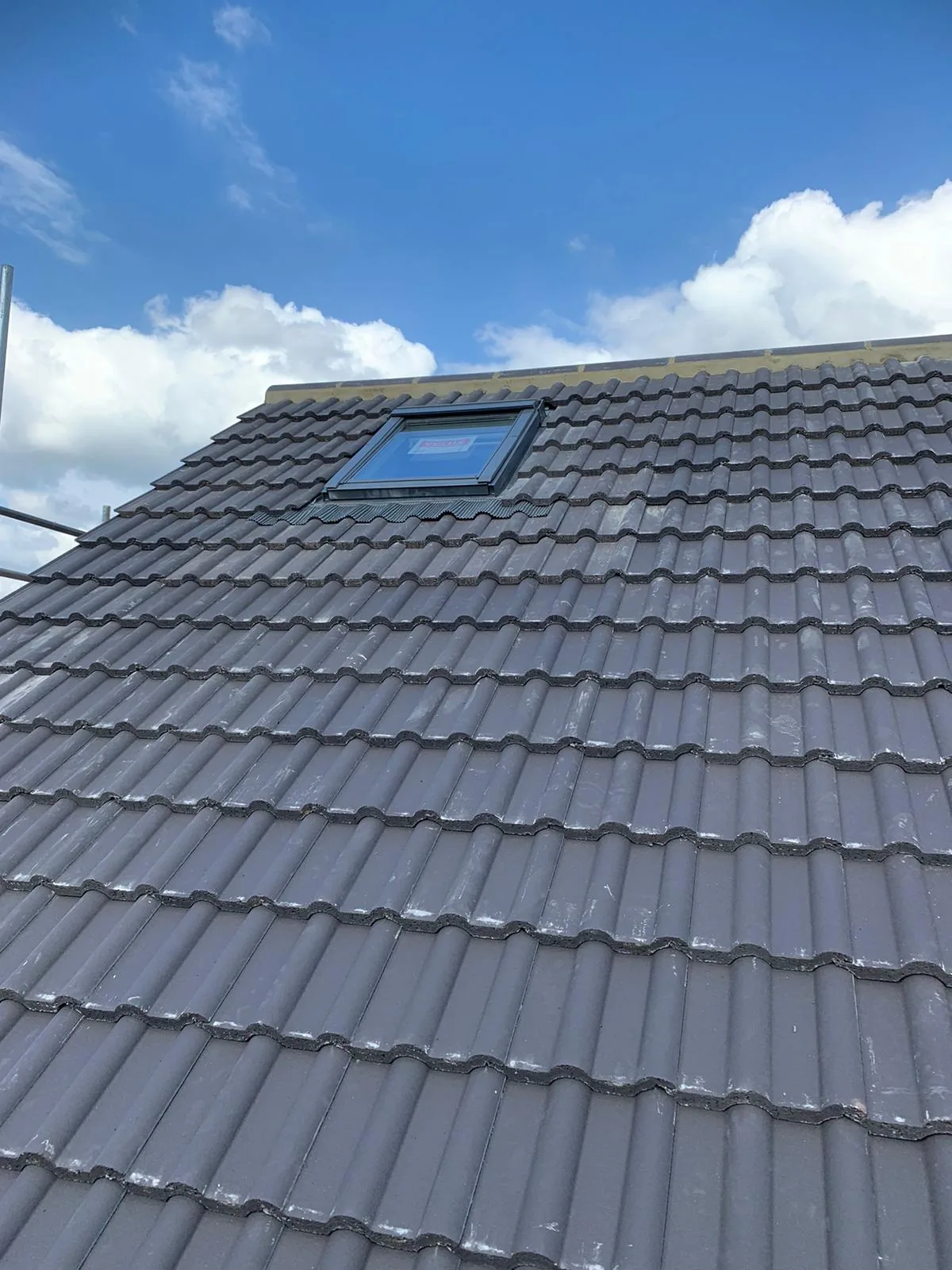
Spot the Warning Signs, Then Check the New Work
Whether you're deciding if you need new roofline or checking a job that's just finished, here's what to look for.
Signs Your Roofline Needs Replacing
- Peeling paint or soft, spongy timber when you press a fascia board
- Gutters pulling away from the fascia, or brackets visibly sagging between fixings
- Water staining down the brickwork below a joint, showing a leak at that point
- Birds or wasps nesting behind soffit boards, which usually means there's a gap letting them in
- Damp patches or a musty smell in the loft, often a sign soffit vents are blocked or missing
- Cracked or discoloured UPVC on an older installation, especially on south-facing elevations
How to Check a Roofline Job Was Done Properly
- Boards should sit flat and level, with no visible gaps at the joints or corners
- Guttering should run true to its fall — pour a bucket of water in at the far end and watch it drain cleanly to the downpipe
- Soffit vents should be clear and unobstructed, not painted over or blocked by insulation
- Fixings should be stainless steel, not the cheaper zinc-plated screws that streak and rust within a year or two
- Ask to see photos of the rafter ends taken before boarding, proof any rot was dealt with, not covered up
- You should receive written confirmation of your guarantee and the exact UPVC system fitted
- We back every roofline installation with a 10-year workmanship guarantee, in writing, from day one
Keeping Your New Roofline Looking Sharp for Decades
UPVC needs far less looking after than timber, but a little attention twice a year keeps it performing properly.
- Clear gutters of leaves and moss twice a year, especially after autumn leaf-fall
- Wipe down fascias and soffits with warm soapy water once a year to keep the colour looking fresh
- Check soffit vents stay clear of cobwebs, bird debris, and paint if any trim gets touched up nearby
- Look for staining on brickwork after heavy rain — it usually means a joint or seal needs attention
- Trim back overhanging branches that scuff the UPVC surface or drop debris into the guttering
- Give the whole roofline a five-minute visual check after any storm
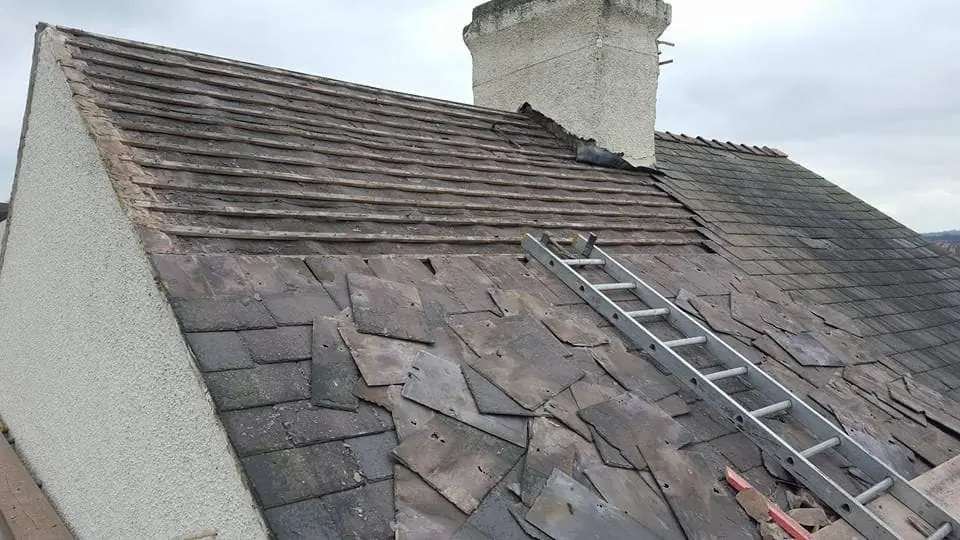
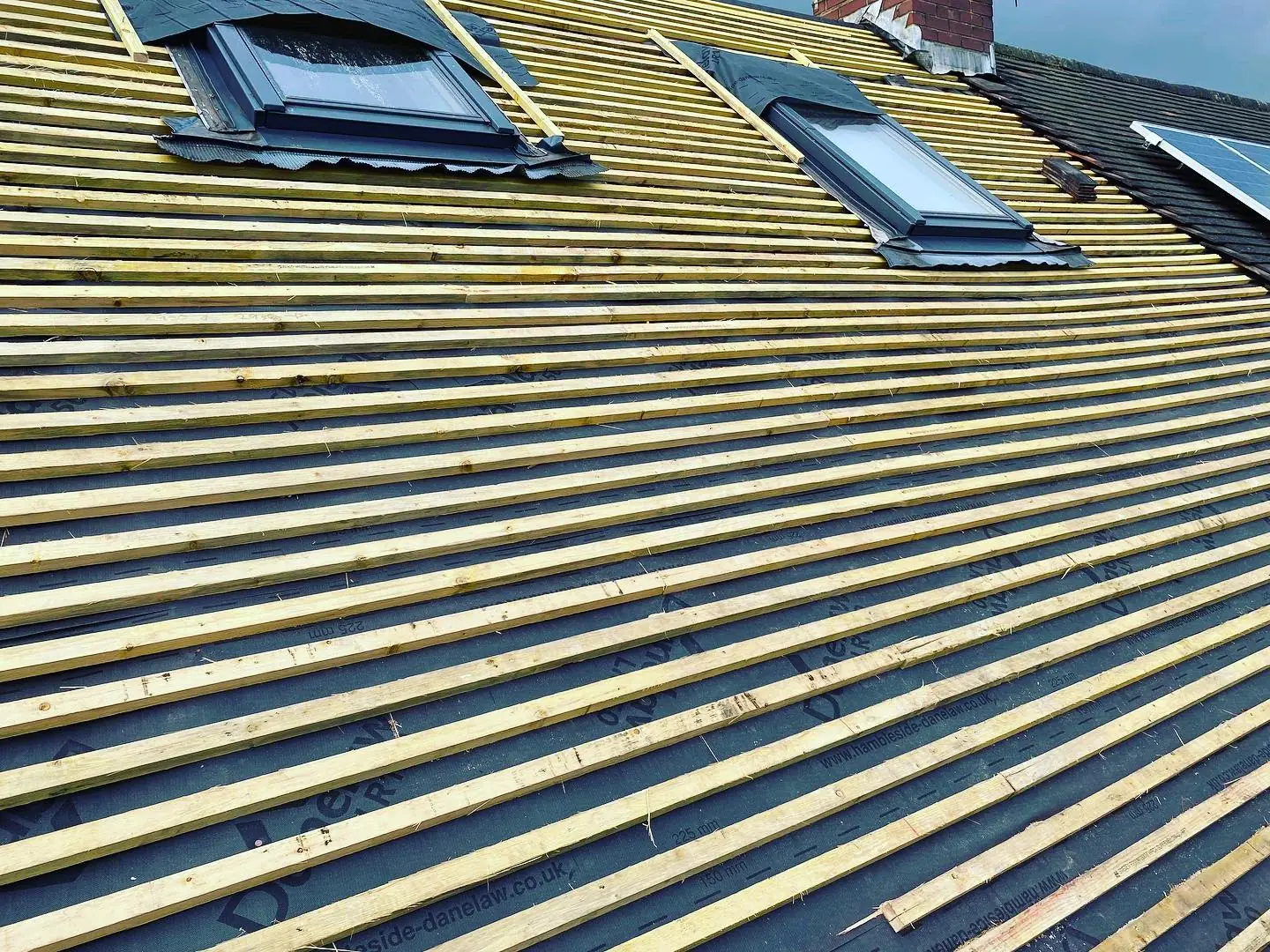
Cost & Pricing Guidance
UPVC roofline pricing across the UK for 2025/26 typically runs like this:
- Fascia boards: £90-£130 per board, fitted
- Soffit boards: £50-£80 per linear metre, fitted
- Guttering with downpipes: roughly £1,000 for 15-20 metres with three downpipes, supplied and fitted
- Full roofline package (fascia, soffit and guttering together): £115-£185 per linear metre
For a typical semi-detached house, a full UPVC roofline replacement usually runs £1,500-£3,500. Larger detached properties, or homes needing full scaffolding on more than one side, can push past £4,000. Overboarding onto sound existing timber is cheaper than a full strip-back replacement, often saving several hundred pounds on labour alone.
What pushes the price up or down: how many sides need scaffolding (typically £200-£800 depending on access), whether the existing boards are rotten enough to need stripping, how many corners and joints the property has, and your choice of finish — woodgrain and anthracite grey generally cost more than plain white.
These are general ranges, not a quote. A fixed price needs a proper survey — and our drone survey is free, with no obligation.
Comparison Table: Roofline Materials
| Material | Typical Lifespan | Best For | Relative Cost |
|---|---|---|---|
| UPVC (Cellular PVC) | 20-30 years | Most homes wanting low upkeep and colour choice | £ (lowest) |
| Timber (Painted) | 10-15 years between repaints | Listed buildings and period detailing | £ to fit, ££ over time |
| Aluminium | 25-40 years | Extensions and contemporary renovations | ££ |
| Cast Iron (Traditional) | 50+ years | Heritage properties in conservation areas | £££ (highest) |
Why Choose Tate & Sons for Your UPVC Roofline
Roofline installation is led by Daniel Oakland, Project Manager and Lead Roofer, who has 20+ years in the trade. He specialises in guttering and roofline systems alongside EPDM, GRP and standing-seam flat roofing, and runs every fascia, soffit and gutter job day to day, from a single storm-damaged run to a full house re-line.
Tate & Sons was founded by James Tate on a simple idea: find out what's genuinely wrong, use the right materials, and leave something that holds for years, not months. That's why we tell you honestly when overboarding will do the job, and when it won't. Read more on our About page.
Our roofers are directly employed, not subcontracted. They hold NVQ Level 2 and 3 qualifications in Roofing Occupations and carry CSCS cards. Every roofline job comes with a free drone survey up front and a 10-year workmanship guarantee once the work is finished.
UPVC Roofline Installation Across Nottingham: Areas We Serve
We fit and repair UPVC roofline right across Greater Nottingham and out into the wider county. Wherever your property sits, our crews know the local housing stock, weather, and access.
- Nottingham City Centre (NG1)
- The Park (NG1)
- West Bridgford (NG2)
- Sneinton (NG2)
- Wollaton (NG8)
- Lenton (NG7)
- Beeston (NG9)
- Chilwell (NG9)
- Stapleford (NG9)
- Arnold (NG5)
- Sherwood (NG5)
- Mapperley (NG3)
- Carlton (NG4)
- Gedling (NG4)
- Hucknall (NG15)
- Long Eaton (NG10)
- Mansfield (NG18)
- Sutton-in-Ashfield (NG17)
Got Questions?
Your Flat Roofing Questions, Answered Properly
How much does UPVC roofline installation cost in Nottingham?
A full UPVC roofline replacement on a typical semi-detached Nottingham house costs £1,500-£3,500. Fascia boards run £90-£130 per board fitted, soffits £50-£80 per linear metre, and guttering around £1,000 for 15-20 metres with three downpipes. Larger detached homes or properties needing scaffolding on several sides cost more. A free survey gives you an exact figure rather than a rough estimate.
What does "UPVC roofline" actually include?
UPVC roofline covers the fascia, soffit, bargeboard and guttering fitted together as one matched system. The fascia carries your guttering and covers the rafter ends. The soffit sits underneath the roof overhang and usually provides loft ventilation. The bargeboard finishes a gable end, and the guttering carries rainwater away to the downpipes. Most Nottingham installers, us included, quote and fit all four as a single job.
How long does UPVC roofline last?
UPVC roofline typically lasts 20-30 years with only basic cleaning. It doesn't rot, warp, or need repainting the way timber does, which is why it's become the default choice across most of the UK. Sun exposure over many years can eventually fade or slightly discolour cheaper grades of UPVC, particularly on south-facing walls. Quality cellular UPVC from a reputable supplier holds its colour far better than budget sheet plastic.
Can UPVC be fitted over my existing timber, or does it all need stripping off first?
Overboarding, fitting UPVC straight over sound existing timber, is often possible and cuts both cost and disruption. It only works if the timber underneath is structurally sound, not rotten or damp. Our survey checks the condition of your existing boards before we recommend overboarding over a full strip-back replacement. Where timber has rotted, stripping it back is the only proper long-term fix, since covering rot simply hides the problem rather than solving it.
Do I need planning permission to replace my roofline with UPVC?
Most straightforward roofline replacements on an ordinary house don't need planning permission. Conservation areas, including parts of The Park and Lenton, can carry planning conditions that require painted timber, cast iron guttering, or a specific colour rather than standard white UPVC. Listed buildings almost always need listed building consent for any roofline change. We check your property's status during the survey and flag anything that needs sign-off before ordering materials.
What colours does UPVC roofline come in?
UPVC roofline is available in white, black, brown, anthracite grey, and woodgrain foil finishes that mimic painted timber. White remains the most common and cheapest option across Nottingham. Anthracite grey and woodgrain finishes have grown popular on renovated and higher-spec properties in recent years, often matched to grey UPVC windows and doors. Colour choice affects price slightly, with foiled woodgrain finishes typically costing more than plain white.
How long does a full roofline installation take?
A typical semi-detached house takes 1 to 3 days for a full roofline installation, weather allowing. Overboarding onto sound timber is quicker than a full strip-back replacement, since there's less demolition and disposal involved. Larger detached properties or homes with complex rooflines, multiple gables, and dormers take longer. Your survey gives a realistic timeframe before work starts, not just a guess.
Is UPVC roofline suitable for a listed building or a conservation area property?
UPVC is often restricted or refused on listed buildings and can be limited by planning conditions in conservation areas such as The Park. These properties usually need painted timber or cast iron to preserve their original appearance, and altering that without consent can cause problems if you later sell the property. Some conservation areas do permit UPVC if it closely matches the original profile and colour, so it's always worth checking rather than assuming either way. We flag this during your survey so you're never caught out after materials are ordered.
Can damaged UPVC roofline be repaired, or does it need full replacement?
A single cracked section, a loose bracket, or a leaking joint can usually be repaired without replacing the whole run. Widespread cracking, sagging along multiple sections, or UPVC that's badly faded and brittle from years of UV exposure generally points to full replacement being the better value option. Mixing old, faded UPVC with new sections also tends to look patchy, since colours can vary slightly between manufacturing batches. Our survey tells you honestly which route makes sense for your property.
Book Your Free Drone Roof Survey Today
See exactly what your roof needs before any work starts. No ladders, no pressure — just a clear picture from a local Nottingham team.
A tired roof only gets worse as water works deeper into the deck and timber beneath it. A quick, free drone survey today tells you exactly where you stand — and often the fix is smaller and cheaper than you feared. Book now, get an honest quote, and protect your home before the next East Midlands downpour finds the weak spot.
📍 57 Cyril Avenue, Nottingham, NG8 5BA
📞 0115 647 4455
Call the Nottingham team today on 0115 647 4455, or request your free drone survey online. We’re already working across your area.
Get in Touch
Tate & Sons Roofing — Nottingham
57 Cyril Avenue, Nottingham, NG8 5BA
📞 0115 647 4455
✉️ [email protected]