
🏠 Trusted Local Roofers
Standing Seam Roofing Nottingham
Standing seam roofing uses long metal panels joined by raised, interlocking seams instead of exposed fixings, so water has nowhere to get in. It suits extensions, dormers, barn conversions, and full re-roofs across Nottingham. As a roofing contractor working across the city, we fit zinc, aluminium, steel, and copper systems built to hold for decades.
- Fully Insured
- 10-Year Guarantee
- 5-Star Rated
Quick Free Estimate - No Obligation
We're not just roofers – we're your neighbours.
Fully Insured • Response within 15 mins
🔒 Your details are safe with us. No spam, ever.
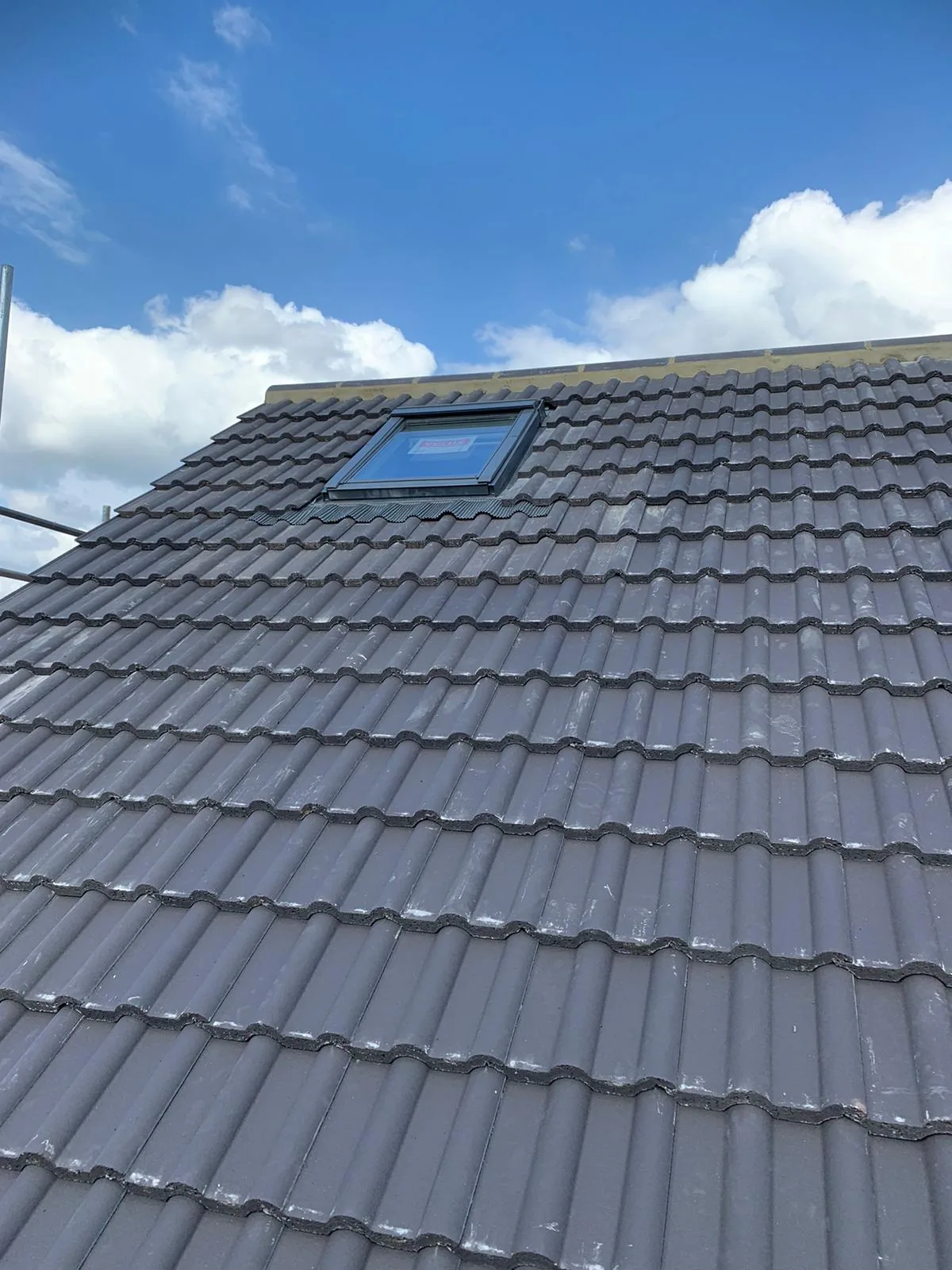
What Is Standing Seam Roofing?
Standing seam roofing is a metal roof system made from long panels of zinc, aluminium, steel, or copper, joined together by raised vertical seams that lock the panels to one another. The seams sit above the flow of rainwater, so there are no exposed screws or nail holes for leaks to start from. Panels run in a single, unbroken sheet from ridge to eaves, which gives a clean, modern look while shedding water fast, even on a low-pitched roof. Fitted correctly, a standing seam roof can last 50 years or more with very little upkeep, making it a popular choice for extensions, dormers, and barn conversions across Nottingham.
Which Standing Seam Metal Suits Your Nottingham Roof Best?
The right metal depends on your budget, how the roof will be seen, and whether the property sits in a conservation area. Here's a quick starting point before you look at the full comparison table further down this page.
- Zinc weathers to a soft grey patina (the protective surface layer that forms naturally as metal reacts with air) and is the traditional choice for period extensions and dormers
- Aluminium is light, low-maintenance, and resists corrosion well, making it a strong all-round option for larger roofs
- Steel is the most affordable metal, provided it carries a proper factory coating to stop rust
- Copper is the premium option, ageing from bright orange-brown to a green patina over decades
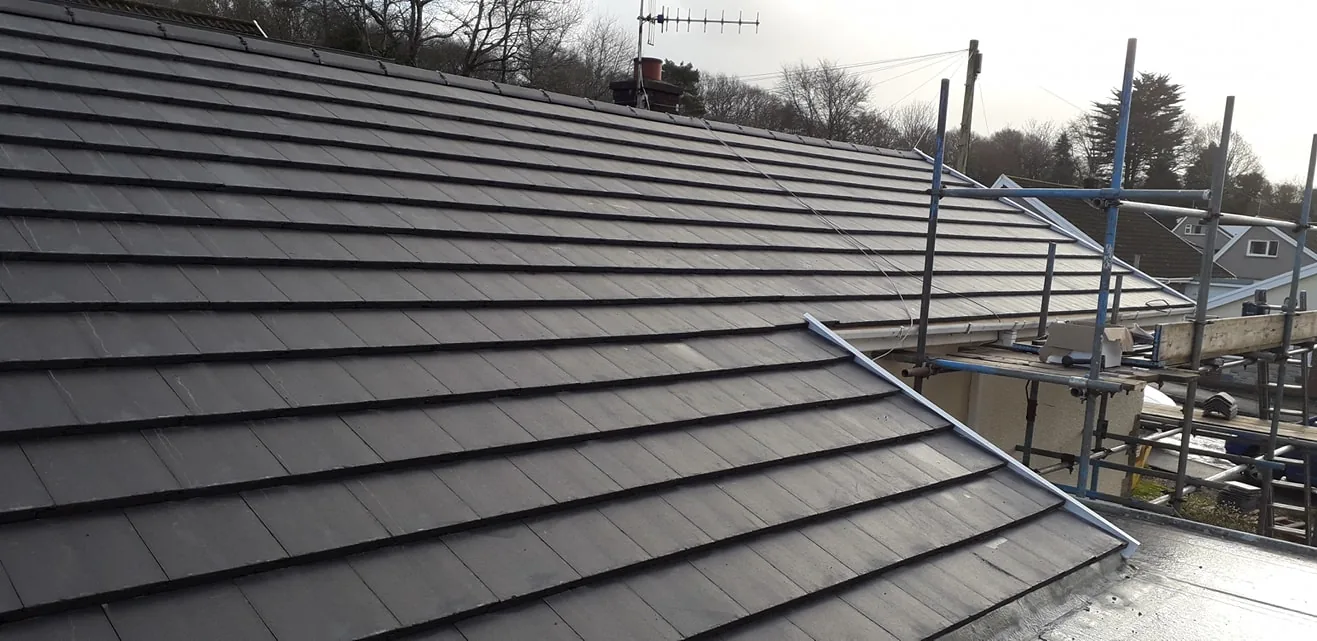
A free survey settles which fits your roof, your budget, and how long you want it to last without touching it again.
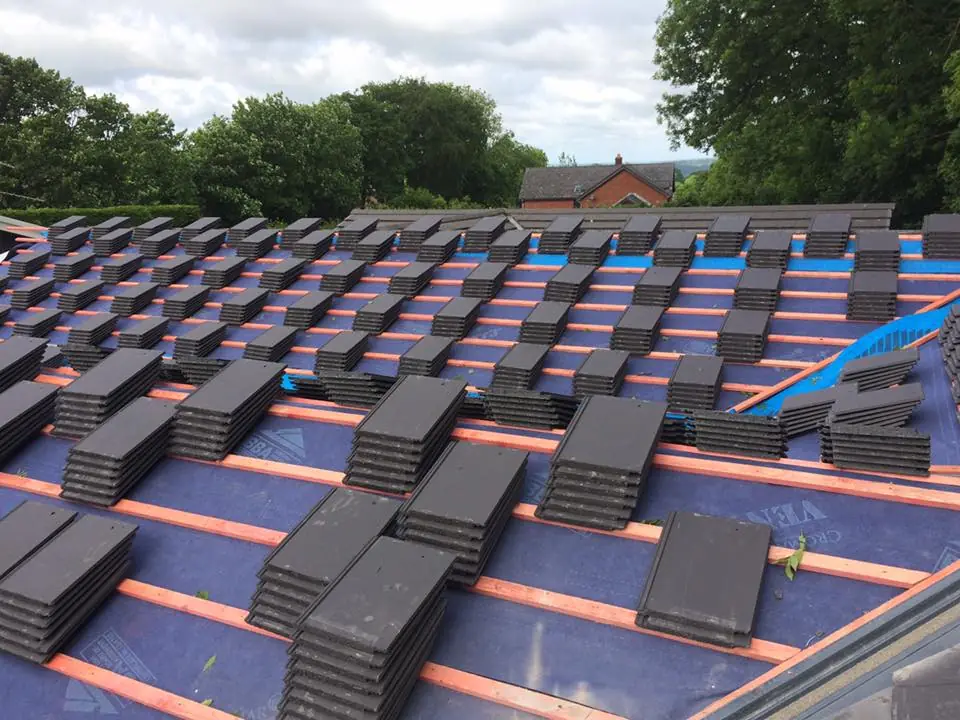
Zinc vs Aluminium vs Steel vs Copper: What Each One Actually Suits
Lifespan and cost only tell half the story. Here's how each metal behaves once it's on your roof, and where it earns its keep.
Zinc
- Folded and welded on site by a specialist team, so joints are seamless and neat
- Self-heals light scratches over time as the patina reforms
- The natural choice for period properties and conservation areas around The Park, Lenton, and Wollaton
- Needs careful detailing where it meets other metals, since contact between dissimilar metals can cause galvanic corrosion (a reaction that eats away at the less noble metal)
Aluminium
- Roughly a third of the weight of zinc, so it puts less strain on older roof structures
- Handles Nottingham's weather well, including the more exposed, elevated spots around Mapperley Top
- Comes pre-finished in a wide range of colours, unlike zinc or copper
- Well suited to barn conversions, large extensions, and roofs with long, uninterrupted panel runs
Steel
- Needs a factory-applied coating, typically a zinc-aluminium or PVDF paint finish, to resist rust
- The most cost-effective standing seam metal for garages, outbuildings, and larger commercial spans
- Faster to install than zinc or copper, since it doesn't need hand-welded joints
- A sound budget option provided the coating and cut edges are properly protected
Copper
- Develops its well-known green patina gradually, usually over 15 to 20 years in the UK climate
- One of the longest-lasting roofing metals available, often outliving the building around it
- Best suited to feature roofs, bay windows, dormers, and listed or heritage properties where appearance matters as much as performance
- Needs a correctly built supporting deck to avoid trapped condensation, as the Federation of Traditional Metal Roofing Contractors explains in its guidance on copper roofing
What Happens Before We Fit a Single Panel
A standing seam roof is only as good as the planning behind it. Every job starts with a proper look at your roof, not a guess from the pavement.
- We carry out a free drone survey of the whole roof, showing you the deck, junctions, and surrounding roof areas in detail
- We check whether the existing structure can carry the metal you want, since zinc and copper weigh more than aluminium or steel
- If you're near The Park, Lenton, or Wollaton Park, we flag anything needing conservation area sign-off before ordering materials
- Where a standing seam section meets an existing tiled roof, we agree how the junction will be finished — often with a dry ridge system along the tiled ridge and a dry verge system at the gable edges, so the whole roof is mechanically fixed rather than relying on ageing mortar
- We agree the metal, gauge (panel thickness), finish, and seam spacing with you before anything is ordered
- Panels are usually fabricated to order, so we give you a realistic lead time, not a vague estimate
- You get a firm quote and an agreed scope before a single panel is cut
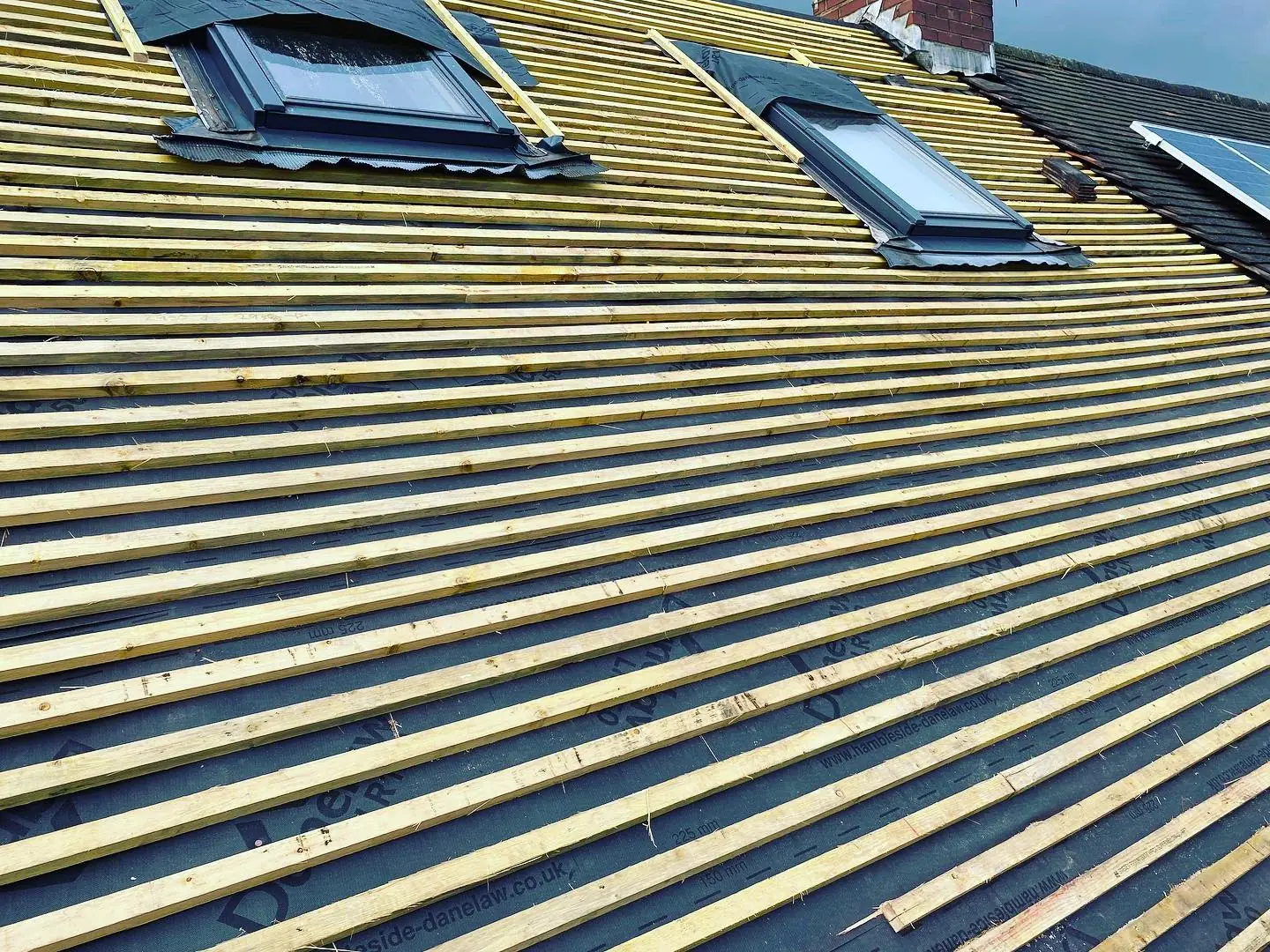
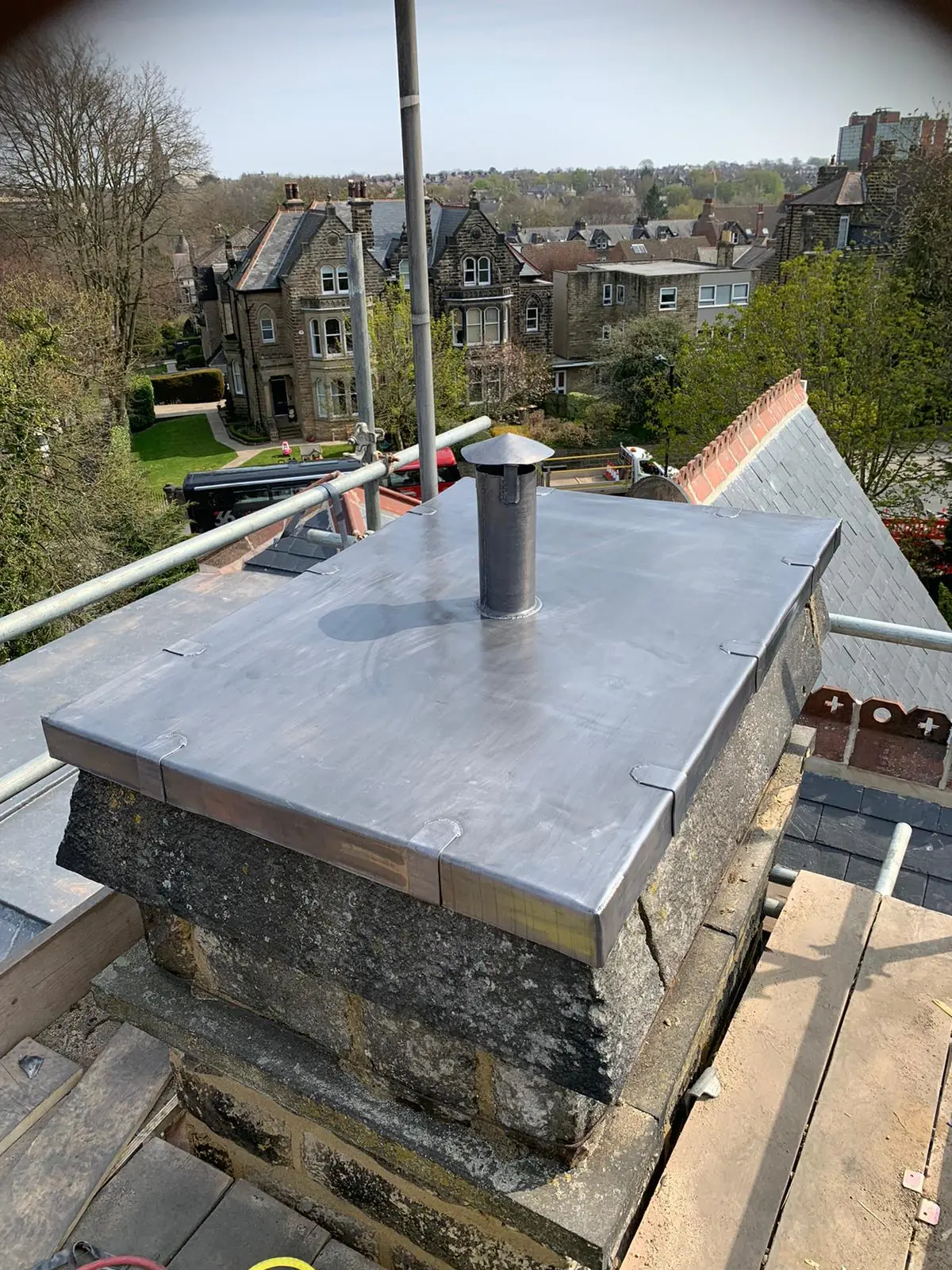
How We Install a Standing Seam Roof That Stays Watertight for Decades
Most standing seam failures come down to poor detailing at the edges, not the metal itself. Here's how we fit one properly.
- Strip the roof back to a sound deck and replace any rotten timber before anything else goes on
- Fit a breather membrane (a water-resistant layer that still lets trapped moisture vapour escape) over the deck to protect it from condensation
- Fix timber battens or a solid substrate to take the panel clips, checked and squared before fixing starts
- Fold or fabricate panels to the agreed width, then fix them using concealed clips rather than exposed screws
- Form each standing seam using a mechanical seaming tool, which folds the panel edges together into a weathertight, raised joint
- Detail flashings at eaves, verges, valleys, and abutments with extra care, since these junctions are where most leaks start
- Check the roof pitch (the angle of slope) meets the minimum for your chosen system, generally around 3 to 5 degrees for sealed standing seam joints, and adjust detailing if the roof is close to that limit
- Clear the site fully, typically 3 to 7 days for a domestic re-roof or extension, weather and access allowing
How to Check Your New Standing Seam Roof Was Fitted Right
Whether you're checking a finished job or trying to spot a problem developing, here's what to look for.
- Seams should run in dead straight, uniform lines at consistent height along their full length
- Panels should sit flat, with no oil-canning (a visible rippling or waviness in the metal caused by poor fixing or panels cut too wide)
- No exposed screws or fixings should be visible anywhere on the main roof area
- Flashings at verges, valleys, and abutments should be neatly dressed and fully weathertight, not just tucked and hoped for
- You should receive written confirmation of the metal, gauge, and finish used, along with your guarantee
- We back every standing seam roof we fit with a 10-year workmanship guarantee, in writing, from day one
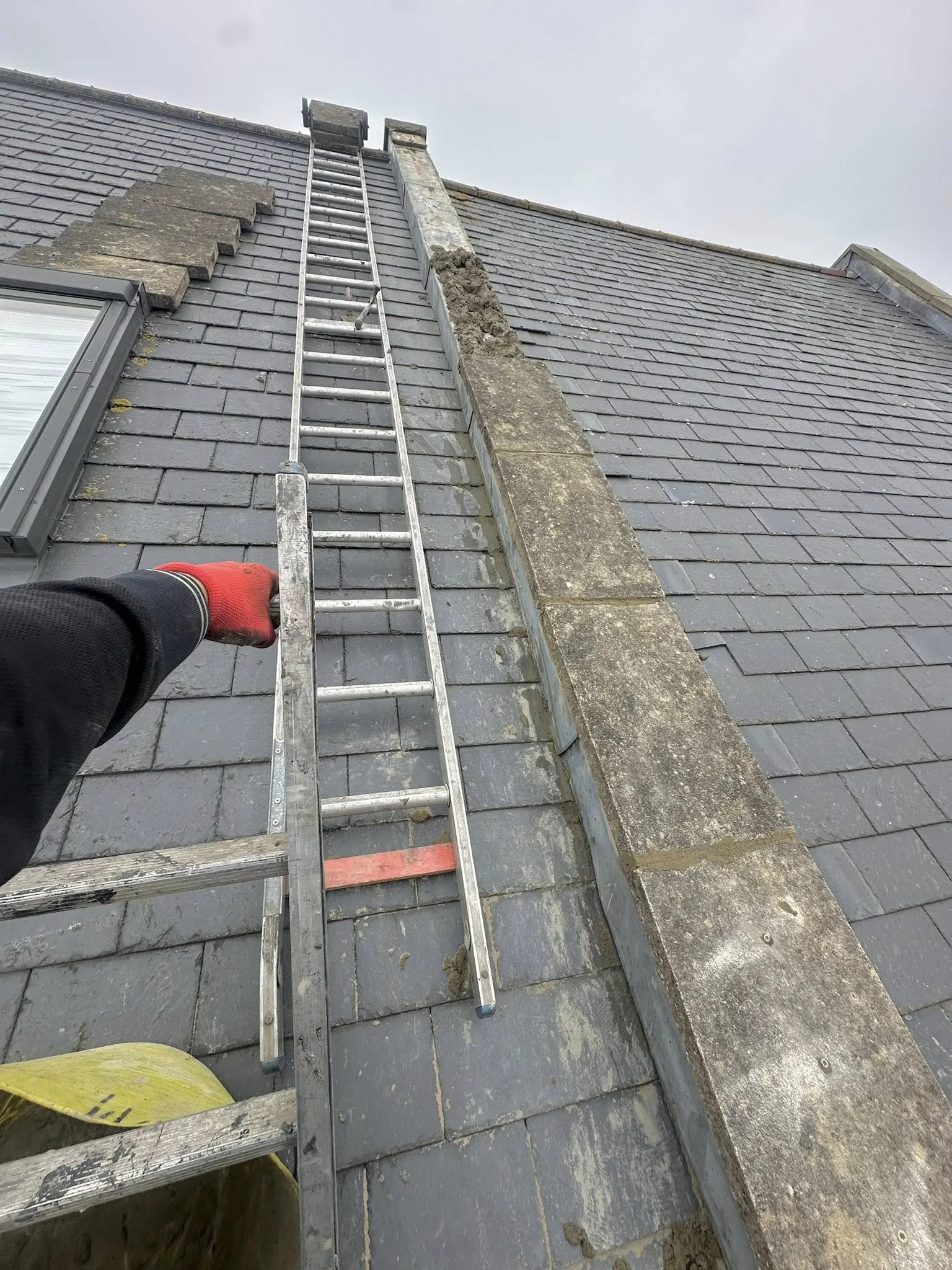
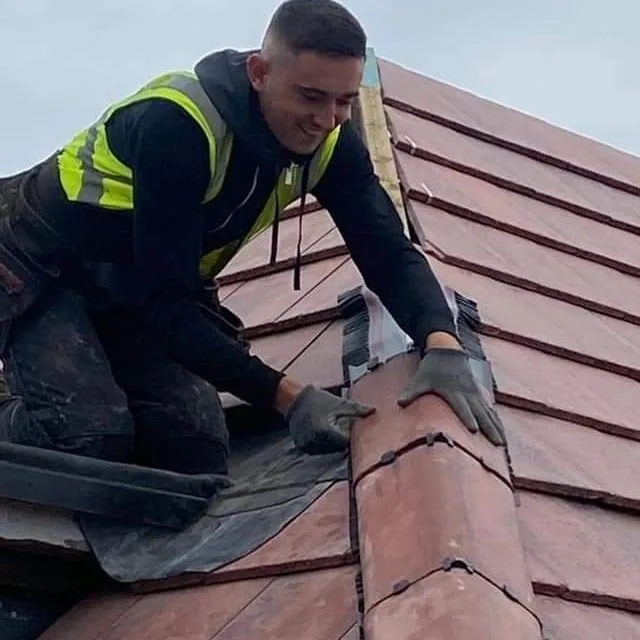
Keeping Your Standing Seam Roof Problem-Free for Decades
A standing seam roof needs very little looking after, but a few checks a year keep it performing as it should.
- Clear leaves and debris from valleys and gutter lines twice a year, especially after autumn leaf-fall
- Keep other metals, cable clips, and fixings away from direct contact with the roof surface, to avoid galvanic corrosion between dissimilar metals
- After a storm or a fallen branch, check for dents or scuffed coatings — a damaged panel section can usually be replaced individually rather than re-covering the whole roof
- If you want to walk the roof for maintenance or a future solar panel install, tell us at survey stage so we fit proper standing seam clamps and walkway boards rather than relying on the panels alone
- Avoid pressure-washing the surface, which can strip protective coatings on steel and aluminium systems
- Give the roof a quick visual check after any severe weather, so small damage gets caught before it becomes a leak
Cost & Pricing Guidance
Standing seam roofing pricing across the UK for 2025/26 typically runs like this, based on supply and fit:
- Steel: £70-£120 per m²
- Aluminium: £90-£160 per m²
- Zinc: £140-£260 per m²
- Copper: £180-£350 per m²
A typical dormer, extension, or garden room roof costs £3,500-£15,000 all in, depending on material, size, and the number of junctions and upstands involved.
What pushes the price up: bespoke folded details, complex valleys and abutments, listed building requirements, restricted access needing scaffolding, and premium metals like zinc or copper. What brings it down: a simple rectangular roof shape, straightforward access, and choosing steel or aluminium over zinc or copper.
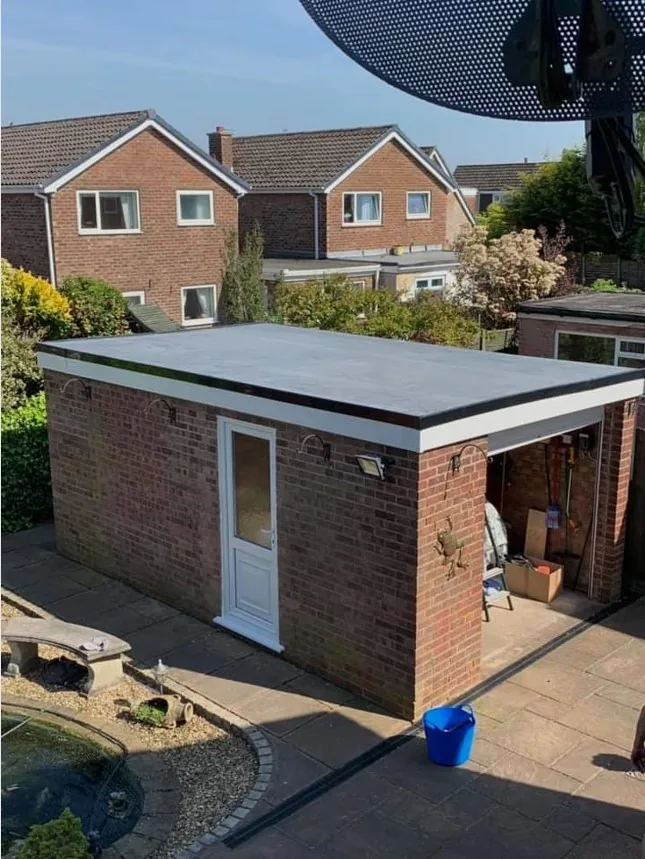
These are general ranges, not a quote. A fixed price needs a survey — and our drone survey is free, with no obligation.
Comparison Table: Standing Seam Metals
| Metal | Typical Lifespan | Best For | Relative Cost |
|---|---|---|---|
| Steel (coated) | 30-50 years | Garages, outbuildings, budget-conscious projects | £ (lowest) |
| Aluminium | 40-50 years | Barn conversions, larger spans, low-maintenance roofs | ££ |
| Zinc | 50-100 years | Period extensions, dormers, conservation areas | £££ |
| Copper | 50-100+ years | Feature roofs, listed buildings, statement dormers | ££££ (highest) |
Why Choose Tate & Sons for Your Standing Seam Roof
Standing seam work is led by Daniel Oakland, Project Manager and Lead Roofer, who has 20+ years in the trade. He specialises in EPDM, GRP, and standing-seam systems, and runs every metal roofing job day to day, from a single dormer to a full barn conversion re-roof.
Tate & Sons was founded by James Tate on a simple idea: find out what's genuinely wrong, use the right materials, and leave something that holds for years, not months. That's exactly the mindset a standing seam roof demands, since a rushed seam or a badly detailed flashing undoes decades of otherwise good metalwork. Read more on our About page.
Our roofers are directly employed, not subcontracted. They hold NVQ Level 2 and 3 qualifications in Roofing Occupations and carry CSCS cards. Every standing seam roof comes with a free drone survey up front and a 10-year workmanship guarantee once the work is finished.
Standing Seam Roofing Across Nottingham and the Wider County: Areas We Serve
We fit and repair standing seam roofs right across Greater Nottingham and out into the wider county. Wherever your property sits, our crews know the local housing stock, planning quirks, and access.
- Nottingham City Centre (NG1)
- The Park (NG1)
- West Bridgford (NG2)
- Sneinton (NG2)
- Wollaton (NG8)
- Lenton (NG7)
- Beeston (NG9)
- Chilwell (NG9)
- Stapleford (NG9)
- Arnold (NG5)
- Sherwood (NG5)
- Mapperley (NG3)
- Carlton (NG4)
- Gedling (NG4)
- Hucknall (NG15)
- Long Eaton (NG10)
- Mansfield (NG18)
- Sutton-in-Ashfield (NG17)
Got Questions?
Your Flat Roofing Questions, Answered Properly
What is standing seam roofing?
Standing seam roofing is a metal roof system made of long panels joined by raised, interlocking vertical seams rather than exposed screws. The seams sit proud of the flat panel surface, so rainwater runs straight past them instead of pooling against a fixing point. It's made from zinc, aluminium, steel, or copper, and can be used on anything from a small dormer to a full house re-roof. Fitted correctly, it gives a clean, modern look and one of the longest lifespans of any roofing system available in the UK.
How much does standing seam roofing cost in the UK?
Standing seam roofing typically costs £70-£350 per m², depending on the metal you choose. Steel sits at the budget end around £70-£120 per m², aluminium runs £90-£160 per m², zinc runs £140-£260 per m², and copper runs £180-£350 per m². A typical dormer or extension roof costs £3,500-£15,000 all in. A survey gives you an exact figure based on your roof's shape, size, and access.
How long does a standing seam roof last?
It depends on the metal and the quality of the install. Steel lasts 30-50 years, aluminium lasts 40-50 years, and zinc and copper can both last 50 to 100 years or more with almost no maintenance. Poor detailing at the seams, flashings, and junctions is the most common reason a standing seam roof fails early, whatever metal is used. A well-fitted roof from a specialist team should easily outlast a mortgage.
Which metal is best for standing seam roofing: zinc, aluminium, steel, or copper?
There isn't one correct answer — it depends on your budget, your roof's structure, and how it will look. Aluminium gives the best mix of low weight, low maintenance, and reasonable cost for most homes. Zinc suits period properties and conservation areas where appearance matters. Steel is the most affordable option for garages and outbuildings, and copper is the premium choice for feature roofs and listed buildings. Our free survey talks through which fits your project.
Is a standing seam metal roof noisy in the rain?
No, not when it's fitted properly. A standing seam roof fixed over a solid timber deck and breather membrane is generally no noisier than a tiled roof, since the solid substrate absorbs and muffles the sound of rain hitting the panels. The noise problems people associate with metal roofing usually come from lightweight profiled sheeting fixed straight to open rafters, which is a completely different system to a fully decked standing seam roof.
Do I need planning permission for standing seam roofing in Nottingham?
Most straightforward re-roofs on a house don't need planning permission if the roof shape stays the same, though Building Regulations notification usually applies. Conservation areas around The Park, parts of Lenton, and other older Nottingham neighbourhoods can bring extra restrictions on colour, finish, or visibility from the street. Listed buildings almost always need separate consent before any roof covering changes. We check and flag anything that applies to your property during the free survey, well before ordering materials.
What roof pitch does standing seam roofing need?
Standing seam systems work down to a much lower pitch than tiles or slate, generally from around 3 to 5 degrees upwards, depending on the seam type and manufacturer. This makes it a strong option for garden rooms, dormers, and extensions where a traditional tiled roof would be too flat to shed water properly. On very low pitches, we pay extra attention to seam sealing and lap detailing to keep the roof fully weathertight.
Can a damaged standing seam panel be repaired, or does the whole roof need replacing?
In most cases, an individually damaged panel can be cut out and replaced without disturbing the rest of the roof. This is one of the practical advantages of the system over a single continuous membrane like EPDM or felt, where damage often means a larger repair area. Storm damage, a fallen branch, or an old satellite dish bracket are common causes of isolated panel damage. Widespread corrosion or failed seams across the whole roof usually points to a fuller re-cover instead.
Can you walk on a standing seam roof, and can it take solar panels?
Yes, standing seam roofs can be walked on for maintenance and can support solar panels, but both need the right fixings specified up front. Standard foot traffic across bare panels can scuff coatings or dent thinner gauges, so we recommend walkway boards or proper standing seam clamps for regular access. Solar panels are usually fitted using seam-mounted clamps that grip the raised seam itself, so no roof penetrations are needed at all. Tell us at survey stage if solar is part of your plan, so we specify the right seam spacing and gauge from the outset.
Book Your Free Drone Roof Survey Today
See exactly what your roof needs before any work starts. No ladders, no pressure — just a clear picture from a local Nottingham team.
A tired roof only gets worse as water works deeper into the deck and timber beneath it. A quick, free drone survey today tells you exactly where you stand — and often the fix is smaller and cheaper than you feared. Book now, get an honest quote, and protect your home before the next East Midlands downpour finds the weak spot.
📍 57 Cyril Avenue, Nottingham, NG8 5BA
📞 0115 647 4455
Call the Nottingham team today on 0115 647 4455, or request your free drone survey online. We’re already working across your area.
Get in Touch
Tate & Sons Roofing — Nottingham
57 Cyril Avenue, Nottingham, NG8 5BA
📞 0115 647 4455
✉️ [email protected]