
🏠 Melton Mowbray Solar Roof Preparation Specialists
Solar Panel Roof Preparation in Melton Mowbray — Get Your Roof Ready Before the Panels Go Up
- Free Drone Survey
- Directly Employed Roofers
- Written Fixed Price
📞 Call 01664 490955 — free drone survey & a written price
Book Your Free Drone Survey
No scaffold. No pressure. No obligation.
Straight answers from local Melton Mowbray roofers.
🔒 Your details are safe with us. No spam, ever.
Solar panels are only as good as the roof underneath them. Fit them onto tired timbers or brittle old battens and you are storing up a much bigger job for later, one that means panels coming off before any repair can even start. Solar panel roof preparation in Melton Mowbray checks and strengthens the structure first, so your installer can fit with confidence and your roof can carry the panels for their full 25-year working life. Tate & Sons Roofing prepares roofs for solar across Melton Mowbray and the wider borough, working alongside your chosen installer or ahead of your own MCS survey.
This page covers how to tell if your roof needs work before solar goes on, which repair route fits your situation, in-roof versus on-roof mounting, real cost ranges, and what preparation day involves. It is about strengthening the roof structure before installation — not protecting panels from birds once they are already up, which is a separate job. Roof preparation sits alongside everything else we do as a roofing contractor across Melton Mowbray, and every visit starts with a free, no-obligation drone survey so you know exactly what your roof needs before anyone commits to anything.
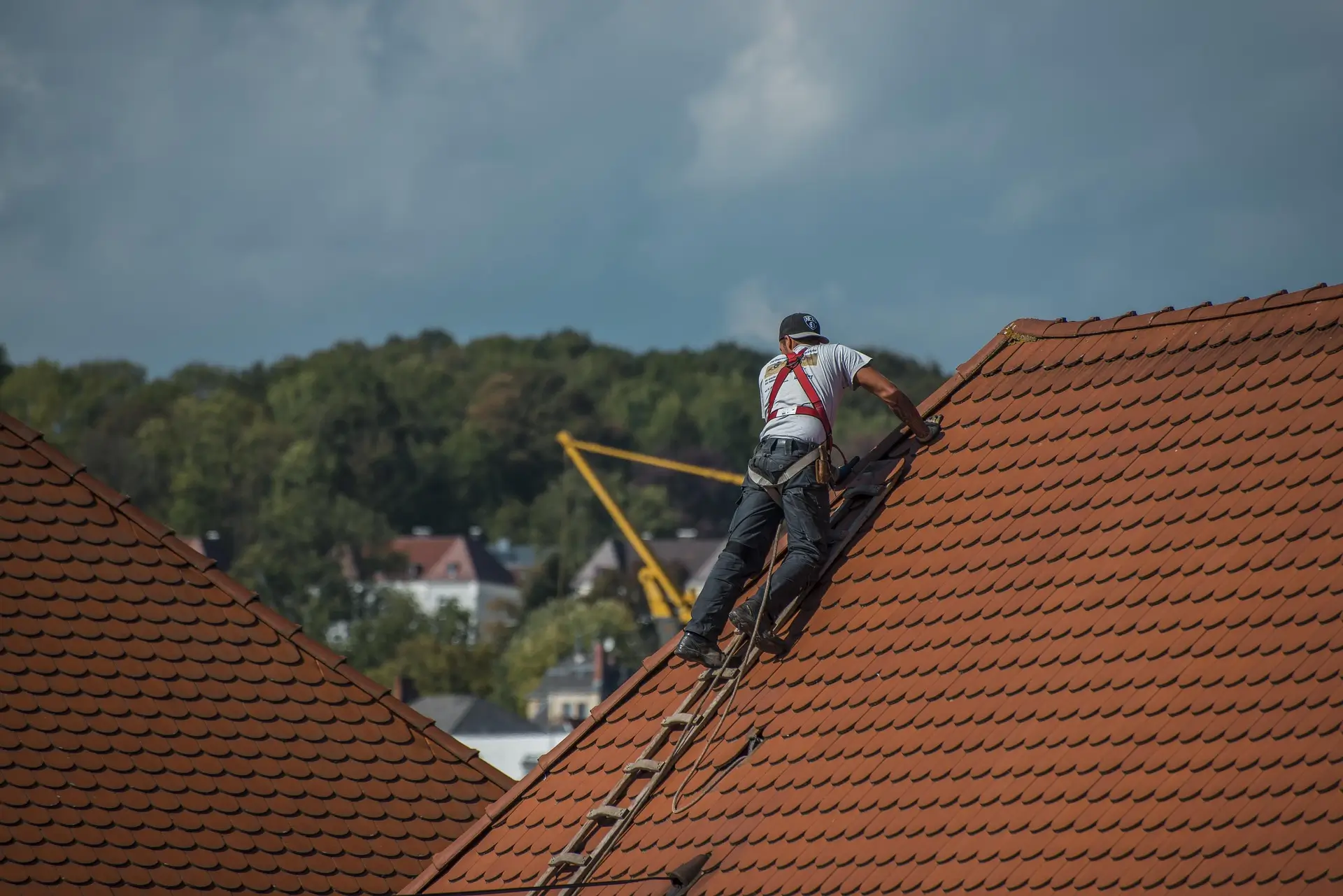
Know the Warning Signs Your Roof Isn't Ready for Solar Yet
Most installers will not fit panels onto a roof they cannot vouch for. If they cannot rule out a leak developing under the array later, a reputable installer should pause and ask for a roofer's opinion first.
Watch for these signs before you book a solar survey:
- Cracked, slipped, or missing tiles anywhere on the roof
- Sagging visible along the roofline from the street
- Soft, spongy, or crumbling battens found in the loft
- Damp patches or daylight showing through the roof timbers
- Heavy moss or algae built up across the tiles
- A roof covering already past 20 years old
- Fewer than 10 to 15 years of useful life left in the existing roof
That last point matters more than most people expect. Solar arrays are usually fixed down for 25 years or more, so your roof needs to comfortably outlast the panels sitting on it. If a roof only has 10 years left in it, fitting solar now means paying to remove and refit the whole array partway through its life, on top of the re-roof itself. A free drone survey settles this with real footage of the ridge, valleys, and hidden timber, not a guess from the pavement. Book one through our free drone roof survey service before your solar quote is finalised.
Repair, Re-Batten, or Full Re-Roof — Getting the Prep Route Right
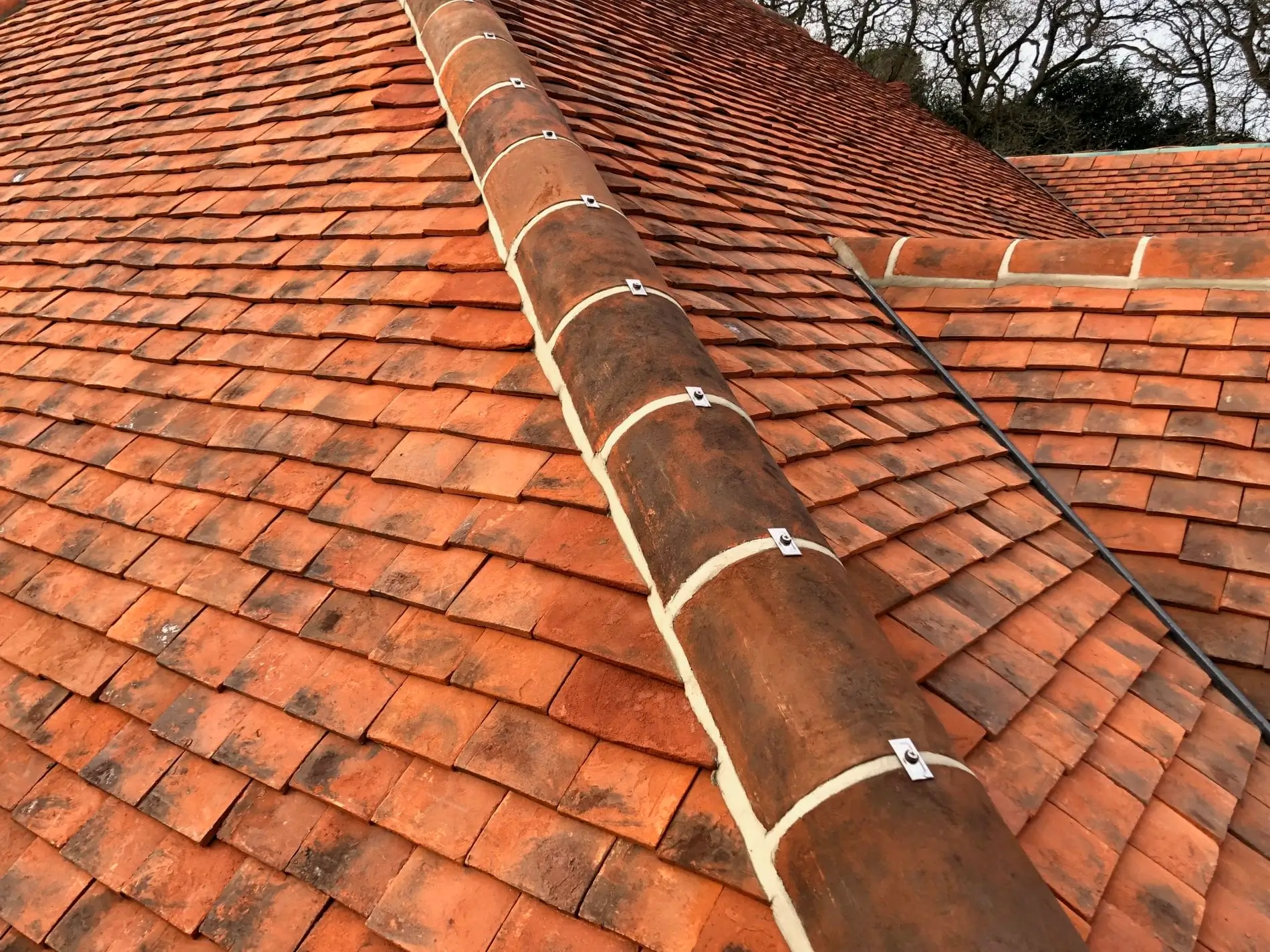
Not every roof needs stripping back before solar goes on. Localised damage on an otherwise sound roof is usually a straightforward repair: a few tiles reseated, flashings resealed, moss treated and cleared. Widespread wear, tired battens across most of the roof, or a covering nearing the end of its life points toward a fuller re-batten or a genuine re-roof instead.
This is exactly the judgement call new MCS installation rules are built around. From mid-2026, MCS technical standard MIS 3002 requires the roof structure to be checked by a suitably competent person before any solar PV system goes up, on every job submitted for MCS certification. On complex roofs — hips, valleys, dormers, roofs under a 30-degree pitch,
or anything already showing signs of movement — that check has to be carried out by a qualified structural engineer, not just a visual once-over. We see this most on the older farm buildings around Long Clawson, where barns and outbuildings being converted for solar often carry roof structures that were never built with rooftop panel loading in mind, so a proper structural check comes before anything else is agreed.
If your survey points to a full new covering rather than a patch, our roof replacement and re-roofing service handles the larger structural work, including any rotten timber, before your installer sets foot on the roof. Getting this sequence right the first time is always cheaper than fitting solar onto a roof that needed the work anyway.
In-Roof or On-Roof — Which Mounting System Suits Your Roof's Condition
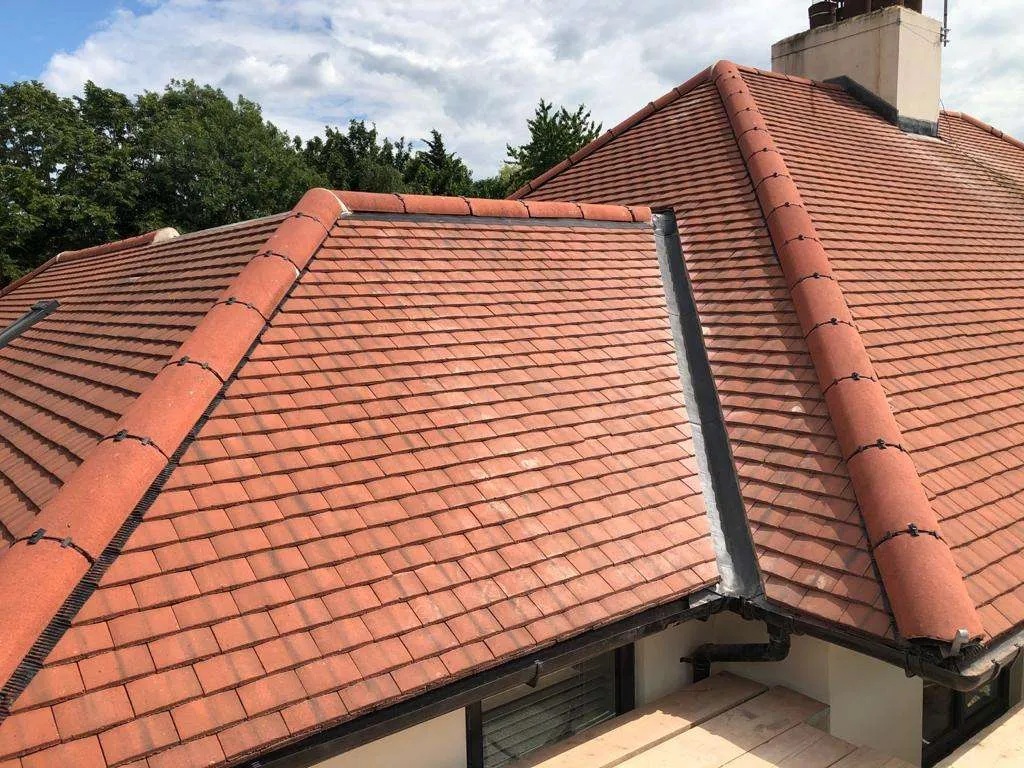
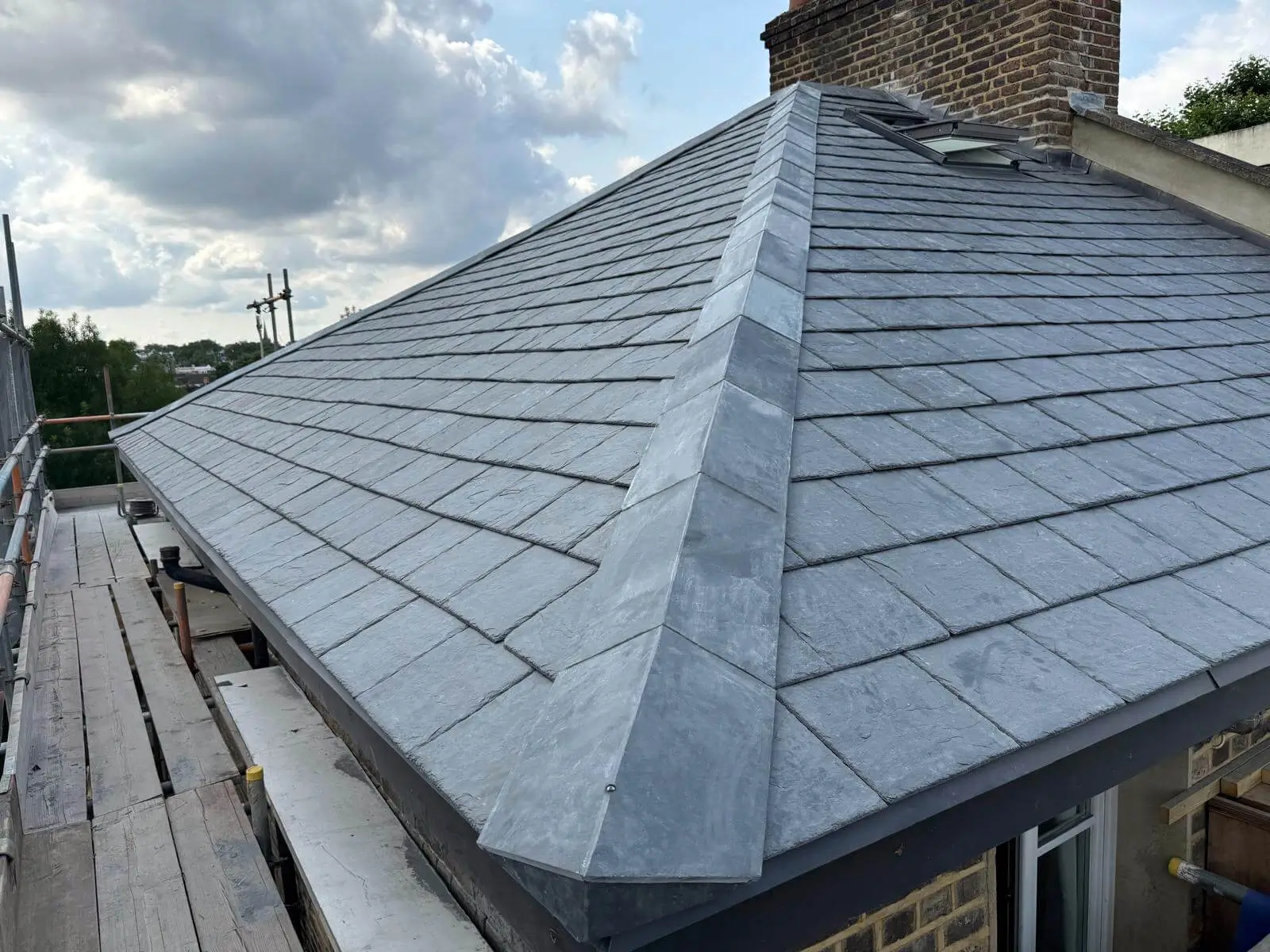
Once your roof structure is sound, the next decision is how the panels actually sit on it. On-roof rail mounting fixes panels above your existing tiles on aluminium rails, and it is the cheaper, more common choice for most homes with an already-sound roof. In-roof mounting replaces a section of tiles entirely, sitting the panels flush with the roofline for a neater finish, but it only makes sense where the roof covering underneath is also due for renewal.
A third option worth knowing about is solar roof tiles, which look like ordinary tiles but generate power themselves. The Energy Saving Trust's guide to solar roof tiles is a useful independent read if you are weighing this up, particularly
for period or conservation-area properties where a visible rail-mounted array is not the answer.
| Feature | On-roof (rail) mounting | In-roof mounting |
|---|---|---|
| Typical cost | Standard baseline cost for the system | Roughly 10–20% more than an equivalent rail-mounted system |
| Roof condition needed | Sound existing covering, battens and timbers in good order | Roof covering already due for renewal or being re-roofed anyway |
| Best for | Most retrofit installations onto an already-sound roof | New roofs, full re-roofs, or a flush, low-profile finish on show |
Old Dalby's newer executive homes often already carry on-roof arrays fitted at build stage, and a straightforward condition check before an upgrade is usually enough. Older, character properties around the town centre and villages further out tend to need more thought given to which system suits both the roof and the street.
What Solar Roof Preparation Really Costs in Melton Mowbray
Cost depends entirely on what your roof needs before the panels can go on. As a general guide, minor tile and flashing repairs typically run £150–£600. Re-battening a section of roof, including new felt where needed, usually costs £600–£2,500 depending on the area covered. A fuller re-batten and re-felt across a whole roof slope tends to run £2,500–£6,000, and where rotten rafters or structural timber need replacing, that work typically adds £600–£2,000 on top.
What pushes the price up or down:
- Extent of the damage — a few battens cost far less than a full slope
- Access — scaffolding typically adds £700–£1,300 to a job
- Structural engineer sign-off — required on hips, valleys, dormers and low-pitch roofs
- Roof covering — slate and clay tile take longer to lift and relay than concrete
- Timing — doing the work before scaffold comes down for solar saves a second visit
If panels are already fitted and the roof underneath now needs attention, removal and reinstallation of the array typically adds £1,000–£2,900 to any repair, since the panels have to come off, be stored safely, and go back on once the roof work is done. These are general market ranges, not a quote for your roof — two roofs the same size can price very differently once condition and access are factored in. A fixed price needs a survey.
What Happens on Prep Day, From Strip-Back to Sign-Off
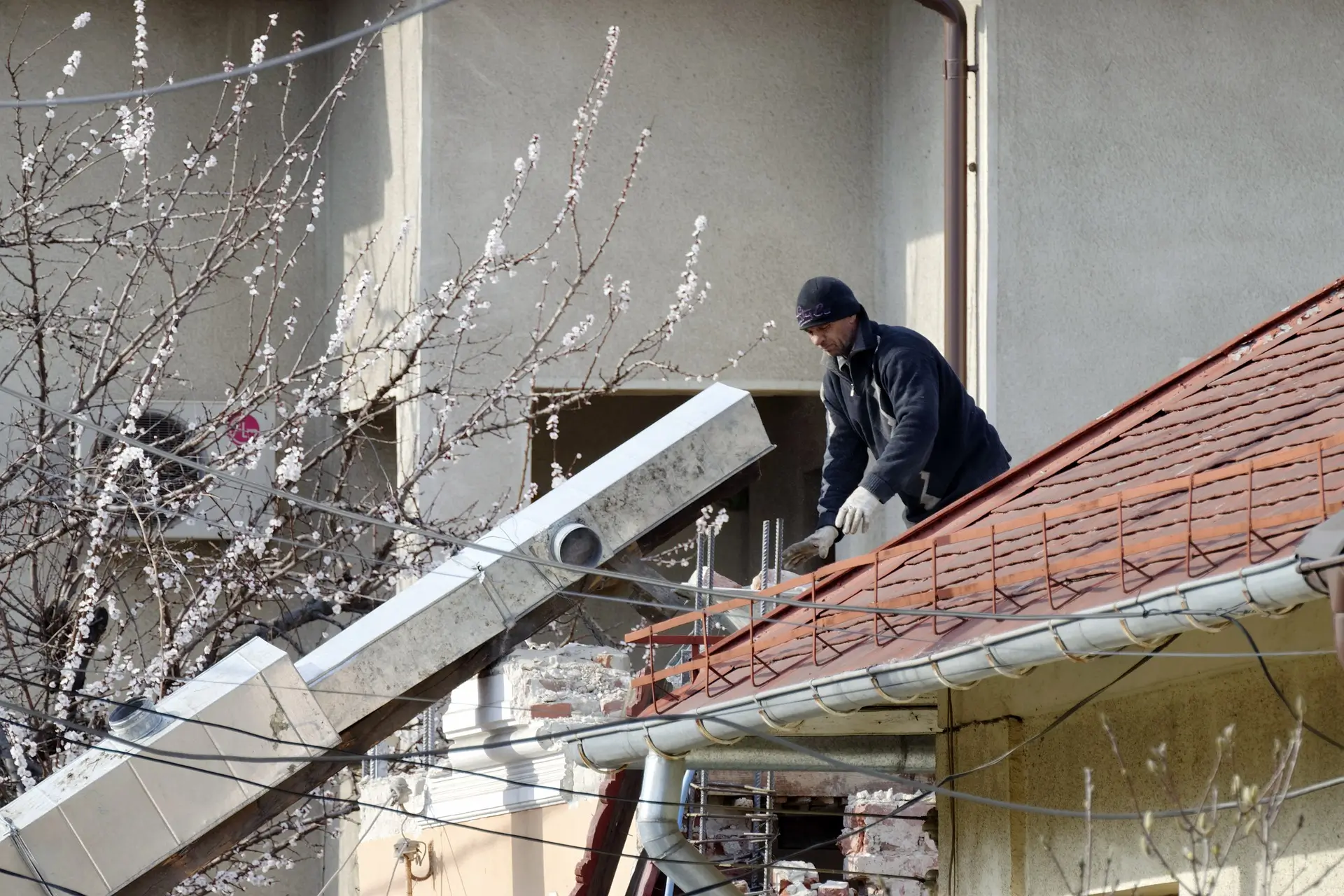
Roof preparation before solar follows a clear sequence on every job:
- Free drone survey to identify exactly what the roof needs
- Scaffold erected only where the work requires it
- Affected tiles or slates lifted and set aside for reuse
- Battens, felt and timber checked, with anything failed replaced
- Structural engineer check arranged where the roof shape requires one
- Covering relaid and made weathertight ahead of the solar fit
- Written sign-off handed over for your installer's own MCS survey
Daniel Oakland, our project manager and lead roofer, runs this work day to day. With over 20 years in the trade, he has handled everything from a single re-battened slope ahead of a small domestic array to full re-roofs on
farm buildings before larger installations. A typical single-slope re-batten takes 1 to 3 days; a fuller re-roof before solar usually falls in the same 3 to 6 day range as a standard re-roof job, weather allowing.
Passing Inspection — Structural Checks, Ventilation and MCS Sign-Off
Solar panels add real weight to a roof, typically 15–25 kilograms per square metre once the mounting system is included. That load has to be carried safely by rafters and battens that were often specified decades before anyone planned to put panels on top. MCS-accredited installers now have to confirm the roof structure has been checked by a competent person before fitting, on every job, and a structural engineer's sign-off is mandatory on hipped, valley, or dormer roofs, on anything under a 30-degree pitch, and on any roof already showing signs of distress.
Ventilation matters just as much, particularly with in-roof systems that sit flush with the tiles. Warm, moist air from inside the house needs somewhere to
escape, and a poorly ventilated in-roof array can trap condensation against timber that was never designed to stay damp. We check this as standard, whatever mounting system your installer plans to use, and hand over written confirmation your installer can attach to their own MCS paperwork.
Keep Your Solar-Ready Roof Performing for the Life of the Panels
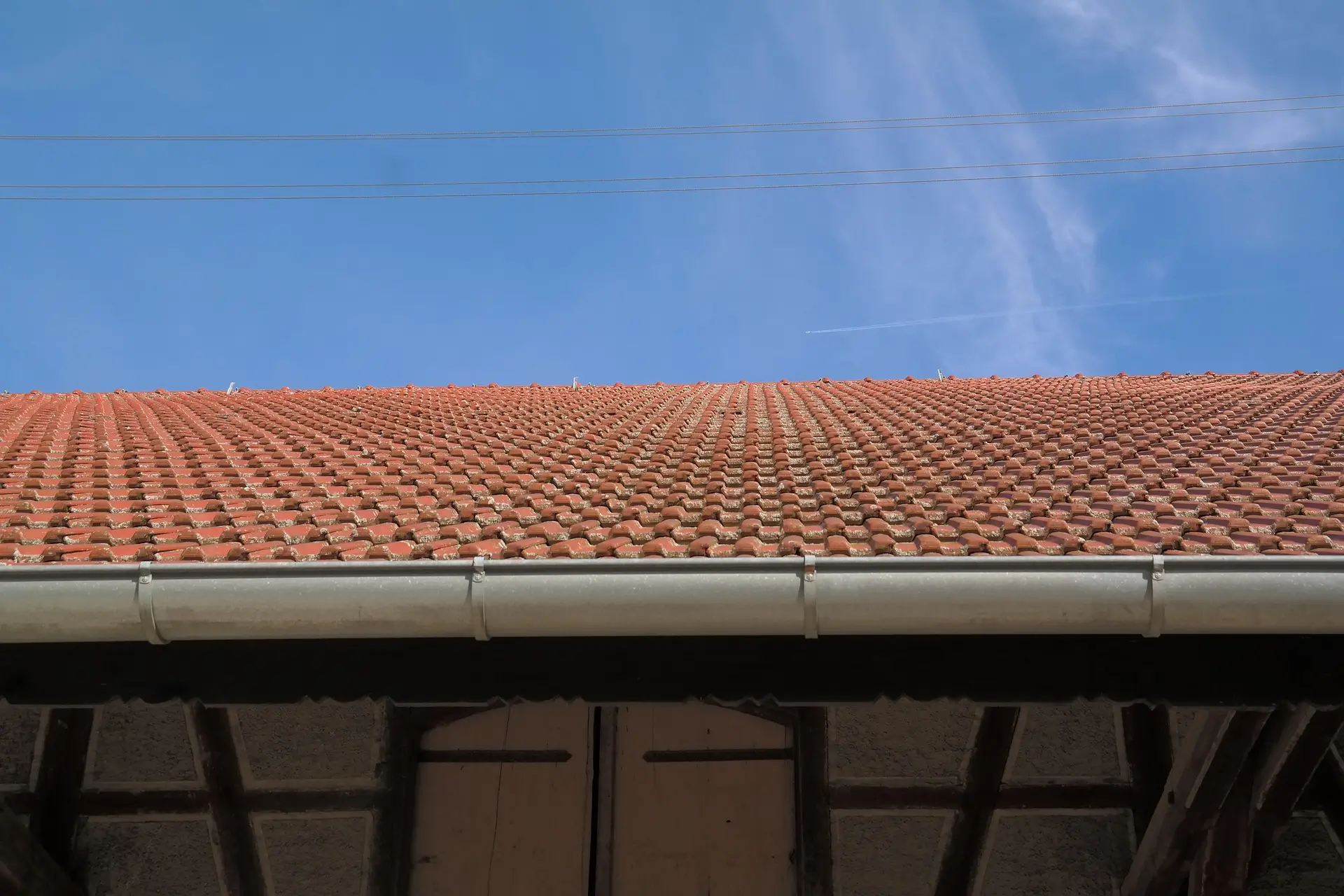
A roof prepared properly before solar should not need major attention again for decades, but a little upkeep keeps it that way.
- Clear gutters and valleys near the array each autumn
- Check the loft after storms for any sign of new damp
- Keep an eye on flashings around any in-roof edges
- Book a free drone survey every few years to catch problems early
None of this needs a specialist visit — just a regular look, and a call to us if anything seems off. A small problem caught early is always cheaper to fix than one found after the panels have been up for a decade.
Why Melton Mowbray Homeowners Trust Tate & Sons With Roof Prep Before Solar
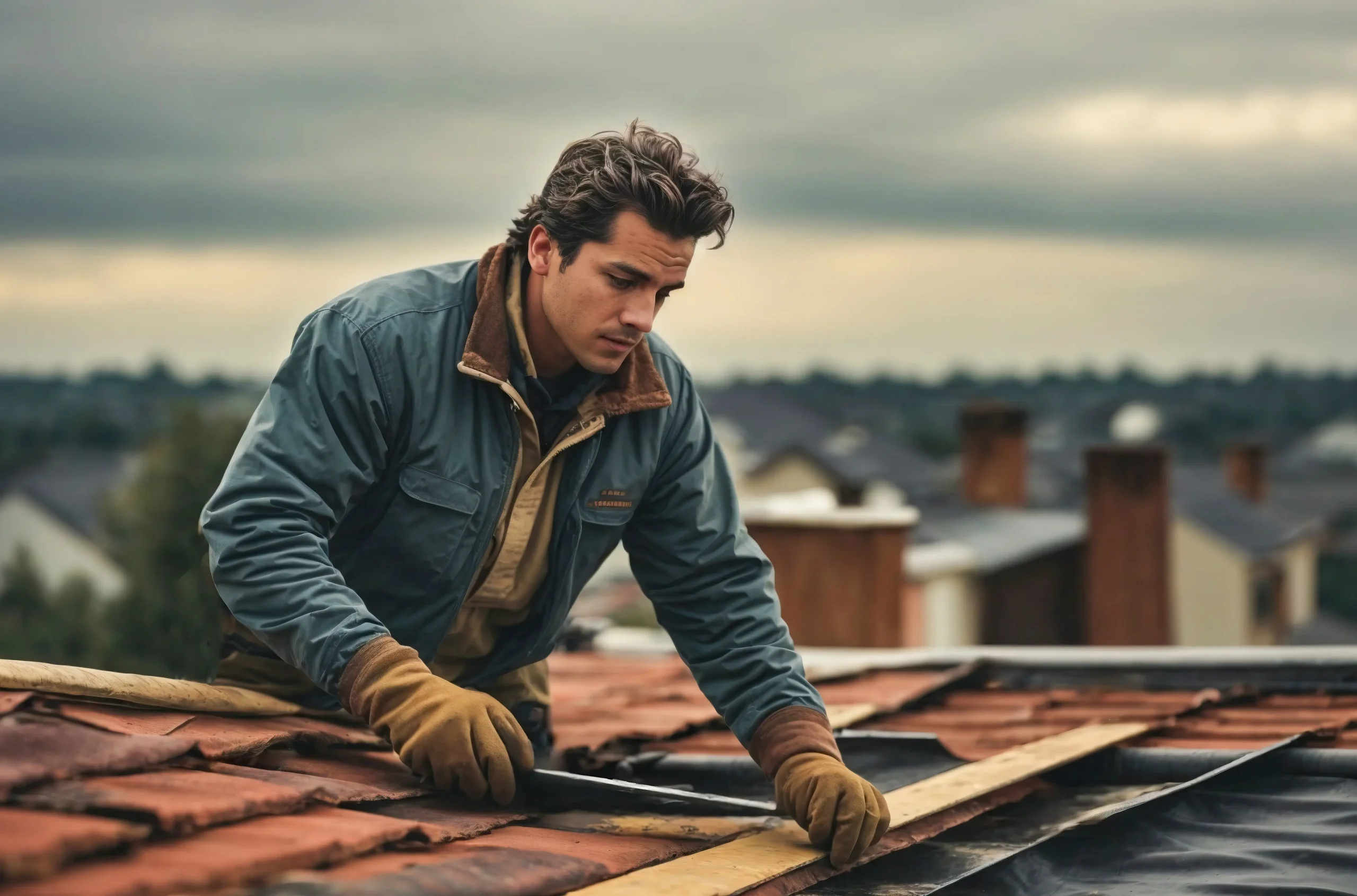
Preparing a roof for solar is not a job to hand to whoever is cheapest. Get the battens, felt or structural check wrong and the panels above them inherit the problem. Daniel Oakland, our project manager and lead roofer, has more than 20 years in the trade and specialises in exactly this kind of pre-installation work, alongside full re-roofs in EPDM, GRP, standing-seam, heritage slate and lead detailing. He is part of the same crew that turns up to do the work, not just the person who quoted it.
Founder James Tate spent 15 years working roofs across Melton Mowbray and the East Midlands before starting the business, and still prices most jobs himself. He built Tate &
Sons around a simple idea — find out what is genuinely wrong, use the right materials, and stand behind the result. Between us we carry over 40 years of combined team experience, hold NVQ Level 2 and 3 qualifications in Roofing Occupations, and hold CSCS cards. Janice Whitmore, our office manager, keeps you posted from your first call through to the final sign-off your solar installer needs. Read more about the people behind the work on our About Tate & Sons Roofing page.
Areas We Serve Across Melton Mowbray and the Vale of Belvoir
We prepare roofs for solar installation across Melton Mowbray and the surrounding villages of the Vale of Belvoir. If your area is not on the list below, call us anyway — there is a strong chance we already cover you.
- Melton Mowbray (LE13)
- Asfordby (LE14 3)
- Old Dalby (LE14 3)
- Nether Broughton (LE14 3)
- Frisby on the Wreake (LE14 2)
- Wymondham (LE14 2)
- Long Clawson (LE14 4)
- Harby (LE14 4)
- Stathern (LE14 4)
- Waltham on the Wolds (LE14 4)
- Bottesford (NG13)
Got Questions?
Your Solar Roof Preparation Questions, Answered Properly
How do I know if my roof is ready for solar panels?
The clearest way is a proper survey rather than a look from the ground. A free drone survey shows cracked or slipped tiles, sagging, moss build-up and any daylight showing through the timbers, all of which point to work needed before solar goes on. Installers also check roof age against the 25-year lifespan of the panels themselves. If your roof has fewer than 10 to 15 years of useful life left, preparation or a re-roof usually makes more sense than fitting solar onto a roof you will need to strip again soon after.
Do I need a full re-roof before fitting solar panels?
Not always. Localised issues on an otherwise sound roof are usually fixed with a repair or partial re-batten rather than a full re-roof. A fuller re-roof becomes the sensible choice when wear is widespread, when battens or timbers have failed across most of the roof, or when the covering is already close to the end of its life. A survey tells you which category your roof falls into before any solar quote is finalised.
What's the difference between in-roof and on-roof solar mounting?
On-roof rail mounting fixes panels above your existing tiles and is the cheaper, more common choice for a roof that is already sound. In-roof mounting replaces a section of the roof covering entirely so the panels sit flush with the tiles, and it typically costs 10 to 20 percent more than an equivalent rail-mounted system. In-roof only makes practical sense when the roof covering underneath needs renewing anyway, since there is little point removing good tiles just to fit panels in their place.
How much does it cost to prepare a roof for solar panels in Melton Mowbray?
Minor tile and flashing repairs typically run £150 to £600, a partial re-batten with new felt usually costs £600 to £2,500, and a fuller re-batten across a whole slope runs £2,500 to £6,000. Rotten rafters or structural timber replacement adds roughly £600 to £2,000 on top of any of these. Access, roof shape and whether a structural engineer's sign-off is required all affect the final figure, so a fixed price always needs a survey first.
Will solar panels void my roof warranty if the roof wasn't checked first?
It can, and this catches people out more than they expect. Many roofing warranties and installer guarantees assume the roof was assessed before panels went on, and a leak or timber failure traced back to an unchecked roof can leave both the roofer's and the installer's warranty in doubt. Keeping a written survey and preparation record protects you on both sides. It is also increasingly required under MCS rules, so most reputable solar installers will ask for one anyway.
What happens if my roof needs repairs after the solar panels are already fitted?
The panels usually have to come off before the roof underneath can be properly repaired, which adds cost and time that proper preparation avoids. Removing and reinstalling a typical residential array once repairs are done usually adds £1,000 to £2,900 to the job, covering safe removal, storage and refitting. This is exactly why checking roof condition and remaining lifespan before installation matters so much — it is far cheaper to fix a roof once than to fix it twice.
Why might a structural engineer need to check my roof even if it looks fine?
Solar panels add real weight, typically 15 to 25 kilograms per square metre once mounting is included, and that load has to be carried safely by the rafters underneath. Current MCS standards require a qualified structural engineer's check on hipped, valley and dormer roofs, on anything under a 30-degree pitch, and on any roof already showing signs of movement, regardless of how sound the tiles look from outside. A visual check alone is not enough on these roof shapes, even where nothing appears obviously wrong.
Can older farm building roofs in villages like Long Clawson take solar panels without a full re-roof?
Sometimes, but it depends entirely on the condition of the original structure. Many farm buildings and barns around Long Clawson were built with roof timbers never intended to carry rooftop panel loading, so a structural check is essential before any solar quote is agreed. Where the timbers are sound, targeted re-battening is often enough. Where they are not, strengthening the structure first is the only safe route, and we check this before recommending either.
Do newer homes in Old Dalby still need a roof check before adding solar?
Yes, even on a roof that looks new. Many of Old Dalby's modern executive homes already carry solar arrays fitted at build stage, and adding or upgrading panels later still means checking that the existing mounting points, battens and any in-roof ventilation are still in good order. A newer roof is usually a quicker check than an older one, but it is not a reason to skip the survey altogether.
Book Your Free Drone Roof Survey Before Your Solar Install
See exactly what your roof needs before scaffold goes up for solar. Every year a marginal roof goes unchecked under an array, timber decay and loose battens get harder and more expensive to put right once panels are in the way. A quick, free survey now means your installer fits with confidence, and your roof carries those panels for the full 25 years they are built to last.
Get in Touch
Tate & Sons Roofing, Melton Mowbray
13 Cromwell Road, Melton Mowbray, LE13 0AD
📞 01664 490955
✉️ [email protected]