
🏠 Trusted Local Roofers
Slate Roof Repair Nottingham
Slipped or cracked slates rarely stay a small problem for long. Water finds the gap, timber underneath starts to rot, and a five-minute fix turns into a ceiling repair. This page covers what causes slate roofs to fail, what a proper repair involves, and what it costs across the UK in 2025/26. As a roofing contractor working across Nottingham, we repair slate roofs the traditional way, matching materials and fixings so the work blends in and holds for decades.
- Fully Insured
- 10-Year Guarantee
- 5-Star Rated
Quick Free Estimate - No Obligation
We're not just roofers – we're your neighbours.
Fully Insured • Response within 15 mins
🔒 Your details are safe with us. No spam, ever.
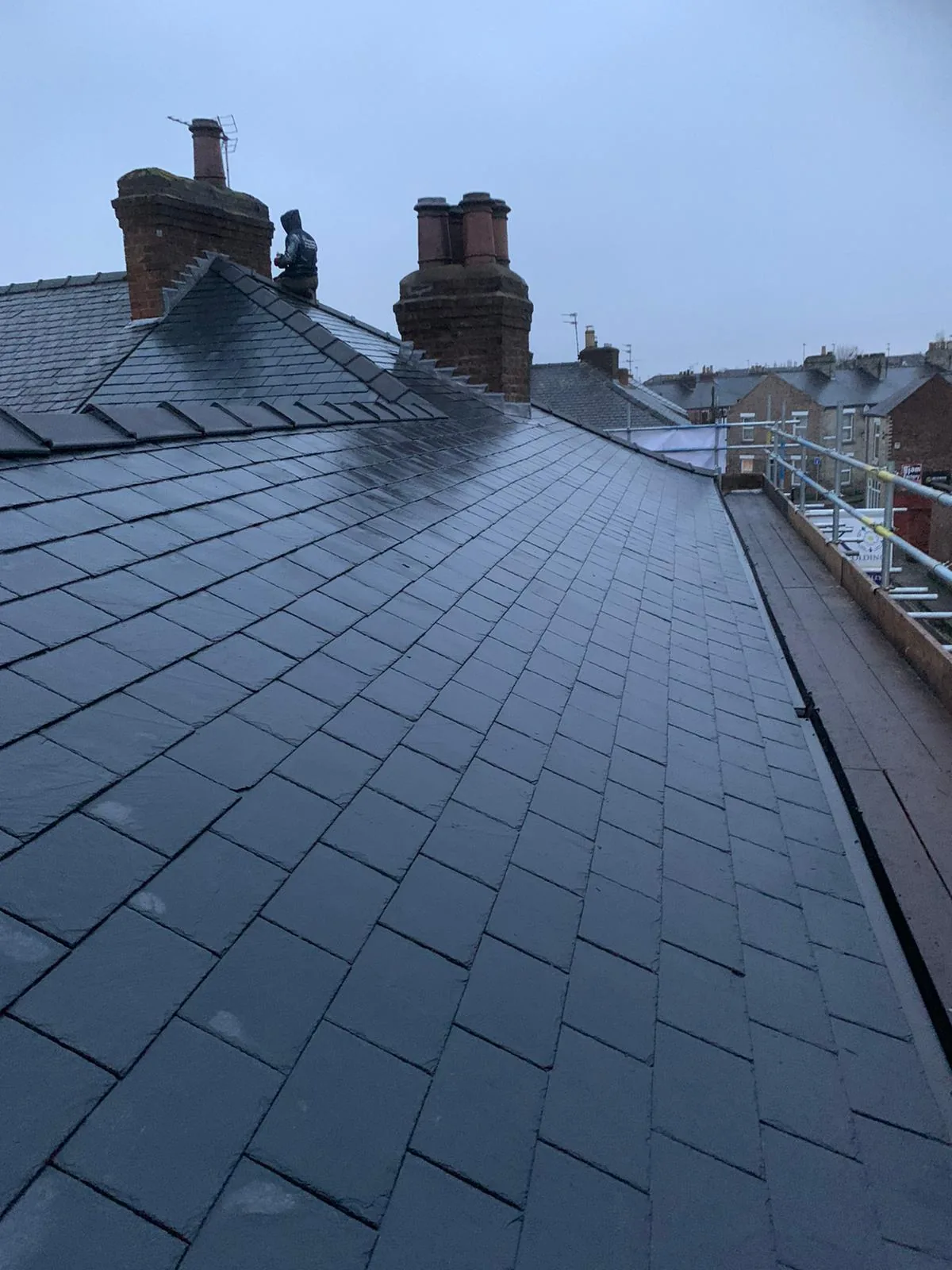
Repair or Replace? What Your Slate Roof Actually Needs
A few slipped or broken slates almost always point to a repair, not a full reslate. The trade rule of thumb is straightforward: once you've had to renew around a fifth of the slates on a roof, patching stops being cost-effective and a full reslate usually works out cheaper in the long run. What decides which side of that line you're on is usually the fixings, not the slate itself.
- Nail sickness (where the nails holding slates in place have rusted and sheared, letting slates slip) is the most common reason a Victorian or Edwardian roof needs widespread attention rather than a patch
- Genuine natural slate can outlast the nails fixing it several times over, so the slates themselves are often still reusable
- A handful of cracked, slipped, or missing slates scattered across the roof usually means a targeted repair
- Slates failing in clusters, especially on one slope that gets the worst weather, often signals the whole batch of fixings is reaching the end of its life together
- Storm damage that's stripped several slates from one area needs an emergency roof repair to make the roof watertight before it's assessed properly
- If the roof has already had several rounds of patching, a full restoration is often the more sensible next step. Our roof repairs and restorations page covers what that involves
Natural Slate vs Fibre Cement: Matching Your Repair the Right Way
Whatever caused the damage, the replacement slate needs to match what's already up there, both in material and in how it's fixed. Getting this wrong is the single most common reason a repair looks patched rather than fixed.
Natural Slate
- Split from real rock, most commonly Welsh or Spanish slate on Nottingham's older housing stock
- Can last 100 years or more, so the slate itself has usually outlived its original nails
- Colour and texture vary between quarries, so matching an existing roof needs slate sourced to suit, not just any grey slate off the shelf
- The standard choice for period and listed properties around The Park, Sherwood, and Mapperley
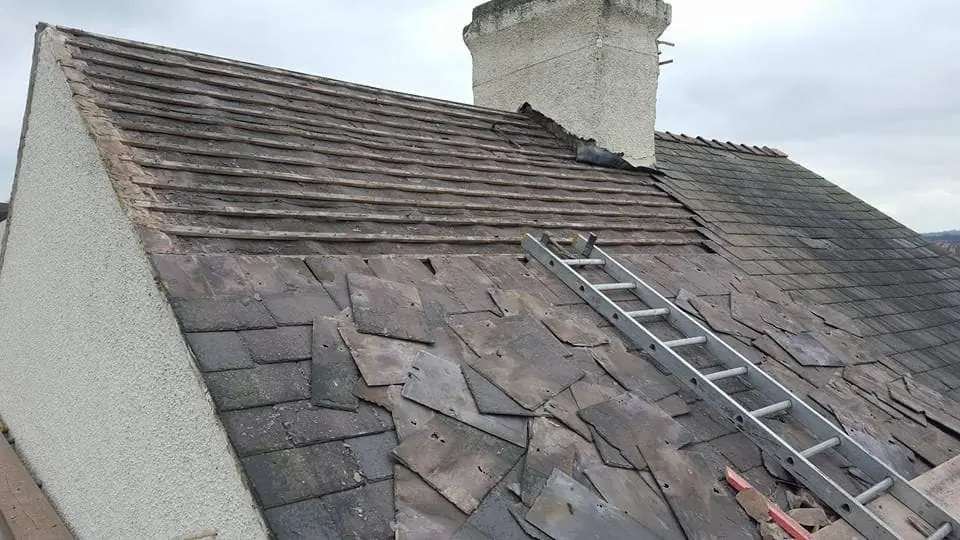
Fibre Cement Slate
- A manufactured slate substitute, typically lasting 30 to 40 years
- Lighter and more uniform in appearance than natural slate, which suits some newer builds but sits oddly on a period roof
- Cheaper to buy than natural slate, though it needs replacing sooner
- A reasonable match if the existing roof is already fibre cement rather than true slate
Synthetic Composite Slate
- A newer, lightweight alternative made from recycled composite materials
- Sits between fibre cement and natural slate on cost and lifespan
- Rarely the right choice for repairing an existing natural slate roof, since the finish doesn't weather the same way
- Better suited to a full re-roof where a lighter roof structure is a real advantage
For isolated slipped or cracked slates, the fixing method matters as much as the slate. Small repairs are usually made with a tingle (a strip of lead or copper that hooks under the slate above and holds the repaired slate in place without disturbing the surrounding roof). The Society for the Protection of Ancient Buildings' guidance on true slate roofing recommends this method over foam or bitumen fixes, which trap moisture and make future repairs harder.
Quick answer: What does slate roof repair involve?
Slate roof repair means re-securing or replacing individual slipped, cracked, or missing slates, usually with a lead or copper tingle, without disturbing the rest of the roof. If the nails holding the slates have corroded (nail sickness), several slates in the same area often need attention together. Minor repairs typically cost £150 to £400 in the UK, while larger patch repairs or nail-sickness work run higher. Natural slate roofs can last a century or more, so most repairs replace failed fixings rather than the slate itself.
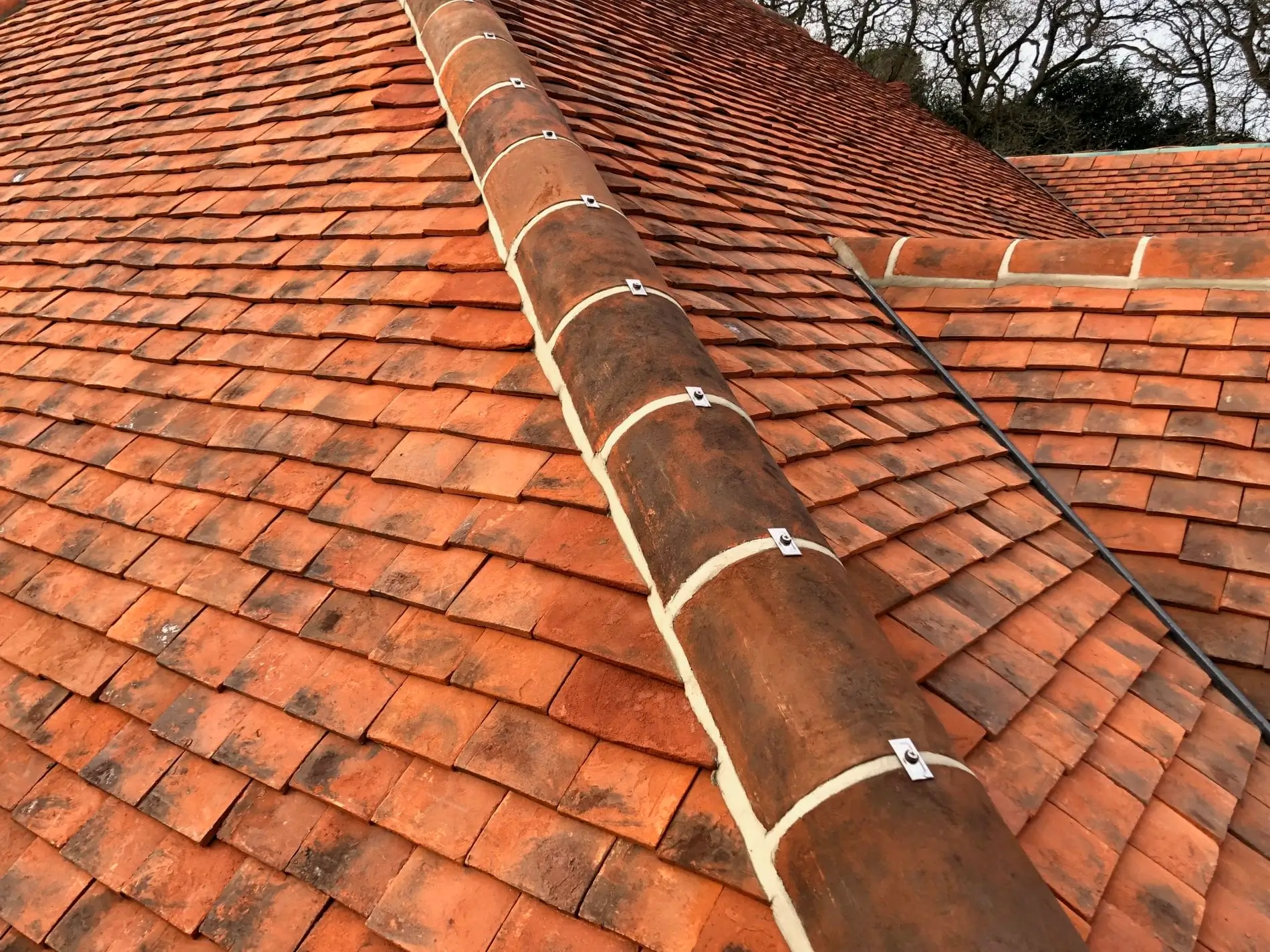
What Happens Before We Touch Your Roof
Every repair starts with a proper look at the roof, not a guess from ground level.
- We carry out a free drone survey of the whole roof surface, valleys, and flashings, no ladders needed
- You get clear photos showing exactly which slates are damaged, slipped, or missing, and why
- We check whether the problem is isolated slates or a wider nail sickness issue affecting the fixings across a slope
- We tell you honestly whether a repair will hold or whether you're better off with a patch reslate or full restoration
- We source slate that matches the existing roof in colour, thickness, and texture wherever a true match is available
- If your property is in The Park, Lenton, or another conservation area, we flag any consent needed before work starts
- You get a firm quote and an agreed scope before any tool comes out of the van
How We Repair a Slate Roof Properly
Slate work rewards patience and the right technique. Here's how we carry out a repair.
- Access the affected area safely, usually from a scaffold tower or roof ladder rather than by walking directly on the slates
- Remove the damaged slate carefully, using a slate ripper to cut the old nail without disturbing neighbouring slates
- Check the batten and felt underneath for rot or damage before fitting anything new
- Fit the matched replacement slate and secure it with a lead or copper tingle, or re-nail it if access allows
- Check surrounding slates, flashings, and valleys for related wear while we're already up there
- Clear all offcuts and old nails from gutters and the ground before we leave
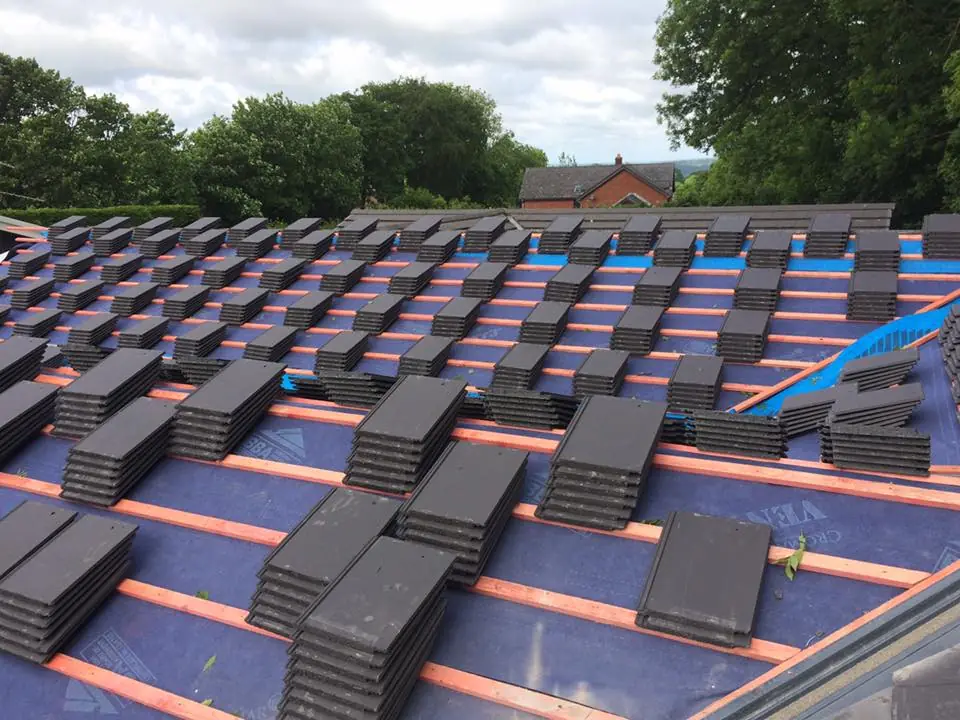
Most straightforward repairs take half a day to a day. A wider patch repair across several slipped areas, or a job involving nail sickness across one slope, can run to two or three days depending on scaffold access.
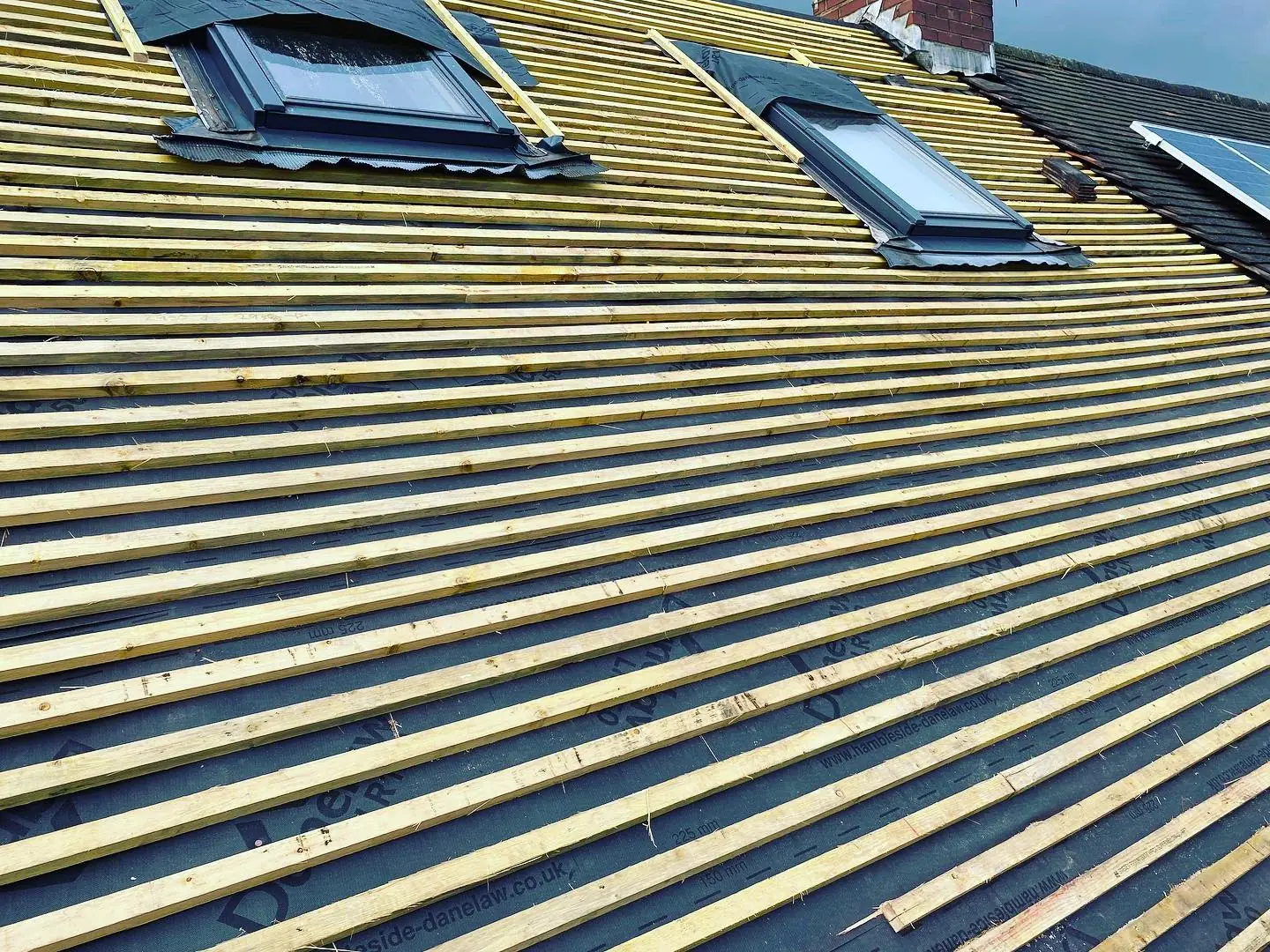
Spot the Warning Signs, Then Check the Work
Whether you're worried about your roof now or checking a repair we've just finished, here's what to look for.
Signs Your Slate Roof Needs Repair
- Slates lying in the gutter or on the ground after wind or rain
- A slate visibly out of line or slipping down the roof slope
- Cracked, chipped, or flaking slates, especially around the edges
- Damp patches or staining on ceilings, most often below valleys or chimneys
- Daylight visible through the roof from inside the loft
- Rusty streaks running down slates, an early sign of nail sickness underneath
- Moss or lichen build-up holding damp against the slate surface
How to Check a Slate Repair Was Done Properly
- Replacement slates should sit flush with the surrounding roof, not proud or recessed
- Colour and size should match closely enough that the repair isn't obvious from the street
- Tingles or fixings should be tucked out of sight, not left visible along the roof line
- Ask whether the felt and battens under the repaired area were checked and photographed before the slate went back on
- You should receive written confirmation of the guarantee and the materials used
- We back every slate repair with a 10-year workmanship guarantee, in writing, from day one
Stopping Small Slate Problems Becoming Big Ones
A slate roof rewards regular attention far more than it punishes neglect, so a little upkeep goes a long way.
- Get the roof inspected once a year, or after any significant storm
- Clear gutters and valleys twice a year so debris doesn't trap moisture against the slate
- Never walk directly on a slate roof, as slates crack under foot pressure they weren't built to take
- Watch for rust streaking on older roofs, an early warning that nail sickness is starting
- Remove moss and lichen from shaded, north-facing slopes before it builds up
- Deal with a single slipped slate quickly, before wind gets underneath the surrounding slates too
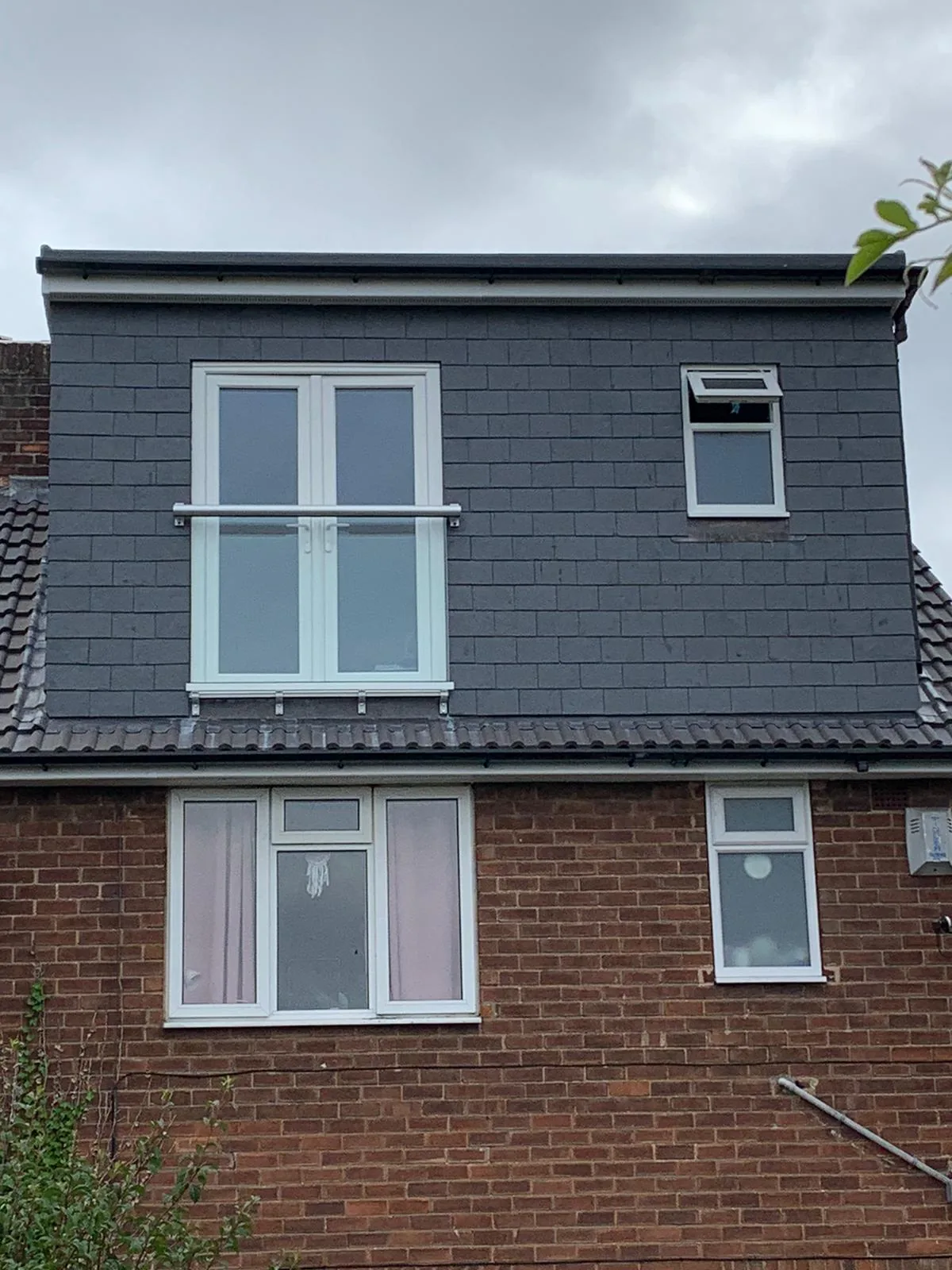
Cost & Pricing Guidance
Slate roof repair pricing across the UK for 2025/26 typically runs like this:
- Single slipped or broken slate replacement: £150-£400
- Localised repair covering several slates or a small patch: £400-£1,200
- Wider patch repair or nail sickness work across one slope: £2,000-£8,000, depending on area and access
- Repair costs per m² for isolated slate work: roughly £60-£150, rising toward £230 per m² for heritage or hard-to-match slate
- Full reslate, for comparison: roughly £160-£210 per m² using standard natural slate, more for heritage or listed properties
What pushes the price up or down: scaffold versus ladder access, how well the replacement slate matches the existing roof, the condition of the battens and felt underneath, and whether nail sickness has spread beyond the immediately damaged area. Properties in London and the South East typically run 20-30% above the national average, so Nottingham pricing generally sits at or below the figures above.
These are general ranges, not a quote. A fixed price needs a proper survey — and our drone survey is free, with no obligation.
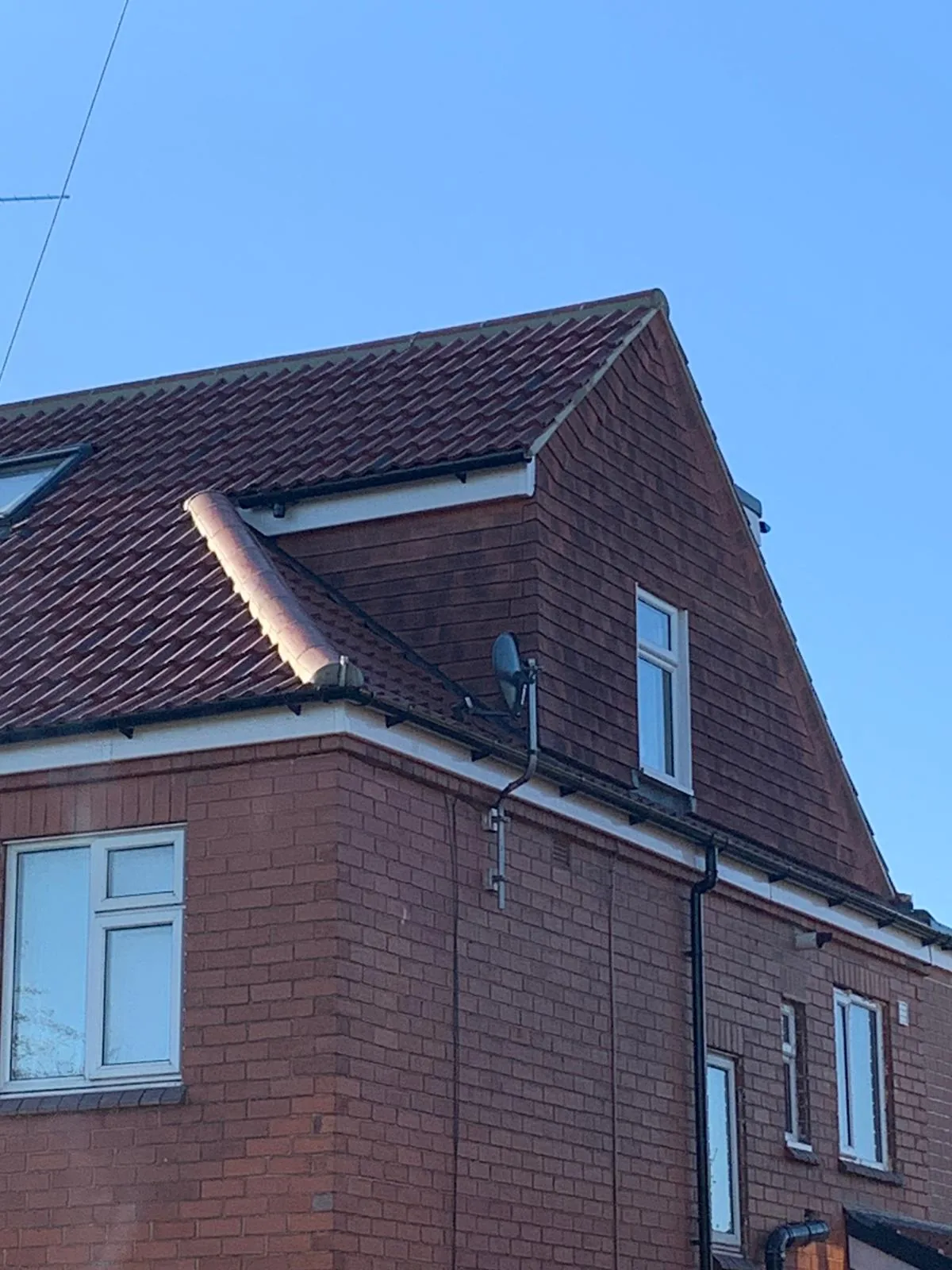
Comparison Table: Slate Repair Options
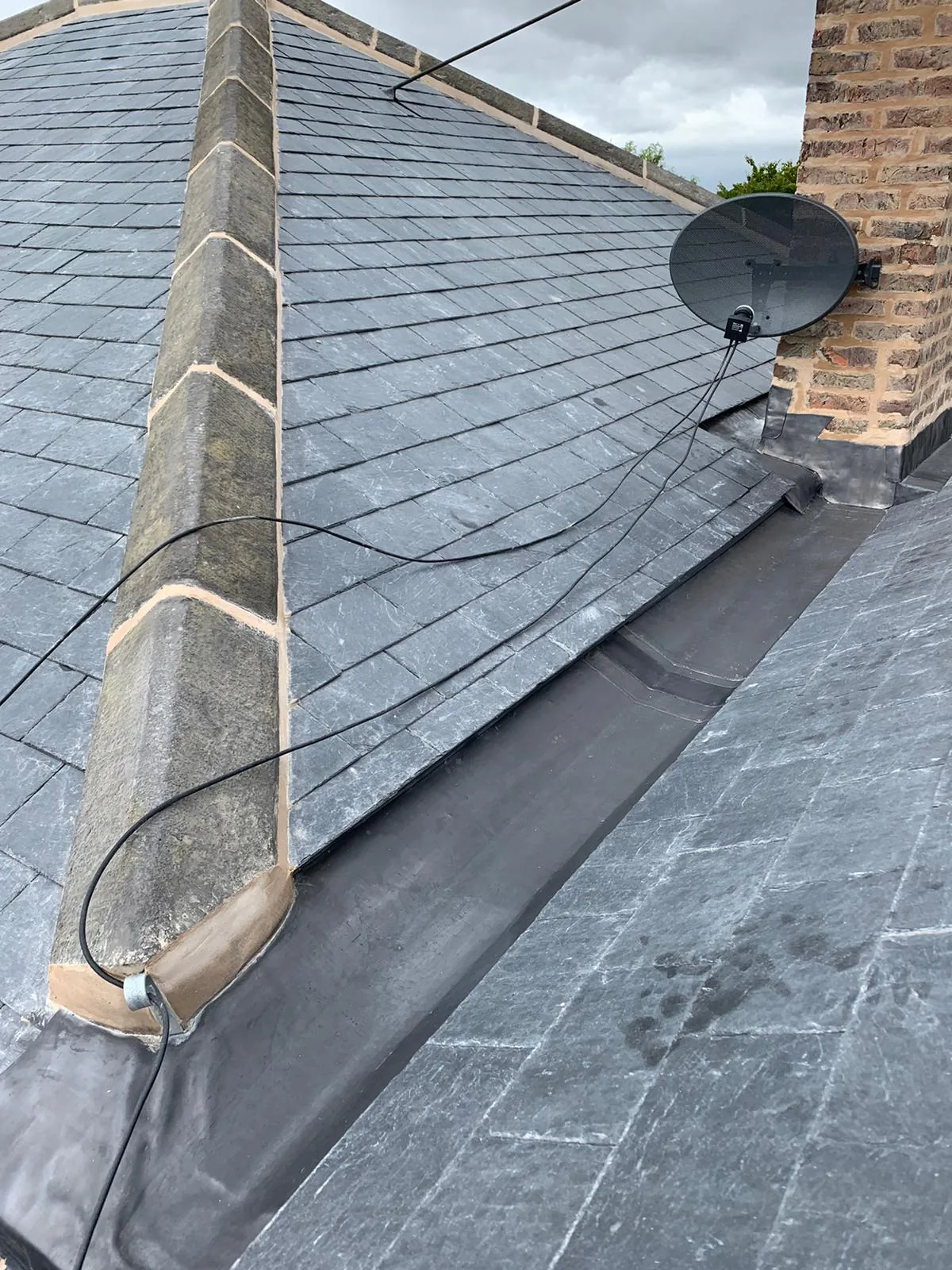
| Repair Type | What's Involved | Best For | Relative Cost |
|---|---|---|---|
| Tingle repair | Single slate re-secured with a lead or copper strap, no surrounding slates disturbed | One or two slipped or cracked slates | £ (lowest) |
| Patch re slate | A defined area of the roof stripped and re-laid with matched slate and new fixings | Clustered damage or early nail sickness on one slope | ££ |
| Full re slate | Entire roof stripped, battens and felt renewed, matched slate re-laid throughout | Nail sickness across the whole roof, or repairs exceeding a fifth of the slates | £££ (highest) |
Why Choose Tate & Sons for Your Slate Roof
Slate and lead work is where James Tate, our Founder and Managing Director, is happiest. He set the business up on a simple idea: find out what's genuinely wrong, use the right materials, and leave a roof that holds for years, not months. That approach matters most on period slate roofs, where the wrong nail or a mismatched slate can undo years of otherwise good work. James still prices most slate jobs himself, working out how to put a tricky Victorian or Edwardian roof right without losing its character. Read more on our About page.
Our roofers are directly employed, not subcontracted. They hold NVQ Level 2 and 3 qualifications in Roofing Occupations and carry CSCS cards. Every slate repair comes with a free drone survey up front and a 10-year workmanship guarantee once the work is finished.
Slate Roof Repair Across Nottingham and the Wider County: Areas We Serve
We repair slate roofs right across Greater Nottingham and out into the wider county, from Victorian terraces to detached period homes.
- Nottingham City Centre (NG1)
- The Park (NG1)
- West Bridgford (NG2)
- Sneinton (NG2)
- Wollaton (NG8)
- Lenton (NG7)
- Beeston (NG9)
- Chilwell (NG9)
- Stapleford (NG9)
- Arnold (NG5)
- Sherwood (NG5)
- Mapperley (NG3)
- Carlton (NG4)
- Gedling (NG4)
- Hucknall (NG15)
- Long Eaton (NG10)
- Mansfield (NG18)
- Sutton-in-Ashfield (NG17)
Got Questions?
Your Flat Roofing Questions, Answered Properly
How much does slate roof repair cost in the UK?
Most single slate repairs cost £150-£400, while a wider patch repair covering several slates runs £400-£1,200. Larger jobs involving nail sickness across one slope of the roof can run £2,000-£8,000, depending on how much area needs stripping back. Access, whether replacement slate needs specially sourcing to match, and the condition of the battens underneath all affect the final price. A survey gives you an exact figure rather than a general range.
How do I know if I need a repair or a full reslate?
A repair usually makes sense while the damage is limited to isolated slipped, cracked, or missing slates. Once you've had to replace roughly a fifth of the slates on the roof, patching stops being economical and a full reslate is usually the better value option. Widespread nail sickness, where the fixing nails across a whole slope have corroded together, is the most common reason for crossing that line. Our free drone survey tells you honestly which category your roof falls into.
What is nail sickness and how is it fixed?
Nail sickness is when the nails holding slates in place corrode and shear, letting the slates slip or fall even though the slate itself is still sound. It's most common on Victorian and Edwardian roofs where the original iron nails have been in place for a century or more. Because all the nails were usually fitted at the same time, one failure often means more will follow soon after. The fix is to re-fix or replace the affected slates using corrosion-resistant copper nails or tingles, and reusing the original slate wherever it's still sound.
Is it safe to walk on a slate roof?
No, slate roofs aren't designed for regular foot traffic and can crack under weight they weren't built to take. Even a careful step can chip or split a slate that looked fine beforehand. Our roofers use roof ladders and crawl boards to spread their weight safely during repairs. If you need to check something on your roof, a drone survey or a look from a ladder at the eaves is a far safer option than climbing up.
How often should a slate roof be inspected?
Once a year is a sensible minimum for most slate roofs, with an extra check after any significant storm. Older roofs, or ones showing early signs like rust streaking or slipped slates, benefit from more frequent checks. Catching a single slipped slate early is far cheaper than waiting until wind gets underneath the surrounding slates too. A drone survey makes this easy to do without ladders or scaffold.
Can you match new slates to an old roof exactly?
In most cases, yes, though it depends on where the original slate came from. Welsh and Spanish slate are the most common types on Nottingham's period housing, and matching stock is generally available for both. Colour, thickness, and texture all need checking against the existing roof, not just the general slate type. Where an exact match genuinely isn't available, we place the closest match on a less visible slope and use reclaimed or matched slate on the street-facing side.
Do I need permission to repair a slate roof in a conservation area?
Like-for-like repairs using matching slate generally don't need planning permission, even in conservation areas such as The Park or parts of Lenton and Mapperley. Listed buildings are different, and any work to the roof covering usually needs listed building consent regardless of how minor it looks. Changing the slate type or roof profile during a repair can also trigger the need for permission. We flag anything that applies during your survey, before any work is agreed.
Can old slates be reused during a repair?
Often, yes. Natural slate can outlast its fixings several times over, so a slate removed because of a corroded nail is frequently still sound enough to reuse. We check each slate as it comes off, and any that are cracked, delaminating, or too worn get replaced with matched stock instead. Reusing sound original slate keeps the roof's appearance consistent and can reduce material costs on larger repairs.
Does a slate roof repair affect home insurance or resale?
A properly documented repair, carried out by an insured roofer with a written guarantee, generally causes no issues for insurance or a future sale. Problems tend to arise from unrecorded DIY patches or work carried out without any paperwork to show what was done. Keep your guarantee and any survey photos with your other property documents. It's worth mentioning any recent roof work to your insurer, particularly after storm damage repairs.
Book Your Free Drone Roof Survey Today
See exactly what your roof needs before any work starts. No ladders, no pressure — just a clear picture from a local Nottingham team.
A tired roof only gets worse as water works deeper into the deck and timber beneath it. A quick, free drone survey today tells you exactly where you stand — and often the fix is smaller and cheaper than you feared. Book now, get an honest quote, and protect your home before the next East Midlands downpour finds the weak spot.
📍 57 Cyril Avenue, Nottingham, NG8 5BA
📞 0115 647 4455
Call the Nottingham team today on 0115 647 4455, or request your free drone survey online. We’re already working across your area.
Get in Touch
Tate & Sons Roofing — Nottingham
57 Cyril Avenue, Nottingham, NG8 5BA
📞 0115 647 4455
✉️ [email protected]