
🏠 Trusted Local Roofers
Roof Repairs and Restorations in Hinckley
A slipped tile, a damp patch on the landing ceiling, or a ridge line that has looked tired for a couple of winters — none of these need a whole new roof. What they need is roof repairs and restoration work done properly, by someone who traces the real cause before touching a single tile. Tate & Sons Roofing carries out roof repairs and restorations across Hinckley, Burbage and the surrounding villages, from a single cracked slate to a full restoration of an older roof that has earned its wear.
This page covers the full range of planned repair and restoration work: spotting the early warning signs, tracing a stubborn leak back to its source, choosing between a spot repair and a fuller restoration, what a repair day actually involves, and honest cost ranges. If water is coming through right now and you need someone out today, our emergency roof repair team handles that separately. This page is for the planned work — the roof that needs sorting properly rather than firefighting. Repairs and restoration are part of the wider service we offer as a roofing contractor across Hinckley.
- Fully Insured
- 10-Year Guarantee
- 5-Star Rated
Quick Free Estimate - No Obligation
We're not just roofers – we're your neighbours.
Fully Insured • Response within 15 mins
🔒 Your details are safe with us. No spam, ever.
Spot the Warning Signs Before a Small Repair Turns Into a Big One
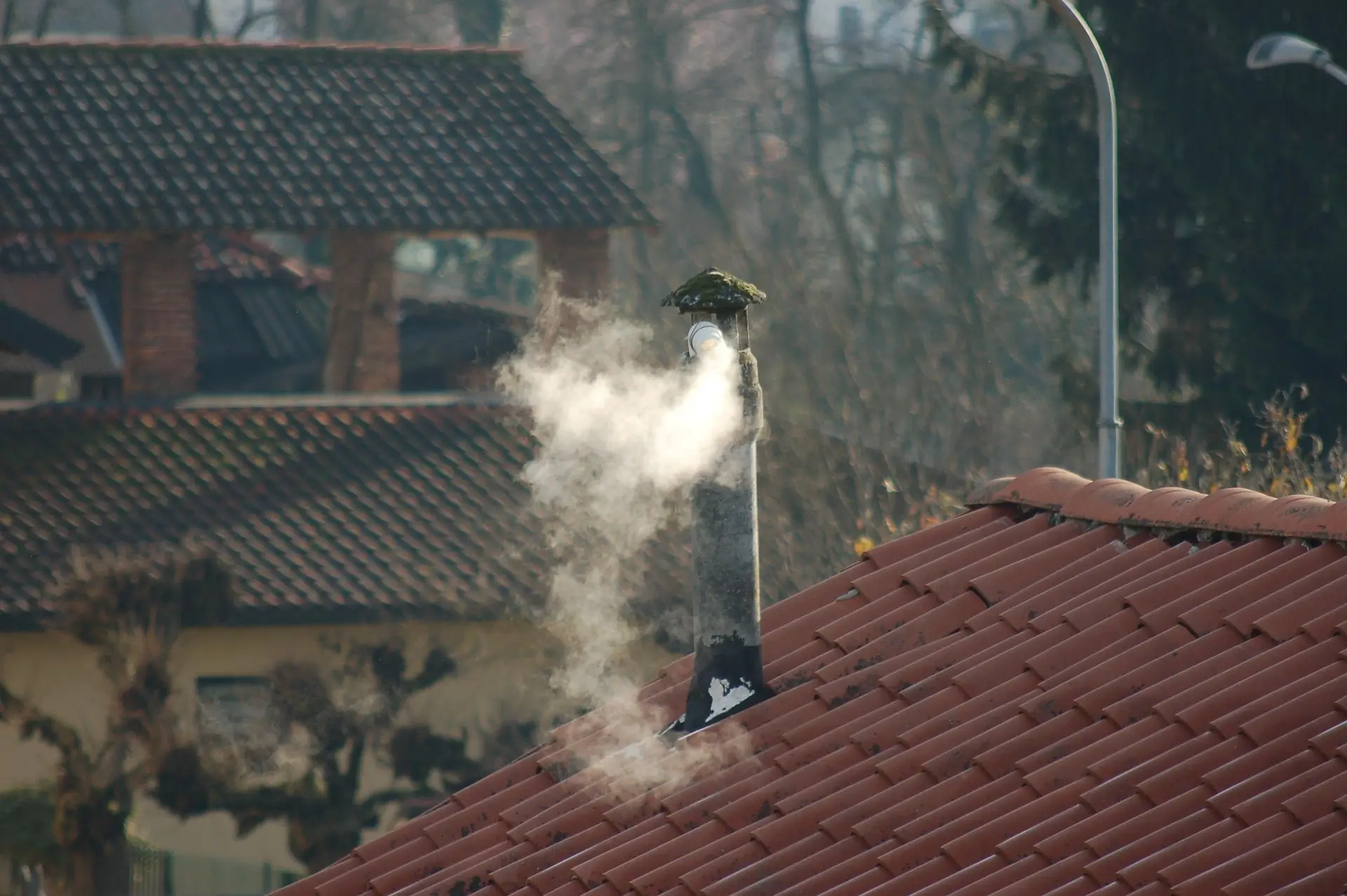
Roofs rarely fail without warning. The problem is that the early signs sit above eye level, so they get missed until water reaches a ceiling or a wall inside the house.
Watch for these signs on your Hinckley home:
- A tile or slate that has slipped, cracked, or gone missing after wind
- A damp patch or stain on a ceiling that grows after rain
- Crumbling or missing mortar along the ridge or hip tiles
- Green moss or dark algae building up in patches across the roof
- Daylight showing through the roof timbers from inside the loft
- A musty smell in the loft that only appears after wet weather
- Gutters filling with grit or granules washed off ageing tiles
Any one of these on its own is usually a straightforward repair. Two or three together, especially on an older roof, often mean it is time to look at restoration instead of another one-off patch.
Repair, Restore, or Replace — Getting the Right Call for Your Roof
A single cracked ridge tile or one slipped slate does not need a whole new roof. That is a repair, plain and simple, and it usually takes a morning to sort. Widespread mortar failure, several damp areas, or a covering that keeps needing attention points toward restoration work instead — bringing the whole roof back up to standard rather than chasing one problem at a time.
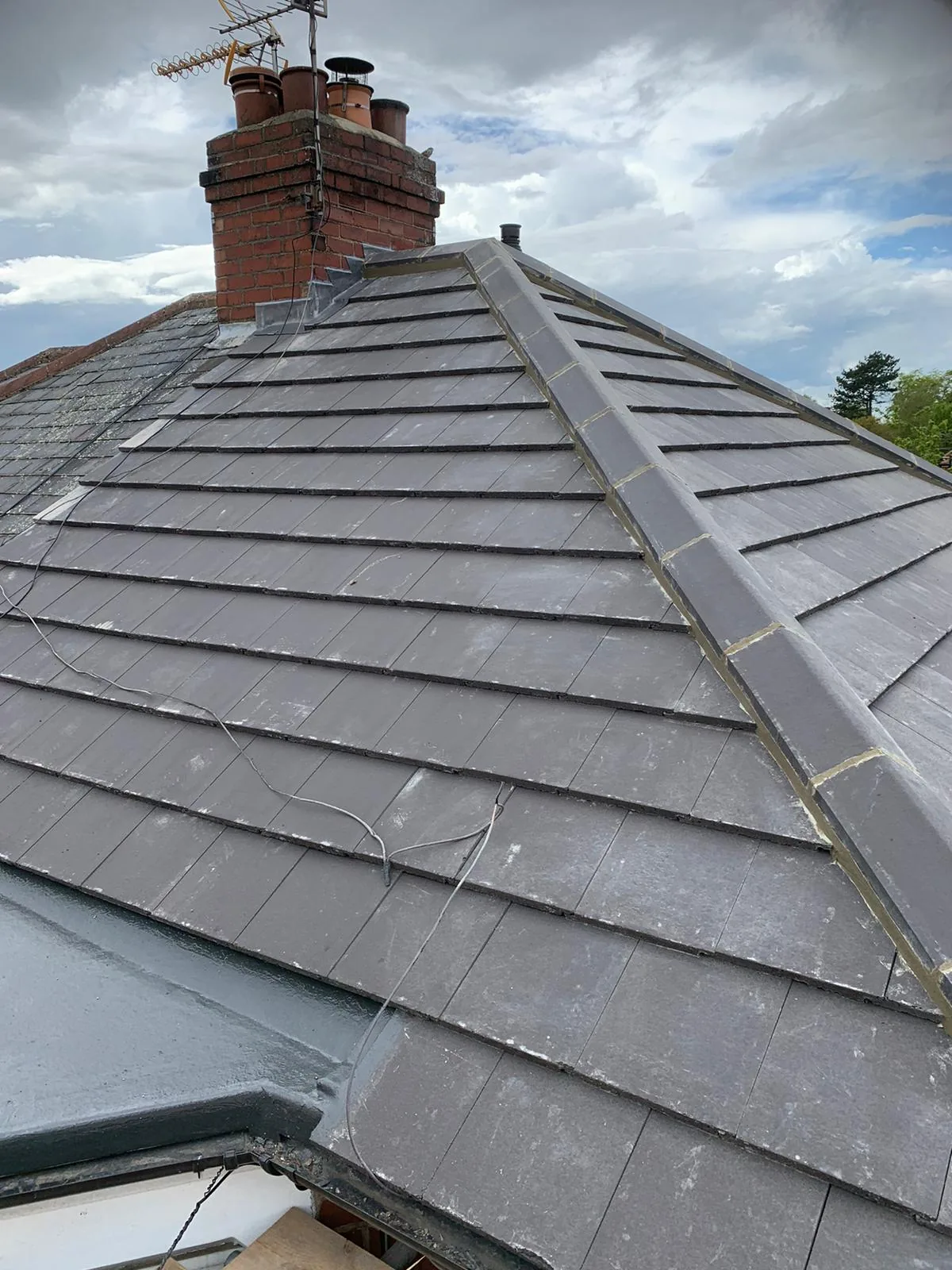
Full replacement only makes sense when the structure itself is failing, or when repeated repairs have stopped being worth the money. Across Hinckley, we see this most on roofs around 25 to 40 years old that have had two or three small repairs already; often a proper restoration solves the underlying issue for a fraction of a new roof's cost. A free drone survey shows us the whole roof — ridge, valleys, flashings included — so the recommendation is based on what we actually see, not a guess from the pavement.
Tracing the Leak — Finding the Real Cause, Not Just the Symptom
A leak rarely shows up directly below where it starts. Water follows a rafter, runs along a batten, and drips somewhere else entirely, so chasing the stain on your ceiling can send you to the wrong part of the roof.
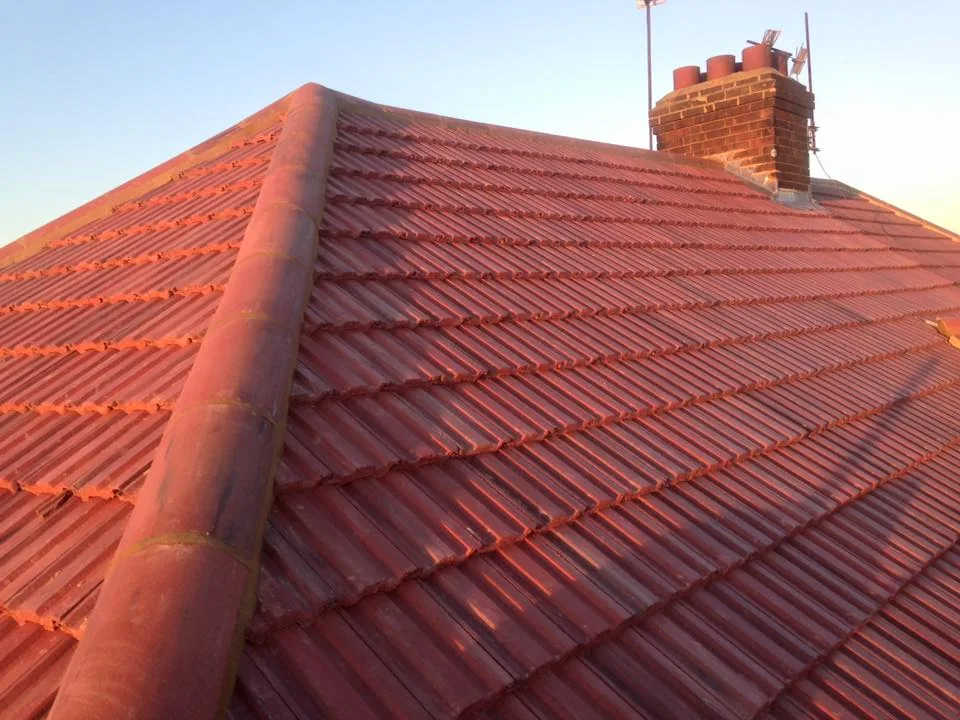
Daniel Whitmore, our project manager and lead roofer, has a knack for tracking a leak back to its actual source rather than patching the nearest visible gap. He checks the loft first for damp trails and staining along the timbers, then works outward across flashings, valleys and any lead detailing that could be letting water in. If there's a tricky valley or a stubborn leak on an older Hinckley roof, he's usually the one who finds it. Failed lead flashing around chimneys and abutments is one of the most common culprits we find, especially on the older terraces near the Druid Quarter, where original lead has simply worn thin over the decades.
What Roof Repairs and Restoration Really Cost in Hinckley
Cost depends on how much work is involved and how the roof is reached. A small spot repair — one or two tiles, a section of flashing — typically costs £80 to £300 when it can be reached from a ladder or tower. A single damaged slate or a handful of slipped tiles on a standard two-storey house usually runs £150 to £400. Ridge tile repointing costs roughly £150 to £300 for a run of around 10 metres, while a full rebed of the same run, removing and resetting the tiles in fresh mortar, typically runs £250 to £600 and lasts considerably longer than a repoint alone.
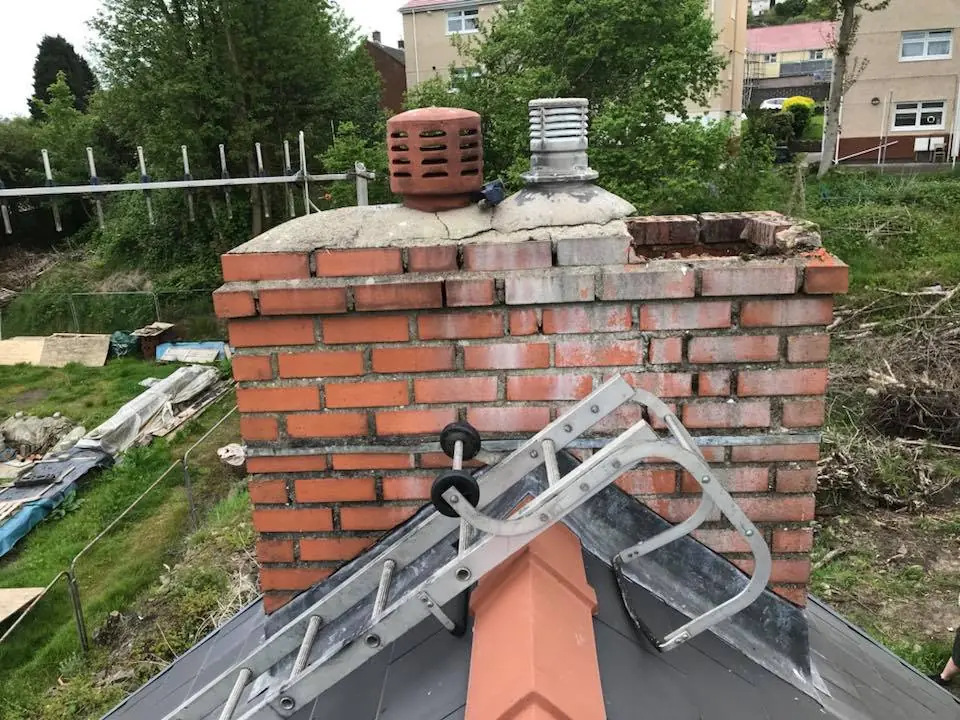
A fuller restoration project — repointing or rebedding right across the roof, replacing damaged battens and felt in more than one area, and renewing flashings and valleys — generally runs from £3,000 up to £9,000 or more on larger or period properties. What moves the price:
- **Access*— a ladder job costs far less than one needing full scaffold, which typically adds £400 to £1,800
- **Extent of damage*— one section repaired costs less than damage spread across the whole roof
- **Material*— natural slate and clay tile repairs cost more than concrete tile, since matching materials takes longer to source
- **Underlying timber condition*— rotten battens found once tiles are lifted usually add to the price
- **Roof age and history*— a roof with several past repairs often needs more restoration work than the visible damage suggests
These are general market ranges, not a quote for your roof. A fixed price needs a survey.
Repair Types Compared — Spot Repair, Partial Restoration, or Full Restoration
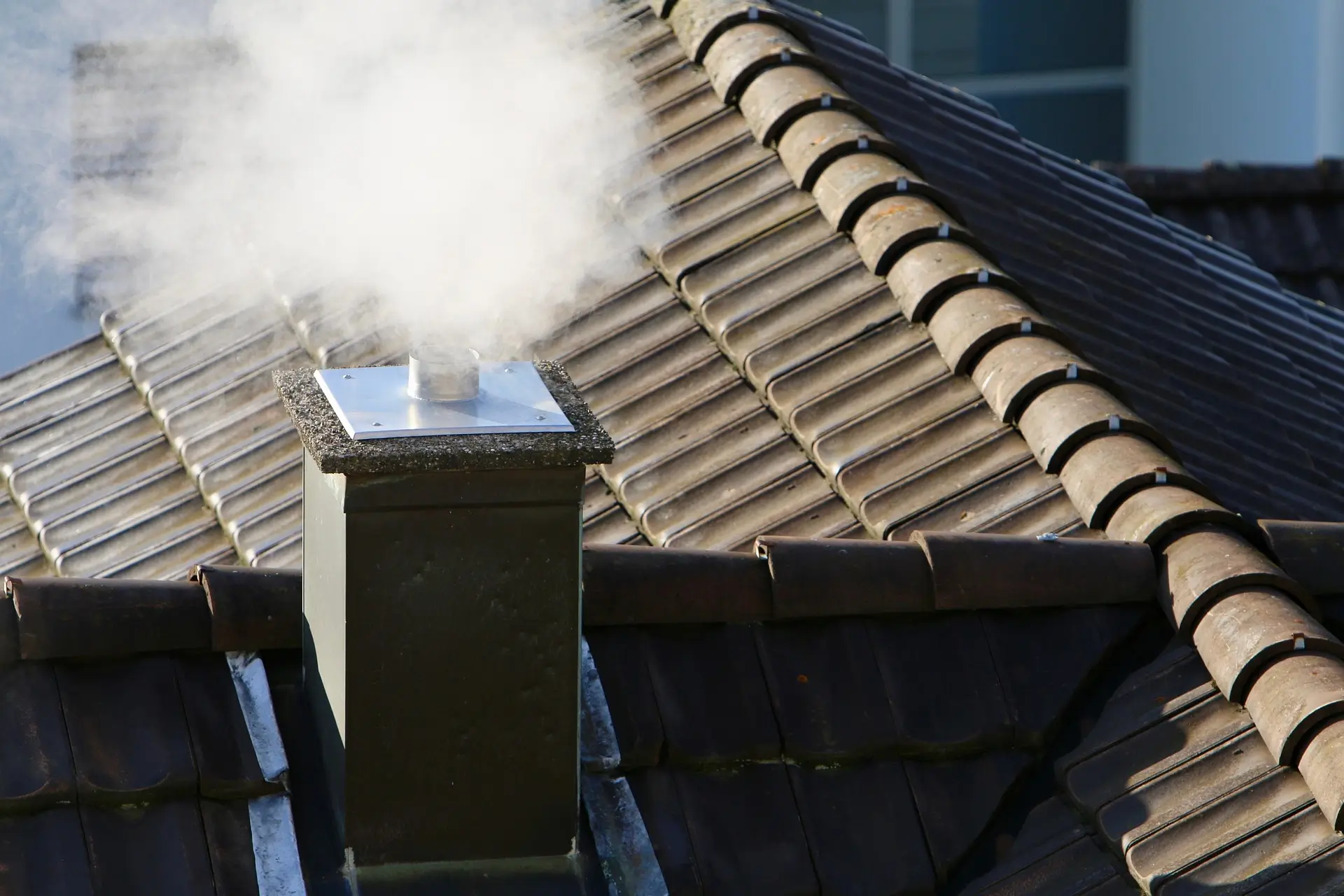
Not every roof problem needs the same level of work. This table sets out the three levels we quote most often across Hinckley, so you know roughly what you are looking at before the survey.
Where a roof sits between two of these categories, our survey will say so plainly, along with the reasoning behind the recommendation.
| :-: | :-: | :-: | :-: |
| Repair type | Typical cost | What it involves | Best for |
| Spot repair | £80–£400 | Refixing or replacing a small number of tiles or slates, a single flashing patch, a short section of pointing | Isolated storm damage, one leak, a single visible defect |
| Partial restoration | £300–£1,800 | Rebedding or repointing a full ridge or hip run, resealing valleys, renewing localised felt and battens in one area | Ageing ridge lines, recurring leaks confined to one part of the roof, roofs around 20–30 years old |
| Full restoration | £3,000–£9,000+ | Stripping and refitting all ridge and hip tiles, renewing flashings and valleys throughout, replacing felt and battens across larger areas | Roofs nearing the end of their working life, period properties needing a sympathetic overhaul, pre-sale roofs needing certification |
What Happens on Repair Day, Start to Finish
A planned repair or restoration follows the same order on every job, whatever the size:
- Free drone survey confirms the extent of the work and the fixed price
- Access arranged — ladder, tower, or scaffold depending on the job
- Damaged tiles, slates or ridge sections lifted and set aside
- Felt, battens and timber checked underneath, with any rot replaced
- New or matched materials fitted, pointed and sealed correctly
- Flashings and valleys checked for a clean, watertight finish
- Site cleared and the repair checked before we leave
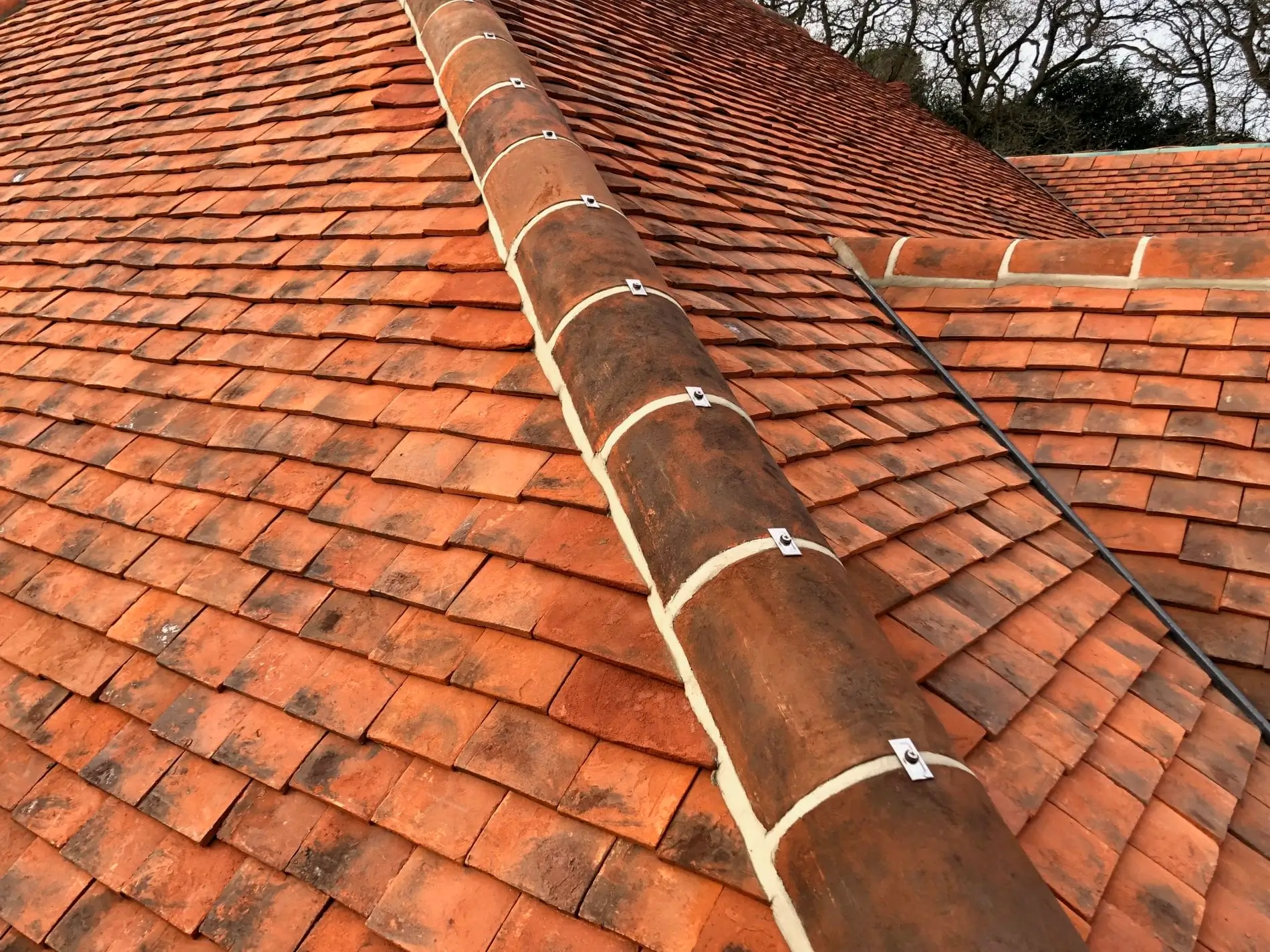
On a typical Hinckley property, a single spot repair is often finished in a few hours. A partial restoration usually takes one to three days, and a full restoration can run five to ten days depending on size and access. Wet or windy weather can push a job back a day or two, and we build that allowance into the schedule rather than promising a date we can't keep.
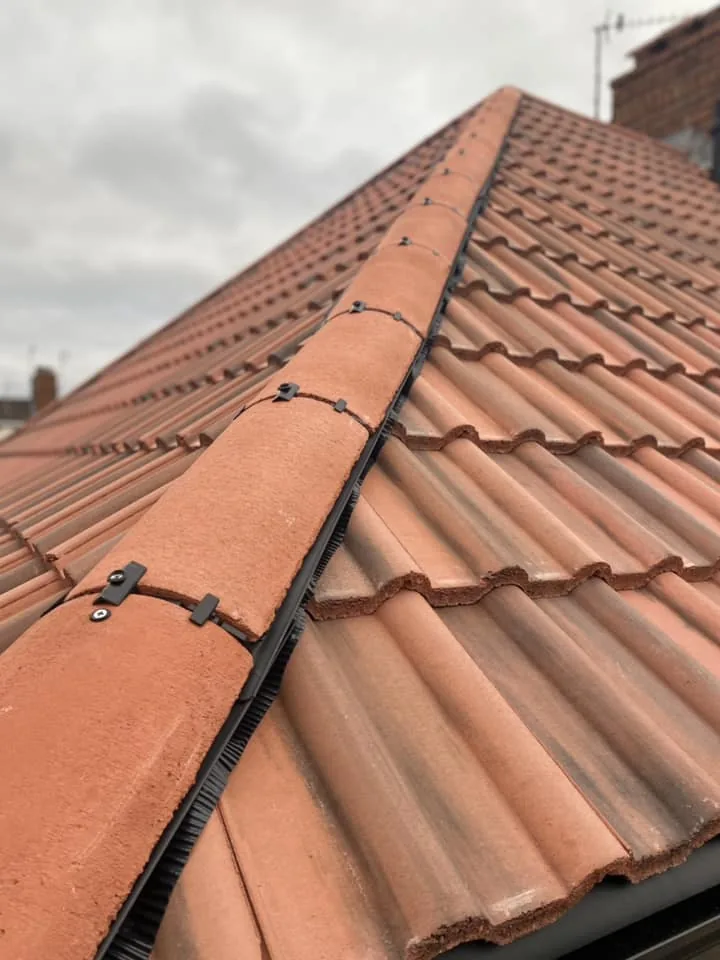
Restoring Character Roofs on Hinckley's Older Homes
Older housing stock needs a different approach to restoration than a modern estate roof. The Victorian and inter-war terraces around Barwell and Earl Shilton were built with tile and mortar mixes that have long since changed, so matching the original look while using modern fixing methods takes a practised eye.
Around Stoke Golding and Market Bosworth, much of the housing sits within a conservation area, and many properties are listed. Restoration work there often needs to match the existing tile profile and colour closely, and in some cases needs sign-off from the local planning authority before it starts. We check a property's status before quoting on any job in these villages, so nothing stalls halfway through. Closer to the town centre, roofs near Hollycroft Park see a mix of ages and styles, and each gets assessed on its own condition rather than a standard formula.
Keep Your Repaired Roof Performing for Years to Come
A repair or restoration only pays off if the roof is looked after afterwards. A little regular attention keeps a freshly repaired roof performing well past the point most people think to check it.
- Clear gutters and valleys of moss and debris each autumn
- Check the loft after heavy storms for any fresh sign of damp
- Keep an eye on the ridge line for loosening mortar year to year
- Book a free drone survey every few years to catch problems early
Every repair we carry out on a Hinckley roof is backed by our 10-year workmanship guarantee, so if something we've fixed gives trouble later, you are covered. Catching a small problem early is always cheaper than letting it run into a bigger restoration job.
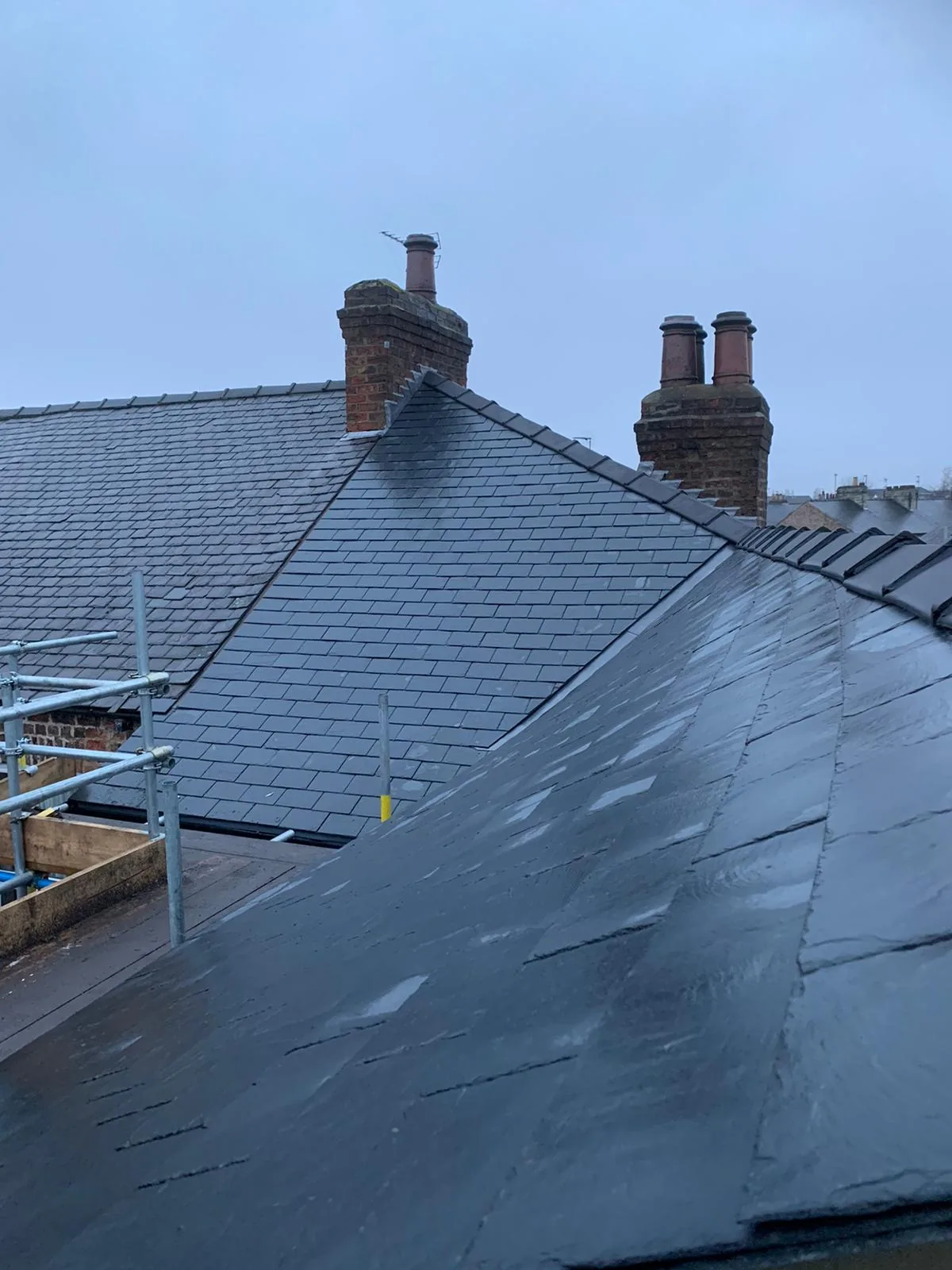
Why Hinckley Homeowners Trust Tate & Sons With Their Repairs
Repair and restoration work rewards experience more than almost any other roofing job, because the skill is in reading what a roof is actually telling you, not just patching what's visible. A good starting point when choosing anyone to work on your roof is the National Federation of Roofing Contractors' guidance on choosing a roofing contractor, which sets out what proper vetting, insurance and workmanship standards should look like.
Daniel Whitmore, our project manager and lead roofer, specialises in exactly this kind of work — tracing stubborn leaks, and restoring leadwork and heritage tile detailing on the area's older properties. He's usually the one who finds what previous repairs missed. Founder James Tate started on the tools more than 20 years ago and still quotes the majority of jobs personally, so the person who looks at your roof is the one standing behind the finished repair. Between us we bring 40 years of combined experience, hold NVQ Level 2 and 3 qualifications in Roofing, and carry CSCS cards. Sophie Bennett, our office manager, keeps quotes, scheduling and aftercare running smoothly from your first call onwards. Read more about the people behind the work on our About Tate & Sons Roofing page.
Areas We Serve Across Hinckley and Bosworth Country
We carry out roof repairs and restoration work across Hinckley and the surrounding borough. If your area isn't listed below, call us anyway — there's a good chance we already cover you.
- Hinckley (LE10)
- Burbage (LE10)
- Barwell (LE9)
- Earl Shilton (LE9)
- Sapcote (LE9)
- Sharnford (LE10)
- Wolvey (LE10)
- Higham on the Hill (CV13)
- Sutton Cheney (CV13)
- Stoke Golding (CV13)
- Market Bosworth (CV13)
- Nuneaton (CV10 / CV11)
- Bedworth (CV12)
Got Questions?
Your Roof Repair and Restoration Questions, Answered Properly
How do I know if my roof needs a repair or a full restoration?
A repair usually covers one or two isolated problems, like a slipped tile or a single leak, on a roof that's otherwise sound. Restoration is the better call when several issues show up together, such as crumbling ridge mortar, more than one damp patch, and a roof that's had repeated small repairs already. Our free drone survey looks at the whole roof, not just the reported problem, so the recommendation reflects what's actually happening up there. Getting this call right early usually saves money over several years of one-off patches.
How much does a roof repair cost in Hinckley?
A small spot repair, such as one or two tiles or a short flashing patch, typically costs £80 to £400. Ridge tile repointing runs roughly £150 to £300 for a 10-metre run, and a full rebed of the same length is usually £250 to £600. Larger restoration projects covering more of the roof generally start around £3,000. A fixed price always needs a survey, since access and hidden timber condition affect the final figure.
Can a leaking roof be fixed without replacing the whole thing?
Yes, in most cases. Leaks usually come from a specific, findable cause — failed flashing, a cracked tile, or open mortar joints — rather than the whole roof failing at once. Once the source is traced properly, the fix is often a targeted repair rather than a full re-roof. It's only when a roof shows widespread wear across most of its surface that repair stops being the sensible option.
How long does a typical roof repair or restoration take?
A single spot repair is often finished within a few hours on the same visit. A partial restoration, covering a ridge run or one section of the roof, usually takes one to three days. A full restoration across the whole roof can run five to ten days depending on size, material and access. Wet or windy weather can add a day or two, and we build that into the schedule from the start.
Why did my last roof repair fail so quickly?
This usually comes down to the wrong type of fix being used for the underlying problem. A quick repoint on loose ridge tiles, for example, often fails again within a year or two if the tiles themselves were never properly rebedded. Sealant applied over a cracked flashing without fixing the flashing itself is another common short-term fix that doesn't hold. We check what's actually causing the fault before recommending a repair, so the work done matches the problem rather than just covering it.
Can moss actually damage my roof, or is it just cosmetic?
Moss can cause real damage, not just an untidy look. Its roots work into mortar joints and gaps around tiles, gradually loosening them, while the moss itself holds moisture against the roof surface for far longer than bare tile would. Left long enough, this speeds up mortar failure at the ridge and hips and can contribute to tiles slipping. Clearing moss as part of a restoration, rather than leaving it, protects the repair work you've just paid for.
Will my home insurance cover roof repair costs?
It depends on the cause. Sudden storm damage, such as tiles blown off in high wind, is usually covered under standard buildings insurance. Gradual wear, such as ridge mortar that's simply aged and crumbled over years, generally isn't, since insurers treat that as routine maintenance. It's worth checking your policy wording and getting a written report from your roofer, since insurers often ask for evidence of the cause before paying out.
Are older homes around Barwell and Earl Shilton more likely to need restoration than a quick repair?
Often, yes. Much of the housing stock in Barwell and Earl Shilton dates back to the town's hosiery and framework-knitting years, and roofs of that age have usually already had several small repairs over the decades. When we survey these roofs, we frequently find that the visible problem is only part of a wider pattern of ageing mortar and worn battens, which points toward restoration rather than another isolated patch. A drone survey shows the full picture before any work is agreed.
Does repair or restoration work near Market Bosworth need special permission?
It can, depending on the property. Market Bosworth has a substantial conservation area with a number of listed buildings, and visible roofing changes on those properties sometimes need sign-off from the local planning authority, even for restoration rather than a full new roof. Straightforward like-for-like repair using matching materials is usually fine without extra permission, but we always check a property's status before quoting in this area, so the job doesn't stall part-way through.
Book Your Free Drone Roof Survey Today
Every month a leak or a loose ridge tile goes unchecked on a Hinckley roof, water works further into the timber underneath, and a straightforward repair risks turning into a full restoration job. A free drone survey tells you exactly what's happening on your roof, with footage to back it up, and often the fix is smaller than you feared. Book now and get an honest, fixed price before any work is agreed.
Call the Hinckley team today on 01455 242595, or request your free drone survey online. We're already working across your area.
Book Your Free Drone Roof Survey
See exactly where your roof stands, with no obligation and no pressure. Call our Hinckley team or request your free drone survey today.
Get in Touch
Tate & Sons Roofing — Hinckley Office
10 Brosdale Drive, Hinckley, LE10 0SW
📞 01455 242595
✉️ [email protected]