
🏠 Melton Mowbray Ridge Tile Repair Specialists
Ridge Tile Repairs & Rebedding in Melton Mowbray — Stop Loose Tiles Before They Cost You More
- Free Drone Survey
- Directly Employed Roofers
- Written Fixed Price
📞 Call 01664 490955 — free drone survey & a written price
Book Your Free Drone Survey
No scaffold. No pressure. No obligation.
Straight answers from local Melton Mowbray roofers.
🔒 Your details are safe with us. No spam, ever.
A ridge tile sits at the highest, most exposed point of your roof, and it takes the worst of every gale that crosses the Vale of Belvoir Scarp. When the mortar underneath starts to crumble, that tile has nothing left holding it in place. Ridge tile repairs in Melton Mowbray are one of the most common jobs we do, especially on the town's older terraces where the original bedding is now decades past its best.
Tate & Sons Roofing fixes, rebeds, and upgrades ridge lines across Melton Mowbray and the surrounding villages. We are a full roofing contractor across Melton Mowbray, and ridge work is one of the jobs our crews handle every week. This page covers the warning signs, your repair options, real cost ranges, and what actually happens on the day, so you know exactly what you are paying for before you agree to anything.
Know the Signs Your Ridge Tiles Need Attention Now
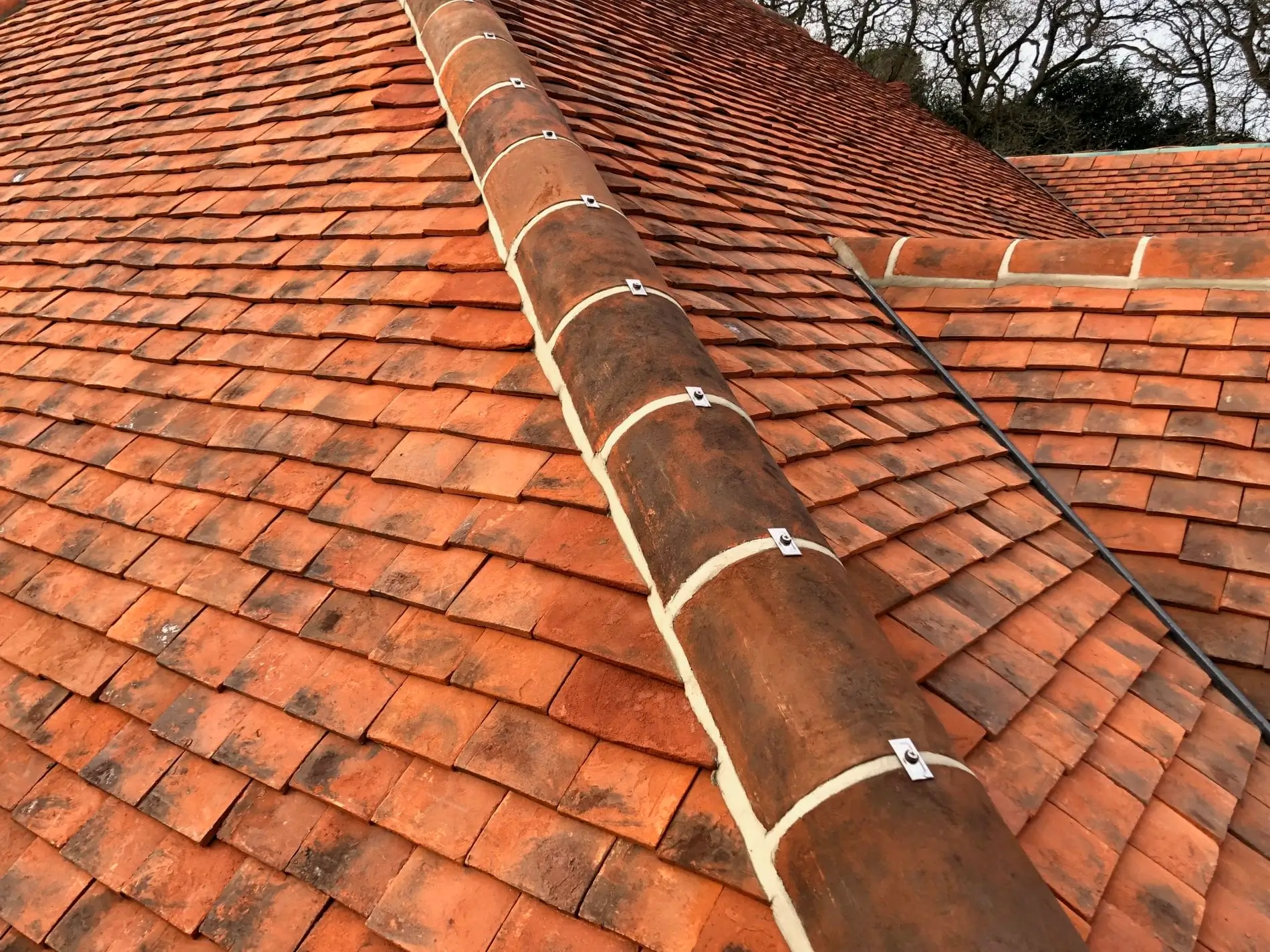
Ridge tiles rarely fail without warning. The mortar bedding underneath cracks first, then a tile shifts, and only later does a tile actually come loose or go missing. Catching the early stage saves you money and stops a small job turning into an emergency.
Watch for these signs from the ground or from a loft inspection:
- A thin dark line running along the ridge, where mortar has separated from the tile
- A ridge tile that looks slightly raised, tilted, or out of line with the others
- Small pieces of grey mortar collecting in your gutters after wind or rain
- Daylight or a draught at the top of your loft space, near the apex
- A tile that moves when tapped gently, or one that has already slipped
- Damp patches on a bedroom ceiling directly below the ridge line
Any one of these on its own is worth a call. Several together usually mean the whole ridge line has aged out together, since mortar bedding tends to fail in one stretch rather than tile by tile. A free drone survey settles the question with real footage of your ridge, not a guess from the pavement.
Repair, Rebed, or Convert to Dry Ridge — Choosing the Right Fix
Not every loose ridge tile needs the same treatment. A single dislodged tile on an otherwise sound ridge is usually a spot repair. Once mortar is failing along most of the ridge line, a full rebedding or a switch to a dry ridge system makes more sense than repeated patching.
Mortar rebedding lifts the old, failed bedding, cleans the tiles, and beds them back down in a fresh sand and cement mix. It keeps the traditional look many period homes around Melton need, and it is the right call on listed and conservation-area properties where appearance matters. The trade-off is that mortar has a working life, and current British Standards now expect ridge tiles to be mechanically fixed as well as bedded, not held by mortar alone.
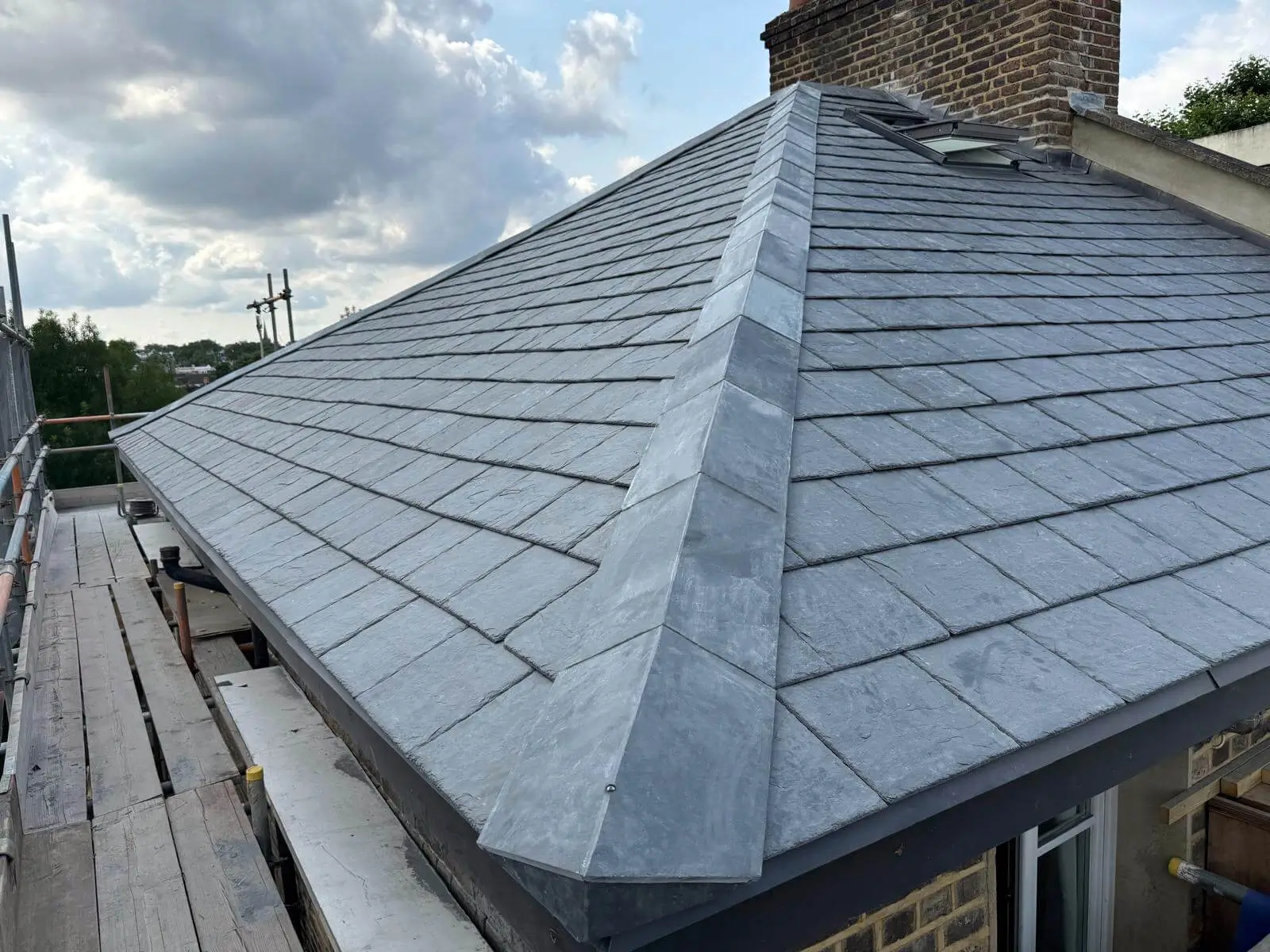
A dry ridge system replaces mortar with a mechanically fixed ridge unit, screwed and clipped down rather than bedded. It costs a little more to fit but does not crack, crumble, or need repointing every decade. The Roof Tile Association's technical guidance on ridge design sets out why: current standards require mechanical fixing on most roofs, with mortar-only bedding now reserved mainly for heritage cases agreed with conservation officers. If your ridge already has one or two tiles missing after a storm, our emergency roof repair team can make it safe the same week, before we talk through the longer-term fix.
Use the table below as a starting point, then let a survey confirm which fix suits your roof.
| Feature | Mortar Rebedding | Dry Ridge System Conversion |
|---|---|---|
| Typical cost | £450–£850 for a full ridge line | £800–£1,600 for a whole semi-detached roof |
| Typical lifespan | 10–20 years before repointing or rebedding is needed again | 20–30-plus years, largely maintenance-free |
| Best for | Listed buildings, conservation areas, spot repairs on an otherwise sound ridge | Exposed roofs, repeated mortar failure, homeowners wanting a fit-and-forget fix |
What Ridge Tile Repairs Really Cost in Melton Mowbray
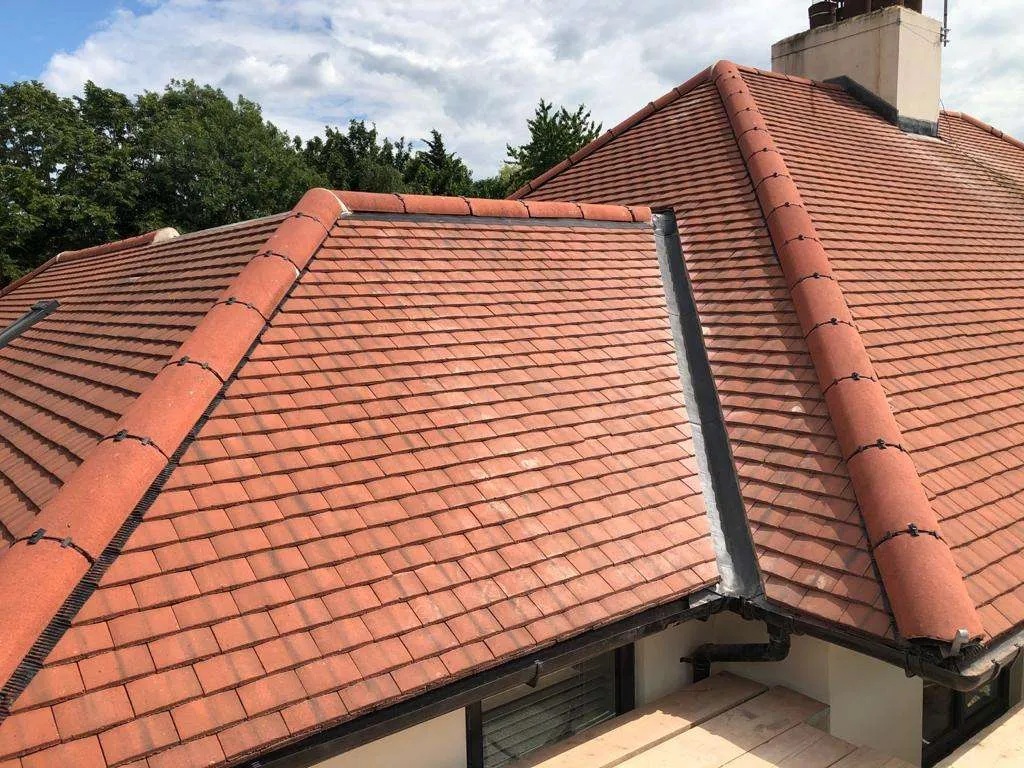
A small spot repair, rebedding three to six ridge tiles, typically runs £150 to £400. A full ridge rebedding along the whole roof, covering roughly eight to twelve metres on a standard semi, usually costs £450 to £850. A complete dry ridge conversion for a semi-detached roof generally sits between £800 and £1,600, priced at roughly £50 to £65 per metre once old mortar is stripped out and the new system fitted.
Several things move the price up or down:
- Number of tiles or metres of ridge affected
- Roof pitch, height, and how easily we can get scaffolding or a tower in place
- Whether old mortar needs stripping back before rebedding or conversion
- Ridge tile material, since some clay and specialist profiles cost more to match
- Access around chimneys, dormers, or a roof shared with a neighbouring property
Labour makes up the bulk of the bill on ridge work, generally 60 to 70 percent of the total, since roofers in this part of Melton Mowbray typically charge in the region of £200 to £275 a day. These are general market ranges, not a quote for your roof. A fixed price needs a survey.
What to Expect Before Work Starts on Your Roof
Every ridge job starts with a proper look at the roof, not a guess from the street. Our free drone survey gives you close-up footage of the whole ridge line, so you see exactly what we see before any work is agreed.
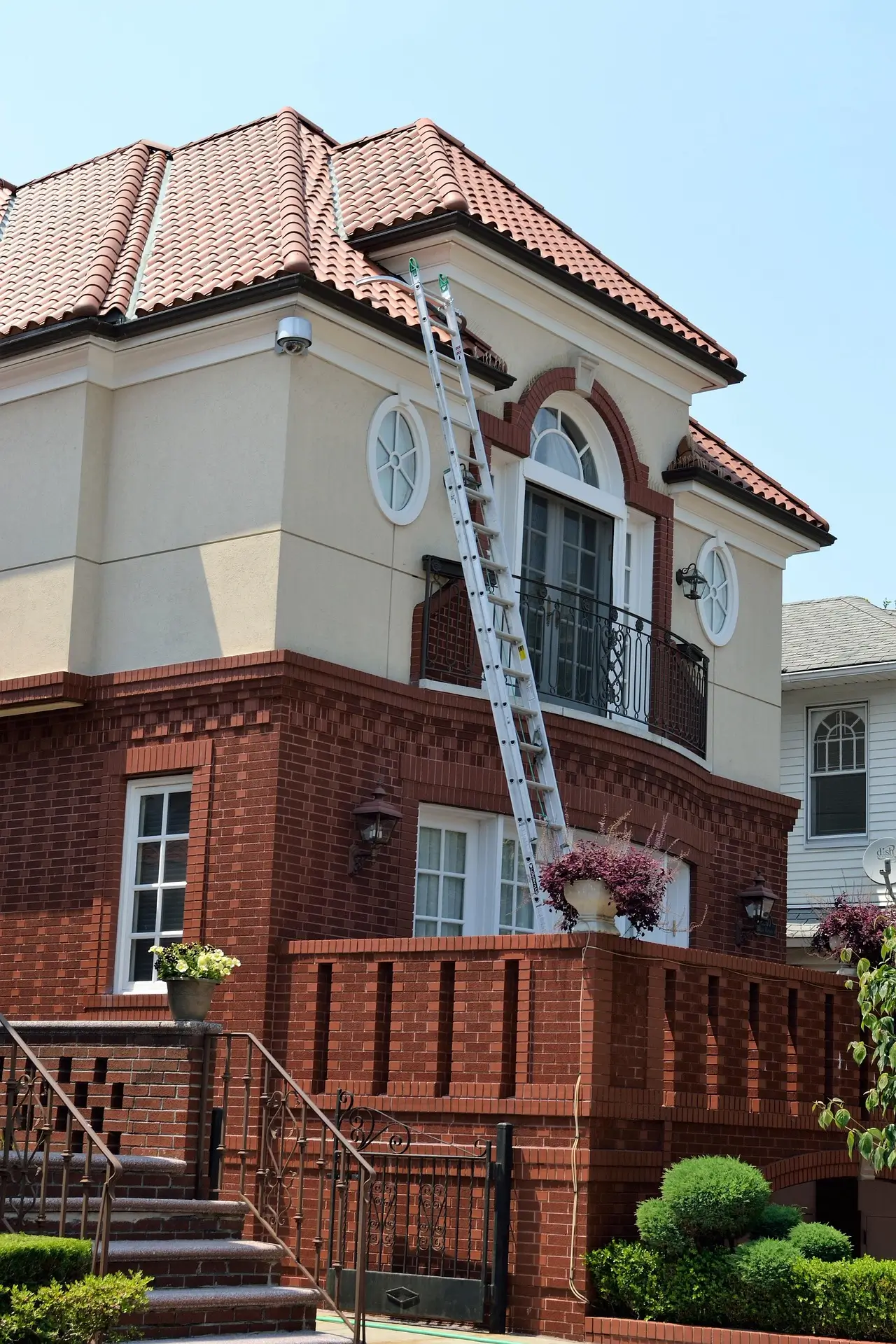
From there, we confirm access. Most ridge repairs need a scaffold tower or roof ladder rather than full scaffolding, which keeps costs down on smaller jobs. On a taller property, or one boxed in by neighbouring buildings, full scaffold may be the safer option, and we will say so upfront rather than cutting corners at height.
You get a written quote before we book a date, covering the tiles affected, the fix agreed, and the price in full. Nothing gets added once we are on the roof.

Inside a Ridge Repair or Rebedding Job, Start to Finish
A typical ridge tile repair or rebedding job follows the same order on every roof:
- Access set up safely, whether scaffold tower or full scaffold
- Affected ridge tiles lifted and set aside
- Old, failed mortar chipped out and cleared from the ridge line
- Ridge tiles checked for cracks and replaced where needed
- Tiles rebedded in fresh mortar, or fitted with a dry ridge kit and mechanical fixings
- Ridge line pointed and finished for a clean, weather-tight seal
- Gutters cleared of any debris and the site checked before we leave
A small spot repair on three to six tiles is usually finished within a day. A full ridge rebedding on a standard semi generally takes one to two days, and a dry ridge conversion runs on a similar timescale once old mortar is stripped out. Wet weather can push a start date back, since mortar needs dry conditions to cure properly and dry ridge fixings go on best in a dry spell too.
How We Check Your Ridge Will Hold Before We Leave
A ridge repair is only as good as the check that follows it. Before we pack up, every tile gets tested for movement, and every mortar joint gets a visual check for gaps or hairline cracks along the length of the ridge.
On a dry ridge conversion, we confirm every mechanical fixing is torqued correctly and that the ventilation strip along the ridge is clear, since a blocked ridge vent can cause condensation problems in the loft below. We photograph the finished ridge as part of the job, so you have a record of the work, not just our word for it.
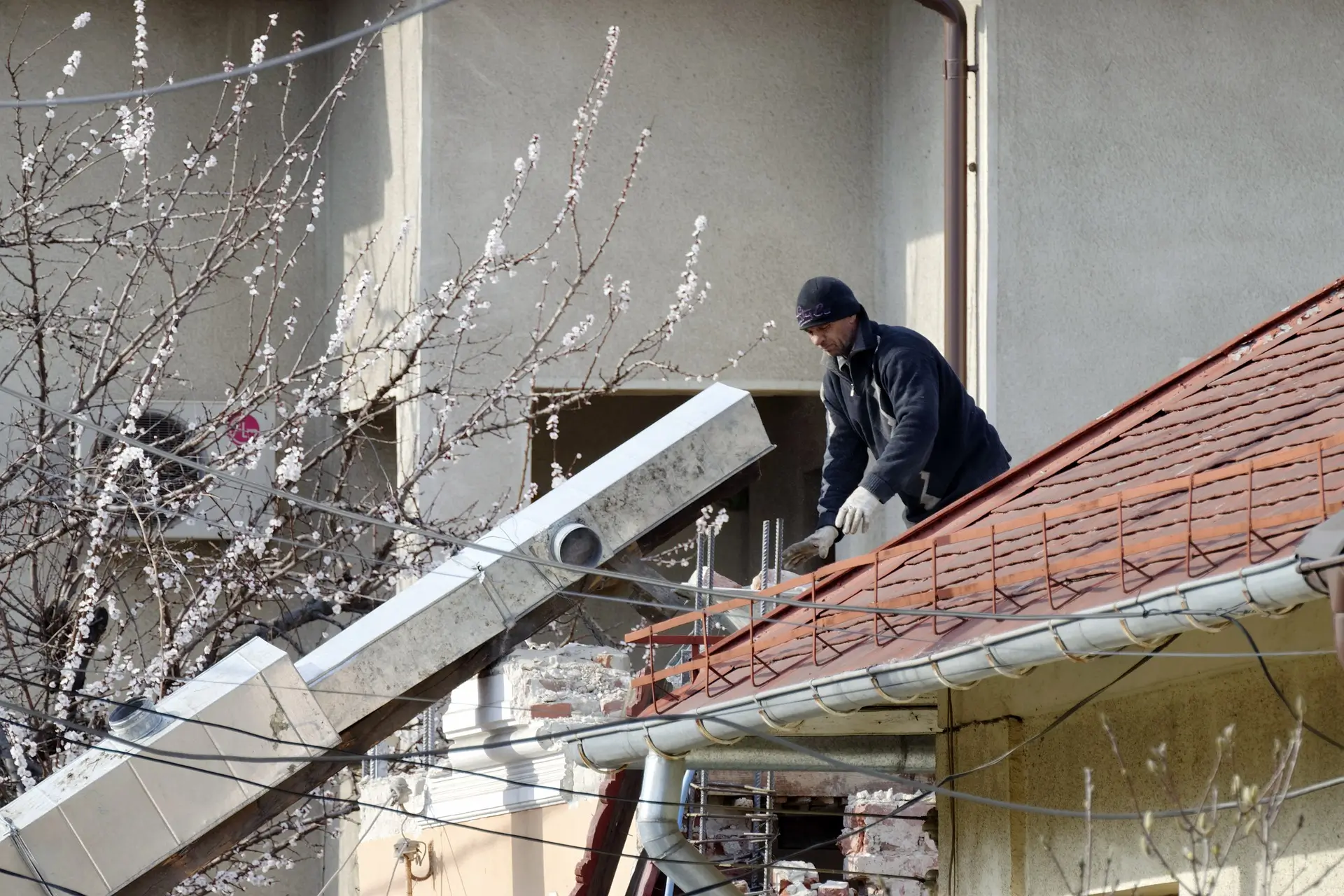
Every repair and rebedding job is backed by our 10-Year Workmanship Guarantee, so if anything moves that should not, we come back and put it right.
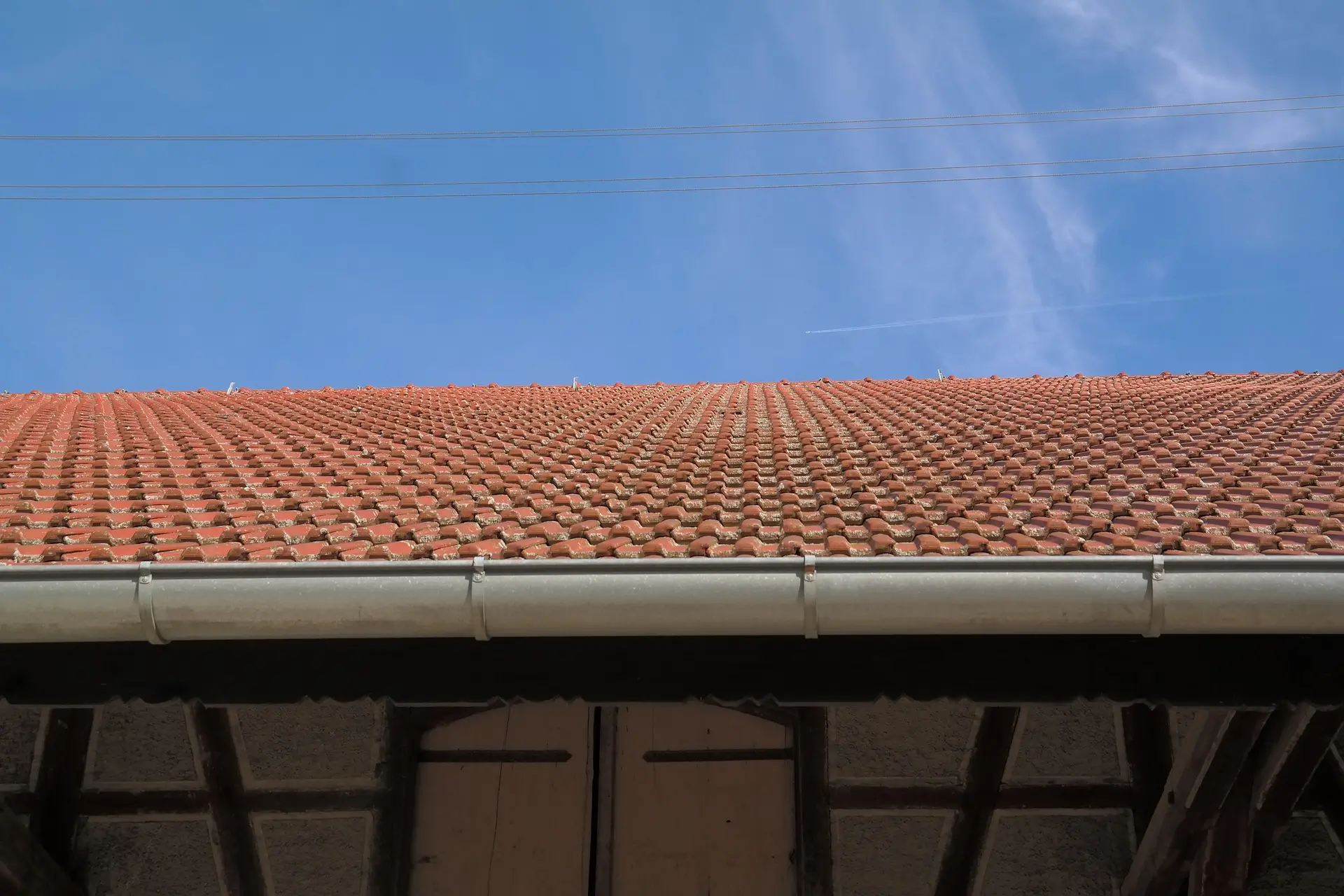
Keep Your Ridge Secure Through Every Melton Winter
A ridge that has just been repaired or rebedded still benefits from a regular look, especially on an exposed property. A little attention each year catches the next problem while it is still small and cheap to fix.
- Check the ridge line from ground level after any named storm
- Look in the loft after heavy rain for damp near the apex
- Keep gutters clear, since blocked gutters hide mortar debris that signals a problem above
- Book a free drone survey every few years, or sooner on an exposed roof
Properties out toward Scalford and the high ground above Thorpe Arnold take a harder battering from wind-driven rain than a sheltered street near St Mary's Church in the town centre, and ridge mortar on those hillside homes tends to fail sooner as a result. If your property sits high or exposed, a dry ridge conversion is often the more sensible long-term choice over repeated mortar repairs.
Why Melton Mowbray Homeowners Trust Tate & Sons with Their Ridge
Ridge tile failure is one of the faults James Tate, our founder and managing director, sees most often on Melton's older terraces. After fifteen years working roofs across Melton Mowbray and the East Midlands before starting the business, he still prices most ridge jobs himself, and he brings the same approach to every one: find out exactly what has failed underneath, fix that, and do not just point over the top of a problem that will come back within a year or two.

Daniel Oakland, our project manager, brings more than twenty years of fitting experience to every rebedding and dry ridge conversion, including heritage slate and lead detailing on the older homes that make up so much of Melton's housing stock. Between the team, we hold NVQ Level 2 and 3 qualifications in Roofing Occupations, carry CSCS cards, and bring over 40 years of combined experience to every roof we work on. Janice Whitmore, our office manager, keeps you posted from the first phone call through to the finished job. Read more about the people behind the work on our About Tate & Sons Roofing page.
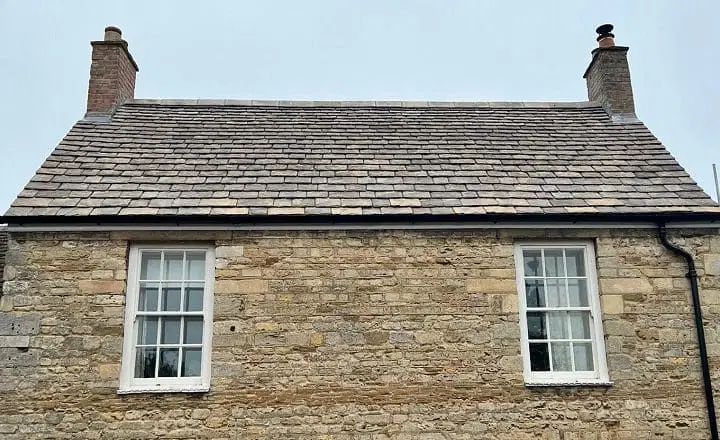
Areas We Serve Across Melton Mowbray and the Vale of Belvoir
We repair and rebed ridge tiles across Melton Mowbray and the surrounding villages. If your address is not listed below, call us anyway, since there is a strong chance we already cover you.
- Melton Mowbray (LE13)
- Asfordby (LE14 3)
- Old Dalby (LE14 3)
- Nether Broughton (LE14 3)
- Frisby on the Wreake (LE14 2)
- Wymondham (LE14 2)
- Long Clawson (LE14 4)
- Harby (LE14 4)
- Stathern (LE14 4)
- Waltham on the Wolds (LE14 4)
- Bottesford (NG13)
Got Questions?
Your Ridge Tile Questions, Answered Properly
What are the warning signs my ridge tiles need repair?
The clearest sign is a dark line where mortar has pulled away from a tile, along with small pieces of grey mortar collecting in your gutters. A tile that looks raised, tilted, or out of line with its neighbours is also a strong signal that bedding has failed underneath. Draughts or damp near the top of your loft, close to the apex, often follow once a tile has actually shifted. Any of these on their own is worth a call, and several together usually mean the whole ridge line needs attention, not just one tile.
What is the difference between a ridge tile repair, a full rebedding, and a dry ridge conversion?
A repair deals with one or two loose or cracked tiles on a ridge that is otherwise sound. A full rebedding strips out failed mortar along the entire ridge line and beds every tile back down fresh, keeping the traditional mortar finish. A dry ridge conversion replaces mortar entirely with a mechanically fixed system, screwed and clipped rather than bedded, which lasts considerably longer and needs far less upkeep afterwards.
Is a dry ridge system actually better than mortar bedding?
For most modern repairs, yes, and current British Standards now expect ridge tiles to be mechanically fixed rather than held by mortar alone. Dry ridge systems typically last 20 to 30 years or more with very little maintenance, against 10 to 20 years for mortar before it needs repointing again. Mortar still has its place on listed buildings and in conservation areas, where a traditional finish matters more than long-term maintenance savings. Which one suits your roof depends on the property, and a survey will confirm the right call.
Can I fix loose ridge tiles myself?
We would strongly advise against it. Ridge work means standing or kneeling at the highest point of a pitched roof, often several metres up, with no safe way to arrest a fall without proper equipment. A tile that looks straightforward to lift can crack the moment it is disturbed, turning a small repair into a bigger one. It is also easy to miss a wider mortar failure along the ridge while focusing on the one tile that prompted the call.
Do I need planning permission or building regulations approval for ridge tile repairs?
No, straightforward ridge tile repairs, rebedding, or a dry ridge conversion do not usually need planning permission or a Building Regulations application. This work counts as maintenance and repair on an existing roof rather than a structural change. Listed buildings and properties within conservation areas can be an exception, particularly where a change from mortar to a visibly different dry ridge profile is proposed, so we check a property's status before quoting where it might apply.
Will my home insurance cover ridge tiles damaged in a storm?
Usually, yes, if the damage genuinely followed a storm rather than years of gradual wear. Most UK buildings insurance covers sudden storm damage, including ridge tiles lifted or blown off in high wind. An insurer has to show that pre-existing wear and tear, not the storm, was the real cause before rejecting a claim. Photograph the damage before any temporary covering goes on, and call your insurer before booking permanent repairs, since they may want to inspect first.
Why do ridge tiles seem to fail on one side of my roof before the other?
Prevailing wind in this part of Melton Mowbray blows mostly from the south-west, so that side of a ridge takes more sustained wind-driven rain and pressure over the years than the sheltered side. Mortar on the exposed side dries out, cracks, and fails first as a result. It is a genuine pattern we see often, not a coincidence, and it is one reason a survey checks the whole ridge rather than just the tiles you can already see are loose.
Can failing ridge mortar cause condensation or damp in my loft?
It can, in two separate ways. Cracked mortar lets wind-driven rain track down into the loft directly, which shows up as damp patches near the apex. It can also disrupt the ridge ventilation strip that some roofs rely on to let moist air escape, and a blocked or damaged strip lets condensation build up on the timber below instead. Both problems are easy to miss until they have been running for a while, which is why we check ventilation as part of every rebedding or conversion.
Why do ridge tiles fail faster on exposed Melton properties near the Wolds than in sheltered streets?
Properties out toward the Vale of Belvoir scarp and the higher ground around Scalford and Thorpe Arnold sit with far less shelter from wind-driven rain than homes tucked into Melton's town centre streets. That extra exposure works mortar joints harder every winter, so bedding that might last fifteen years on a sheltered terrace can fail in under ten on an exposed hillside property. We factor a property's height and exposure into the recommendation we give, not just its age or postcode.
Book Your Free Drone Ridge Survey Today
A loose ridge tile does not fix itself, and every storm that passes over Melton Mowbray gives it another chance to shift further or come away completely.
Left alone, a small mortar crack turns into a missing tile, and a missing tile turns into water tracking down into your loft timbers. A free drone survey today shows you exactly what your ridge needs, often for less than you expect.
Get in Touch
Tate & Sons Roofing, Melton Mowbray
13 Cromwell Road, Melton Mowbray, LE13 0AD
📞 01664 490955
✉️ [email protected]