
🏠 Trusted Local Roofers
Residential Roofing Nottingham
A Nottingham home's roof takes a real beating — driving rain off the Trent Valley, hard winter frosts, and gusts that find every loose tile first. Our residential roofing service covers repairs, full re-roofs, and honest advice on what your particular house actually needs. As a roofing contractor working across the city, we treat every house roof the way we'd want our own treated: properly diagnosed, in the right material, and built to hold.
- Fully Insured
- 10-Year Guarantee
- 5-Star Rated
Quick Free Estimate - No Obligation
We're not just roofers – we're your neighbours.
Fully Insured • Response within 15 mins
🔒 Your details are safe with us. No spam, ever.
Which Roofing Material Suits Your Nottingham Home Best?
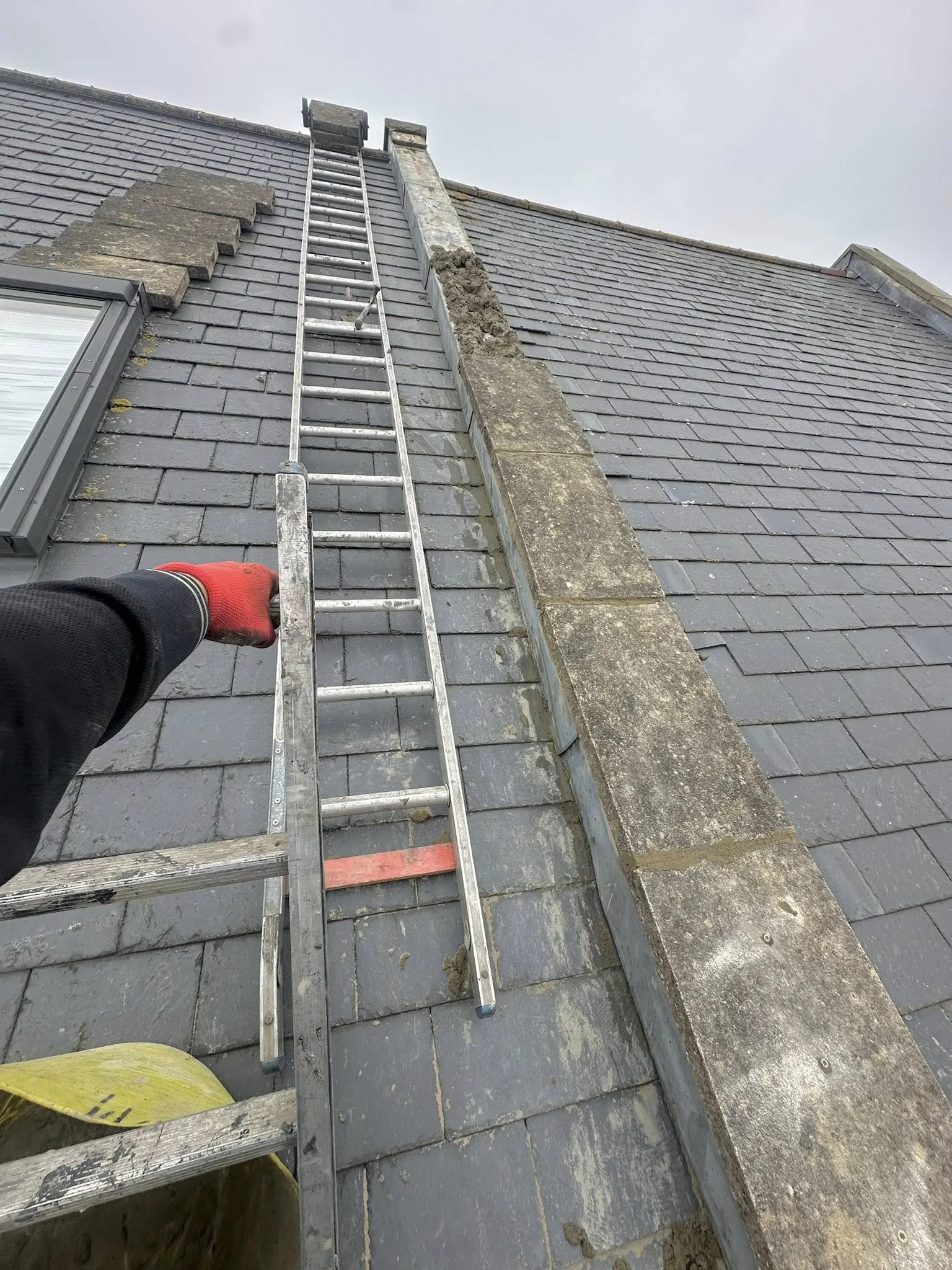
For most Nottingham homes, the right material depends on your property's age and street. Natural slate suits Victorian and Edwardian houses in areas like The Park and Mapperley, where planning rules often expect it. Concrete tile is the practical choice for 1930s-onwards semis and estates across Wollaton and Beeston. Clay tile sits between the two, giving a traditional look with strong weather resistance. A free survey confirms which fits your roof, your budget, and any conservation area rules that apply.
Here's what actually separates the three once they're on your roof, beyond the price tag:
- Natural slate is thin and light for its strength, so it suits older timber structures that weren't built for a heavy load. It's brittle underfoot, so repairs need a roofer who knows how to walk it without cracking more slates than they fix.
- Concrete tile is heavier and more forgiving of minor structural movement, but that weight means your roof timbers need checking before a like-for-like re-cover with a heavier profile.
- Clay tile holds its colour far longer than concrete, which fades over a few decades, and it copes well with the freeze-thaw cycles a hard Nottinghamshire winter brings.
- On period and listed properties, particularly around The Park and parts of Lenton, matching the existing material is often a planning condition rather than a preference.
If you're planning a full re-roof rather than a repair, our dedicated new roof installation page covers the process for a complete replacement in more depth.
Repair or Replace: How to Tell What Your Roof Actually Needs
Not every problem roof needs stripping off and starting again. Here's how to read the signs correctly.
Signs a Repair Will Sort It
- A handful of slipped, cracked, or missing tiles with no wider pattern of damage
- A single leak traced to one failed flashing, vent, or chimney junction
- Your roof is under 25 years old and otherwise in sound condition
- Damage is confined to one section, such as a valley or a bay window roof
Signs You're Looking at a Full Replacement
- Daylight visible through the roof boards from inside your loft
- A sagging roofline, which usually points to rotten or failed structural timber
- Three or more separate leaks appearing within a couple of years
- Granules washing into your gutters, a sign the tiles or felt are breaking down
- Your roof is over 30 years old with widespread wear across most of its surface

A rough rule many UK roofers use: if a repair quote comes in above roughly 30% of a full replacement cost, replacing usually makes better financial sense than patching the same roof again in a year or two. We'll give you that comparison honestly, in writing, rather than steering you toward the bigger job.
What Happens Before We Touch Your Roof
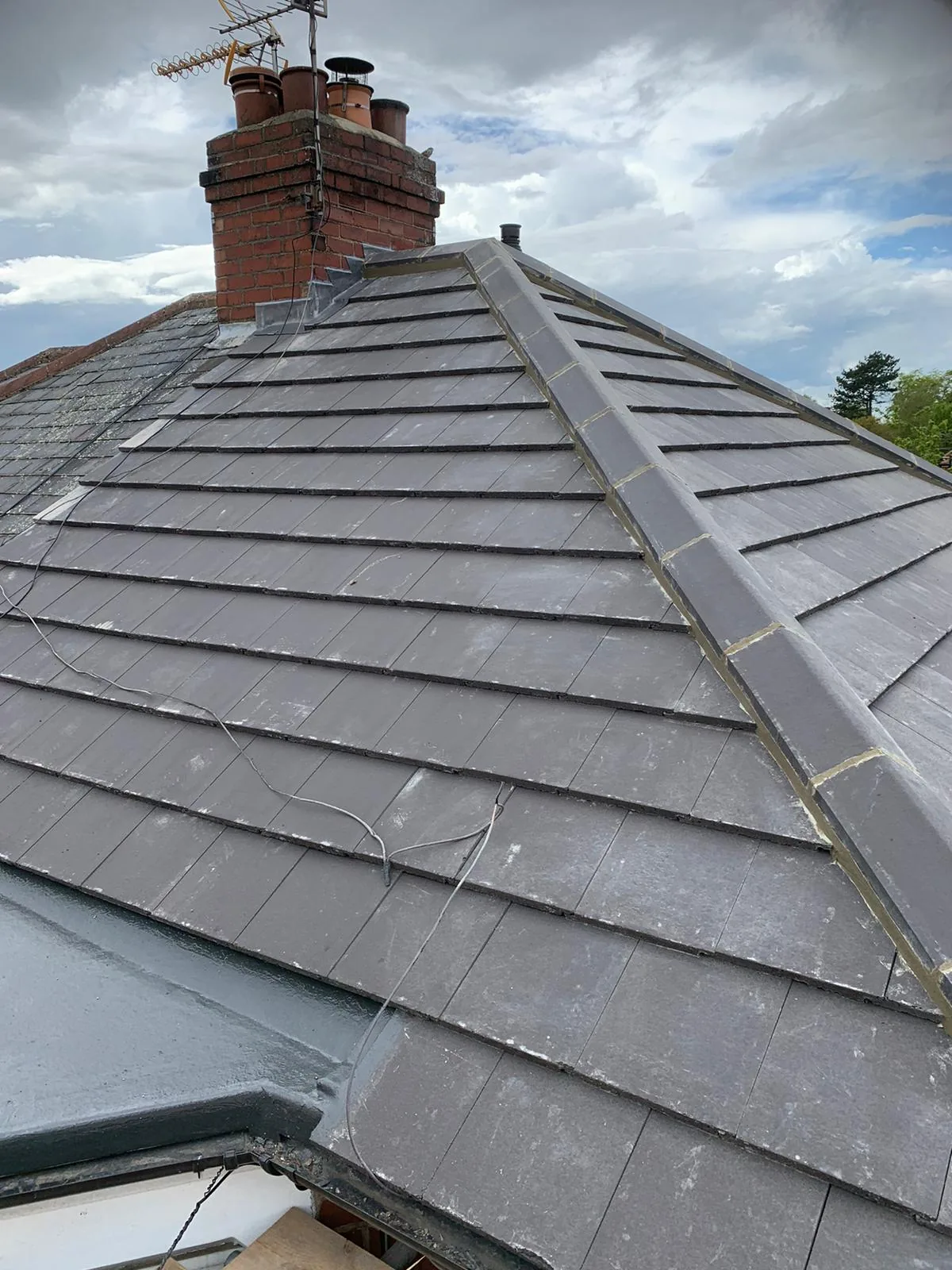
Every residential job starts with a proper look at the whole roof, not a guess from the pavement.
- We carry out a free drone survey covering every slope, valley, and flashing — no scaffolding or ladders needed just to take a look
- You get clear photos and a plain-English report on the actual condition of your roof
- We tell you honestly whether a repair or a full re-roof is the right call, and why
- We check your loft timbers can carry the weight of your chosen material, especially important if you're switching from slate to a heavier concrete tile
- If you're planning solar panels later, we flag whether your structure needs strengthening now, before new tiles go on and get disturbed again
- We confirm whether Building Regulations notification applies — generally required if you're recovering more than 25% of the roof — and flag any conservation area rules around The Park or Lenton
- You get a firm, itemised quote before any tool comes out of the van
Building Regulations and planning rules around roof work can be genuinely confusing for homeowners, and the Planning Portal's guidance on re-roofing is a useful independent starting point if you want to read the official position yourself.
How We Carry Out Residential Roofing Work, Start to Finish
Once you've agreed the scope, here's how a typical repair or re-roof runs on site.
- We protect your drive, borders, and garden before anything comes off the roof
- For a re-roof, we strip back to the timber structure and replace any rot or damage we find, which is where our pitched roof construction team gets involved on jobs needing structural work
- We fit new breathable underlay and battens, spaced correctly for your chosen tile or slate
- Tiles or slate go on working from the eaves up, with close attention to valleys, hips, and chimney abutments — the points where nearly every leak starts
- Ridge and verge details are finished, ideally with a dry-fix system that removes the crumbling mortar problem older Nottingham roofs suffer from
- We clear the site fully and remove all waste, leaving nothing behind but a finished roof
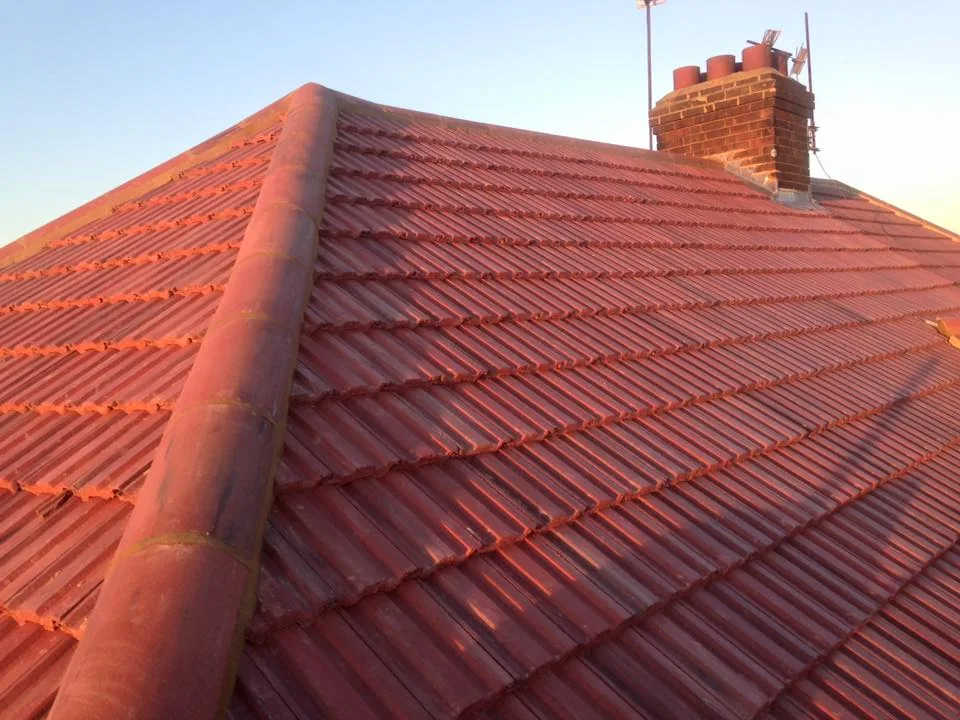
A typical terraced re-roof takes 2 to 3 days, a semi-detached home 3 to 5 days, and a larger detached property 5 to 7 days, weather allowing. Repairs are usually finished in a single visit.
How to Check Your Roofing Job Was Done Properly
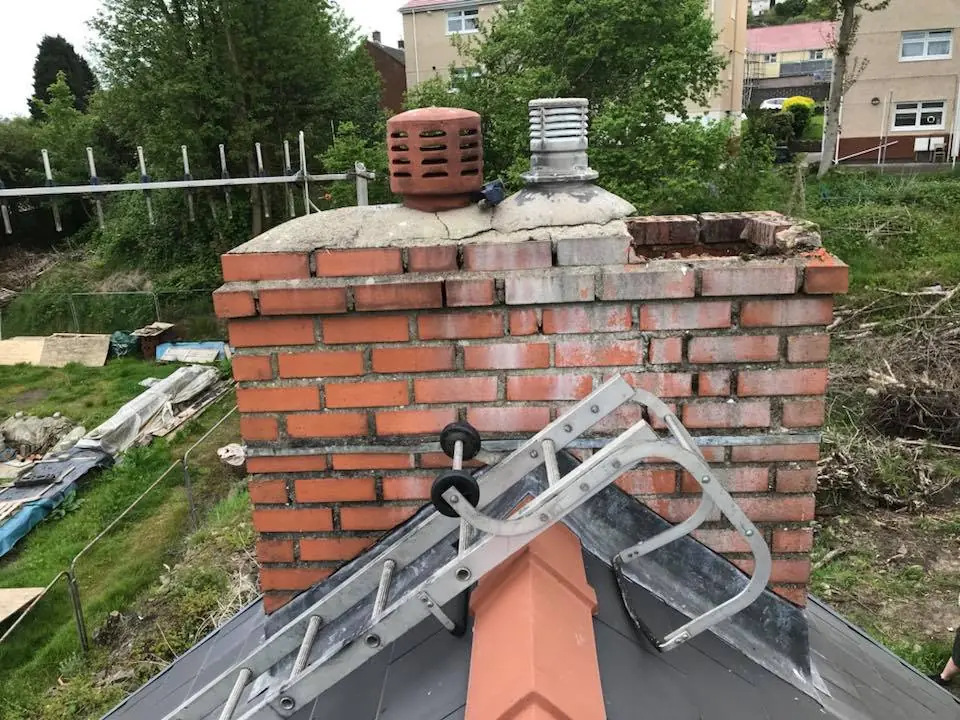
Whether it's our work or someone else's, here's what a properly finished residential roof should show.
- Tiles or slates should sit level and tight, with no visible gaps, lifted edges, or cracked pieces left in place
- Ridge and verge lines should run straight, without dips or humps along their length
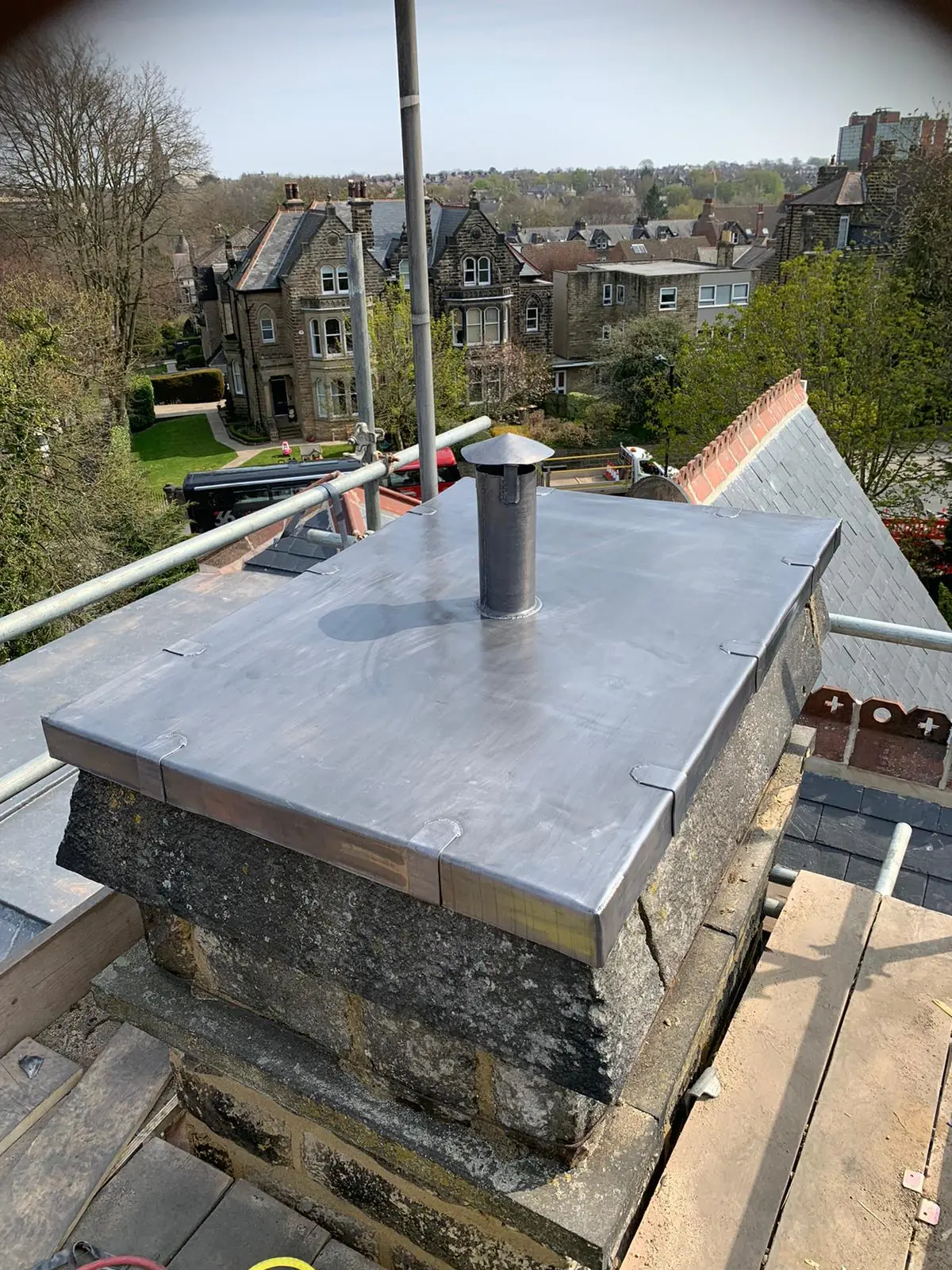
- Flashing around chimneys and abutments should be neatly dressed lead, not sealant smeared over a gap as a shortcut
- Your loft should be free of daylight gaps, and any new insulation or ventilation should be fitted, not just the outer covering
- Ask to see photos of the stripped timber deck before it was covered — a reputable roofer takes these as standard, and they're proof any rot was actually dealt with
- You should receive written confirmation of your guarantee, the materials used, and any Building Regulations notification submitted on your behalf
- We back every residential roof with a 10-year workmanship guarantee, in writing, from day one
Keeping Your Roof in Good Shape All Year Round
A finished roof still needs looking after. A little attention twice a year keeps small issues from becoming expensive ones.
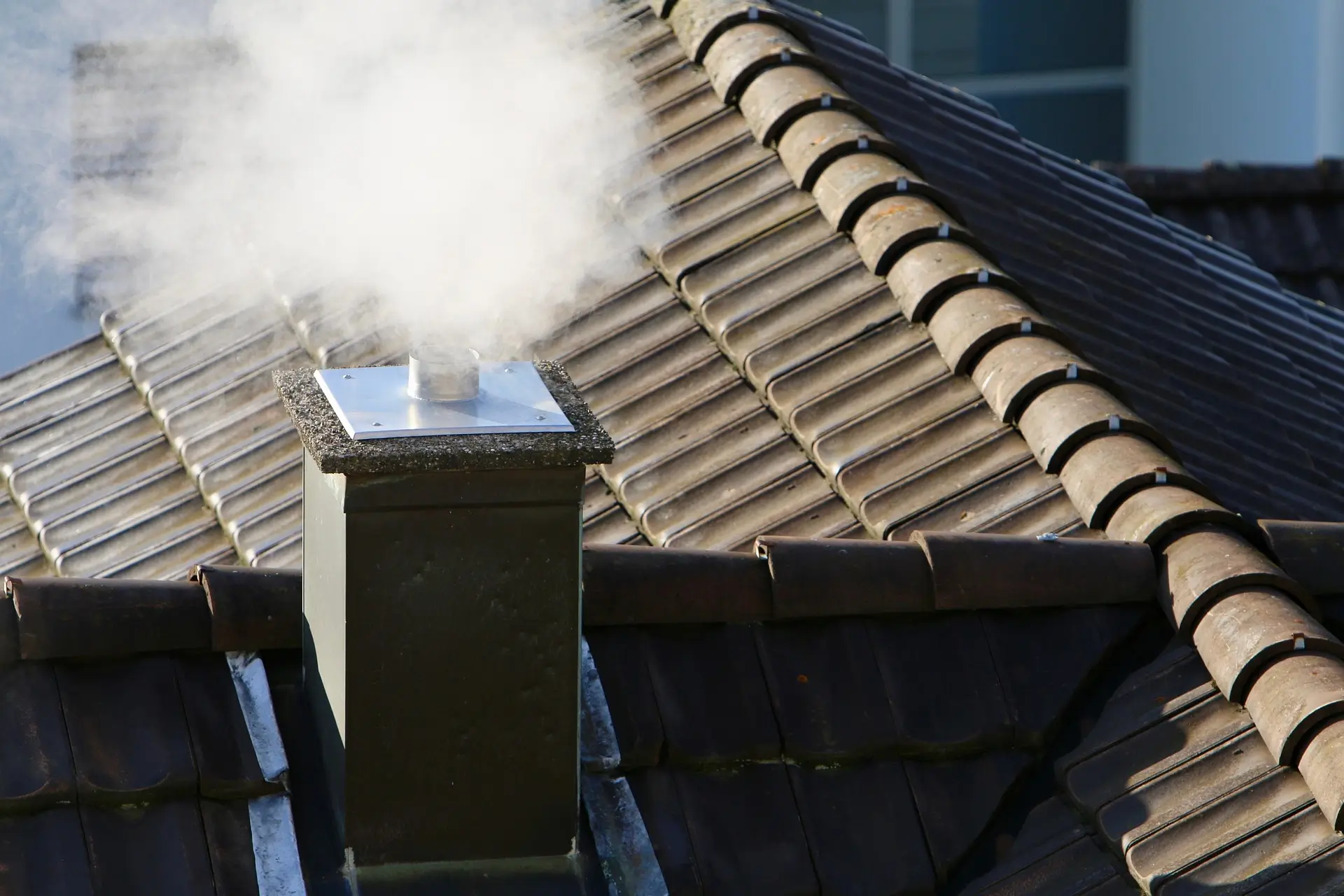
- Have a basic roof check at least once a year, ideally twice — after autumn leaf-fall and again in spring once winter weather has passed
- Clear gutters and downpipes each autumn so rainwater has somewhere to go instead of backing up under the tiles
- Check your loft after any named storm for fresh daylight, damp patches, or debris that's come through
- Keep an eye on moss build-up in shaded, north-facing sections, which holds moisture against tiles and speeds up wear
- If your roof is over 20 years old, move to a check every 6 to 12 months rather than annually
- Trim back overhanging branches that scuff tiles or drop debris into valleys and gutters

Cost & Pricing Guidance
UK residential roofing prices for 2025/26 typically run like this:
- Minor repairs (a few tiles, a small flashing fix): £150-£400
- Larger repairs (valley work, chimney flashing, a damaged section): £400-£1,200
- Full re-roof, terraced house: £4,000-£8,000
- Full re-roof, semi-detached house: £6,000-£12,000
- Full re-roof, detached house: £9,000-£18,000
- Concrete tile, installed: roughly £65-£90 per m²
- Clay tile, installed: roughly £90-£130 per m²
- Natural slate, installed: roughly £120-£180 per m²
What pushes the price up: scaffolding versus a simple ladder job, roof complexity (valleys, dormers, multiple chimneys), rotten timber found once the old covering comes off, and working at height on a taller detached property. What brings it down: straightforward gable roofs, good ground access, and repairing sound sections rather than replacing a whole roof unnecessarily.
These are general UK ranges, not a quote for your specific house. A fixed price needs a proper survey — and our drone survey is free, with no obligation.
Comparison Table: Residential Roofing Materials
| Material | Typical Lifespan | Best For | Relative Cost |
|---|---|---|---|
| Natural Slate | 80-100+ years | Period and listed homes, The Park, Lenton | £££ (highest) |
| Clay Tile | 60-80 years | Traditional terraces, colour-sensitive streets | ££ |
| Concrete Tile | 30-50 years | 1930s-onwards semis, estates, budget re-roofs | £ (lowest) |
| Repair (sound roof) | Extends existing roof 5-15 years | Isolated damage on a roof under 25 years old | £ (lowest upfront) |
Why Choose Tate & Sons for Your Residential Roof
Tate & Sons was founded by James Tate on a simple idea: find out what's genuinely wrong, use the right materials for the job, and leave a roof that holds for years, not months. James still prices most residential jobs himself, and he's happiest working out how to put a tricky period property right without losing its character — exactly the judgment call a slate roof on a Park Victorian or a concrete re-cover on a Wollaton semi needs.
Day-to-day site work is run by Daniel Oakland, Project Manager and Lead Roofer, who brings over 20 years in the trade across everything from full residential re-roofs to heritage slate and lead detailing. Read more about the whole team on our About page.
Our roofers are directly employed, not subcontracted. They hold NVQ Level 2 and 3 qualifications in Roofing Occupations and carry CSCS cards. Every residential job comes with a free drone survey up front and a 10-year workmanship guarantee once the work is finished.
Residential Roofing Across Nottingham and the Wider County: Areas We Serve
We repair and re-roof homes right across Greater Nottingham and out into the wider county. Wherever your house sits, our crews know the local housing stock, the weather, and the access.
- Nottingham City Centre (NG1)
- The Park (NG1)
- West Bridgford (NG2)
- Sneinton (NG2)
- Wollaton (NG8)
- Lenton (NG7)
- Beeston (NG9)
- Chilwell (NG9)
- Stapleford (NG9)
- Arnold (NG5)
- Sherwood (NG5)
- Mapperley (NG3)
- Carlton (NG4)
- Gedling (NG4)
- Hucknall (NG15)
- Long Eaton (NG10)
- Mansfield (NG18)
- Sutton-in-Ashfield (NG17)
Got Questions?
Your Flat Roofing Questions, Answered Properly
How much does residential roofing cost in Nottingham?
Most Nottingham homes fall somewhere between £150 for a small tile repair and £18,000 for a full detached house re-roof. A terraced re-roof typically runs £4,000-£8,000, a semi £6,000-£12,000, and a detached home £9,000-£18,000. Material choice makes a real difference too, with concrete tile the cheapest option and natural slate the most expensive. Access, roof complexity, and any hidden timber damage found once work starts can move the final figure. A survey gives you an exact number rather than a guess.
How do I know if my roof needs repairing or replacing?
A repair usually makes sense if damage is limited to one area and your roof is under 25 years old. Full replacement becomes the sensible option once you've had three or more leaks in two years, you can see daylight through the roof boards, or the roofline is visibly sagging. A rough guide many roofers use is that if a repair quote runs above roughly 30% of a full replacement, replacing is usually the better long-term value. We give you both figures honestly so you can decide.
What roofing material lasts longest on a UK home?
Natural slate lasts longest, often 80 to 100 years or more when properly maintained, which is why it's still common on Victorian and Edwardian houses across Nottingham. Clay tile comes next at roughly 60 to 80 years, holding its colour better than concrete over that time. Concrete tile typically lasts 30 to 50 years and is the most budget-friendly option for modern semis and estates. The right choice depends on your budget, your roof's structure, and sometimes what your local planning rules expect.
How long does a full re-roof take?
Most residential re-roofs take between 2 and 7 days, depending on the size and shape of your house. A terraced home usually takes 2 to 3 days, a semi-detached property 3 to 5 days, and a larger detached house 5 to 7 days. Chimneys, valleys, dormers, and skylights all add time because they need extra flashing and detailing. Weather also plays a part, since roofing is a job that stops for genuinely bad conditions rather than pushing through them.
How often should I get my roof inspected?
Most UK homes benefit from at least one roof check a year, ideally two — once in autumn after leaf-fall and again in spring. If your roof is over 20 years old, moving to a check every 6 to 12 months catches problems earlier, before a small issue becomes a bigger repair. You should also check your loft after any major storm for fresh daylight or damp patches. Our free drone survey makes this easy to do regularly without arranging ladders or scaffolding.
Do I need planning permission or Building Regulations approval to re-roof my house?
Most straightforward re-roofs on a standard house don't need planning permission if you're using a similar material and appearance to what's already there. Building Regulations notification generally applies if you're recovering more than 25% of the roof, since roofs count as a thermal element under current rules. Conservation areas around The Park and parts of Lenton can add extra restrictions, particularly on visible slopes facing the street. We check what applies to your property during your survey and handle the paperwork.
Does a new roof affect my home insurance or property value?
A new roof can genuinely help both. Some insurers offer a discount once you notify them of a recently replaced roof, since the risk of a claim drops. On the value side, UK estate agents commonly report a new roof adding somewhere in the region of 5% to 10% to a property's asking price, since buyers are wary of homes needing immediate roof work. Keep your Building Regulations certificate and workmanship guarantee safe, as buyers' solicitors will usually ask for them during a sale.
Does a roof's workmanship guarantee transfer if I sell my house?
Yes, in most cases a written workmanship guarantee stays with the property rather than the original homeowner, though it's worth checking the exact wording of yours. Ours is issued in writing and covers the work itself, so a new owner can rely on the same 10-year protection if the house changes hands. Keeping the paperwork with your house documents makes this straightforward at the point of sale. It's a detail worth mentioning to your solicitor if you're selling a home we've re-roofed.
Book Your Free Drone Roof Survey Today
See exactly what your roof needs before any work starts. No ladders, no pressure — just a clear picture from a local Nottingham team.
A tired roof only gets worse as water works deeper into the deck and timber beneath it. A quick, free drone survey today tells you exactly where you stand — and often the fix is smaller and cheaper than you feared. Book now, get an honest quote, and protect your home before the next East Midlands downpour finds the weak spot.
📍 57 Cyril Avenue, Nottingham, NG8 5BA
📞 0115 647 4455
Call the Nottingham team today on 0115 647 4455, or request your free drone survey online. We’re already working across your area.
Get in Touch
Tate & Sons Roofing — Nottingham
57 Cyril Avenue, Nottingham, NG8 5BA
📞 0115 647 4455
✉️ [email protected]