
🏠 Melton Mowbray New Roof Installation Specialists
New Roof Installation Melton Mowbray — A New Roof Built to Last, Fitted Right the First Time
- Free Drone Survey
- Directly Employed Roofers
- Written Fixed Price
📞 Call 01664 490955 — free drone survey & a written price
Book Your Free Drone Survey
No scaffold. No pressure. No obligation.
Straight answers from local Melton Mowbray roofers.
🔒 Your details are safe with us. No spam, ever.
In Melton Mowbray, a roof carries the full weight of whatever comes off the Wolds — driving rain, hard frosts, and wind with nothing to slow it down before it hits the tiles. When a roof is past patching, a proper new roof installation in Melton Mowbray stops the guesswork and gives you a structure built for that weather, not just tidied up to survive one more winter. Tate & Sons Roofing fits new roofs across Melton Mowbray and the wider Melton borough, from a single garage roof to a full re-roof on a period home in the Vale of Belvoir.
This page walks you through when a new roof beats another repair, which materials suit which property, the planning and Building Regulations rules that actually apply, what installation day looks like, and real cost ranges. Start with a free drone survey and a written quote before anything is agreed — no scaffold just to take a look, and no charge either way. A new roof is one part of the wider service we offer as a roofing contractor across Melton Mowbray.
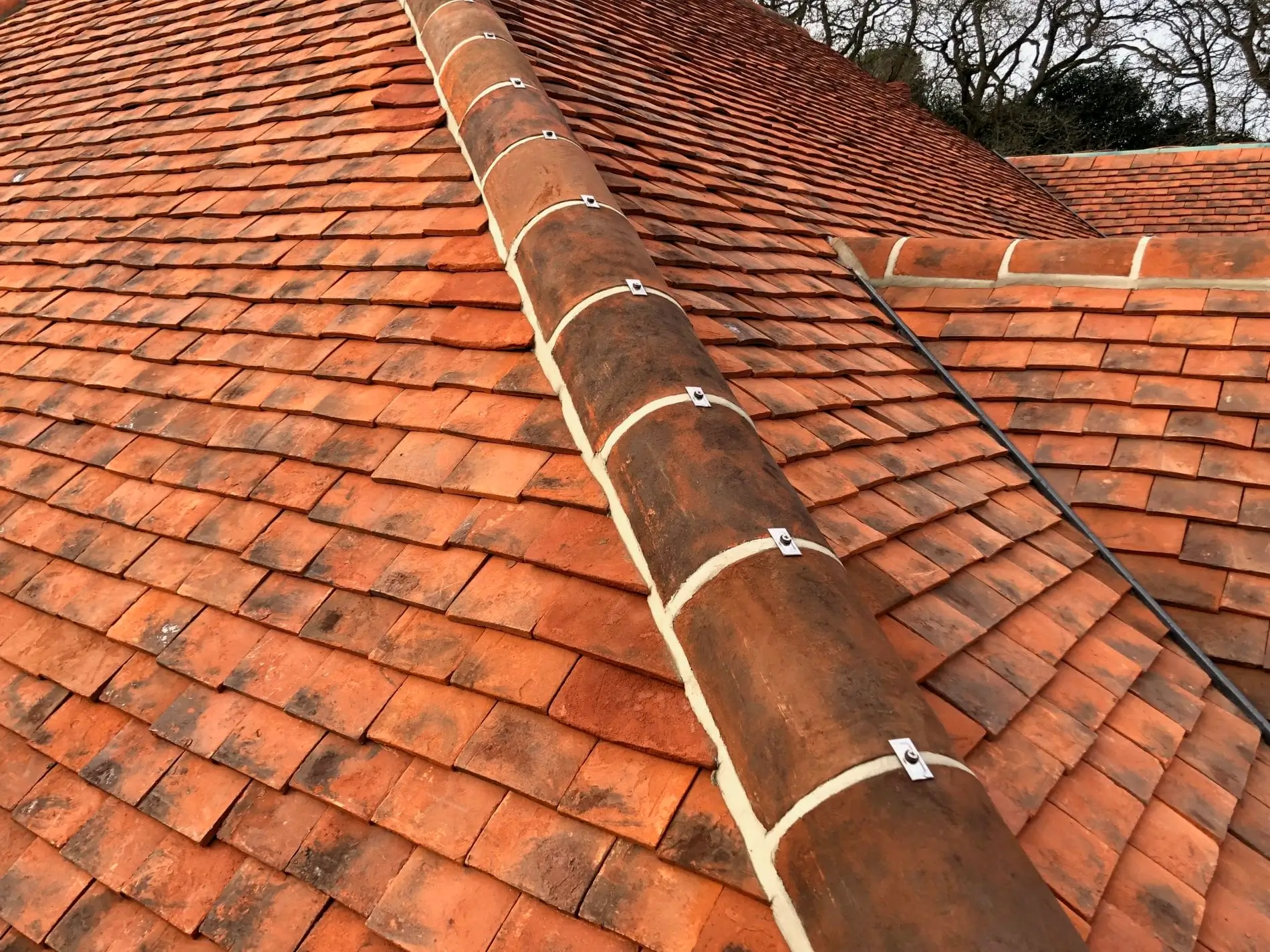
Know the Warning Signs Before Your Roof Fails Outright
Most roofs give plenty of notice before they fail completely. The trouble is that the signs are easy to miss from ground level, and by the time they are obvious indoors, water has usually already reached the timber.
- Tiles or slates that are cracked, slipped, or missing after wind
- Sagging anywhere along the roofline, seen from the street
- Daylight visible through the roof from inside the loft
- Ceiling stains that spread a little more after every downpour
- A roof covering more than 20 to 25 years old with repeated repairs
- Granules or moss building up heavily in the gutters
- A musty smell in the loft that only shows up after rain
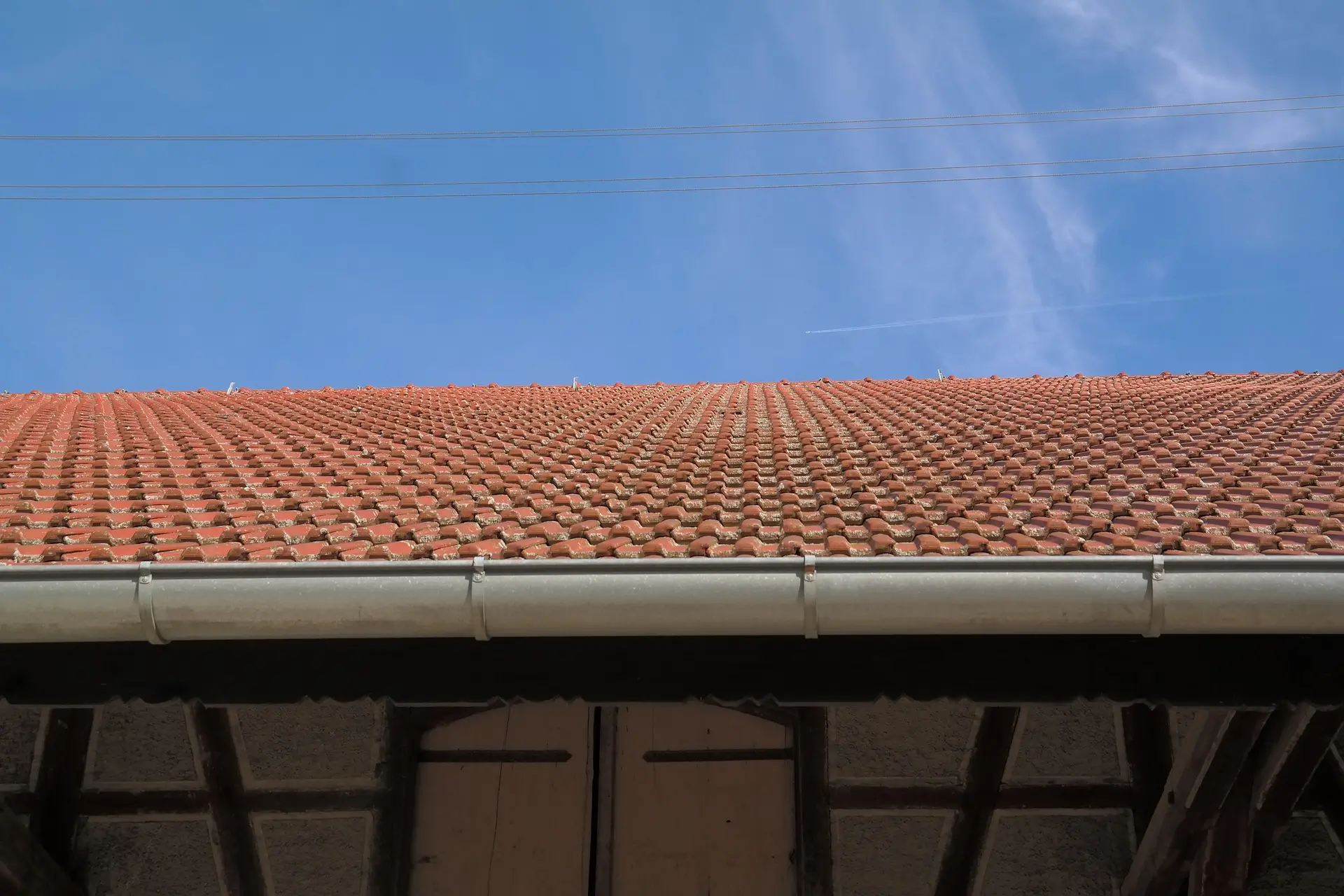
A pitched tiled roof can last up to 60 years with reasonable upkeep, and a well-maintained natural slate roof can run past 100. But a roof nearing the end of that life rarely fails all at once — it fails corner by corner, repair by repair, until patching stops being worth the money. A free drone survey settles the question with footage, not guesswork, so you know whether you are looking at another repair or a genuine new roof.
Repair, Re-Roof, or Full Replacement — Getting the Call Right
A cracked ridge tile or one damaged section is not a reason to replace an entire roof. Localised damage on an otherwise sound structure is usually a straightforward repair. Widespread wear across most of the roof, sagging timbers, or a covering that has simply reached the end of its working life points toward a full new roof installation instead.
We see this pattern often on the older terraces around Thorpe Arnold and Burton Lazars, where a roof gets patched every couple of years without anyone addressing the tiles or battens actually failing underneath. Patching buys a season, but the underlying problem keeps costing money until the roof is dealt with properly.
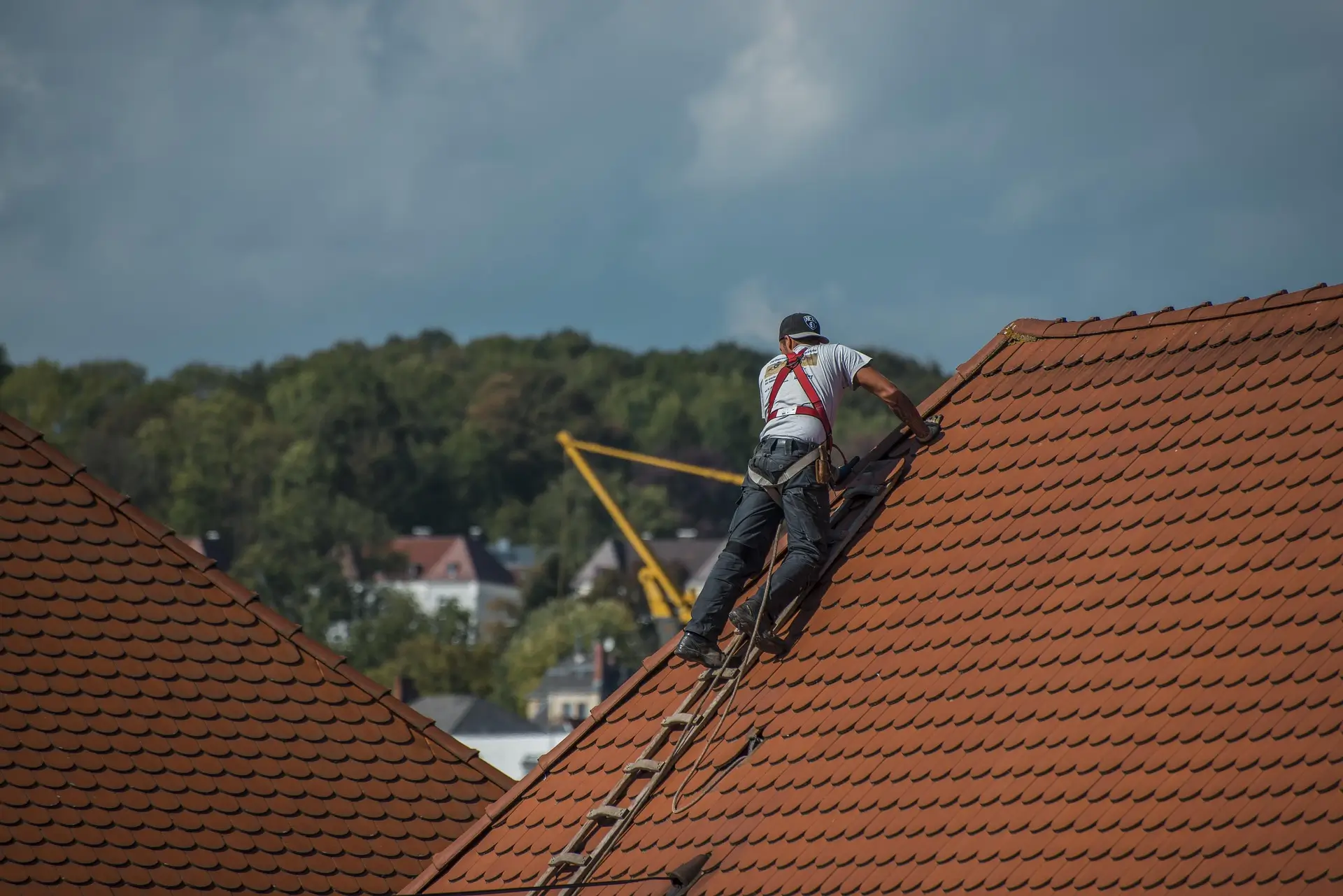
If your roof needs a full new covering rather than a patch, our roof replacement and re-roofing service covers the larger structural work a straight installation does not always involve, such as replacing failed timbers or altering the roof shape.
We check the whole roof before recommending either route. A free drone survey shows the full picture — ridge, valleys, flashings and hips that a look from the pavement always misses. You get the footage, not just our word for it.
Slate, Tile or a Modern System — Choosing the Right New Roof for Your Melton Home
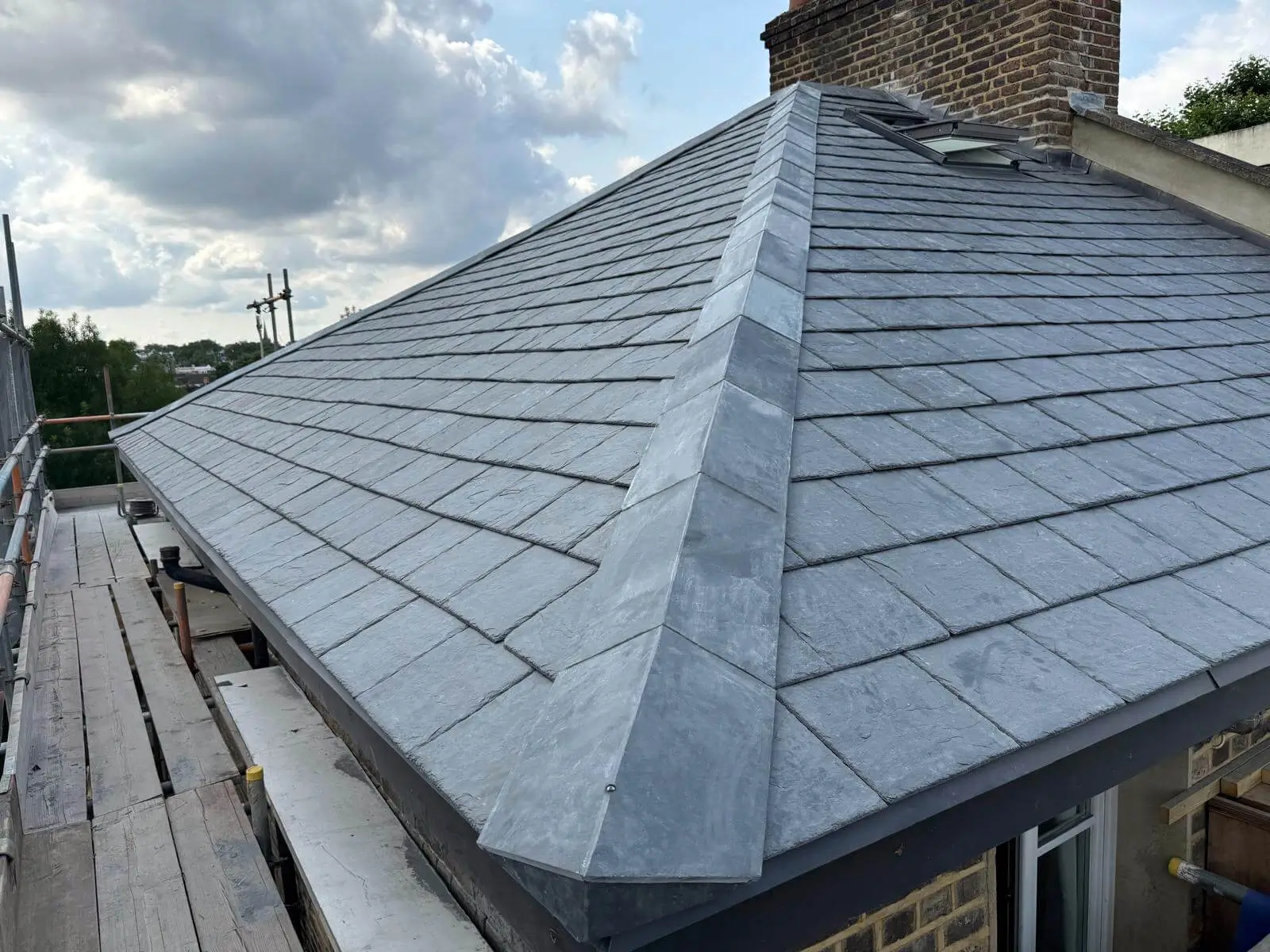
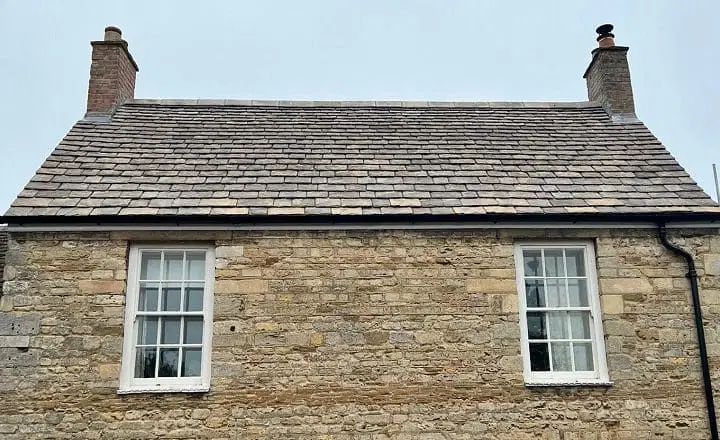
Three coverings account for almost every new roof fitted around Melton. Each suits a different property, budget and lifespan. In short: concrete tile is the most affordable and the standard choice on most modern homes; clay tile brings a warmer, traditional tone that suits the town's older streets; natural slate costs the most upfront but lasts the longest and is the right call on period and listed properties. The right choice depends on your property's age, character, and how long you want the roof to last.
| Material | Typical cost (per m²) | Typical lifespan | Best for |
|---|---|---|---|
| Concrete tile | £10–£40 | 50–60 years | Standard homes, straightforward budgets |
| Clay tile | £40–£90 | 60–80 years | Character homes wanting a traditional, warmer tone |
| Natural slate | £80–£150 | 80–100+ years | Period and listed properties, premium finish |
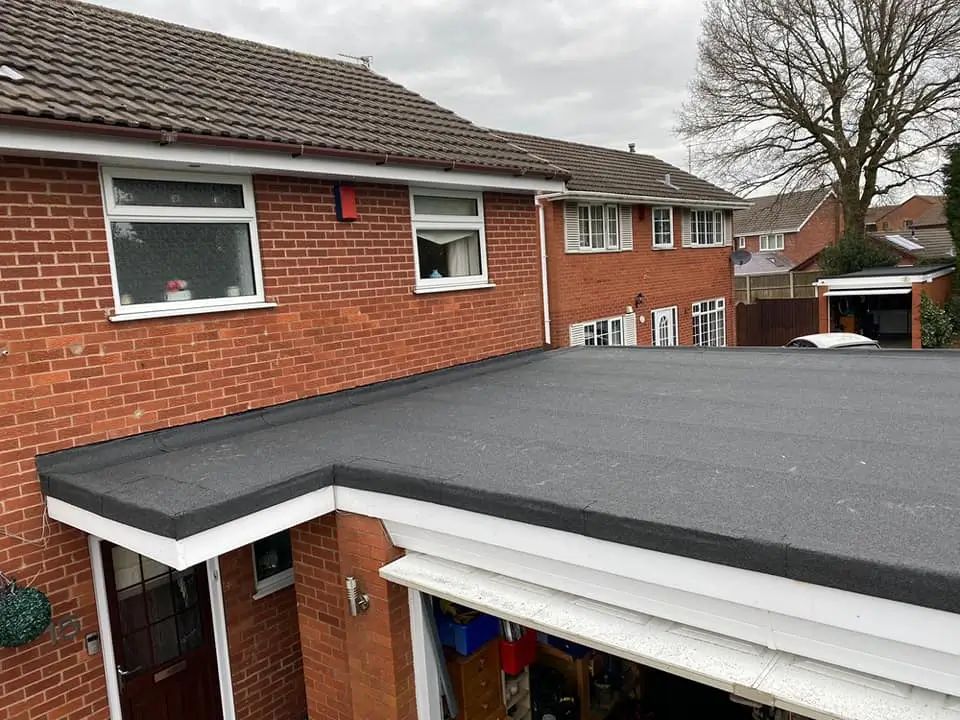
| Flat system (EPDM/GRP) | £50–£130 | 20–40 years | Garages, extensions, dormers |
Waltham on the Wolds and the villages up on the ironstone ridge carry a strong mix of traditional limestone and slate properties, where natural slate or clay tile keeps a new roof in keeping with the street. Down in Asfordby's older mid-century terraces, concrete tile is usually the practical, cost-effective match. Where a flat section covers a garage or extension, EPDM rubber or GRP fibreglass gives a modern, low-maintenance finish without trying to match a pitched covering it was never designed to mimic.
Daniel Oakland, our project manager, fits full re-roofs across all of these systems and will talk you through which one suits your property, your budget, and how long you want it to last — in plain English, not sales jargon.
Planning Permission and Building Regulations for a New Roof
Most new roof installations in England do not need planning permission, including a straightforward like-for-like replacement. Permission is more likely to be needed if the new roof is taller than the old one, changes the roof shape significantly, adds dormer windows, or sits on a listed building or within a conservation area.
Building Regulations approval is a separate matter, and it usually does apply. Even where planning permission is not needed, a new roof has to meet current standards for weather resistance, fire spread between properties, structural strength, thermal insulation, and ventilation.
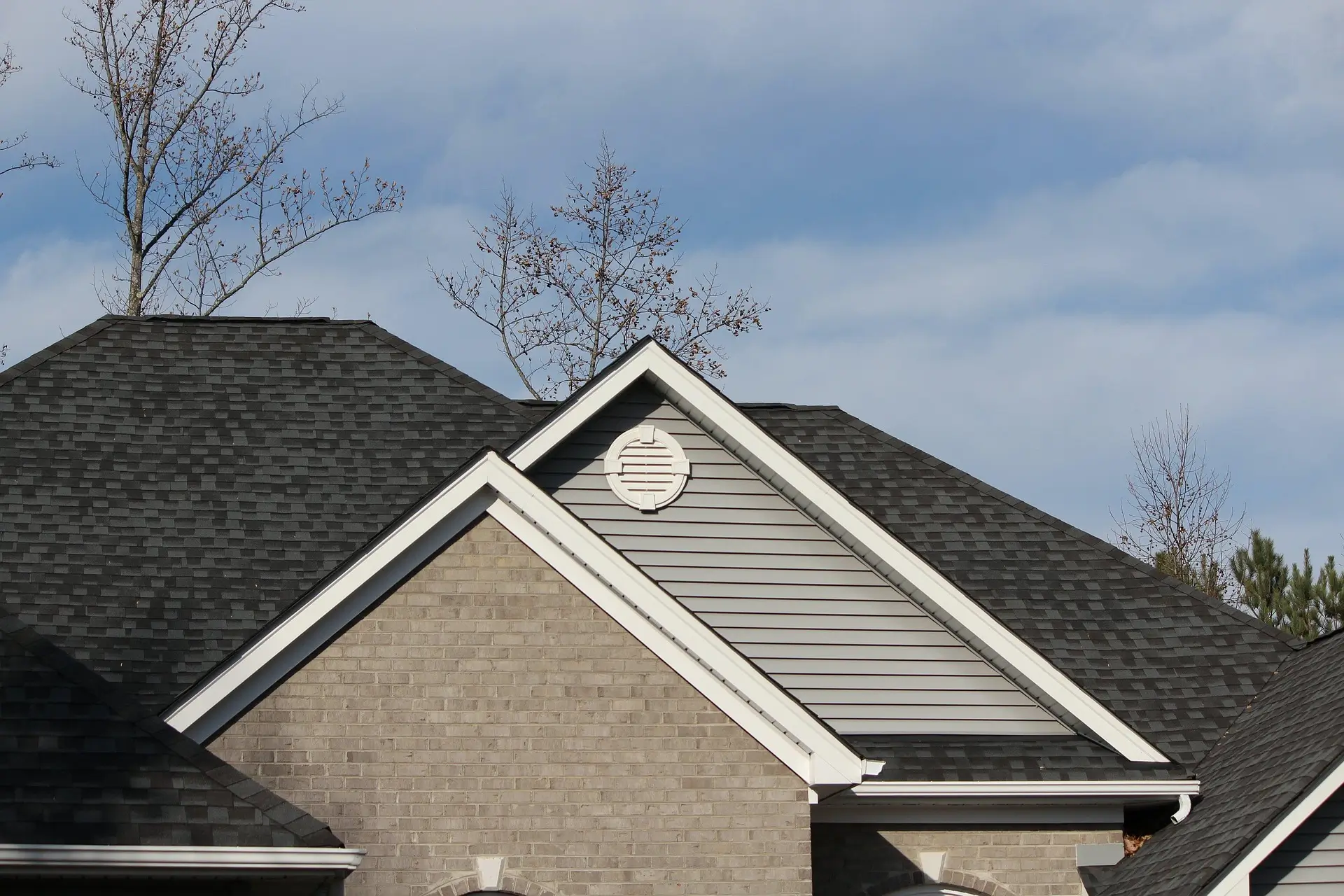
The Planning Portal's guidance on Building Regulations for new roofs sets out these six requirements in full, and it is worth a read before any quote is agreed. We handle the Building Control paperwork and sign-off as a standard part of the job, so it never lands back on you afterwards.
Melton Mowbray's older streets around St Mary's Church and the town centre carry a mix of Georgian and Victorian housing, and some sit within areas where the local planning authority looks more closely at visible roofing changes. We check this before quoting on any property in those streets, so there are no surprises once work is scheduled.
What Really Happens on Installation Day, Start to Finish
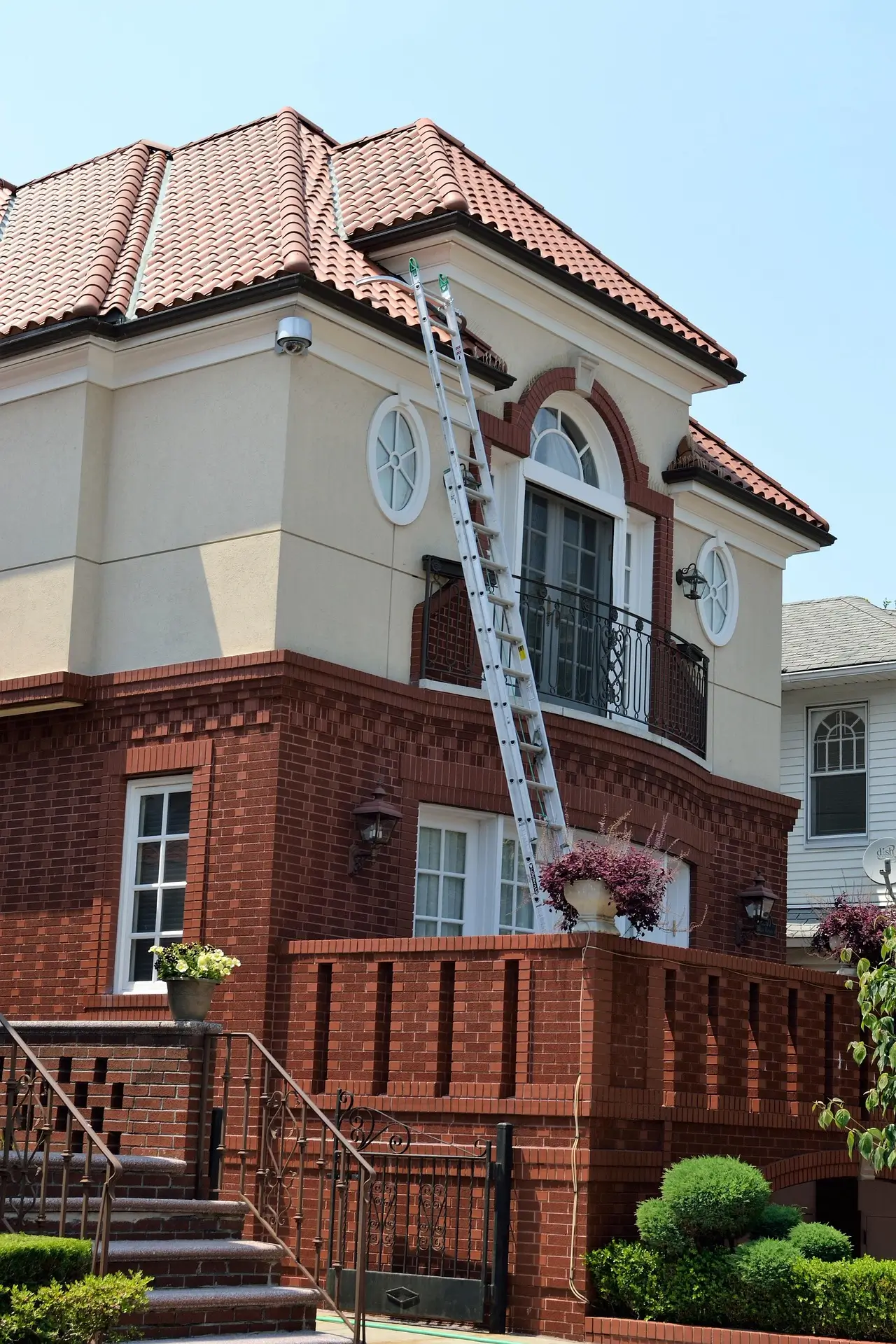
A full new roof installation follows the same order on every job:
- Scaffold erected and the site made safe
- Old covering stripped back to the timber structure
- Roof timbers, battens and felt checked, with any rot replaced
- Insulation and ventilation brought up to current standards
- New covering fitted, from the eaves up to the ridge
- Flashings, valleys and ridge details fitted to shed water cleanly
- Site cleared and the finished roof checked before we leave
A typical semi-detached roof in concrete tile takes around 3 to 6 working days. Clay tile usually runs 4 to 7 days, and natural slate 5 to 9 days, since both materials need more careful handling and take longer to lay well. A flat section under 40m² is usually done in 2 to 4 days. Weather has the final say — wet or high-wind days can push a job back, and we build a realistic allowance into the schedule rather than promising a date we cannot keep. May to September tends to run smoothest, with far fewer weather-lost days than the winter months.
You do not usually need to leave the property while a new roof is fitted. Expect noise and some disruption above, and we protect driveways, borders and anything stored below the working area for the duration.
What a New Roof Really Costs in Melton Mowbray
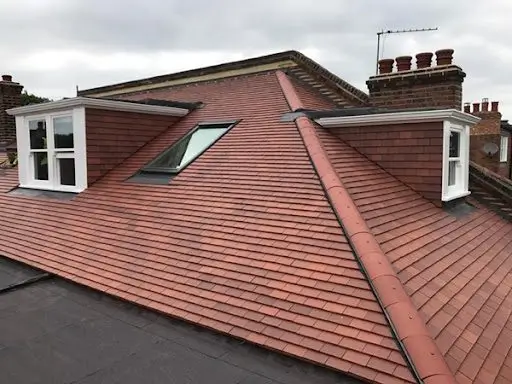
Cost comes down to roof shape, material, and access. As a general guide, a simple gable-end pitched roof on a semi-detached home typically runs £5,000–£8,000. A hipped roof, with all sides sloping down to the eaves, is more complex to build and typically costs £8,000–£12,000. A flat roof section over a garage or extension usually runs £2,500–£6,000. Larger, more complex slate hip roofs on bigger or period properties can run well beyond this, sometimes reaching £15,000–£20,000 or more.
What pushes a price up or down:
- Roof shape and size — hips, valleys and multiple slopes all add labour
- Material — concrete tile costs least, natural slate costs most
- Access — scaffolding a detached roof costs less than one boxed in by neighbouring buildings
- Timber condition — rotten battens or rafters typically add £600–£2,000 before the new covering goes on
- Strip-out and disposal — removing and disposing of the old roof usually adds £1,000–£2,500
- Insulation upgrade — bringing loft or rafter insulation up to current Building Regs standard typically adds £500–£1,500
Labour typically makes up 40 to 60 percent of the total cost, and roofers around Melton Mowbray generally charge in the region of £200–£300 per day. These are general market ranges, not a quote for your roof — two properties the same size can price very differently once shape, access and timber condition are factored in. The only way to a firm figure is a proper survey, which is exactly what our free drone survey gives you, followed by a clear written price with nothing added later. A fixed price needs a survey.
Get the Insulation and Ventilation Right the First Time
A new roof is the best opportunity you will get to fix insulation and ventilation properly, and it is one of the easiest things to get wrong. Warm, moist air rising from inside the house meets a cold roof structure and turns to condensation if the ventilation is not right, and that damp then sits against timber that is meant to stay dry for decades.
Current Building Regulations expect a defined standard of thermal insulation and adequate ventilation on any new roof, whether it is a warm roof with insulation above the rafters or a cold roof with insulation between the joists below.
Getting this right during installation heads off condensation and mould for good, rather than storing up a problem the next owner has to deal with. For the full technical detail on what is required, our earlier link to the Planning Portal's Building Regulations guidance covers the ventilation and insulation standards in plain terms.
Exposed sites out toward the Vale of Belvoir scarp and the high ground around Scalford take a harder battering from wind-driven rain than a sheltered street in the town centre, and that affects how a roof is detailed at the ridge and verges. We factor a property's height, position and exposure into the specification, not just its postcode.
Keep a New Roof Performing for Decades
A new roof is built to last, but a little attention keeps it performing at its best for the whole of that lifespan.
- Clear gutters and valleys of leaves and moss each autumn
- Check the loft after storms for any sign of daylight or damp
- Keep an eye on flashings around chimneys and abutments
- Book a free drone survey every few years, or after any major storm
None of this needs a specialist visit — just a regular look, and a call to us if anything seems off. Catching a small problem early is always cheaper than letting it run.
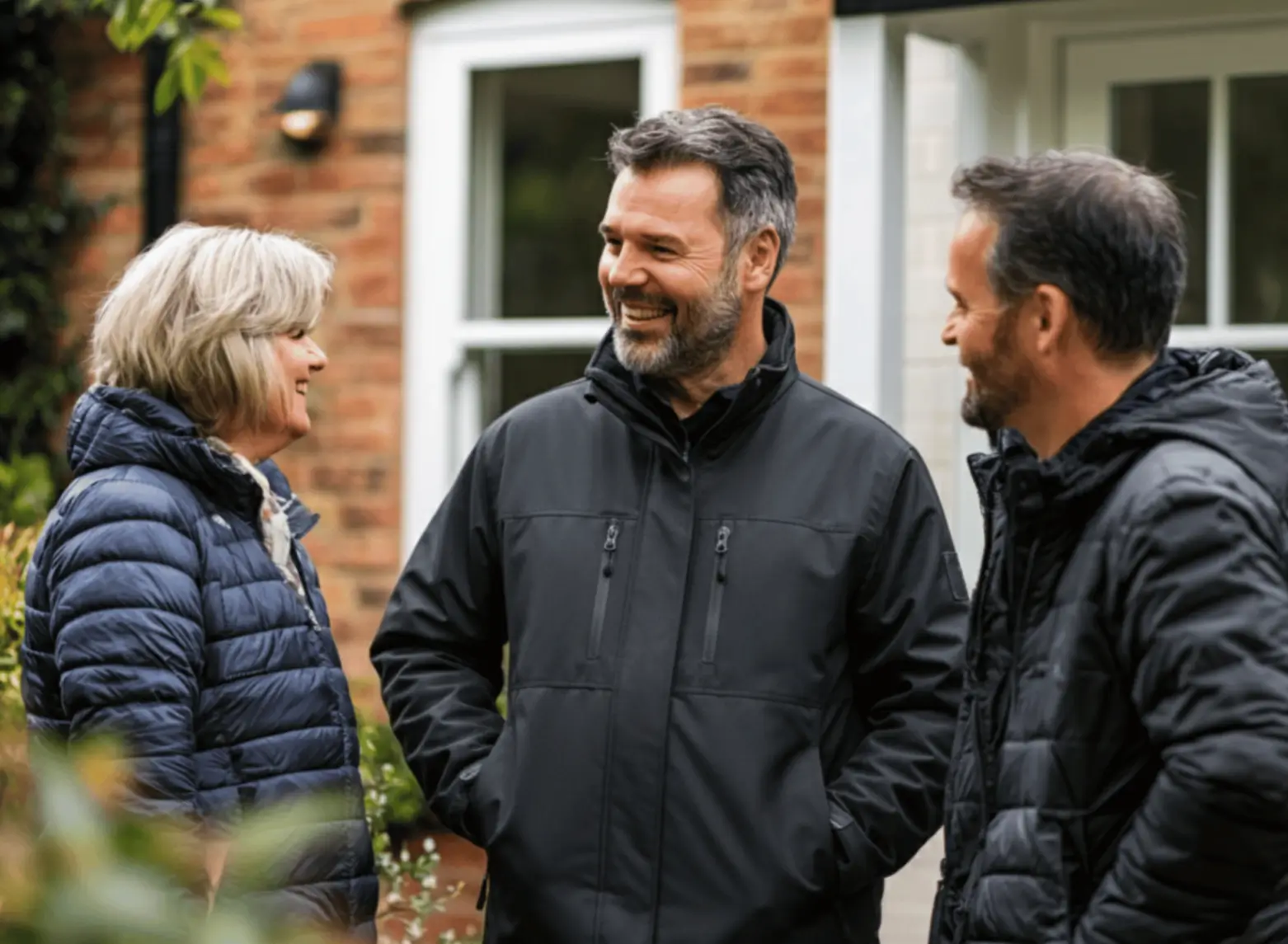
Why Melton Mowbray Homeowners Call Tate & Sons First
You are not just buying tiles and timber — you are buying whoever fits them. Daniel Oakland, our project manager, has more than twenty years in the trade and runs full re-roofs and new installations day to day, specialising in everything from traditional slate and clay tile to EPDM, GRP and standing-seam systems. He is part of the same crew that turns up to fit your roof, not just the man who quoted it.
Founder James Tate started the business after fifteen years working roofs across Melton Mowbray and the East Midlands, and still prices most jobs himself. He set Tate & Sons up to work the way he always wished his old employers had — find out what is genuinely wrong, use the right materials, and stand behind the result. Between us we bring over 40 years of combined team experience, hold NVQ Level 2 and 3 qualifications in Roofing Occupations, and carry CSCS cards. Janice Whitmore, our office manager, keeps you posted from the first phone call through to final inspection, so nothing slips between the drone survey and the finished roof. Read more about the people behind the work on our About Tate & Sons Roofing page.
Areas We Serve Across Melton Mowbray and the Vale of Belvoir
We fit new roofs across Melton Mowbray and the surrounding villages and borough. If your area is not on the list below, call us anyway — there is a strong chance we already cover you.
- Melton Mowbray (LE13)
- Asfordby (LE14 3)
- Old Dalby (LE14 3)
- Nether Broughton (LE14 3)
- Frisby on the Wreake (LE14 2)
- Wymondham (LE14 2)
- Long Clawson (LE14 4)
- Harby (LE14 4)
- Stathern (LE14 4)
- Waltham on the Wolds (LE14 4)
- Bottesford (NG13)
Got Questions?
Your New Roof Installation Questions, Answered Properly
How much does a new roof cost in Melton Mowbray?
As a general guide, a simple gable-end pitched roof runs £5,000–£8,000, a hipped roof £8,000–£12,000, and a flat garage or extension roof £2,500–£6,000, with material, access and timber condition all affecting the final figure. Larger or period slate roofs can cost considerably more. A free drone survey gives you an exact written price rather than a rough estimate over the phone. A fixed price always needs a survey first.
How long does a full roof installation take?
Most standard residential installations take between 3 and 9 working days depending on the material. Concrete tile typically runs 3 to 6 days, clay tile 4 to 7 days, and natural slate 5 to 9 days, since both need careful, slower handling than concrete. A flat section under 40m² usually takes 2 to 4 days. Weather can add time, and we build a realistic allowance into every schedule rather than an optimistic one designed to win the job.
Do I need planning permission for a new roof?
Most straightforward, like-for-like new roof installations do not need planning permission in England. Permission becomes more likely if the new roof is higher than the old one, changes shape significantly, adds dormer windows, or sits on a listed building or within a conservation area. Some streets around Melton Mowbray town centre fall into this category, and we check before quoting so there are no surprises.
Will I need Building Regulations approval?
Almost always, yes. Even where planning permission is not required, a new roof has to meet current Building Regulations for weather resistance, fire spread, structural strength, insulation and ventilation. We handle the Building Control sign-off as a standard part of every installation, so the paperwork never lands back on you, and you have the compliance certificate you will need if you come to sell.
Can I stay in my house while the new roof is fitted?
Yes, in almost every case. You can expect noise and activity above for the duration of the job, and we protect driveways, borders and anything stored beneath the working area. We will talk you through what to expect day by day before work starts, so there are no surprises once the scaffold goes up.
Does a new roof affect my home insurance?
It can, usually for the better. A recently installed roof with paperwork, a workmanship guarantee and Building Regulations sign-off to show for it often reassures an insurer, since it removes the risk of an ageing covering failing suddenly. Always tell your insurer once major roof work is complete, and keep the guarantee and completion certificate somewhere safe in case you need to show them later.
What happens to the old roofing materials once they come off?
Wherever possible, we salvage and recycle what comes off your roof. Sound slate and clay tile often has resale value and gets reused on repair jobs elsewhere, while broken tiles, old felt and battens are sorted and taken to licensed waste facilities rather than sent straight to landfill. It is one of the reasons a proper strip-out costs what it does — responsible disposal takes more time than skipping the lot.
Does a new roof on a period property near the town centre need extra sign-off?
It can. Properties close to St Mary's Church and through some of Melton's older streets sit within areas where the local planning authority takes a closer look at visible roofing changes, particularly on listed buildings or within conservation boundaries. We check a property's status before quoting, and can advise on materials that tend to be acceptable in those areas, so the job does not stall part-way through.
How does the weather off the Wolds change what a new roof needs?
Properties out toward the Vale of Belvoir scarp and the high ground around Scalford and Waltham on the Wolds take a harder battering from wind-driven rain than a sheltered street in town, with far less shelter to slow it down. That means ridge and verge details, fixing methods and flashing specifications often need to go beyond the bare minimum to hold up long-term. We factor a property's height, position and exposure into every specification, not just a standard, one-size-fits-all approach.
Book Your Free Drone Roof Survey Today
See exactly what your roof needs before any work starts. No ladders, no pressure — just a clear picture from a local Melton Mowbray team.
Every season an ageing roof is left alone, water works its way further into the timber beneath it, and a job that could have been a straightforward re-roof turns into a bigger structural repair. A quick, free survey today tells you exactly where you stand, and often the right answer is smaller and more affordable than you feared. Book now, get an honest quote, and get your new roof sorted properly — first time.
Get in Touch
Tate & Sons Roofing, Melton Mowbray
13 Cromwell Road, Melton Mowbray, LE13 0AD
📞 01664 490955
✉️ [email protected]