
🏠 Trusted Local Roofers
Moss and Algae Removal in Hinckley
Moss and algae removal in Hinckley stops small green patches turning into lifted tiles and damp in your loft. Left alone, moss holds water against your tiles all year round, and that damp works its way into the roof structure underneath. Tate & Sons Roofing treats moss and algae across Hinckley and the surrounding villages, using safe manual removal and biocide treatment rather than a pressure washer that can crack tiles and void your warranty. We are a roofing contractor across Hinckley, so if moss removal ever uncovers a bigger problem underneath, we can deal with that too.
This page explains why moss and algae cause real damage, not just an untidy roof. You will find the difference between moss and algae, when manual removal beats a biocide treatment, and how zinc and copper strips stop regrowth for years. Real cost ranges are included throughout, along with a comparison table to help you decide. Start with a free drone survey and a written quote before any work is agreed.
- Fully Insured
- 10-Year Guarantee
- 5-Star Rated
Quick Free Estimate - No Obligation
We're not just roofers – we're your neighbours.
Fully Insured • Response within 15 mins
🔒 Your details are safe with us. No spam, ever.
Spot the Warning Signs Before Moss and Algae Damage Your Roof
Most roofs show clear signs of moss and algae well before real damage sets in. The trouble is that these signs are easy to miss unless you know what to look for from the ground.
- Green, cushiony patches building up on shaded or north-facing slopes
- Dark streaks or black staining across tiles that never seem to dry
- Moss thick enough to lift tile edges, especially after wet spells
- Granules and moss debris building up in gutters and valleys
- A damp patch or musty smell in the loft after heavy rain
- Slipped or loose tiles where moss has worked underneath them
Roofs near the Ashby Canal in Hinckley often show these signs earlier than most. The canal keeps the air damp for longer after rain, so moss on nearby roofs barely gets the chance to dry out between wet spells.
That constant damp does not stay on the tiles. Moisture trapped under a mat of moss can work into the roof timbers and loft space, feeding the same condensation and mould problems described in the Energy Saving Trust's guide to fixing damp and condensation. Catching moss and algae early keeps that damp on the outside of your roof, where it belongs.
Moss or Algae? Know Which One You're Dealing With
Moss and algae cause different problems, so it helps to know which one is growing on your roof. Moss forms thick, cushiony green patches, usually in the shadiest or dampest parts of a roof.
Algae shows up differently. It spreads as dark streaks or a black, slimy film, often running down from the ridge on north-facing slopes. Algae feeds on the mineral content in your tiles, gradually breaking down the surface that protects them.
Moss is the more physically destructive of the two. As it thickens, it grows under tile edges and slowly prises them up, letting wind-driven rain reach the felt and timber underneath. Algae does not usually lift tiles, but it holds a film of moisture against the surface that speeds up wear and staining.
In Hinckley, we see both problems shaped by where a roof sits. Sheltered, shaded roofs out in villages like Sharnford and Wolvey tend to grow thick moss on north slopes and in valleys, while more exposed streets in town often show algae streaking instead. Either way, treating the cause matters more than clearing what is visible today. If your roof only needs a general wash rather than active moss treatment, our roof cleaning service in Hinckley covers that lighter job instead.
Manual Removal, Biocide Treatment or Both — Choosing the Right Method
The right treatment depends on how established the growth is, not just how bad it looks from the street. Light moss and early algae staining often respond well to manual removal alone.
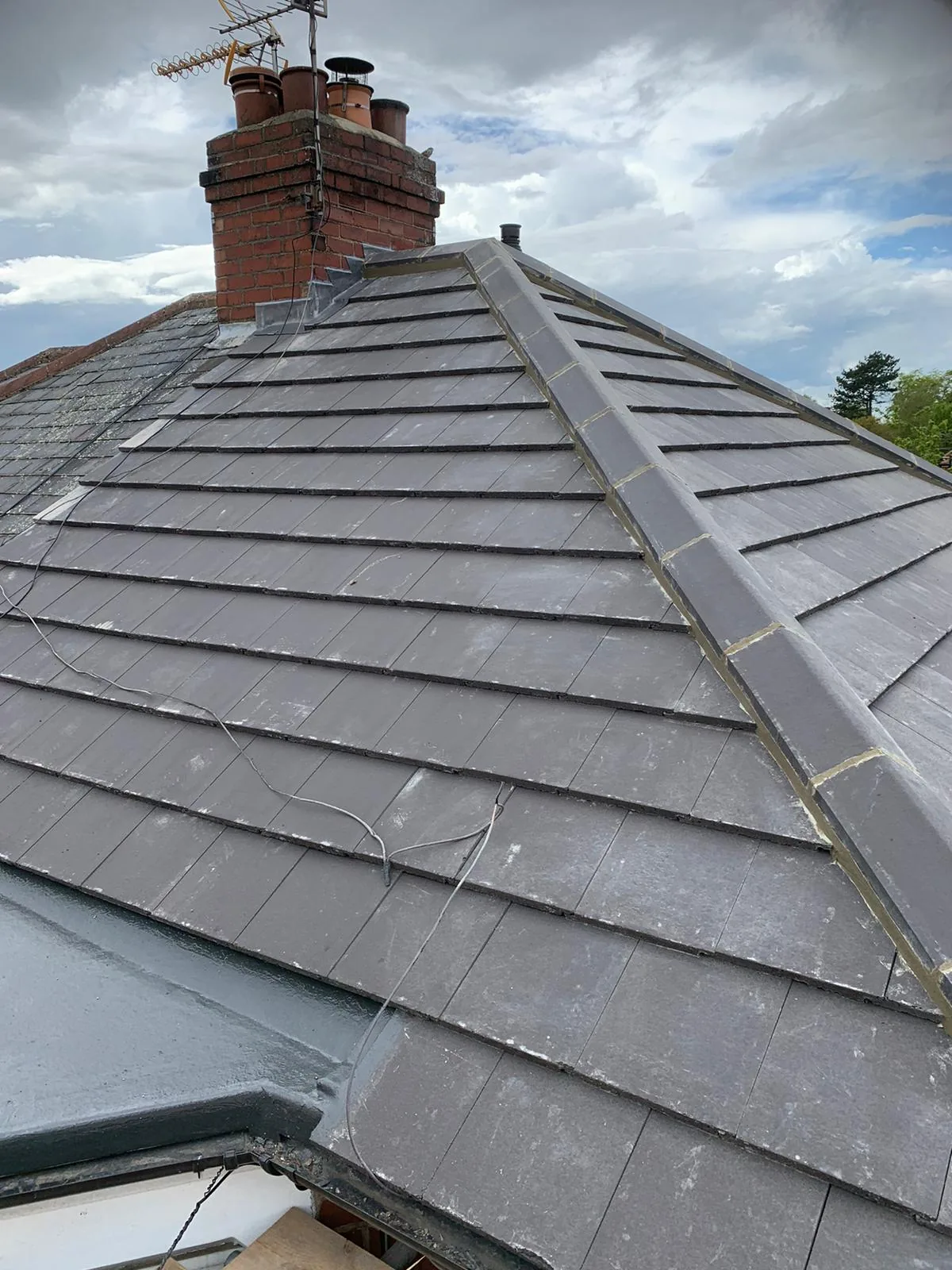
Manual removal means clearing moss and algae by hand, using soft brushes and scrapers rather than a pressure washer. Working from the ridge downward, we lift matted moss off gently, without cracking tiles or forcing water underneath. A pressure washer looks quicker, but it strips the protective surface off tiles and can force water straight under them. It also tends to void the warranty on the tiles themselves.
Heavier or repeat growth usually needs biocide treatment as well. A biocide is a low-pressure chemical wash that kills the moss spores, algae and lichen sitting in and under the tile surface, not just what you can see. It works into the roots that manual scraping alone can miss, so regrowth takes longer to return.
Most Hinckley roofs we treat get both together: manual removal first to clear the bulk of the growth, then biocide treatment for what is left in the pores of the tile. It costs a little more than removal alone, but it buys years rather than months before moss returns.
Compare Your Options at a Glance
Each method suits a different stage of moss and algae growth. This table sets out real costs, how long each option lasts, and which roofs it suits best in and around Hinckley.
Most Hinckley homeowners get the best value combining two of these: removal or biocide to deal with what is there now, and strip prevention to slow down what comes back. A free drone survey tells you which combination your roof actually needs, rather than guessing from the ground.
| :-: | :-: | :-: | :-: |
| Method | Typical Cost | How Long It Lasts | Best For |
| Manual (hand) removal | £7.50–£12.50 per m² (roughly £400–£800 on a typical semi) | Regrowth often within 6–12 months if left untreated afterward | Light-to-moderate moss on older or fragile tiles |
| Biocide treatment | £8.50–£15 per m² as part of a full clean, or £150–£300 as a standalone add-on | 2–3 years before re-treatment is usually needed | Established moss and algae across a full roof, especially shaded or north-facing slopes |
| Zinc or copper strip prevention | £150–£350 supplied and fitted along a typical semi's ridge | 5–8 years (zinc), up to 10 years or more (copper) | Roofs that keep regrowing moss quickly, added after removal or treatment |
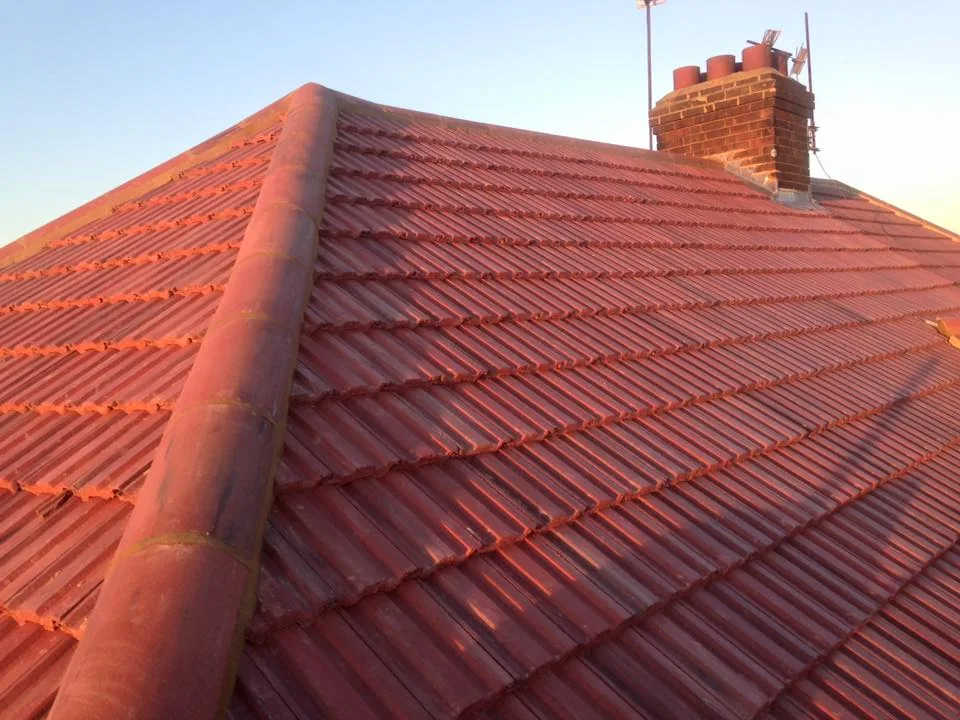
What Happens on Treatment Day, Step by Step
A moss and algae treatment follows the same order on every roof we work on, from a terrace near the town centre to a detached property out past Hollycroft Park.
- Free drone survey to check growth levels and roof condition first
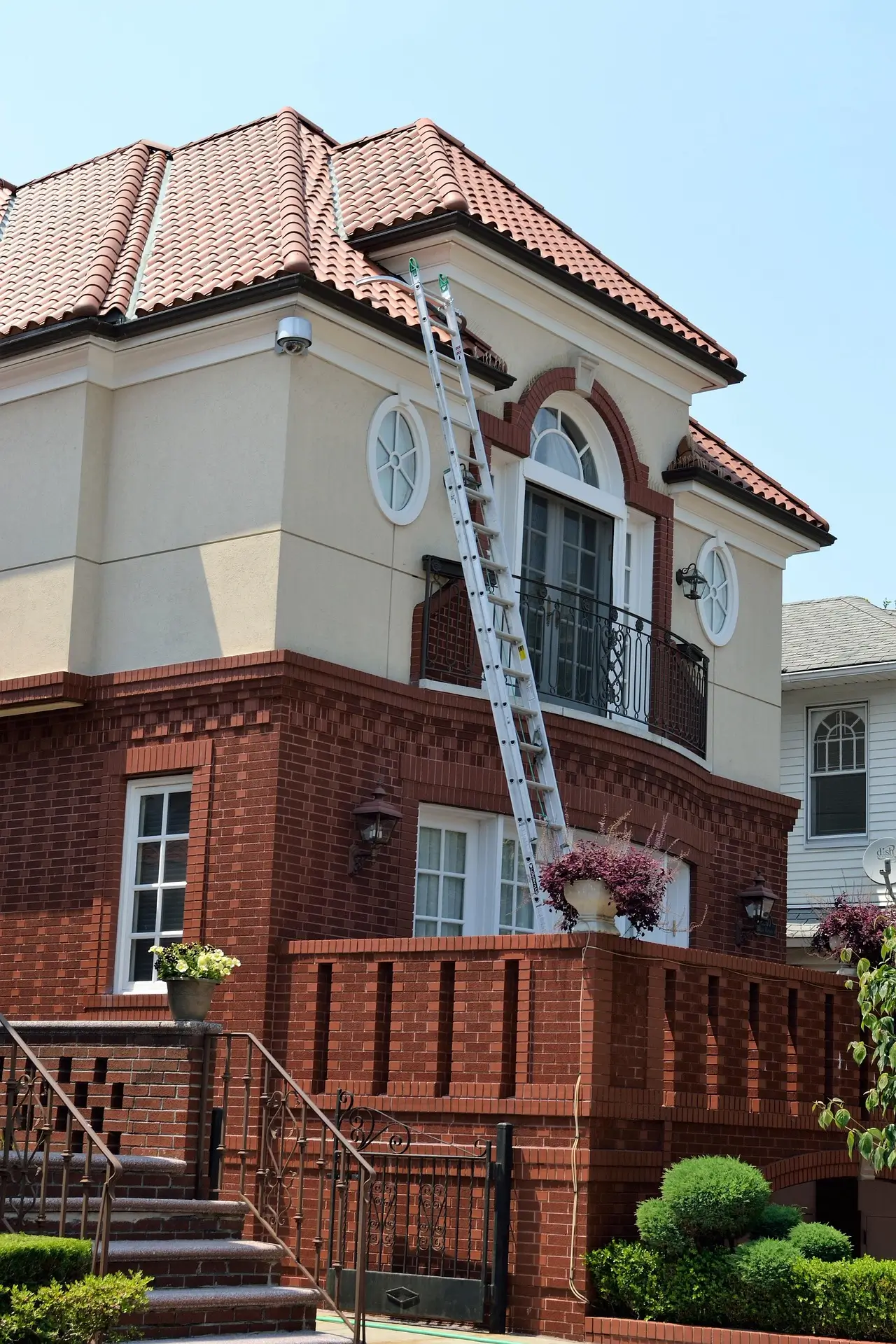
- Access set up, using ladders for most homes, or scaffold for steeper and taller roofs
- Gutters and valleys cleared of moss debris and loose growth
- Matted moss lifted by hand, working from the ridge down to the eaves
- Biocide treatment applied by low-pressure soft wash where needed
- Roof left to dry, with dead moss and algae washing away naturally over the following weeks
- Zinc or copper strips fitted under the ridge if prevention has been agreed
- Site cleared and gutters checked before we leave
A typical semi-detached roof takes half a day to a full day for removal and treatment together. Larger roofs, or ones with heavily matted moss built up over several years, can take a day or two. Rain a few days after treatment actually helps, washing away the dead moss the biocide has already killed.
What Moss and Algae Removal Costs in Hinckley
Cost comes down to roof size, access, and how established the growth is. As a general guide, manual removal on a typical semi-detached roof in Hinckley runs roughly £400–£800.
Adding biocide treatment as part of the same visit typically adds £150–£300 on top, or costs £8.50–£15 per square metre if quoted as a full package. Across the UK, a full moss removal job on an average home generally falls between £400 and £1,500 depending on size, method and access.
What pushes a price up or down:
These are general market ranges, not a quote for your roof. Two similar-sized roofs can price differently once access, pitch and how long the moss has been growing are factored in. A fixed price needs a survey.
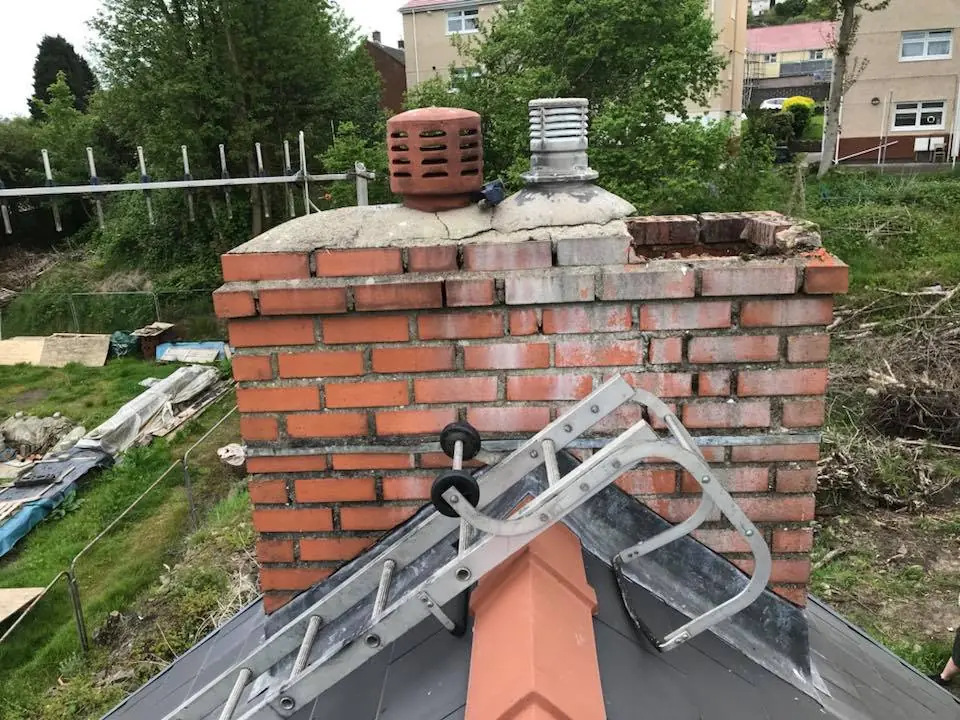
- Roof size and pitch — steeper roofs need more careful, slower work
- Access — a roof needing full scaffold costs more than one reachable by ladder
- How established the moss is — a thin dusting costs less than years of matted growth
- Biocide treatment — adds cost but extends the time before moss returns
- Zinc or copper strip prevention — an optional add-on that reduces future call-outs
- Gutter clearing — often bundled in, since moss debris ends up there anyway

Stop Regrowth for Years With Zinc and Copper Strip Protection
Removing moss and algae solves today's problem. Zinc and copper strips help stop the problem coming straight back.
Fitted just under the ridge tiles, these strips release fine metal particles every time it rains. Rainwater carries zinc or copper ions down the roof slope as it runs off, and both are toxic to moss spores, algae and lichen. It is the same effect that keeps copper guttering and flashing largely moss-free for decades.
Zinc strips typically protect a roof for 5 to 8 years before needing renewal. Copper lasts longer, often 10 years or more, though it costs more upfront. Coverage fades toward the eaves as the metal ions dilute in the run-off, so the top third to half of a roof sees the strongest protection.
Roofs near the Ashby Canal in Hinckley, or shaded ones out toward Sutton Cheney, tend to need this protection most. The constant damp air gives moss spores a head start, so slowing regrowth matters more than on a dry, exposed roof. For roofs that need extra weatherproofing alongside moss prevention, our roof coatings and sealing service in Hinckley adds a protective layer that works alongside strip prevention, not instead of it.
Why Hinckley Homeowners Trust Tate & Sons for Moss and Algae Removal
Moss and algae removal done wrong causes more damage than the moss itself. A pressure washer or a heavy-handed scrape can crack tiles that treatment was supposed to protect.
Daniel Whitmore, our project manager, leads the roof work on every moss and algae job. He specialises in heritage tile and slate detailing on the area's older properties, so he knows exactly how much a fragile clay or slate tile can take before it is at risk. That matters on a treatment where the tools you do not use are as important as the ones you do.
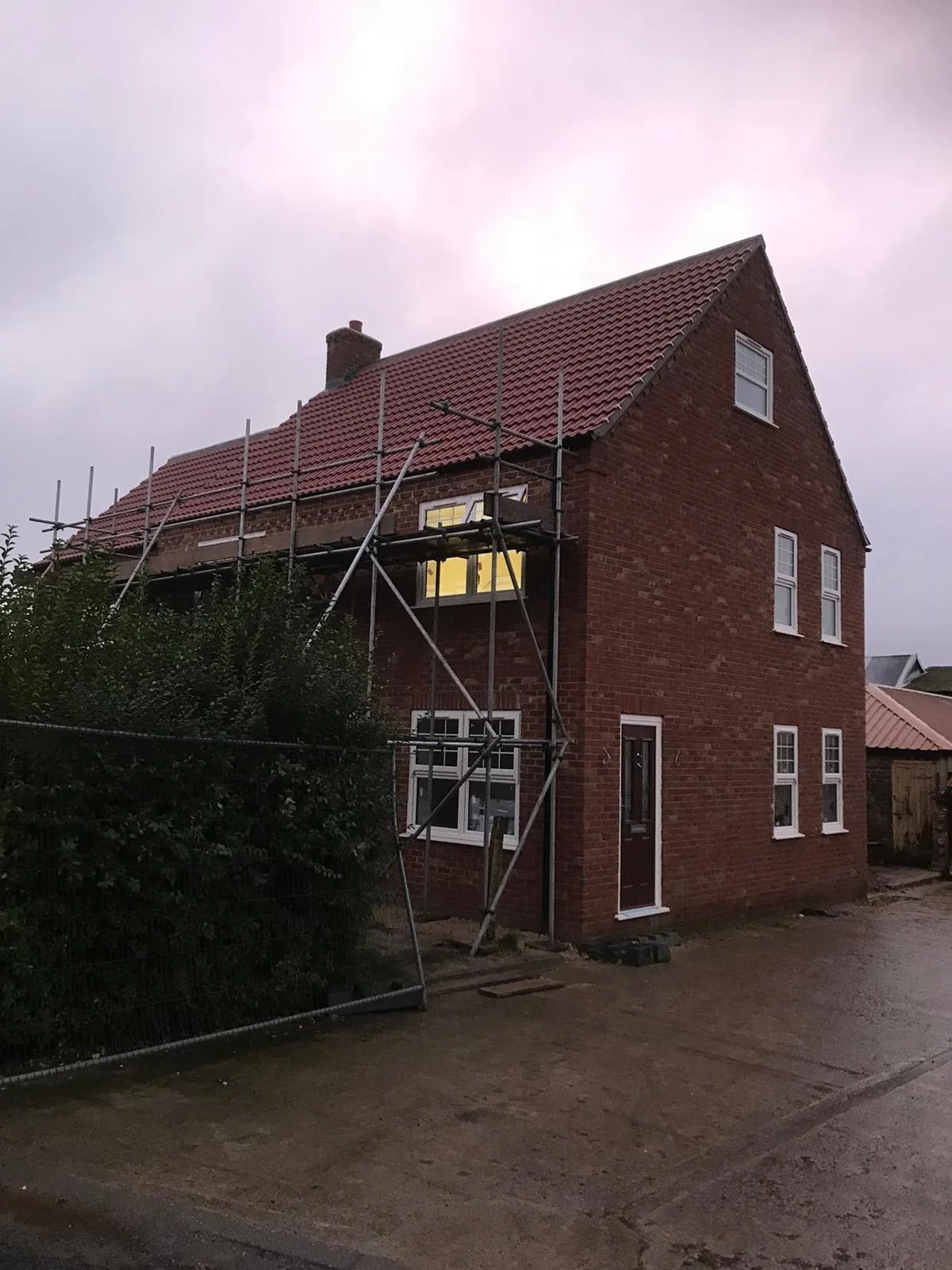
Founder James Tate started out on the tools more than 20 years ago and still quotes the majority of jobs personally, so the person weighing up your roof is the one standing behind the finished work. Between us we bring 40 years of combined team experience, hold NVQ Level 2 and 3 qualifications in Roofing, and carry CSCS cards.
Sophie Bennett, our office manager, keeps quotes, scheduling and aftercare running smoothly from the first phone call onwards. Every job comes with a 10-Year Workmanship Guarantee, so treatment that is done properly stays done properly. Read more about the people behind the work on our About Tate & Sons Roofing page.
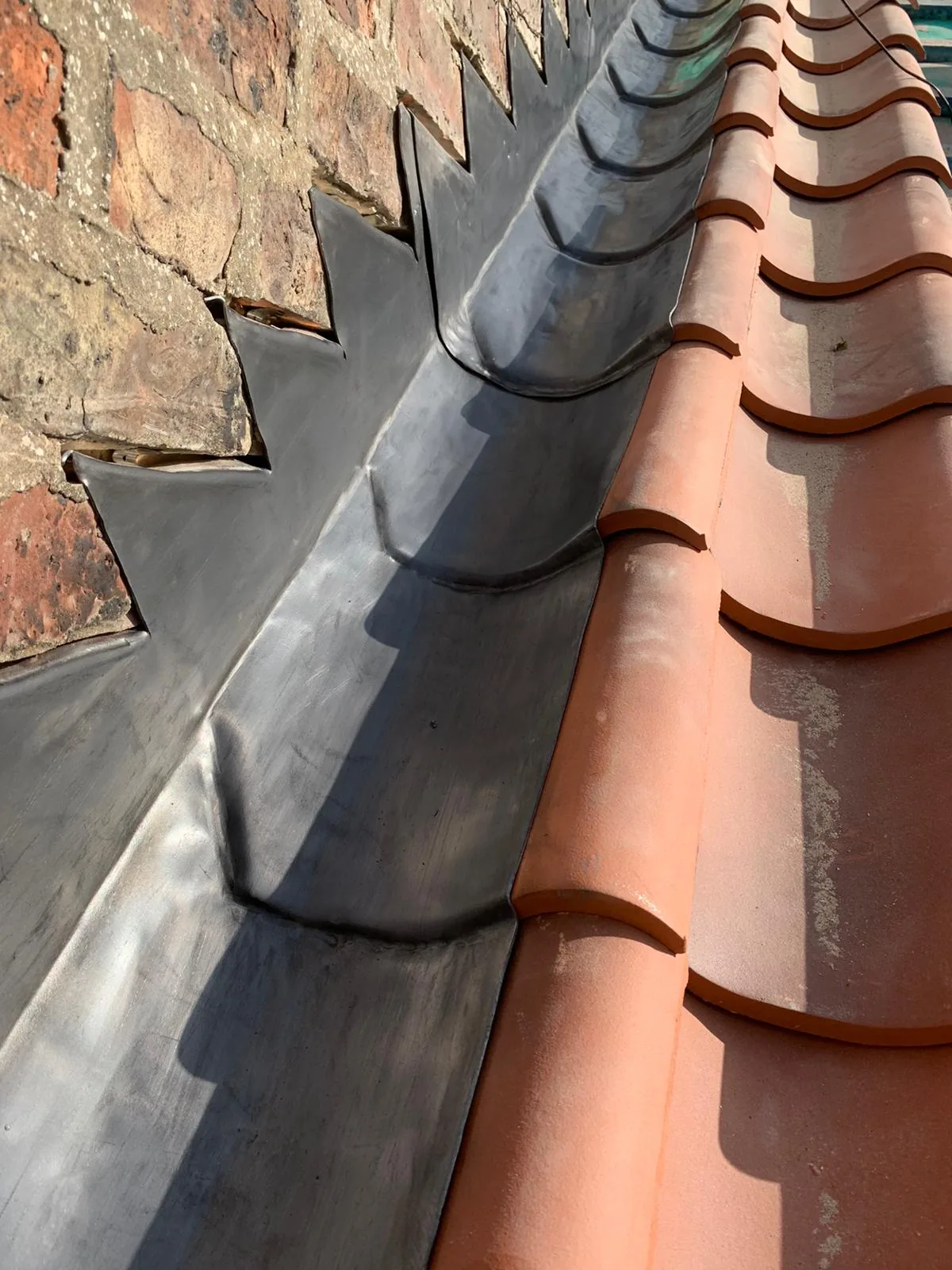
Areas We Serve Across Hinckley and Bosworth Country
We treat moss and algae on roofs across Hinckley and the surrounding borough. If your area is not listed below, call us anyway — there is a strong chance we already cover you.
- Hinckley (LE10)
- Burbage (LE10)
- Barwell (LE9)
- Earl Shilton (LE9)
- Sapcote (LE9)
- Sharnford (LE10)
- Wolvey (LE10)
- Higham on the Hill (CV13)
- Sutton Cheney (CV13)
- Stoke Golding (CV13)
- Market Bosworth (CV13)
- Nuneaton (CV10 / CV11)
- Bedworth (CV12)
Got Questions?
Your Moss and Algae Removal Questions, Answered Properly
Does moss actually damage my roof, or is it just cosmetic?
Moss causes real damage, not just an untidy look. As it thickens, it grows under tile edges and gradually lifts them, letting wind-driven rain reach the timber beneath. It also holds water against the tile surface for weeks at a time, and that constant damp speeds up wear and, in cold spells, freeze-thaw cracking. The longer moss is left, the more expensive the repair usually becomes.
Is it safe to pressure wash moss off my roof?
No, pressure washing is one of the quickest ways to damage a roof rather than protect it. High-pressure water strips the protective surface off tiles and can force water underneath them, into felt and timber meant to stay dry. It also tends to void the manufacturer's warranty on the tiles. We remove moss by hand and use low-pressure biocide treatment instead, which clears growth without the risk.
What's the difference between moss and algae on a roof?
Moss forms thick, cushiony green patches that grow under tile edges and physically lift them over time. Algae spreads as dark streaks or a black, slimy film, usually on shaded or north-facing slopes, and feeds on the mineral content in the tile surface. Moss causes more structural risk, while algae mainly causes surface wear and staining. Most roofs we treat in Hinckley have a mix of both.
Will moss removal void my roof tile warranty?
Removing moss the right way does not void your warranty, but pressure washing usually does. Most tile manufacturers explicitly exclude damage caused by high-pressure jet washing from their warranty cover. Manual removal and biocide treatment, applied at low pressure by hand, keep your existing warranty intact. We always check the manufacturer's guidance before working on a roof still under warranty.
Do zinc or copper strips really stop moss coming back?
Yes, though they slow regrowth rather than stop it completely. Fitted under the ridge, these strips release metal ions every time it rains, and rainwater carries them down the roof slope as it runs off. Zinc strips typically last 5 to 8 years, and copper often lasts 10 years or more. Coverage is strongest near the ridge and fades slightly toward the eaves as the ions dilute in the run-off.
Can biocide treatment harm my garden or a nearby pond?
Biocide is designed to become inactive once it dries, but run-off while it is still wet can affect nearby plants, lawns and ponds. We disconnect downpipes and cover sensitive planting before treatment starts, and avoid spraying near water features altogether. Any run-off is directed away from beds and ponds until the treatment has fully dried on the roof. It is a standard precaution on every job, not an extra charge.
Does moss growth affect solar panels fitted to my roof?
It can, particularly around the edges and mounting brackets where moss gets a foothold first. Moss trapped under panel frames holds moisture against the roof and can reduce airflow and panel efficiency over time. We work carefully around existing panels during treatment, checking mounting points and cabling rather than lifting or disturbing them. If moss has already spread underneath the panels, we flag it separately, since that sometimes needs the panel installer involved too.
Does living near the Ashby Canal in Hinckley make moss grow faster on my roof?
Yes, roofs close to the Ashby Canal often show moss and algae earlier than roofs elsewhere in Hinckley. The canal keeps the surrounding air damp for longer after rain, so moss barely dries out between wet spells. We see this pattern regularly on canal-side properties, and it is usually worth adding zinc or copper strip prevention at the same time as treatment rather than waiting for regrowth.
Are shaded rural roofs in villages like Wolvey or Sharnford more prone to algae than roofs in Hinckley town?
Generally, yes. Sheltered, tree-lined properties out in Wolvey and Sharnford keep roofs damp and shaded for longer than exposed streets in town, which gives moss and algae more time to establish. North-facing slopes and valleys on these rural roofs are usually the first areas to show growth. If your property sits in one of these villages, we usually recommend biocide treatment alongside strip prevention rather than removal alone.
Book Your Free Moss & Algae Roof Survey Today
See exactly how much moss and algae has taken hold before any work starts. No ladders, no pressure — just a clear picture from a local Hinckley team.
Every season moss is left alone, it grows a little thicker and lifts tiles a little further, and the damp underneath works deeper into your roof. A quick, free drone survey today tells you exactly where you stand, often for less than you expect. Book now, get an honest quote, and stop moss and algae before they cost you a full repair.
Call the Hinckley team today on 01455 242595, or request your free drone survey online. We're already working across your area.
Book Your Free Drone Roof Survey
See exactly where your roof stands, with no obligation and no pressure. Call our Hinckley team or request your free drone survey today.
Get in Touch
Tate & Sons Roofing — Hinckley Office
10 Brosdale Drive, Hinckley, LE10 0SW
📞 01455 242595
✉️ [email protected]