
🏠 Trusted Local Roofers
Moss & Algae Removal Chesterfield
Moss does not just sit on top of your roof. It roots into the surface, holds water against your tiles, and pushes them apart from underneath. Left alone, that trapped moisture works its way into felt and timber long before you see a leak inside. Tate & Sons Roofing treats moss and algae on roofs across Chesterfield, from stone terraces near the town centre to damp, tree-shaded homes toward Holymoorside, as part of our work as a roofing contractor across Chesterfield.
This page covers why moss and algae take hold on Chesterfield roofs, the real damage they cause to tiles, felt and mortar, safe removal methods, and how to keep them from coming back. If you want a general wash-down for dirt and grime rather than active growth, our roof cleaning page covers that separately.
- Fully Insured
- 10-Year Guarantee
- 5-Star Rated
Quick Free Estimate - No Obligation
We're not just roofers – we're your neighbours.
Fully Insured • Response within 15 mins
🔒 Your details are safe with us. No spam, ever.
How to Spot Moss and Algae Before They Damage Your Chesterfield Roof
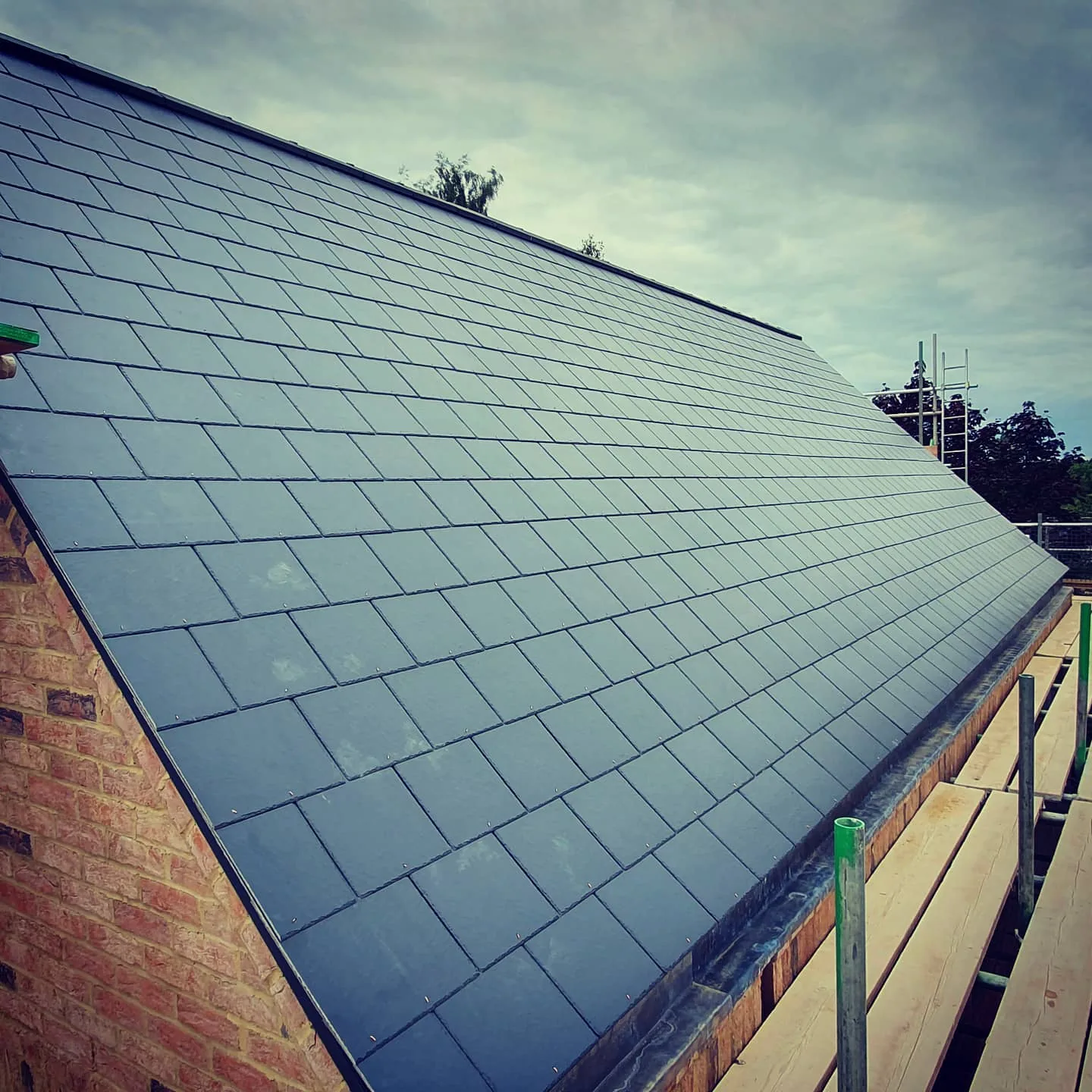
Small patches of moss near a chimney or valley are common and rarely urgent. A roof covered in thick cushions of green growth, or streaked black along the ridge, is a different problem that needs attention soon.
Algae shows up first as faint grey or black streaks, usually on the north-facing slope or the shadier side of a Chesterfield roof. Moss follows later, building into raised clumps that hold water like a sponge against the tile surface.
Check your roof from ground level, or from an upstairs window, for these warning signs:
- Green or grey cushions building up around ridge tiles and valleys
- Black or dark green streaking running down from the ridge line
- Moss sitting in thick clumps in roof gullies or behind chimneys
- Small plants or grass seedlings rooting in built-up moss
- Gutters filling with moss debris after wind or rain
- Tiles that look lifted, cracked or slightly out of line
A free drone survey shows exactly how far growth has spread across your Chesterfield roof, including sections you cannot see safely from a ladder.
Why Moss and Algae Take Hold on Chesterfield Roofs
Moss is a simple plant that takes in water through its leaves rather than roots, so it needs a damp surface to survive and spread. Algae is different again, a microscopic organism that feeds on airborne dust and minerals washed out of your tiles.
Both thrive where a roof stays wet for long spells and gets little direct sun. That combination is common on Chesterfield roofs facing north or shaded by mature trees, and it is why growth is often worse on one slope of a house than the other.
Homes toward Holymoorside and Cutthorpe sit closer to tree cover and damper ground than roofs nearer the town centre, and that shade holds moisture on the tiles for longer after rain. We see the same pattern on older properties around Wingerworth and Ashgate, where mature gardens shade one side of the roof for most of the day.
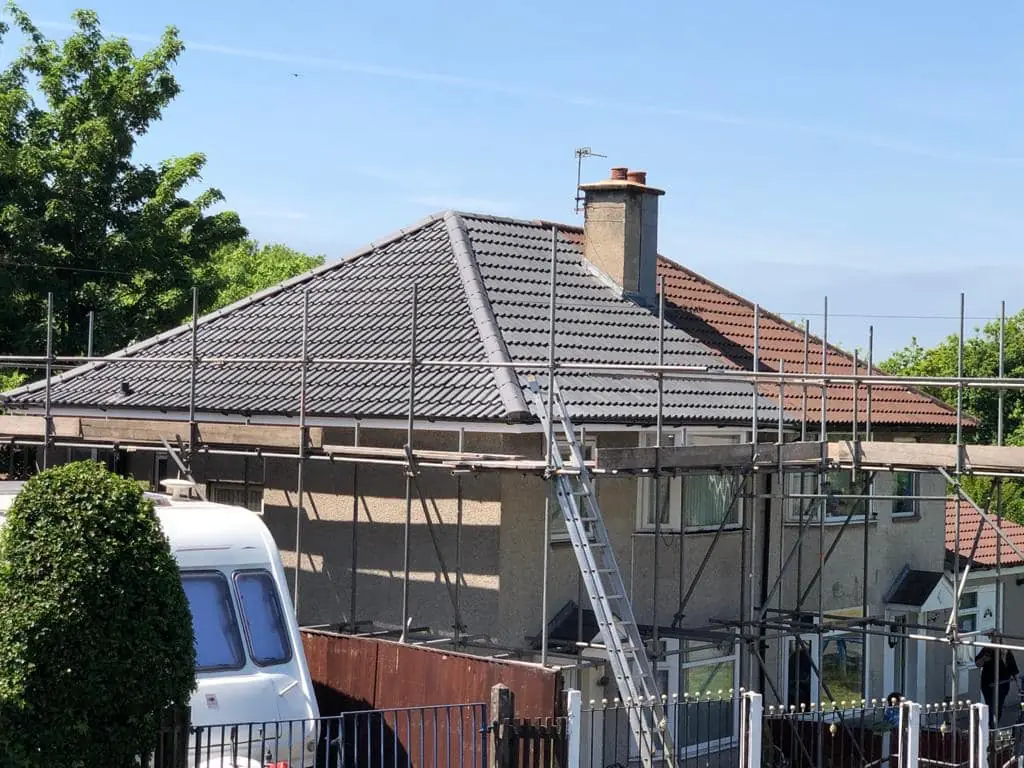
Rough concrete tiles trap spores and organic debris more easily than smooth clay or slate, which is one reason concrete-tiled estates around Chesterfield tend to grow moss faster than period slate roofs nearby. Once a spore lands in a patch of trapped grit and moisture, it can establish within a single wet season.
Moss & Algae Removal Cost in Chesterfield: What You'll Actually Pay
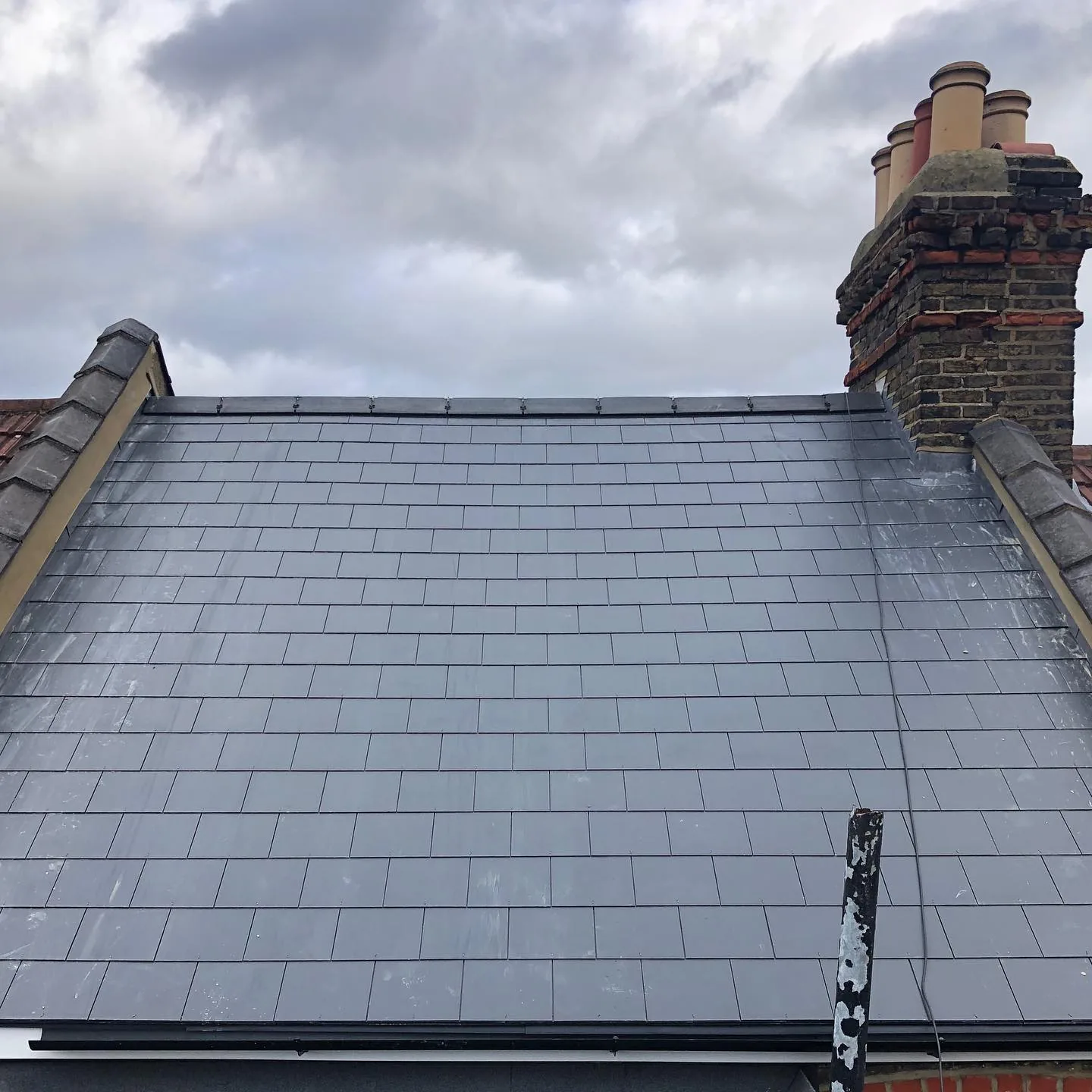
Manual moss removal on a typical Chesterfield semi generally costs between 300 pounds and 800 pounds, depending on roof size and how much growth has built up. Per square metre, professional removal runs roughly 8 to 20 pounds depending on the method used and how the roof is accessed.
A biocide treatment applied after manual removal usually adds 150 to 300 pounds to the job, but it slows regrowth for far longer than removal alone. Zinc or copper preventive strips are a smaller add-on, typically 150 to 350 pounds supply and fit for an average roof, and give several years of protection along the ridge line.
Cost rises with steep pitches, awkward access, multiple chimneys and roofs that need scaffolding rather than a ladder or tower. Cost falls on simple, low-pitch roofs with easy access and moderate growth that has not yet built into thick clumps.
Heavy, long-established moss takes longer to strip off safely and often reveals damaged tiles underneath that need replacing, which adds to the bill. A fixed price for your moss and algae removal needs a survey, since growth severity varies hugely between roofs that look similar from the street.
Removal Methods Compared: Manual Removal vs Biocide vs Zinc & Copper Strips
There is no single right answer for every roof. Most jobs we quote in Chesterfield combine two of the three approaches below for the best balance of cost and how long the result lasts.
Most Chesterfield homeowners get the best value from manual removal followed by biocide treatment, with strips added on roofs that sit in heavy shade toward Holymoorside or under mature trees. We talk through which combination suits your roof during the survey rather than selling every option by default.
How We Remove Moss and Algae Without Damaging Your Tiles
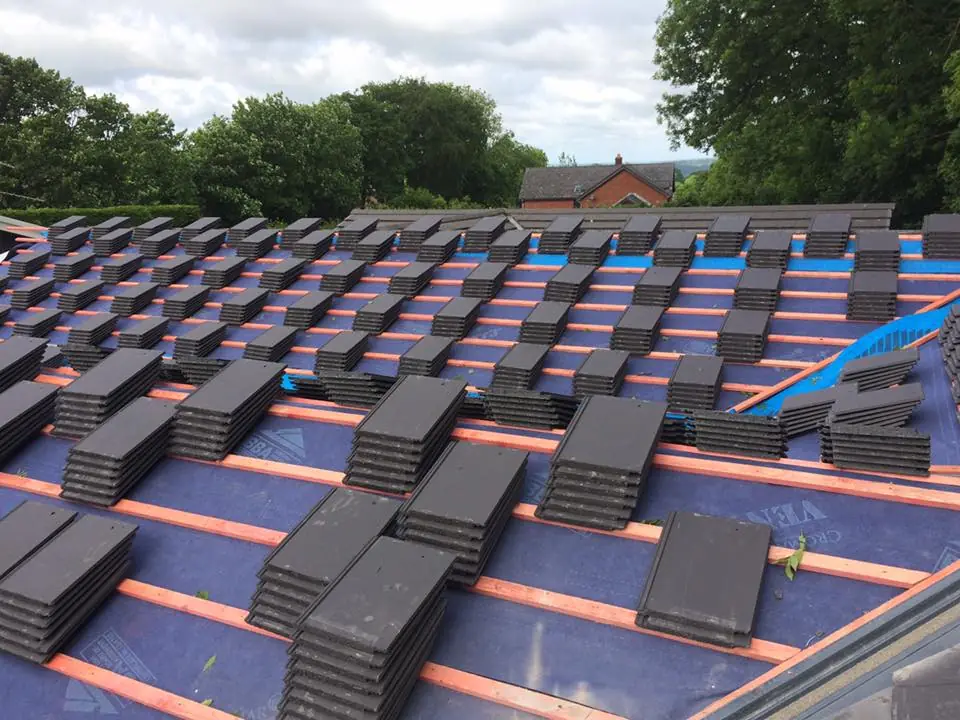
Daniel Oakland, our Project Manager and Lead Roofer, oversees moss and algae removal on site. With over 20 years in the trade, including heritage slate and lead detailing, he knows how much force older Chesterfield tiles can safely take before they crack or lose their surface coating.
We clear growth by hand using soft brushes and scrapers built for roof work, never a high-pressure jet washer. The National Federation of Roofing Contractors warns against pressure washing moss off roofs, since the force needed to blast it off can crack tiles and strip the protective coating that keeps water out.
Once moss and debris are cleared, we treat the roof with a biocide wash that kills remaining spores at the surface rather than just knocking growth off the top. Gutters get cleared as part of the same visit, since loosened moss almost always ends up blocking the downpipes below.
Daniel checks every tile as he works, and flags any that have cracked or lifted under years of trapped moisture so you know before we finish, not after the next storm. If your felt or battens show rot underneath, we quote that separately rather than folding it into the cleaning price.
Stopping Moss and Algae From Coming Back
Cutting back overhanging branches lets more light and air reach a shaded roof slope, which slows how fast moss and algae re-establish. This makes a real difference on properties near Cutthorpe and Holymoorside, where tree cover keeps tiles damp for days after rain.
Zinc or copper strips fitted under the ridge tiles release trace metal ions every time it rains, creating a band down the roof where new spores struggle to take hold. They work best as ongoing prevention on a roof that has already been cleared, not as a fix for existing thick growth.
Clear gutters twice a year so rainwater actually leaves the roof instead of backing up and keeping tiles wet. A blocked or damaged gutter is one of the most common reasons moss returns faster on one side of a Chesterfield roof than the other.
A protective roof coating can also help on flatter sections and felt roofs by sealing the surface against the moisture moss and algae depend on. We can talk you through whether a coating suits your roof during your free survey.
Why Choose Tate & Sons Roofing for Moss & Algae Removal
James Tate founded the business after 15 years working roofs across Derbyshire and the East Midlands, and he still prices most moss and algae jobs himself. He knows which Chesterfield streets and estates see growth come back fastest, and quotes accordingly rather than offering one price for every roof.
Daniel Oakland leads removal work on site, bringing over 20 years of hands-on roofing experience to a job that is easy to get wrong with the wrong tools. His background across tiled, slate and felt roofs means growth gets cleared without cracking tiles or stripping their protective surface.
Our wider team holds NVQ Level 2/3 qualifications in Roofing Occupations, CSCS cards and NFRC trade membership, with over 40 years of combined experience between us. Read more about the people who will treat your roof on our About page.
Every moss and algae job comes with a 10-year workmanship guarantee on any tile or repair work carried out, and starts with a free, no-obligation drone roof survey.
Areas We Serve Around Chesterfield
We remove and treat moss and algae on roofs across Chesterfield and the surrounding towns and villages listed below.
- Chesterfield (S40 / S41)
- Brampton (S40)
- Hasland (S41)
- Newbold (S41)
- Staveley (S43)
- Brimington (S43)
- Whittington Moor (S41)
- Old Whittington (S41)
- Wingerworth (S42)
- Clay Cross (S45)
- Dronfield (S18)
- Eckington (S21)
- Holymoorside (S42)
Got Questions?
Your Moss & Algae Removal Questions, Answered Properly
Does moss actually damage roof tiles?
Yes, indirectly but seriously. Moss itself does not eat away at tiles, but it holds water against the surface for long periods, and that trapped moisture works into the tile, felt and timber below. Over several seasons this causes tiles to lift, felt to rot and timber to soften, problems that are far more expensive than the original moss. Clearing it early stops that slower, hidden damage from starting.
Is it safe to pressure wash moss off my roof?
No, and we would not recommend it. High-pressure jet washing can crack or chip concrete and clay tiles, strip their protective coating, and force water under laps and flashing where it should never go. The National Federation of Roofing Contractors specifically warns against pressure washing for this reason. We clear moss by hand with soft brushes and scrapers instead, backed up with a low-pressure rinse and biocide treatment.
How much does moss and algae removal cost in Chesterfield?
Most Chesterfield homes pay between 300 and 800 pounds for manual removal, with biocide treatment adding a further 150 to 300 pounds. The final figure depends on roof size, how thick the growth has become, and how easy the roof is to access safely. We only give a fixed price after a free drone survey shows the real extent of growth on your roof.
Do zinc or copper strips stop moss coming back for good?
They help a great deal, but no strip works forever or on its own. Rain washes trace metal ions down the roof from strips fitted under the ridge, creating a band where new spores struggle to establish, typically for 5 to 8 years with zinc and longer with copper. They work best fitted after a roof has been fully cleared, not as a way to avoid removing existing moss.
Can I remove roof moss myself?
You can clear light, easily reached patches yourself with a soft brush from a secure ladder, working from the ridge downward. We would not recommend climbing onto a pitched roof yourself, since wet moss makes tiles genuinely slippery and a fall from roof height is a serious risk. Thick or widespread growth is also easy to damage tiles while removing without the right tools and technique.
How much extra weight can moss add to my roof?
More than most homeowners expect. A roof covered in dry moss can carry several hundred kilograms of extra weight, and once that moss is soaked with rain it can add well over a tonne across a full roof. Older roofs, or ones with existing timber problems, are the ones most likely to feel the effect of that sustained extra load over time.
Why does moss come back faster on roofs near Holymoorside and Cutthorpe than in Chesterfield town centre?
Tree cover and damper ground are the main reasons. Roofs toward Holymoorside and Cutthorpe sit closer to woodland and open countryside, where shade and falling leaves keep tiles wet for longer after rain than roofs in the town centre. That extra moisture, combined with less direct sun, gives moss spores a longer window to establish each year, so these roofs often need shorter gaps between treatments.
Does moss on my roof affect a house sale or mortgage survey?
It can, particularly if a mortgage valuer or homebuyer survey flags visible moss and staining as a sign of poor maintenance. Surveyors are not roofing specialists, but heavy growth is one of the easier defects for them to spot and note in a report, which can slow a sale or prompt a buyer to negotiate on price. Clearing moss and algae before a property goes on the market removes an easy talking point for a buyer's surveyor.
Book Your Free Drone Roof Survey Today
Moss left on a Chesterfield roof does not stay the same size for long. Every wet season it holds more water against your tiles, and what starts as a patch near the chimney can spread into lifted tiles and rotten felt within a few years. Book your free, no-obligation drone roof survey today and get a clear, fixed price for treating your roof before the damage sets in.
📍 3 Marsden Street, Chesterfield, S40 1JY
📞 01246 956550
Call the Chesterfield team today on 01246 956550, or request your free drone survey online. We’re already working across your area.
Get in Touch
Tate & Sons Roofing — Chesterfield
3 Marsden Street, Chesterfield, S40 1JY
📞 01246 956550
✉️ [email protected]