
🏠 Trusted Local Roofers
Metal Roof Repair Nottingham
A metal roof rarely fails all at once. It starts as a rust bloom near a fixing, a hairline split along a standing seam, or a flashing edge lifted after one too many Trent Valley gales. This page covers what a proper metal roof repair involves, what it costs, and how to check the work holds. As a roofing contractor working across the city, we repair steel, aluminium, zinc and copper roofs the way we'd want one fixed on our own house — traced to the real cause, not just patched over.
- Fully Insured
- 10-Year Guarantee
- 5-Star Rated
Quick Free Estimate - No Obligation
We're not just roofers – we're your neighbours.
Fully Insured • Response within 15 mins
🔒 Your details are safe with us. No spam, ever.
What Does Metal Roof Repair Actually Involve?
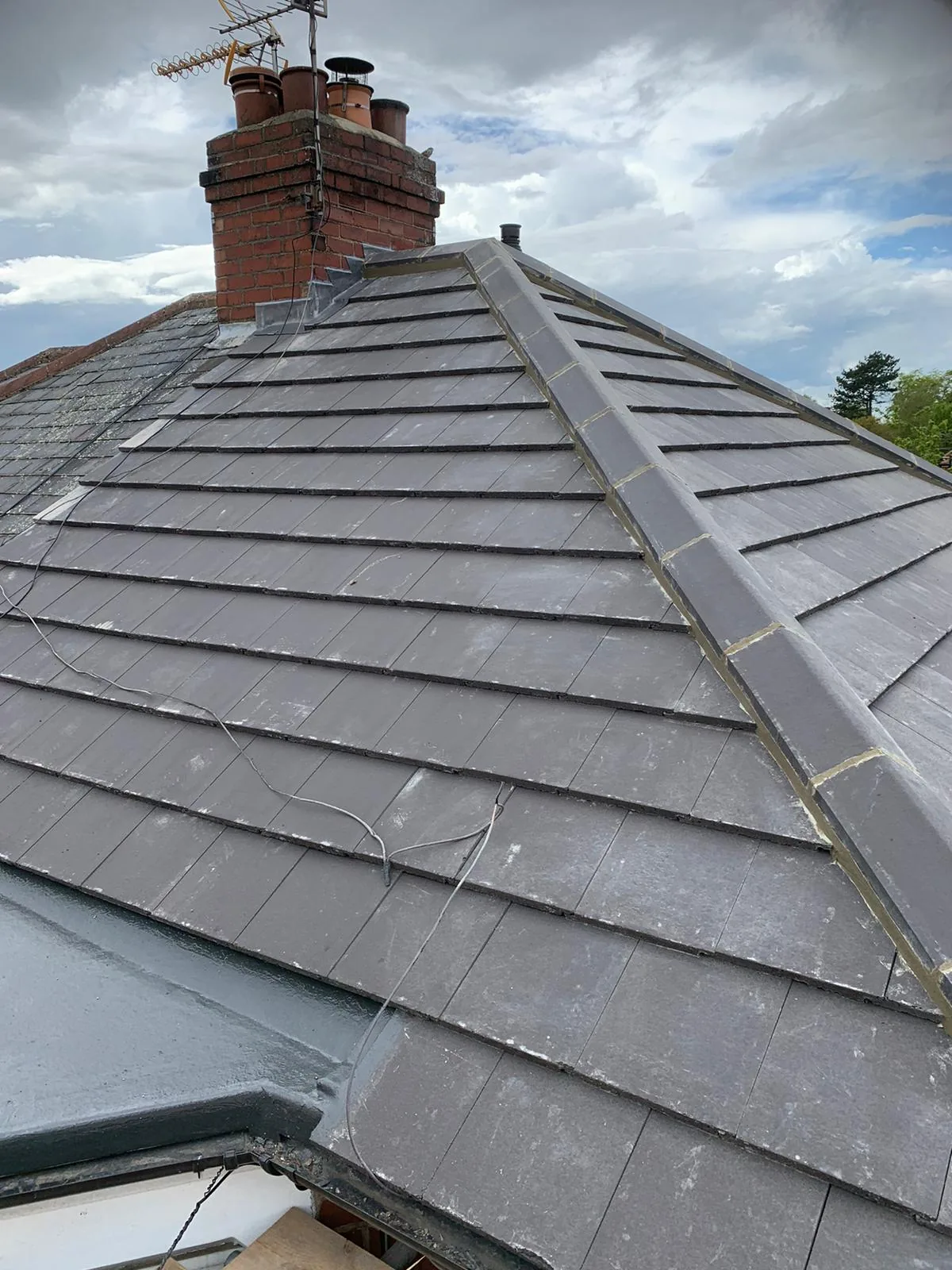
Metal roof repair means fixing the specific fault causing a leak or corrosion, rather than replacing the whole roof. A typical repair treats rust at the source, reseals or reseats a failed seam, replaces a section of flashing, or swaps out a corroded panel for a matching one. Small jobs like a loose fixing or a hairline split can often be sorted in a single visit. Wider corrosion or several failed seams usually points toward a bigger repair, or a partial replacement of the worst-affected slopes.
Repair or Replace? How to Tell Which Your Metal Roof Needs
Most metal roofs give you a fair choice between repair and replacement, provided the fault is caught early enough. Here's how to tell which camp yours falls into.
Signs a Repair Will Sort It
- A single rust patch or pinhole, rather than corrosion spread across whole panels
- One failed seam or a handful of lifted fixings, not a pattern across the whole roof
- Flashing that's cracked or pulled away at a chimney, valley, or wall junction
- The roof is under 20 years old and otherwise sound
- A leak that's clearly local to one point, not tracking water in from several directions
Signs You're Looking at Replacement
- Corrosion has eaten through the metal in more than one place
- Multiple seams have failed, or the coating has broken down across large areas
- The roof is past its expected lifespan and repairs keep recurring in new spots
- The deck or supporting timber underneath has started to rot
- You're planning other work anyway, and a full re-cover makes more sense than patch after patch
If your roof needs work beyond the metal itself — timber, guttering, or a chimney stack it abuts — our roof repairs and restorations team can scope the whole job in one visit rather than sending you to a second contractor. Our free drone survey settles the repair-or-replace question honestly, with photos to back it up.
Steel, Aluminium, Zinc or Copper: What Each Repair Involves
The metal you have changes how a repair gets done. Here's what to expect from each.
Corrugated or Profiled Steel
- Most common on garages, outbuildings, and rear extensions around Nottingham
- Rust usually starts at cut edges, fixing points, or where the factory coating has scratched through
- Repair means wire-brushing back to sound metal, treating with a rust-inhibiting primer, then a matching topcoat
- Badly corroded sheets get swapped for a matching profile rather than patched
Standing Seam (Steel or Aluminium)
Aluminium Panels
- Doesn't rust in the way steel does, but can suffer from oxidation staining and loose fixings
- Repairs focus on resealing joints and penetrations, since the metal itself rarely corrodes through
- Lightweight, so panel swaps are usually quicker than steel or zinc equivalents
- A standing seam roof (raised, interlocking joints running up the slope, rather than exposed fixings) usually fails at the seam itself or at a penetration through it
- Repair means reseating a lifted seam clip or re-forming the joint, not stripping the whole run
- Thermal movement — the metal expanding and contracting with temperature — is the most common cause of seam failure over time
- Panel swaps are possible where a section is badly dented or split, matched to the existing profile
Zinc and Copper
- Common on period and architectural roofs around The Park and other older parts of the city
- Repairs need welted or soldered joints matched to the existing detailing, not sealant alone
- Using the wrong fixing metal against zinc or copper causes galvanic corrosion (a reaction between two different metals in contact, which eats away the less noble one) — repairs need the correct compatible fixings
- Skilled work, closer to traditional leadwork than a standard panel swap
For the technical detail behind good metal roofing practice, the Federation of Traditional Metal Roofing Contractors' guide to good practice sets out the design and installation standards the trade works to.
What Happens Before We Touch Your Metal Roof
Every repair starts with a proper look at what's actually going on, not a guess from the pavement.
- We carry out a free drone survey of the whole roof surface, seams, and flashings — no ladders needed
- You get clear photos showing exactly where the corrosion or damage sits
- We tell you honestly whether you need a repair or a wider replacement
- We identify the metal and profile so any replacement panels match, not clash
- We check the fixings and flashing metal are compatible with your roof, to rule out galvanic corrosion
- If you're near The Park or another conservation area, we flag anything that needs sign-off before work starts
- You get a firm quote and an agreed scope before any tool comes out of the van
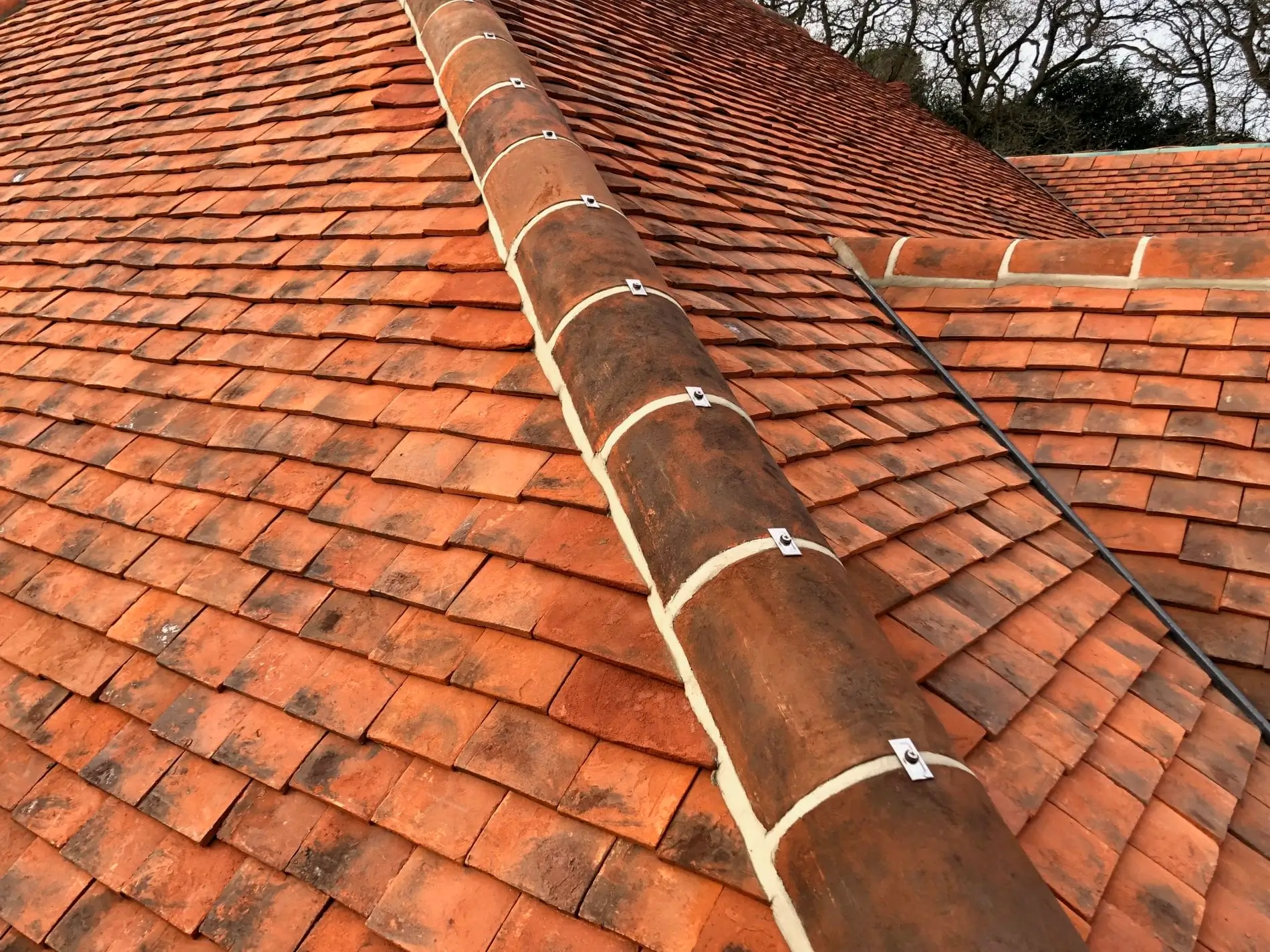
How We Repair Rust, Leaks and Failed Seams
Most metal roof failures trace back to one weak point, not the whole sheet giving up. Here's how we put it right.
- Strip back to sound metal at the fault, removing rust, old sealant, or failed coating
- Treat any corrosion with a rust-inhibiting primer before anything goes back on
- Reseat or re-form failed seams, or replace the panel where it's split or badly corroded
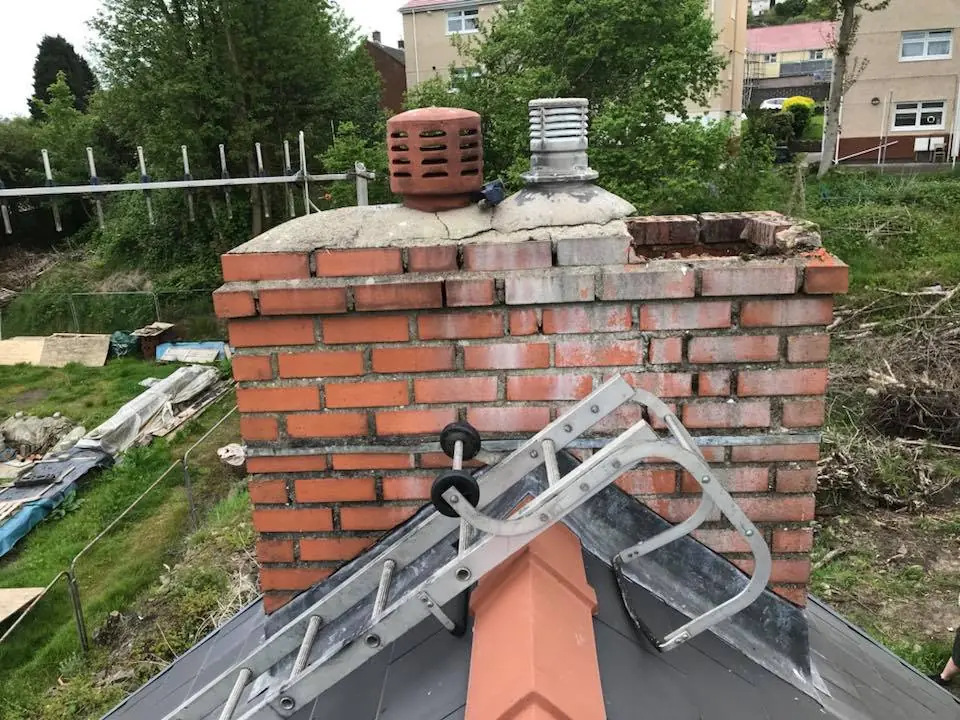
- Renew flashings at chimneys, valleys, and wall junctions using metal compatible with the existing roof
- Check every fixing for the right type and torque, since a loose or mismatched fixing is often what started the leak
- Finish with a matching topcoat or coating where needed, so the repair doesn't stand out
- Clear the site and leave you with photos of the completed work, typically within a day for a standard repair
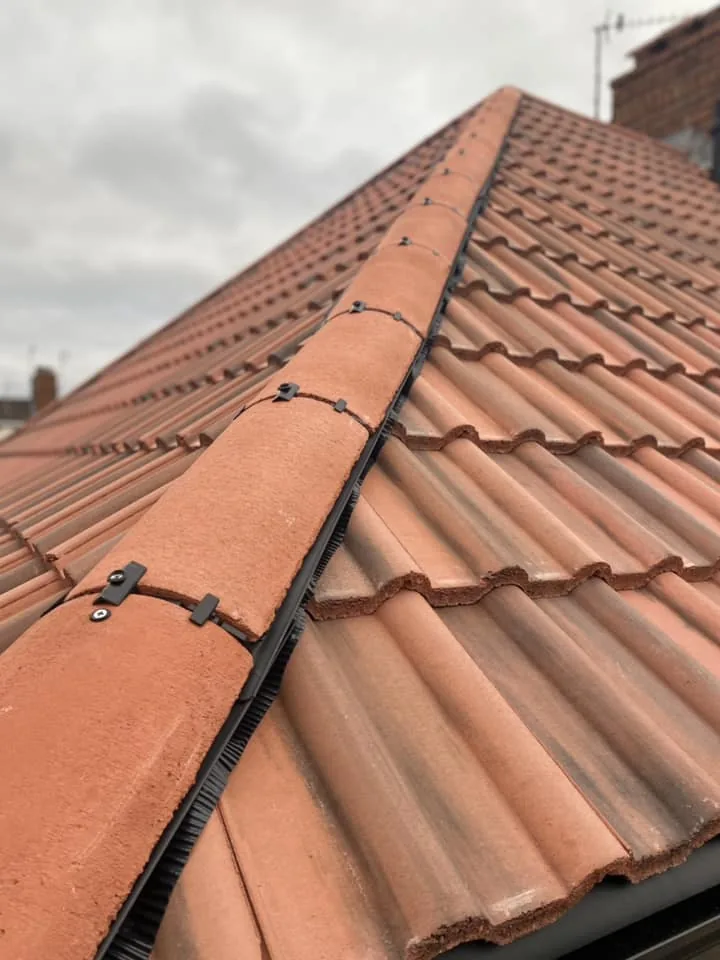
Spot the Warning Signs, Then Check the Repair Was Done Right
Whether you're worried about an existing roof or checking a job we've just finished, here's what to look for.
Signs Your Metal Roof Is Failing
- Rust streaks running down from fixings, seams, or panel edges
- A seam that's visibly lifted or gapping along its length
- Water stains on a ceiling or in a loft directly under the roof
- Flaking or chalky patches where the factory coating has broken down
- A drumming or banging sound in wind, suggesting a loose panel or fixing
- Daylight visible through a seam or fixing hole from inside the loft
If you're already seeing an active drip inside the house, don't wait for a scheduled slot — our emergency roof repair team can get out to stop the water getting in further while the full repair gets planned.
How to Check a Repair Was Done Properly
- The repaired area should sit flush with the surrounding panels, with no visible ripple or proud edge
- Seams should be tight along their whole length, not just at the ends
- Flashing should be neatly dressed into the junction, not just caulked over a gap
- Ask to see photos of the fault before and after, so you know exactly what was fixed
- You should get written confirmation of the materials and fixings used, and your guarantee terms
- We back every metal roof repair with a 10-year workmanship guarantee, in writing, from day one
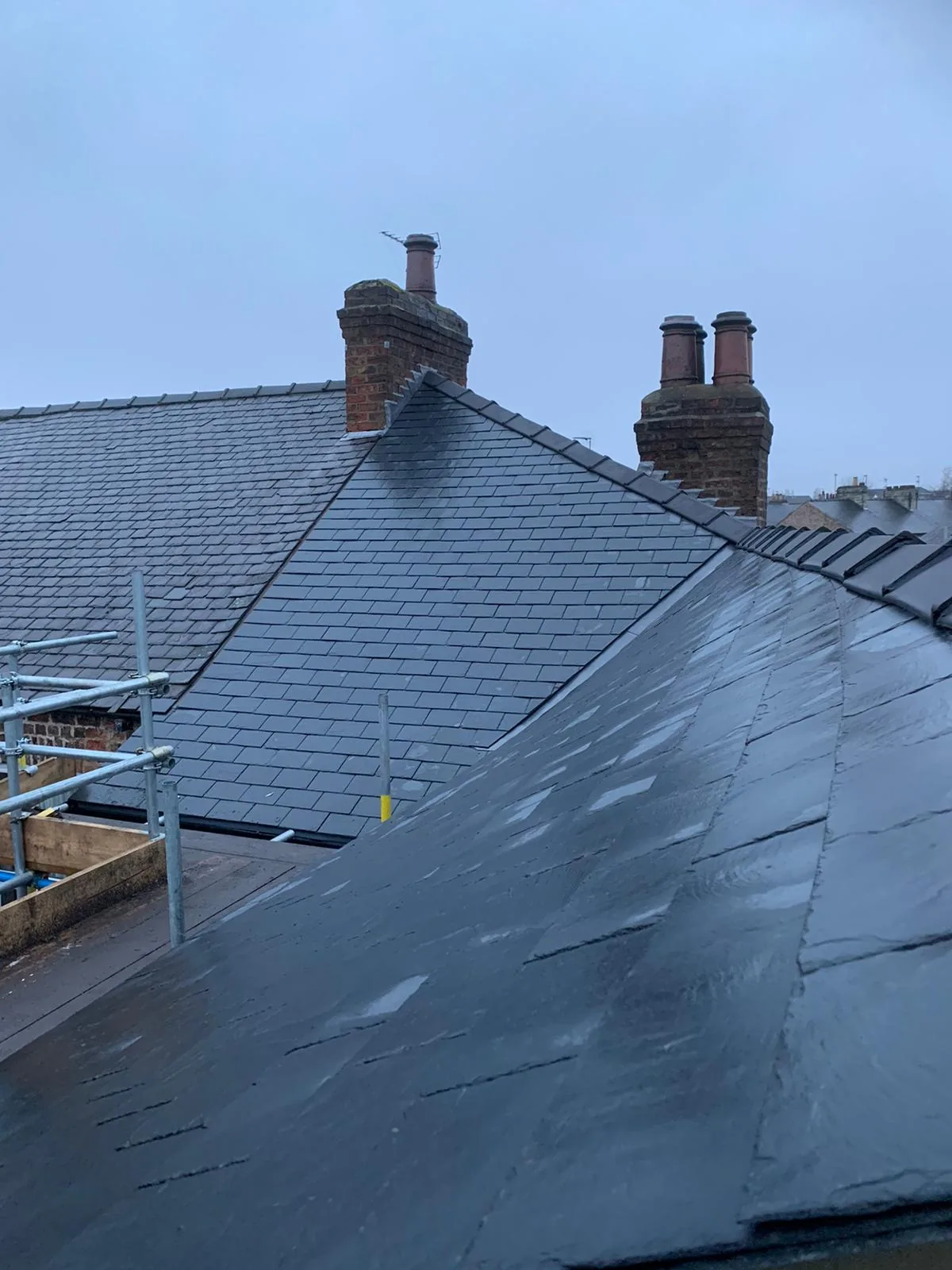
Stopping Rust and Leaks Coming Back
A little maintenance twice a year keeps small rust spots from turning into a bigger repair bill.
- Check fixings and seams for movement after any strong wind or storm
- Clear leaves and debris from valleys and gutters, since trapped moisture speeds up corrosion
- Look for early rust bloom around fixing points and treat it before it spreads
- Keep an eye on flashings at chimneys and walls, where movement shows first
- Avoid walking on standing seam or corrugated panels without proper boards, to prevent dents that trap water
- Consider a protective recoat every 10 to 15 years on steel roofs to keep the factory finish working
Cost & Pricing Guidance
Metal roof repair pricing across the UK for 2025/26 typically runs like this:
- Minor patch or panel repair (single split, fixing, or small rust spot): £150-£350
- Flashing repair or replacement: £200-£600
- Standing seam reseal or reseat of a run: £300-£800
- Rust treatment and recoat: roughly £15-£30 per m², or £400-£900 for a typical garage-sized roof
- Panel replacement, material and fitting per m²: steel £70-£90, aluminium £90-£120, zinc £110-£140, copper £200+
For comparison, a full metal roof replacement typically runs £6,000-£12,000, averaging around £9,000, at roughly £70-£120 per m² depending on material.
What pushes the price up or down: access and scaffolding, how far the corrosion has spread, whether a profile or finish needs matching to a discontinued material, roof pitch and height, and how many flashings and penetrations the roof has.
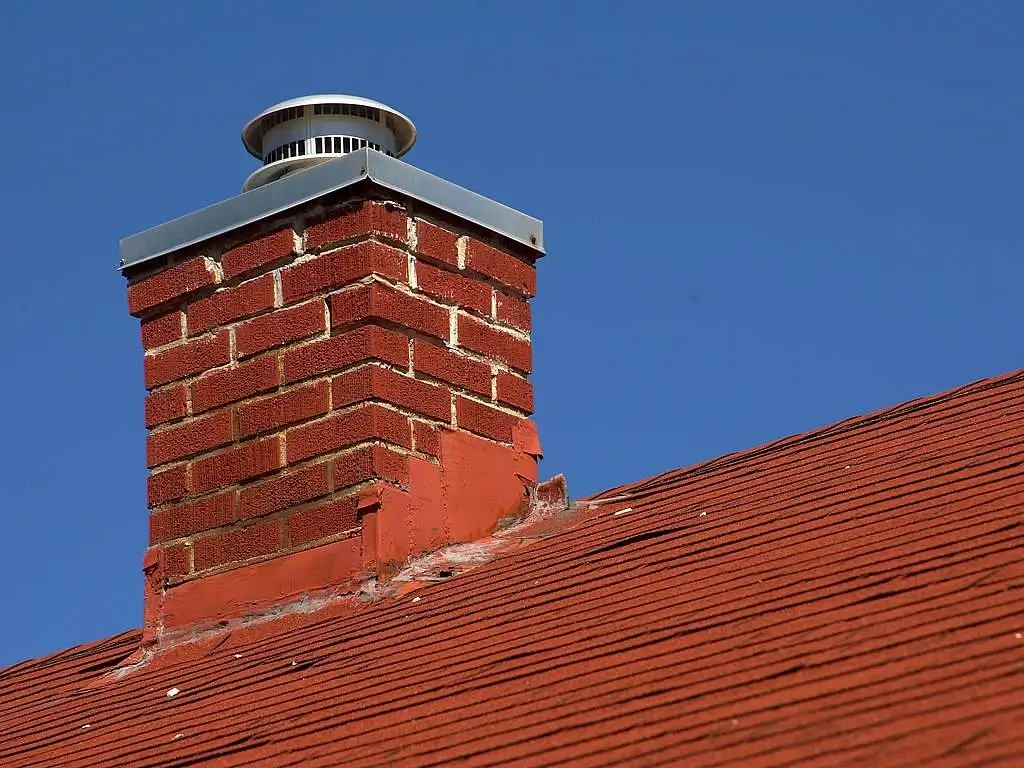
These are general ranges, not a quote. A fixed price needs a proper survey — and our drone survey is free, with no obligation.
Comparison Table: Metal Roofing Systems
| System | Typical Lifespan | Best For | Relative Cost |
|---|---|---|---|
| Corrugated Steel | 25-40 years | Outbuildings, garages, rear extensions | £ (lowest) |
| Standing Seam (Steel/Aluminium) | 40-50 years | Contemporary extensions, dormers | ££ |
| Aluminium Panels | 45-60 years | Low-maintenance homes, exposed sites | ££ |
| Zinc | 60-80 years | Architectural and period-sympathetic projects | £££ |
| Copper | 70-100+ years | Heritage roofs, statement projects | £££ (highest) |
Why Choose Tate & Sons for Your Metal Roof
Metal roof repair is led by Daniel Oakland, Project Manager and Lead Roofer, who has 20+ years in the trade. He specialises in standing-seam and other metal systems alongside EPDM and GRP flat roofing, and he also brings heritage slate and lead experience to zinc and copper work on older Nottingham properties.
Tate & Sons was founded by James Tate on a simple idea: find out what's genuinely wrong, use the right materials, and leave something that holds for years, not months. That's exactly what a metal roof repair needs — the real fault traced and fixed, not sealant smeared over the symptom. Read more on our About page.
Our roofers are directly employed, not subcontracted. They hold NVQ Level 2 and 3 qualifications in Roofing Occupations and carry CSCS cards. Every metal roof repair comes with a free drone survey up front and a 10-year workmanship guarantee once the work is finished.
Metal Roof Repair Across Nottingham: Areas We Serve
We repair metal roofs right across Greater Nottingham and out into the wider county, on everything from garage roofs to period zinc and lead work.
- Nottingham City Centre (NG1)
- The Park (NG1)
- West Bridgford (NG2)
- Sneinton (NG2)
- Wollaton (NG8)
- Lenton (NG7)
- Beeston (NG9)
- Chilwell (NG9)
- Stapleford (NG9)
- Arnold (NG5)
- Sherwood (NG5)
- Mapperley (NG3)
- Carlton (NG4)
- Gedling (NG4)
- Hucknall (NG15)
- Long Eaton (NG10)
- Mansfield (NG18)
- Sutton-in-Ashfield (NG17)
Got Questions?
Your Flat Roofing Questions, Answered Properly
How much does metal roof repair cost in the UK?
Most minor metal roof repairs cost £150-£350, while flashing repairs run £200-£600 and standing seam reseals cost £300-£800. Full rust treatment and recoating adds up to roughly £15-£30 per m². The exact figure depends on the metal, how far any corrosion has spread, and how easy the roof is to access. A survey gives you an exact number rather than a general range.
Can a metal roof be repaired, or does it need replacing?
Most metal roofs can be repaired if the damage is isolated to one seam, panel, or fixing point. Replacement becomes the better option once corrosion has spread across several panels, multiple seams have failed, or repairs keep recurring in new spots. Roof age matters too — a roof under 20 years old with a local fault is usually a repair candidate. Our free drone survey tells you honestly which category yours falls into.
What causes rust on a metal roof, and can it be stopped?
Rust starts where the protective coating has been scratched, cut, or worn through, letting moisture reach bare metal. Cut edges, fixing points, and areas where debris sits are the most common starting spots. Once caught early, rust can be treated with a wire brush, a rust-inhibiting primer, and a matching topcoat. Left untreated, it spreads and eventually eats through the panel, which then needs replacing rather than treating.
How do you fix a leaking metal roof?
Fixing a leak starts with tracing it to its actual source, which is often some distance from where the water shows inside. Once found, the fault gets stripped back to sound metal, treated or resealed, and any damaged flashing or panel gets replaced. A patch of sealant over the visible symptom rarely lasts, since it doesn't address what let the water in. A proper repair matches the fixings and finish to the existing roof so it doesn't fail again nearby.
Can a standing seam roof be repaired without replacing the whole panel?
Yes, in most cases. A failed standing seam can usually be reseated or re-formed without stripping the panel it sits on. Full panel replacement is only needed where the metal itself is split, badly dented, or corroded through. Thermal movement — the metal expanding and contracting with temperature — is the most common reason a seam works loose over time, and it's a straightforward fix once identified.
Why might mixing metals on a repair cause more damage?
Using the wrong metal for fixings or flashing against your existing roof can trigger galvanic corrosion, a reaction between two different metals in contact that eats away at the less noble one. This is a particular risk on zinc and copper roofs, where an incompatible steel fixing can corrode the surrounding metal faster than normal weathering ever would. It's a mistake we see from repairs done with generic fixings rather than roof-specific ones. Matching the fixing and flashing metal to the existing roof avoids the problem entirely.
My outbuilding roof looks like corrugated metal — could it actually be asbestos cement?
Yes, it's a genuine possibility on older Nottingham garages, sheds, and outbuildings built before the 1980s. Corrugated asbestos cement sheeting looks similar to corrugated steel from a distance, but it's a different material with different handling rules. Asbestos sheeting shouldn't be drilled, cut, or pressure-washed, and it needs specialist handling if it's damaged or being removed. If you're not sure which you have, tell us before any work starts so we can check safely rather than assume.
Do I need permission to repair a metal roof on a listed or conservation-area property in Nottingham?
Like-for-like repairs on a listed building or one in a conservation area, such as parts of The Park, usually don't need separate consent, but altering the appearance or material can. Zinc, lead, and copper roofs on period properties are more likely to fall under these rules than a standard steel outbuilding. It's worth checking with the local planning team before ordering materials if your property is listed. We flag anything that needs sign-off during your survey, so there are no surprises partway through the job.
Book Your Free Drone Roof Survey Today
See exactly what your roof needs before any work starts. No ladders, no pressure — just a clear picture from a local Nottingham team.
A tired roof only gets worse as water works deeper into the deck and timber beneath it. A quick, free drone survey today tells you exactly where you stand — and often the fix is smaller and cheaper than you feared. Book now, get an honest quote, and protect your home before the next East Midlands downpour finds the weak spot.
📍 57 Cyril Avenue, Nottingham, NG8 5BA
📞 0115 647 4455
Call the Nottingham team today on 0115 647 4455, or request your free drone survey online. We’re already working across your area.
Get in Touch
Tate & Sons Roofing — Nottingham
57 Cyril Avenue, Nottingham, NG8 5BA
📞 0115 647 4455
✉️ [email protected]