
🏠 Melton Mowbray Lead Work & Lead Flashing Specialists
Lead Work & Lead Flashing in Melton Mowbray — Watertight Detail That Lasts Decades
- Free Drone Survey
- Directly Employed Roofers
- Written Fixed Price
📞 Call 01664 490955 — free drone survey & a written price
Book Your Free Drone Survey
No scaffold. No pressure. No obligation.
Straight answers from local Melton Mowbray roofers.
🔒 Your details are safe with us. No spam, ever.
A roof rarely leaks in the middle of a plain tiled slope. It leaks where two different materials meet — around a chimney stack, along a valley, or where a roof butts up against a wall. Those junctions are exactly where lead work and lead flashing earn their keep, and getting them wrong is the single biggest cause of hidden roof leaks we see across Melton Mowbray. Tate & Sons Roofing fits and repairs lead flashing on homes from the town centre streets near St Mary’s Church out to the villages on the Wolds, working to the same standards a period property or a modern extension both deserve.
This page covers how to spot failing lead, which lead code suits which job, what a proper installation involves, and real cost ranges for lead work and lead flashing in Melton Mowbray. Book a free drone survey before any work is agreed, so you get footage of the actual problem rather than a guess from the pavement. Lead work sits alongside everything else we do as a roofing contractor across Melton Mowbray.
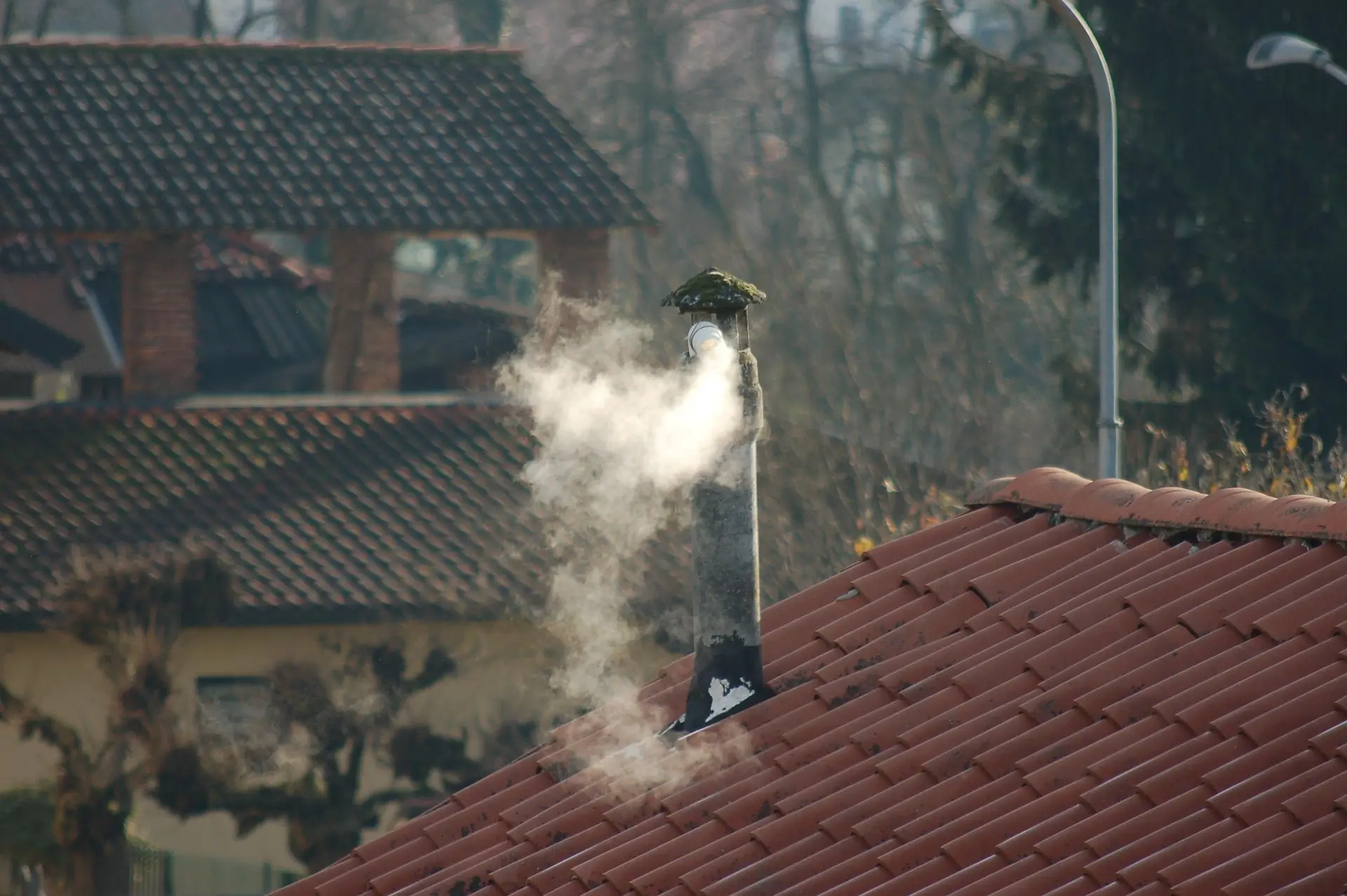
Spot the Signs Your Lead Flashing Is Failing
Lead is one of the most durable roofing materials there is, but it does not fail quietly. The warning signs usually show up well before a leak reaches your ceiling, if you know where to look.
- Cracks running along a flashing, especially near a fixed clip or corner
- Lead that has lifted, curled back, or pulled away from a chimney or wall
- Grey sealant or mastic smeared along a joint that was never meant to need it
- Damp patches on a chimney breast or ceiling that appear after heavy rain
- White or pale grey powdery staining running down brickwork below the flashing
- Gaps opening up where lead meets a mortar chase in the brick or stonework
A sealant smear over a joint is almost always a short-term patch, and it tends to fail again within a couple of years. Homes around Melton Mowbray with older lead work, particularly chimneys untouched for decades, are the properties we get called out to most after a storm. A free drone survey shows the real condition of every flashing on your roof, including the ones you cannot see from ground level.
Repair or Replace — Getting the Call Right on Ageing Lead
Not every failing flashing needs stripping out. A single cracked section on lead that is otherwise sound can often be repaired — welted, re-dressed, or patched with a lead-welded piece of matching thickness. Widespread cracking, lead that has thinned with age, or flashing that was fitted with nails straight through the sheet usually means replacement is the more sensible route.
We see a lot of the second case on older Melton Mowbray properties where a past repair used the wrong fixing method, and the lead has been working itself loose ever since. Patching a poorly fitted flashing again just delays the same failure. If your roof needs wider repair work beyond the lead itself, our roof repairs and restorations service covers structural and covering work alongside any leadwork needed.
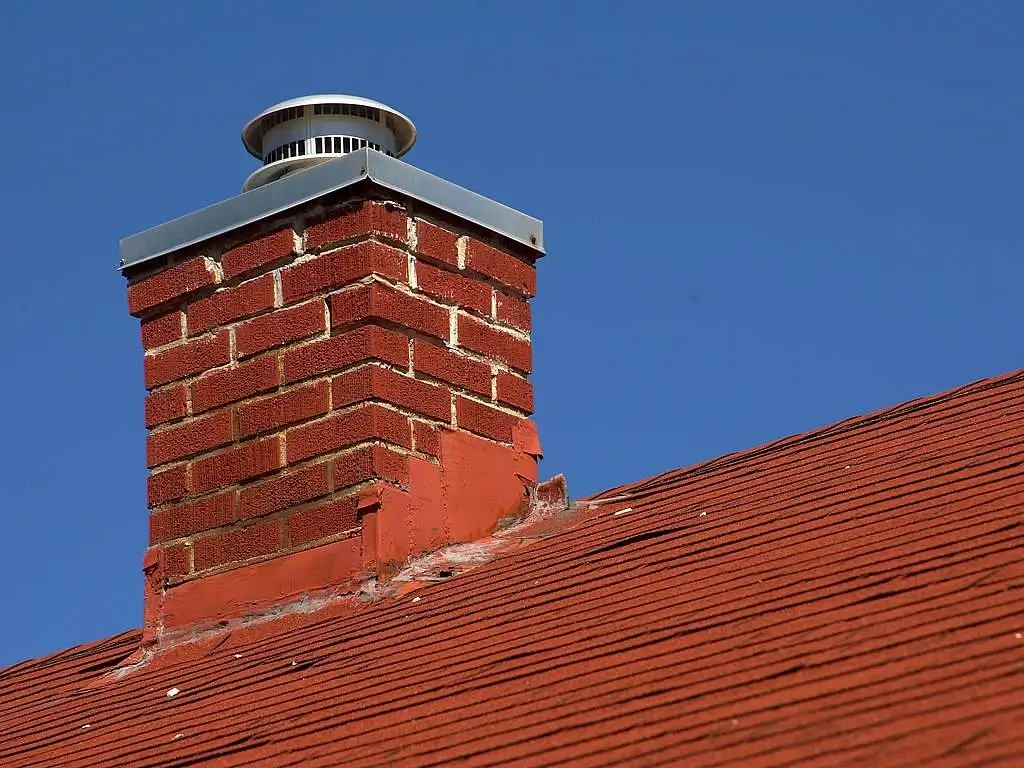
We check the whole detail before recommending either option, not just the section you can see cracking. A free drone survey gives you close footage of every chimney, valley and abutment on the roof, so the decision is based on what is actually there.
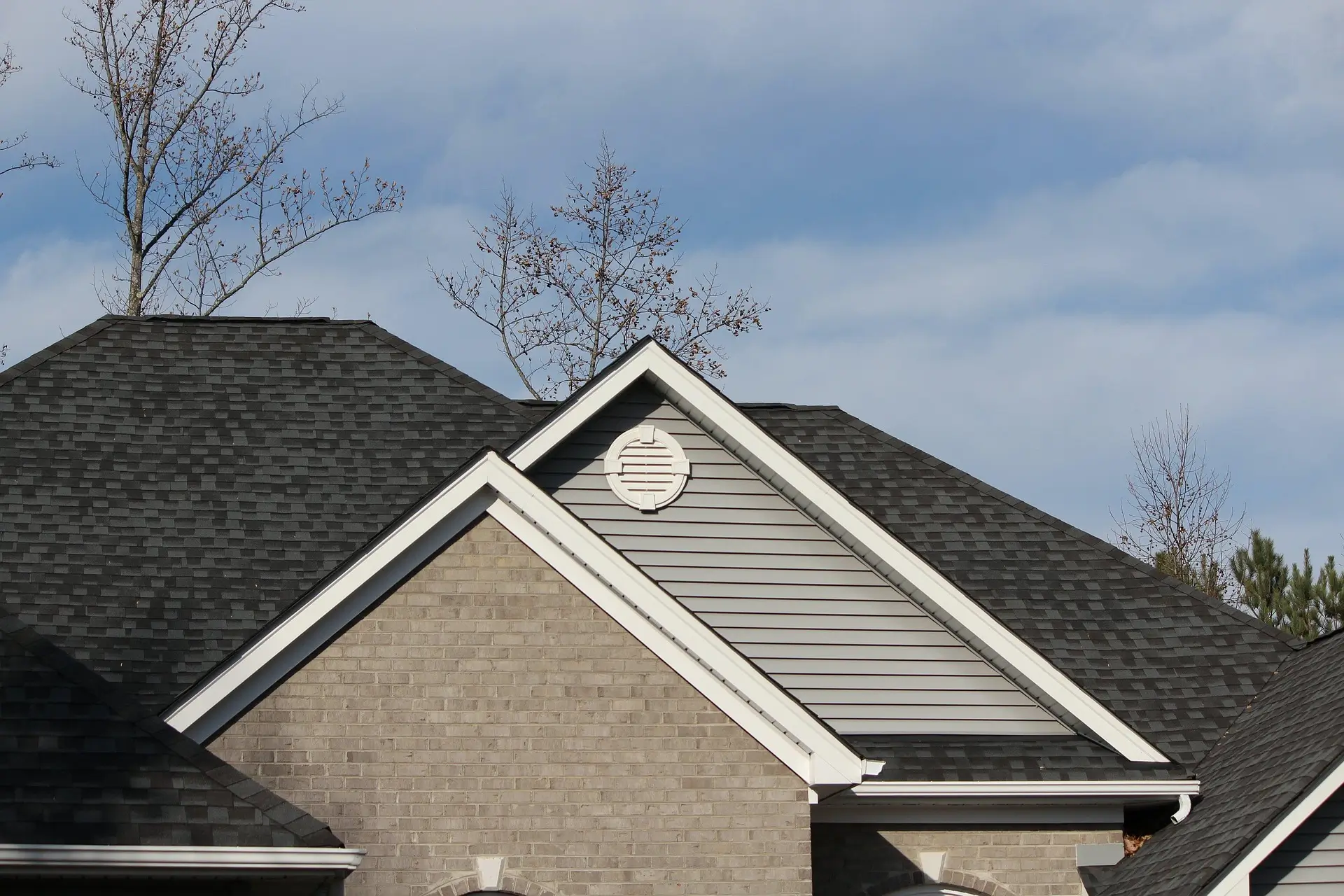
Where Lead Work Protects Every Junction on Your Roof
Lead flashing does its job at the points where a roof is most likely to let water in. Get any one of these wrong and water finds a way through, often well away from where it first gets in.
- Chimney flashing — the apron, soakers and back gutter around a chimney stack
- Valleys — where two roof slopes meet and water flow is heaviest
- Abutments — where a roof meets a wall, extension or parapet
- Dormer windows — cheeks, aprons and head flashings on dormer roofs
- Parapet and box gutters — on older town centre and terraced properties
- Roof edges and verges — on some traditional slate and stone-slate roofs
Chimney flashing is where we do the most work across Melton Mowbray, since a chimney stack moves slightly with temperature and settlement while the roof around it stays still, and that constant small movement is what breaks down a poorly detailed flashing over time. If a chimney is your main concern, our dedicated lead flashing around chimneys page covers that detail specifically. Properties near the Stapleford Park Estate and out toward Burrough Court often carry older chimney stacks with several of these details working together, where experienced dressing matters most.
Code 4, Code 5 or Code 6 — Choosing the Right Lead for the Job
Lead sheet is graded by code number, and the code tells you the thickness and weight, not the quality. Using too light a code for an exposed valley is one of the most common reasons lead work fails early.
| Lead Code | Thickness / Weight | Typical Use | Typical Lifespan |
|---|---|---|---|
| Code 3 | 1.32mm, approx. 14.97 kg/m² | Soakers and small step flashings | 40–60 years |
| Code 4 | 1.80mm, approx. 20.41 kg/m² | Chimney flashings and stepped abutments | 60–80 years |
| Code 5 | 2.24mm, approx. 25.51 kg/m² | Valleys and chimney back gutters | 80–100 years |
| Code 6 | 2.65mm, approx. 30.05 kg/m² | Parapet gutters and large exposed roof areas | 100+ years |
As a rough rule, Code 4 covers most standard chimney and abutment flashings on an average
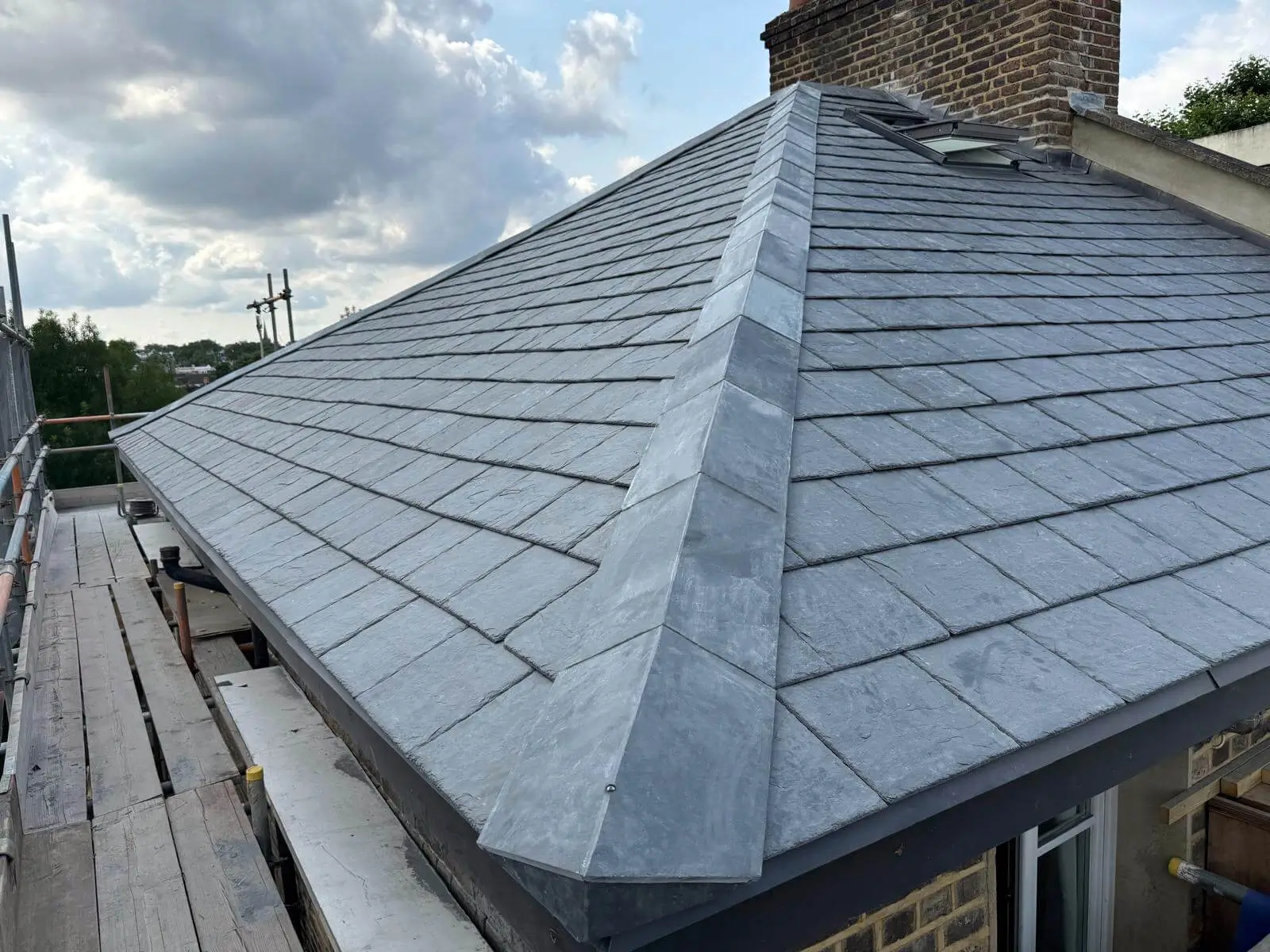
Melton Mowbray home, Code 5 handles valleys and anywhere water gathers in volume, and Code 6 is reserved for the most exposed or largest spans, such as parapet gutters on older town centre buildings. Mixing codes on the same job is normal and expected — using Code 6 everywhere would just waste money on sections that never see that kind of load.
Standards, Fixing and the Detail That Keeps Water Out for Decades
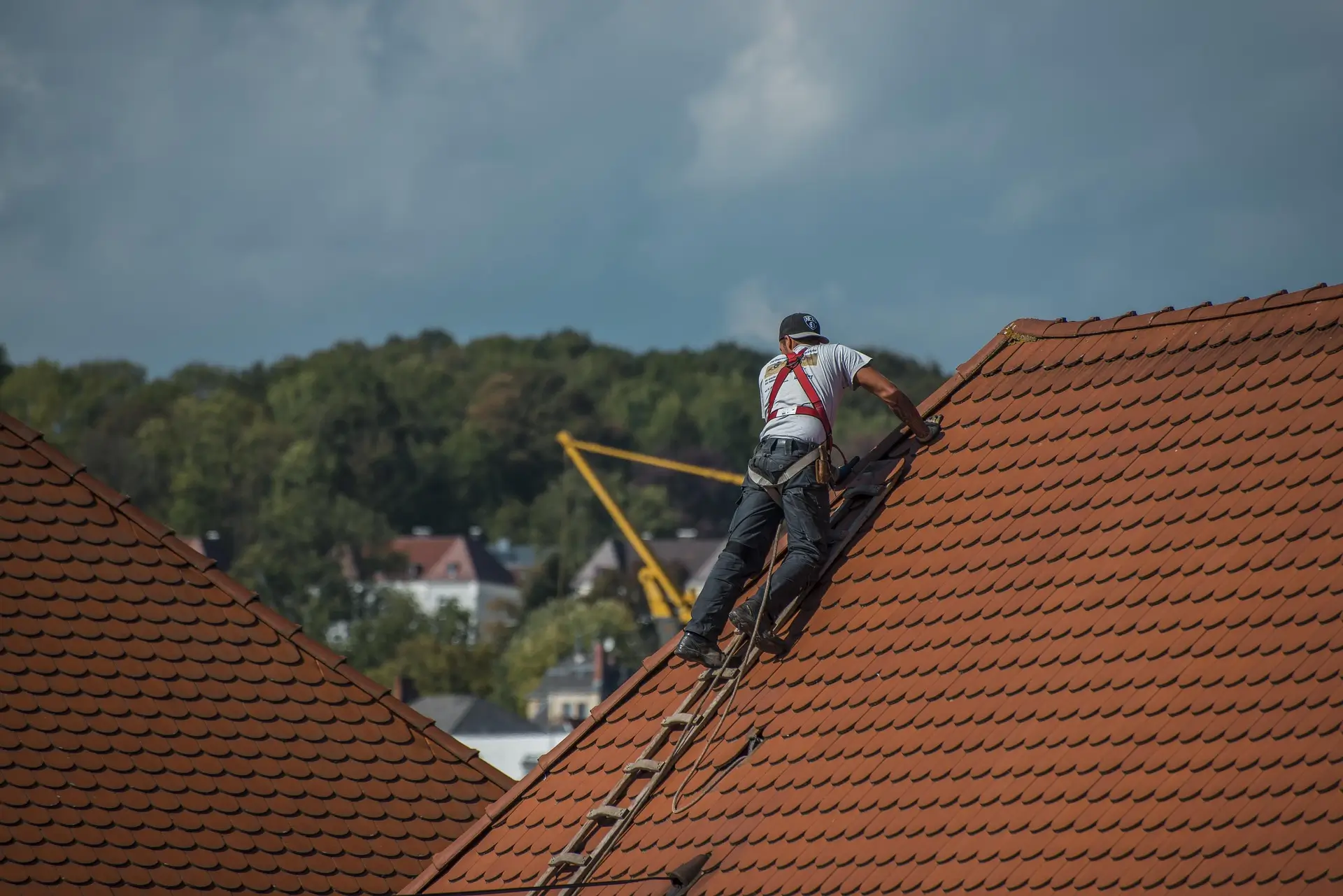
Good lead work follows BS 6915, the UK code of practice for fully supported lead sheet roof and wall coverings. It sets out bay sizes, joint spacing and fixing methods so that lead can expand and contract with temperature without cracking. Any run of flashing longer than around 1.5 metres needs a properly formed expansion joint, known as a welt, rather than one continuous strip nailed down tight at both ends.
Fixing method matters as much as the lead itself. Lead should be held with copper or stainless steel clips dressed into the joints, not nailed straight through the sheet, since a nail hole becomes a weak point the moment the lead starts to move. Where two pieces of lead need joining on site, they are lead-welded (burned) together using matching code thickness, rather than mixed codes fused at a seam, which weakens the joint. For anyone wanting to check an installer's training, the Lead Sheet Training Academy's directory of trained metal roofers lists contractors who have completed formal leadwork training to this standard.
Properties within Waltham on the Wolds’ conservation area, and other listed or conservation-status buildings around Melton Mowbray, often need the local planning authority to see lead detailing specified before work starts, particularly on visible chimney and valley work. Our heritage and listed building roofing service covers that groundwork, including matching existing lead detailing rather than defaulting to a modern shortcut.
What a Proper Lead Flashing Installation Looks Like, Start to Finish
A lead flashing job follows a set sequence, whether it is one chimney or a full re-lead of an older roof.
- Survey the existing flashing and note every failing junction
- Strip out old lead and rake back the mortar chase
- Check the timber substrate and roofing felt underneath for damage
- Cut and dress new lead to the correct code for that detail
- Form welted expansion joints on any run over 1.5 metres
- Secure with clips, not nails through the lead itself
- Dress the top edge into the chase and re-point with mortar
- Apply patination oil to the finished lead before we leave
Most single-chimney flashing jobs are finished in a day. A full valley replacement or several abutments
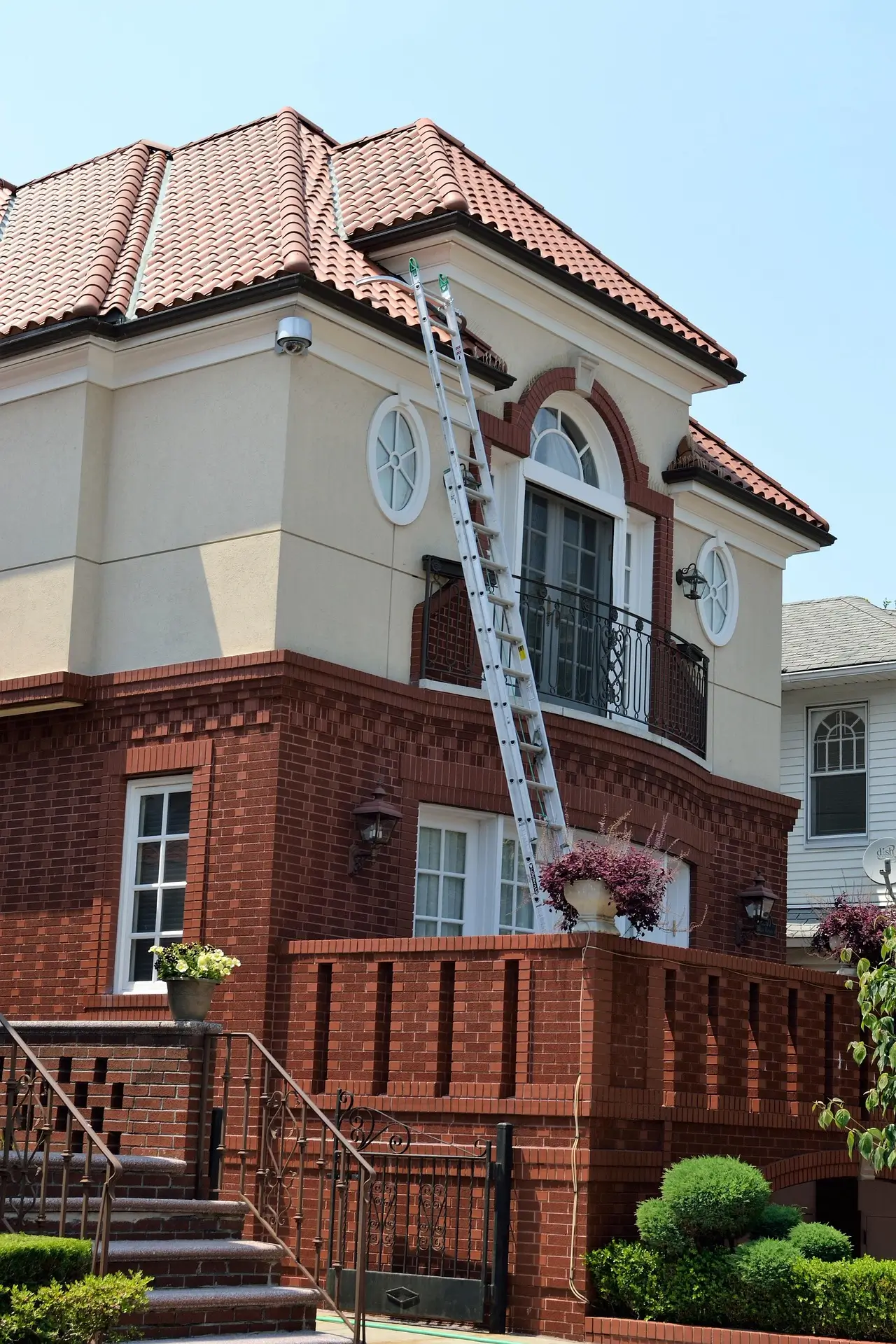
on a larger roof typically takes two to three days, depending on access and how much of the surrounding roof covering has to be lifted to get at the chase properly. On the older ironstone properties around Somerby and Old Dalby, the stonework itself can be uneven, so dressing lead into an irregular chase takes longer than a standard brick joint and is worth allowing extra time for.
What Lead Work Really Costs in Melton Mowbray
Cost depends on the application, the lead code needed, and access. As a general guide, straightforward chimney flashing replacement typically runs £300–£800 per chimney stack, depending on size and how many sides need dressing. A valley replacement typically costs £90–£140 per metre for simpler runs, rising to £140–£250 per metre where access or detailing is more involved. Abutment and parapet flashing tends to fall in a similar range, with Code 6 work at the top end.
What pushes a price up or down:
- Lead code required — Code 6 costs noticeably more than Code 3 or 4 per metre
- Current metal price — lead is priced against the scrap metal market, so material cost moves with it
- Access — a chimney needing full scaffold costs more to reach than a ground-floor valley
- Substrate condition — rotten timber or a crumbling chase adds repair cost before new lead goes on
- Number of details — several chimneys or valleys on one job usually reduces the cost per item
- Property type — listed or conservation-area properties can need extra time for matching existing detail
These are general market ranges, not a quote for your roof. Two chimneys the same size can price differently once access, chase condition and lead code are factored in. A fixed price needs a survey.
Keep Your Lead Flashing Watertight — and Safe From Theft
Lead needs very little upkeep once it is fitted correctly, but a few checks keep it performing for its full lifespan.
- Check chimney and valley flashings after any storm with strong wind
- Keep an eye on the mortar chase, since crumbling mortar loosens the lead above it
- Do not paint over or seal lead joints as a first response to a leak
- Book a free drone survey every few years to catch movement early
New lead sometimes develops a pale, chalky white staining in its first year or two. This is a normal reaction called lead carbonate, and it happens when new lead has not been treated with patination oil. It is not a sign of failure and
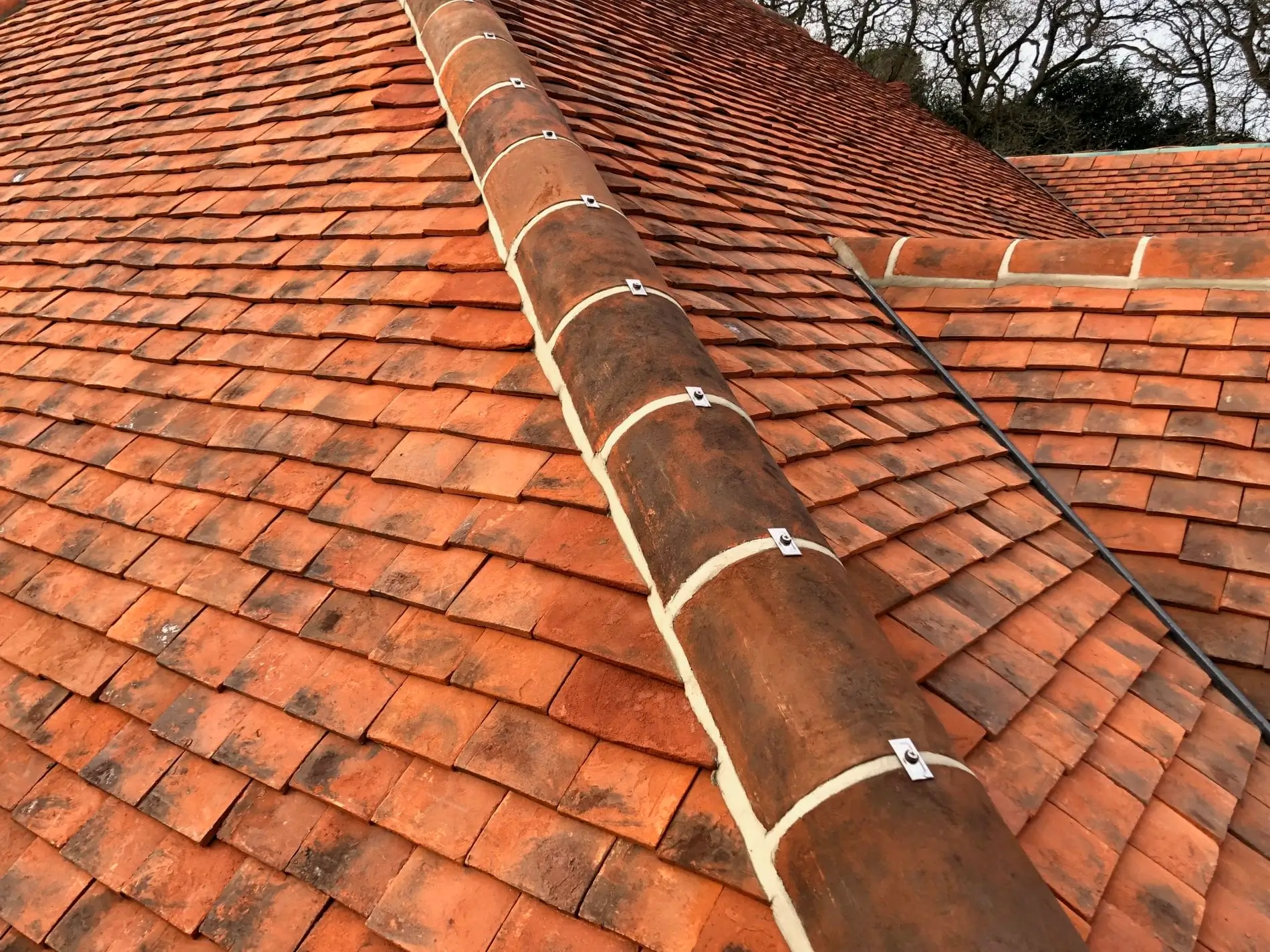
usually settles on its own, though we treat new lead with patination oil as standard to reduce it.
Lead theft is a genuine risk in some areas, since scrap lead has real resale value. Marking flashing with forensic property marking fluid, fitting lead alarm sensors, or using a theft-resistant alternative such as aluminium on exposed or previously targeted roofs are worth discussing during your survey, particularly for larger commercial or church-style roofs.

Why Melton Mowbray Homeowners Trust Tate & Sons With Their Lead Work
Lead work rewards experience more than almost any other roofing trade, and getting it wrong is expensive to put right. Founder James Tate leads our approach to heritage and period-property lead work, drawing on fifteen years working roofs across Melton Mowbray and the East Midlands before he started the business. He still prices most lead jobs himself and is happiest up a ladder working out the detailing on a tricky period roof rather than behind a desk.
Daniel Oakland, our project manager, brings more than twenty years in the trade and hands-on lead detailing experience on the older homes around Melton, alongside his work in EPDM, GRP and standing-seam systems. Between the team we hold over 40 years of combined experience, NVQ Level 2 and 3 qualifications in Roofing Occupations, and CSCS cards. Janice Whitmore, our office manager, keeps you updated from the first call through to the finished job. Read more about the people behind the work on our About Tate & Sons Roofing page.
Areas We Serve Across Melton Mowbray and the Vale of Belvoir
We carry out lead work and lead flashing repairs across Melton Mowbray and the surrounding villages. If your area is not listed below, call us anyway — there is a strong chance we already cover you.
- Melton Mowbray (LE13)
- Asfordby (LE14 3)
- Old Dalby (LE14 3)
- Nether Broughton (LE14 3)
- Frisby on the Wreake (LE14 2)
- Wymondham (LE14 2)
- Long Clawson (LE14 4)
- Harby (LE14 4)
- Stathern (LE14 4)
- Waltham on the Wolds (LE14 4)
- Bottesford (NG13)
Got Questions?
Your Lead Work Questions, Answered Properly
How much does lead flashing cost to replace in Melton Mowbray?
Straightforward chimney flashing replacement typically costs £300–£800 per stack, while valley or abutment work runs roughly £90–£250 per metre depending on the lead code and access needed. Larger or more complex jobs with several details cost more, and Code 6 work sits at the top of the range. Current scrap metal prices also affect material cost from month to month. A free drone survey gives you an exact written price rather than a phone estimate.
How long does properly fitted lead flashing last?
Lead flashing fitted correctly to Code 4 or above typically lasts 60 to 100 years, and Code 6 can outlast that on the largest, most exposed details. Most early failures come down to poor fixing, the wrong code for the job, or missing expansion joints rather than the lead itself wearing out. Following BS 6915 during installation is what gets a flashing anywhere near its full working life.
Can lead flashing be repaired, or does it need replacing outright?
A single crack or lifted section on otherwise sound lead can often be repaired with a lead-welded patch or a re-dress into the chase. Widespread cracking, thinning, or flashing originally fixed with nails through the sheet usually needs full replacement instead. We check the whole detail, not just the visible crack, before recommending either option.
Why does lead flashing keep cracking or lifting after a few years?
Most repeat failures trace back to poor original fitting rather than the lead itself ageing badly. Nailing straight through a sheet, missing expansion joints on long runs, or using too light a code for an exposed valley all cause the lead to fatigue and crack over time as it expands and contracts with temperature. A sealant patch over the crack rarely lasts more than a couple of years before it fails again in the same spot.
Which lead code should be used for a chimney, valley or gutter?
Code 4 covers most standard chimney flashings and stepped abutments, Code 5 is the usual choice for valleys and chimney back gutters where water gathers, and Code 6 is kept for parapet gutters and the largest exposed spans. Any roofer quoting for lead work should be able to tell you the code they plan to use and why. Mixing codes across one roof, matched to what each detail actually needs, is standard practice rather than a shortcut.
Do I need listed building consent for lead work on a period property near St Mary's Church?
It depends on the property's listed status and whether it sits within a conservation area, both of which apply to parts of Melton Mowbray's town centre near St Mary's Church. Where consent is needed, the local planning authority usually wants the lead detailing specified before work starts, particularly on visible chimney and valley work. We check a property's status before quoting and can specify lead work that matches existing detailing where that is required.
Is my lead flashing at risk of theft, and what can be done about it?
Lead theft is a real risk in some areas because scrap lead carries genuine resale value, and larger or more visible roofs are more often targeted. Forensic property marking fluid, lead alarm sensors, and theft-resistant alternatives such as aluminium or lead-effect composite flashing are all practical options on higher-risk roofs. We can talk through whether your property needs any of these during a free drone survey.
Why has my newly fitted lead flashing turned white and chalky?
This is a normal early reaction called lead carbonate, caused by moisture meeting untreated lead, and it is not a sign of poor workmanship or failure. Treating new lead with patination oil at the time of fitting largely prevents it, which is why we apply it as standard on every job. Existing white staining can usually be wiped away with warm soapy water, and it is best left rather than scrubbed back hard, since removing the patina restarts the same process.
Does the ironstone stonework common around Somerby and Old Dalby change how lead is dressed in?
Yes, older ironstone properties around Somerby and Old Dalby often have less regular stonework than a standard brick abutment, so the mortar chase lead dresses into is not always a neat straight line. This takes more time to cut and dress properly and calls for more hands-on judgement than a standard modern chase. Daniel Oakland's experience with heritage lead detailing on older Melton-area homes is particularly suited to this kind of work.
Book Your Free Drone Roof or Chimney Survey Today
See exactly what your lead flashing needs before any work starts, with no ladders and no pressure. Every wet season a cracked or lifted flashing is left alone, water tracks further into the chimney breast or roof timber beneath it, and a straightforward lead repair turns into a bigger, more expensive job.
A quick, free survey today tells you exactly where you stand, so you can get it fixed properly and stop the problem before it spreads.
Get in Touch
Tate & Sons Roofing, Melton Mowbray
13 Cromwell Road, Melton Mowbray, LE13 0AD
📞 01664 490955
✉️ [email protected]