
🏠 Trusted Local Roofers
Lead Work & Lead Flashing Market Harborough
Lead flashing seals the weak points on your roof. It sits where the tiles meet a chimney, a wall or a valley, and stops water sneaking in. When lead flashing in Market Harborough splits, lifts or cracks, rain tracks straight down inside the wall. Tate & Sons Roofing fits and repairs lead work across the town and the wider Welland Valley, from a single chimney apron to a full run of new flashing.
This page covers what lead flashing does, the lead codes and what each one suits, real lead against modern substitutes, and what the work costs. Every job starts with a free drone survey and a written price, with no charge either way. Lead work is one part of the wider service we offer as a roofing contractor across Market Harborough.
- Fully Insured
- 10-Year Guarantee
- 5-Star Rated
Quick Free Estimate - No Obligation
We're not just roofers – we're your neighbours.
Fully Insured • Response within 15 mins
🔒 Your details are safe with us. No spam, ever.
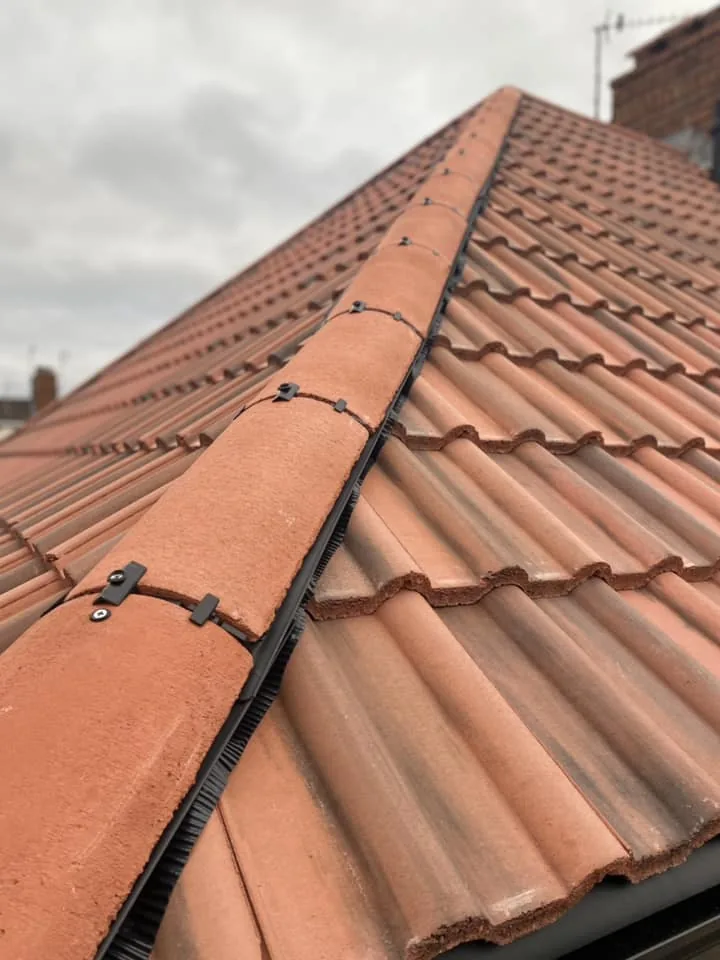
What Lead Flashing Does and Where Water Gets In
Tiles and slates shed water down a slope, but they cannot seal a join. Lead flashing does that job. It bridges the gap where the roof meets something else, then bends into the brickwork to lock water out.
You will find lead work at these spots on almost every pitched roof:
- Around the base of a chimney, as aprons, soakers and step flashing
- Down a valley where two roof slopes meet and drain together
- Against a wall or abutment where a lower roof meets a higher one
- Under a parapet or on a box gutter behind a raised wall
- Around dormer windows and rooflight upstands
Lead works because it moves. It expands in summer heat and shrinks in winter cold without cracking. A rigid seal would split within a few winters. This is why lead has protected roof junctions on period homes around Great Bowden and Lubenham for well over a hundred years. Get the lead right and those joints stay dry for generations.
The Warning Signs Your Lead Work Is Failing
Failing lead rarely floods a room overnight. It starts small, then a damp patch creeps in over months. Catch it early and a repair usually sorts it, before the plaster and timber get involved.
Keep an eye out for these:
- A damp patch on a chimney breast or upstairs wall after rain
- Lead that has lifted, curled or pulled out of the mortar joint
- Cracks or splits running across an apron or step flashing
- Fresh mortar or crude sealant smeared over an old lead join
- Staining or streaks running down the brickwork below the flashing
- Sections of lead missing after a storm or after theft
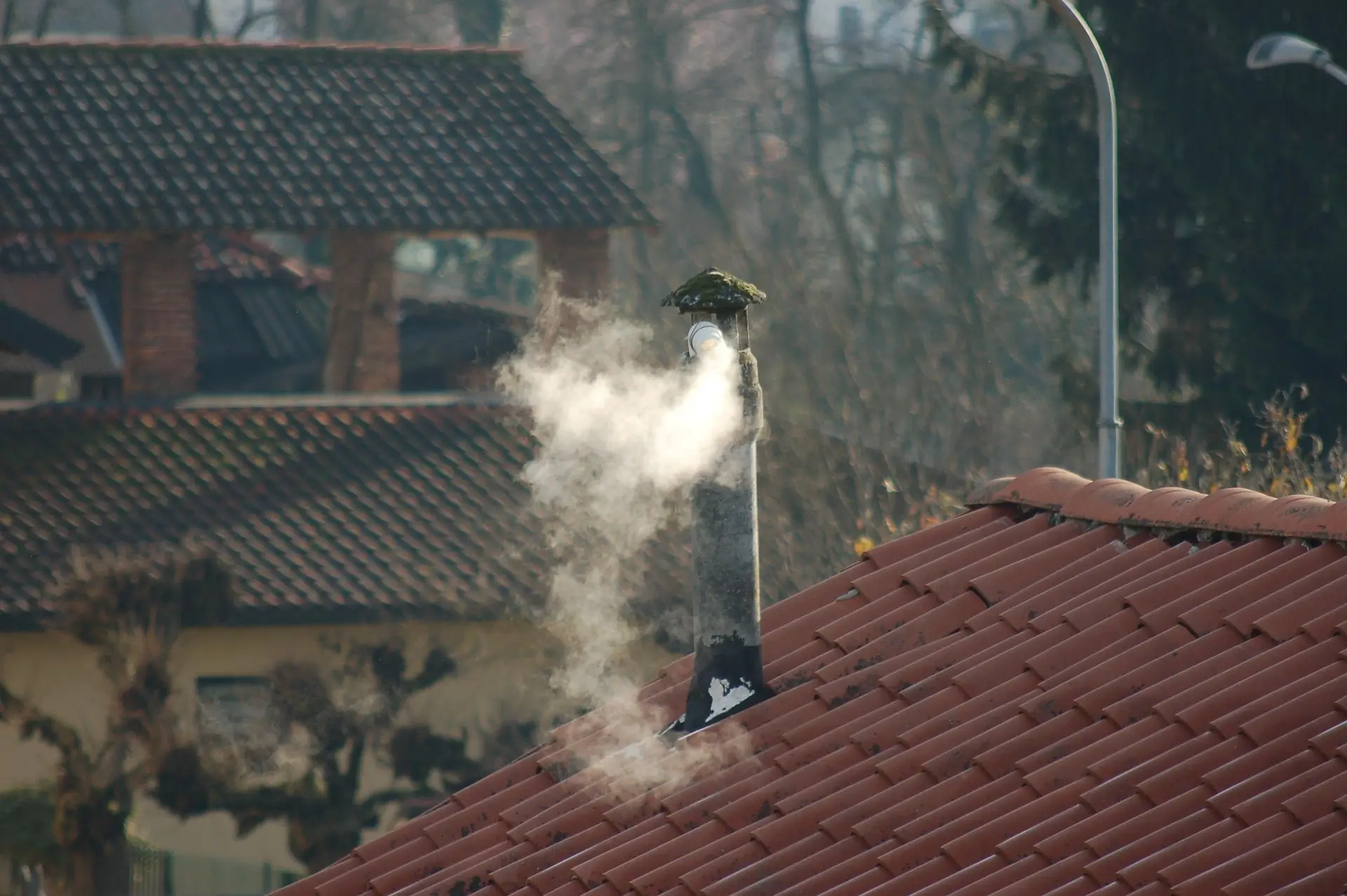
Old lead often fails because it was fitted in one long piece. A run over about 1.5 metres has nowhere to move, so it fatigues and cracks in the middle. We see this on Victorian and Edwardian homes across Little Bowden and Kibworth Beauchamp. The fix is not more sealant. It is shorter, correctly lapped pieces that let the metal breathe.
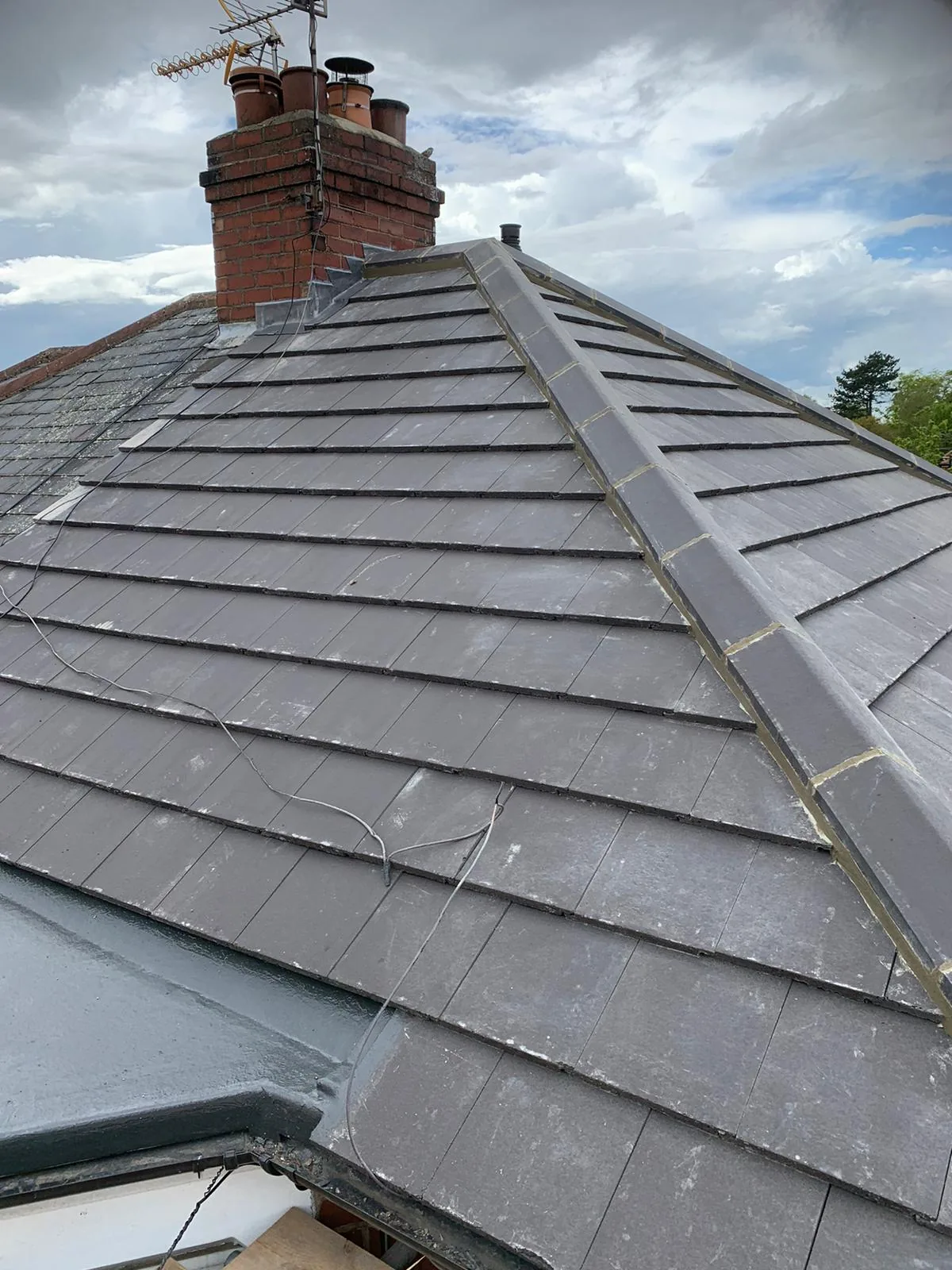
Lead Codes Explained — Code 4, Code 5 and Code 6
Lead comes in graded thicknesses called codes, each marked with a colour. The higher the code, the thicker and heavier the lead. Rolled lead sheet is made to a British Standard, so a Code 5 sheet is the same on any roof in the country. Picking the right code for each spot is the difference between lead that lasts and lead that fails early.
| :-: | :-: | :-: | :-: |
| Lead grade | Thickness & colour | Typical use | Best for |
| Code 4 | 1.80mm — blue label | Soakers, small flashings, aprons | The everyday choice for most chimney and wall flashings |
| Code 5 | 2.24mm — red label | Step flashings, valleys, exposed details | Harder-wearing spots and windier, exposed roofs |
| Code 6 | 2.65mm — black label | Box gutters, parapets, long runs | Heavy-duty gutters and the longest, most demanding runs |
| Lead substitute | Around 0.4–1.2mm — grey roll | Modern flashings on standard homes | Budget jobs and roofs at risk of lead theft |
Most homes use Code 4 for general flashings and Code 5 where the weather hits harder. Code 6 comes out for box gutters and long runs behind a parapet, where a thinner sheet would tire too soon. On heritage roofs around Medbourne and Foxton, the original lead is often Code 5 or heavier, and we match it. Using the correct code keeps the look right and the roof watertight.
Real Lead or Lead Substitute — Which Belongs on Your Roof
Lead substitutes are flexible sheets that copy the shape of lead at a lower price. They have their place, but they are not a like-for-like swap. The gap shows most in how long each one lasts.
Real rolled lead lasts a long time. Fitted well, it protects a joint for 60 years or more, and often much longer. Many substitutes carry a working life of 15 to 25 years. Over the life of a roof, the cheaper option can cost you more, once you count the second job and the access to reach it.
If you want to read up on how proper lead work is trained and specified, the Lead Sheet Training Academy is the recognised UK body for craft standards in leadwork.
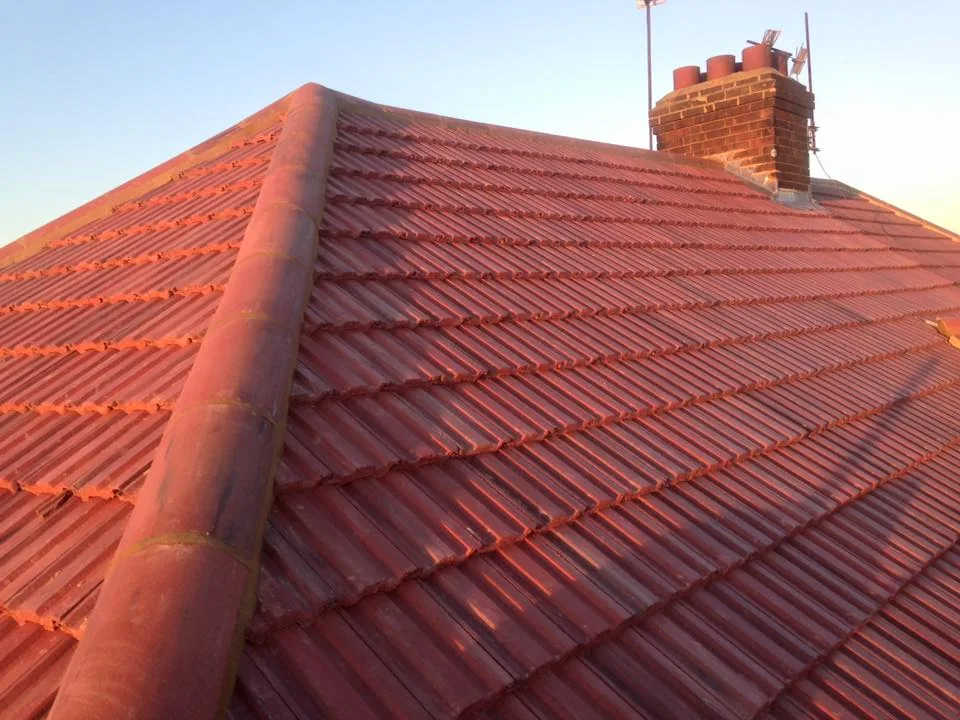
Substitutes do have real strengths. They weigh far less, cut easily, and carry no scrap value, so thieves leave them alone. That last point matters on exposed church-style roofs and isolated period homes. For a plain modern house they can be a sensible call. For a heritage or listed building, real lead is usually the only finish that looks and behaves right. You can read how this fits into our Heritage & Listed Building Roofing work, which often runs alongside our Slate Roofs service on older properties.
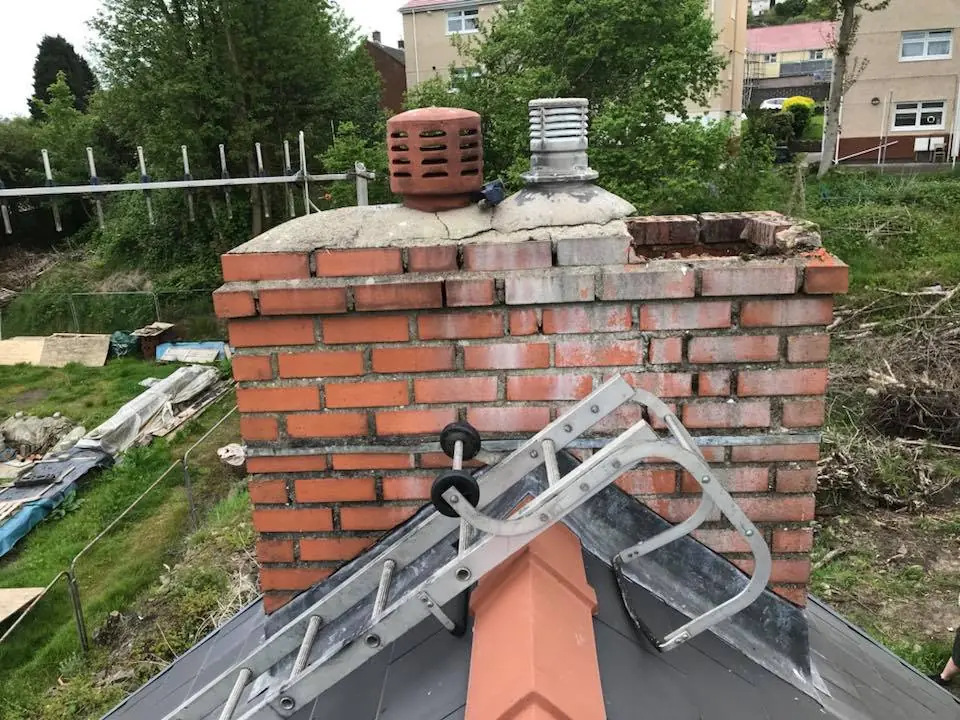
Chimneys, Valleys and Wall Abutments — The Trouble Spots
Most lead leaks come from a handful of junctions. Each one needs a different detail, and each one fails in its own way when the lead is old or badly fitted.
Here is where the trouble usually starts:
- **Chimneys*— the front apron, side step flashings and soakers, plus a back gutter behind the stack, all work together to keep the join dry
- **Valleys*— a lead-lined valley carries water off two slopes at once, so a split here dumps a lot of water fast
- **Abutments*— where a lower roof meets a taller wall, the lead must lap into the brickwork and down the tiles at once
- **Parapets and box gutters*— hidden behind a raised wall, these hold water longer and need heavier lead and careful falls
Chimneys give us the most call-outs across Husbands Bosworth and Desborough. The stack takes the full force of the wind, and the mortar joint holding the flashing weakens over the years. We strip the old lead, cut fresh chases into the brickwork, and dress new lead in. Done properly, the join sheds water cleanly for decades, not seasons.
Repointing and Refixing — When Lead Needs a Repair, Not Replacement
Sound lead does not always need ripping out. Often the lead is fine and the mortar around it has failed. The join lets water in because the pointing has crumbled, not because the metal has gone.
In that case we rake out the old mortar, tuck the lead back into the chase, and repoint it with fresh mortar and lead wedges. This is a repair, not a re-cover, and it costs far less. We check the whole detail first, so you are not paying to replace lead that has years left in it.
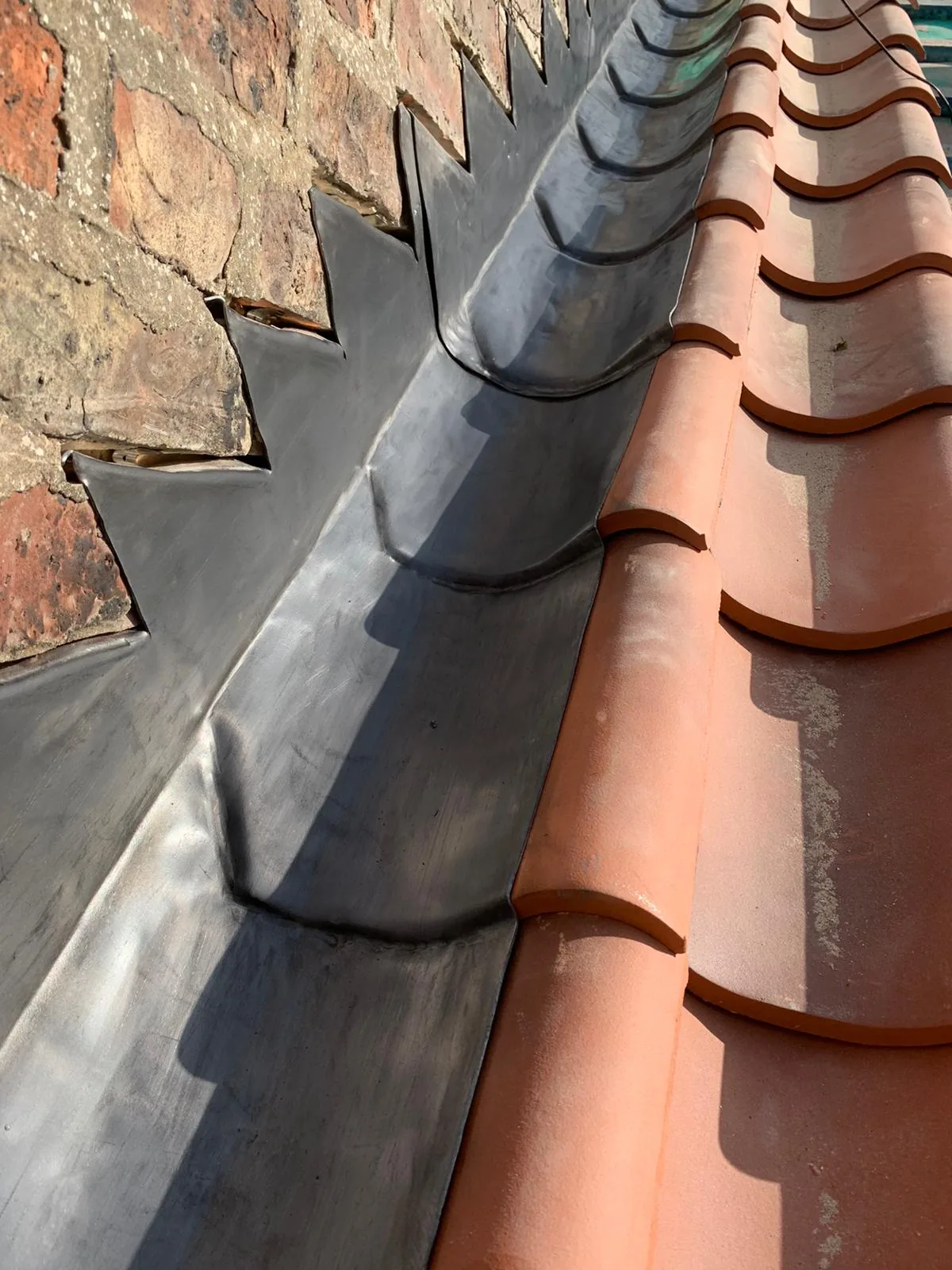
One thing worth knowing about new lead. A white, chalky bloom often appears on fresh lead in the first few months. That is a natural carbonate film, not a fault. We brush patination oil onto new lead to hold it back, so it does not streak your brickwork. It is a small step that keeps the finish clean on homes around Great Bowden and the Welland Valley.
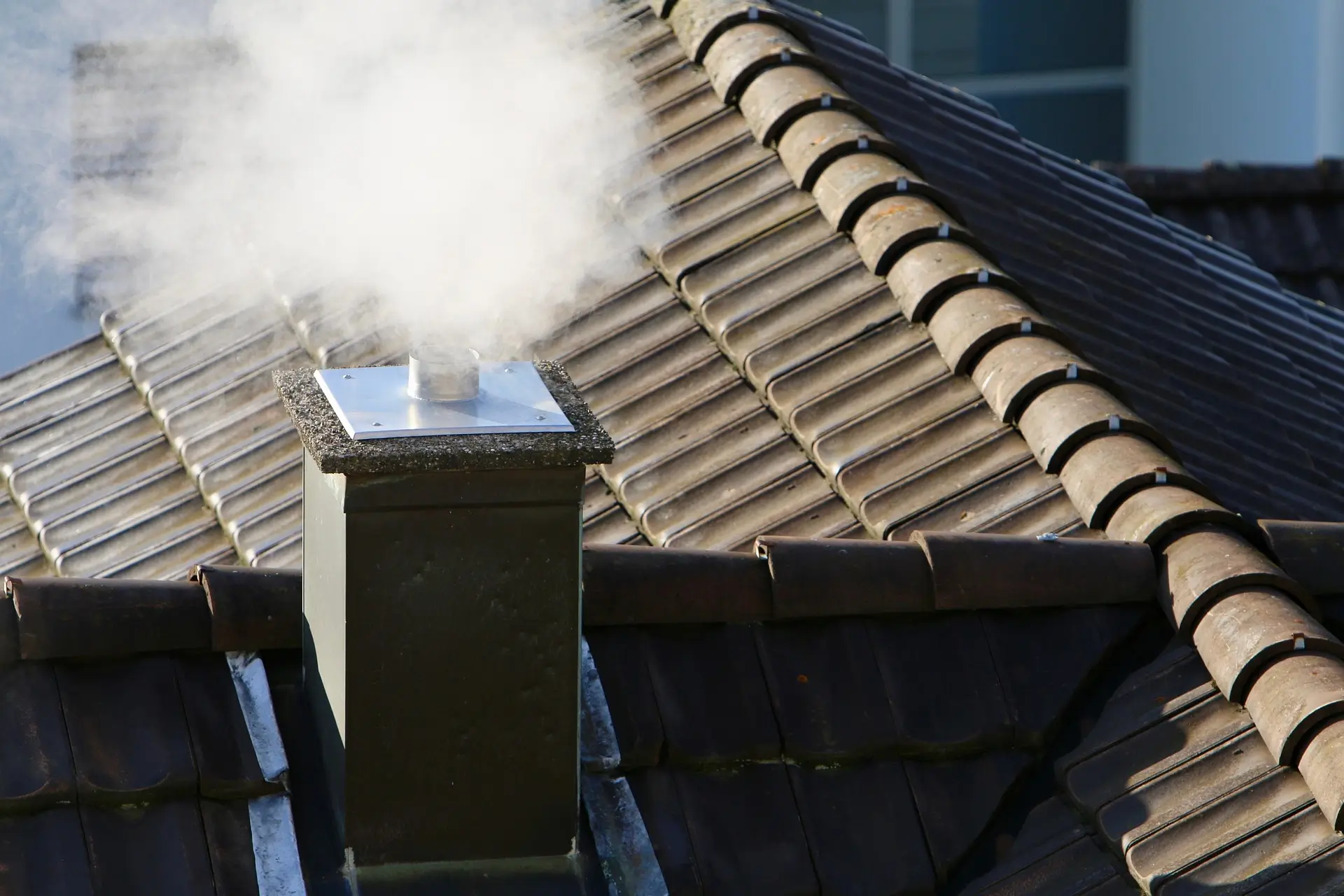
What Lead Work Costs in Market Harborough
Price comes down to three things: how much lead, which junction, and the access to reach it.
As a general guide, lead flashing runs roughly £30 to £50 per metre for the work itself. Replacing the leadwork on a single chimney lands somewhere around £350 to £460 without scaffold, rising to £700 to £920 once a scaffold is needed. Repointing a chimney on its own sits nearer £250 to £350. Releading a whole roof of flashings works out around £80 to £140 per square metre of lead used.
What moves the figure up or down:
- **Access*— a chimney reached off a ladder costs far less than one that needs a full scaffold
- **Lead code and quantity*— heavier Code 5 and Code 6 lead costs more per metre than Code 4
- **Junction type*— a simple apron is quick, while a back gutter or valley takes longer to dress
- **Brickwork condition*— soft or blown mortar needs raking out and repointing before the lead goes back
- **Height and roof pitch*— a steep or tall roof adds time and safety kit
These are general market ranges, not a quote for your roof. Two chimneys the same size can price very differently once access and brickwork are counted in. The only way to a firm figure is a proper look, which is exactly what our free drone survey gives you, followed by a clear written price with nothing added later. A fixed price needs a survey.
Why Market Harborough Homeowners Call Tate & Sons First
Lead work is a craft, and it shows in who does it. Founder Michael Tate has a particular eye for heritage lead work on older properties, built over more than 30 years on the tools. He surveys the jobs himself, reads how each junction has failed, and works to one rule: fix the cause, not just the symptom. He will never smear sealant over old lead to buy a season, then leave you the same leak next winter.
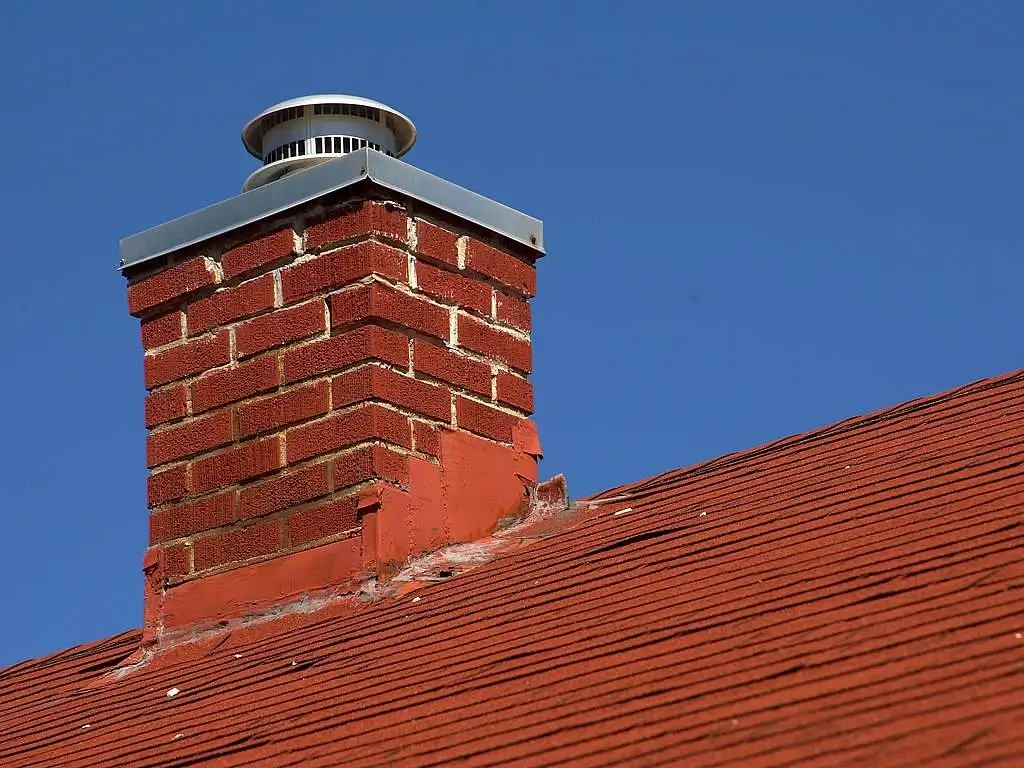
His son Ryan Tate runs the site work, so the crew that quotes your job is the crew that dresses the lead. Between us we carry over 45 years of combined experience, hold NVQ Level 2 and 3 qualifications in Roofing Occupations, and keep CSCS cards and NFRC trade-body membership. You get a straight answer, a fair price, and lead that lasts. Read more about the people behind the work on our About Tate & Sons Roofing page.
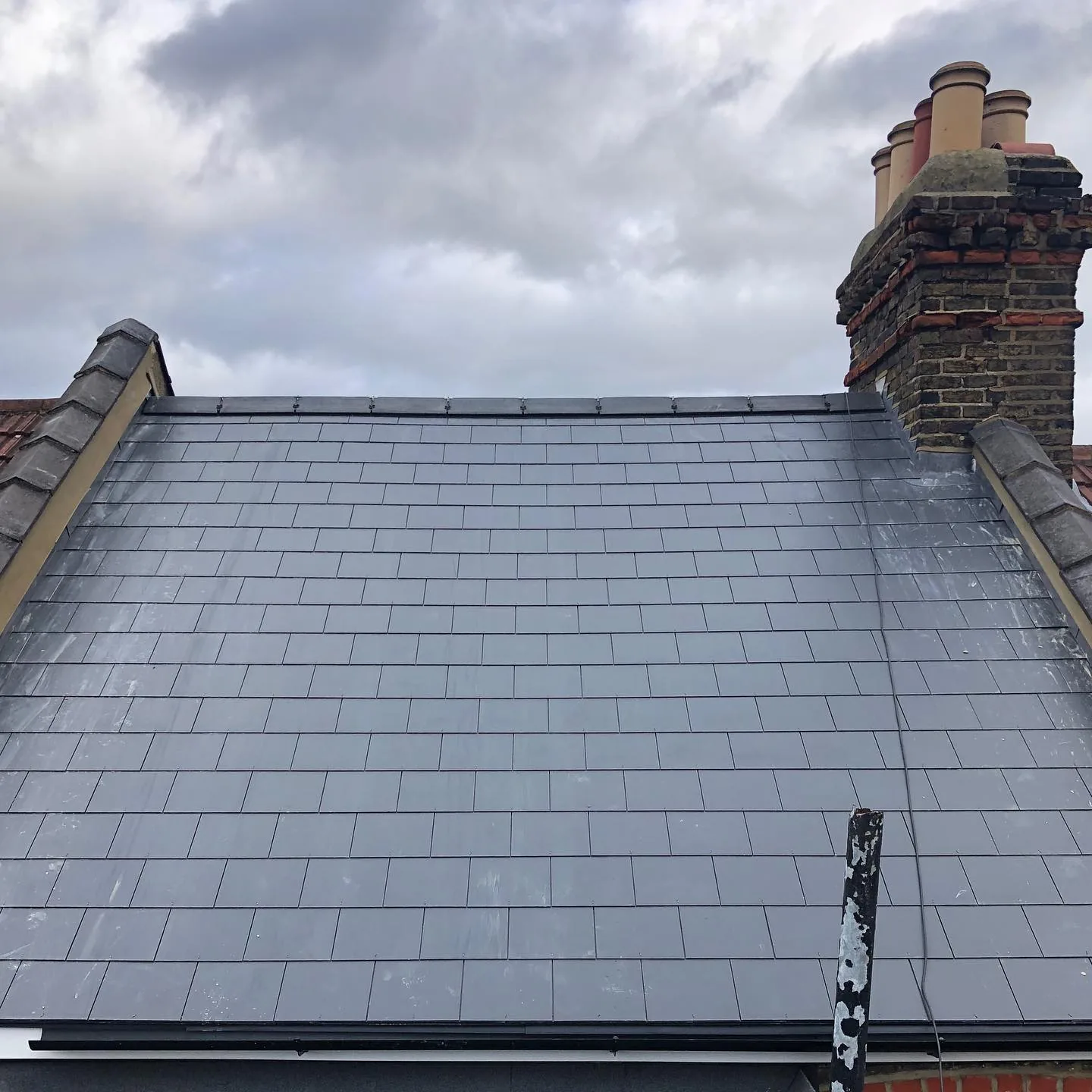
Areas We Serve Across Market Harborough and the Harborough District
We fit and repair lead work across Market Harborough and the surrounding Welland Valley villages. If your area is not on the list below, call us anyway — if you are nearby, there is a strong chance we cover you.
- Market Harborough (LE16)
- Great Bowden (LE16 7)
- Little Bowden (LE16 8)
- Lubenham (LE16 9)
- Foxton (LE16 7)
- Medbourne (LE16 8)
- Kibworth Beauchamp (LE8)
- Great Glen (LE8 9)
- Fleckney (LE8 8)
- Husbands Bosworth (LE17 6)
- Desborough (NN14 2)
Got Questions?
Your Lead Work Questions, Answered Properly
What does lead flashing actually do?
It seals the joints on your roof that tiles alone cannot. Lead bridges the gap where the roof meets a chimney, a wall or a valley, then folds into the brickwork to lock water out. It works because the metal bends into any shape and moves with heat and cold without cracking. Without sound flashing, rain runs straight into the join and down inside the wall. Every pitched roof relies on it at these weak points.
What lead code do I need for flashing?
Code 4 suits most general flashings, soakers and small aprons on a standard home. Step up to Code 5 for step flashings, valleys and any spot that takes a harder battering from the weather. Code 6 is for box gutters, parapets and long runs where the lead needs real weight. On a period roof we match the code already there, which is often Code 5 or heavier. We tell you which code your job needs at the survey.
How long does lead flashing last?
Real rolled lead, fitted well, lasts 60 years or more. Plenty of Victorian lead is still doing its job today, well past the hundred-year mark. What kills lead early is bad fitting, not age. A run left too long with no laps will fatigue and split within a few winters. Fit it in the right lengths with proper laps, and it outlives most of the roof around it.
Is real lead better than a lead substitute?
For life span and looks, yes, real lead wins on most roofs. It lasts 60 years or more, against 15 to 25 for many substitutes. Substitutes do have uses, though. They weigh less, cost less, and carry no scrap value, so thieves leave them alone. On a plain modern house that can be a sensible choice. On a heritage or period property, real lead is almost always the right finish.
Can lead flashing be repaired, or does it need replacing?
Often it can be repaired. Many leaks come from failed mortar around sound lead, not from the metal itself. In that case we rake out the old pointing, tuck the lead back into the brickwork, and repoint it with fresh mortar and wedges. That costs far less than a full re-cover. We only recommend new lead when the metal is cracked, tired or missing.
Why has the lead around my chimney turned white and powdery?
That white bloom is a natural carbonate film, not a fault. Fresh lead reacts with the air and forms it in the first few months. Left alone it can wash down and streak your brickwork below. We brush patination oil onto new lead to hold it back and keep the finish clean. If old lead is streaking badly, it is worth a look to check the join underneath.
How much does lead flashing cost in Market Harborough?
Lead flashing runs roughly £30 to £50 per metre for the work. Replacing the leadwork on a single chimney sits around £350 to £460 without scaffold, rising to £700 to £920 once a scaffold is needed. A whole roof of flashings works out near £80 to £140 per square metre of lead. Access and brickwork condition move the figure most. A free drone survey gives you an exact written price rather than a rough phone estimate.
Do you replace lead on listed and period buildings?
Yes, and it is work we take seriously. Michael Tate has a particular eye for heritage lead on older homes across the district. We match the original lead code and detail, so the finish looks right and behaves right. Listed buildings and some conservation areas need consent before work, and we flag that before quoting. Older properties around Medbourne, Foxton and the Bowdens are exactly where careful lead work pays off.
Book Your Free Drone Roof Survey Today
See exactly what your lead work needs before any job starts. No ladders, no pressure — just a clear picture from a local Market Harborough team.
Every week a cracked flashing waits, water works deeper into the wall and timber behind it. A quick, free survey today tells you exactly where you stand — and often the fix is smaller and cheaper than you feared. Book now, get an honest quote, and protect your home before the next downpour finds the weak spot.
ð 5 Hood Close, Market Harborough, LE16 9XS
ð 01858 457600
Call the Market Harborough team today on 01858 457600, or request your free drone survey online. We're already working across your area.
Book Your Free Drone Roof Survey
See exactly where your roof stands, with no obligation and no pressure. Call our Market Harborough team or request your free drone survey today.
Get in Touch
Tate & Sons Roofing — Market Harborough Office
5 Hood Close, Market Harborough, LE16 9XS
📞 01858 457600
✉️ [email protected]