
🏠 Trusted Local Roofers
Green Roof Installation Nottingham
A green roof only works if what's underneath it is right. Get the waterproofing, drainage, and structural check wrong, and a living roof turns into a leaking one within a few wet Nottingham winters. This page covers what green roof installation in Nottingham actually involves, what it costs, and how to check the job was done properly. As a roofing contractor working across the city, we build green roofs on the same principle as everything else we fit: right materials, done properly, built to last.
- Fully Insured
- 10-Year Guarantee
- 5-Star Rated
Quick Free Estimate - No Obligation
We're not just roofers – we're your neighbours.
Fully Insured • Response within 15 mins
🔒 Your details are safe with us. No spam, ever.
Sedum, Wildflower or Intensive: Which Green Roof Suits Your Nottingham Home?
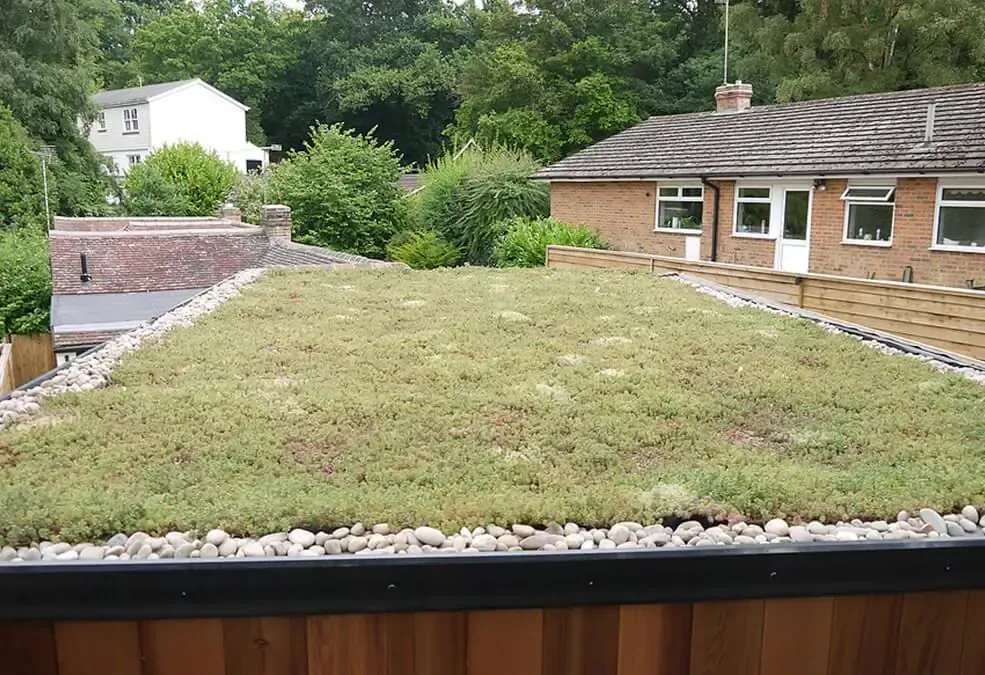
A green roof (also called a living roof) is a roof covered in a waterproof membrane, a drainage layer, growing medium, and living plants, instead of tiles or felt. For most Nottingham homes, an extensive sedum roof is the easiest fit. It's light, needs little upkeep, and suits garages, extensions, and garden rooms. A wildflower roof gives you more colour and better wildlife value, but asks for more feeding and watering through the growing season. An intensive green roof — a proper roof garden with shrubs, small trees, or even turf — needs a much stronger structure and regular gardening, closer to a normal garden than a roof.
The right pick depends on three things:
- What your roof structure can actually carry once the growing medium is soaked through
- How much time you want to spend maintaining it once it's in
- Whether you want a low, hardy carpet of planting or a usable garden space up top
A free survey settles which system fits your roof — see the comparison table further down this page for lifespan and cost at a glance.
Extensive vs Intensive: What Each System Actually Involves
Lifespan and cost only tell half the story. Here's how each system behaves once it's built, and what it asks of your roof and your time.
Extensive Green Roof (Sedum)
- Uses a shallow growing layer, typically 60mm to 150mm deep, called the substrate (the soil-like growing medium the plants root into)
- Planted with sedum, moss, and other drought-hardy species that shrug off dry spells and thin soil
- Weighs roughly 60kg to 150kg per m² once fully soaked, light enough for most flat-roof extensions and garages
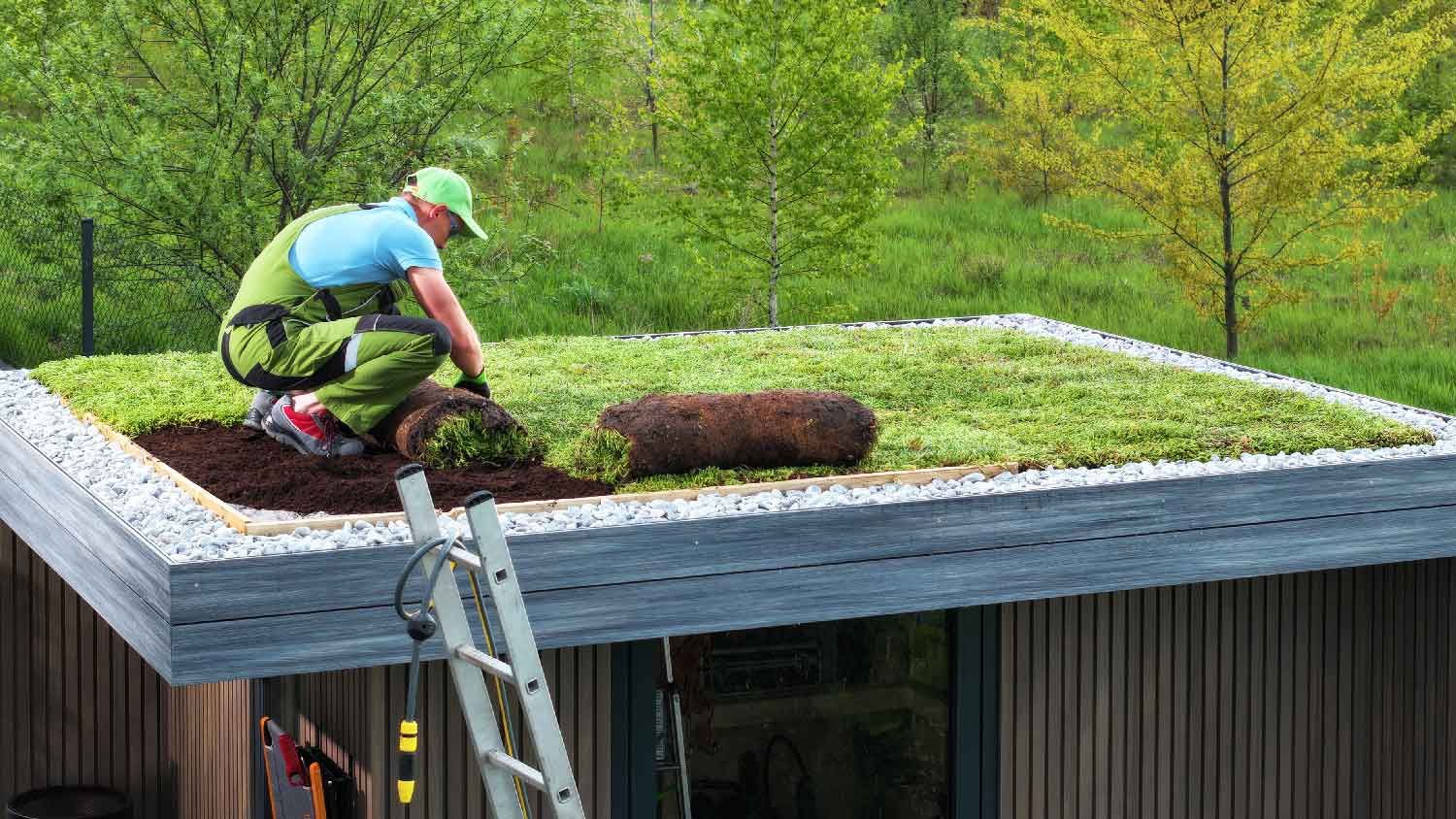
- Can be laid as pre-grown vegetation matting, plug plants, or modular trays, depending on how fast you want cover
- Needs the least looking after of the three systems, once established
Wildflower Roof (Semi-Intensive)
- Runs a deeper substrate, usually 100mm to 200mm, to support a wider mix of meadow species
- Gives far better colour and pollinator value than a sedum-only roof
- Needs more regular feeding and watering through spring and summer than an extensive roof
- Sits heavier on the structure than sedum, so it needs checking at survey stage
- Suits homeowners who want a visible, changing roof rather than a flat green mat
Intensive Green Roof
- Uses a substrate of 150mm or more, deep enough for shrubs, small trees, and even turf
- Weighs 180kg to 500kg or more per m² when saturated, so it almost always needs extra structural work
- Functions as a proper garden, with irrigation, borders, and regular gardening upkeep
- Best suited to purpose-built roof terraces, new extensions, or commercial roofs designed with the load in mind from the start
- The most expensive and most involved of the three, but gives you real usable outdoor space
If your home already has a traditional pitched, tiled roof rather than a flat one, a full green roof conversion usually isn't practical. In that case, a dry ridge system or dry verge system is often the better upgrade — both cut out the crumbling mortar that causes leaks on older pitched roofs without needing a structural rebuild.
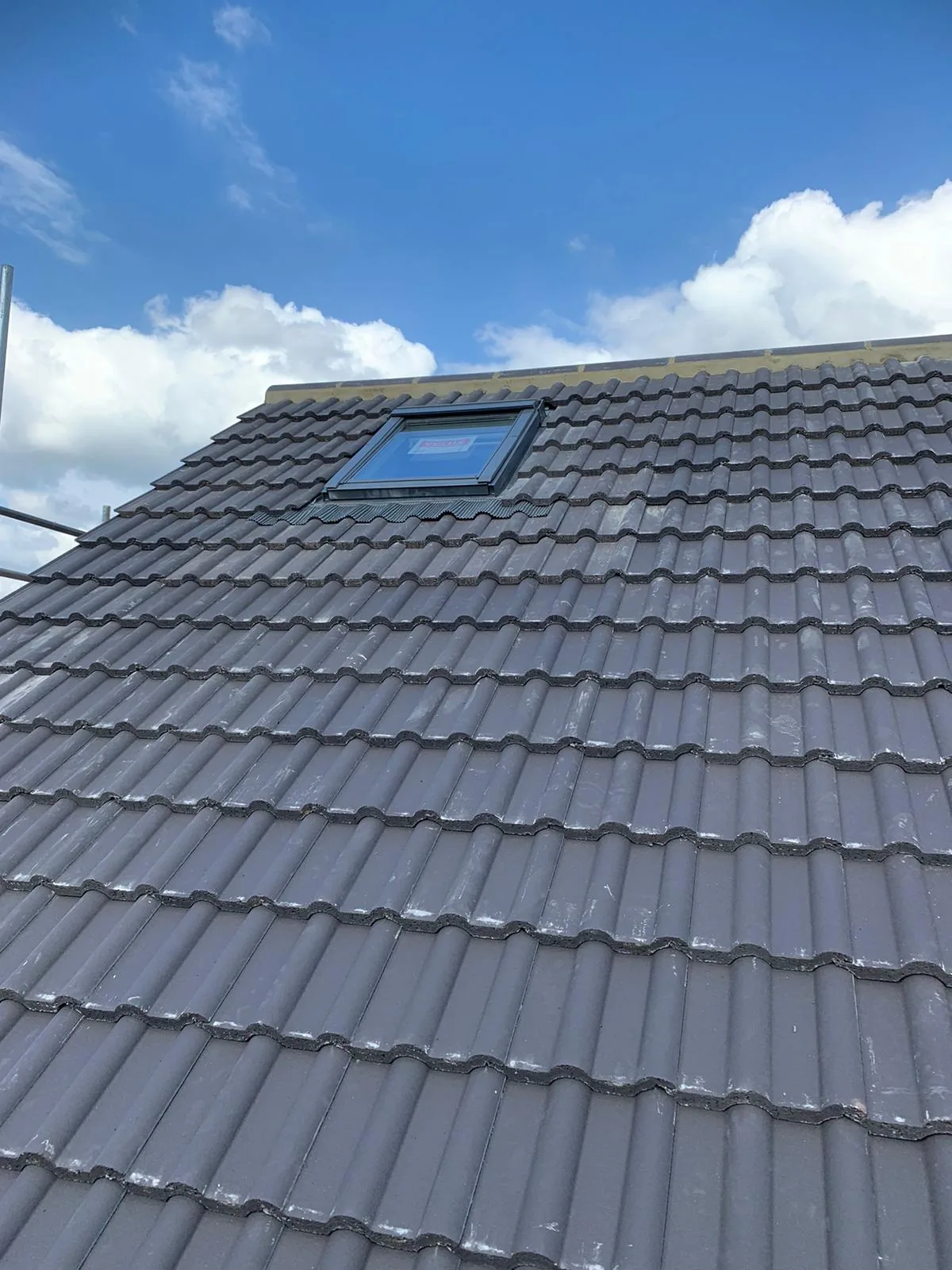
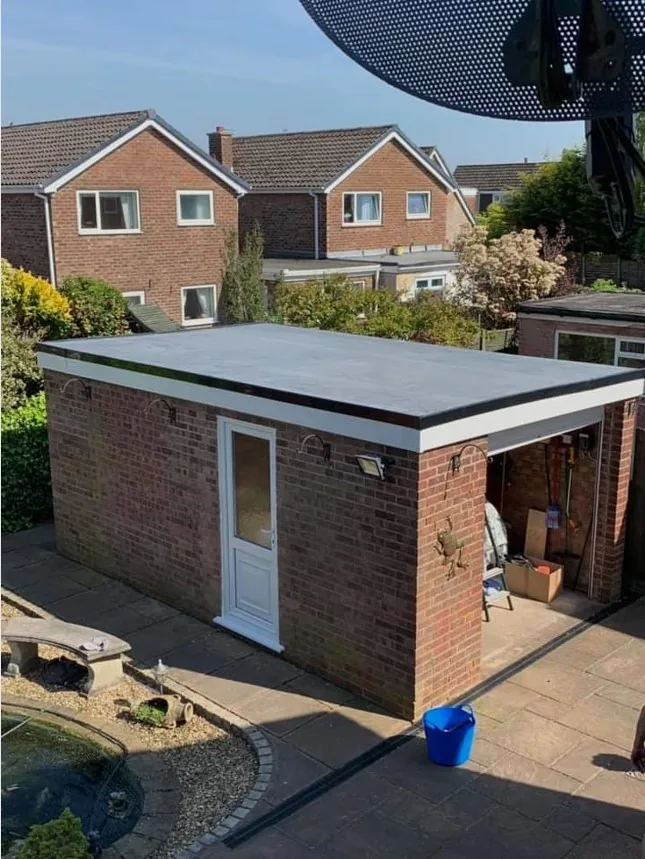
Green Roofs at a Glance
A green roof is a build-up of waterproofing, a root barrier (a membrane that stops roots growing into and damaging the waterproof layer beneath), drainage, substrate, and plants, laid over a structurally checked flat or low-pitch roof deck. Extensive sedum systems cost the least, weigh the least, and need the least upkeep, while intensive roof gardens cost the most and need regular gardening. Most Nottingham homes suit an extensive or wildflower system on a garage, extension, or garden room roof, provided the deck and structure can take the saturated weight, confirmed through a survey and, where needed, a structural engineer's check.
Can Your Roof Take the Weight? What Happens Before We Start
Every green roof job starts with working out what your structure can actually carry, not a guess from the ground.
- We carry out a free drone survey of the existing roof, deck, and structure — no ladders needed
- We calculate the saturated weight of your chosen system (its full weight once the growing medium and plants are soaked through, which can run 20% to 50% heavier than dry weight)
- Where the structure is close to its limit or unclear, we bring in a structural engineer to confirm what it can safely carry
- We check the existing deck for rot, movement, or past repairs that need sorting before anything is built on top
- We tell you honestly whether your roof needs reinforcement, or whether it's ready to go as it stands
- If you're near The Park or Lenton, we flag anything that needs conservation area sign-off before work starts
- You get a firm quote and an agreed scope, including which planting method suits your roof, before any material arrives on site
Most straightforward green roofs don't need planning permission, since they're treated as a permitted development change as long as the roof's height and shape stay the same. Building Regulations still apply, mainly around structural loading and fire safety, so a Building Regulations notification is usually needed alongside your structural sign-off. We handle that paperwork as part of the job.
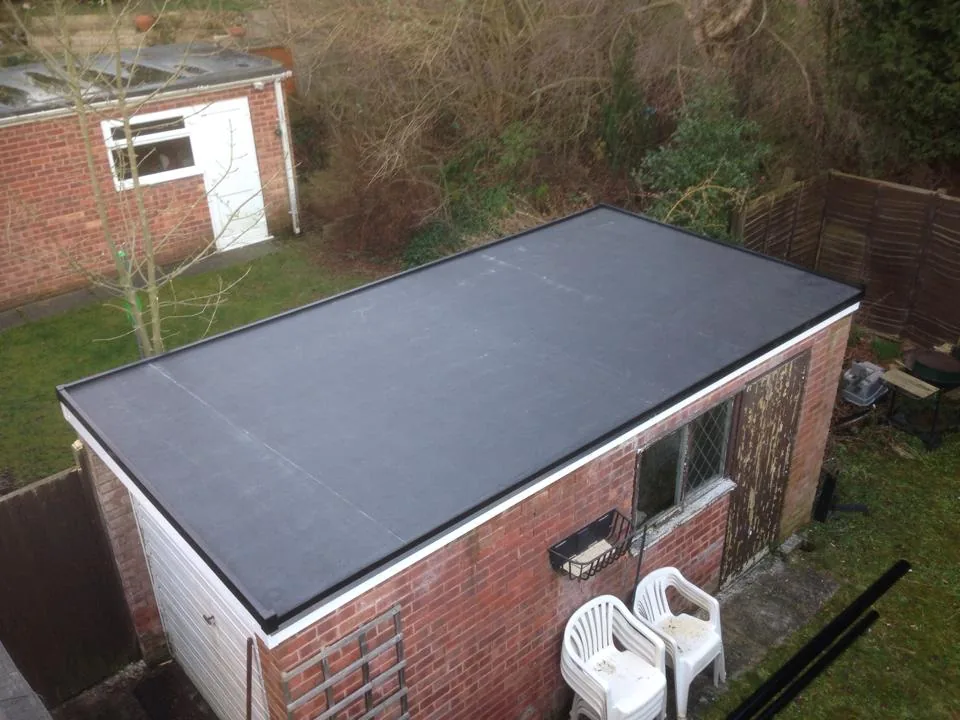
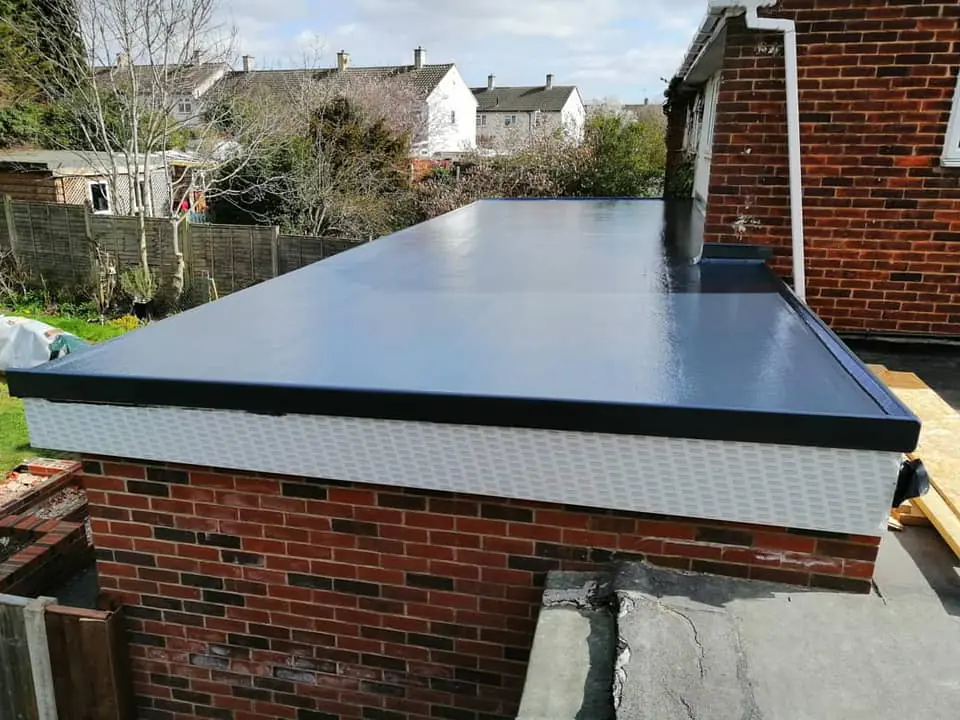
How We Install a Green Roof That Stays Watertight Underneath
The planting is the part everyone sees. The waterproofing underneath is the part that decides whether the roof lasts.
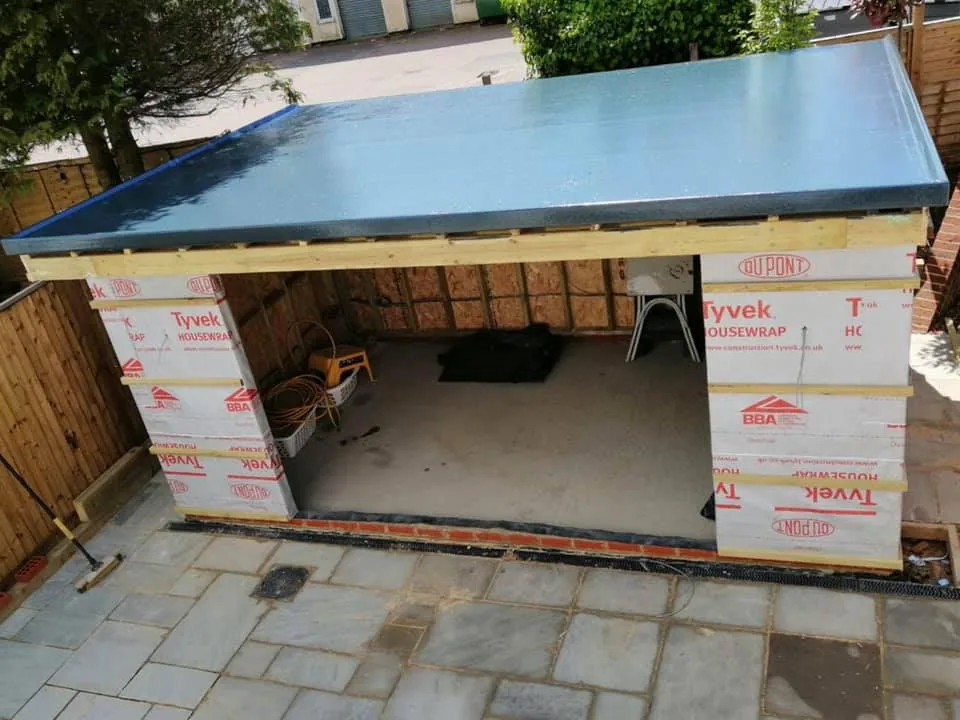
- Strip the existing roof back to a sound deck, or build a new deck if it's a new structure
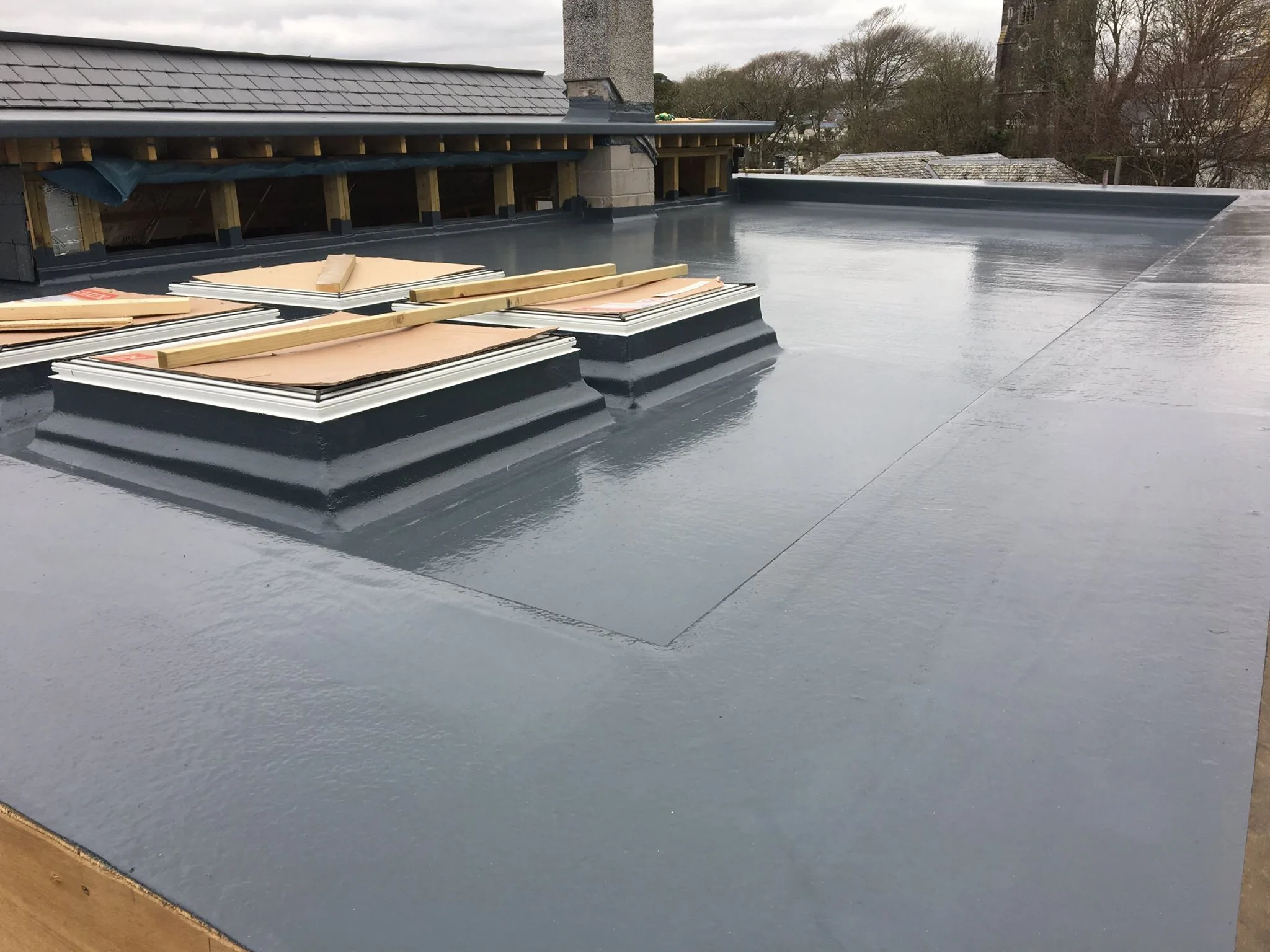
- Fit a fully bonded waterproof membrane, usually EPDM rubber or a single-ply system, with proper falls so water reaches the outlets
- Lay the root barrier over the membrane, protecting it from root growth and mechanical damage
- Install the drainage layer, which channels excess water away while holding a reserve for the plants during dry spells
- Add a filter fleece to stop the substrate washing down into the drainage layer over time
- Spread the substrate to the correct depth for your chosen system, then establish the planting
- Fit edge trims and a gravel or paved maintenance margin, so you can access the roof without standing on the planting
Planting itself can go in a few different ways, depending on budget and how fast you want full coverage. Pre-grown vegetation matting gives near-instant cover but costs more upfront. Plug plants and seeding cost less but take a season or two to fill in. Modular trays, pre-grown off-site, offer a middle ground and suit smaller or awkward roof areas. The Green Roof Organisation's guide to establishing plants on a green roof covers the trade-offs between these methods in more detail. We'll talk you through which suits your roof and budget at survey stage.
How to Check Your New Green Roof Was Installed Properly
A green roof hides its waterproofing under a layer of soil and plants, so it pays to know what good work looks like before it's covered up.
- Ask to see photos of the deck and the fully bonded membrane, taken before the drainage layer and substrate went on top — a reputable installer takes these as standard
- Check the substrate depth matches what was agreed for your system, since a thin layer struggles to hold moisture or support the planting
- Look for a proper edge detail and maintenance margin around the perimeter, not planting running straight up to the parapet or upstand
- Confirm outlets and drainage channels are clear and unobstructed, so water can't pool against the membrane
- You should receive written confirmation of the waterproofing system used, the substrate depth, and any Building Regulations sign-off
- We back every green roof we fit with a 10-year workmanship guarantee, in writing, from day one
Keeping Your Green Roof Thriving All Year Round
A living roof needs a little regular attention to stay healthy and to keep protecting the waterproofing underneath.
- Weed and inspect an extensive sedum roof once or twice a year, ideally spring and autumn
- Feed sedum roofs lightly around twice a year to keep coverage thick and healthy
- Check wildflower or semi-intensive roofs monthly through the growing season, since they need more feeding and watering than sedum alone
- Water during long dry spells, particularly in a Nottingham summer drought, since even hardy sedum can brown off and thin out without any moisture at all
- Clear outlets and drainage channels of leaves and debris at least twice a year, especially after autumn leaf-fall
- Check the maintenance margin and edge trims annually, and keep planting from spreading over drainage outlets
- Give the roof a five-minute visual check after any major storm, catching membrane or edge damage before it becomes a leak
Cost & Pricing Guidance
Green roof pricing across the UK for 2025/26 typically runs like this:
- Extensive sedum roof: £70-£150 per m²
- Wildflower / semi-intensive roof: £100-£200 per m²
- Intensive roof garden: £200-£400+ per m²
- Structural engineer assessment, where needed: £300-£600
A typical garage, extension, or garden room roof (10m² to 20m²) costs roughly £700 to £3,000 all in for an extensive sedum system, depending on size, access, and whether the existing deck and waterproofing need replacing first.
What pushes the price up or down: whether you're building on an existing sound flat roof or starting from a stripped-back deck, access for materials, the substrate depth and system chosen, any structural reinforcement needed, and how established you want the planting to look on day one.
These are general ranges, not a quote. A fixed price needs a survey.
Comparison Table: Green Roof Systems
| System | Typical Lifespan | Best For | Relative Cost |
|---|---|---|---|
| Extensive Sedum | 30-40 years (membrane), replanted as needed | Garages, extensions, low-maintenance roofs | £ (lowest) |
| Wildflower / Semi-Intensive | 30-40 years (membrane), 5-10 years per planting cycle | Wildlife value, visible colour, garden rooms | ££ |
| Intensive Roof Garden | 40-50 years (membrane) with ongoing planting upkeep | Purpose-built terraces, usable outdoor space | £££ (highest) |
| EPDM Waterproofing Base | 30-40 years | The waterproof layer beneath any green roof system | Included in system cost |
Why Choose Tate & Sons for Your Green Roof
Green roof installation is led by Daniel Oakland, Project Manager and Lead Roofer, who has 20+ years in the trade. He specialises in EPDM, GRP, and flat roof waterproofing systems, which is exactly what sits underneath every green roof we build, and he oversees each job from the first survey through to planting.
Tate & Sons was founded by James Tate on a simple idea: find out what's genuinely wrong, use the right materials, and leave something that holds for years, not months. That founding approach matters even more on a living roof, where a poor waterproofing job gets buried under soil and plants for years before it ever shows up as a leak. Read more on our About page.
Our roofers are directly employed, not subcontracted. They hold NVQ Level 2 and 3 qualifications in Roofing Occupations and carry CSCS cards. Every green roof comes with a free drone survey up front and a 10-year workmanship guarantee once the work is finished.
Green Roof Installation Across Nottingham and the Wider County: Areas We Serve
We design and install green roofs right across Greater Nottingham and out into the wider county. Wherever your property sits, our crews know the local weather, the housing stock, and the access.
- Nottingham City Centre (NG1)
- The Park (NG1)
- West Bridgford (NG2)
- Sneinton (NG2)
- Wollaton (NG8)
- Lenton (NG7)
- Beeston (NG9)
- Chilwell (NG9)
- Stapleford (NG9)
- Arnold (NG5)
- Sherwood (NG5)
- Mapperley (NG3)
- Carlton (NG4)
- Gedling (NG4)
- Hucknall (NG15)
- Long Eaton (NG10)
- Mansfield (NG18)
- Sutton-in-Ashfield (NG17)
Got Questions?
Your Green Roof Installation Questions, Answered Properly
What is a green roof and how does it actually work?
A green roof is a roof built up with a waterproof membrane, a root barrier, a drainage layer, growing medium, and living plants instead of tiles, felt, or a bare membrane. Rainwater soaks into the substrate and feeds the plants, with the drainage layer carrying away anything the roof can't hold. The waterproof membrane and root barrier do the real work of keeping your building dry underneath, while the planting on top protects that membrane from sun and temperature swings. Done properly, it works like any other flat roof, just with a living surface instead of a bare one.
How much does a green roof cost to install in the UK?
An extensive sedum roof typically costs £70-£150 per m², a wildflower roof £100-£200 per m², and an intensive roof garden £200-£400 or more per m². A typical garage or extension roof of 10m² to 20m² runs roughly £700 to £3,000 for an extensive system, all in. The exact figure depends on whether your existing deck and waterproofing are sound, access for materials, and how established you want the planting on day one. A survey gives you a fixed price.
Can my roof take the weight of a green roof?
Most roofs can carry an extensive sedum system, which weighs roughly 60kg to 150kg per m² once fully saturated, but it needs checking, not assuming. Intensive roof gardens weigh far more, up to 500kg per m² or beyond, and almost always need extra structural work. We calculate the saturated weight of your chosen system during survey, and bring in a structural engineer to confirm capacity wherever the numbers are close to the limit. Skipping this step is the single biggest cause of green roof failures, so we never do.
Do I need planning permission for a green roof in Nottingham?
Most straightforward green roofs don't need planning permission, as long as the roof's height and overall shape stay the same as before. Building Regulations still apply, mainly around structural loading and fire safety, so you'll usually need a Building Regulations notification alongside your structural check. Conservation areas around The Park and parts of Lenton can bring extra restrictions, so it's worth checking before committing to a design. We flag anything that applies to your property during your survey and handle the paperwork for you.
Is sedum or wildflower better for a green roof?
Sedum suits homeowners who want the lowest-maintenance, most drought-hardy option, since it copes with thin soil and dry spells better than almost anything else. Wildflower gives you far better colour and pollinator value, but needs more regular feeding, watering, and monthly checks through the growing season. Sedum also weighs less once saturated, which matters if your structure is closer to its weight limit. Most Nottingham homeowners who want a set-and-forget roof choose sedum, while those wanting a visibly changing, wildlife-friendly roof lean towards wildflower.
How long does a green roof last?
The waterproof membrane underneath a well-built green roof typically lasts 30 to 40 years, often longer than the same membrane left exposed, since the planting shields it from UV and temperature swings. Sedum planting is naturally long-lived and largely self-sustaining once established. Wildflower and semi-intensive planting tends to need replenishing or reseeding every 5 to 10 years to keep coverage thick. The single biggest factor in lifespan is how well the waterproofing and drainage were detailed at installation, not the planting itself.
How much maintenance does a green roof need?
An extensive sedum roof needs the least upkeep of any system, typically a check and light weeding once or twice a year plus feeding around twice annually. Wildflower and semi-intensive roofs need more attention, with checks recommended at least monthly through the growing season for watering and feeding. Intensive roof gardens need upkeep closer to a normal garden, including regular watering, pruning, and seasonal planting work. Clearing outlets and checking drainage twice a year applies to every system, whatever the planting on top.
Can I fit a green roof on a garage, garden office, or bin store roof?
Yes, small outbuildings are some of the easiest and most popular green roof projects, since they're usually flat-roofed and lightly loaded to begin with. A garage, garden office, or bin store roof is a good fit for an extensive sedum system, which is light enough to suit most existing structures without major reinforcement. It also gives you a straightforward, low-cost way to try a green roof before considering a larger extension roof. We still check the structure and waterproofing before quoting, since even a small roof needs the same weight and drainage checks as a big one.
Do green roofs cause leaks or damp problems?
A properly built green roof shouldn't leak any more than a standard flat roof, since the waterproof membrane and root barrier underneath do the actual job of keeping water out. Leaks on green roofs almost always trace back to poor detailing at the install stage, not the planting itself — a membrane that wasn't fully bonded, a missing root barrier, or drainage that was never checked. Because the waterproofing sits hidden under soil and plants, it's worth asking any installer for photos of the membrane before it was covered. That's exactly why we photograph every layer before it disappears under the next one.
Book Your Free Drone Roof Survey Today
A free drone survey shows us exactly what your roof can carry before a single tray of substrate goes anywhere near it — no ladders, no guesswork, just a clear picture from a local Nottingham team. A green roof built on an unchecked structure or a poorly detailed membrane doesn't fail quietly; it fails as a slow leak buried under soil that's far more disruptive to fix than a bare flat roof ever would be. The longer a weak deck or ageing membrane sits under new planting, the more it costs to put right later. Book your survey now and get an honest answer on what your roof can take before we plant a single sedum cutting.
Get in Touch
Tate & Sons Roofing — Nottingham
57 Cyril Avenue, Nottingham, NG8 5BA
📞 0115 647 4455
✉️ [email protected]