
🏠 Melton Mowbray Green Roof Installation Specialists
Green Roof Installation Melton Mowbray — A Living Roof Built to Perform for Decades
- Free Drone Survey
- Directly Employed Roofers
- Written Fixed Price
📞 Call 01664 490955 — free drone survey & a written price
Book Your Free Drone Survey
No scaffold. No pressure. No obligation.
Straight answers from local Melton Mowbray roofers.
🔒 Your details are safe with us. No spam, ever.
A green roof does more than sit on top of your home. It slows rainwater, cools the rooms below it, and turns a bare flat roof into a living surface. Green roof installation in Melton Mowbray is growing fastest on garages, extensions and modern flat-roofed builds, where homeowners want more from a roof than plain weatherproofing. Tate & Sons Roofing fits extensive, intensive and biodiverse systems across Melton Mowbray and the wider Melton borough, from a single garage roof to a full living roof over a new extension.
This page walks you through whether your roof can take the weight, which green roof system suits your property, the planning rules that actually apply, what installation day looks like, and real cost ranges. Start with a free drone survey and a written quote before anything is agreed — no scaffold just to take a look, and no charge either way. A green roof installation is one part of the wider service we offer as a roofing contractor across Melton Mowbray.
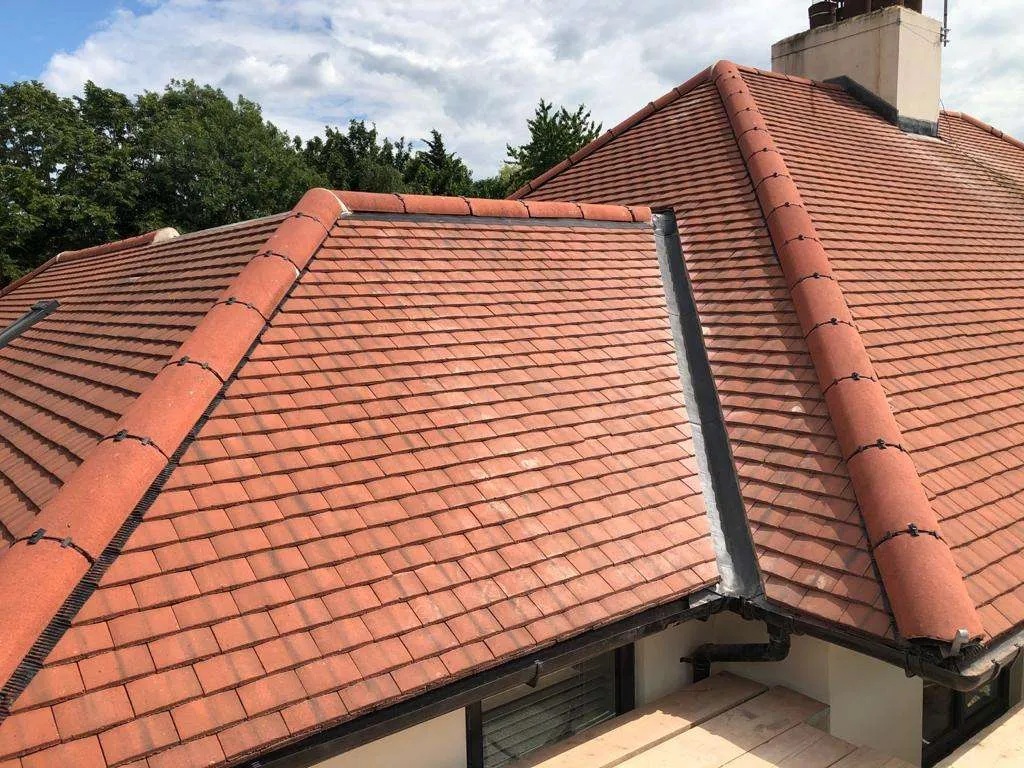
Know Whether Your Roof Can Carry a Green Roof
Not every roof is built to carry a green roof. A standard flat roof deck is usually designed for a maintenance load of around 10 kilograms per square metre, plus the odd person walking across it. A green roof adds far more weight than that, so the first question is always structural, not decorative.
Weight depends on the system and how wet the substrate is after rain:
- Extensive systems: roughly 60–150kg per m² dry, rising when saturated
- Biodiverse systems: similar range to extensive, typically 70–170kg per m² saturated
- Intensive systems: often above 300kg per m², and up to 700–900kg per m² fully saturated
Most of the roofs we convert around Melton Mowbray start life as a standard flat roof over a garage, extension or dormer.
If your existing flat covering has reached the end of its working life, it usually needs replacing before a green roof goes anywhere near it — our flat roofing team handles that groundwork as part of the same job.
Where a roof structure is untested or the property is older, we arrange a structural check before quoting rather than after. It is a quick step that avoids a much bigger problem once the substrate and planting are in place.
Choosing the Right Green Roof System
Three systems cover almost every green roof fitted around Melton Mowbray. In short: extensive sedum systems are the lightest, cheapest and most common choice for garages and extensions; biodiverse systems use a mixed substrate and wildflower planting to support more wildlife for a similar weight; intensive systems behave more like a roof garden, carrying shrubs, deeper soil and sometimes paving, at a much higher weight and cost.
- Extensive (sedum): £50–£100 per m², 60–150kg/m² (up to ~170kg/m² saturated) — best for garages, extensions, low-pitch roofs and most domestic budgets
- Biodiverse (wildflower): £80–£150+ per m², 70–170kg/m² saturated — best for wildlife value, planning conditions and biodiversity net gain
- Intensive (roof garden): £100–£300 per m², 300kg/m² and up (700–900kg/m² saturated) — best for larger flat roofs, terraces and feature gardens with strong structure
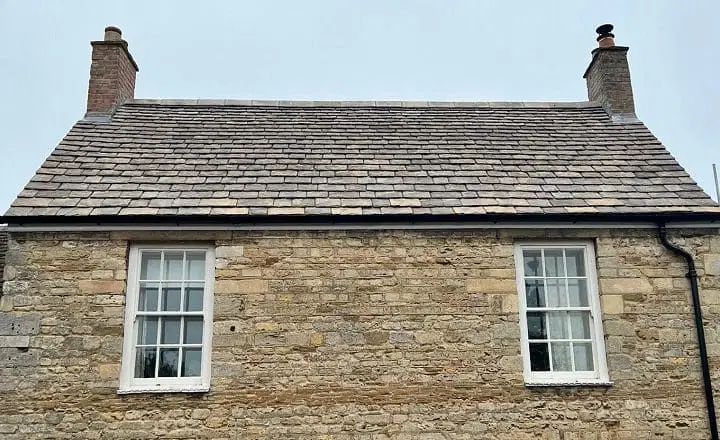
Every system needs a fully sealed, root-resistant waterproof membrane underneath the growing layers before anything is built up. We fit this with a properly detailed EPDM rubber roofing membrane, since a green roof only ever performs as well as the waterproofing hidden beneath it.
Around Old Dalby, where newer executive developments often carry larger flat-roofed garages and garden rooms, we see growing demand for intensive and biodiverse systems as a genuine garden feature rather than a token strip of sedum. A smaller terrace or bungalow extension elsewhere in Melton Mowbray usually suits an extensive system better, both on weight and on budget.
Planning Permission and Building Regs — What Actually Applies
Most green roofs fitted on an existing flat roof, garage or extension do not need planning permission, since they count as a like-for-like covering change rather than a new structure. That changes if your property sits in a conservation area or is listed, where even a roof covering swap can need formal consent.
Building Regulations are a separate matter and almost always apply. A green roof has to meet current standards for structural loading, fire performance and weatherproofing, and we handle the Building Control paperwork as a standard part of the job. Villages such as Frisby on the Wreake and Harby carry pockets of older, more sensitive housing, and we check a property's planning status before quoting so nothing stalls once work is booked in.
What Really Happens on Installation Day
A green roof installation follows a set build-up, layer by layer:
- Existing roof deck checked and any weak timber or decking replaced
- Root-resistant waterproof membrane fitted across the full roof area
- Protection and drainage layer laid to move excess water to the outlets
- Filter fleece added to stop substrate washing into the drainage layer
- Lightweight growing substrate spread to the correct depth for the system
- Sedum matting, plug plants or wildflower seed laid or sown
- Edging, gravel margins and outlets finished and checked for flow
A small extensive system on a garage or extension under 30m² is usually finished in 1 to 3 days once the waterproofing is done. Biodiverse and intensive systems take longer, since deeper substrate and planting need more careful handling and, on intensive roofs, irrigation pipework to fit as well.
What a Green Roof Installation Really Costs
As a general guide, extensive sedum systems typically cost £50–£100 per m², biodiverse wildflower systems £80–£150 or more per m², and intensive roof-garden systems £100–£300 per m² depending on depth and planting. These figures usually include the waterproofing, drainage layer, substrate and planting, but not any structural strengthening the roof might need first.
What pushes a price up or down:
- Substrate depth — deeper growing medium costs more and adds weight
- Existing roof condition — failed or ageing waterproofing usually needs replacing first
- Structural strengthening — extra joists or bracing for intensive systems adds cost
- Access — a garage roof costs less to work on than a roof boxed in by other buildings
- Planting choice — sedum matting is cheaper than wildflower seeding or shrub planting
- Irrigation — intensive systems often need a simple watering system fitted
These are general market ranges, not a quote for your roof — two garages the same size can price very differently once substrate depth, access and roof condition are factored in. A fixed price needs a survey.
The Real Benefits — Insulation, Drainage and Biodiversity
A green roof earns its cost back in more than one way. The substrate and planting add a useful layer of insulation, taking the edge off summer heat gain and winter heat loss through a flat roof that would otherwise sit exposed to both.
The growing layer also holds back rainwater rather than sending it straight to the gutter, easing pressure on drainage during heavy downpours — a genuine benefit on the clay-heavy ground found around much of the Melton borough. Shielding the waterproof membrane from direct UV and temperature swings tends to extend its working life too, compared with a bare exposed membrane.
Properties near green spaces such as Melton Country Park often see the biodiversity benefit fastest, with sedum and wildflower roofs drawing in bees, hoverflies and other pollinators within a season or two of planting.
It is one of the few roofing upgrades you can watch working from your own window.
Keep Your Green Roof Thriving for Decades
There is no such thing as a maintenance-free green roof, but the workload is modest once it settles in.
- Check drainage outlets are clear of leaves and moss each autumn
- Weed out unwanted seedlings on extensive roofs once or twice a year
- Feed sedum lightly every couple of years to keep coverage thick
- Trim and cut back wildflower or biodiverse planting annually
- Check irrigation pipework on intensive systems before each growing season
- Book a free drone survey every few years to check the membrane beneath
None of this needs a specialist visit every month — just a seasonal check, and a call to us if drainage looks slow or planting looks patchy. Catching a small issue early is always cheaper than letting water find its way to the membrane underneath.
Why Melton Mowbray Homeowners Choose Tate and Sons
Choosing a green roof company matters more than choosing a general roofer, since a badly detailed system will never perform the way it should. The Green Roof Organisation's guidance on choosing a green roof company makes the same point — get the waterproofing, substrate depth and drainage right first time, or the planting on top never gets the chance to establish.
Daniel Oakland, our project manager and lead roofer, has more than twenty years in the trade and specialises in EPDM, GRP and standing-seam systems — the same waterproof build-ups that sit underneath every green roof we fit. He runs the substrate and drainage detailing personally on green roof jobs, not just the sign-off at the end.
Founder James Tate started the business after fifteen years working roofs across Melton Mowbray and the surrounding area, and still prices most jobs himself.
He set Tate & Sons up to work the way he always wished his old employers had — find out what is genuinely wrong, use the right materials, and stand behind the result. Between us we bring over 40 years of combined team experience, hold NVQ Level 2 and 3 qualifications in Roofing Occupations, and carry CSCS cards. Read more about the people behind the work on our About Tate & Sons Roofing page.
Areas We Serve Across Melton Mowbray
We fit green roofs across Melton Mowbray and the surrounding villages and borough. If your area is not on the list below, call us anyway — there is a strong chance we already cover you.
- Melton Mowbray (LE13)
- Asfordby (LE14 3)
- Old Dalby (LE14 3)
- Nether Broughton (LE14 3)
- Frisby on the Wreake (LE14 2)
- Wymondham (LE14 2)
- Long Clawson (LE14 4)
- Harby (LE14 4)
- Stathern (LE14 4)
- Waltham on the Wolds (LE14 4)
- Bottesford (NG13)
Got Questions?
Your Green Roof Installation Questions, Answered Properly
How much does a green roof installation cost in Melton Mowbray?
Extensive sedum systems typically cost £50–£100 per m², biodiverse wildflower systems £80–£150 or more per m², and intensive roof-garden systems £100–£300 per m². The final figure depends on substrate depth, existing roof condition, access and planting choice. A free drone survey gives you an exact written price rather than a phone estimate, since a fixed price needs a survey.
Will my roof structure actually take the weight of a green roof?
It depends on the system and your existing roof deck, so this always needs checking before anything is agreed. Extensive systems typically load 60–150kg per m², while intensive systems can reach 300–900kg per m² saturated, which is far beyond what most flat roofs were designed for. We arrange a structural check before quoting on any roof where the loading is not already known.
What's the real difference between extensive, intensive and biodiverse green roofs?
Extensive systems use a thin sedum layer, weigh the least, and suit garages and extensions on almost any budget. Biodiverse systems use a mixed substrate and wildflower planting at a similar weight, built specifically to support more insects and birds. Intensive systems carry deeper soil, shrubs and sometimes paving, behaving more like a roof garden, at a much higher weight and cost.
Do I need planning permission for a green roof in Melton Mowbray?
Most green roofs fitted on an existing flat roof, garage or extension do not need planning permission, since they replace one roof covering with another. That changes if your property sits in a conservation area or is listed, where formal consent is usually required. We check your property's planning status before quoting so there are no surprises later.
How much maintenance does a green roof need once it's installed?
There is no such thing as a maintenance-free green roof, though extensive sedum systems need very little. Expect to clear drainage outlets each autumn, weed occasionally, and feed the sedum every couple of years. Biodiverse and intensive systems need more regular attention, including annual trimming and, on intensive roofs, checking irrigation before the growing season.
Can a badly installed green roof cause leaks or damp indoors?
Yes, and it is almost always down to the waterproofing beneath the growing layers rather than the planting itself. Root growth can find weak joints or unprotected membranes over time if a root-resistant layer was not fitted correctly. This is why the waterproofing and drainage detailing matter more than the plant choice on top, and why we fit and check this layer personally before any substrate goes down.
Does a new extension in Old Dalby need to meet biodiversity net gain rules?
It can. A minimum 10 percent biodiversity net gain has applied to most new developments, including many smaller sites, since April 2024. Some of the newer executive-style extensions and garden rooms going up around Old Dalby fall within scope, and a biodiverse or extensive green roof is one of the more straightforward ways to help meet that requirement on a tight plot. We can advise on this at quote stage if it applies to your project.
Will a green roof near Melton Country Park bring more wildlife into my garden?
Often, yes, especially with sedum or wildflower planting. Properties near green corridors such as Melton Country Park tend to see pollinators and birds find a new green roof faster than one isolated from other planting. It will not replace a garden, but it does add a genuine habitat where a bare flat roof used to sit unused.
Book Your Free Drone Roof Survey Today
See exactly what your roof needs before any work starts. No ladders, no pressure — just a clear picture from a local Melton Mowbray team.
Every season a tired flat roof is left as it is, the waterproofing beneath it degrades a little further under sun and standing water, and a green roof that could have gone straight on top becomes a repair job first. A quick, free survey today tells you exactly where you stand, and often the right answer is more affordable than you feared. Book now, get an honest quote, and get your green roof built properly — first time.
Get in Touch
Tate & Sons Roofing, Melton Mowbray
13 Cromwell Road, Melton Mowbray, LE13 0AD
📞 01664 490955
✉️ [email protected]