
🏠 Trusted Local Roofers
Fibreglass Roof Repair Market Harborough
A GRP fibreglass roof should shrug off years of British weather. When one starts to crack, craze or lift at a trim, water finds the weak spot fast. Tate & Sons Roofing carry out fibreglass roof repair in Market Harborough and the villages around the Welland Valley, from a single hairline crack to a failed upstand on a leaking garage. We are the local roofing contractor across Market Harborough that turns up, looks properly, and tells you the truth.
This page walks you through why fibreglass roofs fail, how to read the early signs, and what each fault really costs to put right. You will see where a quick repair does the job, where a re-coat buys years, and where a re-lay is the honest call. Start with a free drone survey and a written price before any work begins. No scaffold just to take a look, and no charge either way.
- Fully Insured
- 10-Year Guarantee
- 5-Star Rated
Quick Free Estimate - No Obligation
We're not just roofers – we're your neighbours.
Fully Insured • Response within 15 mins
🔒 Your details are safe with us. No spam, ever.
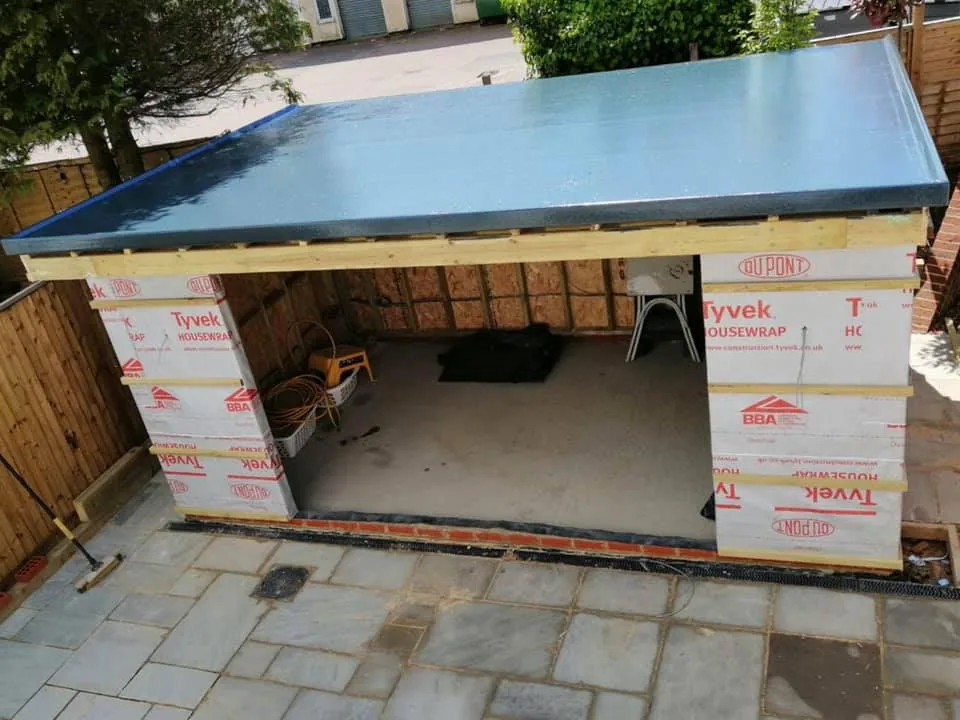
Spot GRP Roof Trouble Before It Reaches Your Ceiling
A fibreglass roof rarely gives way overnight. Catch the signs early and a small repair holds it, long before the deck or the ceiling below gets involved.
Watch for these:
- Fine, web-like cracks across the surface, known as crazing
- A clear split or hairline crack, often at a corner or ridge
- Bubbling or lifting where the layers have parted from the deck
- A soft, spongy patch that gives slightly underfoot
- A cracked or lifted edge trim shedding water the wrong way
- A dull, chalky topcoat that has lost its colour and shine
- A fresh damp stain on the ceiling in the room below
Most of these start small and stay cheap to fix. A hairline crack you seal this month is a job of a couple of hours. Left through a wet winter, that same crack lets water into the matting and the deck below. Now you are paying to dry out timber and re-lay a section, not just patch a topcoat. The cost of waiting is always higher than the cost of looking.
Why Fibreglass Roofs Crack in the First Place
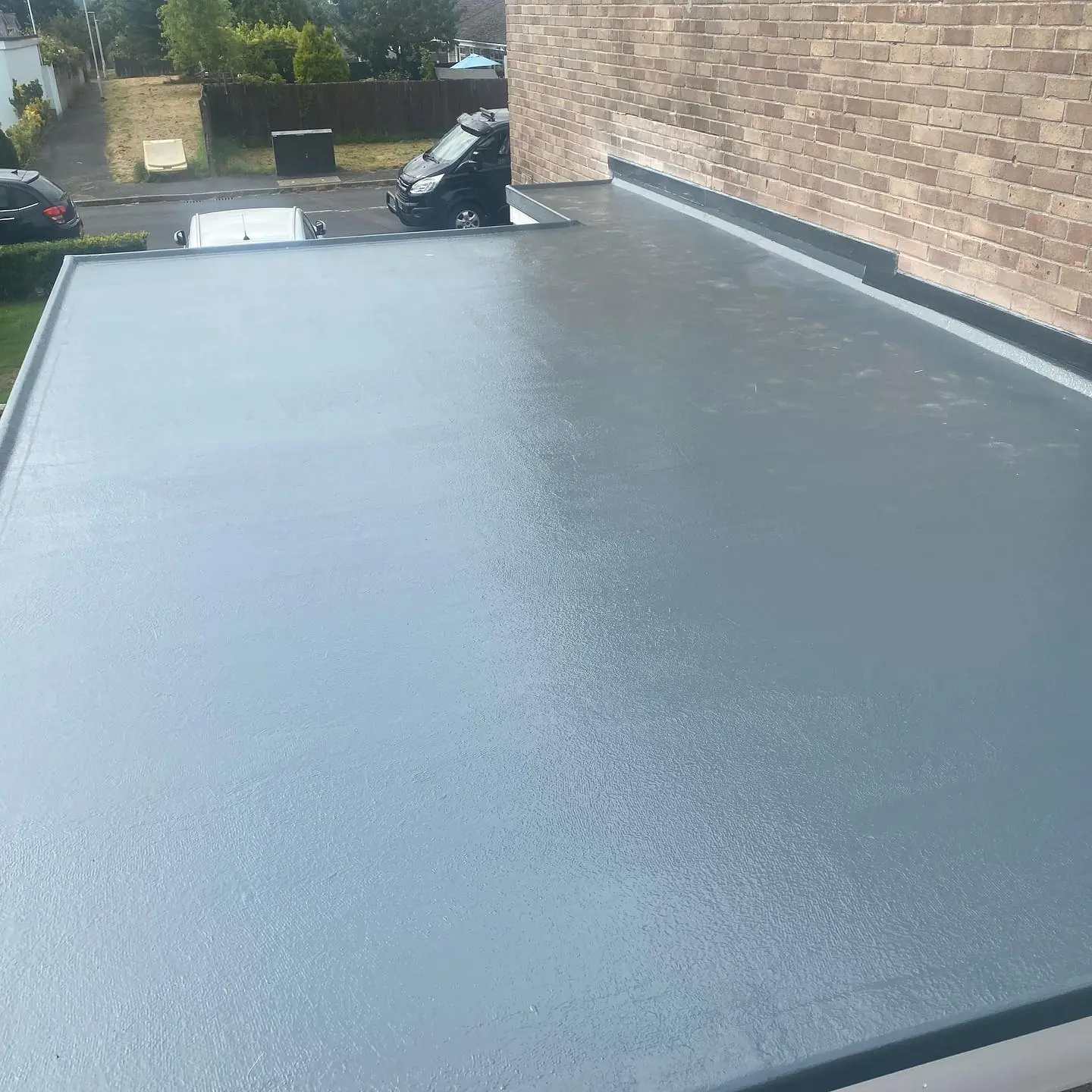
GRP is a rigid surface laid over a timber deck. The deck moves with heat and cold; the fibreglass has to move with it. When the two stop working together, the surface cracks. Knowing the cause matters, because the fix for each one is different.
Here are the usual reasons a GRP roof lets go:
You see the pattern on older extensions around Lubenham and Foxton. A roof laid cheaply a decade back crazes across the middle, while the trims split at the edges. We find the cause first, then repair it. Chase the symptom alone and the same crack comes back next season.
- **Thermal movement*— the deck expands in summer heat and shrinks in winter cold, and a stiff laminate cracks under the strain
- **Thin or worn topcoat*— years of UV chalk the surface, and a skimped topcoat crazes early
- **Weak details*— corners, rooflight kerbs and trims carry the most stress and crack first if they were under-reinforced
- **A damp deck at install*— resin will not bond to wet timber, so the layers part and bubble later
- **Impact*— a dropped ladder or a fallen branch punches straight through a brittle patch
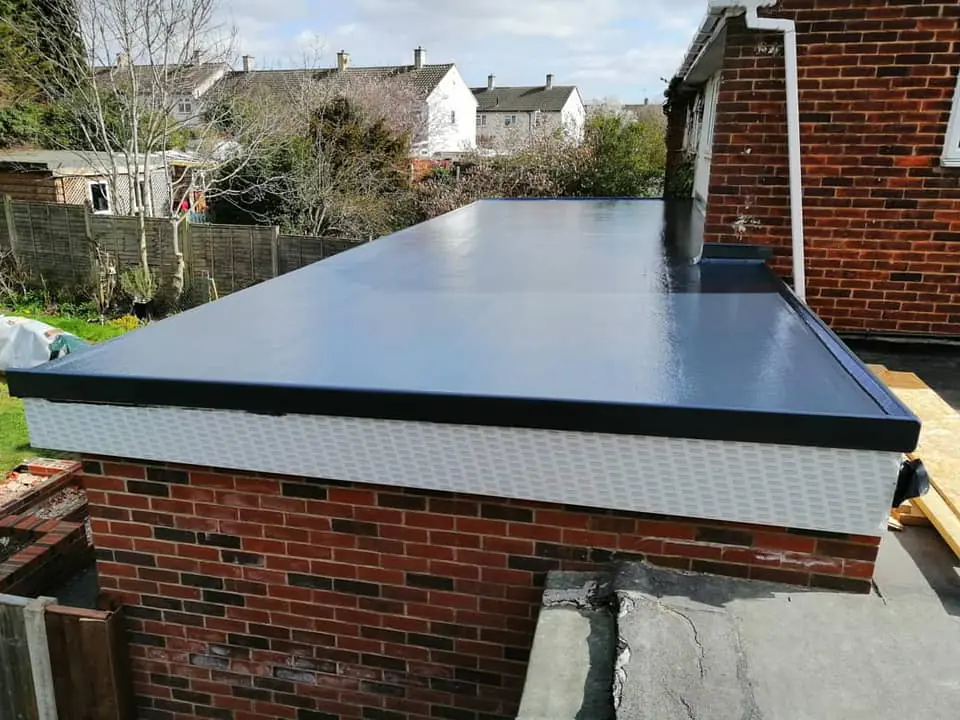
Repair, Re-Coat or Re-Lay? You Get a Straight Answer
One crack rarely means the whole roof is finished. Most GRP faults sit in a small area, and localised repair is by far the cheapest route. Widespread delamination, a deck that flexes underfoot, or the same patch failing twice points somewhere heavier.
There are three honest routes, and the right one depends on how far the trouble has spread:
- **Local repair*— for a single crack, split trim or small bubble, we grind back, re-laminate with fresh matting, and finish with a matched topcoat
- **Re-coat*— for a sound roof that has only crazed and dulled, a full topcoat refresh restores the surface and adds years of UV protection
- **Re-lay*— for widespread delamination, a soft deck or repeated leaks, a fresh GRP system laid over a sound deck is the lasting answer
The table below sets out the common faults we repair, what tends to cause each one, and whether it usually calls for a repair or a re-lay. Figures are typical UK ranges, not a quote for your roof.
| :-: | :-: | :-: | :-: |
| GRP fault | Typical cause | Typical repair cost | Repair or re-lay? |
| Surface crazing | UV wear and a thin or aged topcoat | £200–£600 per area | Repair — abrade and re-coat |
| Structural crack or split | Thermal or deck movement, or impact | £250–£500 per area | Repair — unless the deck is moving |
| Delamination or bubbling | Trapped moisture or a damp deck at install | £400–£900 localised | Repair if small; re-lay if widespread |
| Failed trim or upstand | Split GRP at an edge or detail | £250–£600 per detail | Repair — re-form the detail |
We check the whole roof before pointing you one way or the other. A free drone survey shows the full picture, right up to the trims and upstands a ground-level look always misses. You get the footage, not just our word for it. If a repair will hold, we say so. If a re-lay is the honest call, we show you why on screen.
What Fibreglass Roof Repair Costs in Market Harborough
Cost comes down to three things: the fault, its size, and how easily we reach it.
As a general guide, a minor GRP repair such as a single crack, pinhole or worn detail runs around £200 to £400 and rarely takes more than a day. A larger job with several cracks or a spread of crazing lands nearer £400 to £800. A full topcoat re-coat over a sound roof is priced by area, and a complete re-lay works out around £60 to £110 per square metre for a fresh GRP system.
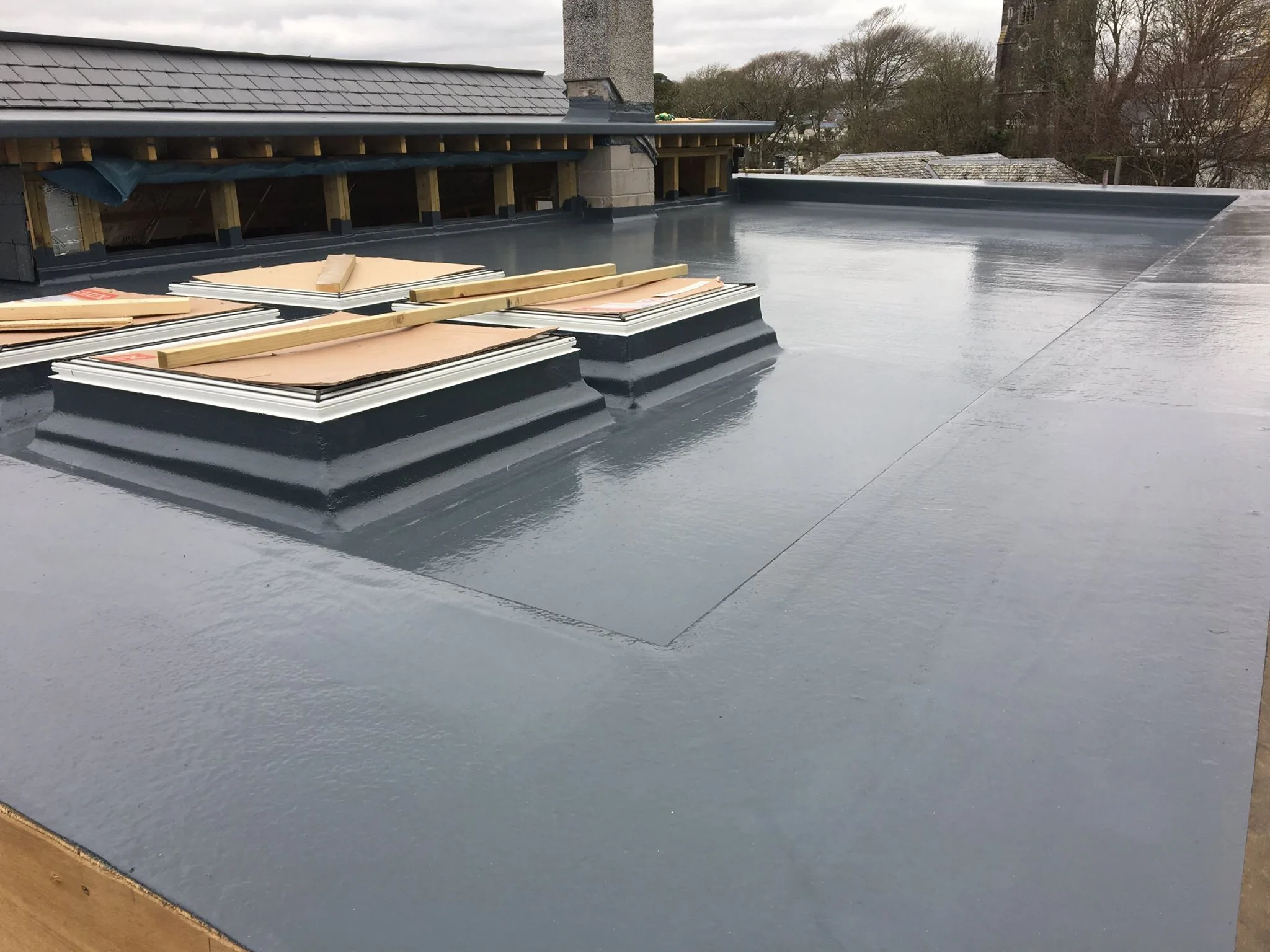
What moves a repair price up or down:
- **The type of fault*— a surface re-coat is cheaper than opening up and re-laminating a structural crack
- **How far it has spread*— one crack is a quick fix, while crazing across the whole roof is a re-coat job
- **Access*— a roof reached by ladder costs less than one boxed in behind an extension
- **Deck condition*— wet or soft timber under the split has to dry or come out before the GRP goes back
- **Matching the finish*— an exact topcoat colour match takes more care on a visible roof
These are market ranges, not a fixed price for your roof. Two GRP roofs with the same crack can price very differently once access and deck come into it. A re-coat over a sound roof extends its life at a fraction of a re-lay. The only way to a firm figure is our free drone survey.
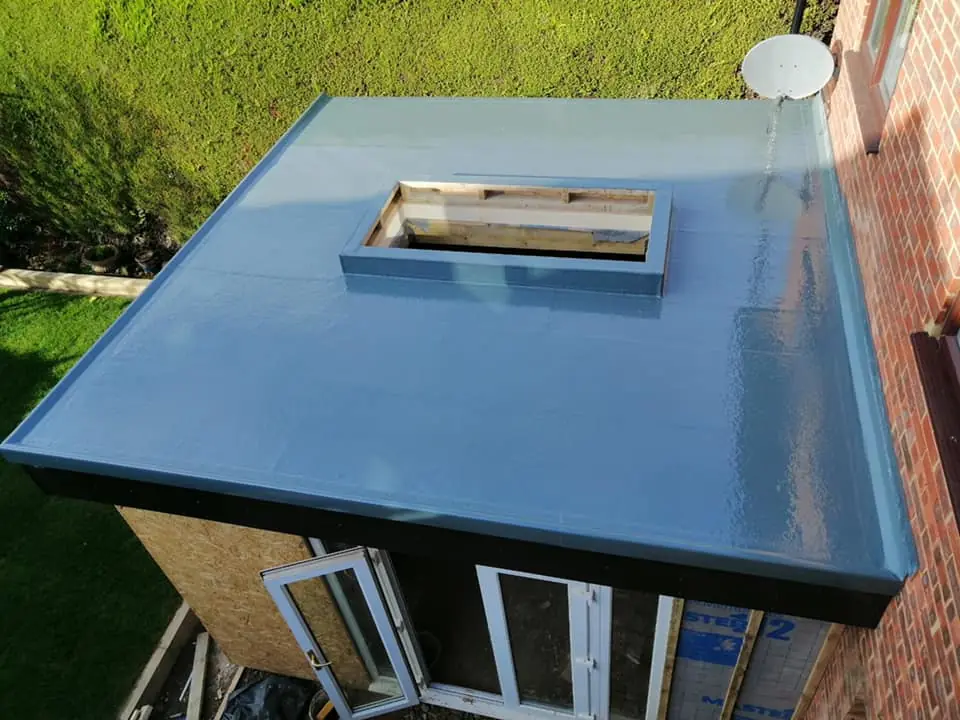
Can You Repair a GRP Roof Yourself?
For a tiny crack or pinhole, a DIY repair kit can hold water for a while. The kits carry resin, chopped strand matting and topcoat, and the basic steps are not complicated. Where people come unstuck is the detail, and the weather.
A lasting GRP repair needs a dry, mild day and a clean, well-abraded surface. Rain, dew or frost before the resin cures and the patch fails on you. Skip the grinding-back and the new laminate never bonds. On a delaminated area you have to grind out every loose layer first, or you simply seal moisture underneath. Get the mix or the cure time wrong and the repair lifts within a season.
A neat topcoat touch-up is fair DIY. A structural crack, spreading delamination or a leaking upstand is not. Those need the cause found and the deck checked, which is hard from a ladder. A wrong repair often costs more to strip and redo than the right one did.
How Much Life Is Left in Your Fibreglass Roof?
A well-laid GRP roof runs 25 to 30 years or more. Most repairs we see are not the end of that life; they are a roof telling you it needs attention now. The question is whether the bones are still sound.
A roof with a firm deck, solid laminate and only surface crazing has plenty left in it. A re-coat resets the UV clock and buys another decade or more. A roof with a soft deck, layers parting across several areas, or the same leak returning is closer to the end. There the money is better spent on a re-lay than on repair after repair.
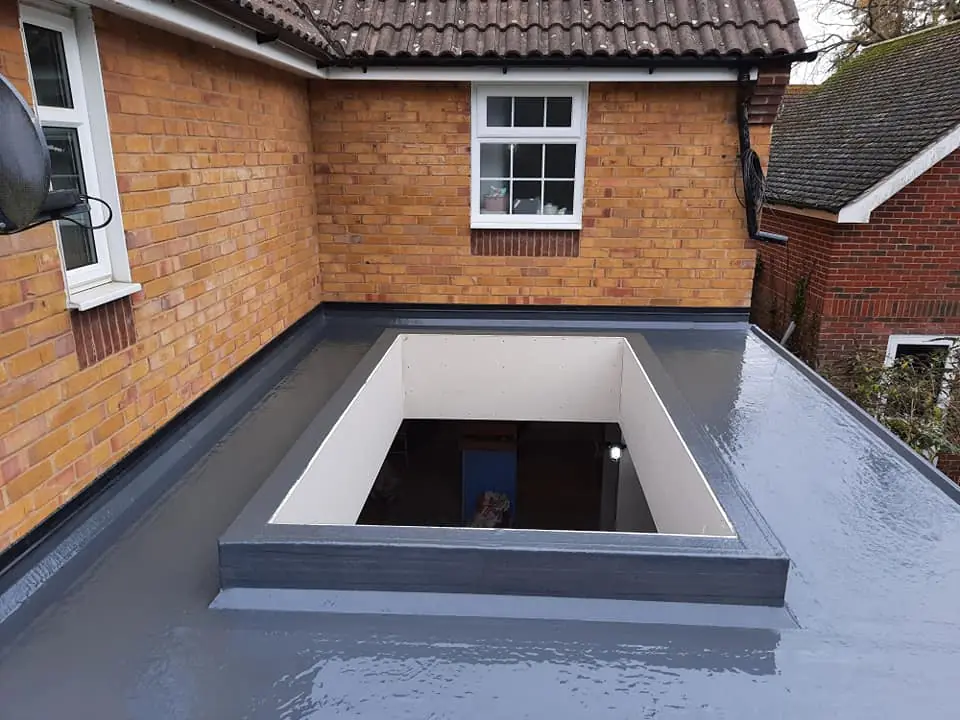
We give you a straight read at survey, backed by drone footage. You will know whether it is a small repair, a re-coat, or a re-lay to plan for. No scare stories, and no selling you a roof you do not yet need.
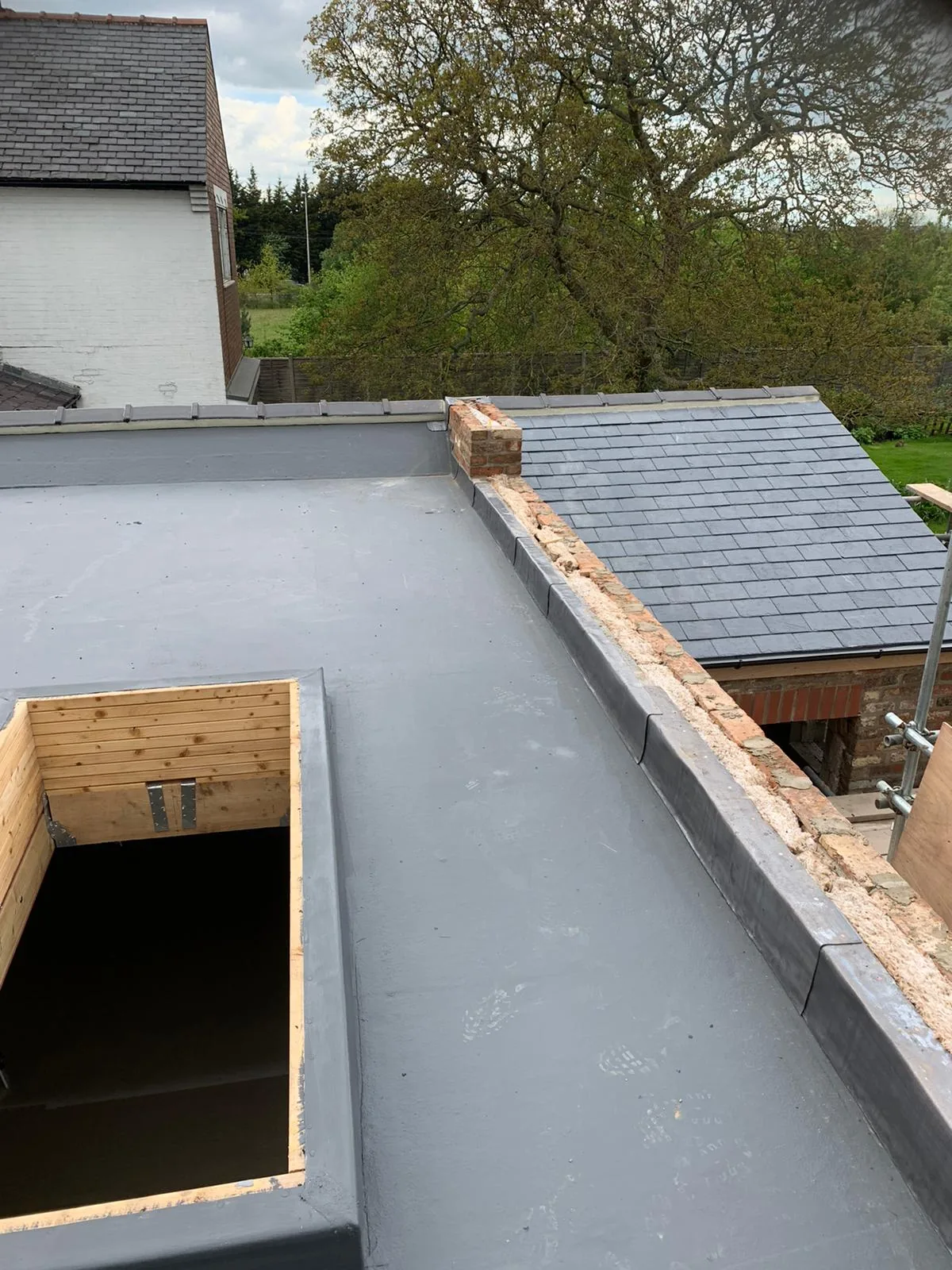
What Happens on a GRP Repair Day
A fibreglass repair follows the same order on most jobs, whether it is one crack or a full re-coat:
- Survey the fault and check the deck below is dry and firm
- Grind and abrade the area back to a clean, sound surface
- Cut out any delaminated or loose laminate down to good material
- Lay fresh resin and chopped strand matting over the repair
- Finish with a matched topcoat for a watertight, UV-proof surface
- Allow full cure, then clear the site and check the roof over
Most single repairs take a few hours, with cure time to follow. A full re-coat or a re-lay takes longer and needs a dry run of weather. We book GRP work around the forecast, because a rushed repair in the wet is a repair you pay for twice. You will know who is turning up and roughly how long they will be there.
Simple Checks That Keep a Fibreglass Roof Going
GRP asks very little once it is sound. A look twice a year catches most faults while they are still cheap to fix. None of this needs a specialist.
- Clear leaves and grit off the surface and out of the outlets each autumn
- Look for fine crazing or a dulled, chalky topcoat losing its colour
- Check the trims and upstands for splits or lifting after a hard winter
- Book a free drone survey the moment you spot any sign above
Fibreglass sits among the liquid and seamless roofing systems, and standards for them are set by trade bodies rather than guesswork. For an independent read before you commit to any repair or re-coat, the LRWA liquid roofing guidance is a sound reference on how these roofs are built and maintained.
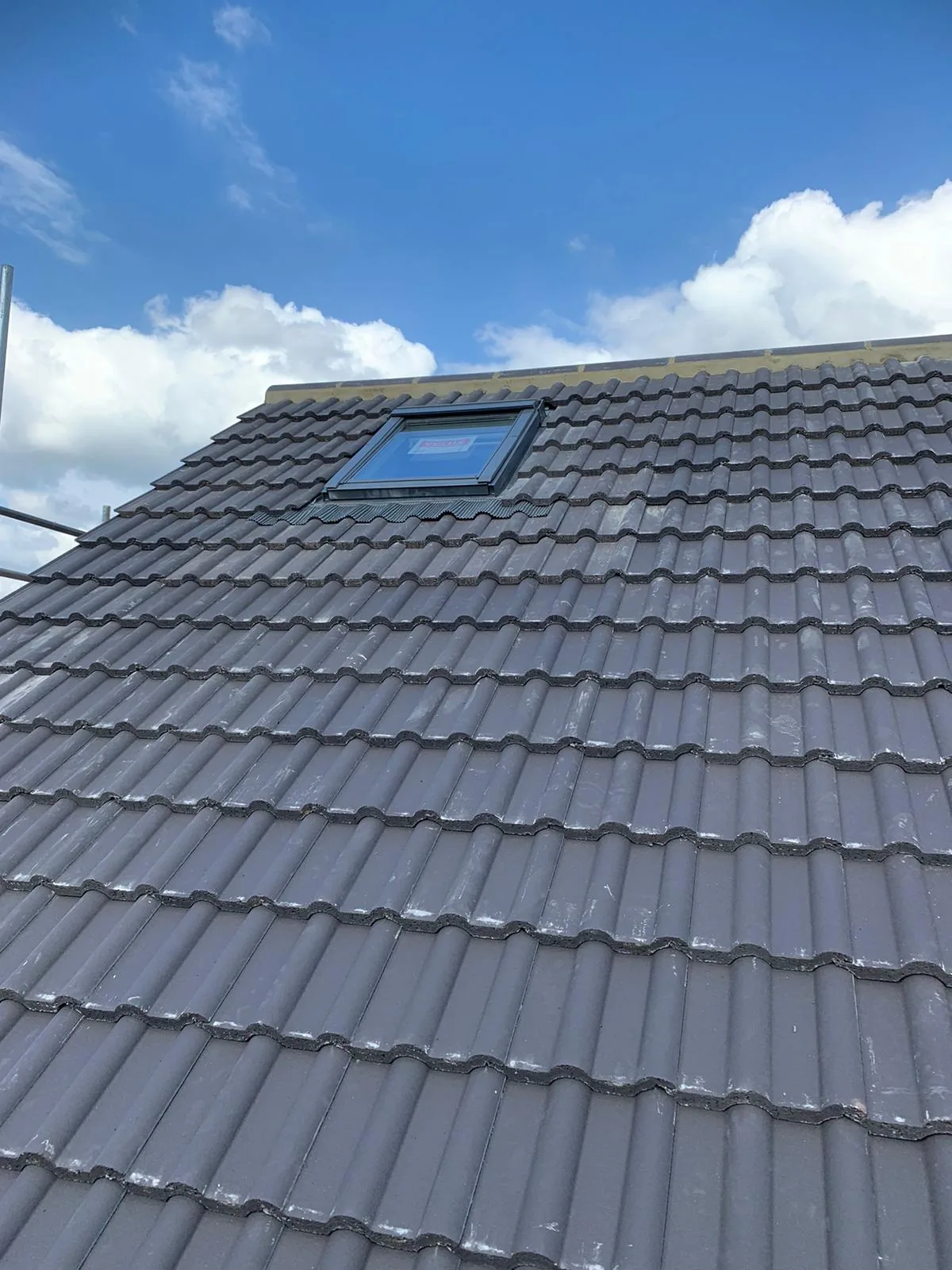
Why Market Harborough Homeowners Call Tate & Sons First
You are not just buying a repair; you are buying whoever carries it out. Ryan Tate, our project manager, is our GRP specialist and works on site with the crew. He fits and repairs fibreglass systems week in, week out, and knows a crazed topcoat from a failing deck at a glance. He is on the same team that turns up to your roof, not just the man who quotes it. His GRP work sits alongside our wider GRP Fibreglass Roofing and Flat Roof Repair services.
Founder Michael Tate started his apprenticeship at sixteen and built the firm on one rule: find the cause, survey it properly, and fix it once. Never patch a roof to look right for a season and fail again the next. Between us we carry over 45 years of combined experience, hold NVQ Level 2 and 3 qualifications in Roofing Occupations, and keep CSCS cards and NFRC trade-body membership. Read more about the people behind the work on our About Tate & Sons Roofing page.
Areas We Serve Across Market Harborough and the Harborough District
We repair fibreglass roofs across Market Harborough and the surrounding Welland Valley villages. If your area is not on the list below, call us anyway. If you are nearby, there is a strong chance we cover you.
- Market Harborough (LE16)
- Great Bowden (LE16 7)
- Little Bowden (LE16 8)
- Lubenham (LE16 9)
- Foxton (LE16 7)
- Medbourne (LE16 8)
- Kibworth Beauchamp (LE8)
- Great Glen (LE8 9)
- Fleckney (LE8 8)
- Husbands Bosworth (LE17 6)
- Desborough (NN14 2)
Got Questions?
Your Fibreglass Roof Repair Questions, Answered Properly
Why does my fibreglass roof keep cracking?
Most GRP cracks come from movement in the deck below. Timber expands in heat and shrinks in cold, and a stiff laminate splits under the strain. A thin or aged topcoat crazes with UV, and weak corners or trims crack first. Impact from a branch or ladder does the rest. We find which cause is at work before repairing, because sealing the crack alone lets it come straight back.
Can you repair a GRP roof, or does it need re-laying?
Most fibreglass faults are repairable. A single crack, split trim or small bubble is a local repair, and a crazed but sound roof usually just needs a re-coat. Re-laying only makes sense where delamination has spread, the deck has gone soft, or the same leak keeps returning. Repair is far cheaper, so we always check whether it will hold first. A survey settles which route your roof needs.
Can I repair a fibreglass roof myself?
A tiny crack or pinhole can be patched with a DIY kit in dry, mild weather. The kits carry resin, matting and topcoat, and the steps are straightforward for a small area. Trouble comes with the cure, since rain or frost before it sets ruins the patch. A structural crack, spreading delamination or a leaking upstand needs the deck checked, which is hard from a ladder. When in doubt, get it surveyed first.
What is crazing on a GRP roof, and is it serious?
Crazing is a network of fine, web-like cracks across the topcoat. On its own it is a surface issue rather than a structural one, so it is not an emergency. Left alone, though, it lets water sit and work through the topcoat over time. The fix is to abrade the area and re-coat it, which restores a sound, weatherproof finish and adds years of UV protection.
What causes delamination on a fibreglass roof?
Delamination is the layers of the GRP parting from each other or the deck. It usually means the roof was laid over damp timber, since resin will not bond to a wet surface. Trapped moisture or an incomplete cure at install does the same. Small delaminated patches can be ground out and re-laminated. Where it has spread across the roof, a re-lay is the lasting answer.
How much does fibreglass roof repair cost in Market Harborough?
A minor GRP repair such as a single crack or worn detail runs roughly £200 to £400 and rarely takes more than a day. A larger job with several cracks or spreading crazing lands nearer £400 to £800. A full re-lay works out around £60 to £110 per square metre. The final figure depends on the fault, access and deck condition, so a free drone survey gives you an exact written price.
Can a fibreglass roof be re-coated instead of replaced?
Yes, if the laminate and deck below are still sound. A GRP restoration re-coat strips back the worn topcoat and lays a fresh one, restoring UV protection and a watertight finish. Done correctly, it extends the roof's life by ten to fifteen years, at a fraction of a full re-lay. It suits a roof that has dulled and crazed but has no structural crack or soft deck underneath.
How much life is left in my GRP roof?
A well-laid fibreglass roof lasts 25 to 30 years or more. A roof with a firm deck and only surface crazing has plenty left, and a re-coat buys another decade. A soft deck, layers parting in several places, or a returning leak points to the end of its life. We give you a straight read at survey, backed by drone footage, so you know whether to repair, re-coat, or plan a re-lay.
Book Your Free Drone Roof Survey Today
See exactly what your fibreglass roof needs before any work starts. No ladders, no pressure, just a clear picture from a local Market Harborough team.
Every week a cracked GRP roof waits, water works deeper into the matting and the deck beneath it. A quick, free survey today tells you exactly where you stand, and often the fix is smaller and cheaper than you feared. Book now, get an honest quote, and protect your home before the next downpour finds the weak spot.
ð 5 Hood Close, Market Harborough, LE16 9XS
ð 01858 457600
Call the Market Harborough team today on 01858 457600, or request your free drone survey online. We're already working across your area.
Book Your Free Drone Roof Survey
See exactly where your roof stands, with no obligation and no pressure. Call our Market Harborough team or request your free drone survey today.
Get in Touch
Tate & Sons Roofing — Market Harborough Office
5 Hood Close, Market Harborough, LE16 9XS
📞 01858 457600
✉️ [email protected]