
🏠 Trusted Local Roofers
Felt Roof Repair Nottingham
A leaking felt roof rarely fixes itself. It shows up as a damp patch on a ceiling below, a blister that keeps growing, or a felt edge lifted after a windy night. This page covers when felt roof repair works, what it costs, and how to spot a job that lasts. As a roofing contractor covering Nottingham and the wider county, we patch, re-felt and replace flat roofs without cutting corners on the parts nobody sees.
- Fully Insured
- 10-Year Guarantee
- 5-Star Rated
Quick Free Estimate - No Obligation
We're not just roofers – we're your neighbours.
Fully Insured • Response within 15 mins
🔒 Your details are safe with us. No spam, ever.
Can a Felt Roof Be Repaired, or Does It Need Replacing?
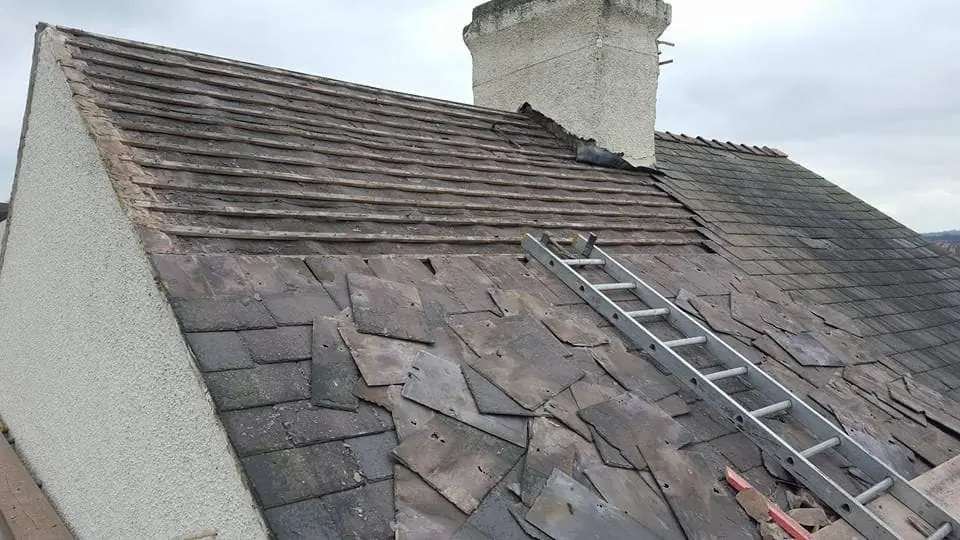
Yes — most felt roof problems can be repaired if the damage is localised and the timber deck underneath is still sound. A split, a lifted edge, a small blister, or a failed flashing (the strip that seals a roof edge against a wall or upstand) usually just needs a patch or a partial re-felt, often finished in a day. Full replacement becomes the better option once the felt is blistering in several places, water is pooling across large areas, or the felt is close to or past its expected 15-20 year lifespan. Our free drone survey tells you honestly which category your roof falls into, with photos to back it up.
Repair or Replace: How to Tell What Your Felt Roof Actually Needs
Not every felt roof problem needs the same fix. Here's roughly how the decision breaks down once we've had a proper look.
- A single split, tear, or lifted seam on an otherwise sound roof — a patch repair usually sorts it
- One failed flashing or upstand, with the rest of the roof intact — a targeted flashing repair
- A worn patch in one section, but the rest of the felt still has life left — a partial re-felt of that area only
- Felt blistering or cracking across most of the surface, or past 15-20 years old — a full re-felt or replacement
- Rotten or sagging timber deck underneath — the deck needs replacing before any new felt goes down, whatever the surface looks like
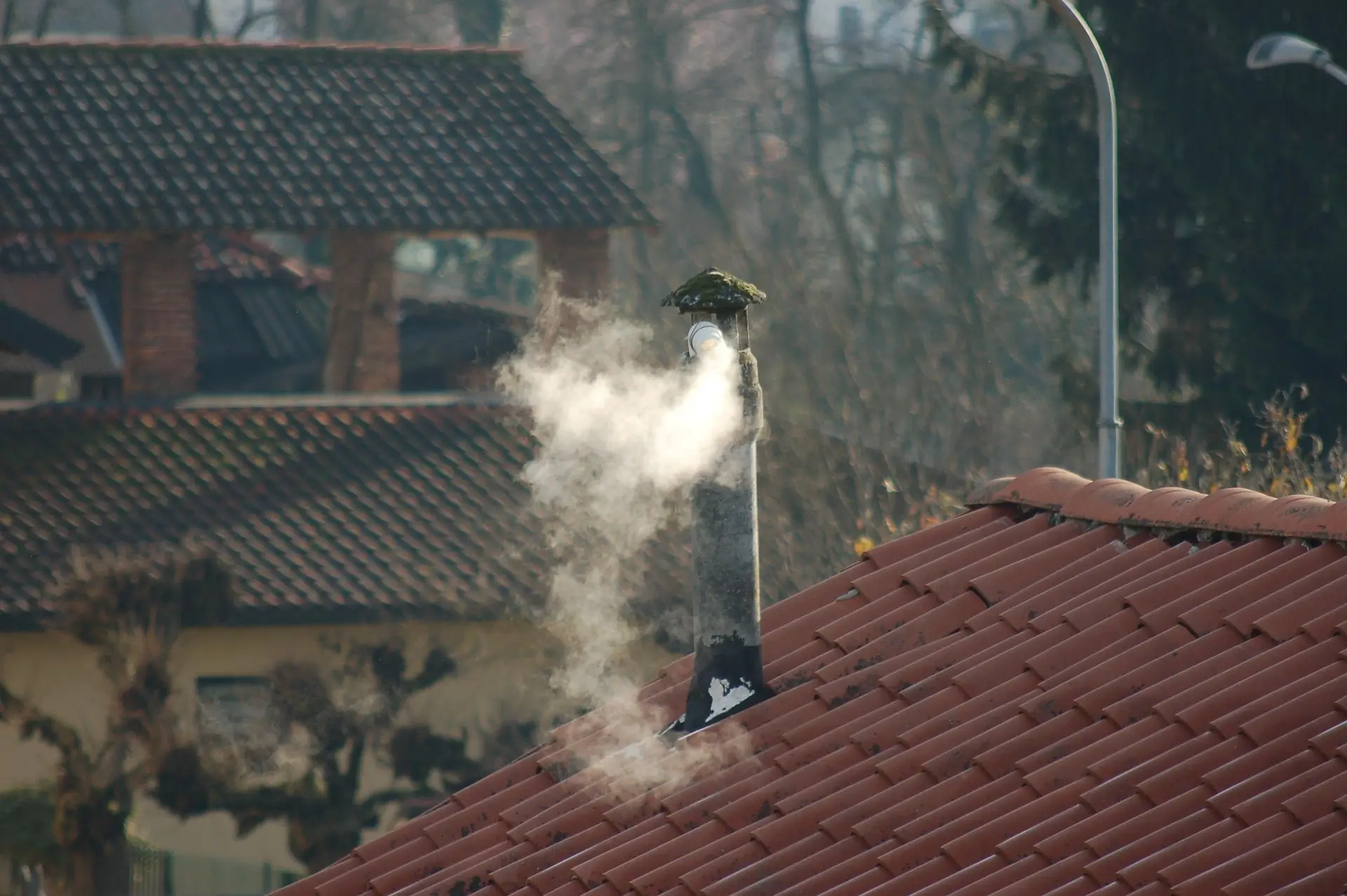
If the problem turns out to be bigger than the felt itself — sagging timbers, a failed chimney flashing, storm damage to the wider roof structure — our Roof Repairs and Restorations team handles the full fix, not just the flat section.
Why Is Your Felt Roof Leaking, Blistering or Lifting?
Felt roofs fail in a handful of predictable ways. Knowing which one you're looking at helps us diagnose it fast.
- Blisters — pockets of trapped air or moisture bubbling up under the surface, usually from poor bonding when the felt was first laid
- Splits and cracks — the felt has gone brittle with age and UV exposure, then torn under movement or foot traffic
- Lifted or flapping edges — wind has got underneath a poorly bonded seam or perimeter, a common problem after exposed sites take a battering; the NFRC's guidance on roofing in windy conditions covers why this happens and how installers should guard against it
- Standing water (ponding) — water sitting on the felt more than 48 hours after rain, usually because the fall (the slight slope built in to drain water away) has dropped
- Failed flashings — the strip sealing the felt against a wall, chimney or upstand has come away, letting water track in sideways
- Damp patches or drips inside — often the first sign homeowners notice, even though the actual damage may be some distance from where it shows
If your felt roof is actively leaking during a storm, don't wait for a scheduled slot — our Emergency Roof Repair team can get to you the same day.
What Happens Before We Touch Your Felt Roof
Every repair starts with an honest look at what's actually wrong, not a guess from the ground.
- We carry out a free drone survey of the whole roof surface, flashings and junctions — no ladders needed
- You get clear photos showing exactly where the felt has failed and why
- We check the timber deck for rot or sagging before quoting any repair
- We tell you honestly whether a patch, a partial re-felt, or a full replacement fits your roof
- On older Nottingham properties around The Park, Lenton, or other conservation areas, we flag anything that needs sign-off before work starts
- You get a firm quote and an agreed scope before any tool comes out of the van
Felt roofs on Victorian and Edwardian extensions across areas like Sherwood and Mapperley often sit on older timber decking than a modern garage roof, so we check deck condition more closely on period properties rather than assuming a like-for-like patch will hold.
How We Repair a Felt Roof That Actually Stays Fixed
Most felt roof failures trace back to rushed detailing, not the material itself. Here's how we put it right.
- Clear the area and dry it out fully — a damp deck or wet felt won't bond properly, whatever adhesive is used
- Cut back and remove all damaged or blistered felt down to sound material, checking the deck underneath as we go
- Replace any rotten timber before a single new sheet of felt goes down
- Lay new felt in overlapping layers, torched or bonded depending on the system, with extra attention at edges, upstands, and pipe penetrations
- Reset the fall where needed, so water reaches the outlets instead of pooling again in the same spot
- Reseal or renew flashings at every wall, chimney, and roof-light junction
- Clear the site and leave the roof watertight the same day on most patch and partial jobs, weather allowing
How to Check a Felt Roof Repair Was Done Properly
Once the work's finished, here's what a proper job should look like.
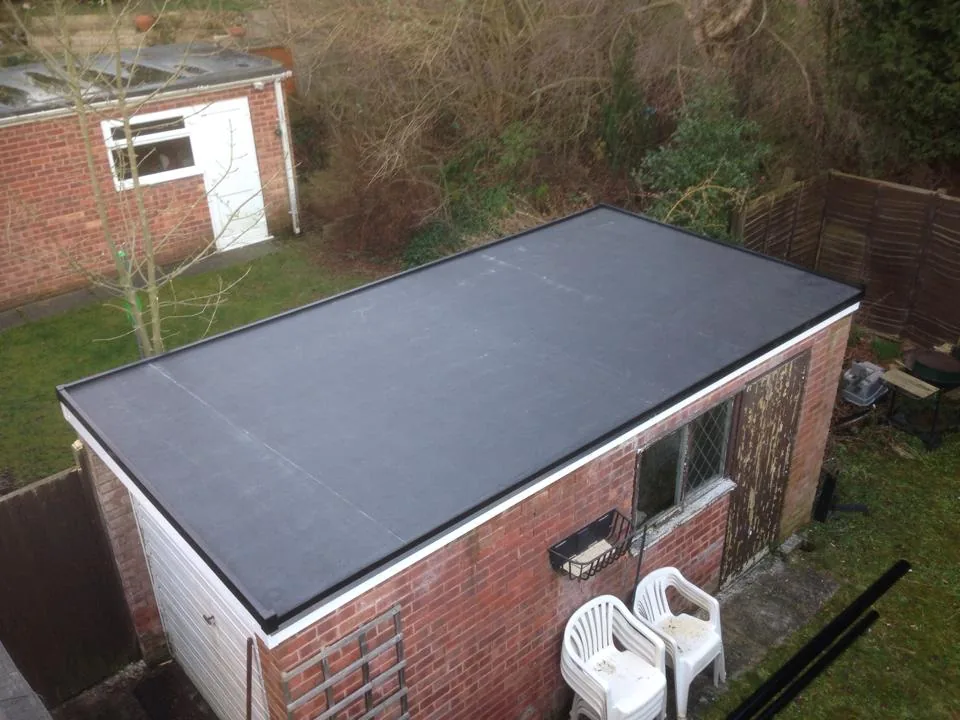
- The repaired area should sit flat and taut, with no ripples, soft spots, or trapped air underneath
- Edges and overlaps should be fully bonded and neatly trimmed, not just tucked down loosely
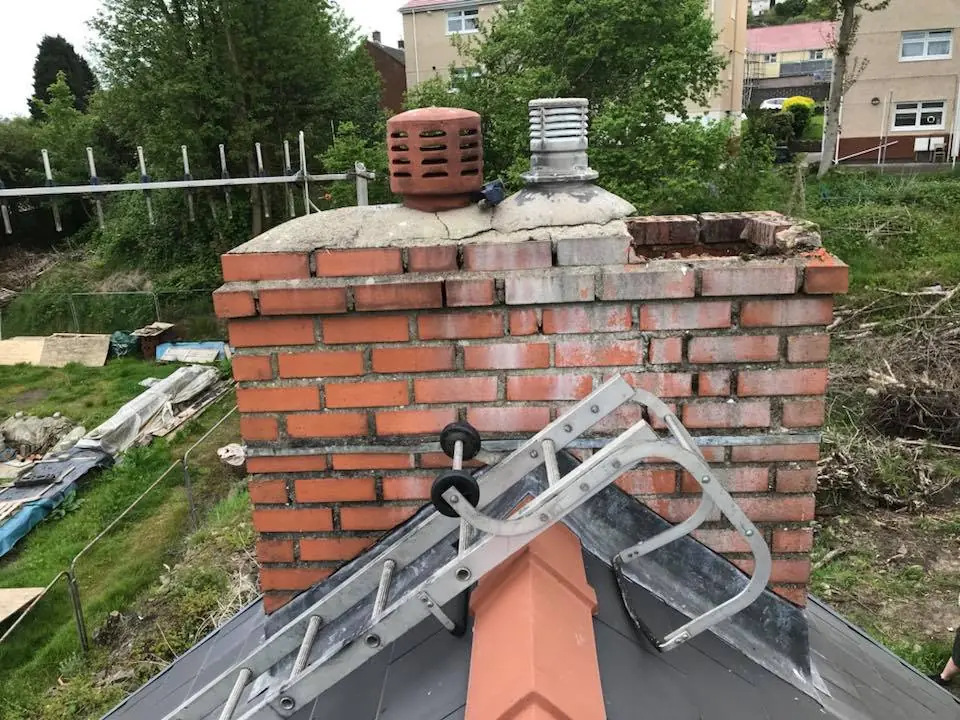
- Flashings should be smooth and continuous, with no visible gaps at wall or chimney junctions
- Ask to see photos of the deck taken before it was covered — proof the timber underneath was sound
- Water should run clean off the repaired section within a few hours of rain, with no pooling left behind
- You should get written confirmation of the material used and the guarantee that covers it
We back every felt roof repair with a 10-year workmanship guarantee, in writing, from day one.
Stop Small Felt Roof Problems Turning Into Big Ones
A little maintenance twice a year keeps a felt roof from failing early.
- Clear leaves and debris from the surface and outlets each autumn, especially under overhanging trees
- Check for standing water a couple of days after heavy rain — if it's still sitting there, the fall has likely dropped
- Look for early blistering or cracking once a year, ideally before winter sets in
- Keep moss from building up in shaded corners, since it holds moisture against the surface
- Avoid dragging ladders, bins, or heavy items across the felt, which scuffs and weakens it over time
- Give the roof a quick check after any storm, so a small lifted edge gets caught before it turns into a leak
Cost & Pricing Guidance
Felt roof repair pricing across the UK for 2025/26 typically runs like this:
- Small patch repair (under 1m², easy access): £150-£300
- Larger repair — flashing, upstand, or a wider split: £300-£600
- Partial re-felt of one worn section: £500-£1,200
- Full re-felt on a garage or shed roof: £900-£2,200
- Full re-felt on a larger flat roof or extension: £2,200-£5,500
- New felt laid as part of a full job: roughly £40-£70 per m²
Repairs are cheaper than full replacement wherever the deck underneath is still sound, so a proper survey before you commit to either route is worth having.
What pushes the price up or down: access (scaffolding versus a ladder), how much of the timber deck has rotted, the number of flashings and junctions involved, and whether the old felt needs stripping off first or can be overlaid. Weather also plays a part — some repairs need a dry, mild window to bond properly, which can affect scheduling in winter.
These are general ranges, not a quote. A fixed price needs a proper survey — and our drone survey is free, with no obligation.
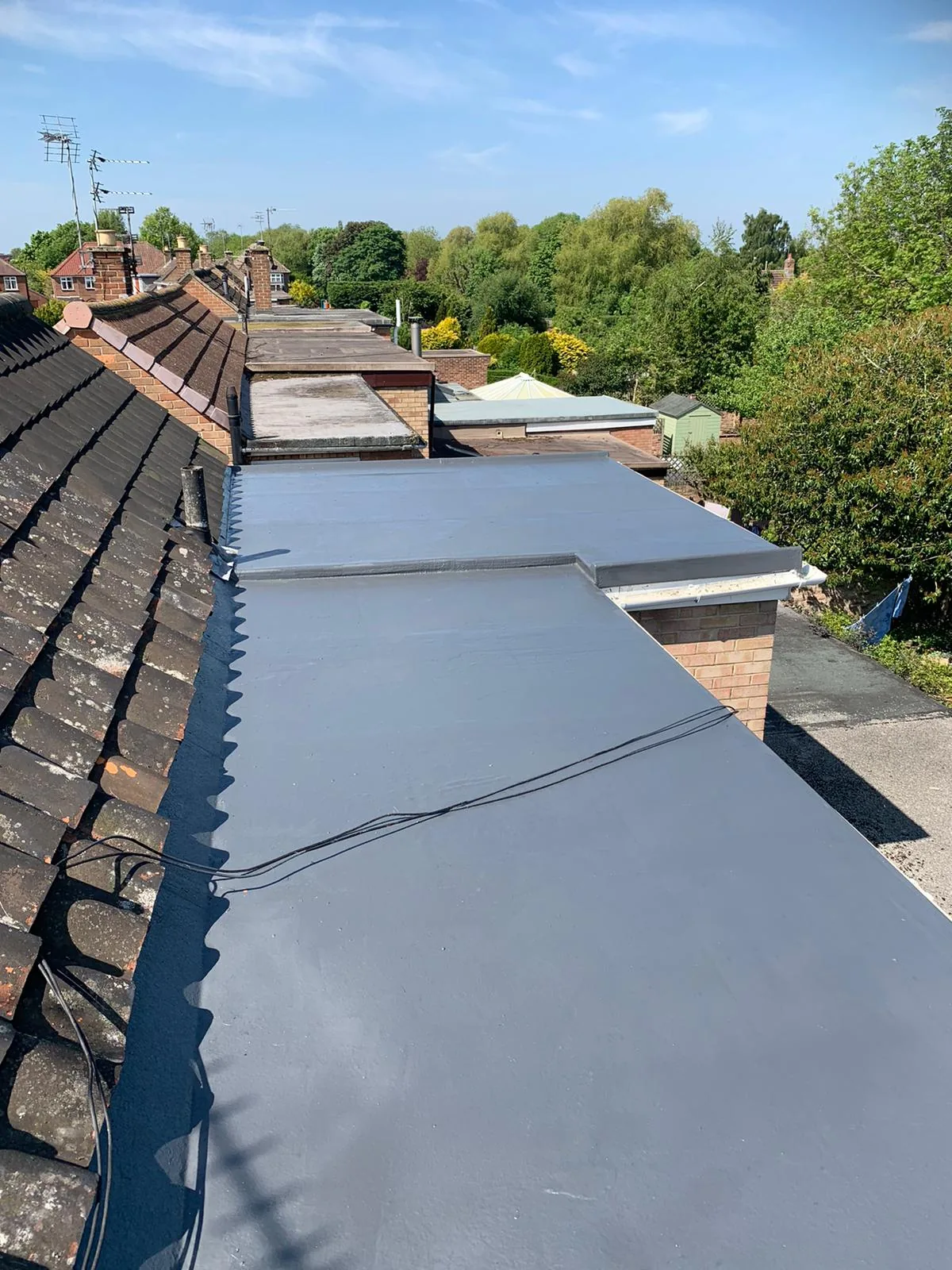
Comparison Table: Felt Roof Repair Options
| Option | What It Involves | Best For | Relative Cost |
|---|---|---|---|
| Patch Repair | Bitumen or self-adhesive patch bonded over a split, blister, or small damaged area | Isolated damage on a roof that's otherwise sound | £ (lowest) |
| Flashing & Upstand Repair | Strips back and reseals the junction where felt meets a wall, chimney, or kerb | Leaks tracking in at a joint, not across the open roof | £ |
| Partial Re-Felt | Strips and relays one worn section down to the deck, leaving the rest untouched | A roof with one tired patch but years of life left elsewhere | ££ |
| Full Re-Felt (Torch-On) | Strips the whole roof back to deck and lays a full three-layer torch-on system | Felt at or past the end of its life, or failing in several places | £££ |
| Replace With EPDM/GRP | Removes the failed felt entirely and fits a longer-life rubber or fibreglass membrane | Roofs that keep needing repairs and are ready for a longer-term fix | £££ (highest, longest lifespan) |
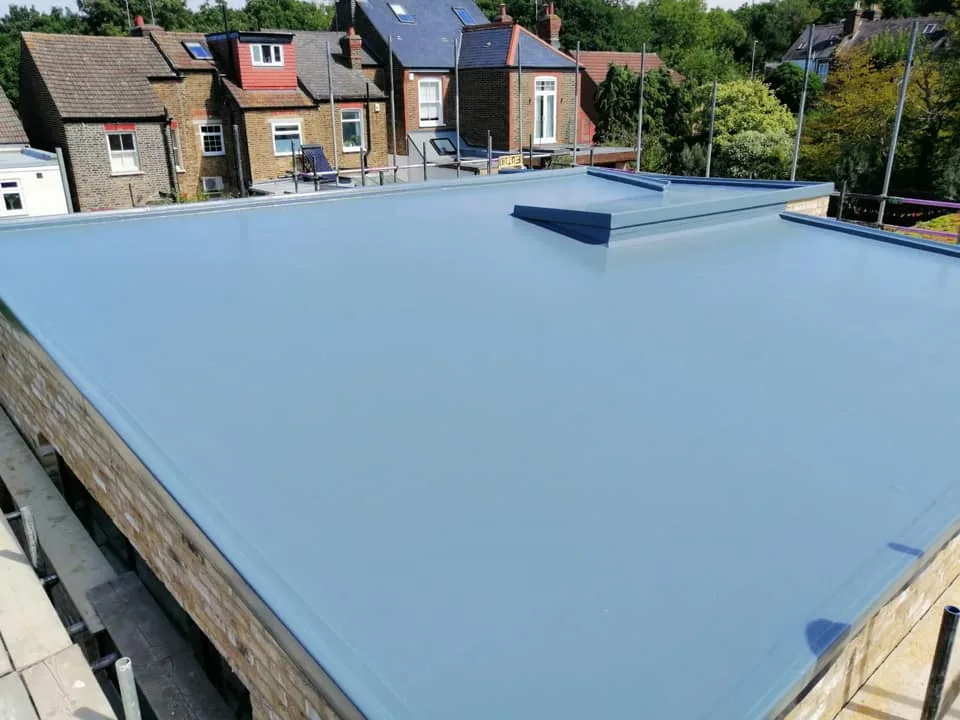
Why Choose Tate & Sons for Your Felt Roof Repair
Felt and flat roof work is led by Daniel Oakland, Project Manager and Lead Roofer, who has 20+ years in the trade. He specialises in EPDM, GRP, and felt flat-roof systems, and personally checks every deck and junction before we sign off a repair as finished.
Tate & Sons was founded by James Tate on a simple idea: find out what's genuinely wrong, use the right materials, and leave something that holds for years, not months. That's exactly how we treat a felt roof — no papering over a rotten deck to make a quick patch look tidy. Read more on our About page.
Our roofers are directly employed, not subcontracted. They hold NVQ Level 2 and 3 qualifications in Roofing Occupations and carry CSCS cards. Every felt roof repair starts with a free drone survey and finishes with a 10-year workmanship guarantee.
Felt Roof Repair Across Nottingham: Areas We Serve
We repair and re-felt flat roofs right across Greater Nottingham and out into the wider county, on everything from garage roofs to full extensions.
- Nottingham City Centre (NG1)
- The Park (NG1)
- West Bridgford (NG2)
- Sneinton (NG2)
- Wollaton (NG8)
- Lenton (NG7)
- Beeston (NG9)
- Chilwell (NG9)
- Stapleford (NG9)
- Arnold (NG5)
- Sherwood (NG5)
- Mapperley (NG3)
- Carlton (NG4)
- Gedling (NG4)
- Hucknall (NG15)
- Long Eaton (NG10)
- Mansfield (NG18)
- Sutton-in-Ashfield (NG17)
Got Questions?
Your Flat Roofing Questions, Answered Properly
How much does felt roof repair cost in the UK?
Small patch repairs typically cost £150-£300, while a larger repair covering a flashing or wider split runs £300-£600. A partial re-felt of one section costs £500-£1,200, and a full re-felt on a garage or shed roof usually falls between £900 and £2,200. Bigger flat roofs cost more, largely down to access and the amount of deck that needs replacing. A survey gives you an exact figure rather than a general range.
How long does a felt roof last before it needs repairs or replacing?
Most felt roofs last 15-20 years, though this depends heavily on the type of felt and how well it was installed. Modern polymer-modified torch-on felt tends to outlast older three-layer built-up systems by a decade or more. UV exposure, poor original detailing, and standing water all shorten a felt roof's working life. Regular checks and prompt small repairs are what usually push a felt roof toward the longer end of that range.
Can a felt roof be repaired, or does it need full replacement?
A felt roof with isolated damage on a sound deck can almost always be repaired rather than replaced. A single split, lifted seam, or failed flashing is a straightforward patch or partial re-felt job. Widespread blistering, repeated leaks in different spots, or felt close to 20 years old usually points toward full replacement instead. Our free drone survey tells you honestly which category your roof falls into before you spend anything.
What causes a felt roof to blister or bubble?
Blistering happens when air or moisture gets trapped beneath the felt, usually from poor bonding when it was first laid down. Once a blister forms, it won't go away on its own — it may shrink slightly, but repeated heating and cooling makes it worse over time. Left alone, a blister eventually splits and lets water into the deck below, which is a bigger and more expensive repair. Catching blisters early, while they're still isolated, keeps the fix small.
Can I repair my own felt roof?
Small, low-risk jobs like a self-adhesive patch over a minor tear are within reach for a confident DIYer with safe roof access. The bigger risk is what you can't see from the surface — a soft or rotten deck underneath needs proper repair before any patch will hold. Adhesives also need a dry surface and a mild temperature to bond, so timing matters more than most people expect. If there's any doubt about the deck, or the damage covers more than a small patch, it's worth getting a professional opinion first.
Can a felt roof be repaired in winter or wet weather?
Yes, but standard felt repairs bond best in dry conditions above roughly 5°C, so winter can limit the repair window. Cold slows curing and can stop an adhesive from bonding properly, while a wet or frosty surface stops a patch sticking at all. For genuine emergencies, specialist cold-weather and wet-application products exist and can hold a leak until a permanent repair is possible. We carry these for urgent call-outs, then return to complete a proper fix once conditions allow.
Do I need building regulations sign-off for a felt roof repair?
A like-for-like patch or partial re-felt on an existing flat roof generally doesn't need separate Building Regulations notification. It's a different picture if you're recovering more than 25% of the roof or changing the buildup, such as adding insulation, which typically does need notification. Properties in conservation areas around The Park or parts of Lenton can carry extra restrictions even for repairs. We flag anything that applies during your survey, so there are no surprises later.
Can you repair felt roofing around rooflights, vents or solar panels without removing them?
In most cases, yes — a competent roofer can strip back and reseal felt around a fixed rooflight, vent, or panel mounting without disturbing it. The junction around these fittings is actually where felt fails most often, since the seal has to work around an awkward shape rather than a flat run. Solar panel mounts need extra care, since the fixings themselves can be a leak point if the original flashing wasn't detailed properly. We check these junctions closely during survey and price the repair around what's actually there, not a guess.
Book Your Free Drone Roof Survey Today
See exactly what your roof needs before any work starts. No ladders, no pressure — just a clear picture from a local Nottingham team.
A tired roof only gets worse as water works deeper into the deck and timber beneath it. A quick, free drone survey today tells you exactly where you stand — and often the fix is smaller and cheaper than you feared. Book now, get an honest quote, and protect your home before the next East Midlands downpour finds the weak spot.
📍 57 Cyril Avenue, Nottingham, NG8 5BA
📞 0115 647 4455
Call the Nottingham team today on 0115 647 4455, or request your free drone survey online. We’re already working across your area.
Get in Touch
Tate & Sons Roofing — Nottingham
57 Cyril Avenue, Nottingham, NG8 5BA
📞 0115 647 4455
✉️ [email protected]