
🏠 Trusted Local Roofers
Fascias and Soffits Nottingham
A rotten fascia board does more than look shabby. It lets water behind your brickwork, feeds damp into your loft, and drags your guttering down with it as it fails. This page covers fascia and soffit materials, real 2025/26 prices, and how to check a job was done properly. As part of our wider guttering services across Nottingham, we fit and repair roofline the way we'd want it done on our own home.
- Fully Insured
- 10-Year Guarantee
- 5-Star Rated
Quick Free Estimate - No Obligation
We're not just roofers – we're your neighbours.
Fully Insured • Response within 15 mins
🔒 Your details are safe with us. No spam, ever.
What's the Difference Between a Fascia and a Soffit?
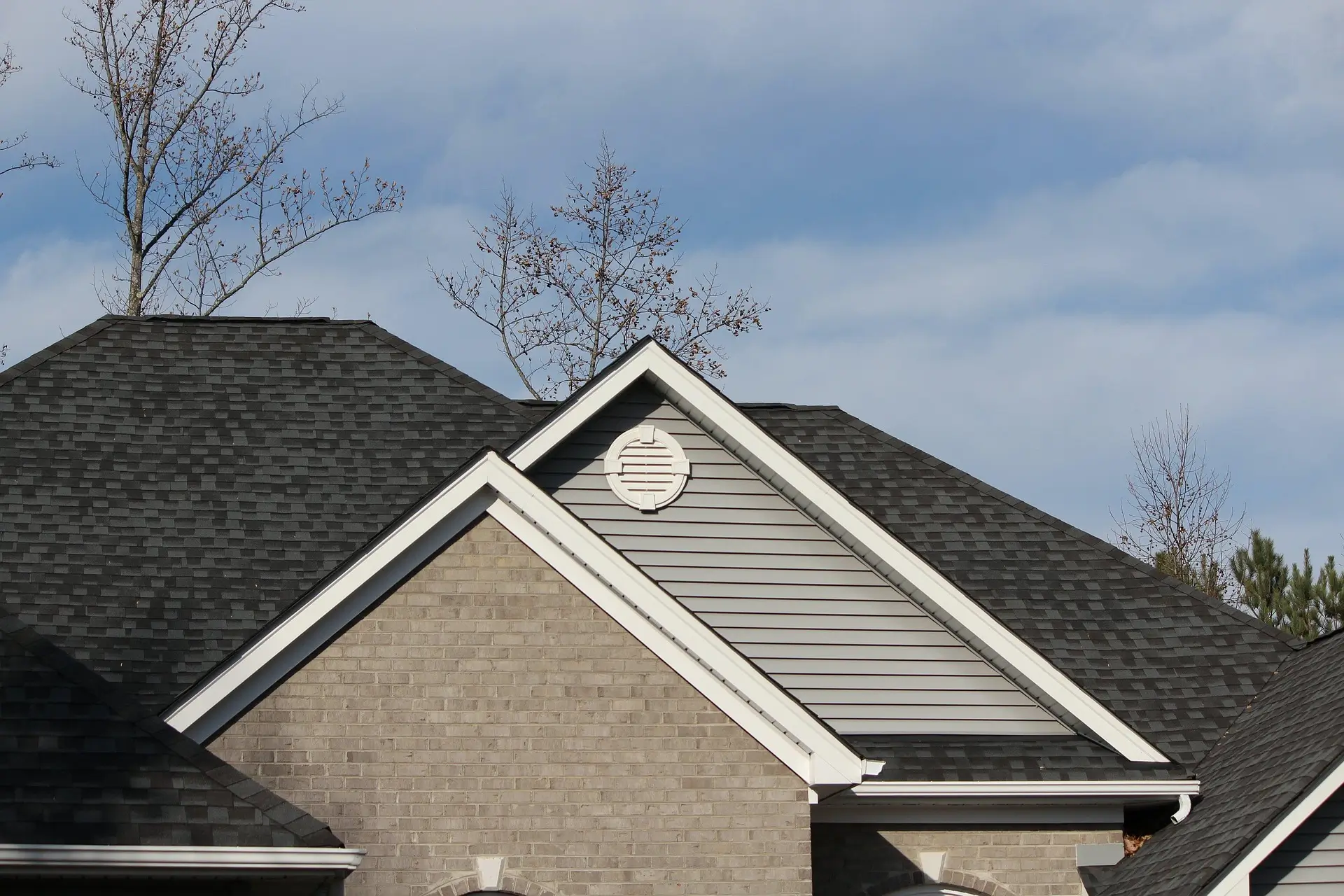
The fascia is the straight board fixed to the ends of your roof rafters, running along the edge of the roof. It carries the weight of your guttering and stops water getting behind the brickwork. The soffit is the panel fitted underneath the roof's overhang, closing the gap between the fascia and your wall. Soffits are usually vented, letting air flow into the loft space to stop condensation and timber rot building up. A third board, the bargeboard, does the same job as a fascia but runs up the sloped gable end of a roof rather than along its eaves.
Together, these three boards form what roofers call the roofline. They're a small part of a roof by area, but they carry a big share of the workload: holding your gutters in place, ventilating your loft, and forming the last line of defence before water reaches your timber frame or brickwork. The official technical guidance on roof drainage makes the same point — a roof's edge detailing does as much to keep a building dry as the covering itself.
UPVC vs Timber: Which Fascia and Soffit Material Suits Your Nottingham Home?
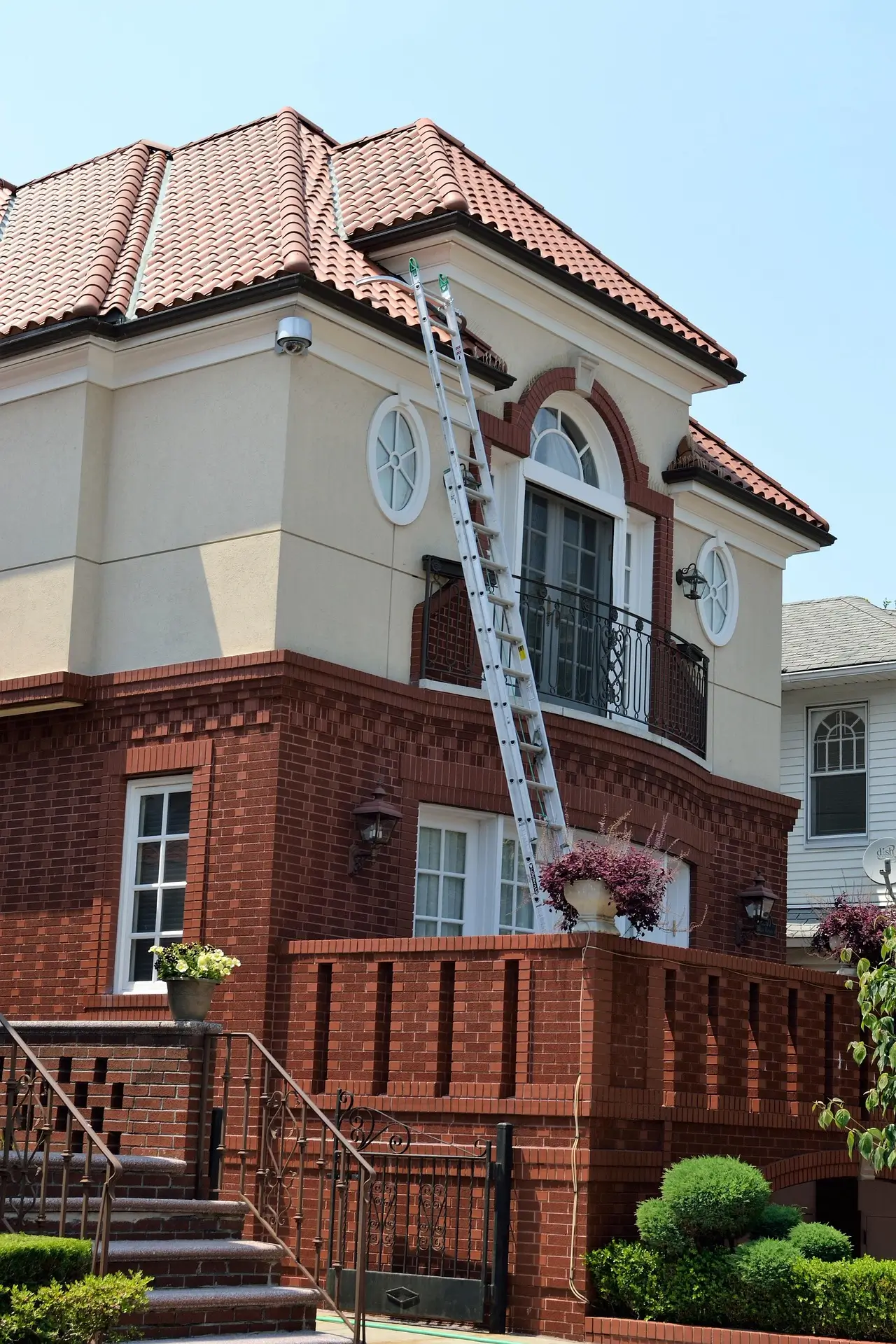
For most Nottingham homes, UPVC (a rigid, low-maintenance plastic) is the practical choice. It won't rot, needs no repainting, and costs less to fit than timber. Timber costs more and needs repainting every 3 to 5 years, but it suits period and conservation-area properties around The Park or Lenton, where planning conditions often call for a traditional finish. Here's how each behaves once it's on your house.
UPVC Roofline
- Fitted as pre-finished cellular or foam-core boards, so there's no painting once it's up
- Comes in white as standard, with woodgrain and colour finishes available at extra cost
- Clips or screws onto a timber sub-frame, which keeps fitting time short
- Won't warp, crack, or feed rot into the roof timbers behind it
- The standard choice on most semi-detached and modern housing across the city
Timber Roofline
- Usually softwood, though hardwood is used on higher-spec or listed properties
- Needs priming, undercoating, and top coat before it goes up, then repainting on a cycle
- Matches the original detailing on Victorian and Edwardian houses far better than plastic
- More forgiving to repair in sections, since a carpenter can splice in new timber rather than replacing a whole run
- The right call where conservation area rules restrict UPVC on street-facing elevations
If your existing timber is basically sound but tired-looking, you don't always need a full strip-out. Cap-over (fitting a new UPVC board directly over the old timber fascia without removing it) is cheaper and faster, but it only works where the timber underneath isn't rotten — covering rot over just traps moisture and lets it spread out of sight. Our survey tells you honestly whether your roofline qualifies for a cap-over or needs stripping back to sound timber first.
What Happens Before We Touch Your Roofline
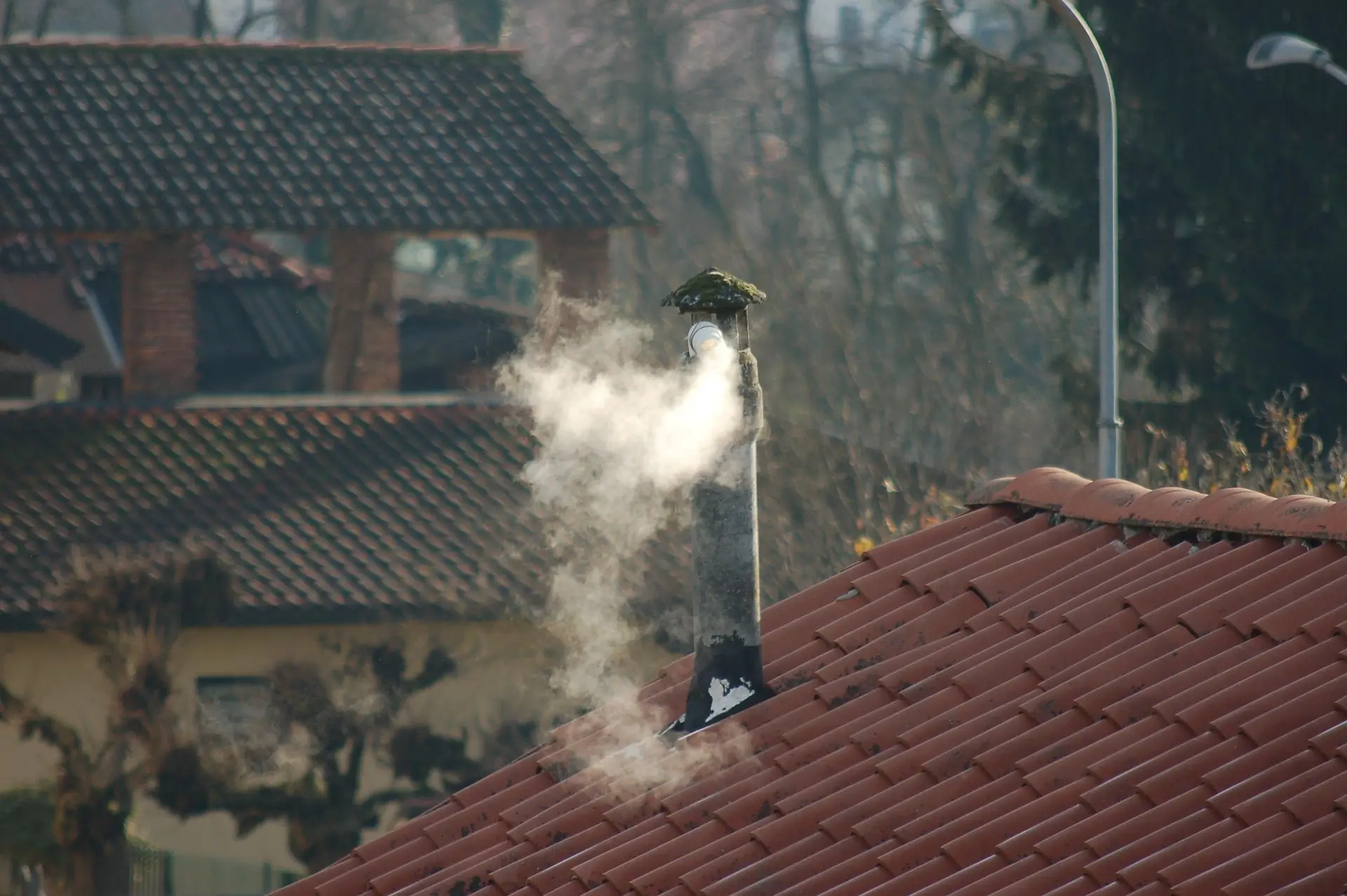
Every job starts with a proper look at what's going on, not a guess from the pavement.
- We carry out a free drone survey of your fascias, soffits, and guttering brackets — no ladders needed
- You get clear photos showing exactly which sections are rotten, cracked, or sound
- We tell you honestly whether a cap-over, a partial repair, or a full replacement is the right call
- We check whether your guttering needs replacing at the same time, since new boards under failing gutters get pulled and stained straight away — see our guttering installation and replacement page if yours is due
- If you're near The Park or Lenton, we flag any conservation area restrictions on materials or colour before work starts
- You get a firm quote and an agreed scope before any tool comes off the van
How We Fit Fascias and Soffits That Last Decades
Most roofline failures trace back to rushed fixings and gaps, not the material itself. Here's how we install a run properly.
- Strip back rotten boards to a sound rafter end, replacing any timber the fascia fixes into
- Fit new fascia boards level and securely screwed, not just nailed, so they hold the weight of full guttering
- Fit vented soffit board to maintain airflow into the loft, closing any gaps where birds or wasps could get in
- Seal joints and end caps properly, since a loose joint is where water gets behind the board first
- Refit or replace guttering onto the new fascia, checking the fall so water runs to the downpipes
- Clear the site and remove all old timber and offcuts, typically finishing a semi-detached run in 1 to 2 days
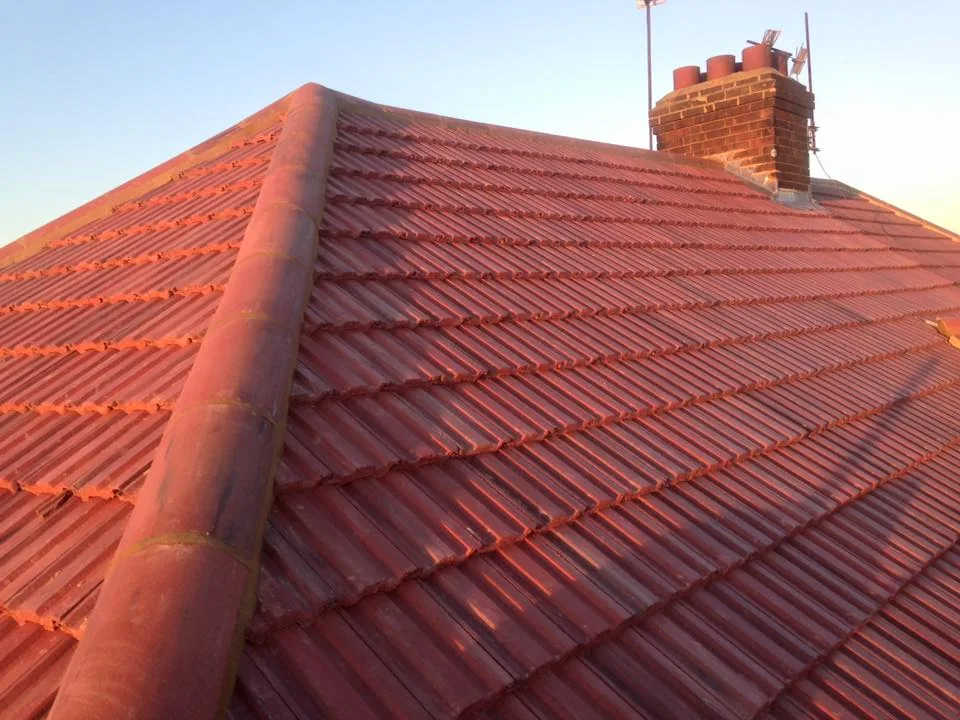
Spot the Warning Signs, Then Check the Work
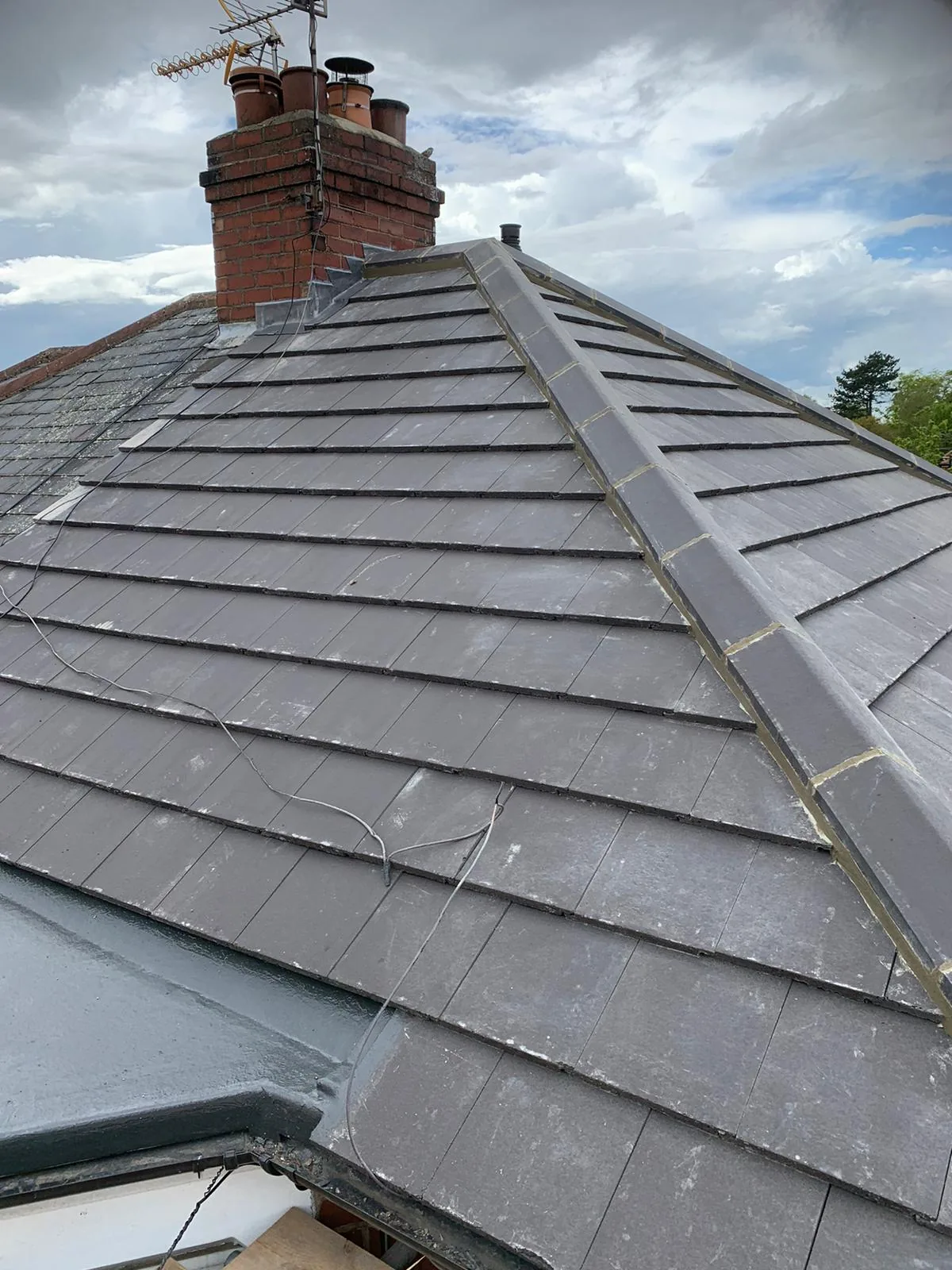
Whether you're worried about your existing roofline or checking a job we've just finished, here's what to look for.
Signs Your Fascias or Soffits Need Attention
- Peeling or blistering paint along the roof edge — often the first visible sign that moisture is trapped behind timber
- Soft, spongy timber that gives way under light pressure, a clear sign of rot
- Guttering that's sagging, pulling away, or leaving gaps at the joints, since the fascia behind it has likely gone soft
- Dark, streaky staining running down the face of the board, usually a sign guttering has been overflowing onto it for some time
- Gaps, holes, or chewed edges in soffit boards, which let birds, wasps, or squirrels into the loft space
- Draughts or a damp smell in the loft, which can point to a soffit vent that's blocked or missing
If your gutters are the real problem rather than the boards behind them, our gutter repairs page covers fixing them without a full roofline replacement.
How to Check a Fascia and Soffit Job Was Done Properly
- Boards should sit dead level along the whole run, with no visible dips or waves
- Joints and end caps should be sealed and flush, not just butted together
- Soffit vents should be clear and unobstructed, not painted or sealed shut
- Guttering should be refitted with a proper fall towards the downpipes, not just clipped back on flat
- Ask to see photos of the timber underneath before it was covered, proof the frame was sound before new boards went on
- You should receive written confirmation of the material, colour, and guarantee, in writing, from day one
Stopping Rot, Blockages and Pest Problems Before They Start
A little upkeep twice a year keeps a sound roofline sound for decades.
- Clear leaves and moss from gutters and soffit vents twice a year, especially after autumn leaf-fall from the mature trees common around Mapperley and Wollaton
- Check for peeling paint or dark staining after winter, both early warnings worth acting on quickly
- Keep an eye out for gaps or pecked holes that let birds or wasps nest behind vented soffits, particularly on quieter rear elevations
- Repaint timber roofline on a 3 to 5 year cycle rather than waiting for bare wood to show
- Trim back overhanging branches that scuff boards or drop debris into gutters and vents
- Give the whole roofline a five-minute visual check after any storm
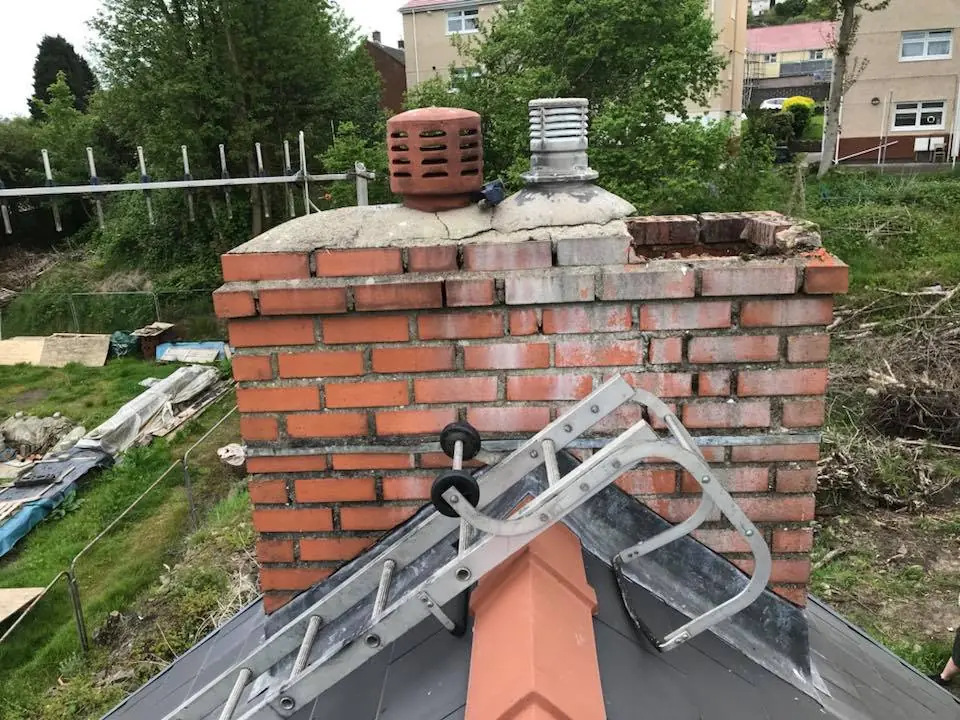

Cost & Pricing Guidance
UK fascia and soffit pricing for 2025/26 typically runs like this:
- UPVC fascia and soffit: roughly £60-£120 per metre, supplied and fitted
- Timber fascia and soffit: roughly £100-£200 per metre, depending on grade and finish
- Full roofline replacement on a semi-detached house: typically £1,500-£3,500 in UPVC
- Full roofline replacement on a larger or detached property: typically £2,500-£4,500
- Cap-over (fitting new UPVC over sound existing timber): usually 20-30% cheaper than full strip-out
Repairs are cheaper than full replacement where the boards are largely sound. Minor patch repairs run £150-£400. Larger repairs covering several metres of rotten board run £400-£900.
Scaffolding or tower access, needed on taller properties or awkward gable ends, typically adds £600-£1,500 to a job. What else pushes the price up or down: the number of corners and joints, whether guttering is replaced at the same time, and whether old timber needs stripping back before new boards go on.
These are general ranges, not a quote. A fixed price needs a proper survey — and our drone survey is free, with no obligation.
Comparison Table: Fascia and Soffit Systems
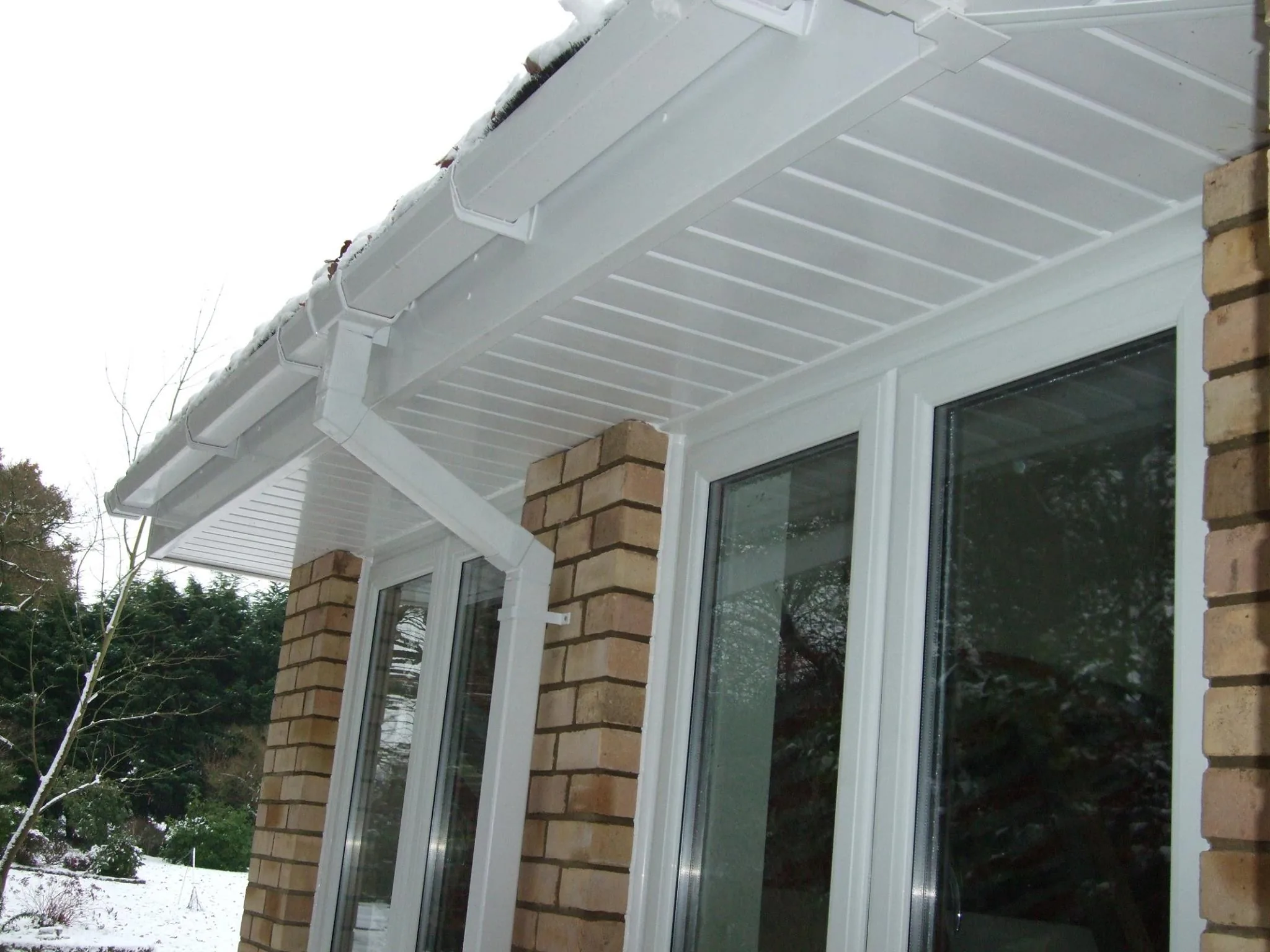
| System | Typical Lifespan | Best For | Relative Cost |
|---|---|---|---|
| UPVC (cellular/foam-core) | 25-35 years | Semi-detached and modern housing, low-maintenance budgets | £ (lowest) |
| Timber (softwood, painted) | 20-30 years with repainting | Period, listed and conservation-area properties | ££ |
| Composite/foam-filled board | 30-40 years | Homes wanting timber-look detail without repainting | £££ |
| Cap-over (UPVC over sound timber) | 20-25 years | Tired but structurally sound existing timber roofline | £ (lowest, where suitable) |
Why Choose Tate & Sons for Your Fascias and Soffits
Roofline work is led by Daniel Oakland, Project Manager and Lead Roofer, who has 20+ years in the trade. Alongside EPDM, GRP, and standing-seam flat roofing, he specialises in guttering and roofline systems, and runs every fascia and soffit job day to day, from a single rotten run of boards to a full roofline replacement across a whole terrace.
Tate & Sons was founded by James Tate on a simple idea: find out what's genuinely wrong, use the right materials, and leave something that holds for years, not months. That's exactly why we'll tell you honestly when a cap-over will do the job, rather than selling you a full strip-out you don't need. Read more on our About page.
Our roofers are directly employed, not subcontracted. They hold NVQ Level 2 and 3 qualifications in Roofing Occupations and carry CSCS cards. Every roofline job comes with a free drone survey up front and a 10-year workmanship guarantee once the work is finished.
Fascias and Soffits Across Nottingham and the Wider County: Areas We Serve
We fit and repair fascias, soffits, and guttering right across Greater Nottingham and out into the wider county. Wherever your property sits, our crews know the local housing stock and the access.
- Nottingham City Centre (NG1)
- The Park (NG1)
- West Bridgford (NG2)
- Sneinton (NG2)
- Wollaton (NG8)
- Lenton (NG7)
- Beeston (NG9)
- Chilwell (NG9)
- Stapleford (NG9)
- Arnold (NG5)
- Sherwood (NG5)
- Mapperley (NG3)
- Carlton (NG4)
- Gedling (NG4)
- Hucknall (NG15)
- Long Eaton (NG10)
- Mansfield (NG18)
- Sutton-in-Ashfield (NG17)
Got Questions?
Your Flat Roofing Questions, Answered Properly
What's the difference between a fascia and a soffit?
The fascia is the vertical board at the roof's edge that carries your guttering, while the soffit is the horizontal panel underneath the overhang that ventilates the loft. Both sit at the eaves, but they do different jobs. The fascia takes the weight and water exposure, while the soffit manages airflow and closes the gap to your wall. Together with bargeboards on gable ends, they form what's called the roofline. Knowing which board is failing helps you and your roofer scope the right repair rather than replacing more than you need.
How much does it cost to replace fascias and soffits in the UK?
Most semi-detached Nottingham homes pay £1,500-£3,500 for a full UPVC roofline replacement, rising to £2,500-£4,500 on larger or detached properties. UPVC runs roughly £60-£120 per metre supplied and fitted, while timber costs more at £100-£200 per metre. Scaffolding on taller houses can add £600-£1,500. A cap-over onto sound existing timber is usually 20-30% cheaper than a full strip-out, so it's worth asking whether your property qualifies.
What are the signs my fascias or soffits need replacing?
Peeling paint, soft or spongy timber, and sagging guttering are the clearest signs something's wrong. Dark streaky staining down the board usually means gutters have been overflowing onto it for a while. Gaps or chewed holes in soffits let birds, wasps, or squirrels into the loft, and a musty smell up there can point to a blocked or missing vent. Catching these early keeps a repair cheap instead of letting rot spread into the rafters behind.
Is UPVC or timber better for fascias and soffits?
UPVC suits most Nottingham homes because it won't rot, needs no repainting, and costs less to fit than timber. Timber suits period properties and conservation areas around The Park or Lenton, where planning conditions often require a traditional finish that matches the original detailing. UPVC wins on low maintenance and price; timber wins on heritage appearance and easier partial repair. Your budget, your property's era, and any planning restrictions decide which is right for you.
Can fascias and soffits be repaired instead of fully replaced?
Yes, where the timber underneath is still structurally sound, a cap-over or a partial repair to a damaged section is often enough. Cap-over means fitting new UPVC boards directly over existing timber without stripping it out, which is faster and cheaper than a full replacement. It only works where there's no active rot, since covering rotten timber traps moisture and lets the damage spread unseen. Our free survey tells you honestly which route suits your roofline.
Do I need planning permission to replace fascias and soffits?
Most straightforward replacements on a house don't need planning permission, even when changing from timber to UPVC. Conservation areas around The Park and parts of Lenton can restrict material and colour choices, sometimes requiring timber to be retained or matched on street-facing elevations. Listed buildings usually need Listed Building Consent for any change to the roofline. We flag anything that applies to your property during your survey, before any work is agreed.
Why is my soffit sagging or my gutter pulling away from the roofline?
This almost always means the fascia board behind the gutter bracket has softened or rotted, so it can no longer hold the fixings securely. Once a fascia goes soft, the guttering it carries starts to sag, pull away from the wall, or drop at the joints. Fitting new guttering onto a failing fascia doesn't fix the underlying problem — it just fails again within a year or two. A proper roofline job replaces the board first, then refits or renews the guttering onto solid timber.
Do soffits need ventilation, and what happens if it's blocked?
Yes, vented soffits are the main intake point for air into most loft spaces, and blocking them causes real problems. Moisture builds up in the loft when airflow stops, which can lead to condensation, mould, and eventually rot in the roof timbers themselves. Loft insulation piled up against the eaves, or paint sealing over vent slots, are the two most common causes of blockage. Keeping vents clear costs nothing and protects far more expensive timber above it.
Can birds, wasps, or squirrels get into damaged soffits?
Yes, gaps, cracks, or pecked holes in soffit boards are a common way pests get into a loft space. Woodpeckers create larger, more irregular holes while chasing insects in soft timber, and squirrels or birds then widen existing gaps to nest. Once inside, they can damage insulation, wiring, and timber, and droppings create a genuine health hazard. Fitting sound, correctly vented soffit board with insect mesh closes off this route without blocking the airflow your loft needs.
Book Your Free Drone Roof Survey Today
See exactly what your roof needs before any work starts. No ladders, no pressure — just a clear picture from a local Nottingham team.
A tired roof only gets worse as water works deeper into the deck and timber beneath it. A quick, free drone survey today tells you exactly where you stand — and often the fix is smaller and cheaper than you feared. Book now, get an honest quote, and protect your home before the next East Midlands downpour finds the weak spot.
📍 57 Cyril Avenue, Nottingham, NG8 5BA
📞 0115 647 4455
Call the Nottingham team today on 0115 647 4455, or request your free drone survey online. We’re already working across your area.
Get in Touch
Tate & Sons Roofing — Nottingham
57 Cyril Avenue, Nottingham, NG8 5BA
📞 0115 647 4455
✉️ [email protected]