
🏠 Trusted Local Roofers
Dry Ridge System Market Harborough
A dry ridge system holds your ridge tiles down with screws and clamps instead of mortar. There is no wet mix to crack, wash out or drop into the gutter after a hard winter. If you want a dry ridge system in Market Harborough that shrugs off wind and rain for decades, Tate & Sons Roofing fits them across the town and the wider Welland Valley.
This page explains how a dry ridge works, why it beats old mortar, what British Standard BS 5534 asks for, and what the job costs. You also get the retrofit route for an existing roof and the honest maintenance picture. Start with a free drone survey and a written price before any work begins — no scaffold just to take a look. A dry ridge is one part of the wider service we offer as a roofing contractor across Market Harborough.
- Fully Insured
- 10-Year Guarantee
- 5-Star Rated
Quick Free Estimate - No Obligation
We're not just roofers – we're your neighbours.
Fully Insured • Response within 15 mins
🔒 Your details are safe with us. No spam, ever.
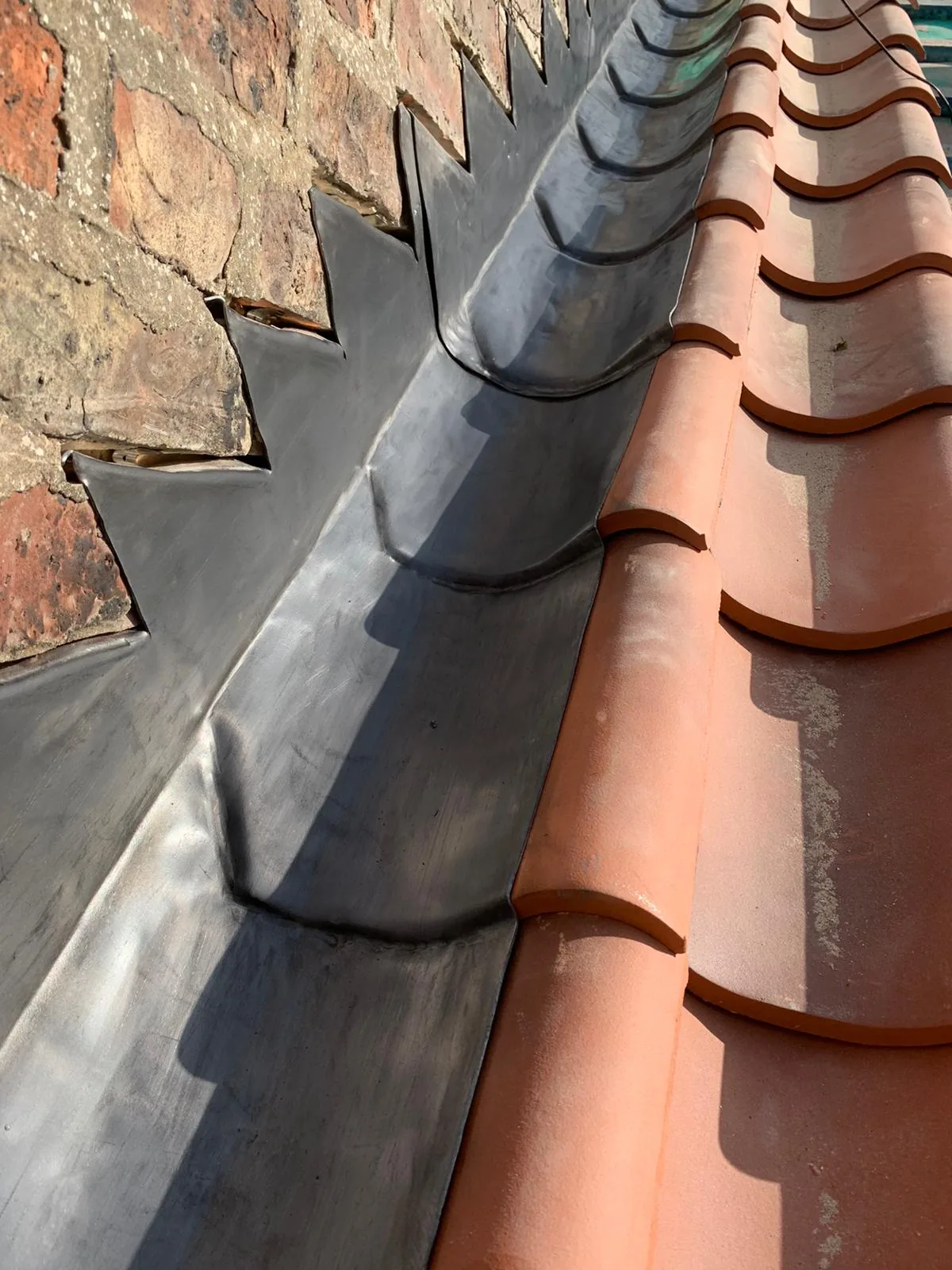
What a Dry Ridge System Is and How It Holds Firm
A dry ridge system fixes each ridge tile to the roof with a mechanical clamp and screw. A ventilated ridge roll runs underneath the tiles along the top of the roof. That roll seals against driving rain while still letting air pass through.
Here is what a fitted system gives you:
- Every ridge tile screwed down, so wind cannot lift it
- A weatherproof roll that blocks rain but breathes
- Built-in ventilation at the highest point of the roof
- Room for the roof to move without cracking anything
- No wet mortar to wash out, crack or need repointing
- A clean, uniform ridge line from ground level
The old way beds ridge tiles on a sand-and-cement mortar. That mortar looks solid on day one. Weather cycles, frost and roof movement work at it, and it starts to crack and let go. A dry ridge takes that weak point out of the roof for good.
The Warning Signs Your Mortar Ridge Is Failing
A mortar ridge rarely fails all at once. Catch it early and a dry ridge upgrade solves it before a tile ever comes loose over the pavement.
Look out for these:
- Cracked or crumbling mortar along the ridge line
- Chunks of old mortar in the gutter or on the ground
- A ridge tile that has slipped or sits at an angle
- Gaps opening up between the ridge tiles
- Green moss or weeds taking root in soft mortar
- Damp or a musty smell in the loft from poor airflow
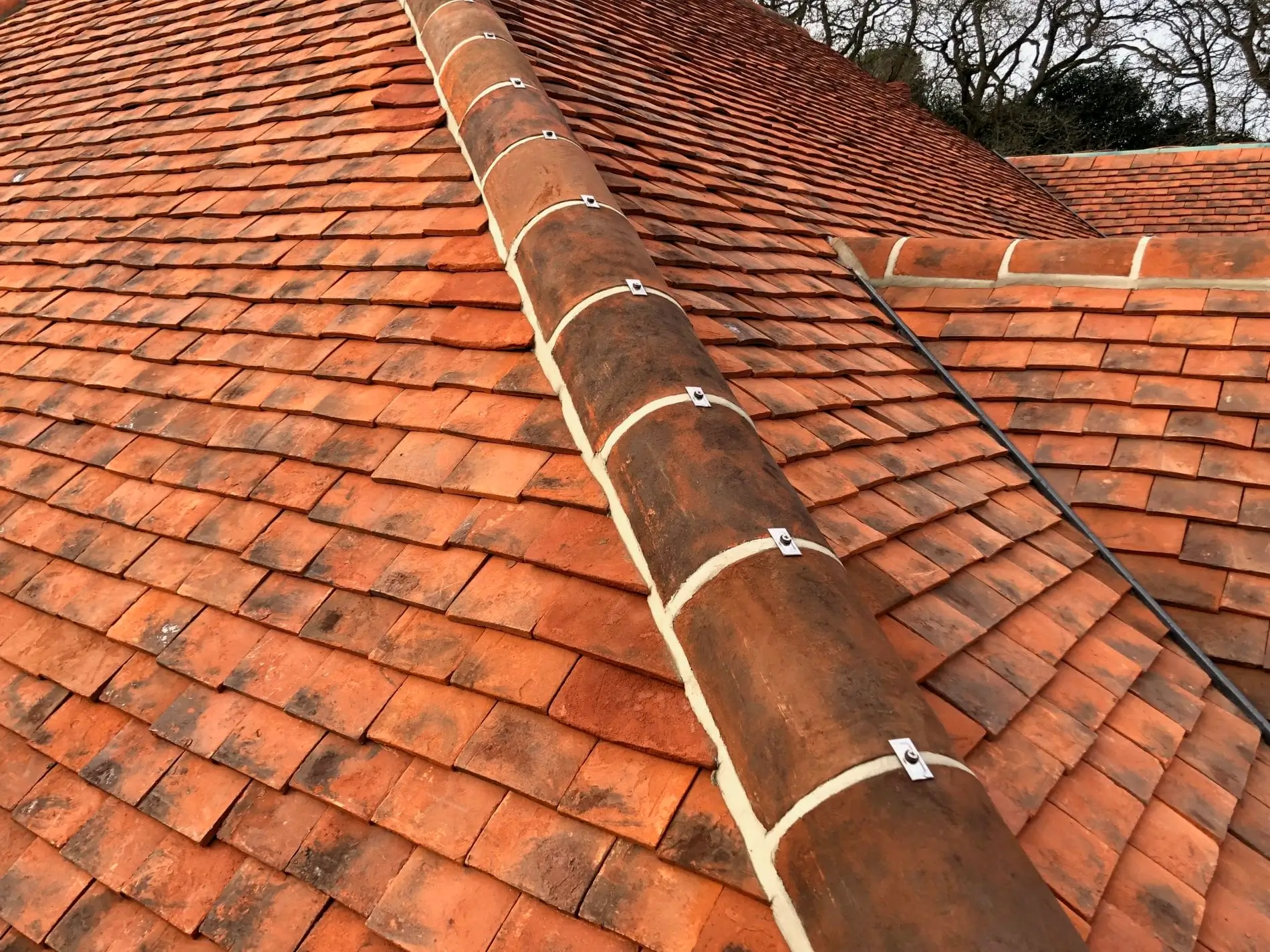
We see this on older homes around Lubenham and Foxton, where mortar bedded thirty years ago has had enough. Some roofs only need loose tiles reset, which is where our Ridge Tile Repairs & Rebedding service comes in. Once mortar is failing along the whole ridge, a dry ridge upgrade is the fix that lasts. A free drone survey tells you which route your roof needs.
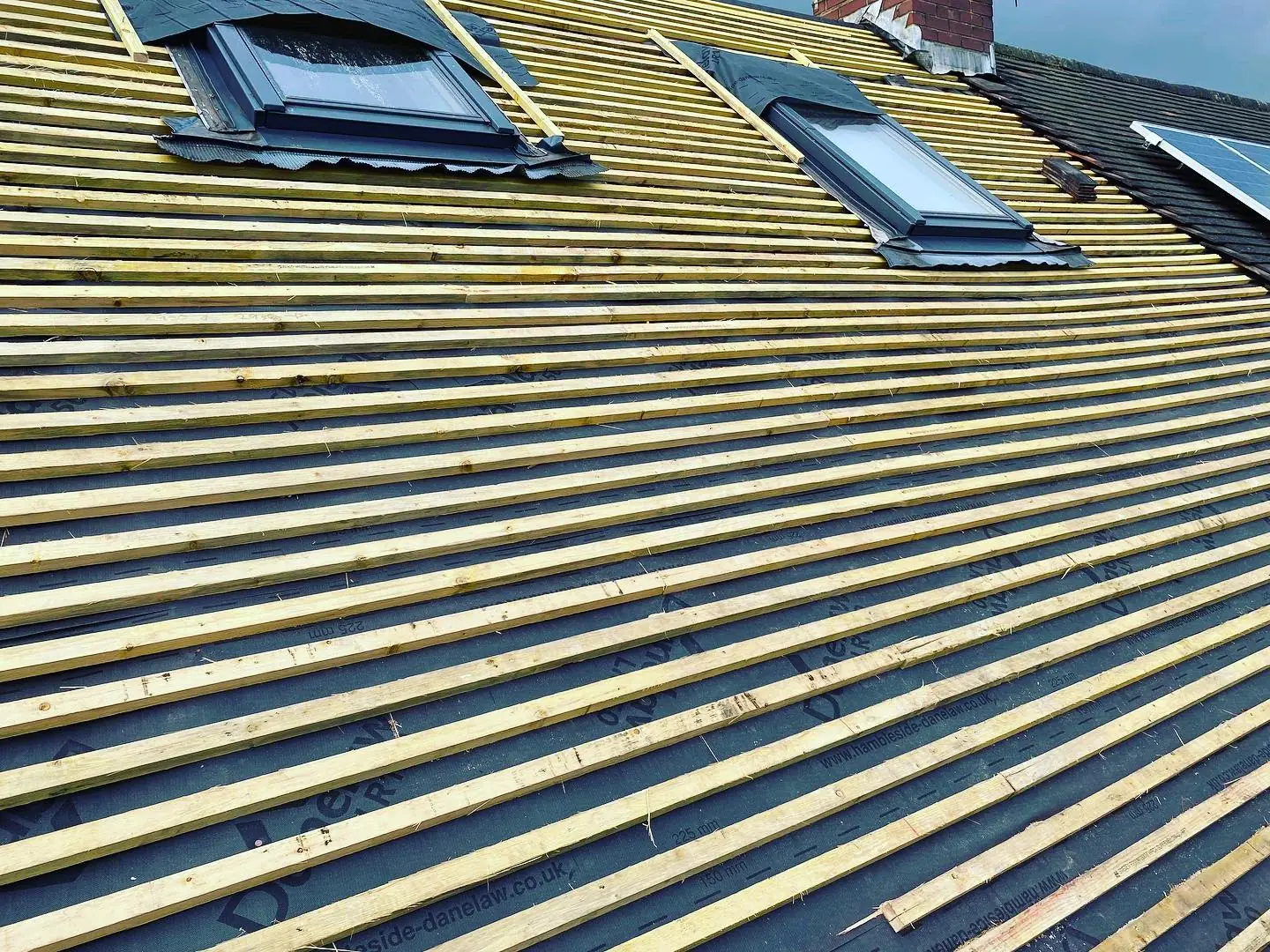
Does British Standard BS 5534 Require a Dry Ridge?
Not exactly, but it points that way. Since the 2014 update, BS 5534 says mortar on its own can no longer be trusted to hold ridge, hip and verge tiles down. Every one of those tiles now needs a mechanical fixing.
You can still use mortar, but only if a screw or clamp backs it up. A dry ridge meets this rule cleanly, because the fixing does the holding and no mortar is needed at all. That is why most re-roofs in Market Harborough now go dry.
There is one exception. Heritage and listed buildings sometimes keep a traditional mortar look, and that work falls outside BS 5534. We check whether your home has any such restriction before we quote, so nothing catches you out later.
Dry Ridge vs Mortar-Bedded Ridge — Side by Side
Both methods finish the top of a pitched roof. They behave very differently over the years. In short: a mortar-bedded ridge costs a little less on the day but cracks and needs repointing within ten to fifteen years; a dry ridge costs a touch more up front and then works, untouched, for the life of the roof. The table below lays out the real figures.
| :-: | :-: | :-: | :-: | :-: |
| System | Typical cost (per metre) | Typical lifespan | Maintenance | Best for |
| Dry ridge (mechanically fixed) | £40–£60 | 40–50+ years | Almost none | Re-roofs, exposed roofs, most homes |
| Mortar-bedded ridge | £35–£60 | 10–15 years | Periodic repointing | Heritage and listed roofs keeping a traditional look |
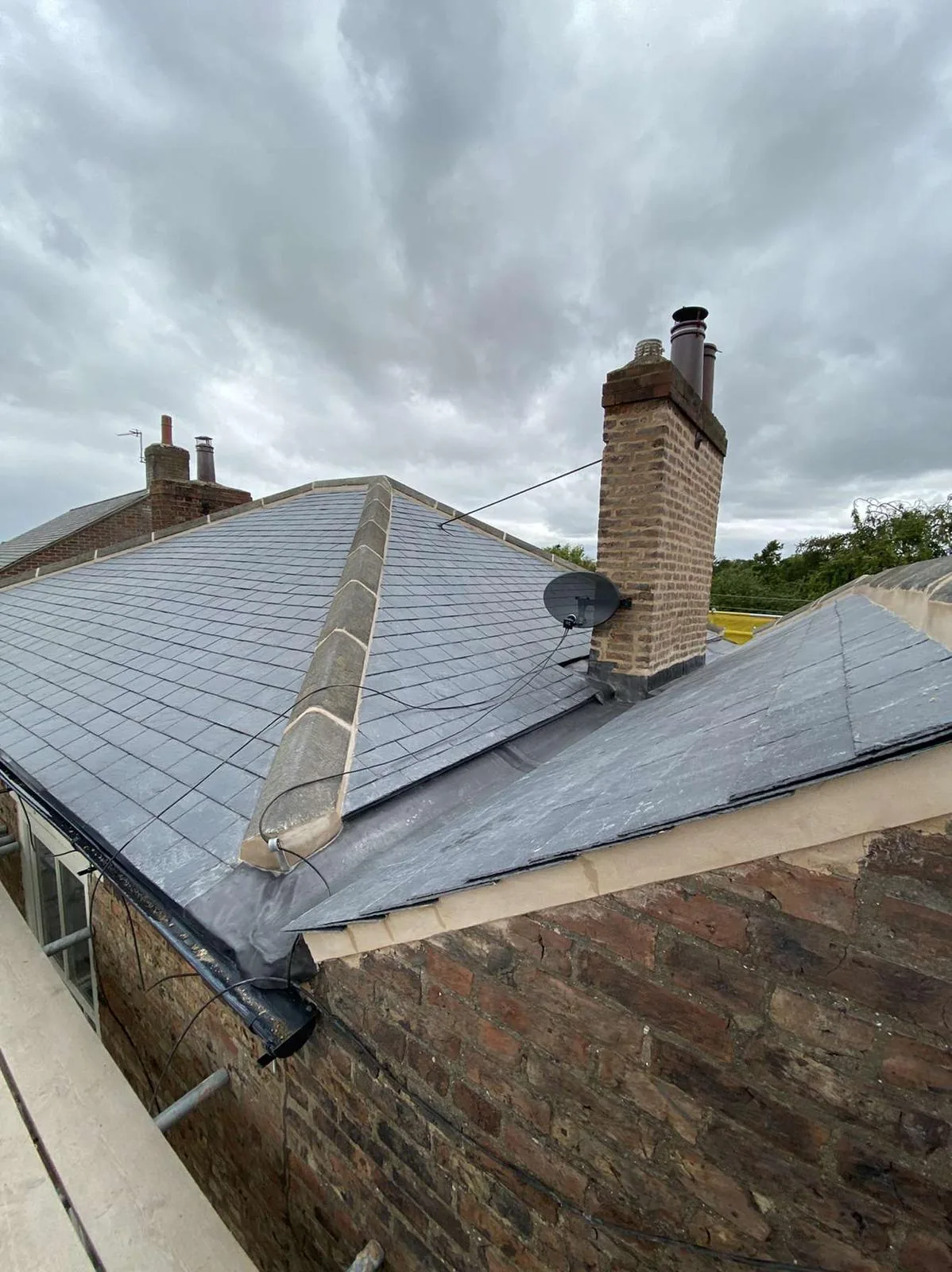
The gap on day one is small. The gap over twenty years is not. A mortar ridge often wants repointing twice in that time, while a dry ridge sits there and does its job. When you count the repeat visits, dry fix works out cheaper and far less hassle.
The same logic runs along the gable edges of your roof, which is why many homeowners pair a dry ridge with a Dry Verge System at the same time. Doing both in one visit saves a second scaffold later.
What a Dry Ridge System Costs in Market Harborough
Cost comes down to three things: the length of ridge, the access, and whether verges or hips get done too.
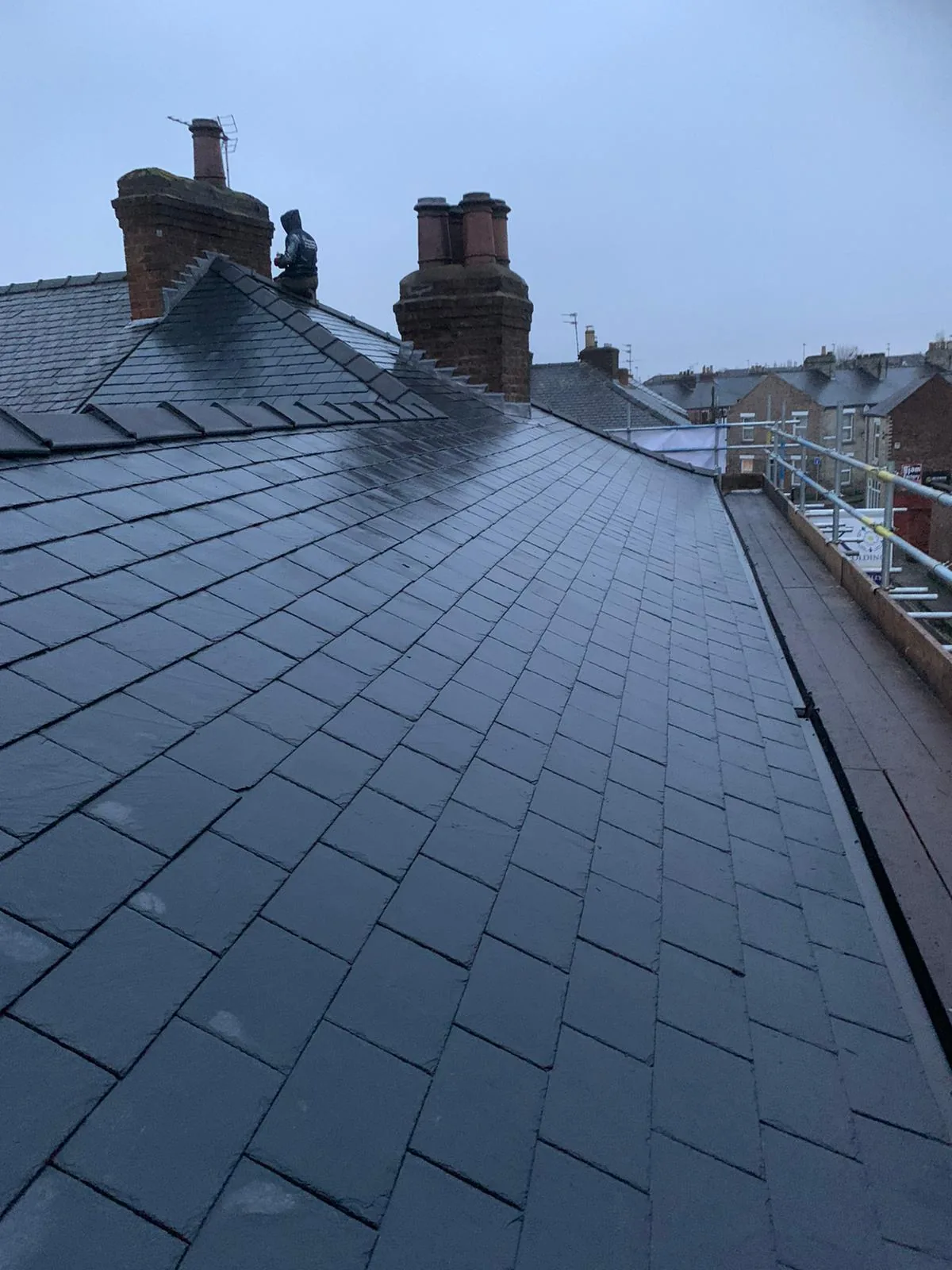
As a general guide, a fitted dry ridge runs roughly £40–£60 per metre. The materials sit around £10–£20 per metre, with labour making up the rest. For a typical semi-detached home, most full dry ridge jobs land somewhere between £900 and £1,600, usually finished in one to two days.
What moves the price up or down:
- **Ridge length*— a longer or hipped roof has more metres to fix
- **Access*— a roof boxed in behind an extension costs more to reach
- **Scaffolding*— where needed, this adds roughly £300–£900
- **Extra work*— adding a dry verge or new hips in the same visit
- **Batten condition*— a rotten ridge batten has to be swapped first
These are general market ranges, not a quote for your roof. Two roofs of the same length can price very differently once access and batten condition come into it. The only way to a firm figure is a proper look, which is exactly what our free drone survey gives you, followed by a clear written price with nothing added later. A fixed price needs a survey.
Fitting a Dry Ridge to an Existing Roof
You do not need a whole new roof to get a dry ridge. It retrofits neatly onto a sound existing roof, and the job follows the same order every time:
- Old ridge tiles lifted and set aside if they can be reused
- Failing mortar chipped off and the ridge batten checked
- A new ridge batten fitted where the old one has gone soft
- Ventilated ridge roll rolled out and sealed down each side
- Ridge tiles clamped and screwed back along the line
- Site cleared and the finished ridge checked before we leave
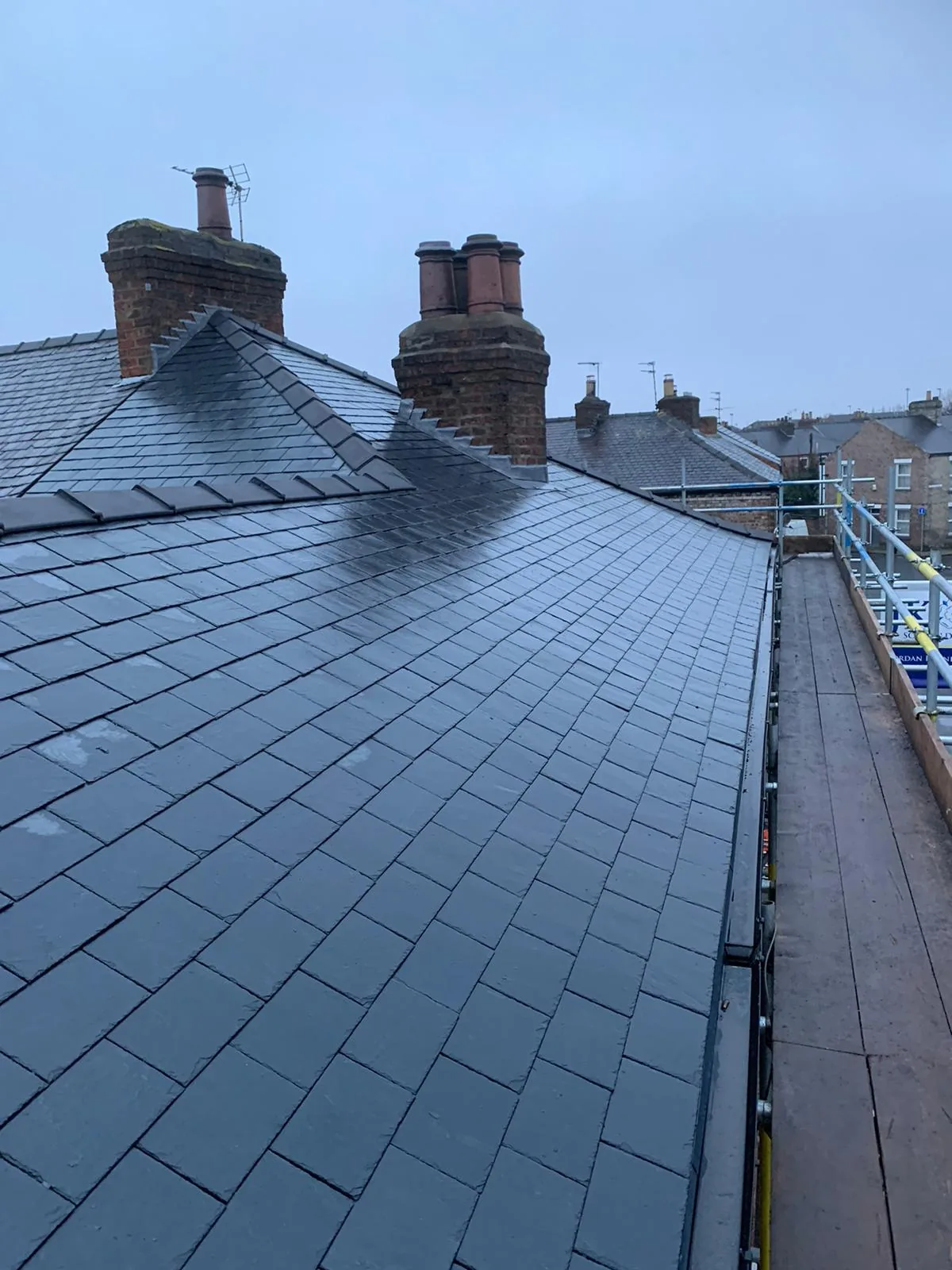
Most homes around Great Bowden and Kibworth Beauchamp take one to two days, weather allowing. We check the tiles and batten first, because a dry ridge only works over a sound base. You get a realistic timeframe before we start, not an optimistic one to win the job.
The Maintenance Payoff Over the Life of the Roof
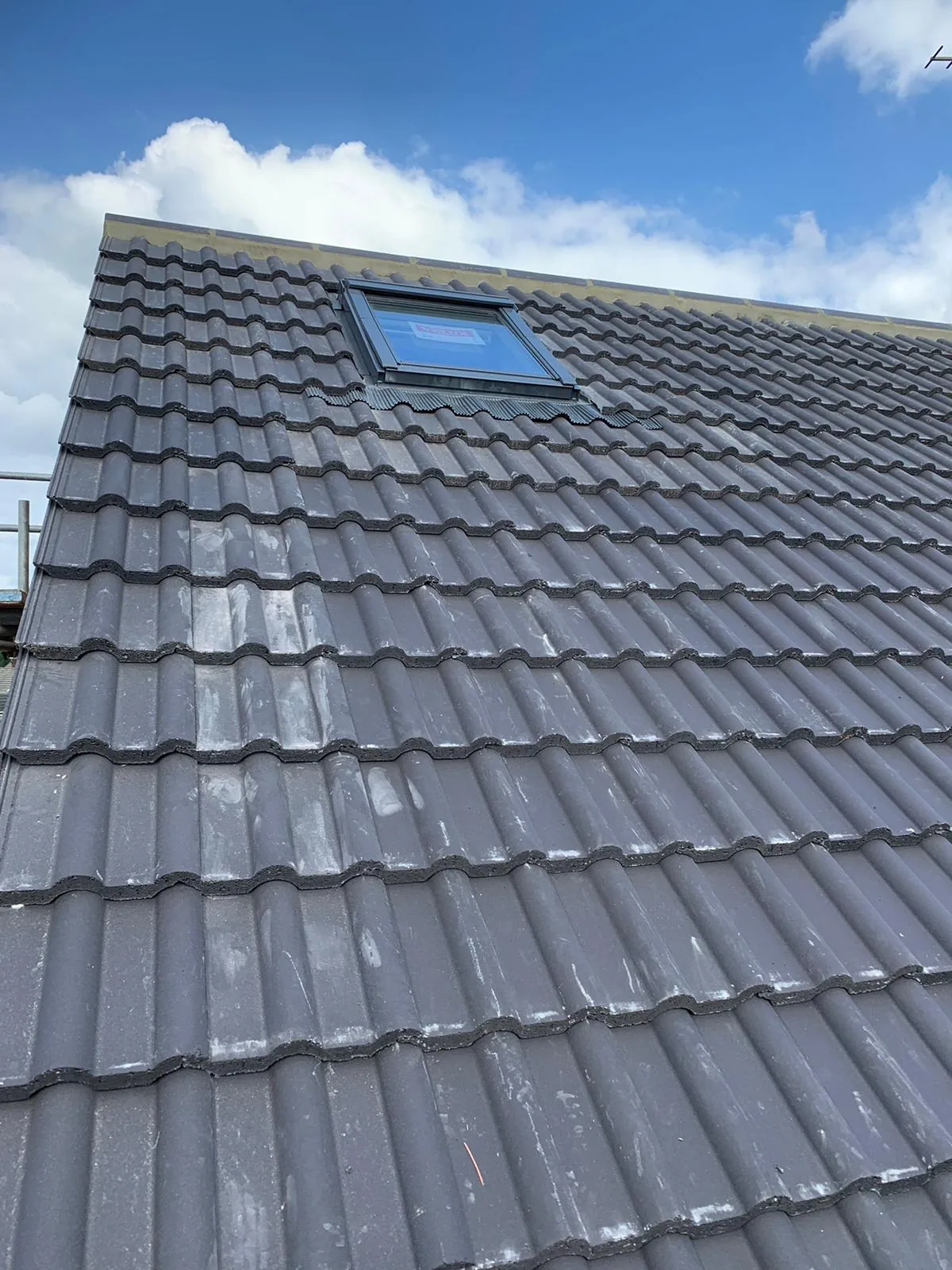
A dry ridge asks very little of you once it is on. The fixings and seals are built to last as long as the tiles they hold. There is no mortar to crack, so there is nothing to repoint every few years.
A quick look now and then is all it takes:
- Glance along the ridge line after a big storm
- Check the loft stays dry and free of that musty smell
- Clear any moss that builds up on the tiles over time
- Book a free drone survey if anything looks out of place
That is the real payoff. Where a mortar ridge pulls you back into repair work every decade, a dry ridge lets you forget it is there. For an independent read on how dry fix works and why it lasts, the Roof Tile Association on dry-fix roofing is a solid place to start before you commit.
Why Market Harborough Homeowners Call Tate & Sons First
You are not just buying clamps and a roll — you are buying whoever fits them. Ryan Tate, our project manager, joined the trade full-time after his NVQ Level 3 in Roofing, and fits modern dry-fix systems day in, day out. He is part of the same crew that turns up to work on your roof, not just the man who quoted it.
Founder Michael Tate started his apprenticeship at sixteen and built Tate & Sons on one conviction: fix the cause, not just the symptom. He still surveys jobs himself and never signs off a roof he would not put his own name to. Between us we carry over 45 years of combined experience, hold NVQ Level 2 and 3 qualifications in Roofing Occupations, and keep CSCS cards and NFRC trade-body membership. Read more about the people behind the work on our About Tate & Sons Roofing page.
Areas We Serve Across Market Harborough and the Harborough District
We fit dry ridge systems across Market Harborough and the surrounding Welland Valley villages. If your area is not on the list below, call us anyway — if you are nearby, there is a strong chance we cover you.
- Market Harborough (LE16)
- Great Bowden (LE16 7)
- Little Bowden (LE16 8)
- Lubenham (LE16 9)
- Foxton (LE16 7)
- Medbourne (LE16 8)
- Kibworth Beauchamp (LE8)
- Great Glen (LE8 9)
- Fleckney (LE8 8)
- Husbands Bosworth (LE17 6)
- Desborough (NN14 2)
Got Questions?
Your Dry Ridge Questions, Answered Properly
What is a dry ridge system?
A dry ridge system fixes your ridge tiles down with screws and clamps instead of mortar. A ventilated roll runs under the tiles along the top of the roof. It seals out rain, lets air escape from the loft, and holds every tile firm in high wind. Because there is no wet mortar, there is nothing to crack or wash out over the years.
Is a dry ridge better than mortar?
For most roofs, yes. A dry ridge holds tiles down mechanically, so wind cannot lift them, and it ventilates the loft at the same time. Mortar seals the ridge but cracks within ten to fifteen years and needs repointing. The one place mortar still wins is a heritage or listed roof where a traditional look matters. On a standard home, dry fix lasts far longer with almost no upkeep.
Does British Standard BS 5534 require a dry ridge?
Not word for word, but it comes close. Since 2014, BS 5534 says mortar alone cannot be relied on to hold ridge, hip and verge tiles. Each of those tiles now needs a mechanical fixing. A dry ridge meets that rule cleanly because the fixing does the work and no mortar is needed. Heritage and listed roofs are the main exception and fall outside the standard.
How much does a dry ridge system cost in Market Harborough?
As a general guide, a fitted dry ridge runs roughly £40 to £60 per metre. For a typical semi-detached home, most full jobs land between £900 and £1,600, finished in one to two days. Scaffolding, where needed, adds around £300 to £900. A free drone survey gives you an exact written price rather than a rough estimate over the phone. A fixed price always needs a survey first.
Does a dry ridge system need maintenance?
Very little. The fixings and seals are built to last as long as the tiles they hold, so there is no mortar to repoint every few years. A glance along the ridge after a big storm and a check that the loft stays dry is about all it asks. Clear any moss that builds up over time. Beyond that, a well-fitted dry ridge looks after itself.
Can you fit a dry ridge to an existing roof?
Yes, as long as the roof is sound. We lift the old ridge tiles, chip off the failing mortar, and check the ridge batten underneath. A new batten goes in where the old one has gone soft. Then the ventilated roll and the tiles are clamped and screwed back down. Most homes are done in one to two days without needing a full re-roof.
Will a dry ridge let water or draughts in?
No. The ventilated roll is designed to block driving rain while still letting air pass through, so you get airflow without leaks. It is tested against wind-driven water under the dry-fix standards. Poor fitting is the only thing that lets water in, which is why the seal down each side matters. Fitted properly, a dry ridge is more weathertight than tired old mortar.
How long does a dry ridge system last?
A well-fitted dry ridge can last as long as the roof itself, often 40 to 50 years or more. The mechanical fixings do not weather the way mortar does, so the ridge stays put through storm after storm. Exposure and tile quality play a part, but you are looking at decades of service. Compare that with a mortar ridge that often wants repointing twice in the same span.
Book Your Free Drone Roof Survey Today
See exactly what your ridge needs before any work starts. No ladders, no pressure — just a clear picture from a local Market Harborough team.
Every winter a cracked mortar ridge waits, frost works deeper into it, and one day a tile lets go over the path below. A quick, free survey today tells you exactly where you stand — and often the fix is smaller and cheaper than you feared. Book now, get an honest quote, and lock your ridge down before the next storm finds the weak spot.
ð 5 Hood Close, Market Harborough, LE16 9XS
ð 01858 457600
Call the Market Harborough team today on 01858 457600, or request your free drone survey online. We're already working across your area.
Book Your Free Drone Roof Survey
See exactly where your roof stands, with no obligation and no pressure. Call our Market Harborough team or request your free drone survey today.
Get in Touch
Tate & Sons Roofing — Market Harborough Office
5 Hood Close, Market Harborough, LE16 9XS
📞 01858 457600
✉️ [email protected]