
🏠 Trusted Local Roofers
Corrugated Roofing Chesterfield
Corrugated sheeting is the workhorse of Chesterfield roofing. You will find it on garages, stables, workshops and the big steel-frame units scattered across the borough's industrial estates. Tate & Sons Roofing fits and replaces corrugated roofing across Chesterfield, working as a roofing contractor across Chesterfield on everything from a single garden store to a full commercial unit re-sheet.
This page sets out the signs your corrugated roof needs replacing, the real difference between steel, fibre cement and bitumen sheet, honest cost ranges, and exactly how our team gets the job done. You will also find straight answers to the questions Chesterfield property and business owners ask us most.
- Fully Insured
- 10-Year Guarantee
- 5-Star Rated
Quick Free Estimate - No Obligation
We're not just roofers – we're your neighbours.
Fully Insured • Response within 15 mins
🔒 Your details are safe with us. No spam, ever.
How to Tell Your Corrugated Roof Needs Replacing, Not Patching
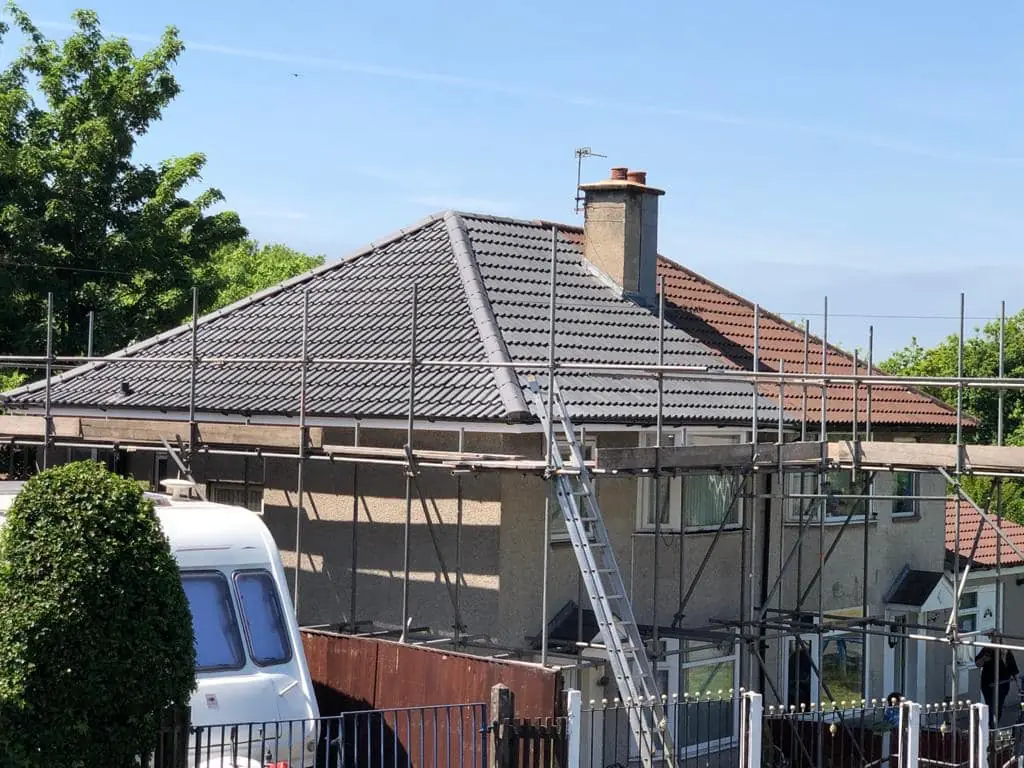
A few loose fixings or a cracked sheet often just needs a repair. Rust running along several sheets, or sagging across a wide span, usually means the whole roof has reached the end of its working life.
Older sheds and outbuildings around Chesterfield, especially those built decades ago near Staveley and the town's former industrial sites, often carry original sheeting that has quietly outlived its design life. Once corrosion or wear reaches that stage, patch repairs stop being good value.
Watch for these warning signs before you pay for another round of patching:
- Rust streaks or flaking paint across several sheets, not just one spot
- Daylight showing through pinholes or worn overlaps
- Sagging between purlins, especially on wide industrial spans
- Loose or popped fixings after strong wind
- Green staining, moss or algae holding damp against the sheet
- A roof over 25 years old with repeated leaks in different spots
If your building still carries the original grey asbestos-cement sheeting common on older Chesterfield outbuildings and industrial units, that is a separate conversation from ordinary wear, and one we handle carefully. A free drone survey shows exactly what condition your sheets are in without anyone needing to walk the roof.
Steel, Fibre Cement or Bitumen: Choosing the Right Corrugated Sheet
Your choice of sheet depends on the building, the budget and how long you need the roof to last. A garden store has very different needs from a working unit on the Chesterfield Trading estate.
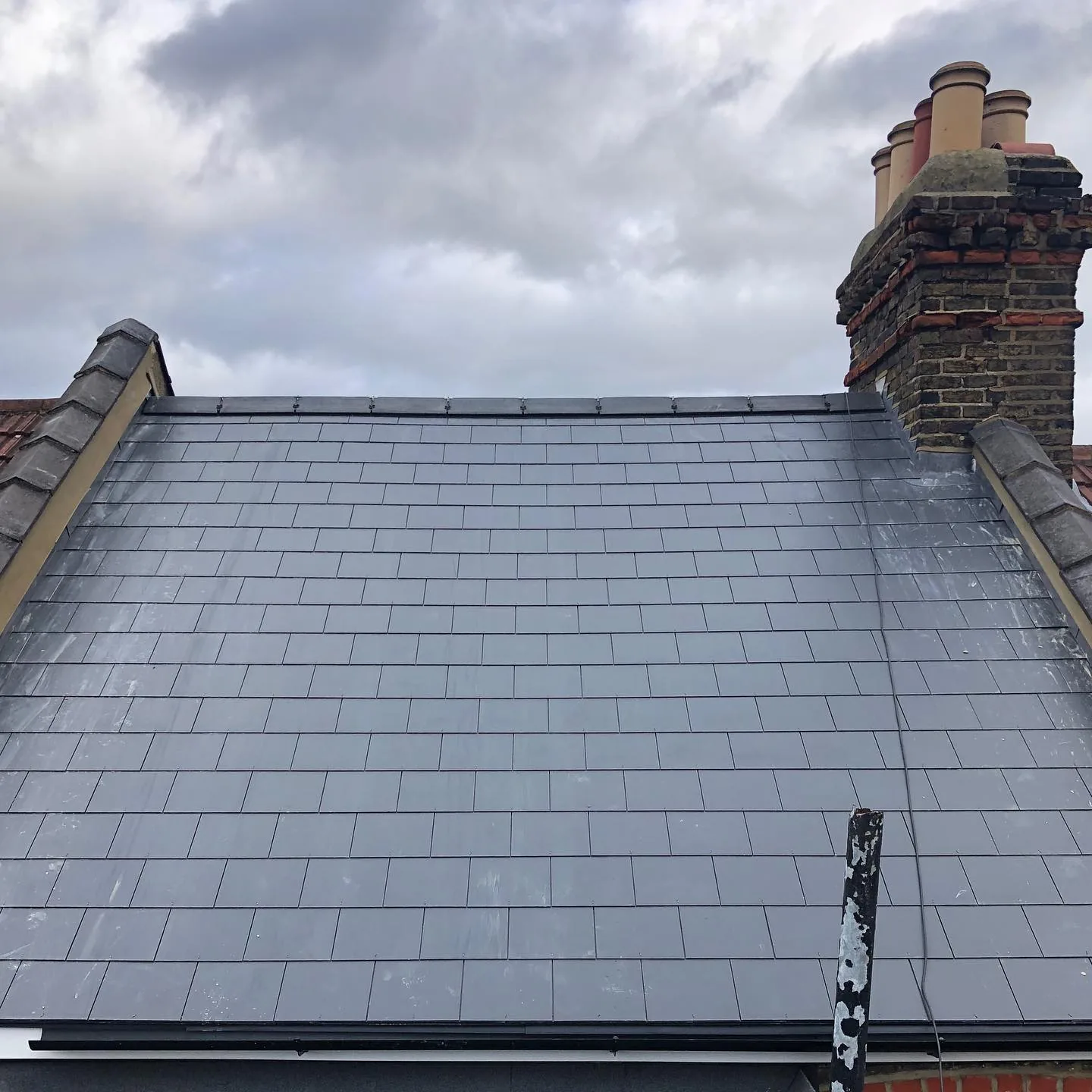
Galvanised or coated steel sheet is the most common choice for garages, stables and industrial buildings, offering a strong, long-lasting cover at a moderate price. Fibre cement sheet costs a little more but resists fire, rot and corrosion for decades, which suits agricultural buildings and larger commercial roofs where longevity matters most. Bitumen corrugated sheet, often sold under names like Onduline, is the lightest and cheapest option, well suited to garden stores, log cabins and other budget outbuildings rather than long-term industrial cover. For buildings needing a smarter, longer-lasting finish, our metal roofing service in Chesterfield covers standing-seam and box-profile systems as well as corrugated steel.
The table below sets out real cost, lifespan and best-use guidance for the three main corrugated materials we fit around Chesterfield.
We talk you through which sheet suits your building, its use and your budget during your free drone survey, with no pressure toward the priciest option.
Corrugated Roofing Cost in Chesterfield: What Drives Your Price Up or Down
Corrugated roofing typically costs between £20 and £65 per square metre installed in the UK, depending on the material and sheet thickness you choose. Bitumen sheet sits at the cheaper end, steel sits in the middle, and fibre cement usually costs the most per square metre but lasts the longest.
Roof size affects the total more than almost anything else, since larger industrial units and barns need far more sheet, more fixings and more labour hours than a single garage. Roof pitch and access also matter, and a steep pitch or a building surrounded by machinery, stock or parked vehicles adds time to the job.
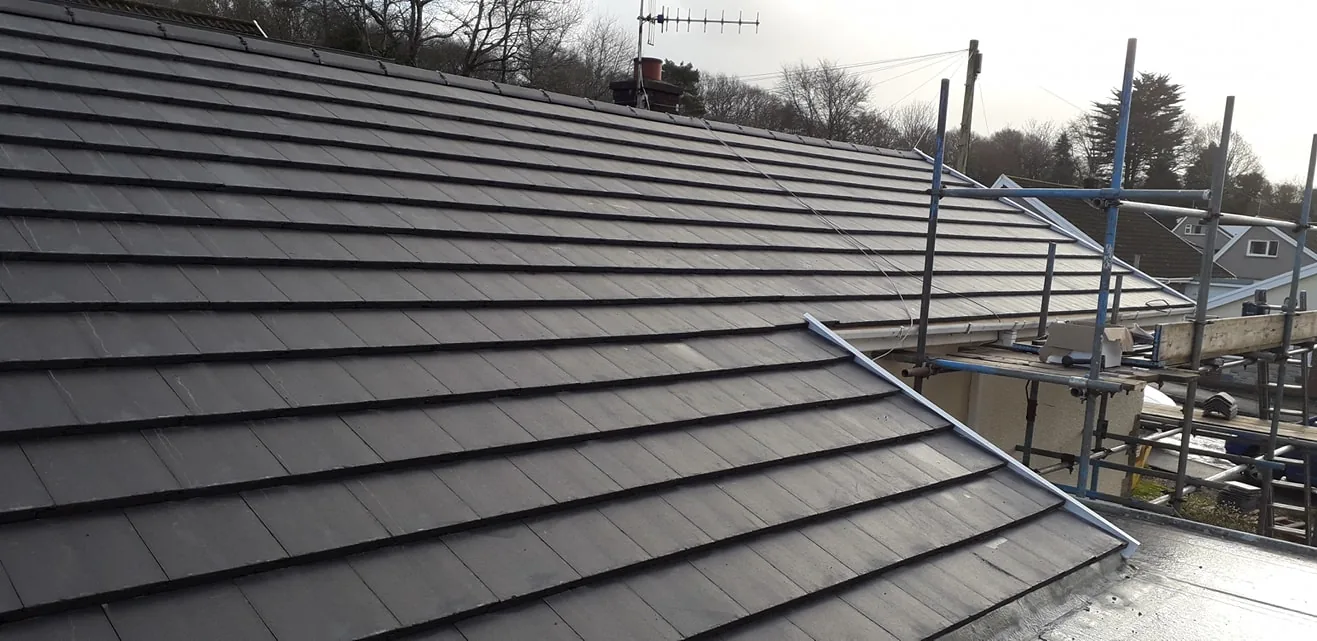
Cost rises when old asbestos-cement sheeting needs safe removal first, when purlins or timber need replacing underneath, or when guttering and flashing are being renewed at the same time. Cost falls when the existing structure is sound, access is easy, and the job is a straightforward like-for-like re-sheet on a simple rectangular roof.
A fixed price for your corrugated roof needs a survey, since sheet count, fixing type and access all vary from building to building. Two similar-looking units on the same industrial estate can price very differently once condition and access are checked properly.
| Material | Typical Cost (installed) | Typical Lifespan | Best For |
|---|---|---|---|
| Steel Corrugated | £35-£60 per m² | 25-40 years | Industrial units, workshops, large-span outbuildings |
| Fibre Cement Corrugated | £40-£65 per m² | 30-50+ years | Agricultural buildings, fire-rated commercial roofs, low-maintenance cover |
| Bitumen Corrugated | £20-£35 per m² | 10-20 years | Garden stores, log cabins, budget or short-term outbuildings |
What Happens Before Work Starts: Surveys, Standards and Old Asbestos Sheets
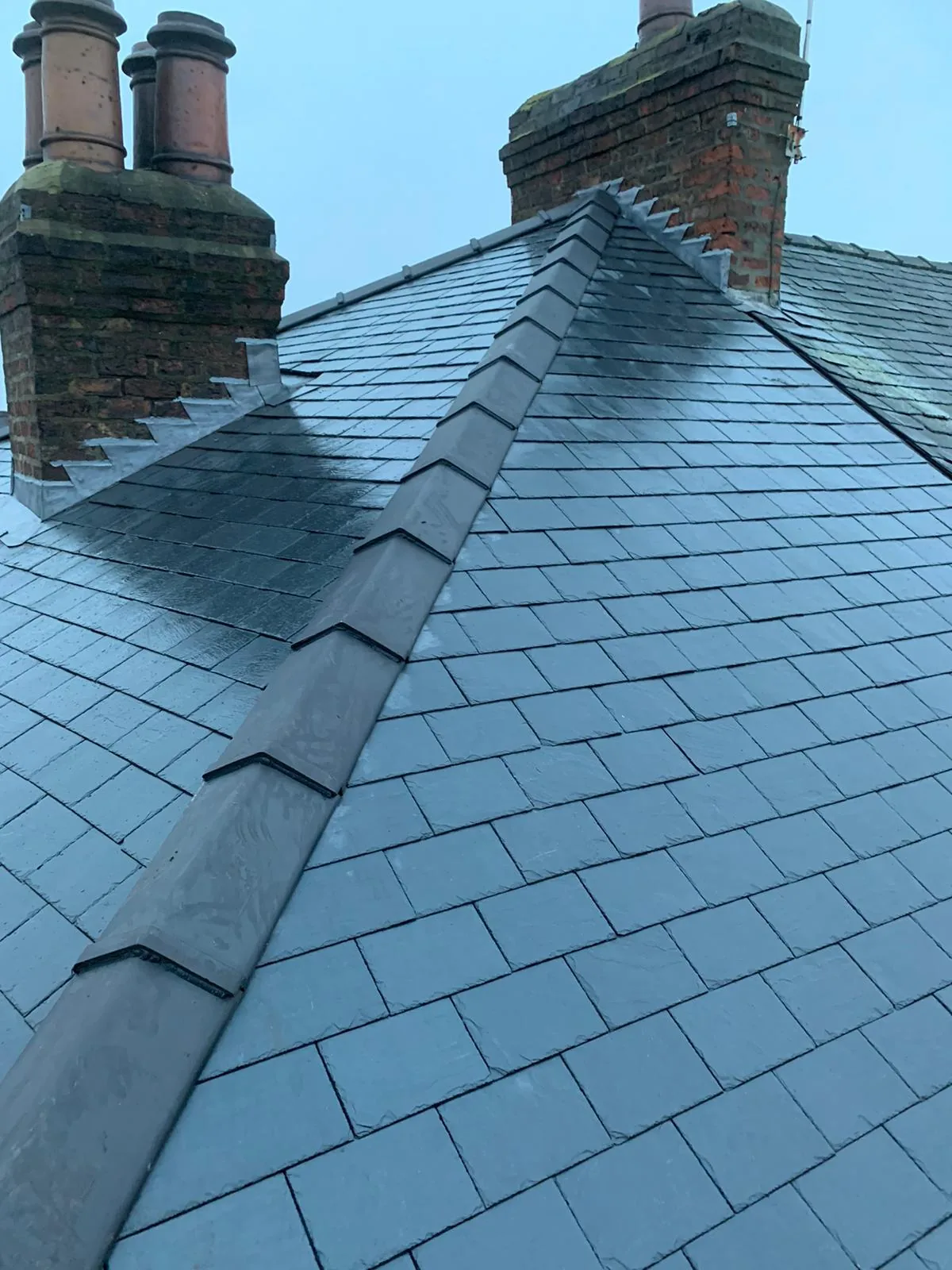
We start every corrugated roofing enquiry with a free drone roof survey, giving you clear photos and a real scope of work before scaffold or access equipment goes up. This is especially useful on larger industrial roofs, where a ladder survey only shows a fraction of the sheet run.
Where fixings, overlaps and wind resistance are concerned, we work to the standards set out by bodies such as the Metal Cladding and Roofing Manufacturers Association, which publishes guidance on wind loading and fixing tolerances for profiled metal roof sheeting. Exposed sites on the Sheepbridge and Chesterfield Trading industrial estates, where large steel-frame sheds sit in open ground, need this kind of proper wind-loading check rather than a standard fixing pattern copied from a smaller job.
Many older outbuildings and industrial units around Chesterfield, particularly near Staveley's former ironworks and colliery sites, still carry original grey asbestos-cement corrugated sheeting from the town's industrial heyday. Removing this is non-licensable work when handled correctly, but it still needs careful wetting, careful lowering and disposal through a licensed hazardous waste carrier, never dropping or breaking the sheets. We plan this stage separately from the new roof cost, so you know exactly what you are paying for at each step.
Straightforward corrugated re-sheets rarely need planning permission, though listed buildings, conservation areas and larger industrial extensions can bring building regulations or planning into scope. We check this against your property and use it before we quote.
Your Corrugated Roof Installation, Step by Step
Daniel Oakland, our Project Manager and Lead Roofer, runs corrugated roofing jobs on site day to day. With over 20 years in the trade, his background in EPDM, GRP and standing-seam work means he brings the same attention to a steel-frame industrial unit as he does to a garden outbuilding.
Old sheets come off first, working carefully across the roof so the structure is never left fully open to weather. We check purlins and any timber supports underneath, replacing anything that has rotted, rusted or moved before the new sheet goes down.
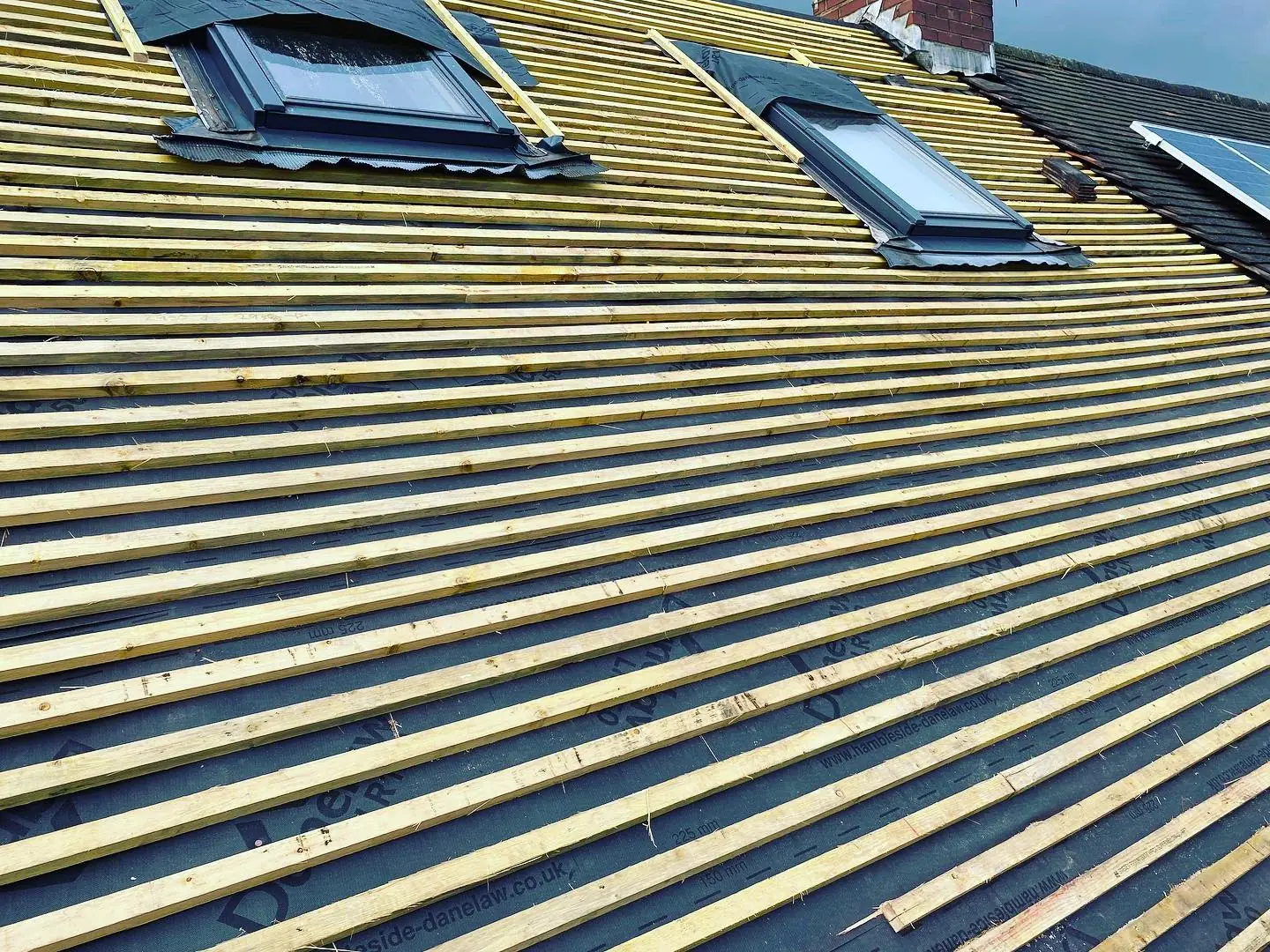
New sheets go on with the correct overlap, usually one and a half corrugations at the side and around 150-300mm at the head, fixed at every corrugation along eaves, ridges and overlaps. Fixings sit at the peak of each corrugation with a sealed washer, spaced to hold firm against wind uplift rather than just to look tidy.
A single garage or small outbuilding re-sheet often finishes in a single day. Larger industrial units on estates like Chesterfield Trading can take several days, depending on roof size, access and whether old asbestos sheeting needs removing first.
If your outbuilding is due more than a re-sheet, we also handle full garage roof replacement across Chesterfield, including timber and structural work where the old roof has gone beyond a simple re-cover.
Quality Checks, Fixings and Keeping Wind and Water Out
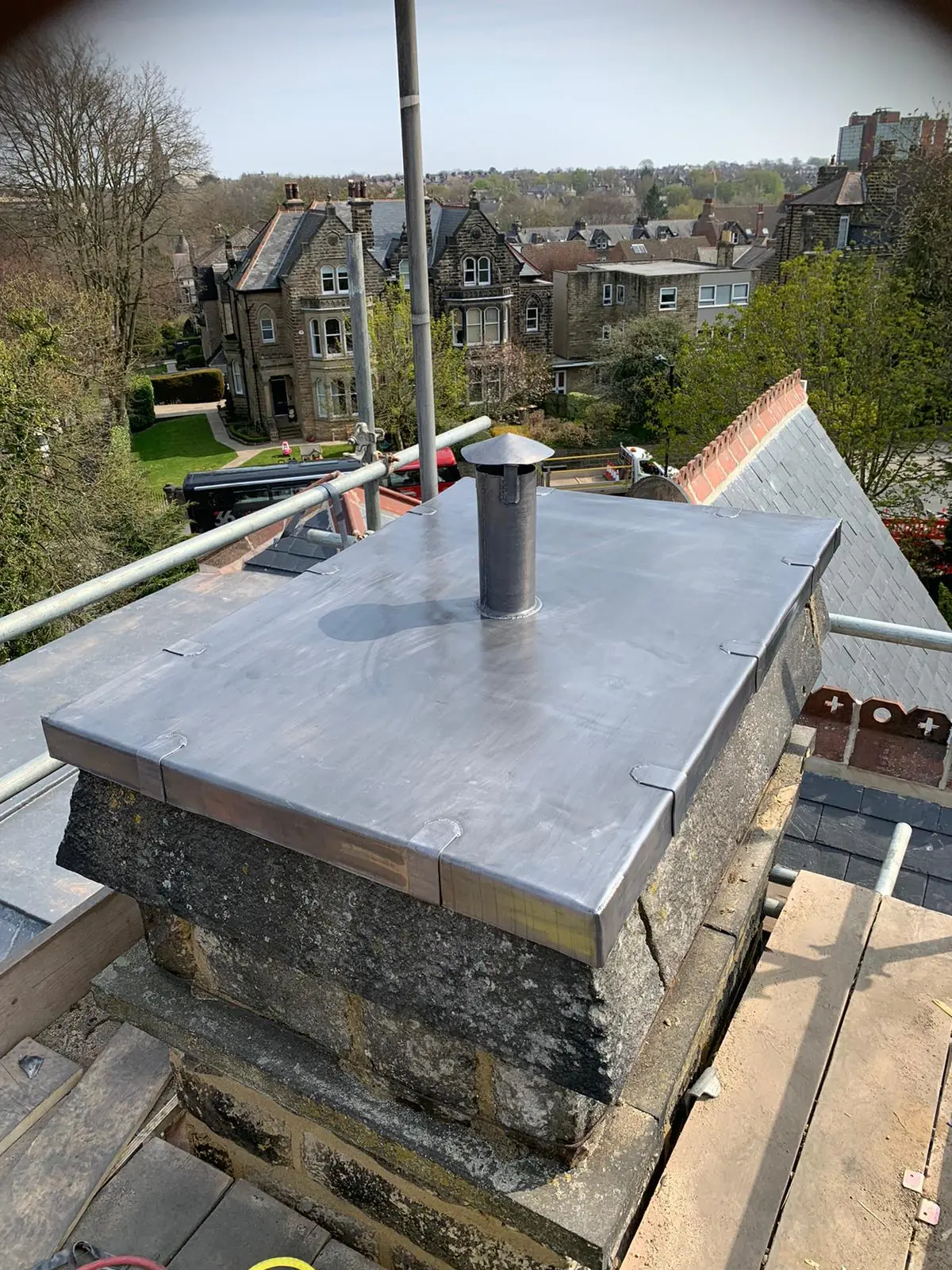
Every corrugated roof we fit comes with a 10-year workmanship guarantee, on top of the manufacturer's own warranty on the sheet material. Daniel checks every fixing, overlap and flashing line before signing a job off.
Wind is the biggest ongoing threat to corrugated roofing, particularly on exposed industrial sites around Chesterfield where wide steel-frame roofs catch more wind than a typical house roof. Correctly spaced fixings at every corrugation along the eaves and ridge stop sheets lifting in gusts, which is where cheaper, poorly fixed jobs tend to fail first.
Simple upkeep keeps a corrugated roof performing for years. Clear moss and debris from valleys once or twice a year, check fixings after severe storms, and get a slipped or lifted sheet re-fixed quickly rather than waiting for a leak to develop underneath.
We keep a record of every corrugated roof we fit, including sheet type, fixing pattern and installation date. That paperwork makes insurance claims, future maintenance and any warranty question far simpler down the line, especially for commercial units with multiple stakeholders.
Why Choose Tate & Sons Roofing for Your Corrugated Roof
James Tate founded the business after 15 years working roofs across Derbyshire and the East Midlands, and he still prices most jobs himself. His approach on every corrugated roof is the same one he built the company on: find out what's genuinely wrong, use the right materials, and stand behind the result.
Daniel Oakland leads corrugated roofing jobs on site, bringing over 20 years of hands-on experience across industrial, agricultural and residential outbuilding roofing. His work covering EPDM, GRP and standing-seam systems, alongside heritage slate and lead detailing, means he understands how a roof needs to behave, not just how it should look.
Our wider team holds NVQ Level 2/3 qualifications in Roofing Occupations, CSCS cards and NFRC trade membership, with over 40 years of combined experience between us. Read more about the people who will fit your corrugated roof on our About page.
Every corrugated roof comes with a 10-year workmanship guarantee and starts with a free, no-obligation drone roof survey, so you know the full scope of work before we start on your Chesterfield building.
Areas We Serve Around Chesterfield
We fit and replace corrugated roofing across Chesterfield and the surrounding towns and villages listed below.
- Chesterfield (S40 / S41)
- Brampton (S40)
- Hasland (S41)
- Newbold (S41)
- Staveley (S43)
- Brimington (S43)
- Whittington Moor (S41)
- Old Whittington (S41)
- Wingerworth (S42)
- Clay Cross (S45)
- Dronfield (S18)
- Eckington (S21)
- Holymoorside (S42)
Got Questions?
Your Corrugated Roofing Questions, Answered Properly
How much does corrugated roofing cost in Chesterfield?
Corrugated roofing typically costs between £20 and £65 per square metre installed, depending on the material you choose. Bitumen sheet is the cheapest option, steel sits in the middle, and fibre cement usually costs the most but lasts the longest. Roof size, access and pitch all affect the final price. We only give a fixed price after a free drone survey of your actual roof.
Which is better: steel, fibre cement or bitumen corrugated sheet?
The right choice depends on your building and how long you need the roof to last. Steel suits most garages, stables and industrial units, offering strength and a long working life at a moderate price. Fibre cement costs more but resists fire, rot and corrosion for decades, making it well suited to agricultural and larger commercial roofs. Bitumen is the lightest and cheapest, and works best for garden stores and other budget outbuildings rather than long-term industrial cover.
How long do corrugated roofing sheets last?
Steel corrugated sheet typically lasts 25 to 40 years, fibre cement can last 30 to 50 years or more, and bitumen sheet usually lasts 10 to 20 years. Actual lifespan depends on the coating quality, how exposed the building is, and how well fixings and overlaps were installed. Regular checks after storms help catch problems before they shorten the roof's working life.
Can you walk on a corrugated roof safely?
Corrugated sheets should never be walked on directly, since your weight can crack or punch through the sheet between purlins. If access is needed for a repair or inspection, weight needs spreading across a crawling board or roof ladder resting on the structure below. This applies to steel, fibre cement and bitumen sheet alike, and it is one of the most common causes of accidental damage we get called out to fix.
What overlap and pitch does a corrugated roof need?
Corrugated sheets generally need a minimum roof pitch of around 10 degrees to shed water properly. Side overlaps of one and a half corrugations and end overlaps of around 150 to 300mm are standard, with a greater overlap needed on shallower pitches. Getting this wrong is a common cause of leaks on older, badly repaired outbuildings we survey around Chesterfield.
Do corrugated roofing sheets rust or corrode over time?
Uncoated or poorly coated steel sheet can rust, especially where cut edges are left exposed or fixings have worked loose. Galvanised and plastic-coated steel sheets resist corrosion far better and typically carry a manufacturer's warranty against it. Fibre cement and bitumen sheets do not rust at all, since they contain no exposed steel, which is why they suit damp or coastal-style exposed sites.
What should I do about old asbestos-cement sheeting on my outbuilding?
Older Chesterfield outbuildings and industrial units, particularly around Staveley's former ironworks and colliery sites, often still carry original grey asbestos-cement corrugated sheeting. Removing this is classed as non-licensable work when it is handled correctly, though it still needs careful wetting, careful lowering and disposal through a licensed hazardous waste carrier. Sheets should never be dropped, broken or pressure-washed, since that releases fibres into the air. We quote asbestos removal as a separate stage from the new roof, so the cost and process stay clear from the start.
Do I need planning permission for corrugated roofing on my Chesterfield property?
Most straightforward corrugated re-sheets on existing garages, sheds and industrial units do not need planning permission. You are more likely to need permission if the building is listed, sits in a conservation area, or if the new roof changes the height or shape of the structure. Larger commercial extensions can also bring building regulations into scope. We check this against your property and its use before we quote your job.
Does an exposed industrial roof on the Chesterfield Trading estate need different fixings?
Yes, large steel-frame units on open industrial sites like Sheepbridge and Chesterfield Trading catch far more wind than a typical house roof or small outbuilding. These roofs need fixings at every corrugation along the eaves and ridge, checked against recognised wind-loading guidance rather than a standard domestic fixing pattern. Getting this wrong is the most common reason we see sheets lift or peel back in storms on larger commercial buildings. We factor your site's exposure into the survey, not just a standard specification, so your corrugated roof holds up through Chesterfield's weather.
Book Your Free Drone Roof Survey Today
A corrugated roof that has started to rust or lift gets worse with every gust that crosses an open industrial site, and small pinholes soon turn into stock damage or a structural problem underneath. Waiting rarely saves money, since a full re-sheet after storm damage almost always costs more than planned replacement. Book your free, no-obligation drone roof survey today and get a clear, fixed price for your corrugated roofing in Chesterfield.
Tate & Sons Roofing — Chesterfield Office
Address: 3 Marsden Street, Chesterfield, S40 1JY
Phone: 01246 956550
Get in Touch
Tate & Sons Roofing — Chesterfield
3 Marsden Street, Chesterfield, S40 1JY
📞 01246 956550
✉️ [email protected]