
🏠 Trusted Local Roofers
Clay Roof Tiling Nottingham
Clay tiles have covered Nottingham roofs since the Victorian terraces went up around Sherwood, Lenton, and The Park, and a well-fitted clay roof still outlasts almost anything else you can put on a pitched roof. This page covers the tile types, real 2025/26 costs, and how to spot a fitting job built to hold for a century, not a decade. As a roofing contractor working across the city, we fit and repair clay tiled roofs to match the house, not just cover it.
- Fully Insured
- 10-Year Guarantee
- 5-Star Rated
Quick Free Estimate - No Obligation
We're not just roofers – we're your neighbours.
Fully Insured • Response within 15 mins
🔒 Your details are safe with us. No spam, ever.
Which Clay Roof Tile Is Right for Your Nottingham Home?
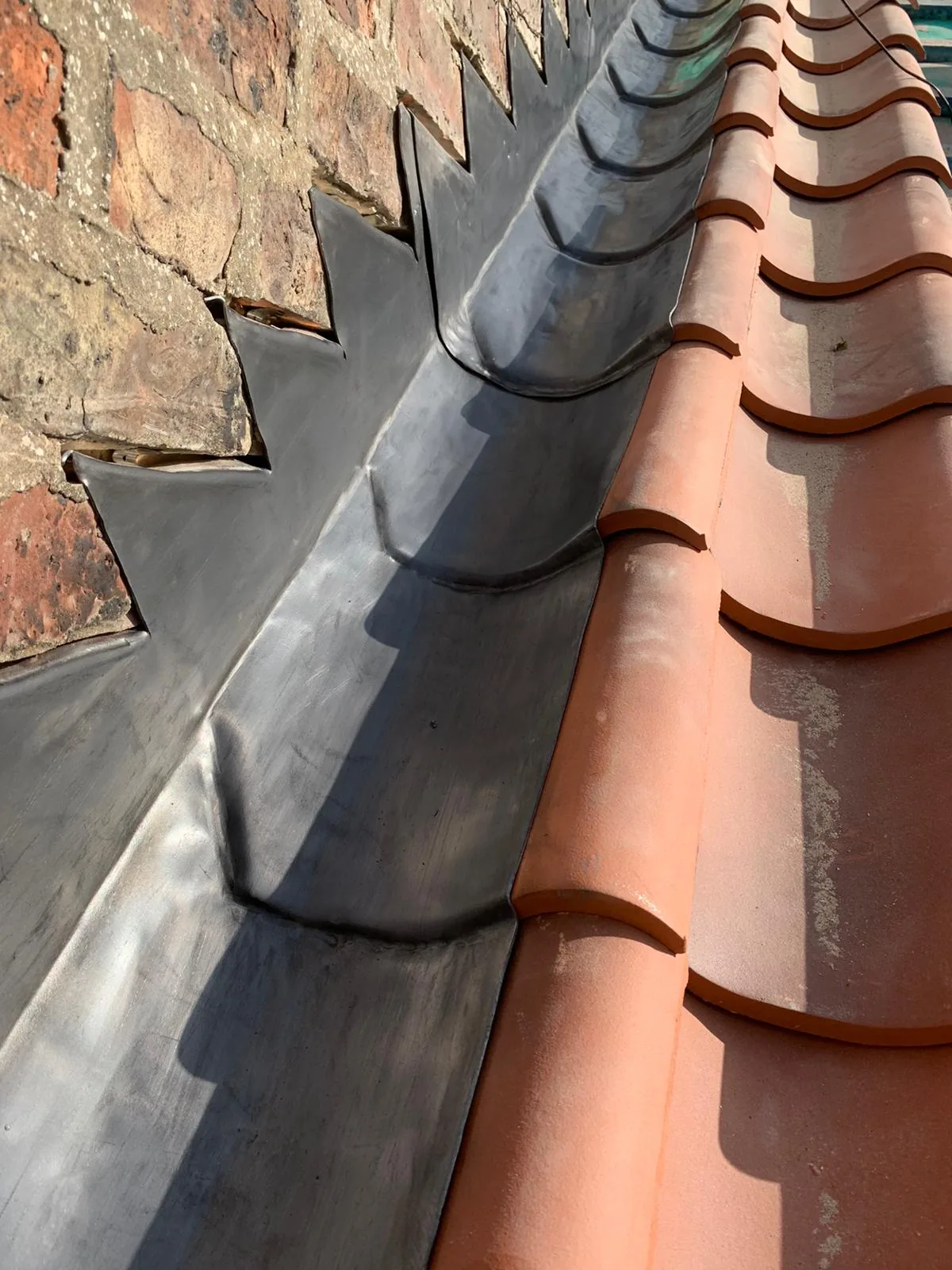
Nottinghamshire sits on England's east side, where clay pantiles — a large, S-shaped tile that overlaps only the tile directly below it, not two courses — have been the traditional roof covering since the 1700s. Plain clay tiles are smaller, flat, and laid double-lapped, which gives a finer, more textured look that suits Georgian and Victorian villas. Machine-made tiles from brands like Sandtoft and Marley give consistent colour and a lower price. Handmade tiles cost more but carry the slight kinks and colour variation that period and listed properties often need to match. A free survey settles which fits your roof, your budget, and any conservation rules that apply — see the comparison table further down this page for lifespan and cost at a glance.
Plain Tiles vs Pantiles vs Handmade Clay: What Each Suits
Lifespan and cost only tell half the story. Here's how each option behaves once it's on your roof, and where it fits best.
Clay Pantiles
- S-shaped and side-lapping, so a pantile roof weighs roughly two-thirds of a plain-tiled one
- Can be laid at a lower pitch than plain tiles, often from around 30 degrees
- The historically correct choice for Nottinghamshire's older terraces and farmhouses
- Fewer tiles needed per square metre, which keeps labour time down
- Machine-made versions from Sandtoft or Marley give the most consistent, budget-friendly option
Plain Clay Tiles
Handmade & Reclaimed Clay Tiles
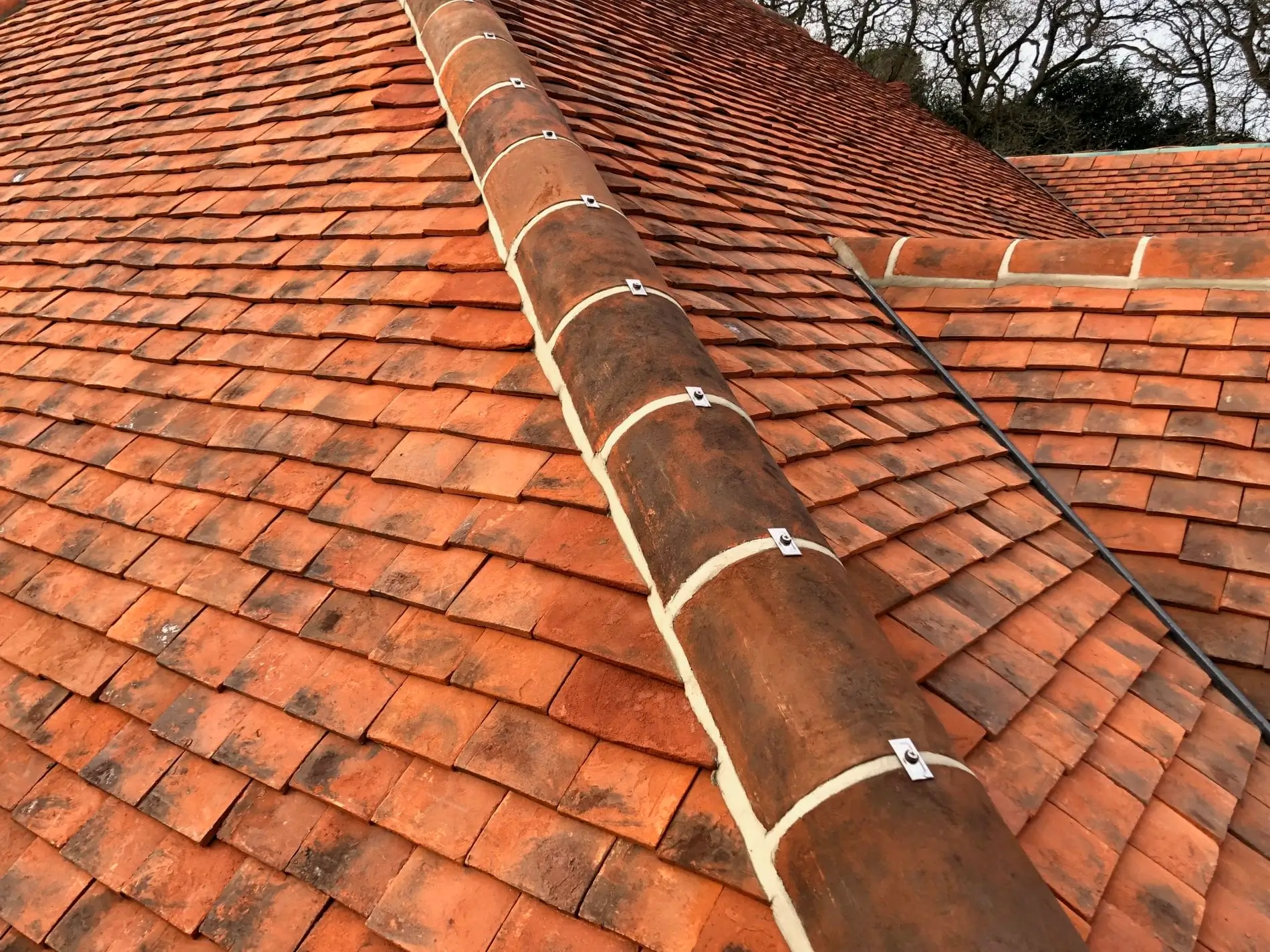
- Small, flat tiles laid double-lapped, so every point on the roof is covered by two layers of tile
- Needs a steeper minimum pitch, usually 35 degrees or more
- Suits Victorian and Edwardian villas around The Park, Sherwood, and Mapperley
- Takes more tiles and more labour per square metre than pantiles, which pushes the price up
- Gives a finer, more traditional texture that pantiles can't match
- Individually formed, so no two tiles are quite the same shape or shade
- Often required by planning conditions on listed buildings and in conservation areas like The Park
- The only realistic option when patching a roof that already has old handmade tiles on it
- Costs considerably more than machine-made tile, both to buy and to lay
- Weathers to a warmer, mellower colour than machine-made clay ever does
Whichever tile you choose, it should meet BS EN 1304, the British and European standard covering clay roofing tile strength, water resistance, and frost durability, and the roof should be fitted to BS 5534, the UK standard for tile fixing and wind resistance. For the technical detail behind these standards, see the Roof Tile Association's guide to testing and standards for concrete and clay roof tiles. If your existing roof has gone past the point of patching and needs a full new covering, our new roof installation page covers that process in more depth.
What Happens Before We Touch Your Roof
Every job starts with a clear look at what's actually going on, not a guess from the pavement.
- We carry out a free drone survey of the whole roof surface, ridges, hips, and valleys — no ladders needed
- You get clear photos showing exactly which tiles are cracked, slipped, or delaminating
- We check whether your tiles need repairing, part-replacing, or stripping and re-laying in full
- We match tile profile, colour, and camber against your existing roof wherever a repair or partial replacement is needed
- If you're in The Park or another conservation area, we flag any planning conditions on tile type before work starts
- We check the roof structure can take the tile you want, since handmade clay weighs more than machine-made
- You get a firm quote and an agreed scope before any tool comes out of the van
How We Install Clay Roof Tiles That Last a Century
Most clay tile failures trace back to poor battening or fixing, not poor tile quality. Here's how we install a clay tile roof properly.
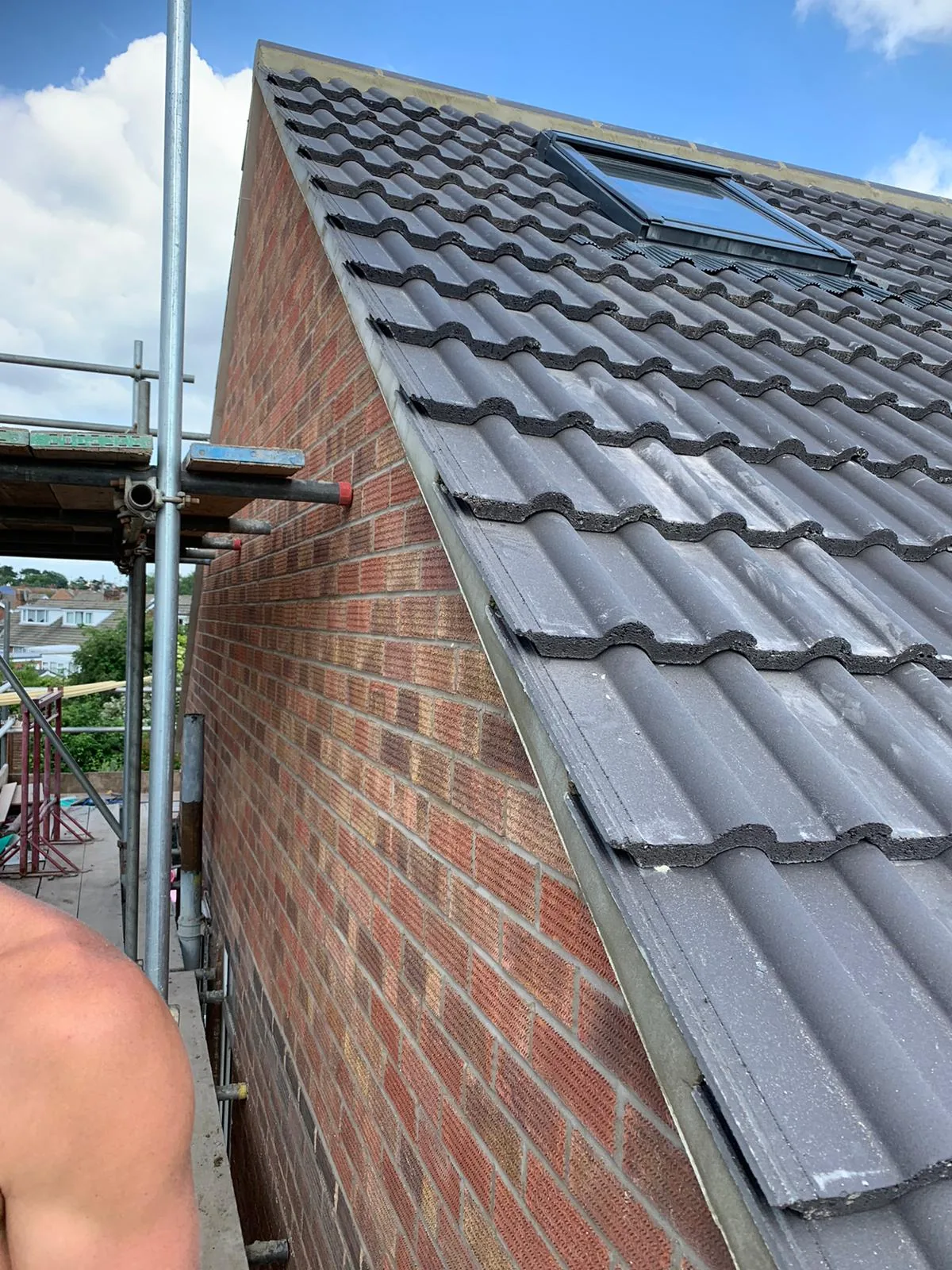
- Strip the old covering back to the rafters and replace any rotten timber we find
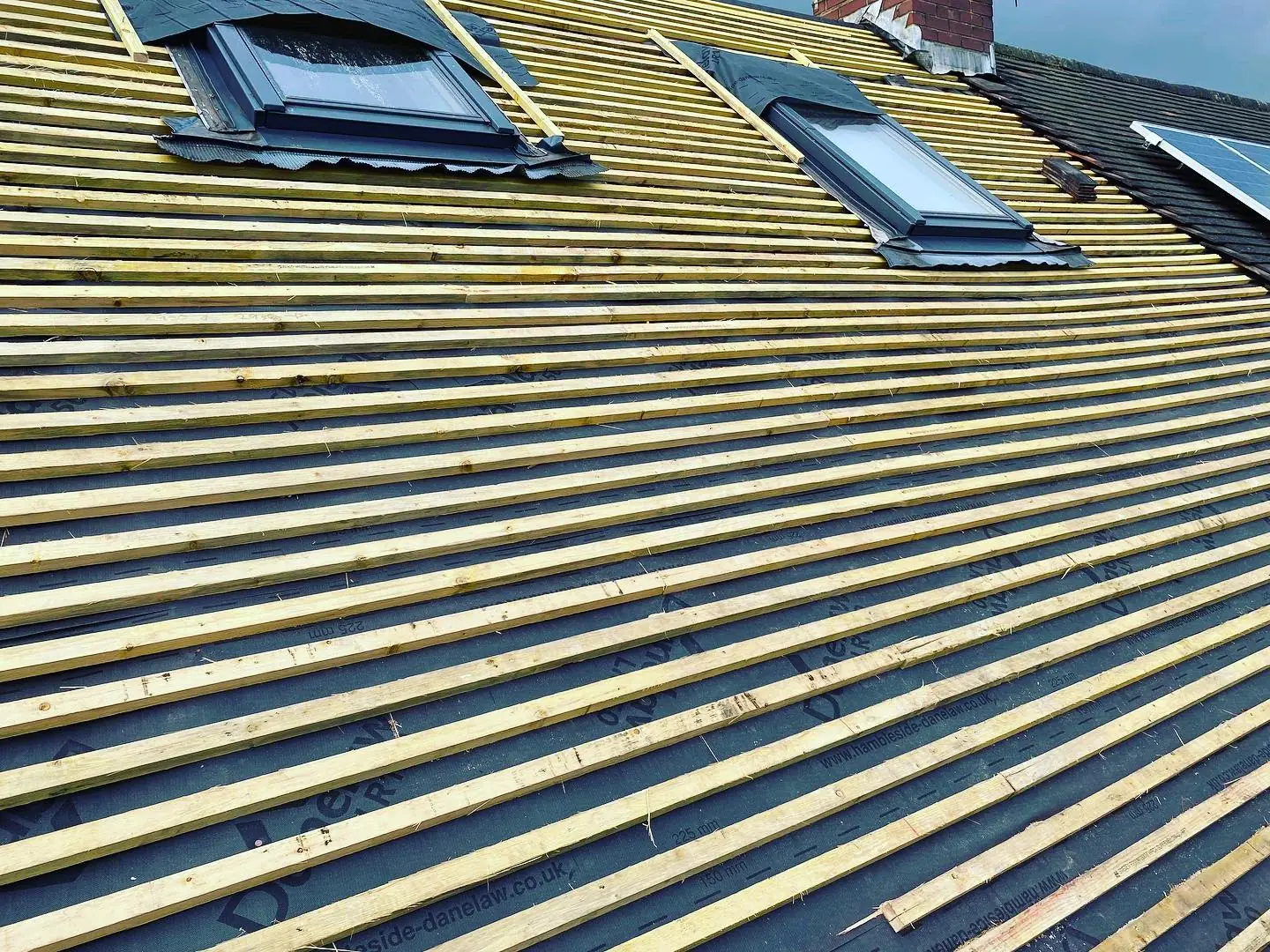
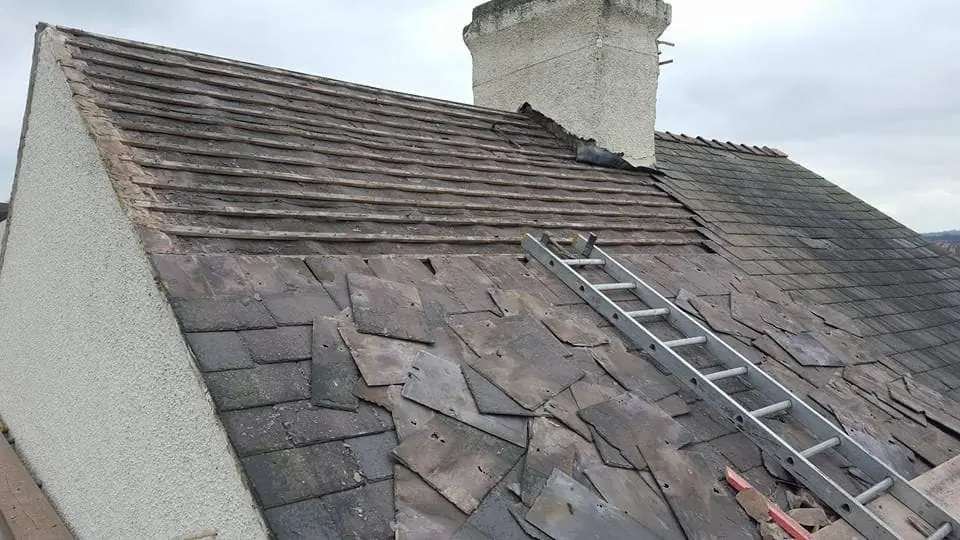
- Fit a breathable roofing underlay and treated timber battens set to BS 5534, checked for a straight, even line
- Set the batten gauge — the fixed spacing between battens — to suit the exact tile being used, since even a few millimetres out throws off the whole roof
- Hang and nail or clip every tile according to the manufacturer's exposure and fixing specification, with extra fixings at eaves, verges, and exposed elevations
- Bed hip and ridge tiles in mortar, or fit a mechanical dry-fix system where a ventilated, mortar-free ridge suits the roof better
- Dress lead soakers and flashings into valleys, abutments, and chimney junctions, where a rushed job leaks first
- Finish and clear the site, typically 3 to 7 days for an average semi-detached roof, weather allowing
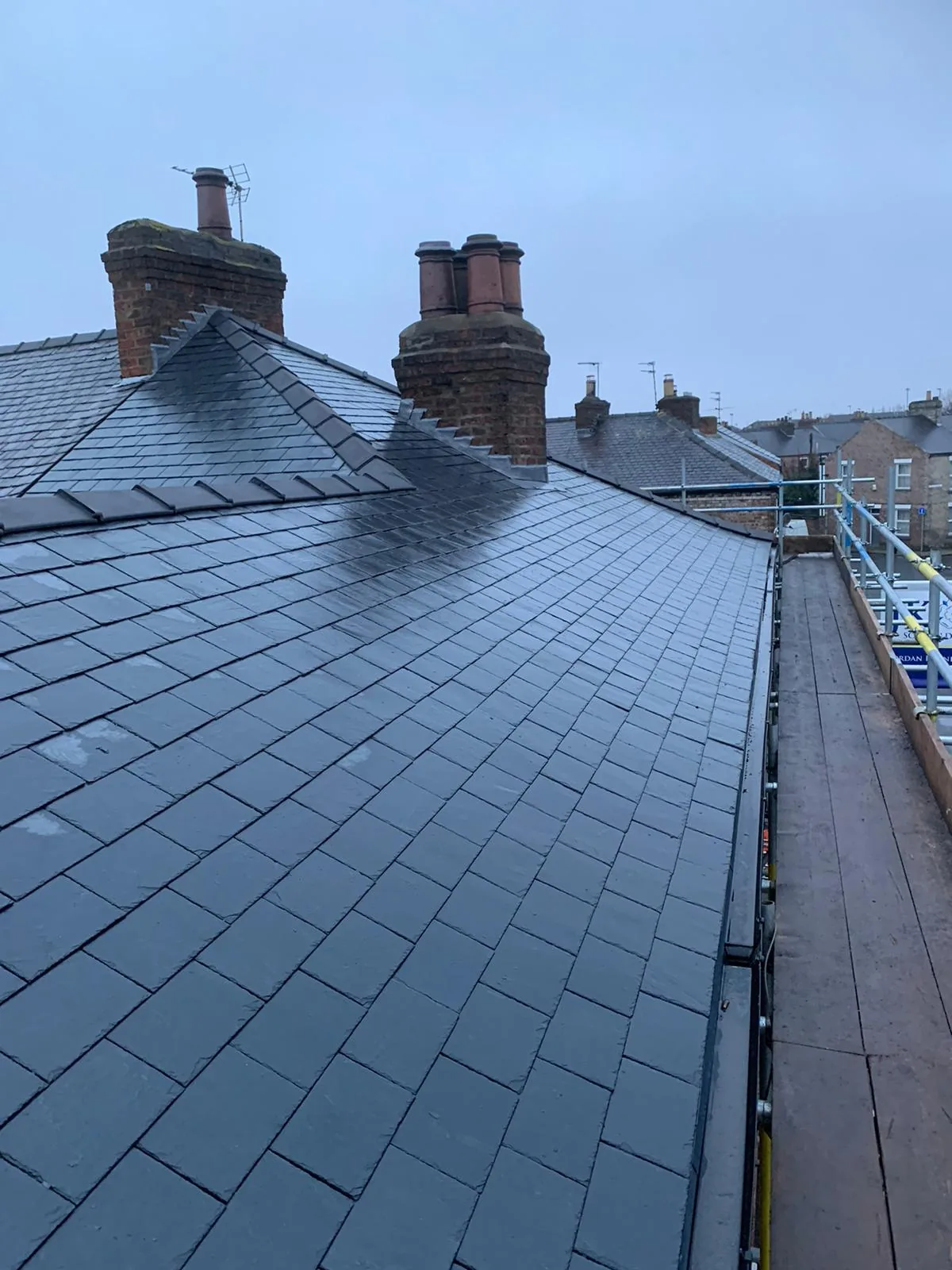
If your project is a full pitched roof rebuild rather than a retile of an existing structure, our pitched roof construction page covers the structural carpentry side of the job.
Spot the Warning Signs, Then Check the Work
Whether you're worried about an existing roof or checking a job we've just finished, here's what to look for.
Signs Your Clay Tile Roof Needs Attention
- Slipped or missing tiles, visible as a gap or a tile hanging at an odd angle
- Cracked or spalling tiles, where frost has got into the clay and split the surface
- Nail sickness — the corrosion of the original fixing nails, usually after 40 to 50 years, which leaves tiles held only by gravity and the tile above
- A sagging or wavy ridge line, often a sign the battens or rafters underneath have moved
- Daylight visible through the roof from inside the loft
- Damp patches or staining on ceilings below valleys, chimneys, or abutments
- Heavy moss or lichen build-up holding moisture against the tile surface
How to Check a Clay Retile Job Was Done Properly
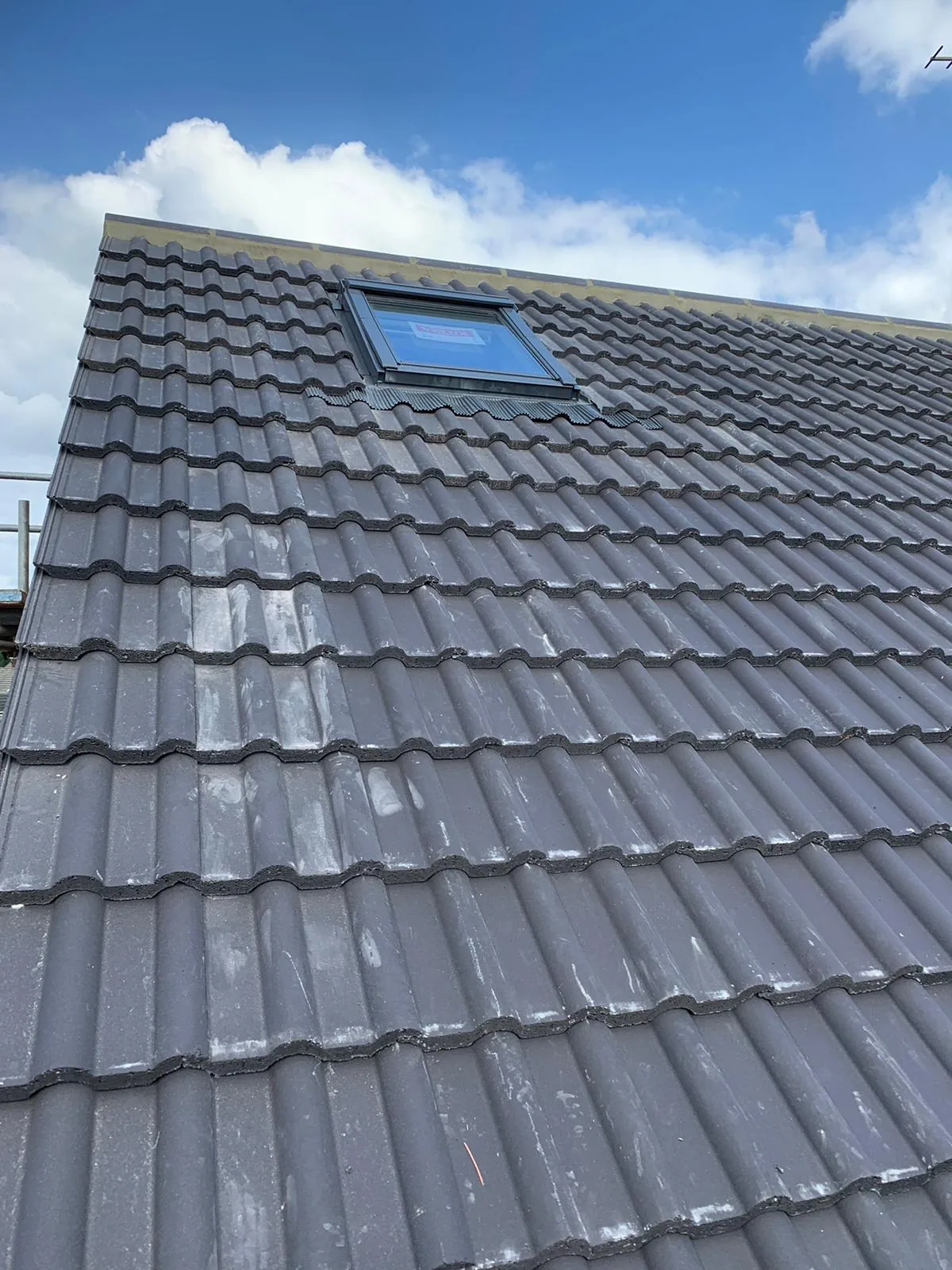
- Tiles should sit flat and even, with straight, consistent lines along every course
- Ridge and hip tiles should be firmly bedded or clipped, with no movement when gently pushed
- Lead soakers and flashings should be dressed tight to the tile, not just tucked behind it
- Ask to see photos of the battens and underlay taken before the tiles went on — proof the structure underneath was sound
- You should receive written confirmation of the tile type, BS 5534 fixing specification used, and any Building Regulations notification needed
- We back every clay tile roof we fit with a 10-year workmanship guarantee, in writing, from day one
Keeping Your Clay Tile Roof Watertight for Decades
A little maintenance once or twice a year keeps a clay tile roof performing for its full lifespan.
- Check for slipped or cracked tiles after any storm or hard frost, since clay is more frost-resistant than concrete but not immune to impact damage
- Clear moss and lichen from shaded, north-facing slopes before it holds moisture against the tile
- Keep gutters and valleys clear, since blocked valleys back water up under the tile laps
- Have loose ridge or hip tiles re-bedded promptly rather than left to work themselves further loose
- Get an older clay roof checked for nail sickness once it passes the 40-year mark
- Trim back overhanging branches that drop debris or let damp foliage sit against the tiles
Cost & Pricing Guidance
Clay tile roofing prices across the UK for 2025/26 typically run like this:
- Machine-made clay pantiles or plain tiles, fully installed: £130-£220 per m²
- Handmade or reclaimed clay tiles, fully installed: £240-£320 per m²
- A full retile on an average semi-detached roof (roughly 80-100m²): £12,000-£22,000
- Minor repairs — a handful of slipped or cracked tiles: £150-£350
- Larger repairs to valleys, ridges, or a wider section of nail-sick tiles: £400-£900
What pushes the price up or down: tile type (machine-made versus handmade), access and scaffolding, roof pitch and complexity, the number of valleys and chimney junctions, and whether planning conditions require a specific matching tile.
These are general ranges, not a quote. A fixed price needs a proper survey — and our drone survey is free, with no obligation.
Comparison Table: Clay Tile Options
| Option | Typical Lifespan | Best For | Relative Cost |
|---|---|---|---|
| Machine-Made Clay Pantiles | 60-100+ years | Traditional Nottinghamshire terraces, general re-roofing | £ (lowest of the clay options) |
| Machine-Made Plain Clay Tiles | 60-100+ years | Victorian & Edwardian villas, steeper pitches | ££ |
| Handmade or Reclaimed Clay Tiles | 80-100+ years | Listed buildings, conservation areas, heritage matching | £££ (highest) |
| Concrete Tiles (for comparison) | 30-60 years | Budget re-roofs, modern new builds | £ (lowest overall) |
Why Choose Tate & Sons for Your Clay Tile Roof
Clay tiling and heritage roofing is led by James Tate, our Founder and Managing Director, who prices most tiling jobs himself. He's happiest up a ladder on a tricky period property, working out how to fit or match clay tile without losing the character of the house. Daniel Oakland, our Project Manager and Lead Roofer, brings 20+ years of heritage slate and lead detailing to the team and supports every clay tiling job on site.
Tate & Sons was founded by James on a simple idea: find out what's genuinely wrong, use the right materials, and leave a roof that holds for years, not months. That's exactly why we still match tile profile, colour, and camber to your existing roof rather than fitting whatever's cheapest to hand. Read more on our About page.
Our roofers are directly employed, not subcontracted. They hold NVQ Level 2 and 3 qualifications in Roofing Occupations and carry CSCS cards. Every clay tiling job comes with a free drone survey up front and a 10-year workmanship guarantee once the work is finished.
Clay Roof Tiling Across Nottingham and the Wider County: Areas We Serve
We fit and repair clay tile roofs right across Greater Nottingham and out into the wider county. Wherever your property sits, our crews know the local housing stock, the tile profiles that belong there, and the access.
- Nottingham City Centre (NG1)
- The Park (NG1)
- West Bridgford (NG2)
- Sneinton (NG2)
- Wollaton (NG8)
- Lenton (NG7)
- Beeston (NG9)
- Chilwell (NG9)
- Stapleford (NG9)
- Arnold (NG5)
- Sherwood (NG5)
- Mapperley (NG3)
- Carlton (NG4)
- Gedling (NG4)
- Hucknall (NG15)
- Long Eaton (NG10)
- Mansfield (NG18)
- Sutton-in-Ashfield (NG17)
Got Questions?
Your Flat Roofing Questions, Answered Properly
How much does clay roof tiling cost in the UK?
Most Nottingham clay retiles cost £12,000-£22,000 for an average semi-detached roof. Machine-made clay tiles run £130-£220 per m² installed, while handmade or reclaimed tiles run £240-£320 per m² because of the extra labour and material cost. Minor repairs to a handful of tiles cost £150-£350. A survey gives you an exact figure for your roof.
Are clay tiles better than concrete tiles?
Clay tiles generally outlast concrete, often reaching 60 to 100 years or more against concrete's typical 30 to 60 years. Clay holds its colour for life since it's fired into the tile, while concrete's surface coating can fade and show white efflorescence marks over time. Concrete is cheaper to buy and lay, which is why it's common on budget re-roofs and volume housing. Clay usually costs less over the full life of the roof, even though it costs more upfront.
What's the difference between clay pantiles and plain clay tiles?
Pantiles are large, S-shaped tiles that overlap only the tile below, while plain tiles are small, flat tiles laid double-lapped for extra water protection. Pantiles weigh roughly two-thirds of a plain-tiled roof and can be laid at a lower pitch. Plain tiles need a steeper roof, usually 35 degrees or more, and give a finer, more traditional texture. Nottinghamshire's older housing traditionally favours pantiles, while plain tiles suit Victorian and Edwardian villas.
Do I need planning permission to retile with clay in a conservation area?
Most straightforward like-for-like retiles don't need planning permission if the tile type and appearance stay the same. Conservation areas around The Park and parts of Lenton often carry conditions requiring a specific tile profile or handmade clay to match the surrounding streetscape, and listed buildings almost always require matching tile approved by the conservation officer. We check this during your survey and flag anything that applies before work starts.
Can a few slipped or cracked clay tiles be repaired, or do I need a full retile?
Isolated slipped or cracked tiles can usually be repaired by re-fixing or replacing individual tiles, which is the cheaper route where it's an option. Widespread nail sickness affecting more than 30-40% of the roof, or a batten and underlay system past its working life, usually points to a full retile instead. Our free drone survey tells you honestly which category your roof falls into rather than guessing from the ground.
What causes clay roof tiles to slip or crack?
Slipping is most often caused by nail sickness, where the original fixing nails corrode after 40 to 50 years and lose their grip, leaving tiles held only by gravity. Cracking usually comes from frost getting into a chipped or porous tile, impact damage, or a tile that was never quite the right specification for the exposure. Poor batten fixing or a roof laid without enough nail or clip fixings at the eaves and verges makes both problems worse in high wind.
Are clay tiles heavier than concrete, and will my roof structure cope?
It depends on the specific product rather than the material alone — some clay ranges are lighter than concrete, while others weigh more per square metre. Pantiles in particular weigh roughly two-thirds of an equivalent plain tile roof, clay or concrete. We check your existing roof structure during survey and confirm it can take the tile you've chosen before any work is agreed, especially on older properties being retiled with a heavier handmade tile.
What is nail sickness and how do I know if my roof has it?
Nail sickness is the corrosion of the steel nails holding your clay tiles to the battens, which happens gradually over 40 to 50 years. You'll usually spot it as tiles that have slipped, sit at odd angles, or come loose after wind rather than impact damage. It rarely shows on just one or two tiles — if your roof is past the 40-year mark and tiles are slipping in multiple areas, nail sickness across the whole fixing system is the likely cause, not isolated damage.
Can reclaimed or salvaged clay tiles be reused when retiling?
Yes, sound reclaimed tiles can be reused, and it's often the only way to match an older roof's exact colour and camber without a full retile. We sort salvaged tiles during strip-out, keeping the best ones for visible elevations and using new matching stock to top up numbers. This matters most on listed buildings and conservation area properties, where planning conditions can require the original tile type to be retained wherever possible.
Book Your Free Drone Roof Survey Today
See exactly what your roof needs before any work starts. No ladders, no pressure — just a clear picture from a local Nottingham team.
A tired roof only gets worse as water works deeper into the deck and timber beneath it. A quick, free drone survey today tells you exactly where you stand — and often the fix is smaller and cheaper than you feared. Book now, get an honest quote, and protect your home before the next East Midlands downpour finds the weak spot.
📍 57 Cyril Avenue, Nottingham, NG8 5BA
📞 0115 647 4455
Call the Nottingham team today on 0115 647 4455, or request your free drone survey online. We’re already working across your area.
Get in Touch
Tate & Sons Roofing — Nottingham
57 Cyril Avenue, Nottingham, NG8 5BA
📞 0115 647 4455
✉️ [email protected]