
🏠 Trusted Local Roofers
Chimney Repairs: Stack Repair Nottingham
A damaged chimney stack rarely stays a small problem. Crumbling mortar lets water in, and once winter frost gets to work, cracks widen fast. This page covers chimney stack repair in Nottingham: what causes the damage, what a proper repair involves, and what it costs. As part of our wider chimney services in Nottingham, we fix stacks the way we'd want ours fixed — the right repair, not just the cheapest one.
- Fully Insured
- 10-Year Guarantee
- 5-Star Rated
Quick Free Estimate - No Obligation
We're not just roofers – we're your neighbours.
Fully Insured • Response within 15 mins
🔒 Your details are safe with us. No spam, ever.
Repoint, Repair, or Rebuild? What Your Chimney Stack Actually Needs
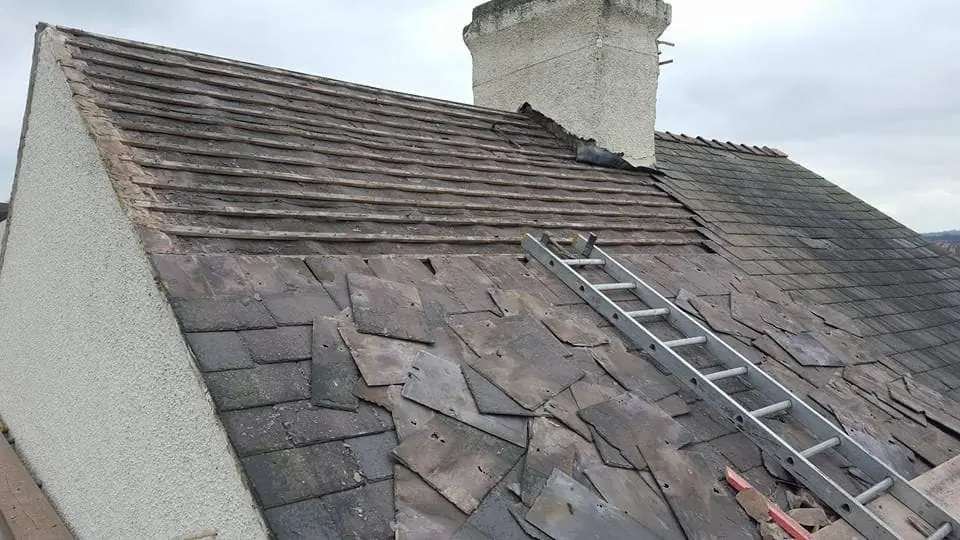
Most Nottingham chimney stacks need one of three things. If the bricks are sound and only the mortar has failed, repointing (removing old crumbled mortar and packing the joints with fresh mortar) is usually enough. If several bricks are cracked, spalled (where the brick face has broken away from frost damage), or the top section has shifted, you likely need a partial rebuild of the affected courses. If the whole stack is leaning, badly cracked from top to bottom, or the flaunching has failed completely, a full rebuild above the roofline is the safer route. A free survey tells you which one applies, without guesswork from the ground.
Spot the Warning Signs Before They Turn Into a Bigger Job
Chimney stacks sit exposed to more weather than almost any other part of your roof, so they show damage early if you know what to look for.
- Crumbling or missing mortar between the bricks, sometimes visible as debris in the gutter below
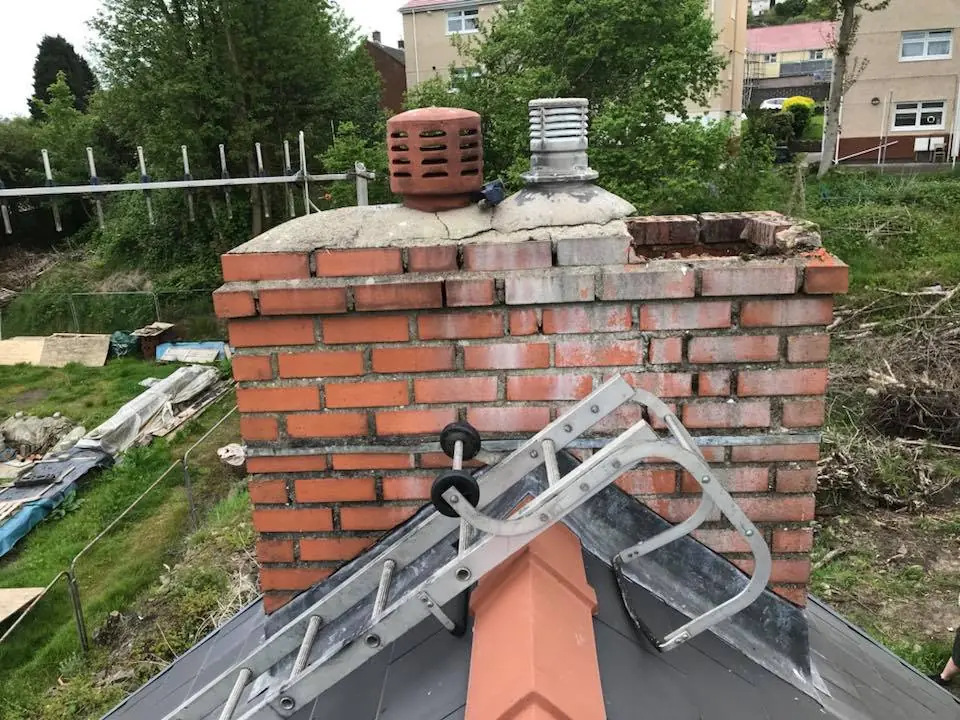
- Cracks running through the brickwork, especially near the top where the flaunching (the mortar collar around the base of the chimney pots) sits
- A stack that looks off-centre, leaning, or tilted against the sky — treat this as urgent, not something to monitor
- Spalling brickwork, where the outer face of a brick has cracked and flaked away after water froze inside it
- Damp patches, brown staining, or a musty smell on the chimney breast wall inside the house
- Plants, moss, or grass growing out of the joints, a sign moisture has been sitting there for a while
- Loose or wobbling chimney pots, or a pot that's visibly cracked
- Daylight or draughts you can see or feel around the stack from inside a loft space
Older brick and stone properties around Sherwood, Mapperley, and The Park often show this damage sooner. Their chimneys were built with lime mortar (a softer, more breathable mortar used before modern cement became standard), and if a previous repair used hard cement pointing instead, the brickwork around it tends to crack and spall faster than the mortar itself. Matching the original material matters as much as the repair itself — the Society for the Protection of Ancient Buildings' chimney maintenance guidance covers why lime-based repairs suit older masonry better than cement.
Repointing, Partial Rebuild, or Full Rebuild: What Each Job Actually Involves
Knowing the name of the repair is one thing. Here's what actually happens on the roof with each option, and where it fits.
Repointing
- Old, crumbling mortar gets raked out to a consistent depth, not just skimmed over the top
- New mortar goes in to match the original joint profile and, on period properties, the original lime mix
- Works well when the brick or stone itself is still structurally sound
- The quickest of the three repairs, usually finished in a day on a standard semi-detached stack
Partial Rebuild
Full Rebuild
- Only the damaged courses of brickwork get taken down and rebuilt, not the whole stack
- Common where frost damage or a failed DPC (damp-proof course) has affected just the top few rows
- Ties new brickwork into sound existing brickwork below, matching bond and colour where possible
- Usually includes new flaunching and a check of the flashing where the stack meets the roof
- The stack comes down to roof level, or lower if the damage runs deeper, and gets rebuilt from there
- Needed where the stack is leaning, where mortar has failed throughout, or where several bricks have spalled badly
- Gives the chance to fit a new flue liner or upgrade the flashing at the same time
- If a rebuild isn't viable and the stack isn't in use, our chimney rebuilding service in Nottingham covers this in full, and safe capped removal is worth discussing with our chimney removal team instead
What Happens Before We Touch Your Chimney Stack
Every job starts with a proper look at the stack, not a guess from the pavement.
- We carry out a free drone survey of the whole stack, pots, flashing, and surrounding roof — no ladders needed
- You get clear close-up photos showing exactly what's failing and why
- We tell you honestly whether it's a repoint, a partial rebuild, or a full rebuild
- We check whether the stack is still in use (a "live" flue venting a working fire or boiler) or redundant, since a disused stack opens up more options
- We flag if lime mortar is needed to match a period property, particularly around The Park and Lenton conservation areas
- You get a firm quote and an agreed scope before scaffolding or any tool comes near the roof
How We Repair a Chimney Stack That Lasts
Rushed chimney repairs fail fast because the prep gets skipped. Here's how we do it properly.
- Put up scaffolding or a tower where the stack's height and pitch make ladder access unsafe
- Strip back failed mortar or damaged brickwork to a sound base, not just the visible surface
- Match mortar mix and brick to the property — lime for period homes, matching modern mortar for newer builds
- Rebuild any damaged courses with proper bonding, then renew the flaunching around the pot bases
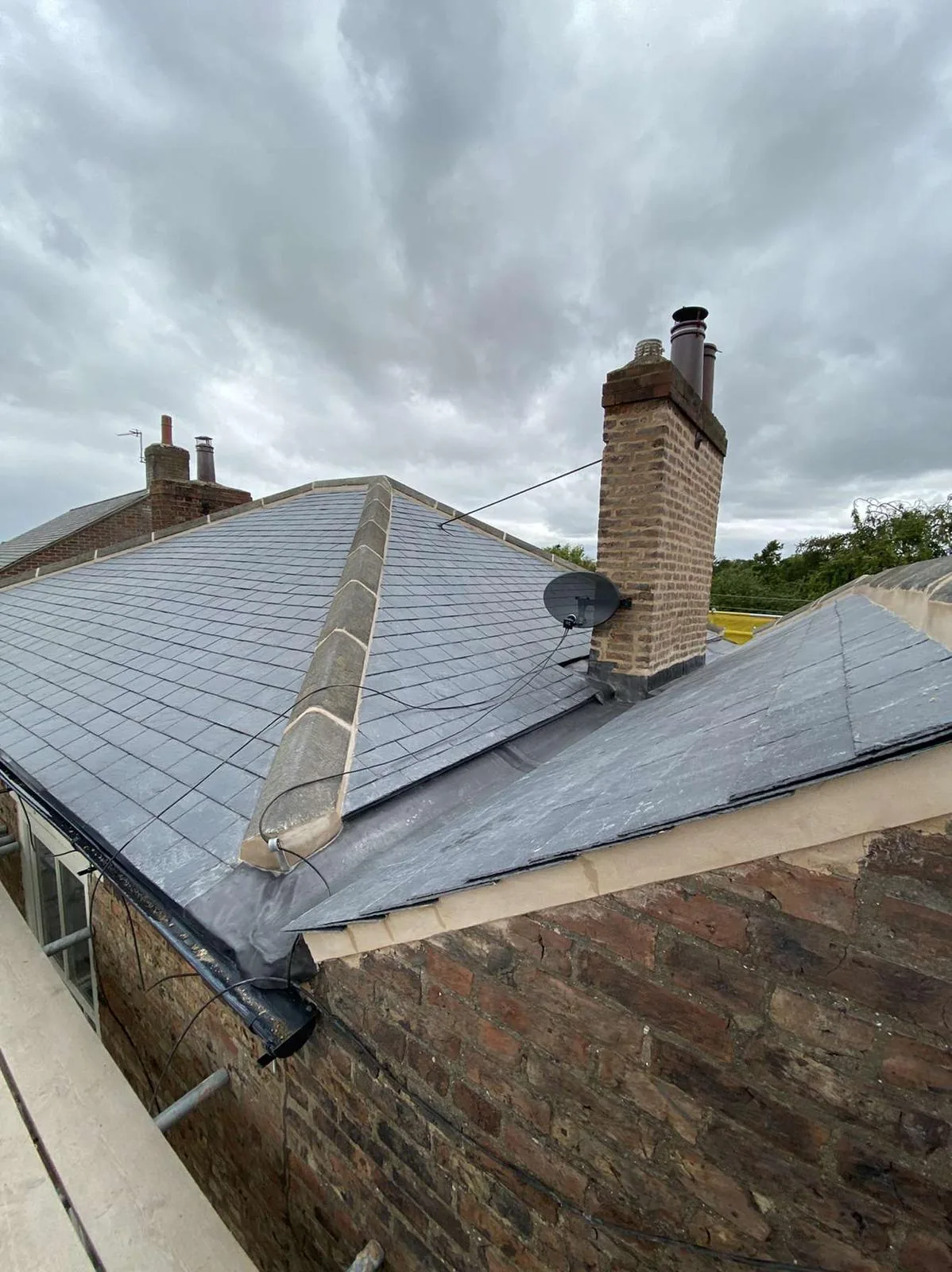
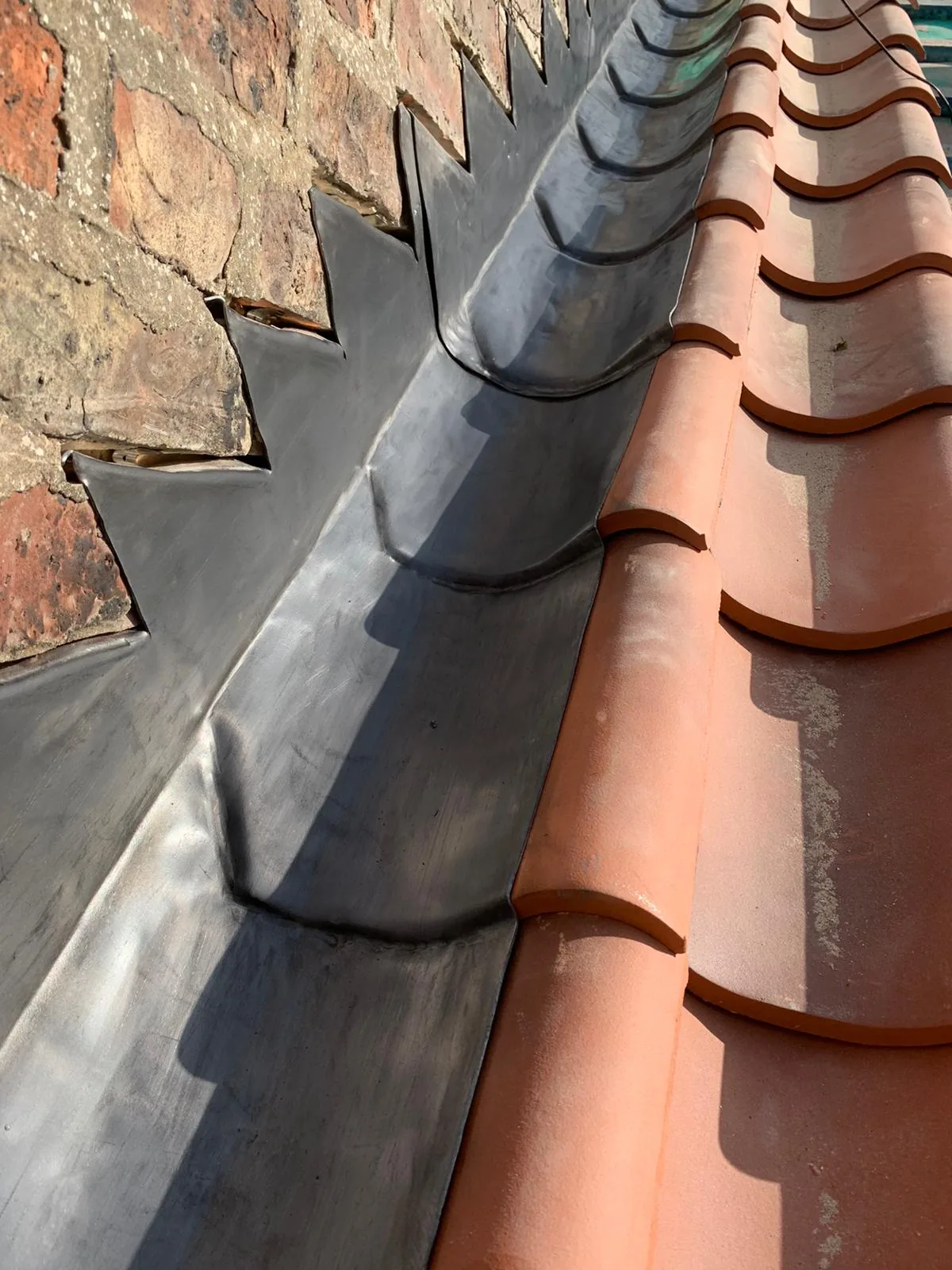
- Fit new lead flashing where the stack meets the roof, since old flashing is often the real source of a leak blamed on the stack
- Check pots are secure and fit cowls or bird guards if agreed at survey stage
- Clear the site and leave the roof and garden as we found them, typically 1 to 3 days depending on scope
How to Check a Chimney Stack Repair Was Done Properly
A good repair should look tidy and hold up to a close inspection. Here's what to check once the work is finished.
- Mortar joints should be neat, consistent in depth, and free of smears across the brick face
- The stack should stand plumb (perfectly upright), with no visible lean against the roofline or sky
- Flaunching around the pots should be smooth, sloped to shed water, and free of hairline cracks
- New flashing should sit flush against the brickwork with no visible gaps
- Ask to see before-and-after drone photos — a reputable roofer takes these as standard
- You should get written confirmation of the mortar mix used, the scope of work, and your guarantee
- We back every chimney stack repair with a 10-year workmanship guarantee, in writing, from day one
Stop Small Chimney Problems Turning Into a Full Rebuild
A little attention twice a year keeps a repoint job from becoming a rebuild.
- Check the stack with binoculars from the garden after any storm, looking for fresh cracks or fallen mortar
- Keep an eye on the gutter below the stack for grit or mortar debris, an early sign of erosion
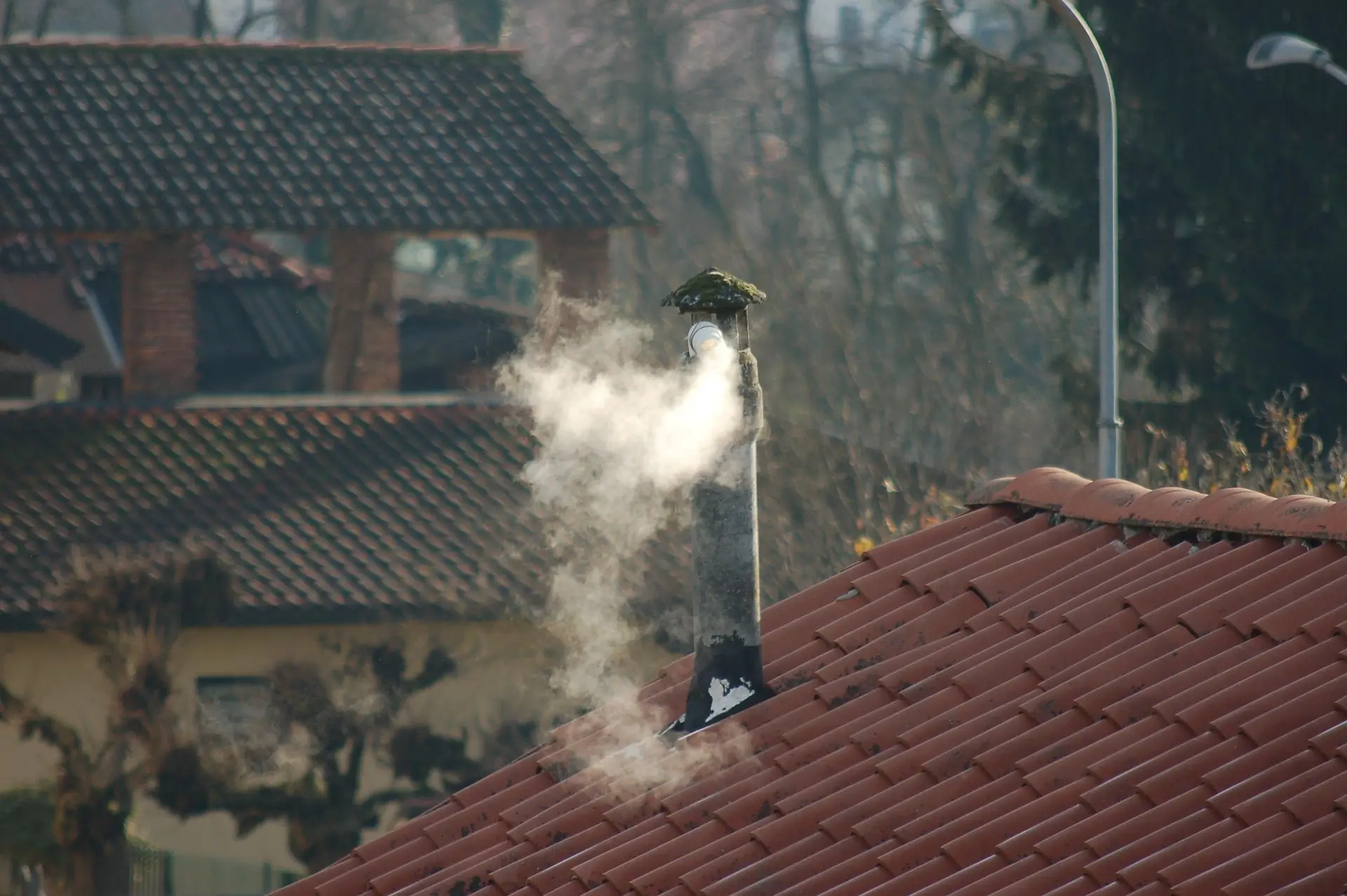
- Get pots and flue swept and checked if the chimney is in regular use, since soot buildup adds weight and moisture problems
- Trim back ivy or climbing plants before roots get into open joints
- Book a drone survey every few years even with no obvious symptoms, since damage at height is easy to miss from ground level
- Deal with small mortar loss as soon as you spot it — a £300 repoint now beats a £2,000 rebuild in three years
Cost & Pricing Guidance
UK chimney stack repair pricing for 2025/26 typically runs like this:
- Minor repairs (loose mortar, a few bricks): £150-£400
- Full repointing of a standard stack: £400-£1,200
- Lead flashing replacement: £400-£1,500
- Partial stack rebuild: £600-£1,000
- Full stack rebuild above the roofline: £1,000-£3,500
- Scaffolding or tower access, where needed: £500-£1,200 on top of the repair cost
Most straightforward Nottingham jobs land between £300 and £2,000 all in. Larger or more complex rebuilds involving multiple flues, extensive spalling, or a full flue liner can run £2,000-£10,000.
What pushes the price up or down: access (scaffolding versus a straightforward ladder job), how many courses of brick need replacing, whether lime mortar is specified for a period property, and whether the flashing needs renewing at the same time.
These are general ranges, not a quote. A fixed price needs a survey.
Comparison Table: Chimney Stack Repair Options
| Repair Type | Typical Lifespan | Best For | Relative Cost |
|---|---|---|---|
| Repointing | 15-25 years | Sound brickwork, failed mortar only | £ (lowest) |
| Partial Rebuild | 25-40 years for the rebuilt section | Localised frost damage or spalled top courses | ££ |
| Full Rebuild | 40-60+ years | Leaning stacks, widespread damage, older redundant flues | £££ |
| Capped Removal | Permanent, no further stack maintenance | Redundant stacks beyond economical repair | £££ (varies by scope) |
Why Choose Tate & Sons for Your Chimney Stack Repair
Chimney work at Tate & Sons is led by James Tate, Founder and Managing Director, who still prices most chimney jobs himself. James built the business on a simple idea after fifteen years working roofs across Nottinghamshire: find out what's genuinely wrong, use the right materials, and leave a stack that holds for years, not months. He's happiest up a ladder on a tricky period property, working out how to repair a stack without losing its character. Read more about the team on our About page.
Our roofers are directly employed, not subcontracted. They hold NVQ Level 2 and 3 qualifications in Roofing Occupations and carry CSCS cards. Every chimney stack repair starts with a free drone survey and finishes with a 10-year workmanship guarantee.
Chimney Stack Repair Across Nottingham and the Wider County: Areas We Serve
We repair chimney stacks right across Greater Nottingham and out into the wider county. Wherever your property sits, our crews know the local housing stock and how it weathers.
- Nottingham City Centre (NG1)
- The Park (NG1)
- West Bridgford (NG2)
- Sneinton (NG2)
- Wollaton (NG8)
- Lenton (NG7)
- Beeston (NG9)
- Chilwell (NG9)
- Stapleford (NG9)
- Arnold (NG5)
- Sherwood (NG5)
- Mapperley (NG3)
- Carlton (NG4)
- Gedling (NG4)
- Hucknall (NG15)
- Long Eaton (NG10)
- Mansfield (NG18)
- Sutton-in-Ashfield (NG17)
Got Questions?
Your Flat Roofing Questions, Answered Properly
How much does chimney stack repair cost in Nottingham?
Most Nottingham chimney stack repairs cost £300-£2,000, depending on the type and extent of the damage. Minor repointing runs £150-£400, a partial rebuild of a few courses runs £600-£1,000, and a full rebuild above the roofline runs £1,000-£3,500. Scaffolding adds £500-£1,200 where a ladder isn't safe. A drone survey gives you an exact figure without guesswork.
What are the warning signs my chimney stack needs repair?
The clearest signs are crumbling mortar, cracked or spalled bricks, and a stack that looks off-centre or leaning. Damp patches or staining on the chimney breast inside the house often point to a stack problem outside. Plants or moss growing from the joints, wobbling pots, and mortar debris in the gutter below are all worth acting on. Catching these early keeps a repair cheap rather than letting it become a rebuild.
Do I need a full rebuild or will repointing fix it?
Repointing is enough when the brickwork itself is sound and only the mortar has failed. A full rebuild becomes necessary when the stack is leaning, when bricks are badly spalled or cracked throughout, or when the flaunching and multiple courses have failed together. A partial rebuild sits between the two, replacing only the worst-affected section. Our free survey tells you which category your stack falls into, with photos to back it up.
How long does chimney stack repair take?
A straightforward repoint on a standard semi-detached stack usually finishes in a day. A partial rebuild typically takes 1-2 days, and a full rebuild above the roofline runs 2-4 days depending on scaffolding and scope. Weather affects timing too, since mortar needs dry, mild conditions to cure properly. We give you a realistic timeframe once we've surveyed the stack.
Will home insurance cover chimney stack repair?
It depends on what caused the damage. Most policies cover chimney damage from sudden events like storms or a falling branch, but they generally exclude damage from ordinary wear, weathering, or neglected maintenance over time. A chimney that's simply reached the end of its mortar's life usually isn't covered. Keep photos and your survey report on file, since insurers often ask for evidence of the cause before they'll pay out.
Do I need planning permission for chimney stack repair?
Like-for-like repair and repointing on a standard house doesn't usually need planning permission. Rebuilds that change the stack's height, position, or appearance can need consent, particularly in conservation areas around The Park and parts of Lenton. Listed buildings need separate listed building consent for almost any chimney work. We flag anything that applies during your survey, before any work is booked in.
Can a chimney stack be repaired without scaffolding?
Small, low-level repairs on an accessible stack can sometimes be done from a ladder or tower scaffold. Most full repoints and rebuilds need proper scaffolding, since working safely at height on a chimney means secure footing on all sides, not just from one angle. Scaffolding also gives a better finish, because the crew can work the stack evenly rather than rushing from an awkward ladder position. We confirm what access you need at survey stage.
What is flaunching and why does it fail first?
Flaunching is the sloped mortar collar around the base of the chimney pots, and it's usually the first part of a stack to fail. It sits fully exposed to rain, frost, and sun, with no brick or slate to shield it, so it wears faster than the rest of the stack. Once flaunching cracks, water tracks down inside the stack rather than running off, speeding up damage to the brickwork below. Renewing it during any repoint or rebuild is standard practice, not an optional extra.
Should older Nottingham chimneys use lime mortar instead of cement?
Yes, for most pre-1930s properties, lime mortar is the right choice over modern cement. Lime is softer and more breathable, letting moisture escape rather than trapping it against older, softer bricks. Cement pointing on an older stack often causes the surrounding brick to crack and spall, because the brick becomes the weakest point instead of the mortar joint. Properties around Sherwood, Mapperley, and The Park benefit most from this distinction, and we specify lime as standard on period stacks.
Book Your Free Drone Roof Survey Today
See exactly what your roof needs before any work starts. No ladders, no pressure — just a clear picture from a local Nottingham team.
A tired roof only gets worse as water works deeper into the deck and timber beneath it. A quick, free drone survey today tells you exactly where you stand — and often the fix is smaller and cheaper than you feared. Book now, get an honest quote, and protect your home before the next East Midlands downpour finds the weak spot.
📍 57 Cyril Avenue, Nottingham, NG8 5BA
📞 0115 647 4455
Call the Nottingham team today on 0115 647 4455, or request your free drone survey online. We’re already working across your area.
Get in Touch
Tate & Sons Roofing — Nottingham
57 Cyril Avenue, Nottingham, NG8 5BA
📞 0115 647 4455
✉️ [email protected]