
🏠 Melton Mowbray Chimney Removal Specialists
Chimney Removal in Melton Mowbray — Take Down a Chimney You No Longer Need, Safely and Properly
- Free Drone Survey
- Directly Employed Roofers
- 10-Year Guarantee
📞 Call 01664 490955 — free drone survey & a written price
Book Your Free Drone Survey
No scaffold. No pressure. No obligation.
Straight answers from local Melton Mowbray roofers.
🔒 Your details are safe with us. No spam, ever.
An old chimney that nobody uses is not just dead weight on your roof. It is a route for water to work into your loft, a cold bridge that drags heat out of the house, and often a stack leaning a little further every winter. Chimney removal in Melton Mowbray, done properly, takes that problem away for good instead of patching around it. Tate & Sons Roofing carries out full and partial chimney removal across the town and the surrounding villages, working alongside the wider chimney services across Melton Mowbray we offer.
This page walks you through when full removal beats a partial job, what the regulations actually require, what a removal day looks like, and real cost ranges for the area. Start with a free drone survey and a written quote before anything is agreed — no scaffold just to take a look, and no charge either way.
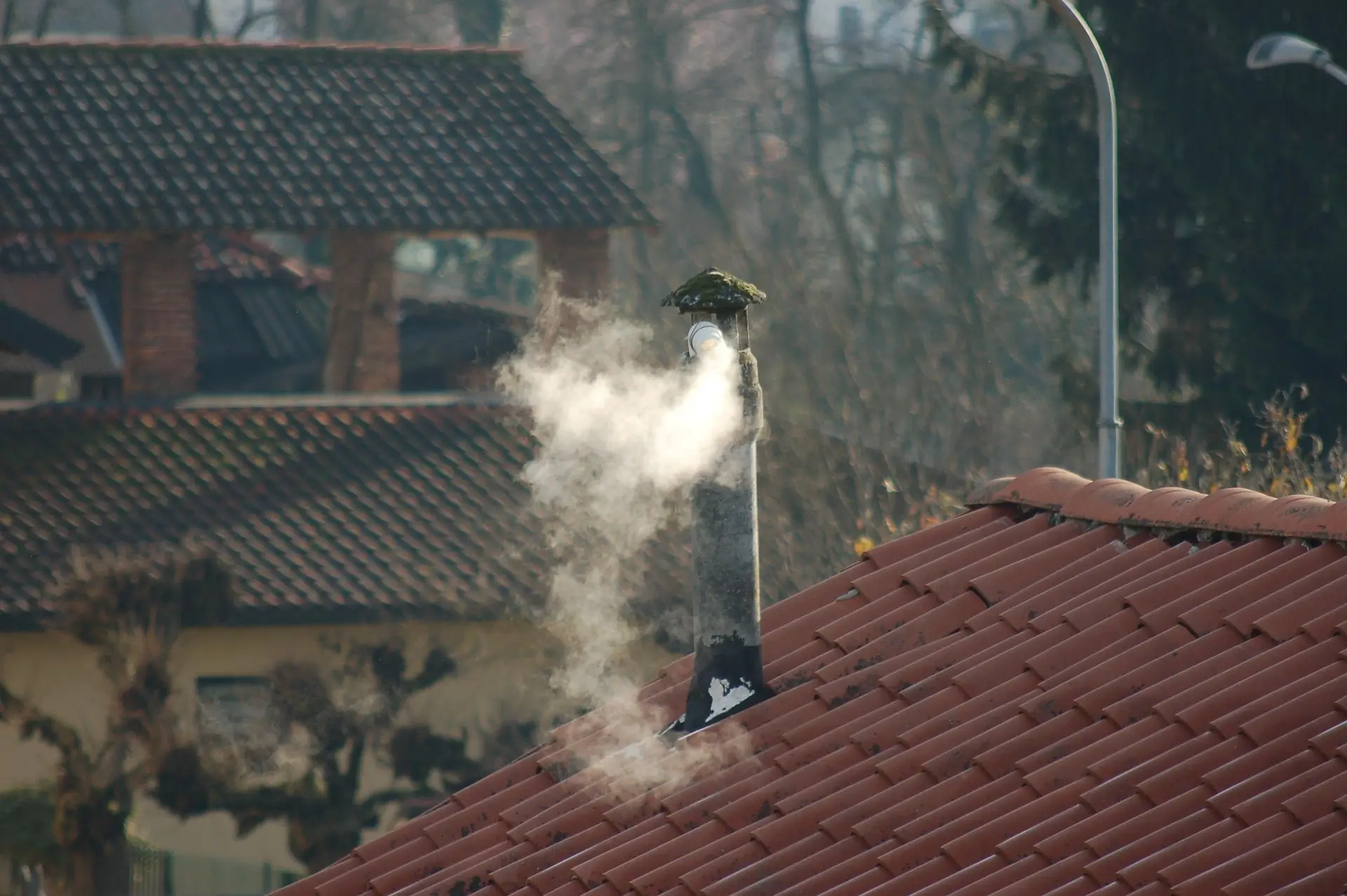
Know the Signs Your Chimney Might Be Ready to Come Down
Not every chimney needs to go. But some show clear signs that removal is the better long-term answer, rather than another round of repairs.
- A stack that leans, or has done for more than a season
- Damp patches on a bedroom ceiling below the breast
- Cracked or crumbling render and brickwork on the stack
- A fireplace nobody has lit in years, taking up a room
- Repeated repointing that keeps failing within a year or two
- A stack that was capped off decades ago and simply forgotten
We see the last two often in Asfordby's mid-century terraces, on the edge of Melton Mowbray, where coal fires were swapped for gas central heating decades back and the chimney breast has sat unused since. Half a chimney's usefulness dies with the fire it served, but the weight, the cold bridge and the maintenance bill carry on regardless. A free drone survey settles whether your chimney genuinely needs to come down or just needs proper repair.
Full Removal or Partial Removal — Choosing the Right Option
Chimney removal in Melton Mowbray splits into two real options, and the right one depends on what you actually want to gain. Full removal takes out the stack above the roof and the internal breast on every floor, right down to the foundations. Partial removal takes the stack down to below the roofline and leaves the internal breast standing inside the house.
Full removal suits a home where you want the floor space back on every level, or where the whole structure is failing and repair no longer makes sense. Partial removal suits a home where the stack itself is the problem — leaning, damp, poorly built — but you want to keep the fireplace alcove or chimney breast downstairs.
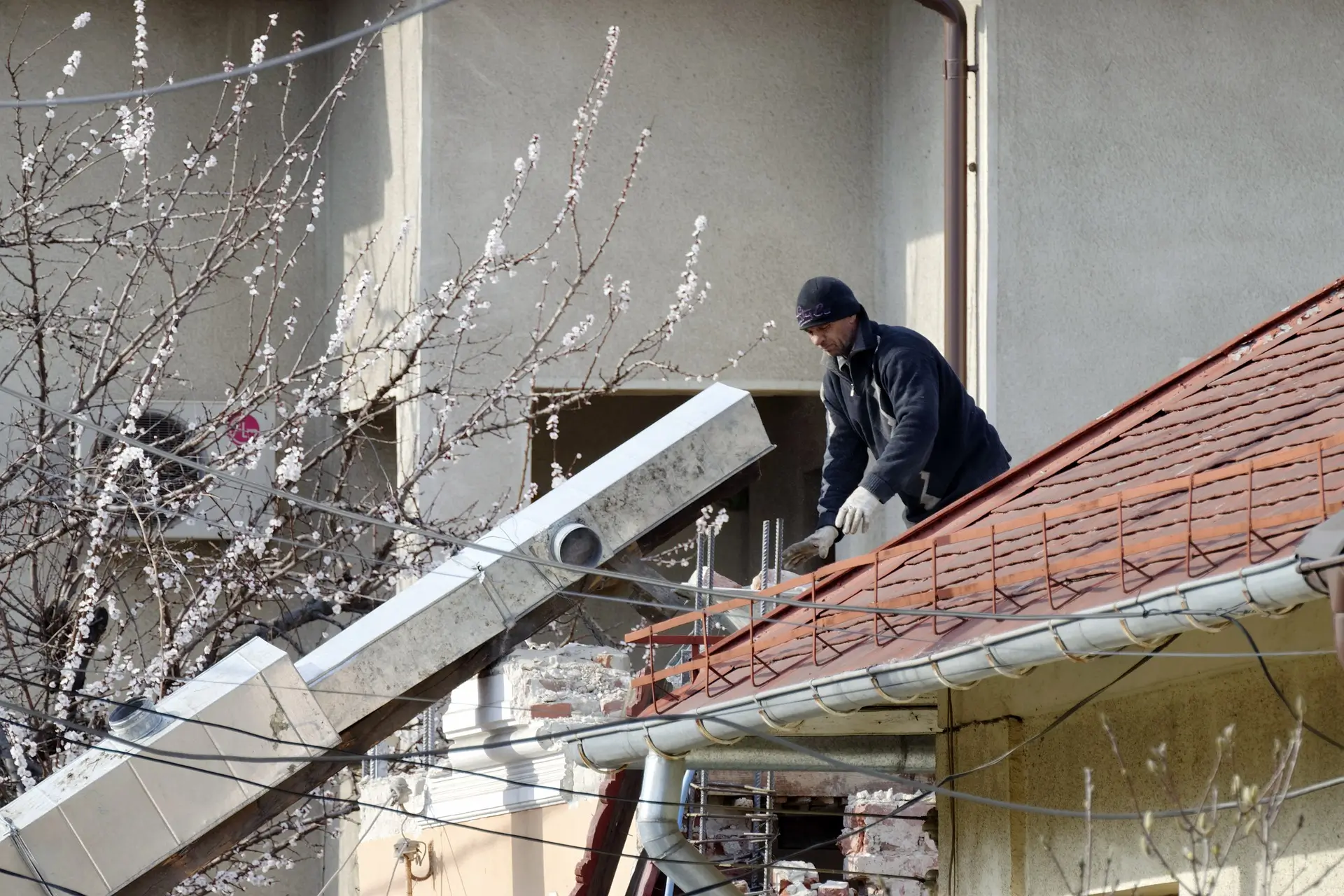
On the older hillside properties around Thorpe Arnold and Burton Lazars, we often recommend partial removal, since the stacks up there tend to fail before the internal brickwork ever does.
| Option | Typical cost | Structural impact | Best for |
|---|---|---|---|
| Full removal (stack and breast, every floor) | £3,000–£6,800 | Removes the entire load path. Needs a structural engineer's design and steel beams under each floor to carry the weight down properly. | Homes wanting space back on every floor, or a stack and breast both beyond sensible repair. |
| Partial removal (below roofline) | £800–£3,000 | Leaves the internal breast standing on each floor to carry its own load. Far less disruption inside the house. | Homes where only the external stack is the problem — leaning, damp, or unsafe — while the fireplace or breast stays intact. |
If your stack is sound but just unused, full or partial removal is not always the only answer. Some homeowners choose to seal and weatherproof the stack instead through our chimney cap installation and weatherproofing service, which stops water ingress without any demolition at all. We will tell you honestly if that is the cheaper, sensible route for your Melton Mowbray property.
What Chimney Removal Really Costs in Melton Mowbray
As a general guide, partial removal — taking the stack down to below the roofline — typically runs £800 to £3,000. Full removal, taking out the stack and the internal breast on every floor, typically runs £3,000 to £6,800. Where the property is a period building with an older, deeper breast, or access needs a full scaffold rather than a tower, costs sit toward the top of that range.
What pushes a price up or down:
- Number of floors involved — a breast running through two floors and a loft costs more to remove than one on a single floor
- Structural support needed — steel beams (RSJs), engineer's calculations and Building Control sign-off add cost but are not optional on a full removal
- Access — scaffolding an end-of-terrace stack costs less than one boxed in between neighbouring roofs
- Making good — replastering walls and ceilings, patching floors, and reslating or retiling the roof where the stack once stood
- Disposal — old brick, mortar and flue liner all need skip hire and licensed disposal
- Party wall costs — a shared stack on a terrace or semi may need a party wall surveyor, which adds professional fees
These are general market ranges, not a quote for your chimney. Two houses on the same Melton Mowbray street can price very differently once floors, access and structural work are factored in. A fixed price needs a survey.
What Happens Before Any Brick Comes Down
A chimney removal that goes wrong almost always went wrong before work started, not during it. Getting the groundwork right protects your home, your neighbours, and the finished result.
- Free drone survey to see the stack, flashing and roof condition without scaffold
- Structural engineer assessment for any full removal, or a breast running through more than one floor
- Planning check — most straightforward removals do not need permission, but listed buildings and some conservation streets around the town centre do
- Party wall notice served to your neighbour, at least two months before work starts, if the stack sits on a shared wall
- Building Control notified, with structural drawings submitted ahead of any breast removal
- Scaffold or tower booked, and a skip arranged for disposal
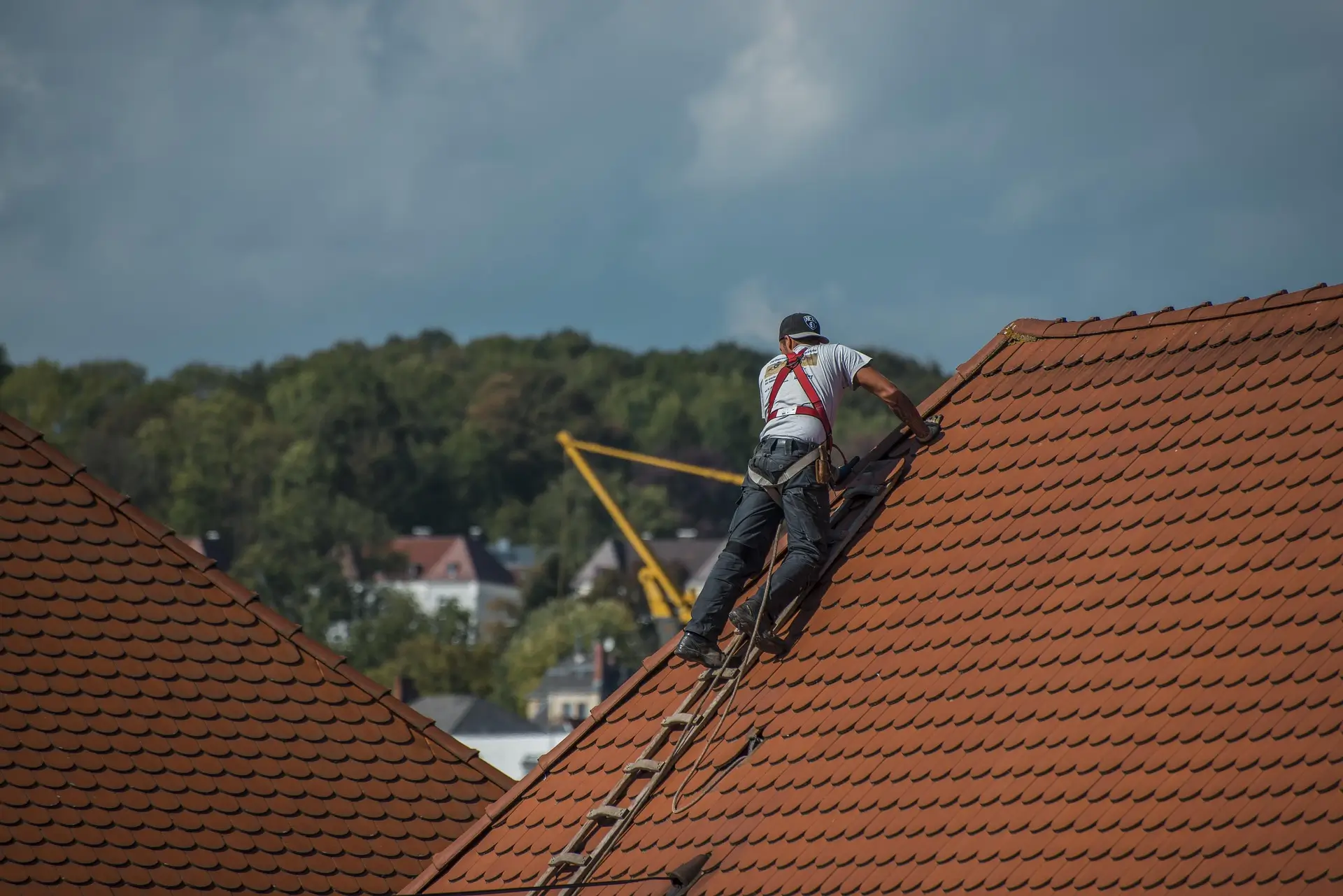
Most straightforward, like-for-like chimney removals in England do not need planning permission. Listed buildings are the exception — you need listed building consent before a single brick comes down, and some streets around St Mary's Church and Melton Mowbray's Georgian and Victorian town centre sit within a conservation area, where the planning authority looks more closely at visible changes to a roofline. We check a property's status before quoting, so nothing stalls once work is booked.
Party wall rules catch a lot of homeowners out. If your chimney breast sits on a wall shared with next door — common on terraces in Asfordby and Long Clawson — you must serve written notice at least two months before starting, whatever the removal option. Skipping this step is one of the most common causes of neighbour disputes and delayed jobs we see. The LABC guidance on chimneys, flues and neighbouring buildings sets out how close a remaining flue outlet needs to sit to a neighbour's roof, which matters if you are going the partial route and keeping part of the stack live.

What a Chimney Removal Day Actually Looks Like
A chimney removal follows the same broad order on every job, whether it is a small partial job or a full three-floor breast:
- Scaffold or tower erected, and the work area sheeted off
- Roof space and rooms below protected with dust sheets
- Stack taken down brick by brick, not knocked through in one go
- Steel beams fitted under each floor, where a breast is being removed
- Roof made watertight where the stack has gone, with new flashing and matching tiles or slates
- Internal walls, ceilings and floors made good and replastered
- Rubble and flue liner cleared, and the site left clean
A straightforward partial removal above a single-storey extension usually takes 2 to 3 days. A full removal through two floors, with steel beams and full replastering, typically runs 5 to 8 working days on a typical Melton Mowbray semi. Weather has the final say on the roof-level work — we build a realistic allowance into the schedule rather than an optimistic one designed to win the job.
How We Sign Off the Job Properly and Protect Your Roof
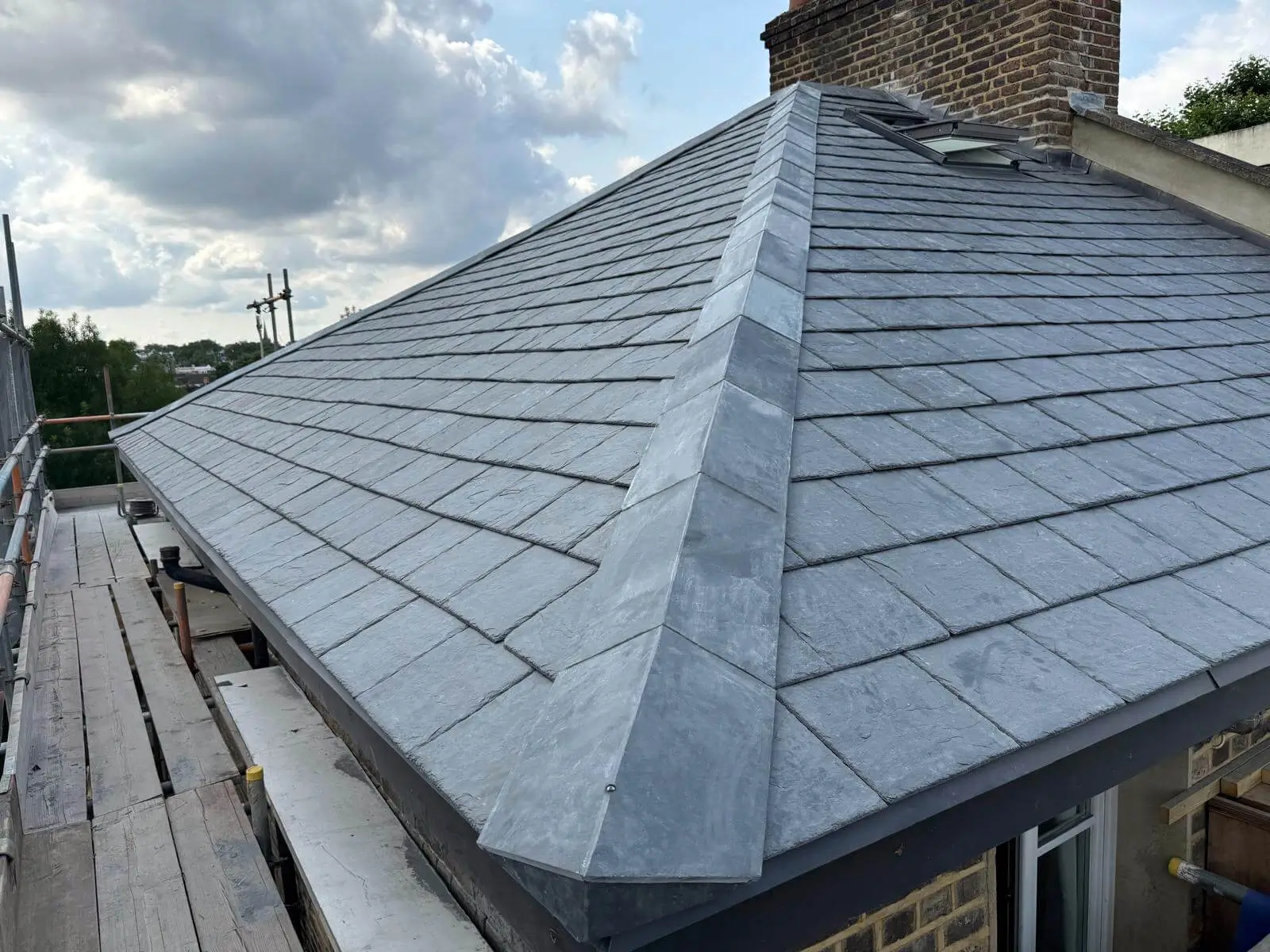
The roof patch left behind after a chimney comes down is where most botched jobs show up years later. Where the stack once stood, we tie the new tiles or slates in properly and fit fresh lead flashing rather than a cheap mastic seal that fails within a year or two. Our lead flashing around chimneys work applies the same standard to a roof patch as it does to a chimney still standing.
Every full removal gets a Building Control completion certificate once the structural engineer's steel beams are inspected and signed off. This is not paperwork for its own sake.
It is what a surveyor or mortgage lender will ask for if you come to sell a Melton Mowbray property, and without it a removal can hold up a house sale years later. On older properties near St Mary's Church and through Melton's Georgian and Victorian streets, we also check whether a larger repair is needed beyond the chimney itself, and our roof repairs and restorations team can fold that work into the same visit.
Keep Your Roof Watertight and Sound After the Chimney Is Gone
A chimney removal is not finished the day the scaffold comes down. A little attention over the following seasons keeps the roof patch performing as well as the rest of the roof.
- Check the loft after the first heavy storm for any sign of damp at the patch
- Keep gutters near the old stack position clear of loose mortar dust
- Watch for hairline cracks in ceilings below where a breast used to run
- Book a free drone survey a year on, just to confirm the patch has settled properly
None of this needs a specialist visit. It just needs a look, and a call to us if anything seems off. A chimney removed properly around Melton Mowbray should give you no more trouble than the rest of the roof around it.
Why Melton Mowbray Homeowners Choose Tate & Sons for Chimney Removal
Chimney work sits closer to structural and heritage building work than most roofing jobs, and that is where James Tate, our founder, does his best work. James spent fifteen years working roofs across Melton Mowbray and the East Midlands before founding Tate & Sons, and he still prices most chimney removal jobs himself. He is happiest on a tricky period property, working out exactly what a stack needs before a single brick comes down, rather than reaching for the same answer on every house.
Daniel Oakland, our project manager, brings over twenty years in the trade and hands-on experience with heritage slate and lead detailing on older homes around Melton Mowbray, which matters when a stack removal meets a roof that has stood for a century. Between us we hold NVQ Level 2 and 3 qualifications in Roofing Occupations, carry CSCS cards, and back every job with a 10-Year Workmanship Guarantee. Janice Whitmore, our office manager, keeps you posted from the first phone call through to Building Control sign-off. Read more about the people behind the work on our About Tate & Sons Roofing page.
Areas We Serve Across Melton Mowbray and the Vale of Belvoir
We carry out chimney removal across Melton Mowbray and the surrounding villages and borough. If your area is not on the list below, call us anyway — there is a strong chance we already cover you.
- Melton Mowbray (LE13)
- Asfordby (LE14 3)
- Old Dalby (LE14 3)
- Nether Broughton (LE14 3)
- Frisby on the Wreake (LE14 2)
- Wymondham (LE14 2)
- Long Clawson (LE14 4)
- Harby (LE14 4)
- Stathern (LE14 4)
- Waltham on the Wolds (LE14 4)
- Bottesford (NG13)
Got Questions?
Your Chimney Removal Questions, Answered Properly
How much does chimney removal cost in Melton Mowbray?
As a general guide, partial removal down to below the roofline typically costs £800 to £3,000, while full removal of the stack and internal breast runs £3,000 to £6,800. The number of floors involved, access, and structural support all affect the final figure. A free drone survey gives you an exact written price rather than a rough estimate over the phone. A fixed price always needs a survey first.
Do I need planning permission to remove a chimney?
Most straightforward chimney removals in England do not need planning permission. Listed buildings are the exception, where you need listed building consent before any work starts. Some streets around Melton Mowbray town centre and St Mary's Church sit within a conservation area, where visible changes to a roofline get a closer look. We check a property's status before quoting, so there are no surprises.
Do I need a structural engineer to remove a chimney breast?
Yes, for any breast removal running through more than one floor, or for a full removal. A structural engineer calculates the steel beams needed to carry the load safely down to the foundations, and Building Control needs those calculations before sign-off. Skipping this step is how old chimney stacks end up unsupported and, in rare cases, collapse. We arrange the engineer and the Building Control submission as a standard part of the job.
Does removing a chimney affect my neighbour on a shared wall?
It can, if the stack or breast sits on a party wall shared with next door, which is common on terraces around Asfordby and Long Clawson. You must serve written notice at least two months before work starts under the Party Wall Act. Debris landing on a neighbour's side, or a stack left structurally unsound, are the most common causes of disputes. We handle the notice and the neighbour conversation as part of the job, so it does not fall to you.
Can I remove a chimney breast but leave the stack standing outside?
Yes, though it needs proper support, not a shortcut. Where a breast comes out downstairs but the stack stays on the roof, the remaining chimney in the loft has to sit on solid timber bearers spanning the ceiling joists, checked for rot and sized correctly. Done badly, this is exactly how a stack ends up cracking ceilings below or leaning over a few years. We check the bearers on every job of this type before we agree to leave a stack standing.
Are old chimneys in Melton's villages protected for bats or nesting birds?
They can be, and it catches homeowners out more than you would expect. Older hillside chimneys around Thorpe Arnold and Burton Lazars sometimes host roosting bats or nesting jackdaws, both protected under UK wildlife law. Disturbing an active roost or nest without a survey can mean a delayed job and, in some cases, a legal problem. If a stack shows signs of use by wildlife, we recommend a quick ecological check before removal starts, which is far cheaper than stopping halfway through.
Is it worth removing an unused chimney breast in an Asfordby terrace?
Often, yes, if the fireplace has sat unused since central heating went in decades ago. Removing a redundant breast on a single floor in one of Asfordby's mid-century terraces typically frees up an alcove worth a wardrobe or a run of units, for a partial-removal-level cost rather than a full one. The stack above still needs proper support if it stays in place, so this is not a job to take on without checking the loft first. A free drone survey tells you whether the stack above is sound enough to leave standing.
What happens to the hole in the roof after the chimney comes down?
The gap gets tiled or slated to match the surrounding roof, with new lead flashing fitted underneath rather than a sealant patch. This is the part of a chimney removal most likely to fail early if it is rushed, since a mismatched patch or cheap flashing lets water back in within a season or two. We tie the new covering into the existing roof properly, so the patch is not visible as a weak point later. Every full removal also gets a completion certificate once Building Control has signed off the structural work.
Book Your Free Drone Chimney and Roof Survey Today
See exactly what your chimney and roof need before any brick comes down. No ladders, no pressure — just a clear picture from a local Melton Mowbray team.
Every season a failing stack is left alone, more water works into the brickwork and timber beneath it, and a straightforward partial removal can turn into a full structural job. A free survey today tells you exactly where you stand, and it often costs less than the worry suggests. Book now, get an honest quote, and get your chimney sorted properly — first time.
Get in Touch
Tate & Sons Roofing, Melton Mowbray
13 Cromwell Road, Melton Mowbray, LE13 0AD
📞 01664 490955
✉️ [email protected]