
🏠 Trusted Local Roofers
Chimney Removal in Market Harborough
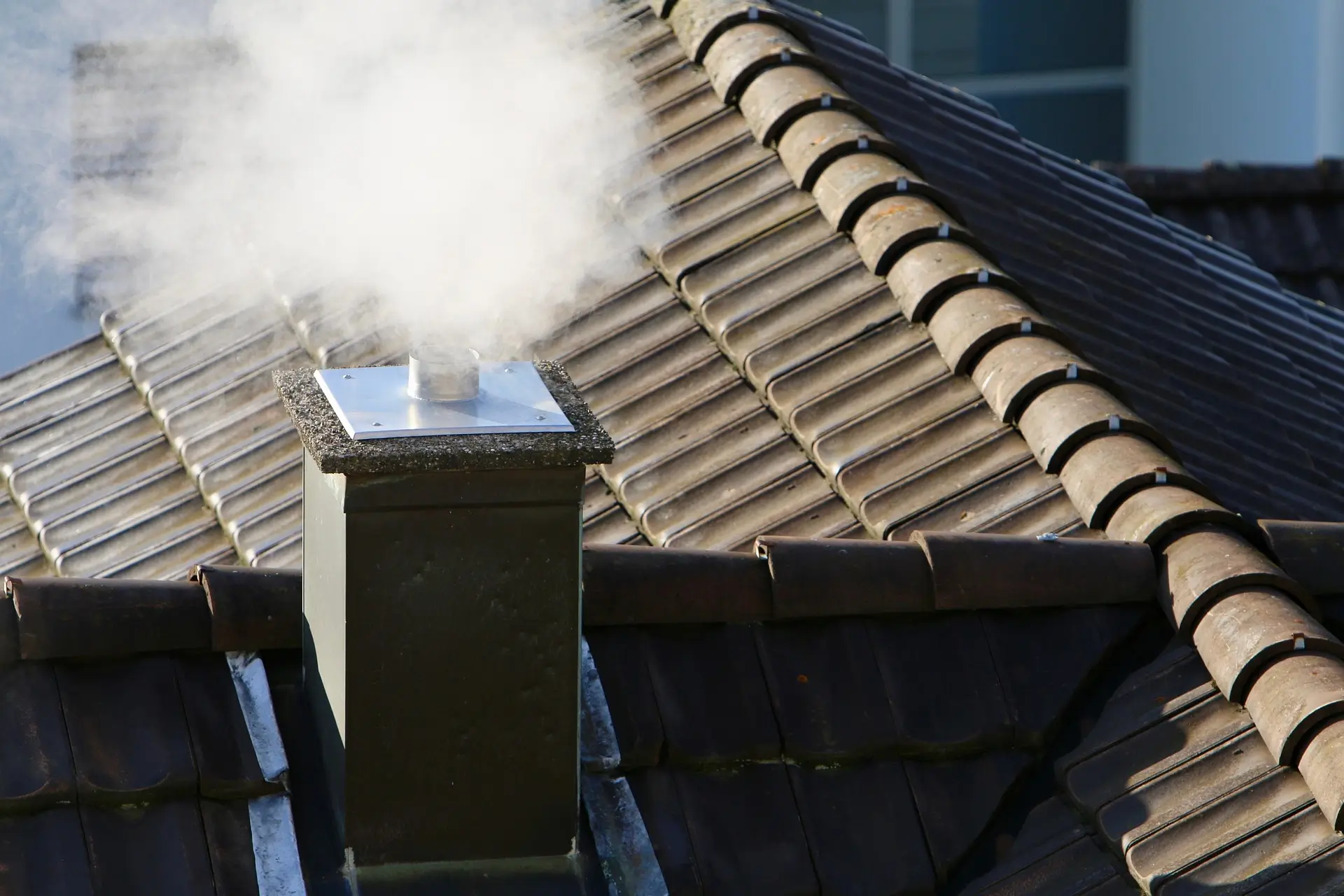
In Market Harborough, chimneys often outlast the fires they were built for. When a stack cracks, leans, or a breast just takes up space you want back, chimney removal in Market Harborough is usually the straightforward fix once the paperwork is right. This page sits alongside our wider chimney service work across town, and walks you through removal versus repair, Building Regulations, the Party Wall Act, and real cost ranges. Start with a free chimney survey before you decide anything.
- Fully Insured
- 10-Year Guarantee
- 5-Star Rated
Quick Free Estimate - No Obligation
We're not just roofers – we're your neighbours.
Fully Insured • Response within 15 mins
🔒 Your details are safe with us. No spam, ever.
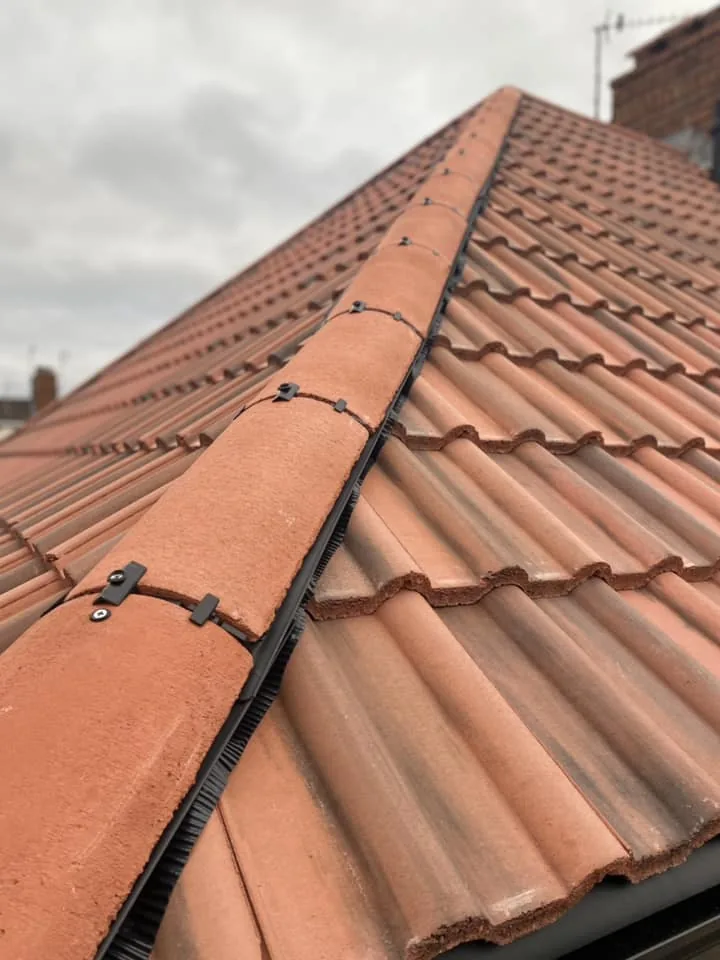
Spot a Chimney That Should Come Down, Not Just Be Capped or Repaired
Not every troublesome chimney needs to come down. Many just need repair or capping instead.
Watch for these signs before you commit to full removal:
- A stack visibly leaning away from the roofline
- Repointing that keeps failing again within a year or two
- Cracks running through several courses of brick
- A breast you no longer use, taking up space in a small room
- Damp patches near the chimney that keep returning despite flashing repairs
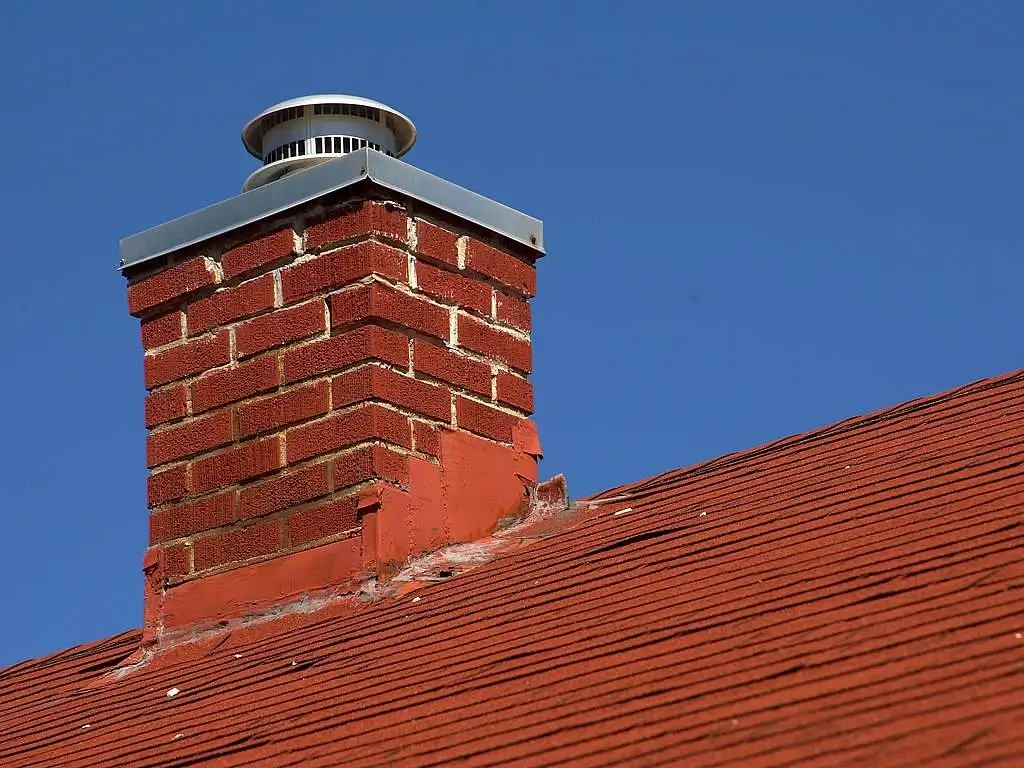
A leaning or badly cracked stack is often beyond a simple repair. If the brickwork is sound and only the pot or flaunching has failed, our chimney cap and weatherproofing work usually sorts it for a fraction of removal cost. A stack that just needs rebuilding a few courses is a job for our chimney stack repair team instead. Removal is the right call once the structure itself is failing, not just the finish, and we see this pattern often on older homes around Great Bowden.
Full Removal, Partial Removal or Breast Removal — Which One Fits Your House
Chimney removal is not one job. It is three different jobs that get lumped under the same name.
Partial removal takes the stack down to roof level and leaves the internal breast in place below. Breast removal does the opposite, taking out the internal breast on one or more floors while the stack stays on the roof, resting on a beam or bracket. Full removal takes both down together, right back to the foundations or floor level. Homes in Market Harborough with an unused fireplace but a roofline you want to keep unchanged usually suit breast removal alone. A stack that is failing structurally, with nobody using the flue, is often better off coming down completely. We see all three versions regularly on terraces around Lubenham and the town centre.
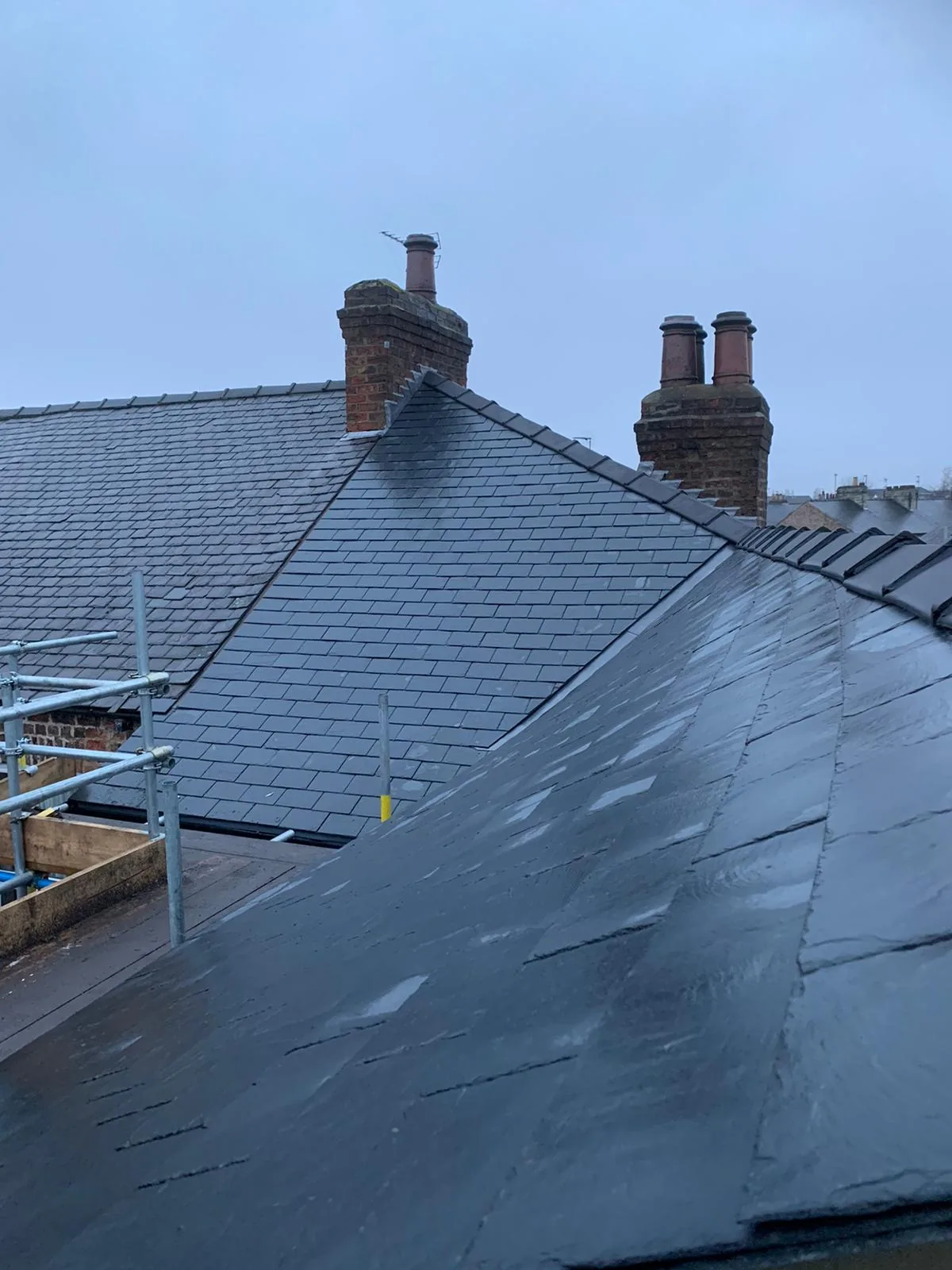
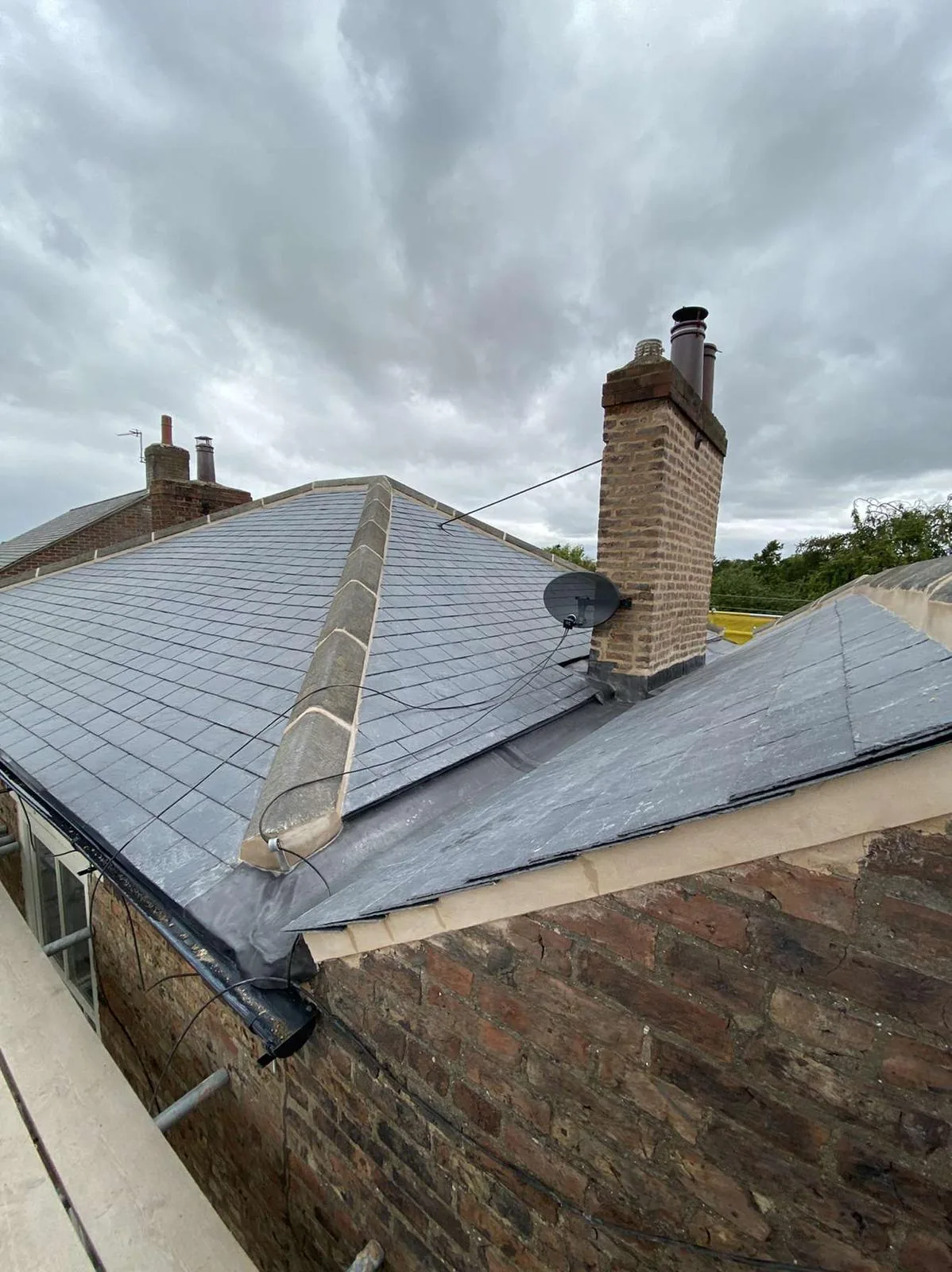
What Chimney Removal in Market Harborough Actually Involves
Chimney removal in Market Harborough covers three jobs: taking the stack down to roof level, removing the internal breast, or both together. A stack-only removal usually costs £800 to £1,800. Removing a breast on one floor runs £1,500 to £2,500. A full removal, stack and breast together, typically costs £3,000 to £5,500. Every job needs a structural engineer to check what supports the remaining weight, plus Building Regulations sign-off. Shared stacks on terraces usually need a Party Wall Act notice to your neighbour first. A survey gives you the real figure for your house.
Building Regulations, Planning Permission and Listed Building Rules
Removing a chimney breast or stack counts as building work, so Building Regulations approval applies in almost every case. Taking down only the section above the roofline carries less structural risk, but Building Control still needs to see it. Planning permission itself is rarely needed for chimney removal on a standard home in Market Harborough.
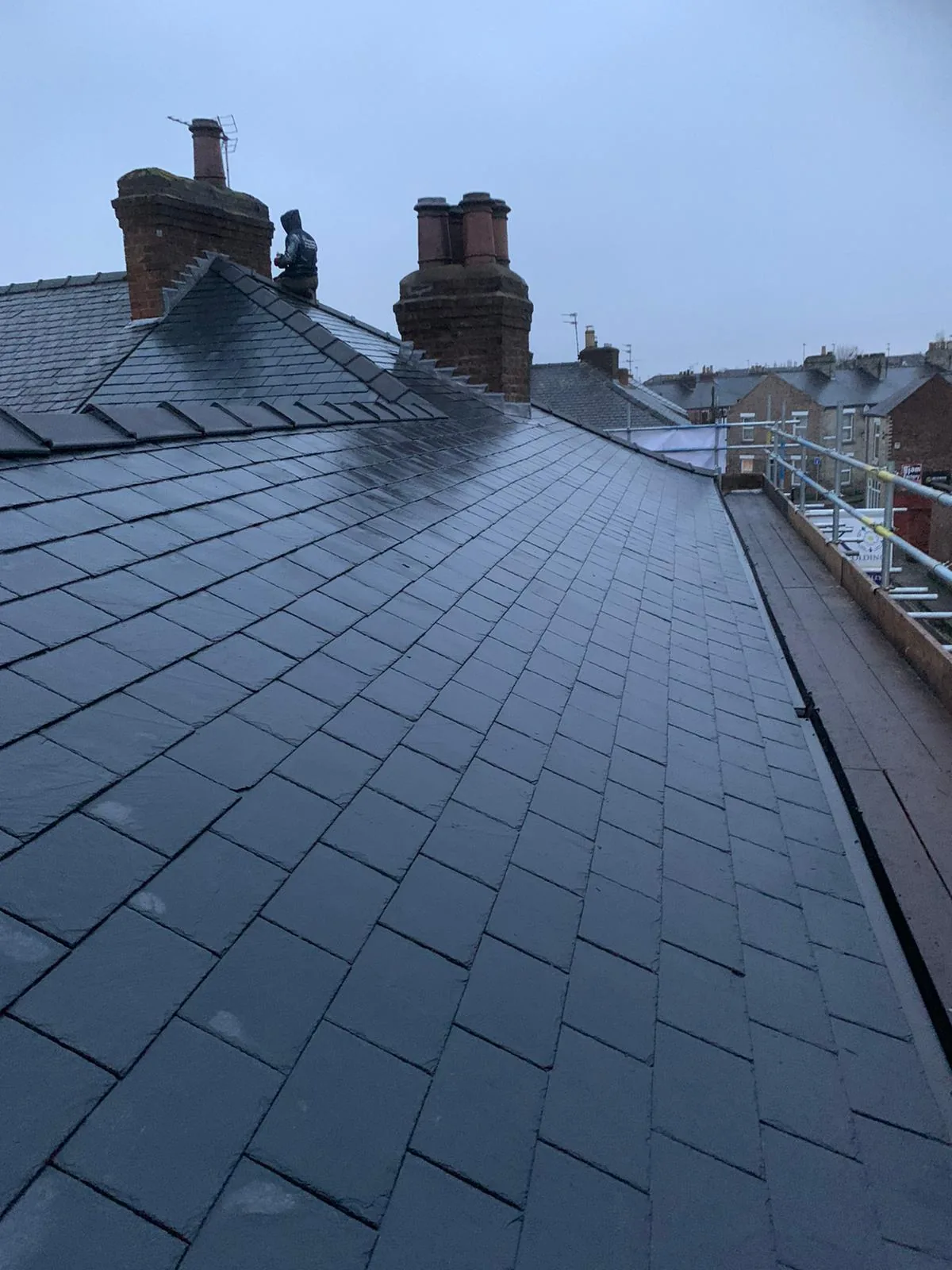
Listed buildings and conservation areas are the exception, and much of the town centre plus parts of Great Bowden sit inside one. The Institute of Historic Building Conservation's guidance on chimneys sets out why listed building consent and conservation area rules exist for stacks like these, since they often carry real architectural weight on a period roofline. We check your property's status before quoting, so a consent application is never a surprise halfway through the job.
The Party Wall Act and Shared Chimney Stacks on Market Harborough Terraces
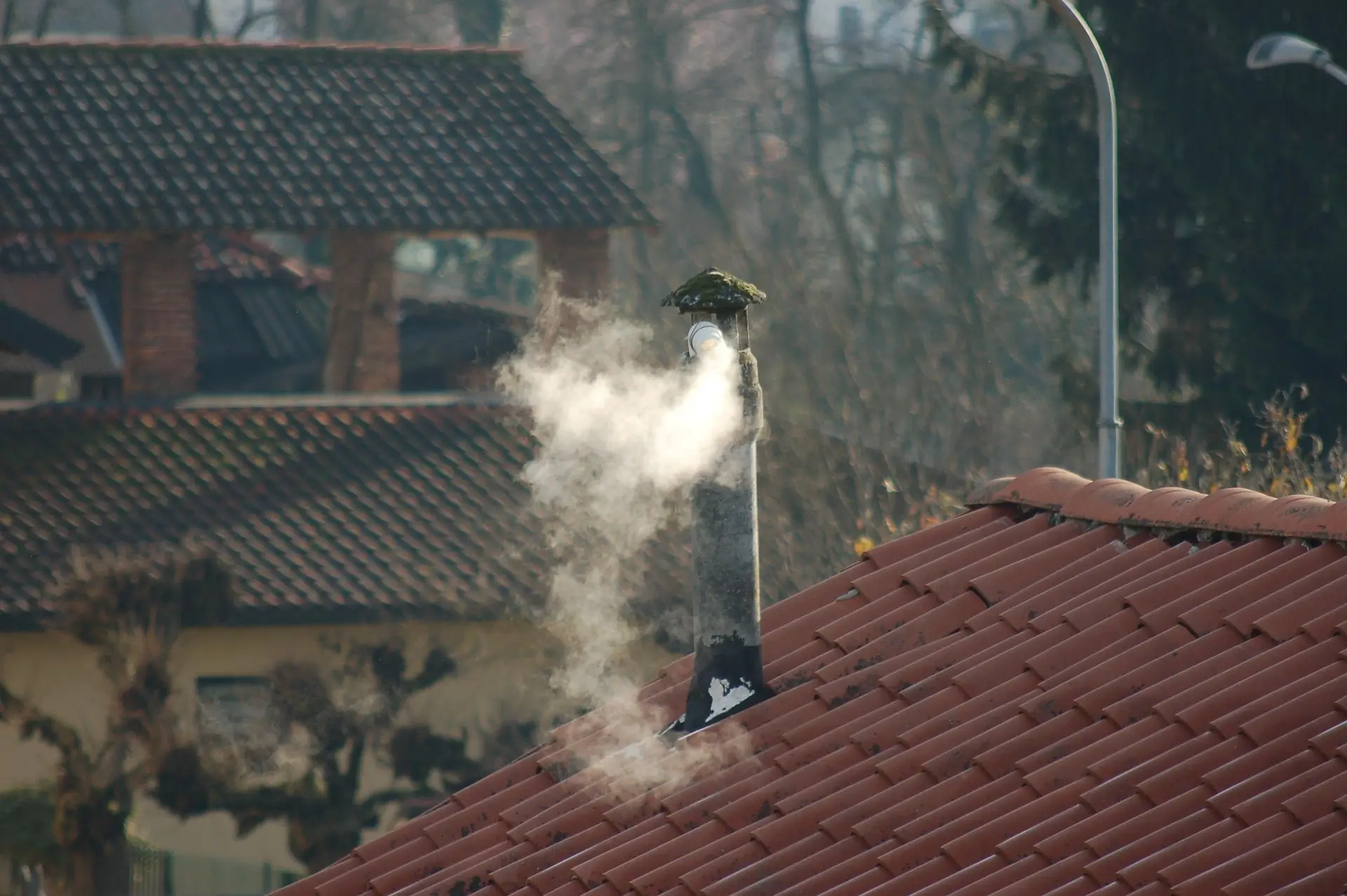
Many homes around Market Harborough share a chimney stack with next door, especially on Victorian and Edwardian terraces. If your stack sits on or across the boundary wall, the Party Wall Act 1996 applies before any work starts.
You need to give your neighbour written notice at least two months ahead of the job. They can agree, stay silent, or dispute it, and a dispute usually means appointing a party wall surveyor. Surveyor fees typically run £700 to £1,500, and the person doing the work usually covers both sides' costs. Skipping this step can leave you open to damage claims, and can hold up a house sale years later. We flag this at survey stage on every terrace job, including streets in the town centre and out toward Foxton.
From Survey to Sign-Off: What Actually Happens on Removal Day
A chimney removal follows the same order on almost every job.
- Structural engineer visits to assess what needs to carry the remaining load
- Building Control notified and calculations submitted
- Scaffolding or roof access put up safely
- Chimney breast and stack taken down course by course
- RSJ steel beam or gallows brackets fitted to support the structure above
- Old flaunching checked for asbestos before any cutting or breaking
- Roof made good with matching tiles, felt and flashing where the stack stood
- Building Control sign-off once the work is inspected
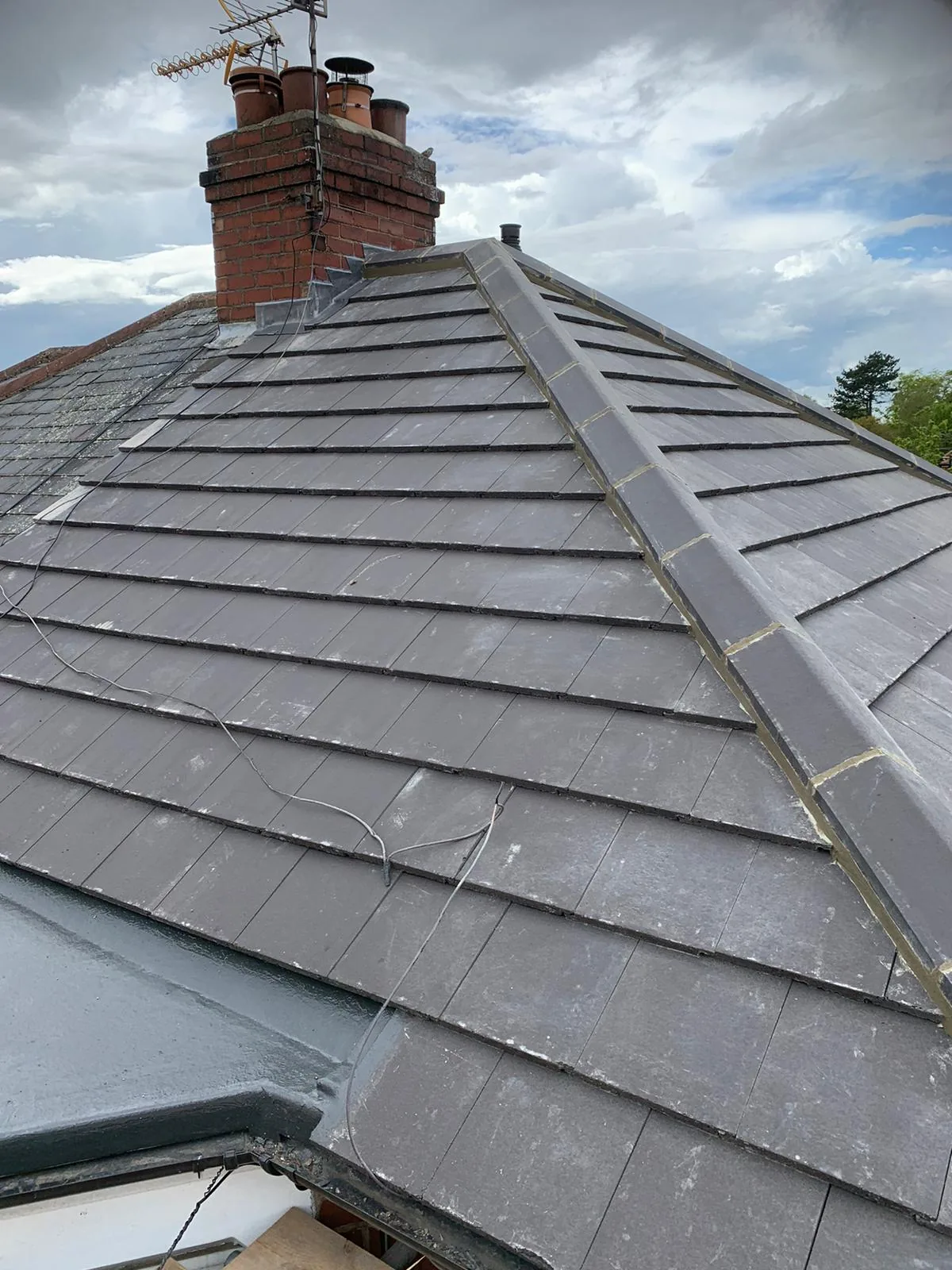
Most Building Control officers now expect a steel beam over a gallows bracket, especially on a shared stack. Gallows brackets still suit lighter, single-storey jobs, but a beam gives a stronger, longer-lasting fix. Old flaunching and fire cement on chimneys built before the 1980s can contain asbestos. We test first and bring in a licensed contractor if it turns up, adding a day and roughly £300 or more to the job. This matters as much on a small terrace in Market Harborough as it does on a bigger farmhouse chimney out near Medbourne.
What Chimney Removal Really Costs in Market Harborough
Chimney removal pricing breaks down by job type and what needs to support what remains.
- Stack removal only, down to roof level: £800–£1,800
- Chimney breast removal, one floor: £1,500–£2,500
- Full removal, stack and breast together: £3,000–£5,500
- Structural engineer's fee: £300–£900
- Building Control fees: roughly £200–£500 for a domestic job
- Scaffolding: £800–£2,000 depending on height and duration
- Party wall surveyor, if your neighbour disputes the notice: £700–£1,500
- Asbestos testing and safe removal, if flaunching tests positive: £300 and up
Older Victorian terraces around town, and larger farmhouse-style stacks out near Husbands Bosworth and Desborough, tend to sit at the higher end. A single-storey bungalow breast removal usually costs less than a three-storey stack coming down to ground level. These are general market ranges, not a quote for your house. A fixed price needs a survey, so we look at access, the stack's condition and what is supporting it before writing a number down.
Capping, Repair or Removal — Compare Your Options at a Glance
Removal is not always the right call. Here is how the main options compare.
| :-: | :-: | :-: | :-: |
| Option | Typical Cost | What It Fixes | Best For |
| Capping | £150–£400 | Stops rain and birds entering an unused flue | A sound stack you want to keep as-is |
| Repair / Repoint | £400–£1,200 | Cracked pointing, a loose pot, minor lean | A structurally sound stack with cosmetic wear |
| Partial Removal (breast only) | £1,500–£2,500 | Frees up room space, stack stays on the roof | Homes where the roofline should stay unchanged |
| Full Removal (stack and breast) | £3,000–£5,500 | Removes the whole structure, roof made good | A failing stack you no longer use at all |
Why Market Harborough Homeowners Trust Tate & Sons With Chimney Work
Chimney work rewards the sort of experience you cannot pick up quickly. Michael Tate, our founder, started his roofing apprenticeship at sixteen and has spent more than thirty years on roofs across Leicestershire since. He built Tate & Sons on one rule: fix the cause, not just the symptom, rather than patching a stack that fails again next winter. Structural and heritage chimney work on older properties is his particular strength, and he surveys many of these jobs himself.
Between the team we carry over 45 years of combined roofing experience, NVQ Level 2 and 3 qualifications, CSCS cards and NFRC trade-body membership. Ryan Tate runs day-to-day site work once a job starts, and Hannah Freeman keeps you posted from your first call through to Building Control sign-off. Read more about the people behind the work on our About Tate & Sons Roofing page.
Covering Market Harborough and Every Village Around It
We remove and repair chimneys across Market Harborough and the wider Harborough District. Wherever your stack sits, the same free survey and written price applies.
- Market Harborough (LE16)
- Great Bowden (LE16 7)
- Little Bowden (LE16 8)
- Lubenham (LE16 9)
- Foxton (LE16 7)
- Medbourne (LE16 8)
- Kibworth Beauchamp (LE8)
- Great Glen (LE8 9)
- Fleckney (LE8 8)
- Husbands Bosworth (LE17 6)
- Desborough (NN14 2)
Got Questions?
Your Chimney Removal Questions, Answered Properly
How much does chimney removal cost in Market Harborough?
Prices depend on whether you remove the stack, the breast, or both together. Stack removal down to roof level typically costs £800 to £1,800. A single breast removal usually runs £1,500 to £2,500, and a full removal of stack and breast together costs £3,000 to £5,500. Add-ons like scaffolding, a structural engineer and Building Control fees can push the total higher. A free survey gives you an exact written price rather than a phone estimate.
Do I need planning permission to remove a chimney stack or breast?
Most homes in Market Harborough do not need planning permission for chimney removal. The exception is a listed building or a property inside a conservation area, which covers parts of the town centre and Great Bowden. In those cases you need consent before any brick comes down. We check your property's status at survey stage, so this never becomes a surprise partway through the job. Getting it wrong can mean putting the chimney back at your own cost.
Do I need Building Regulations approval, and what happens if I skip it?
Yes, removing a chimney breast or stack counts as building work needing Building Regulations sign-off. This applies because it can affect the structure holding up your roof and the floors below. Skipping approval can cause real problems if you sell the house later, since a buyer's solicitor will ask for the certificate. Building Control checks the structural support, usually a steel beam, before signing the job off. We handle the application as part of every removal we carry out.
How does the Party Wall Act affect a shared chimney stack on a terrace?
If your stack sits on or across a shared wall, the Party Wall Act 1996 applies before work starts. You need to give your neighbour written notice at least two months ahead of the job. They can agree, stay quiet, or raise a dispute, which usually means bringing in a party wall surveyor. Surveyor costs typically run £700 to £1,500, and the person doing the work usually pays for both sides. We handle notices as part of the job on shared terraces around town.
What is the difference between partial removal and full removal, and which do I need?
Partial removal takes out the breast inside the house but leaves the stack on the roof, supported on a beam or bracket. Full removal takes down the stack and the breast together, right back to floor level. Partial removal suits homes where changing the roofline would look wrong or need extra consent. Full removal suits a stack that is failing structurally or simply is not wanted anymore. A survey settles which one fits your house and your budget.
Is asbestos a real risk with an older chimney, and how is it handled?
Yes, older flaunching and fire cement can contain asbestos, particularly on chimneys built before the 1980s. We test the materials before any cutting or breaking work starts. If asbestos turns up, a licensed contractor removes it safely, which usually adds a day and around £300 or more to the job. Skipping this test and disturbing asbestos fibres carries a genuine health risk. It is one reason a proper survey matters more than a quick phone quote.
Will removing a chimney affect my home insurance or a future sale?
A chimney removed without Building Control sign-off can cause problems at resale, since solicitors ask for the certificate. Insurers may also ask questions if structural work was not properly documented and signed off. Keeping the paperwork, including the engineer's calculations and the completion certificate, avoids this. A well-documented removal with a steel beam installed correctly tends to reassure both a lender's surveyor and an insurer. We hand you the full paperwork trail once the job finishes.
Does a listed building or conservation area rule out chimney removal altogether?
Not always, but it does mean an extra step before work starts. Listed building consent, or conservation area approval where it applies, has to be granted before any structural change to the chimney. Much of Market Harborough town centre and parts of Great Bowden sit inside a conservation area. Heritage officers often prefer keeping a visible stack even if the flue inside is no longer used. We can advise on likely outcomes before you commit to an application.
What happens to the roof where the chimney used to be?
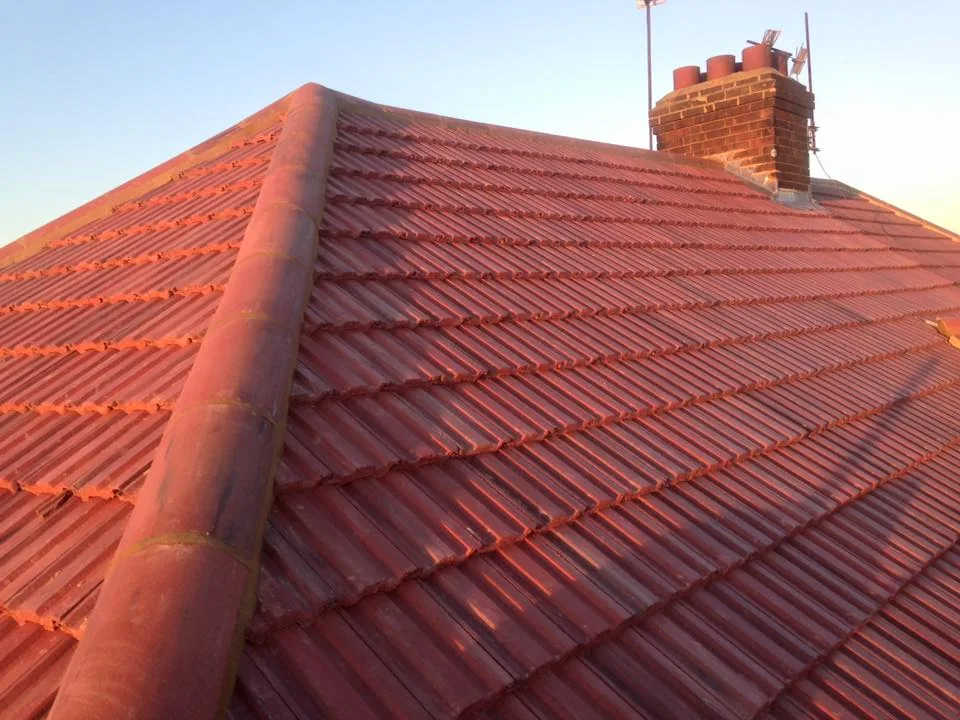
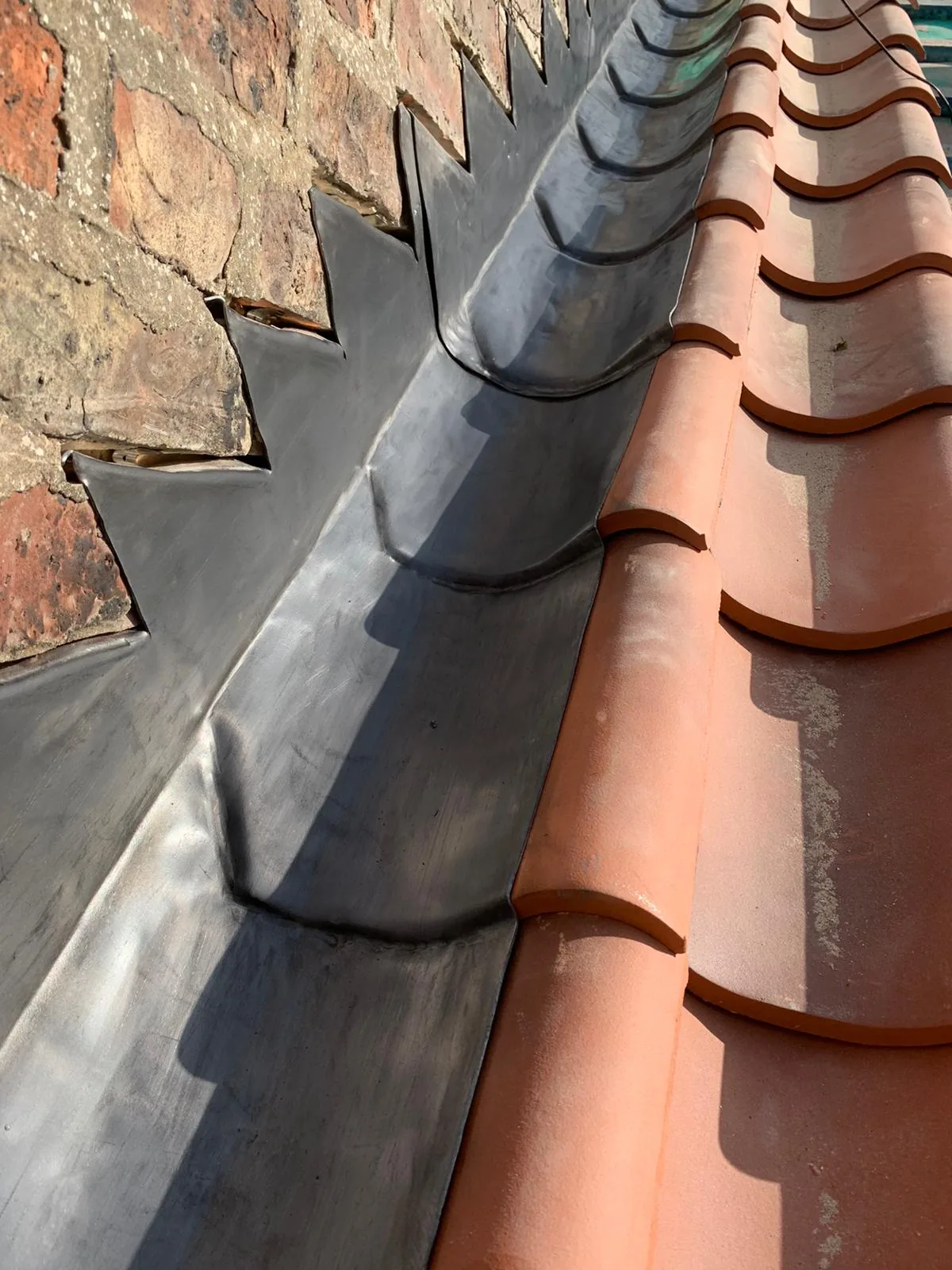
Once the stack and breast come down, the opening in the roof needs making good properly. That means matching tiles or slates, new felt or membrane, and flashing tied into the surrounding roof. A poor job here is the most common cause of a leak turning up months later. We match materials to the existing roof as closely as we can, so the repair does not stand out. This part of the job gets as much attention as the demolition itself.
Book Your Free Chimney Survey Today
A free chimney survey shows exactly what is happening to your stack and breast, inside and out. No ladders, no pressure — just a clear picture from a local Market Harborough team. A cracked stack rarely stays the same size for long, and water finding its way in gets more expensive the longer it sits. Leaving a leaning chimney over another Market Harborough winter is not a risk worth carrying. Book your free survey now and get a straight answer, plus a written price, before anything is decided.
5 Hood Close, Market Harborough, LE16 9XS
01858 457600
Call the Market Harborough team today on 01858 457600, or request your free drone survey online. We're already working across your area.
Book Your Free Drone Roof Survey
See exactly where your roof stands, with no obligation and no pressure. Call our Market Harborough team or request your free drone survey today.
Get in Touch
Tate & Sons Roofing — Market Harborough Office
5 Hood Close, Market Harborough, LE16 9XS
📞 01858 457600
✉️ [email protected]