
🏠 Trusted Local Roofers
Chimney Pot Installation and Replacement Nottingham
A cracked or leaning chimney pot on a Nottingham roof rarely stays a small problem for long. Rain gets past a broken pot into brickwork that was never built to handle it, and a loose one becomes a genuine hazard the next time the wind picks up off the Trent Valley. This page covers how to tell your chimney pot needs attention, what a proper installation involves, and what it costs. As part of our wider chimney services across Nottingham, we fit and replace chimney pots the way we'd want it done on our own roof — correctly seated, in the right material, built to outlast the weather.
- Fully Insured
- 10-Year Guarantee
- 5-Star Rated
Quick Free Estimate - No Obligation
We're not just roofers – we're your neighbours.
Fully Insured • Response within 15 mins
🔒 Your details are safe with us. No spam, ever.
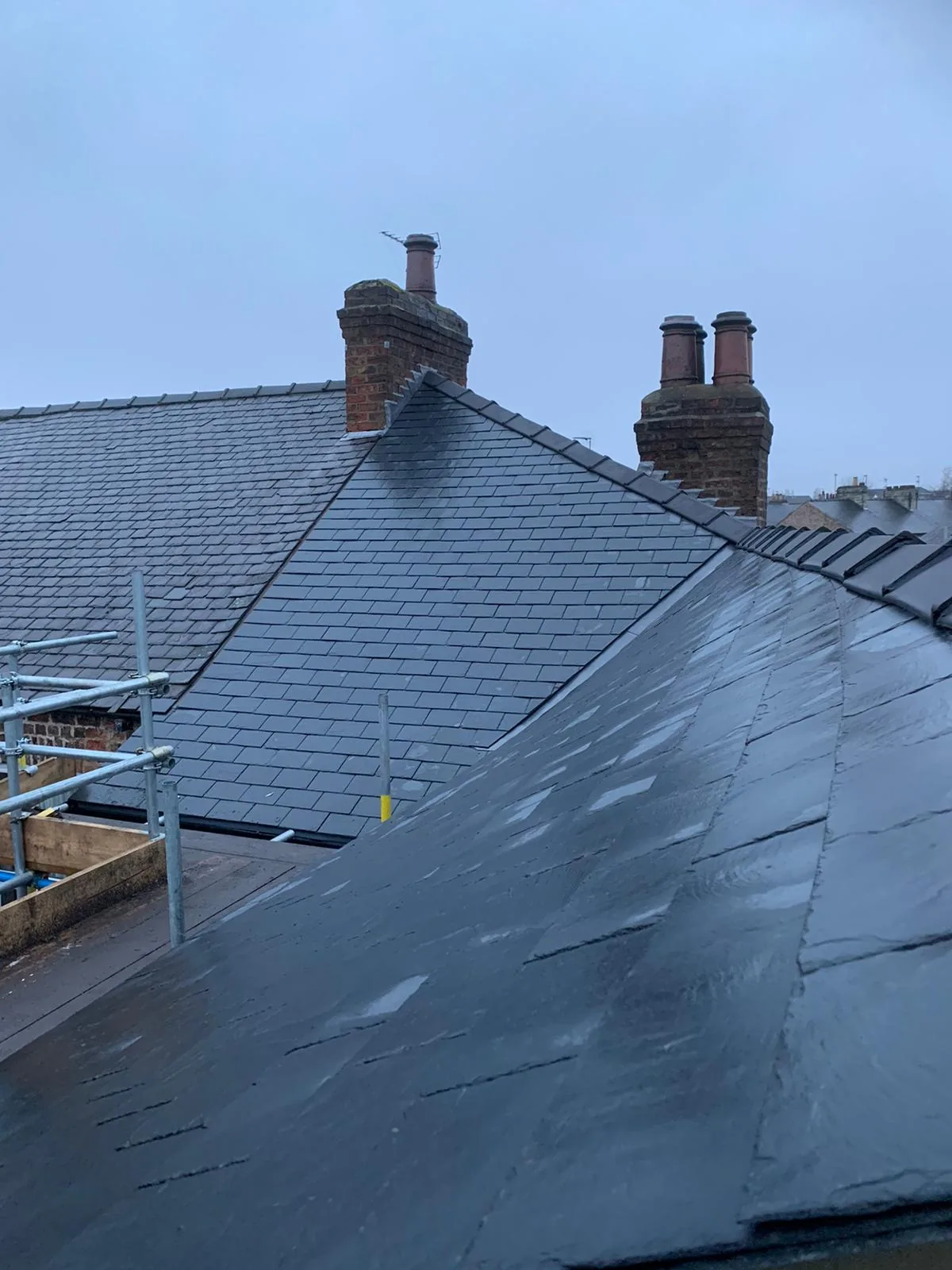
Is Your Chimney Pot Cracked, Leaning or Missing? How to Tell It's Time
Most chimney pot problems show themselves from the ground if you know what to look for. Grab a pair of binoculars or check your last set of roof photos for these warning signs.
- A pot sitting at an angle instead of standing upright and square
- Visible cracks running around the base of the pot, just above the flaunching (the sloped mortar collar that holds the pot in place)
- Crumbling or missing flaunching, leaving the pot loose in its socket
- A pot that's gone completely missing after a storm, leaving the flue open to the weather
- Rust staining or white powdery deposits (efflorescence) running down the stack below the pot
- Smoke or fumes not drawing properly from a working fireplace or stove
- Damp patches on a bedroom ceiling directly below the chimney breast
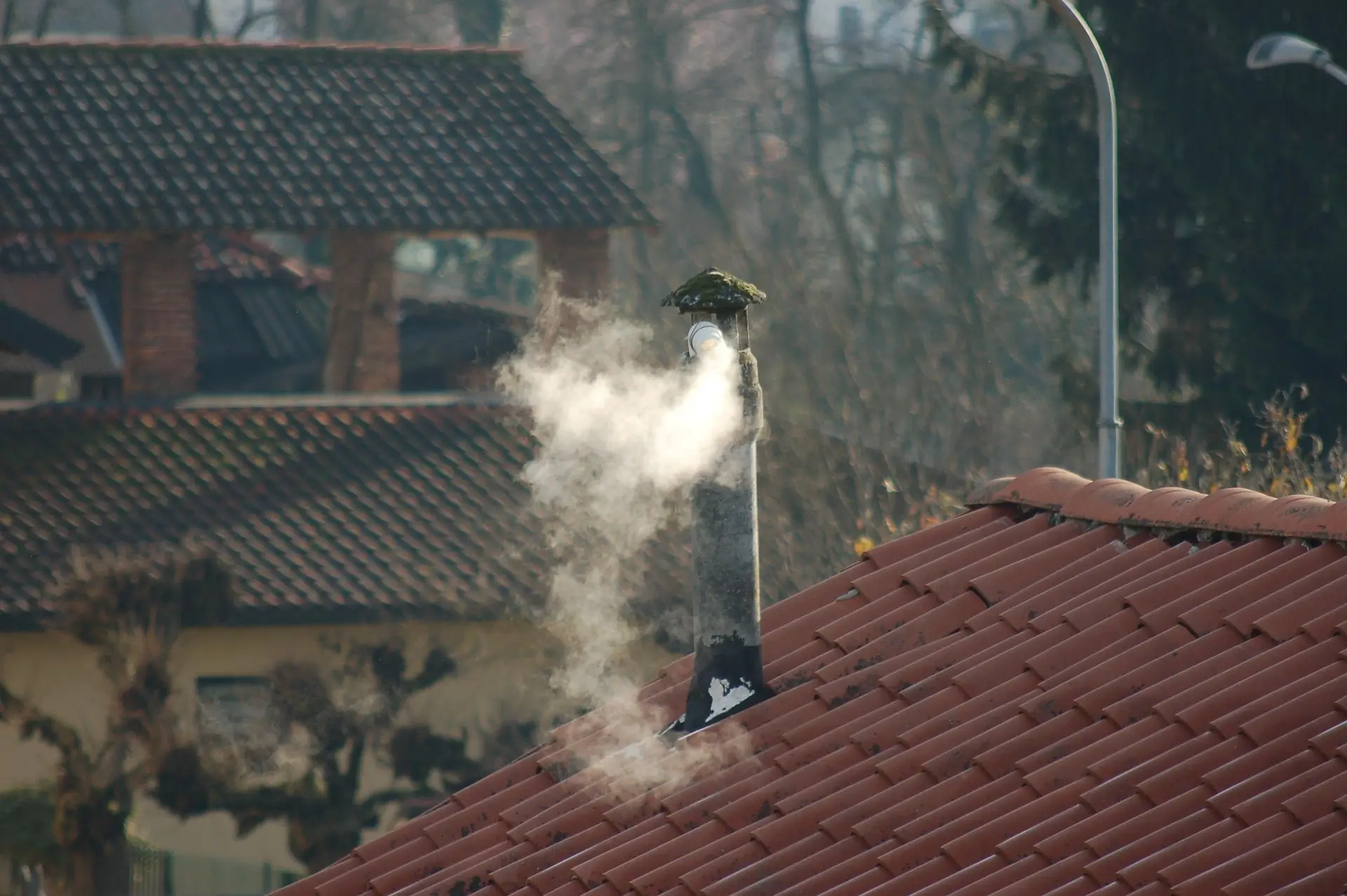
A cracked or leaning pot isn't just a cosmetic issue. Pieces of clay or concrete can come loose and fall from height, and water getting in behind a failed pot travels straight down into the brickwork and eventually the room below. If the stack itself shows cracking, bulging, or leaning rather than just the pot, that's a different job — see our page on chimney stack repair for what that involves.
Quick Answer: What Does Chimney Pot Replacement Involve?
Chimney pot replacement means removing a damaged, cracked or leaning pot and fitting a new one, correctly bedded in fresh mortar flaunching. Most jobs take half a day to a full day per stack, including access. A standard clay or concrete pot supplied and fitted typically costs £150-£350, rising with scaffold access, reclaimed period pots, or added extras like a cowl or bird guard. Matching pots aren't compulsory unless you're in a conservation area, but they usually look better and hold their value on period Nottingham homes.
Clay, Concrete or GRP: Choosing the Right Chimney Pot for Your Roof
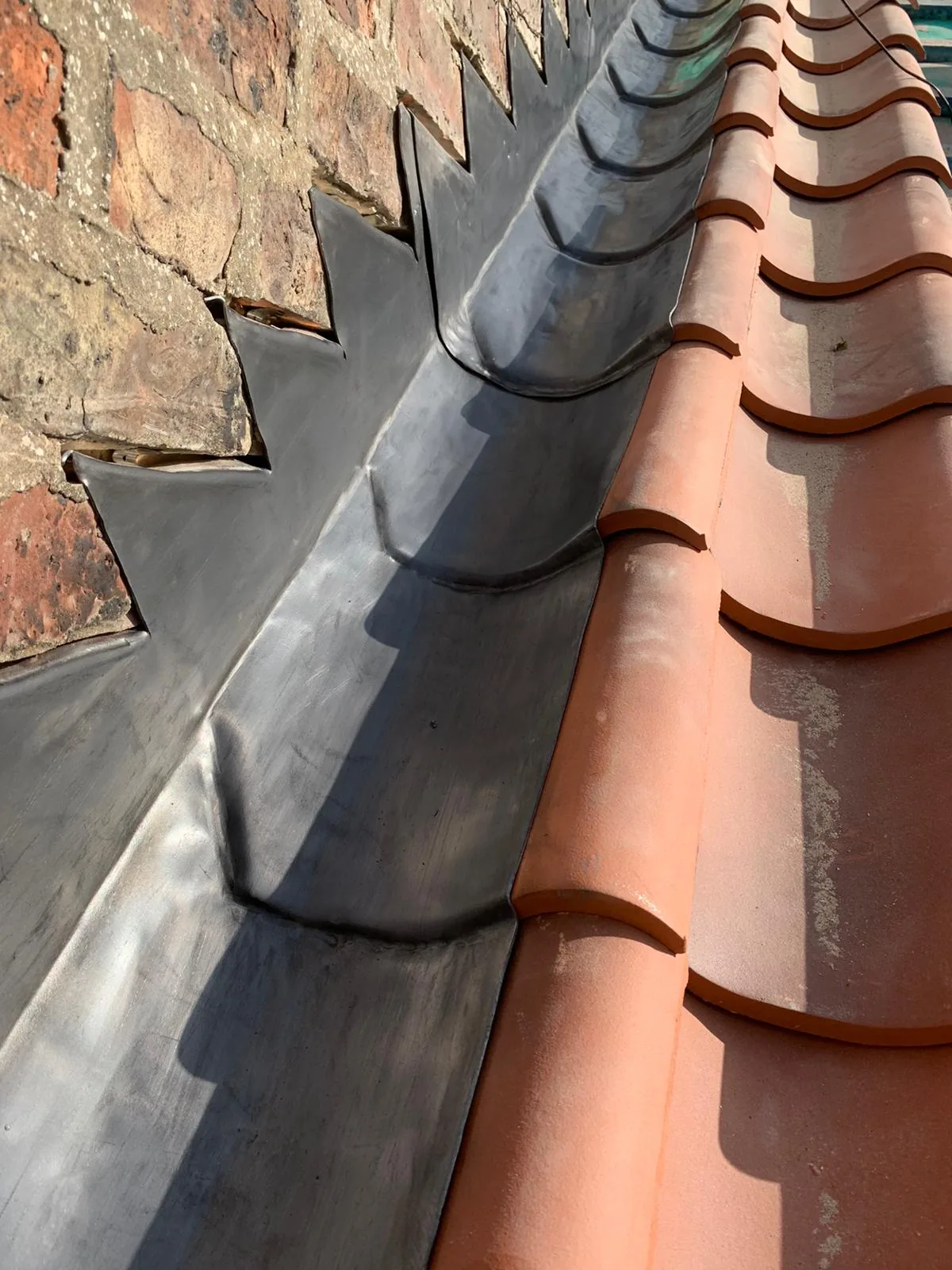
Clay and terracotta pots are the traditional choice and still the best match for Victorian and Edwardian houses around Sherwood, Mapperley, and The Park. They're heavy, weather well, and hold their shape for decades, though that weight means the stack underneath needs to be genuinely sound. Concrete pots cost less and suit modern estates and straightforward like-for-like swaps where matching an exact period style doesn't matter. GRP (fibreglass) replica pots are a lighter option, useful where a stack is weakened and can't safely take the weight of clay or where scaffold access makes handling heavier materials harder.
Original Victorian pot styles — beehive, cannon-head, and bishop's-mitre shapes among them — are no longer made in most cases. Where a period property needs a genuine match, we source reclaimed pots or specify a close modern replica, which we'll flag and price honestly at survey stage rather than fitting a mismatched standard pot and hoping nobody notices.
What Happens Before We Touch Your Chimney
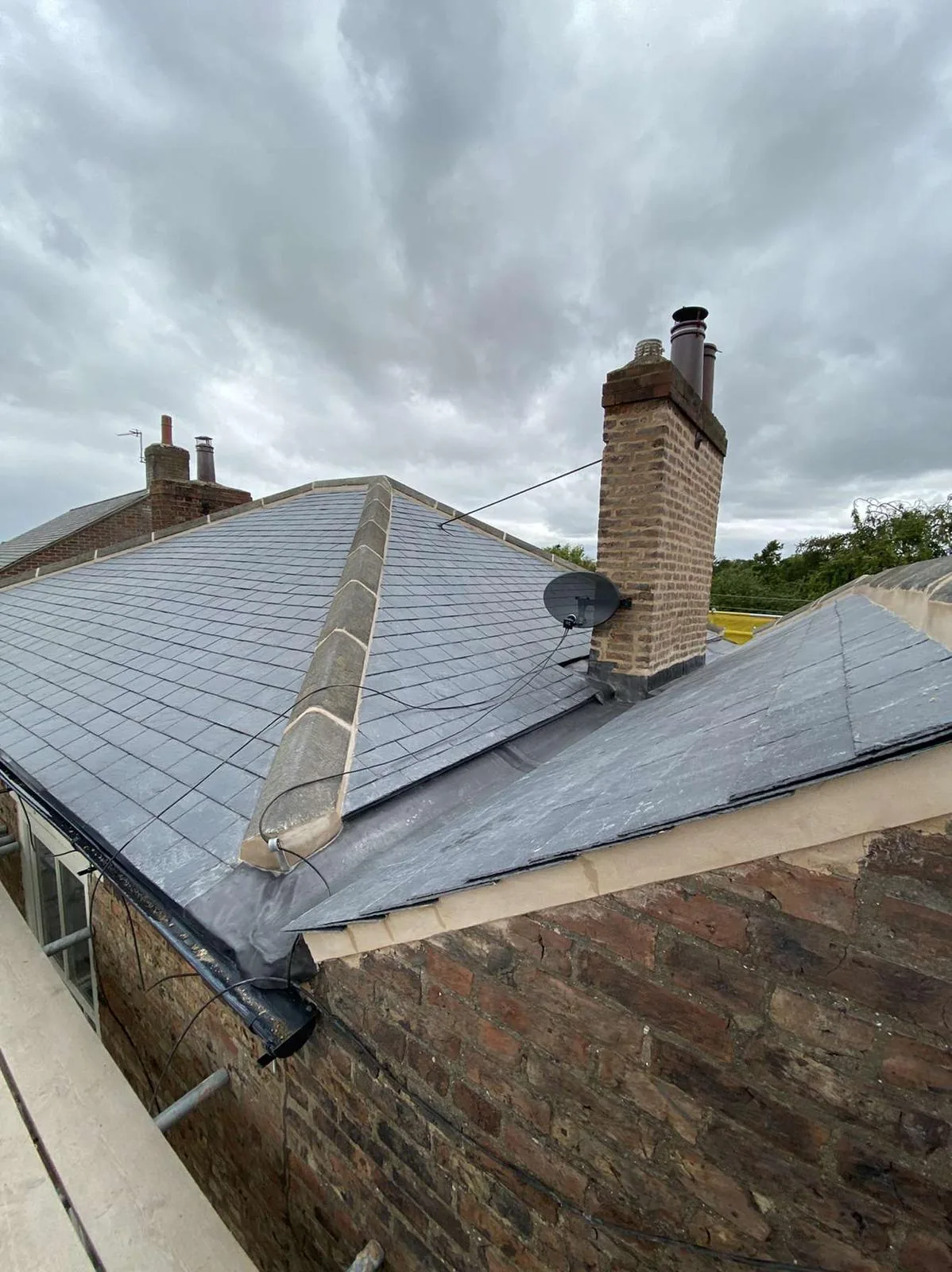
Every job starts with a proper look at the stack, not a guess from the street.
- We carry out a free drone survey of the whole stack, pots, and flaunching — no ladders needed to get a clear picture
- You get close-up photos showing exactly what condition each pot and the surrounding brickwork is in
- We check whether the problem is the pot alone, or whether the stack, flashing, or flue lining needs attention too
- We confirm which pot material and style fits your property, your budget, and any conservation area rules
- If you're near The Park or parts of Lenton, we flag anything needing conservation area sign-off before work starts
- You get a firm quote covering pot, flaunching, and access, agreed before any scaffold goes up
How We Install or Replace a Chimney Pot That Lasts
A pot that's correctly fitted shouldn't need touching again for decades. Here's how we do it properly.
- Set up safe access — a roof ladder for straightforward jobs, or a scaffold tower where the pitch, height, or number of stacks needs it
- Remove the old pot carefully, checking the flue liner and brickwork underneath for hidden damage
- Clear out the old flaunching completely rather than bedding a new pot on top of failing mortar
- Fit the new pot, checking it sits level and square in its socket before anything is bonded
- Build up fresh flaunching around the base, using a lime-based mortar mix on older and period stacks so the pointing can flex slightly with the building rather than cracking
- Fit a cowl or bird guard at this stage if you've asked for one, sized correctly for your flue and appliance
- Clear the site and leave the stack tidy, typically within a day per chimney
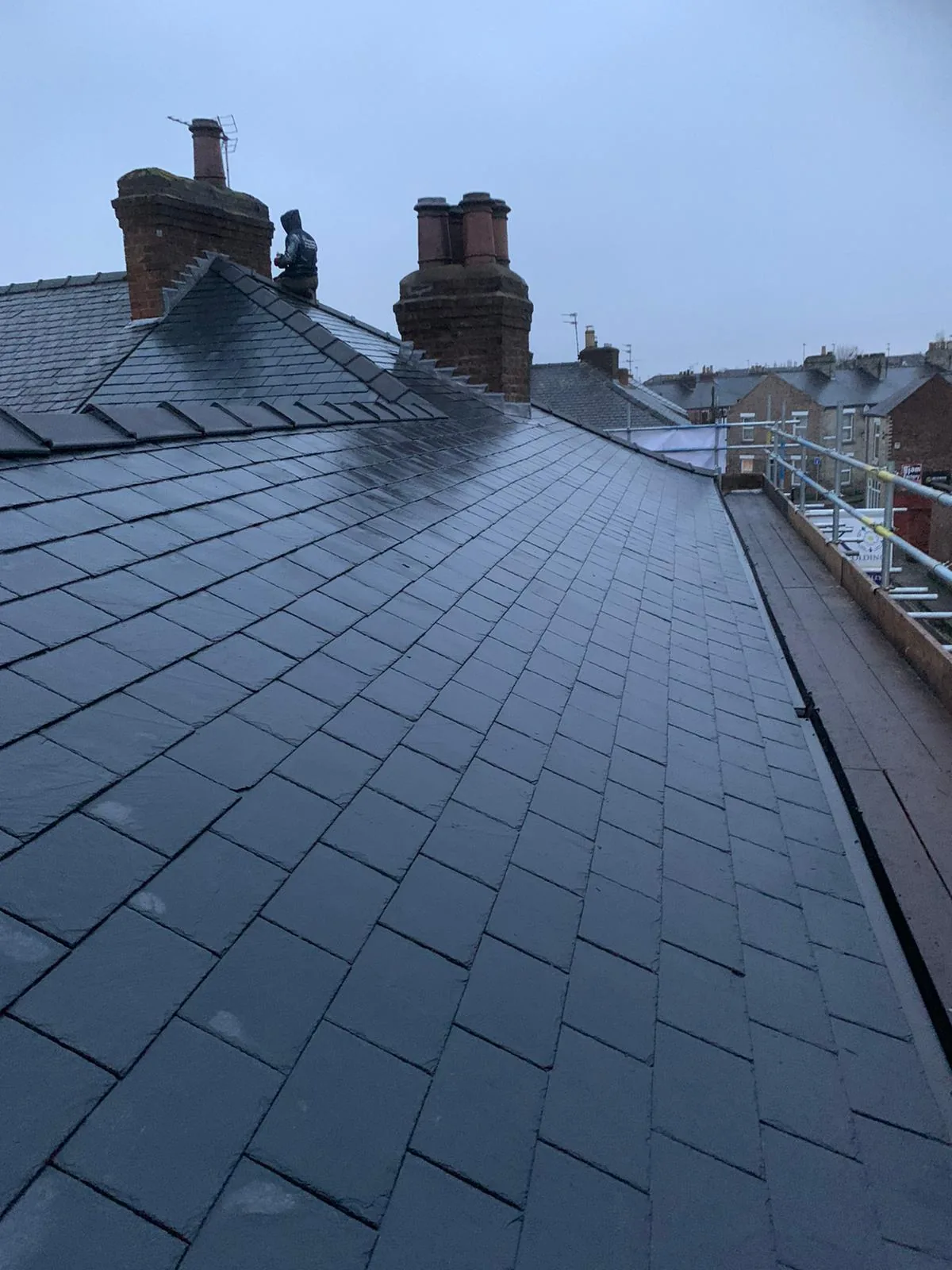
Getting the flaunching right matters as much as the pot itself. The Society for the Protection of Ancient Buildings' chimney maintenance guidance makes the same point: a pot only stays secure if it's bedded properly, and lime-based mortar suits older solid-wall properties far better than modern cement, which can trap moisture and crack under movement.
How to Check Your New Chimney Pot Was Fitted Properly
Once the work's finished, a few quick checks tell you whether it's been done right.
- The pot should stand perfectly upright and square, with no visible lean
- Flaunching should be smooth, evenly sloped away from the pot, and free of cracks or gaps
- There should be no loose mortar debris left on the roof slopes or in the gutters below
- Ask to see before-and-after photos from the drone survey — a reputable roofer takes these as standard
- Any cowl or bird guard fitted should sit square and not rattle in the wind
- You should get written confirmation of the pot material, style, and guarantee in place
- We back every chimney pot installation with a 10-year workmanship guarantee, in writing, from day one
Stopping Pot Damage Before It Starts
A little attention twice a year catches pot problems while they're still cheap to fix.
- Check the stack with binoculars after any severe storm, looking for a change in angle or missing pieces
- Book a chimney sweep at the recommended frequency for your fuel type — this catches flue and pot issues early, not just soot
- Keep an eye on flaunching for hairline cracks before they widen into full gaps
- Fit a bird guard on any unused or seasonal flue to stop nesting material building up and blocking the pot
- Have the whole stack looked at every few years, not just the pot — flashing and pointing wear at a similar rate
- Get a free drone survey rather than sending someone up a ladder to guess
Cost & Pricing Guidance
Chimney pot pricing across the UK for 2025/26 typically runs like this:
- Standard clay or concrete pot, supplied and fitted: £150-£350 per pot
- Reclaimed or bespoke period-match pot: £300-£600+ per pot, depending on rarity
- Cowl or bird guard fitted alongside a new pot: £40-£120 each
- Re-flaunching (rebedding a pot in fresh mortar): £150-£300 per pot
- Roof ladder access for straightforward jobs: £100-£200
- Scaffold tower to ridge height: £400-£700
- Full scaffolding for taller or harder-to-reach stacks: £600-£1,200
A typical single-pot replacement with roof ladder access and fresh flaunching costs £300-£650 all in. A job needing scaffold access for two or three pots, with re-flaunching throughout, usually runs £900-£2,000.
What pushes the price up or down: access (ladder versus scaffold), how many pots need replacing, whether you want a matched period pot or a standard replacement, and the condition of the flaunching and brickwork underneath.
These are general ranges, not a quote. A fixed price needs a survey — and our drone survey is free, with no obligation.
Comparison Table: Chimney Pot Materials
| Pot Material | Typical Lifespan | Best For | Relative Cost |
|---|---|---|---|
| Concrete | 20-30 years | Modern estates, straightforward like-for-like swaps | £ (lowest) |
| Clay / Terracotta | 30-50+ years | Victorian and Edwardian terraces, conservation areas | ££ |
| GRP Fibreglass Replica | 15-25 years | Weakened stacks, tricky access, lightweight fixes | ££ |
| Reclaimed / Cast Iron | 50+ years with care | High-status period and listed properties, ornate stacks | £££ (highest) |
Why Choose Tate & Sons for Your Chimney Pot
Chimney pot work is led by James Tate, Founder and Managing Director, who's happiest up a ladder working out how to put a period stack right without losing its character. He prices most chimney jobs himself, which means the person quoting your pot replacement has actually seen it and knows exactly what's needed.
Tate & Sons was founded on a simple idea: find out what's genuinely wrong, use the right materials, and leave something that holds for years, not months. That's exactly the approach a chimney pot needs — a mismatched or badly bedded pot might look fine for a season before it starts letting water in again. Read more on our About page.
Our roofers are directly employed, not subcontracted. They hold NVQ Level 2 and 3 qualifications in Roofing Occupations and carry CSCS cards. Every chimney pot job comes with a free drone survey up front and a 10-year workmanship guarantee once the work is finished.
Chimney Pot Installation Across Nottingham and the Wider County: Areas We Serve
We fit and replace chimney pots right across Greater Nottingham and out into the wider county. Wherever your property sits, our crews know the local housing stock, the weather, and the access.
- Nottingham City Centre (NG1)
- The Park (NG1)
- West Bridgford (NG2)
- Sneinton (NG2)
- Wollaton (NG8)
- Lenton (NG7)
- Beeston (NG9)
- Chilwell (NG9)
- Stapleford (NG9)
- Arnold (NG5)
- Sherwood (NG5)
- Mapperley (NG3)
- Carlton (NG4)
- Gedling (NG4)
- Hucknall (NG15)
- Long Eaton (NG10)
- Mansfield (NG18)
- Sutton-in-Ashfield (NG17)
Got Questions?
Your Flat Roofing Questions, Answered Properly
How much does it cost to replace a chimney pot in the UK?
A standard clay or concrete chimney pot supplied and fitted costs £150-£350, rising to £300-£600 or more for a reclaimed or bespoke period match. Access adds to the total: a roof ladder job costs £100-£200, while a scaffold tower runs £400-£700 and full scaffolding £600-£1,200. Most single-pot jobs with straightforward access come in at £300-£650 all in. A survey gives you an exact figure for your roof.
What are the signs a chimney pot needs replacing?
The clearest sign is a pot standing at an angle instead of upright, which usually means the flaunching (the mortar collar holding it in place) has cracked or crumbled. Look also for visible cracks around the pot's base, rust staining running down the stack, or a pot that's gone missing entirely after a storm. Damp patches on a ceiling below the chimney breast, or smoke not drawing properly from a working fire, can also point back to a failed pot. If you spot any of these, get it looked at rather than waiting for the next storm.
Can a chimney pot be repaired, or does it always need replacing?
A pot with cracked or crumbling flaunching but a sound pot itself can often be rebedded rather than replaced, which is the cheaper option. A pot that's cracked through its own body, badly chipped, or missing altogether needs full replacement. Our free drone survey tells you honestly which category yours falls into, rather than defaulting to the more expensive job. Reusing a sound pot when re-flaunching a stack is standard practice and saves you money.
What's the best material for a chimney pot: clay, concrete, or GRP?
Clay and terracotta suit period properties best and last 30 to 50 years or more, making them the natural choice for Victorian and Edwardian homes around Sherwood and Mapperley. Concrete is the cheaper, more modern option and works well for straightforward like-for-like swaps where matching an exact style doesn't matter. GRP fibreglass replicas are lighter, which helps where a stack is weakened or access makes handling heavy clay pots difficult. The right choice depends on your property's age, your stack's condition, and your budget.
Do I need a cowl or bird guard fitted with my new chimney pot?
Not every chimney needs one, but a cowl or bird guard is worth fitting if you've had birds nesting, debris blocking the flue, or problems with rain or downdraught in the past. A bird guard keeps nesting material and debris out while still letting the flue draw properly. A poorly sized or badly fitted cowl can restrict airflow and cause dangerous fumes to build up, so it needs sizing correctly for your flue and appliance. We'll advise honestly at survey stage on whether your chimney would benefit from one.
Is a leaning or cracked chimney pot dangerous?
Yes, a leaning or cracked chimney pot is a genuine safety risk, not just an appearance issue. Loose pieces of clay or concrete can come away and fall from roof height, especially during high winds. Water getting in behind a failed pot also travels down into the brickwork, which weakens the stack over time and can eventually lead to a much bigger structural repair. Get it looked at promptly rather than waiting to see if it gets worse.
Do I need planning permission or building regulations sign-off for a new chimney pot?
Most straightforward like-for-like chimney pot replacements on a house don't need planning permission. Conservation areas around The Park and parts of Lenton can bring extra restrictions on pot style and appearance, so it's worth checking before ordering a mismatched replacement. Building regulations mainly come into play if the flue itself is being altered or relined, rather than a simple pot swap. We flag anything that applies to your property during your survey.
Can you match an old or reclaimed chimney pot on a period property?
Yes, matching an original style is usually possible, though original Victorian shapes like beehive, cannon-head, and bishop's-mitre pots are largely no longer manufactured new. We source reclaimed pots where a genuine match matters, or specify a close modern replica if reclaimed stock isn't available. Reclaimed and bespoke pots cost more than a standard replacement, typically £300-£600 or more, and we'll always price this honestly rather than fitting a mismatched standard pot on a period stack.
Does a capped or unused chimney still need a pot?
Generally yes, even a capped or disused flue benefits from keeping its pot in place, since it protects the brickwork and flue lining underneath from water ingress. If the whole stack is being taken out of use permanently, capping it correctly with proper ventilation is usually better than leaving a pot to deteriorate unmaintained. If you're weighing up removing a chimney entirely rather than just capping it, our page on chimney removal covers what that involves. A survey will tell you which option suits your specific stack.
Book Your Free Drone Roof Survey Today
See exactly what your roof needs before any work starts. No ladders, no pressure — just a clear picture from a local Nottingham team.
A tired roof only gets worse as water works deeper into the deck and timber beneath it. A quick, free drone survey today tells you exactly where you stand — and often the fix is smaller and cheaper than you feared. Book now, get an honest quote, and protect your home before the next East Midlands downpour finds the weak spot.
📍 57 Cyril Avenue, Nottingham, NG8 5BA
📞 0115 647 4455
Call the Nottingham team today on 0115 647 4455, or request your free drone survey online. We’re already working across your area.
Get in Touch
Tate & Sons Roofing — Nottingham
57 Cyril Avenue, Nottingham, NG8 5BA
📞 0115 647 4455
✉️ [email protected]