
🏠 Trusted Local Roofers
Chimney Bird Guard & Cowl Fitting Chesterfield
A scratching noise above your fireplace usually means one thing: jackdaws have found your flue before you did. Tate & Sons Roofing fits mesh bird guards, anti-downdraught cowls and rain caps across Chesterfield, as part of the wider chimney services across Chesterfield we carry out every week. Chimney Bird Guard and Cowl Fitting in Chesterfield stops nesting birds, smoke-filled rooms and rain damage before they cost you a rebuild.
This page walks you through the warning signs, the real difference between a bird guard and a cowl, honest UK pricing, and exactly how our team fits yours. You will also find the legal timing rules around nesting jackdaws that catch out a lot of Chesterfield homeowners each spring.
- Fully Insured
- 10-Year Guarantee
- 5-Star Rated
Quick Free Estimate - No Obligation
We're not just roofers – we're your neighbours.
Fully Insured • Response within 15 mins
🔒 Your details are safe with us. No spam, ever.
Signs Your Chesterfield Chimney Needs a Bird Guard or Cowl
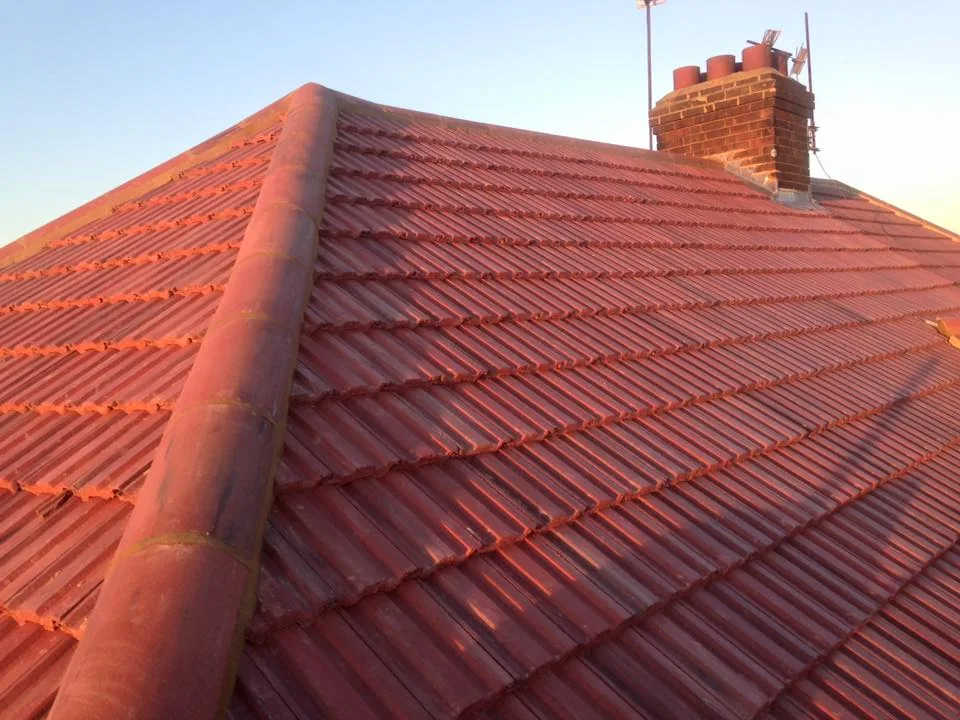
Scratching, flapping or chattering above the fireplace is the first clue most homeowners notice. Jackdaws favour open chimney pots for nesting, and a busy pair can drop dozens of sticks down a flue in a single spring.
Smoke that rolls back into the room instead of drawing up the flue often points to downdraught, not a nest. Exposed properties toward the Peak District gateway, where wind crosses the ridge with little to slow it down, see this more than homes tucked into town.
Watch for these warning signs before a blocked flue becomes a safety issue:
- Scratching, cheeping or flapping sounds from the chimney breast
- Smoke or smells pushed back into the room instead of drawing up
- Twigs, moss or debris landing in the fireplace or wood burner
- A damp smell or dark staining around the chimney breast after rain
- Sticks visible when you look up the flue with a torch
- A stove or open fire that used to draw well and suddenly struggles
Older stone and gritstone chimneys around Old Whittington and Wingerworth tend to have wider, uncapped pots than newer estate builds, which is exactly what jackdaws look for. If any of these signs sound familiar, book a free drone roof survey and we will tell you what your chimney actually needs, not just what sounds urgent.
Bird Guard, Cowl or Spark Arrestor: Which Fix Solves Your Problem?
These three products get mixed up constantly, and fitting the wrong one wastes money. A mesh bird guard is built to keep animals and debris out. An anti-downdraught cowl is built to stop wind pushing smoke back into your room. A rain cap simply keeps water out of an unused or decorative pot.
Many Chesterfield homes with an active wood burner or open fire actually need a combined product, since a stand-alone bird guard does nothing for downdraught, and a plain cowl does nothing to stop jackdaws squeezing through a wide gap.
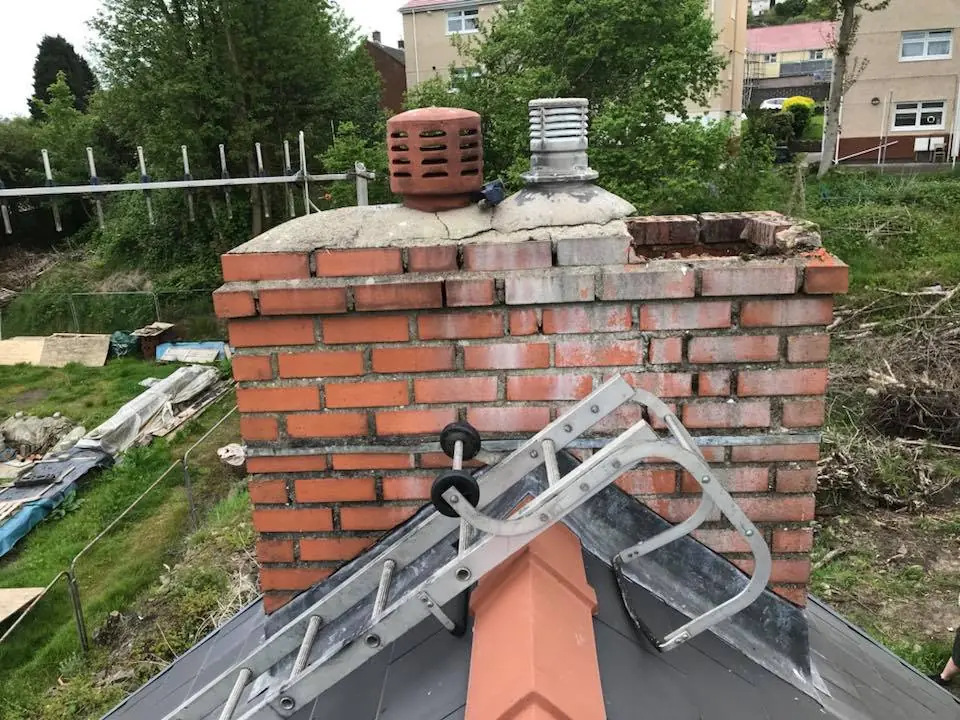
Most active fires and stoves are better served by a combined anti-downdraught cowl with an integral mesh guard, rather than any single product on its own. We check your fuel type, pot size and roof exposure during the survey before recommending a specific fitting.
Chimney Bird Guard and Cowl Fitting Cost in Chesterfield: What You'll Actually Pay
Most UK homeowners pay between £150 and £400 for a bird guard or cowl fitted, materials and labour included. The product itself typically costs £30 to £150 depending on material and style, with stainless steel at the higher end and aluminium at the lower end.
Terracotta cowls suit period pots on older Chesterfield homes and cost roughly £40 to £120. Galvanised steel spark arrestor and rotary cowls sit around £30 to £110 and work well on budget re-fits where looks matter less than function.
Cost rises when scaffolding or a tower is needed for a steep or high roof, when the chimney stack itself needs repointing first, or when an older pot is cracked and needs replacing rather than simply capped. Cost falls on single-storey homes with easy ladder access and a standard-size pot in good condition.
If your pot is chipped, undersized or a non-standard Victorian shape, fitting alone will not solve the problem, and you may need chimney pot installation and replacement first. A fixed price needs a survey, since pot size, roof pitch and access all change the final figure.
Timing Matters: Why Nesting Season Changes When We Can Fit Your Guard
Jackdaws are wild birds, and their nests are protected by law once eggs or chicks are present. Under the Wildlife and Countryside Act 1981, it is an offence to disturb an active nest, and the guidance from the RSPB on the Wildlife and Countryside Act is clear that building work should sit outside the main nesting season wherever possible.
In practice this means the best window to fit a bird guard runs from autumn through to late winter, before jackdaws start nest-building in February. Once a nest is active, we cannot legally remove it, and lighting a fire above an occupied nest is dangerous for you and the birds.
Solid fuel flue work also falls under Building Regulations Part J, covering ventilation and safe clearance around any live chimney. For an active wood burner or open fire, a HETAS-registered assessment of the flue and cowl choice keeps your installation compliant and your insurance valid.
If nesting has already started when you call us, we will book your fitting for the moment the chicks fledge and sweep the flue clear at the same visit. Chesterfield homeowners in villages like Holymoorside and Cutthorpe, close to open farmland, tend to see jackdaws move in earliest each year.
Your Chimney Bird Guard and Cowl Fitting, Step by Step
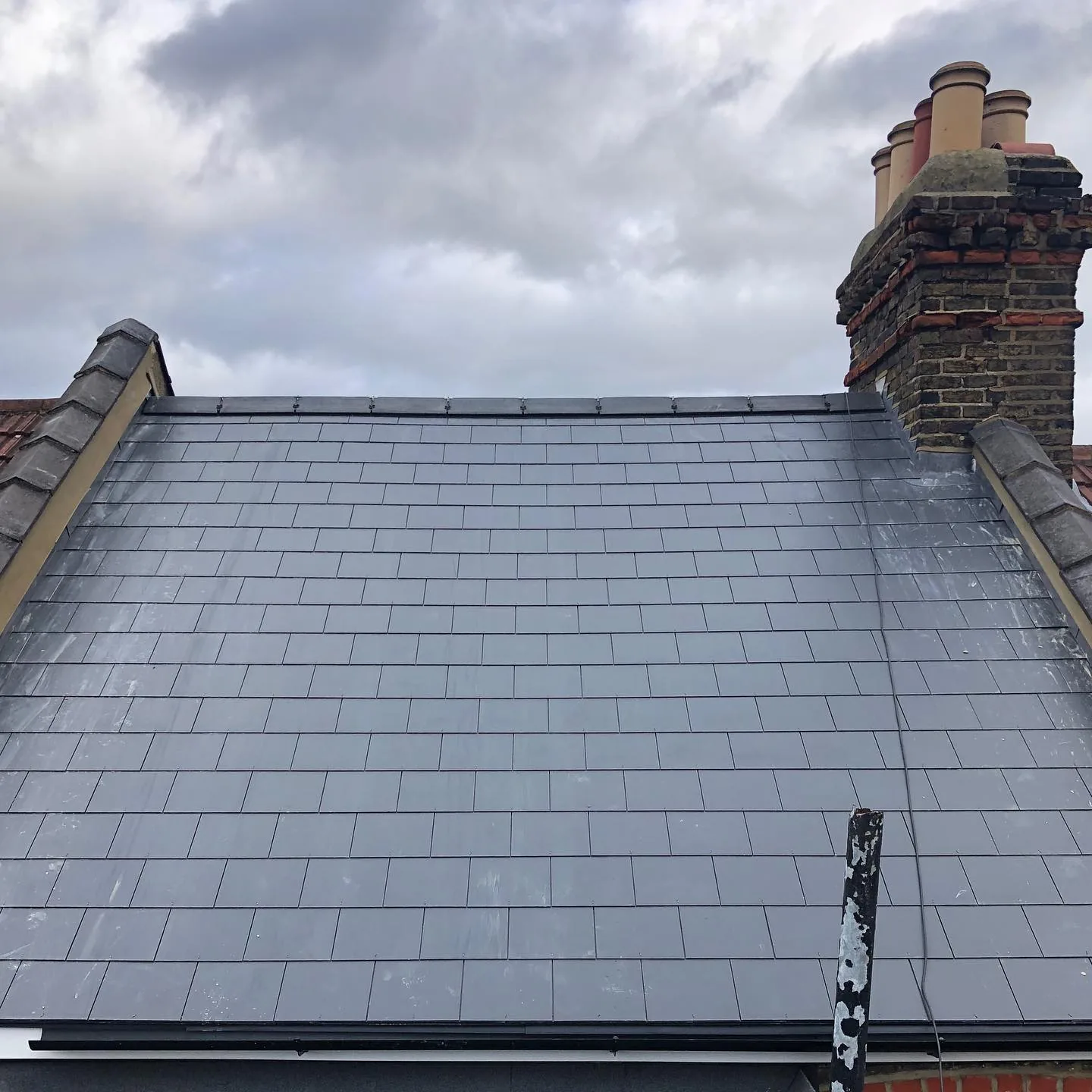
Daniel Oakland, our Project Manager and Lead Roofer, oversees chimney fittings on site, drawing on heritage slate and lead detailing experience built up over 20 years in the trade. He checks the pot, stack and flashing together, not just the cowl, so nothing gets missed.
We start with a visual inspection of the pot, checking for cracks, loose mortar or an old nest still in place. If the flue needs sweeping, that happens before the guard goes on, so debris is not sealed inside.
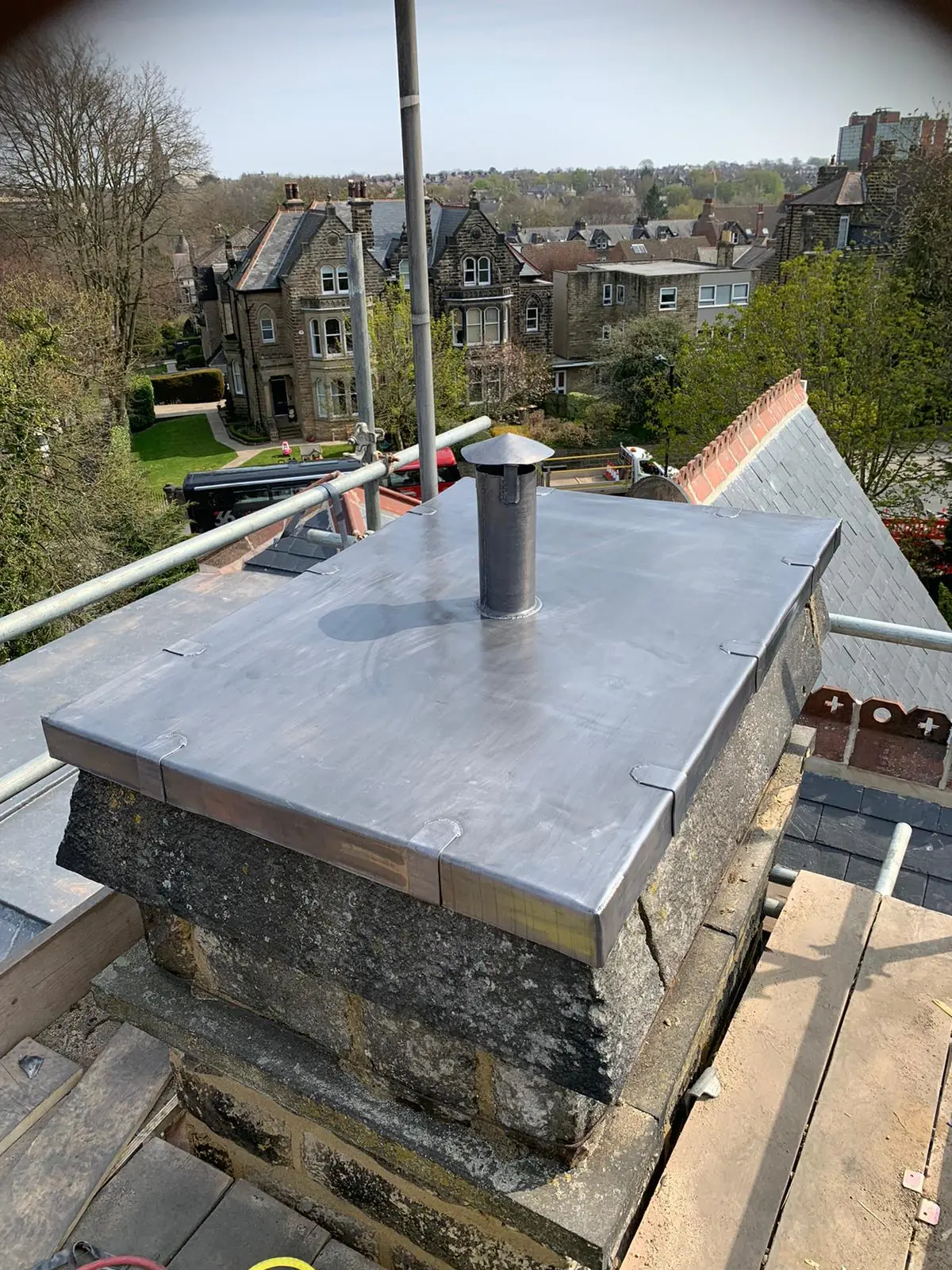
Daniel then measures the pot diameter, since a loose-fitting cowl rattles in wind and a tight one can crack terracotta over time. The guard or cowl is fixed with stainless fixings rated for UK weather, then tested by eye for a level, secure seat.
A working stove or fire gets a draw test once the cowl is fitted, checking smoke clears properly rather than pooling in the flue. Most single-pot fittings take under an hour once access is arranged, and multi-pot stacks common on Chesterfield terraces take half a day.
We clear away all packaging and old fixings before we leave, and Daniel talks you through what he found and fitted before signing the job off.
Keeping Your Flue Clear for Good: Maintenance, Guarantees and Warning Signs
Every guard and cowl we fit comes with a 10-year workmanship guarantee, on top of the manufacturer's product warranty. A yearly chimney sweep should always include a check of the cowl, since mesh can clog with soot or moss over time.
After the first stormy winter, check that your cowl still sits level and has not worked loose. A cowl that spins, rattles or leans usually means a fixing has failed rather than the product itself.
If you burn wood regularly, sweep the flue and inspect the guard every autumn before the heating season starts. Homes on higher, wind-exposed plots near the Peak District gateway benefit from an extra mid-winter check, since gusts loosen fixings faster there than in sheltered parts of town.
We keep a record of the product, size and fitting date for every job, so future maintenance or an insurance query is simple to answer.
Why Choose Tate & Sons Roofing for Your Chimney Bird Guard and Cowl
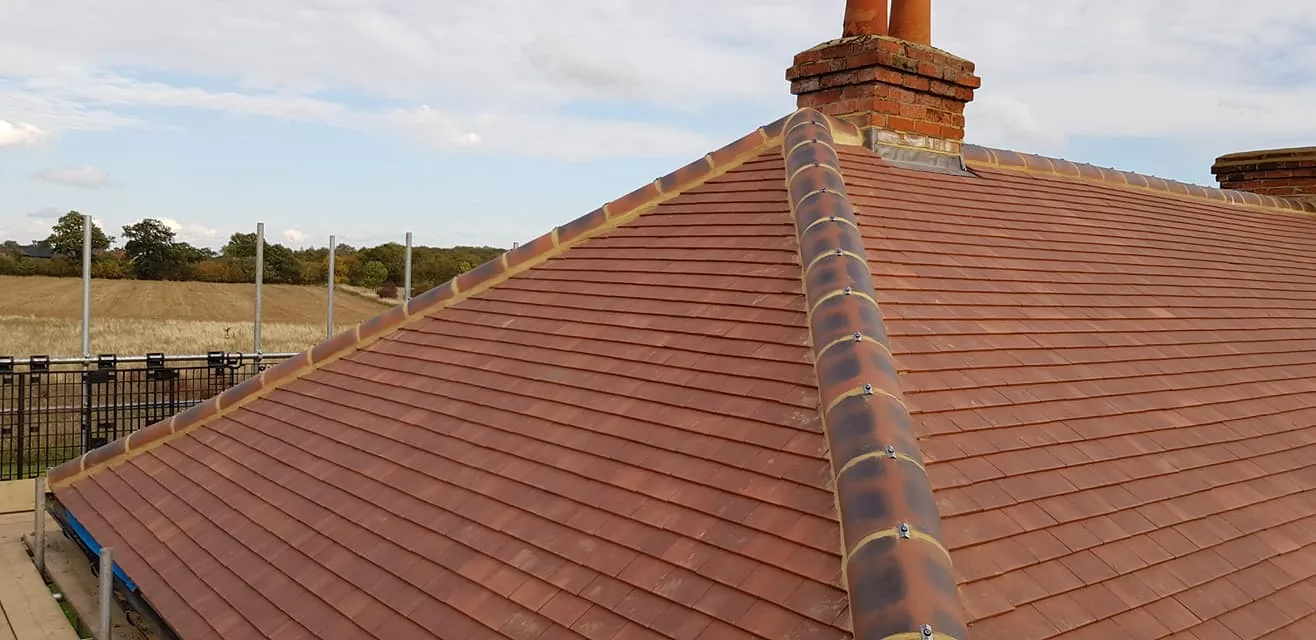
James Tate founded the business after 15 years working roofs across Derbyshire and the East Midlands, and he still prices most jobs himself. That means the quote you receive for your bird guard or cowl comes from someone who has fitted hundreds of them, not a call centre estimate.
Daniel Oakland leads every chimney fitting on site, bringing over 20 years of hands-on roofing and heritage lead experience to a job many contractors treat as an afterthought. He checks the whole stack, not just the pot, so a fitting does not mask a bigger problem underneath.
Our wider team holds NVQ Level 2/3 qualifications in Roofing Occupations, CSCS cards and NFRC trade membership, with over 40 years of combined experience between us. Read more about the people who will fit your chimney guard on our About page.
Every fitting starts with a free, no-obligation drone roof survey, so you see exactly what your chimney and pot look like before we quote a fixed price.
Areas We Serve Around Chesterfield
We fit chimney bird guards and cowls across Chesterfield and the surrounding towns and villages listed below.
- Chesterfield (S40 / S41)
- Brampton (S40)
- Hasland (S41)
- Newbold (S41)
- Staveley (S43)
- Brimington (S43)
- Whittington Moor (S41)
- Old Whittington (S41)
- Wingerworth (S42)
- Clay Cross (S45)
- Dronfield (S18)
- Eckington (S21)
- Holymoorside (S42)
Got Questions?
Your Chimney Bird Guard & Cowl Fitting Questions, Answered Properly
How much does a chimney bird guard or cowl cost fitted in Chesterfield?
Most fitted jobs cost between 150 and 400 pounds, covering the product and labour. A simple aluminium bird guard sits at the lower end, while a stainless steel anti-downdraught cowl on a hard-to-reach pot costs more. Repointing or a replacement pot adds to the price. We only confirm a fixed figure after seeing your chimney.
What is the best time of year to fit a bird guard?
Autumn through late winter is the safest window, before jackdaws start nest-building in February. Fitting outside nesting season means we never have to disturb eggs or chicks to get the guard on. If you call us once nesting has already started, we book your fitting for straight after the chicks fledge. Waiting a season is far cheaper than the fine risked by disturbing an active nest.
Is it illegal to remove a jackdaw nest from my chimney myself?
Yes, once a jackdaw nest holds eggs or chicks, it is protected under the Wildlife and Countryside Act 1981. Removing or disturbing it can lead to prosecution, regardless of how much mess or smell it causes. An empty, abandoned nest from a previous season can usually be cleared safely. We check which situation you are in before touching anything.
What is the difference between a bird guard, a cowl and a spark arrestor?
A bird guard is a mesh built to keep animals and debris out of the flue. A cowl, most often an anti-downdraught design, stops wind pushing smoke back into your room. A spark arrestor traps embers from an open fire before they reach your roof or a neighbouring thatch. Many active fires need a combined product rather than just one of the three.
Will fitting a cowl stop my chimney smoking?
An anti-downdraught cowl solves smoking caused by wind pushing air back down the flue, which is common on exposed Chesterfield roofs. It will not fix smoking caused by a blocked flue, poor fuel or an undersized chimney, so a sweep and inspection usually come first. Our fitting visit includes a draw test, so you know the problem is actually fixed before we leave. If smoking continues, the cause sits elsewhere in the system.
Do I need a cowl if I only use my fireplace occasionally?
Yes, an occasional-use chimney is actually more attractive to nesting jackdaws, since there is no regular fire to discourage them. A simple mesh bird guard is usually enough if you rarely light a fire, without the added cost of a full anti-downdraught cowl. Once you use the fire more regularly, upgrading to a combined product makes sense. We can advise which option suits your actual usage during the survey.
Does fitting a chimney cowl need building regulations approval?
A simple bird guard or cowl on an unused pot generally does not need separate approval. Work connected to an active wood burner or open fire falls under Building Regulations Part J, and a HETAS-registered check keeps the installation compliant. We handle this assessment as part of the job when your chimney is in active use. Skipping it can affect your home insurance if a problem arises later.
Can a mesh bird guard make downdraught worse on an exposed chimney?
Yes, a poorly chosen mesh guard with too fine a weave can restrict airflow and worsen downdraught on windy, exposed plots. This is more common on higher ground toward the Peak District gateway, where wind speeds are already greater than in town. The fix is usually a combined anti-downdraught cowl rather than a stand-alone mesh guard. We size and select the mesh to suit your fire type and roof exposure, not a generic one-size product.
Do older Victorian chimney pots around Chesterfield need a custom-fit cowl?
Often, yes, since Victorian and older stone-terrace pots around areas like Old Whittington and Wingerworth were rarely built to today's standard diameters. A cowl that is too loose rattles in wind, while one forced onto an undersized pot can crack old terracotta. We measure every pot individually rather than assuming a standard fit. Where a pot is too damaged for a secure fit, replacement is usually the more durable answer.
Book Your Free Drone Roof Survey Today
A chimney left uncapped over another Chesterfield winter usually ends up with a new jackdaw nest, a smoke-filled room, or both. Once nesting starts you are legally stuck waiting until the chicks fledge, so the sooner your guard or cowl goes on, the sooner the problem stops repeating. Book your free, no-obligation drone roof survey today and get a clear, fixed price for your chimney bird guard or cowl fitting.
📍 3 Marsden Street, Chesterfield, S40 1JY
📞 01246 956550
Call the Chesterfield team today on 01246 956550, or request your free drone survey online. We’re already working across your area.
Get in Touch
Tate & Sons Roofing — Chesterfield
3 Marsden Street, Chesterfield, S40 1JY
📞 01246 956550
✉️ [email protected]