
🏠 Trusted Local Roofers
Chimney Bird Guard and Cowl Fitting Nottingham
A chimney left uncapped is an open invitation. Jackdaws nest in it every spring, rain runs straight down the flue, and gusts off the Trent Valley push smoke back into your room. This page covers cowls versus bird guards, what fitting one costs, and how to keep birds out for good, as part of our wider chimney services across Nottingham.
- Fully Insured
- 10-Year Guarantee
- 5-Star Rated
Quick Free Estimate - No Obligation
We're not just roofers – we're your neighbours.
Fully Insured • Response within 15 mins
🔒 Your details are safe with us. No spam, ever.
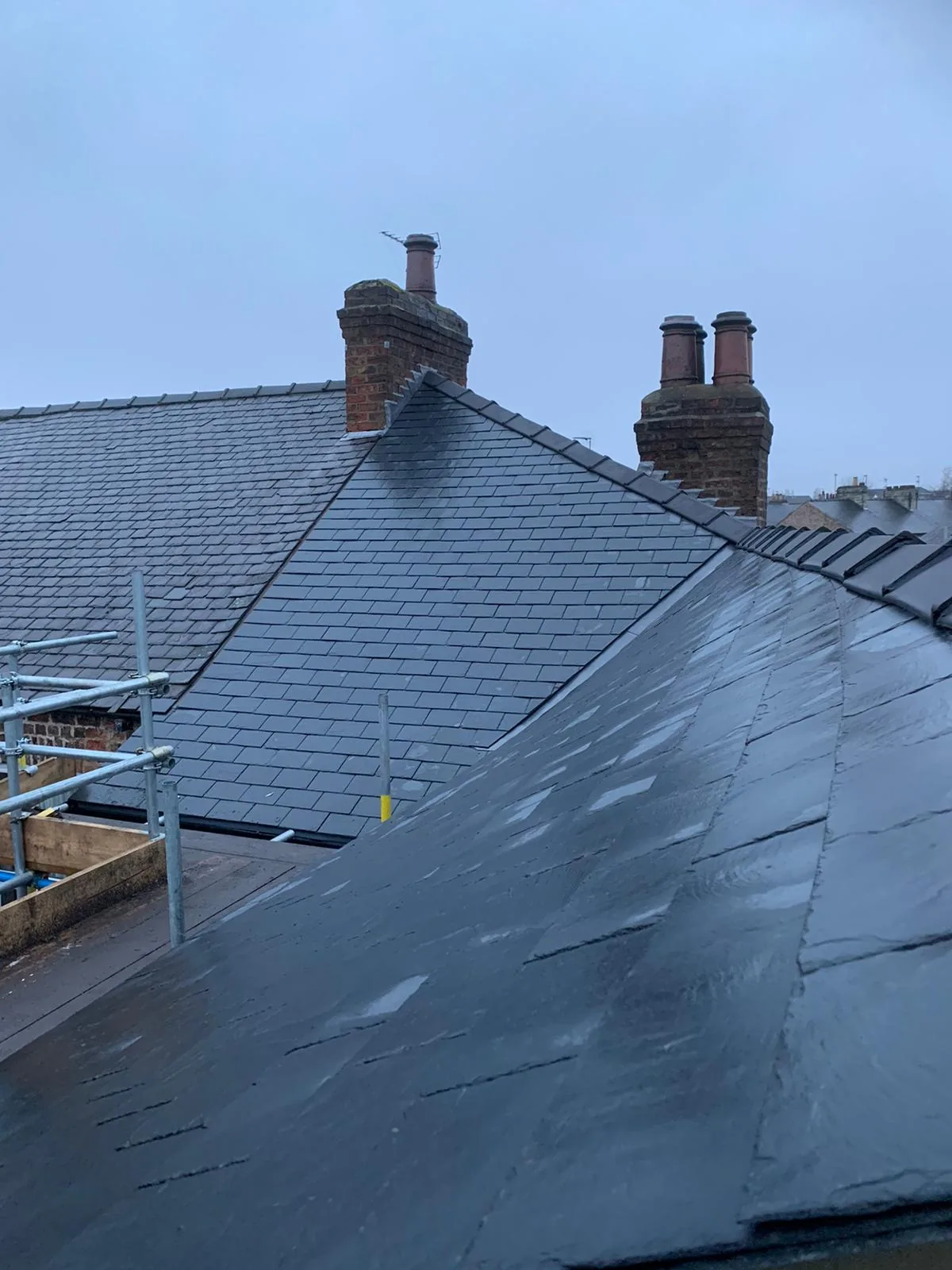
Which Chimney Cowl or Bird Guard Does Your Nottingham Chimney Need?
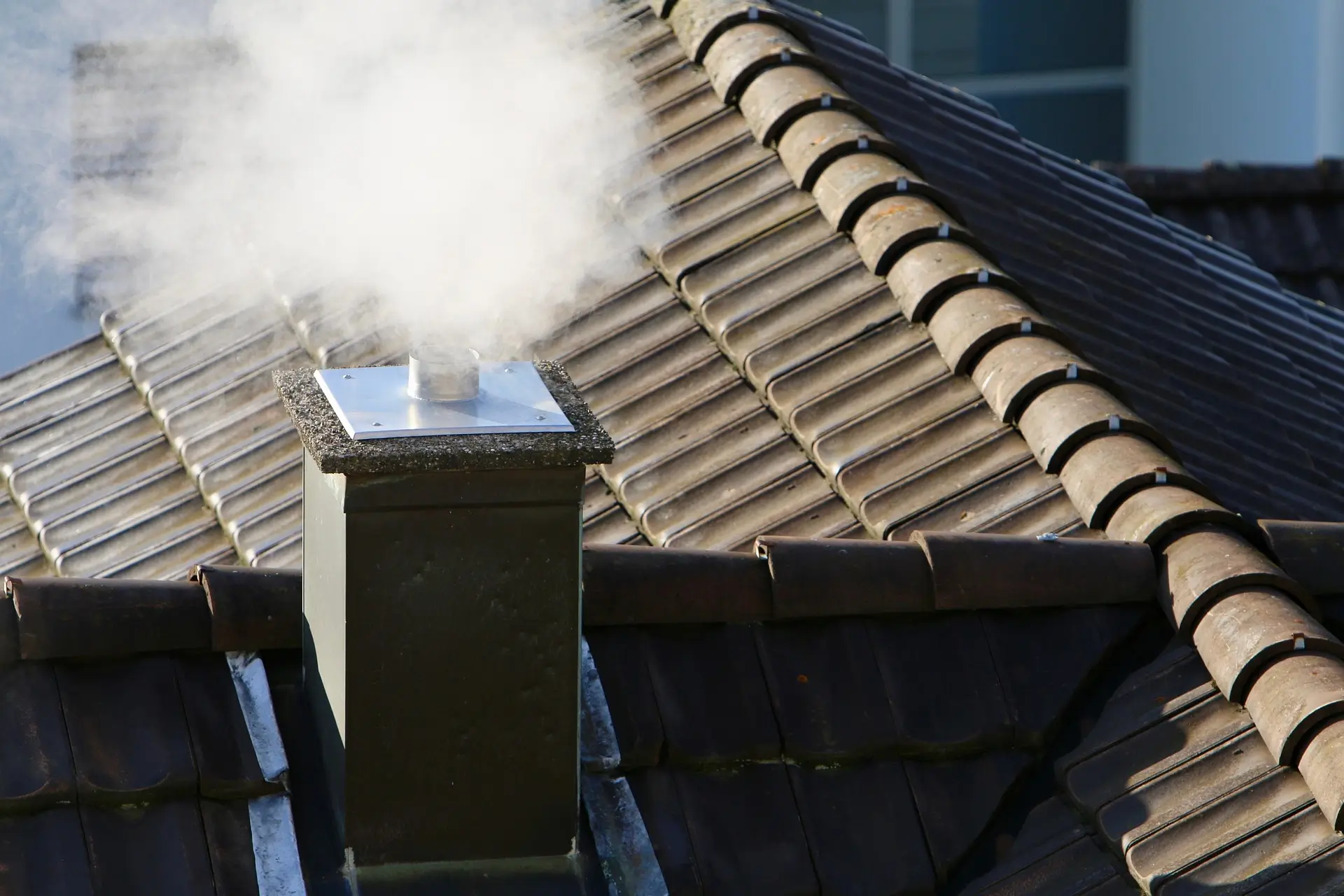
Quick answer: A chimney cowl and a bird guard solve different problems, though people often use the terms as if they're the same thing. A cowl is a capping device fitted over the pot to stop rain and wind-driven downdraught, and some models block birds too with a built-in mesh skirt. A bird guard is simply a mesh cage that sits over the pot to keep birds, mainly jackdaws, out of the flue, without capping it against rain. Most Nottingham homes with an open flue need one or the other, and plenty need both fitted as a single combined unit.
Match the fix to the actual problem you're seeing:
- Twigs, feathers or a jackdaw dropping down your fireplace — fit a bird guard, a mesh cage that physically blocks nesting access
- Rain staining the fireback or dripping down the flue in wet weather — fit a capped cowl, such as a cone or Chinese hat design
- Smoke blowing back into the room on windy days — fit an anti-downdraught cowl, which turns with the wind to keep the outlet facing away from it
- A gas fire or boiler flue — fit only the fuel-specific terminal made for that appliance, never a solid cap, since blocking a gas flue is a safety hazard
- A wood burner or multi-fuel stove — fit a multi-fuel cowl with wider mesh spacing, so soot and tar don't clog it and choke the draw
- A chimney you never plan to use again — capping it is one option, but if you'd rather remove the stack altogether, our chimney removal service covers that route instead
Cowl vs Bird Guard: What Each One Actually Does on Your Roof
Cost and lifespan only tell half the story. Here's how each option behaves once it's fitted, and where it earns its keep.
Bird Guards
- A simple wire mesh cage that clips or cements onto the pot rim
- Doesn't restrict draw as long as the mesh spacing is wide enough for the appliance
- Quick to fit, usually under an hour on a straightforward, accessible chimney
- Needs regular cleaning, since soot and tar build-up clogs the mesh faster than people expect
- The right minimum choice for a disused or rarely-lit flue where rain isn't the main worry
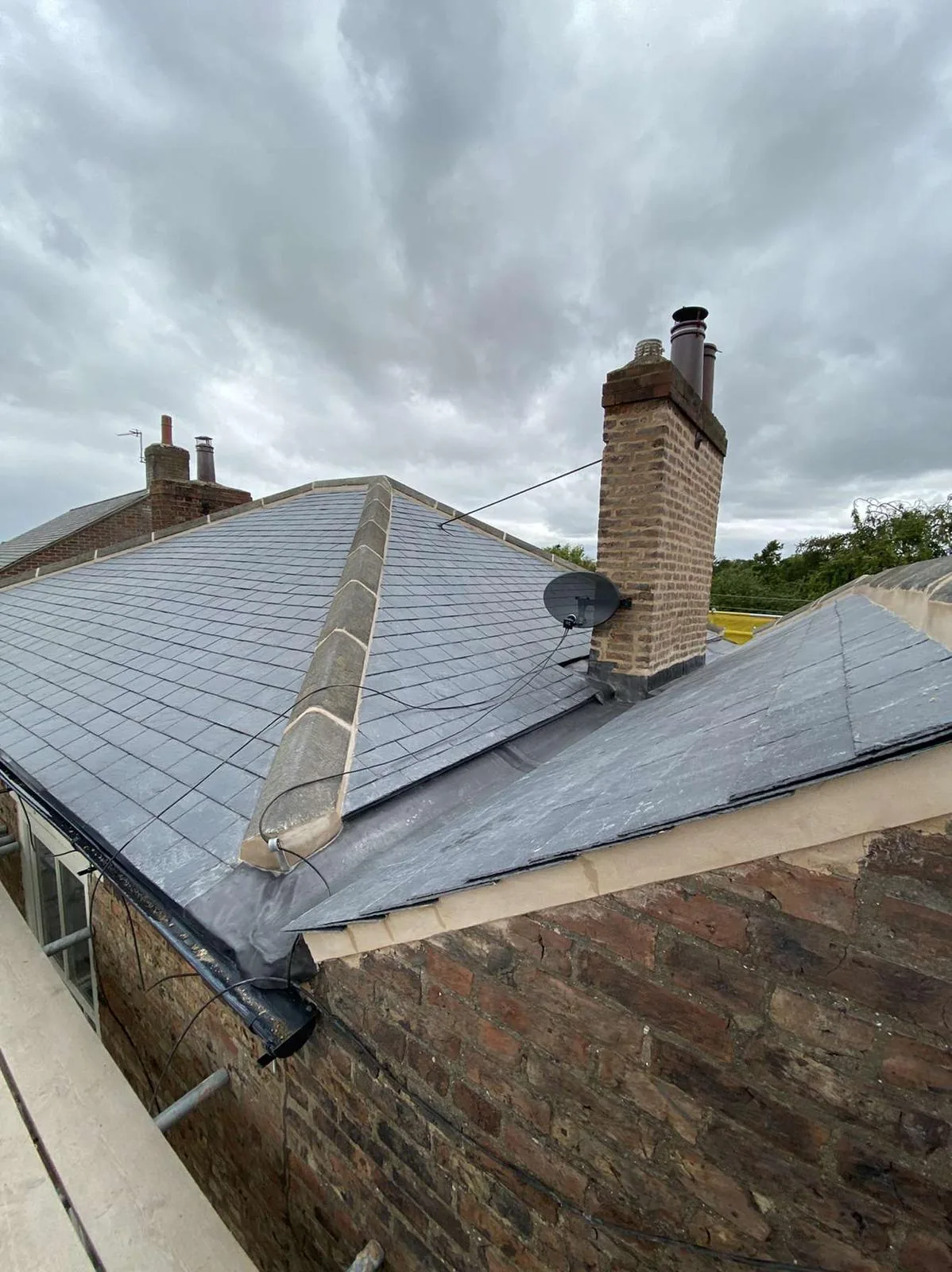
Chimney Cowls
- Fits over or replaces the pot terminal entirely, rather than just guarding the opening
- Anti-downdraught (rotating) versions turn with the wind to stop smoke being pushed back down
- Must match the appliance and fuel type — fitting the wrong cowl on a gas or oil flue is a genuine safety risk, not just a performance issue
- Static cone and Chinese hat cowls suit open fires on sheltered chimneys well
- Combined cowl-and-guard units handle both rain and birds in one fitting, which is what most Nottingham terraces with an open fire or stove actually need
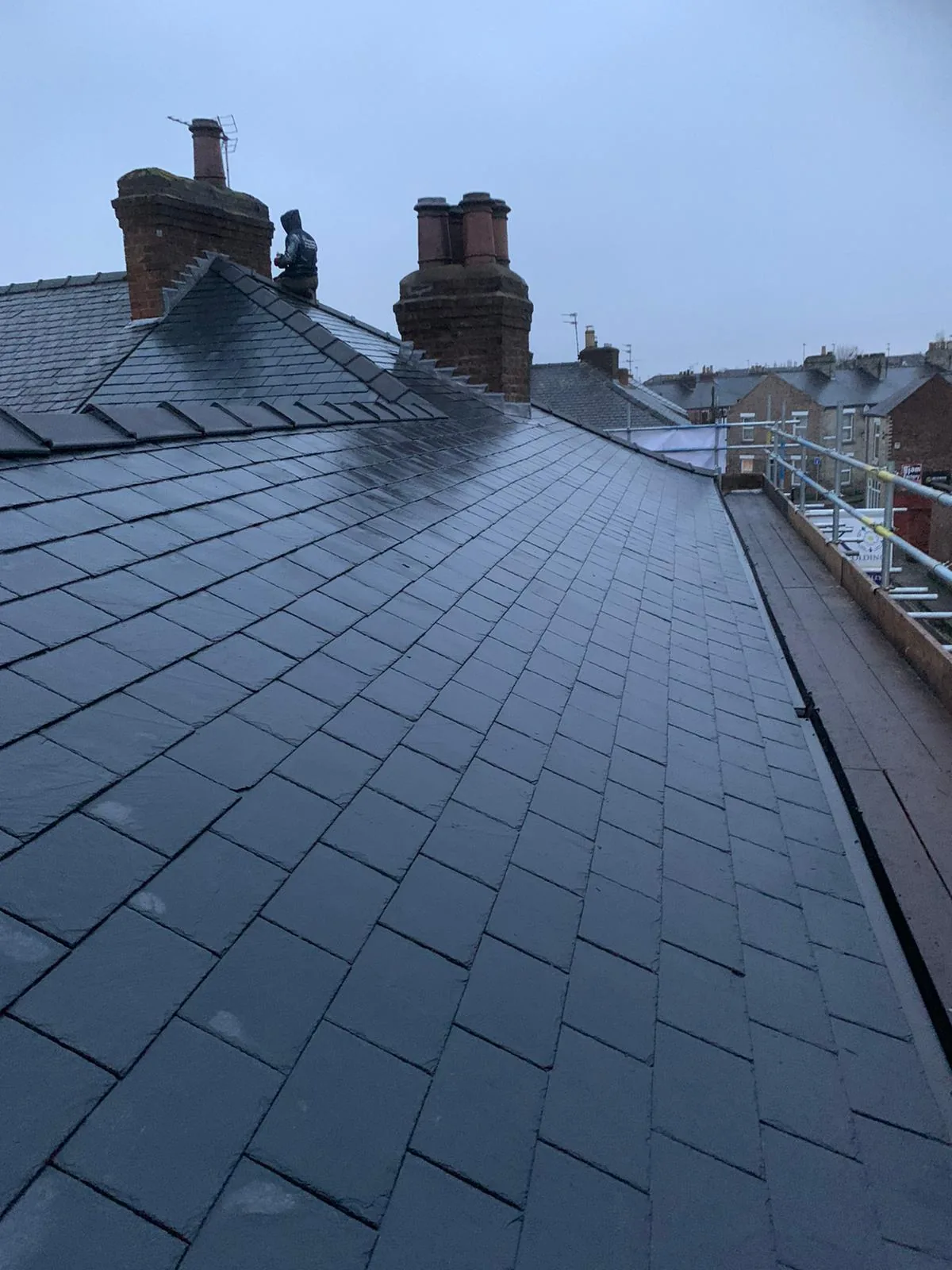
What Happens Before We Fit Your Cowl or Bird Guard
Every job starts with a proper look at the chimney, not a guess from the pavement.
- We carry out a free drone survey of the stack, pot and flashings — no ladders needed to get a clear look
- We check the flue is clear, or recommend a sweep first if there's old nesting material or heavy soot inside
- We confirm what the chimney is actually used for — open fire, multi-fuel stove, gas appliance, or nothing at all
- We check the pot and stack are structurally sound before fixing anything to them; a cracked pot or loose pointing needs sorting first, which is covered on our chimney stack repair page
- We check whether birds are already nesting — active nests are protected by law during the March-to-August breeding season, so timing sometimes has to wait
- If you're in The Park or another conservation area, we flag any consent needed before we change the pot or fit a new terminal
- You get a firm quote and the right cowl or guard specified before any tool comes out of the van
How We Fit a Cowl or Bird Guard That Actually Stays Put
Poorly fitted cowls blow off, rattle loose, or restrict the draw enough to cause smoke problems. Here's how we get it right.
- Confirm the correct cowl or guard type for the fuel and appliance before ordering it
- Fit it using a clamp fixing where the pot allows, or a proper fireproof mortar bed where clamping isn't an option
- Check the fit is square and secure enough to handle strong wind, which matters on the more exposed stacks around Mapperley Top and the county's rural fringes
- Run a smoke test on live fires and stoves to confirm the draw hasn't been restricted
- Seal any gaps at the pot-to-cowl joint so wind-driven rain can't track in round the edge
- Clear the site and leave photos of the finished fitting, typically a job of one to two hours per chimney
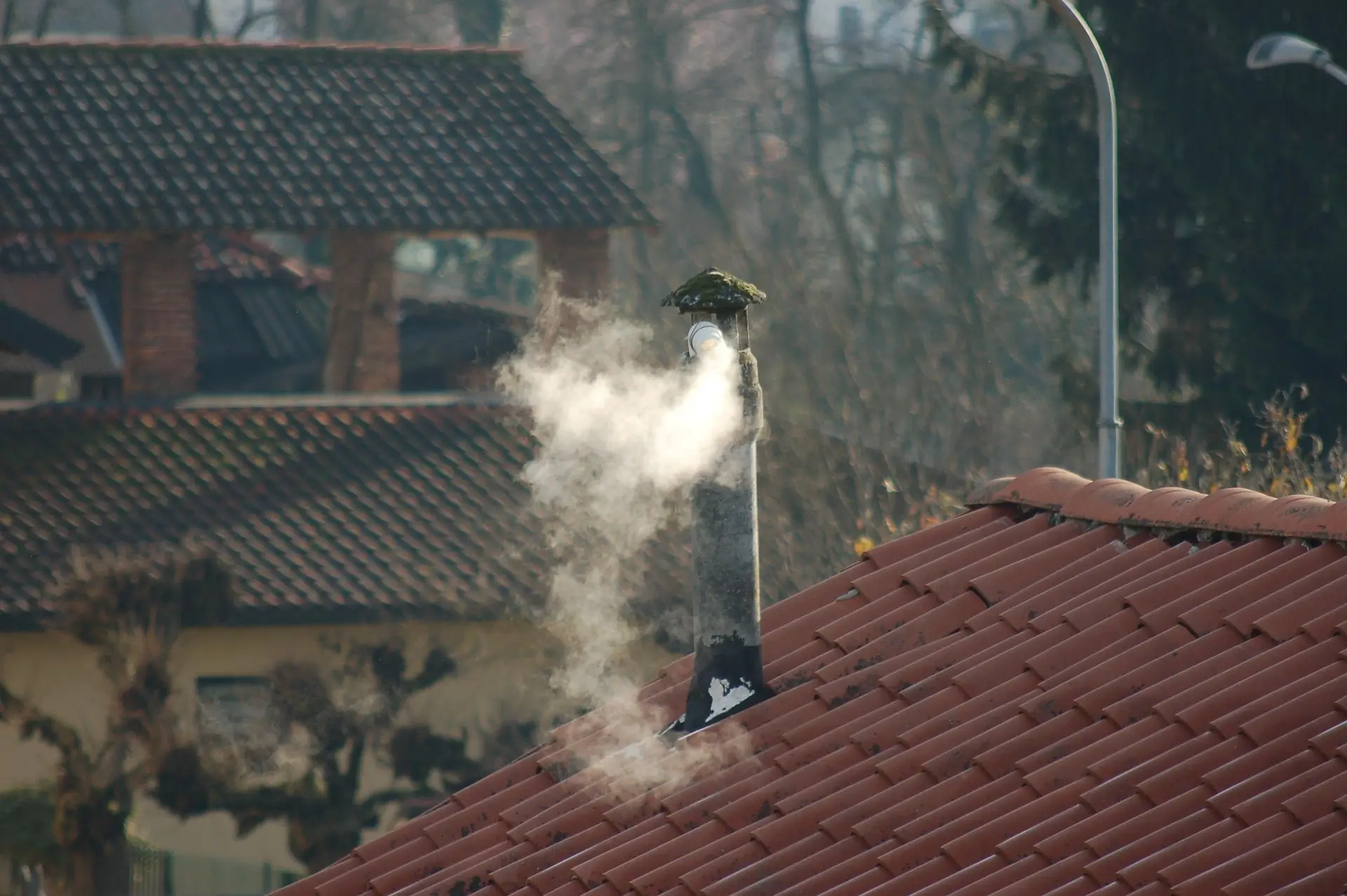
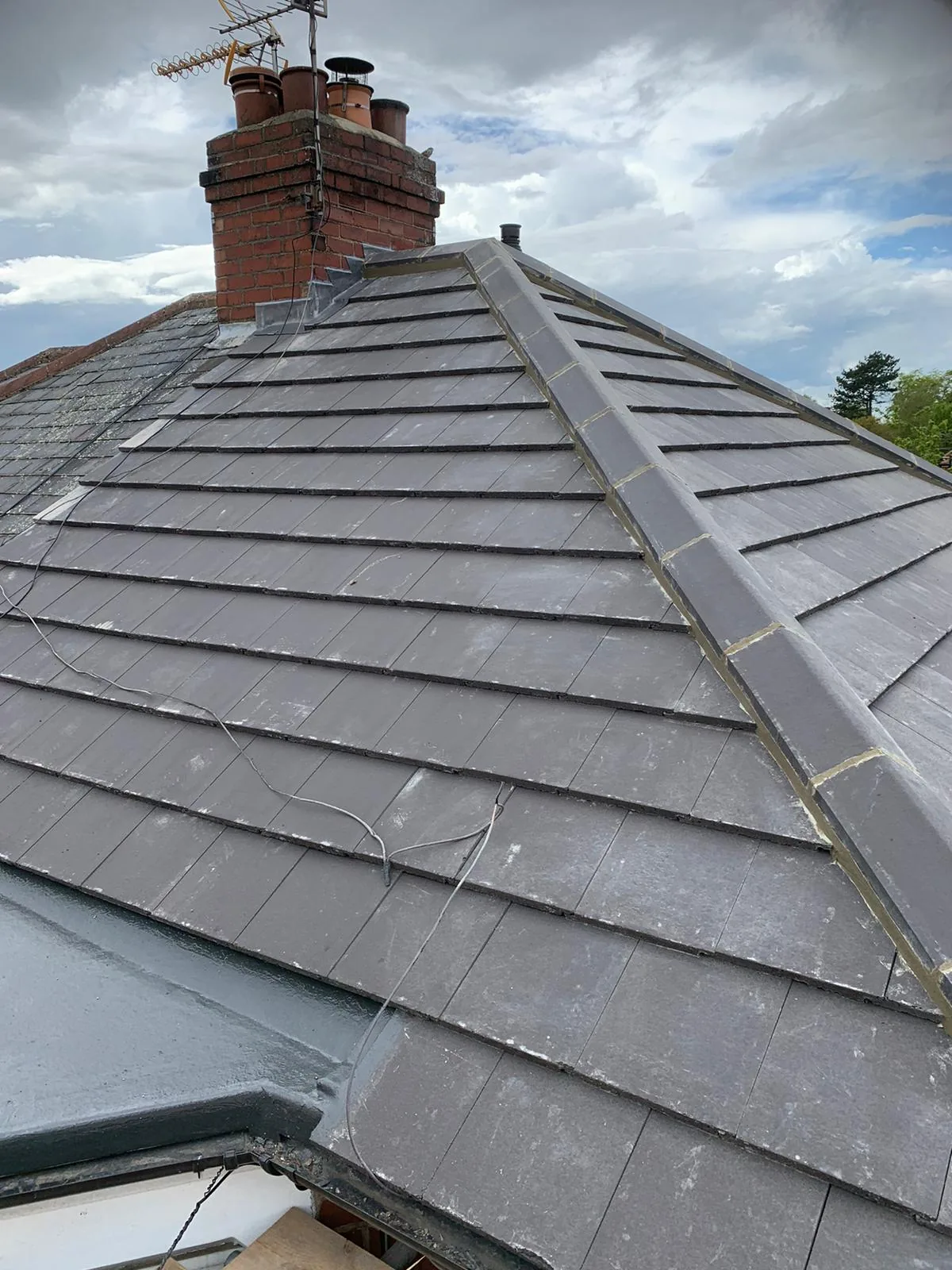
How to Check Your Cowl or Bird Guard Was Fitted Properly
Whether it's a job we've just finished or one from another firm, here's what a correct fitting looks like.
- The cowl or guard sits square on the pot, with no visible gap or wobble when you look up from the ground
- Mesh spacing is roughly 20mm or less — wide enough not to choke the draw, tight enough to keep jackdaws out
- Fixings are rated for outdoor use and won't rust through within a couple of winters
- A live fire or stove draws normally, with no smoke smell drifting back into the room
- You're told in writing which fuel type the cowl is rated for, so nobody swaps appliances later without checking it still applies
- We back every chimney fitting with a 10-year workmanship guarantee, in writing, from day one
Stopping Jackdaws and Blockages Coming Back
A cowl or bird guard isn't a fit-and-forget job. A little upkeep keeps it doing its job for years.
- Get the flue swept annually if it's in regular use, and check the guard mesh for soot build-up at the same time
- Look up at the pot after any named storm — a knocked or tilted cowl needs resecuring before the next spell of rain
- Watch for jackdaws inspecting an unguarded pot in early spring; once they start dropping sticks down, a nest can build fast
- Never disturb a nest once birds are actively nesting — it's an offence under the Wildlife and Countryside Act 1981, and the National Federation of Roofing Contractors' guidance on nesting birds sets out what to do if you find one before work starts
- Fit the guard before nesting season begins, ideally by late February, rather than trying to remove an active nest later
- Replace a corroded or collapsed mesh guard promptly — a half-open cage is worse than none, since birds can still get partly in and get stuck
Cost & Pricing Guidance
UK pricing for chimney bird guard and cowl fitting in 2025/26 typically runs like this:
- Bird guard only, supplied and fitted on an accessible chimney: £89-£150
- Fuel-specific cowl, supply and fit, no scaffold needed: £120-£170
- Multi-purpose or anti-downdraught cowl, supply and fit: £190-£280
- Combined cowl-and-bird-guard unit, supply and fit: £150-£250
- Cowl or guard materials alone, if you're supplying your own: £15-£150 depending on type and finish
Where scaffolding is needed instead of a straightforward ladder or tower, expect the total to rise toward the top of these ranges or beyond. Multiple pots on one stack, an unusually tall chimney, or a pot in poor condition that needs repair before fitting will also push the price up.
These are general ranges, not a quote. A fixed price needs a survey.
Comparison Table: Cowl and Bird Guard Options
| Type | Typical Lifespan | Best For | Relative Cost |
|---|---|---|---|
| Bird Guard (mesh cage) | 5-10 years | Disused or rarely-lit flues, keeping jackdaws out | £ (lowest) |
| Cone / Chinese Hat Cowl | 10-15 years | Sheltered open fires needing simple rain protection | ££ |
| Multi-Fuel Cowl | 10-15 years | Wood burners and multi-fuel stoves | ££ |
| Anti-Downdraught (Rotating) Cowl | 8-12 years (moving parts wear faster) | Exposed chimneys prone to smoke back-draught | £££ |
| Combined Cowl + Bird Guard | 10-15 years | Open fires and stoves needing rain and bird protection together | £££ (highest) |
Why Choose Tate & Sons for Your Chimney Cowl or Bird Guard
Chimney work is led by James Tate, Founder and Managing Director, who's happiest up a ladder on a tricky period stack, working out how to fit the right terminal without spoiling a pot's character. Tate & Sons was built on his founding idea: find out what's genuinely wrong, use the right materials for the job, and leave something that holds for years, not months. That's exactly the approach a cowl or bird guard needs — the wrong type fitted in a hurry causes smoke problems or lets birds straight back in within a season. Read more about James and the rest of the team on our About page.
Our roofers are directly employed, not subcontracted. They hold NVQ Level 2 and 3 qualifications in Roofing Occupations and carry CSCS cards. Every chimney job starts with a free drone survey and finishes with a 10-year workmanship guarantee.
Chimney Bird Guard and Cowl Fitting Across Nottingham: Areas We Serve
We fit cowls and bird guards on chimneys right across Greater Nottingham and out into the wider county, from Victorian terraces to modern extensions.
- Nottingham City Centre (NG1)
- The Park (NG1)
- West Bridgford (NG2)
- Sneinton (NG2)
- Wollaton (NG8)
- Lenton (NG7)
- Beeston (NG9)
- Chilwell (NG9)
- Stapleford (NG9)
- Arnold (NG5)
- Sherwood (NG5)
- Mapperley (NG3)
- Carlton (NG4)
- Gedling (NG4)
- Hucknall (NG15)
- Long Eaton (NG10)
- Mansfield (NG18)
- Sutton-in-Ashfield (NG17)
Got Questions?
Your Flat Roofing Questions, Answered Properly
How much does it cost to fit a chimney cowl or bird guard in Nottingham?
A bird guard alone typically costs £89-£150 supplied and fitted, while a fuel-specific cowl runs £120-£170 on an accessible chimney. Anti-downdraught and multi-purpose cowls cost more, usually £190-£280, and a combined cowl-and-guard unit sits around £150-£250. Access is the biggest swing factor — a chimney needing scaffolding rather than a ladder or tower pushes the total toward the higher end. A survey gives you an exact figure rather than a general range.
What's the difference between a chimney cowl and a bird guard?
A cowl caps the flue to manage rain and wind-driven downdraught, while a bird guard is a mesh cage that stops birds and small animals getting in. Some cowls include a mesh skirt that does both jobs at once. A bird guard on its own doesn't stop rain, and a solid cowl on its own doesn't always stop birds, so the right choice depends on which problem you actually have. Many Nottingham homes end up fitting a combined unit that handles both.
Do I need a cowl if I never use my fireplace?
Yes, an unused flue still needs a guard at minimum, since an open pot is exactly what jackdaws look for every spring. A bird guard is usually enough for a disused chimney, since rain running down an unused flue is less of a problem than nesting debris blocking it. If you're certain you'll never reopen the fireplace, capping is still worth doing properly rather than leaving the pot open. For a permanent solution, some homeowners choose to remove the stack entirely instead of maintaining a cowl on a chimney they'll never use.
How do I stop jackdaws nesting in my chimney?
Fit a bird guard with mesh spacing of around 20mm before nesting season starts in early spring. Jackdaws test open pots from February onward, and once they start dropping sticks down the flue, a nest can build within days. A well-fitted guard is the only reliable long-term fix, since scaring birds off or removing sticks repeatedly just delays the problem. Get it done in autumn or winter, well before the birds start scouting sites again.
Is it illegal to remove a bird's nest from my chimney?
Yes, once birds are actively nesting, disturbing or removing the nest is an offence under the Wildlife and Countryside Act 1981. This applies through the main breeding season, roughly March to August, and covers jackdaws along with most other wild birds. If you find an active nest during a survey, the work usually has to wait until the chicks have fledged and the nest is empty. Fitting a guard before the season starts avoids the problem altogether.
Will fitting a cowl reduce my chimney's draw?
A correctly specified cowl shouldn't reduce draw meaningfully, but the wrong one can cause real problems. Too tight a mesh, or a cap designed for the wrong fuel type, restricts airflow and can push smoke back into the room. This is why matching the cowl to the appliance, whether that's an open fire, multi-fuel stove, or gas flue, matters more than the price you pay for it. A smoke test after fitting confirms the draw is still working properly.
Do I need my chimney swept before a cowl is fitted?
It's not a legal requirement, but it's practically necessary on any flue that's seen regular use. Old soot, tar, or leftover nesting material makes it hard to judge which cowl or guard actually suits the chimney, and fitting over a blocked flue can mask a bigger problem. We check the flue's condition at survey stage and recommend a sweep first if it needs one. A clear flue also lets us confirm the pot and stack are sound before we fix anything to them.
Do listed buildings or conservation areas like The Park need permission for a new cowl?
Often yes, since chimney pots and terminals are visible features that conservation area and listed building rules can cover. Nottingham has several conservation areas, including The Park and parts of Lenton, where changing a pot's appearance or fitting a prominent cowl may need consent first. Straightforward like-for-like bird guards are less likely to need permission than a visually different cowl design. We flag anything that needs sign-off during your survey, before ordering any materials.
Book Your Free Drone Roof Survey Today
See exactly what your roof needs before any work starts. No ladders, no pressure — just a clear picture from a local Nottingham team.
A tired roof only gets worse as water works deeper into the deck and timber beneath it. A quick, free drone survey today tells you exactly where you stand — and often the fix is smaller and cheaper than you feared. Book now, get an honest quote, and protect your home before the next East Midlands downpour finds the weak spot.
📍 57 Cyril Avenue, Nottingham, NG8 5BA
📞 0115 647 4455
Call the Nottingham team today on 0115 647 4455, or request your free drone survey online. We’re already working across your area.
Get in Touch
Tate & Sons Roofing — Nottingham
57 Cyril Avenue, Nottingham, NG8 5BA
📞 0115 647 4455
✉️ [email protected]