
🏠 Trusted Local Roofers
Chimney Bird Guard and Cowl Fitting in Hinckley
Every spring, jackdaws across Hinckley go looking for a dark, sheltered gap to raise a family, and an open chimney pot is exactly what they want. Chimney bird guard and cowl fitting in Hinckley stops that nest building before it starts, without blocking the flue your fire or stove needs to breathe. Tate & Sons Roofing fits bird guards, anti-downdraught cowls and spinning cowls on pots across Hinckley, Burbage and the wider borough, matched to the fuel you burn and the chimney you have. This work sits alongside the wider range covered by our chimney service specialists across Hinckley.
This page walks you through the warning signs birds have already moved in, which guard or cowl actually suits your chimney, what the law says about nesting birds, what fitting day looks like, and real cost ranges for Hinckley. Start with a free drone survey and a written quote before anything is agreed — no scaffold just to take a look, and no charge either way.
- Fully Insured
- 10-Year Guarantee
- 5-Star Rated
Quick Free Estimate - No Obligation
We're not just roofers – we're your neighbours.
Fully Insured • Response within 15 mins
🔒 Your details are safe with us. No spam, ever.
Know the Signs Birds Have Already Moved Into Your Chimney
Jackdaws start scouting chimney pots from March onward, and once a pair settles in, sticks and nest material can build up fast. Most owners only notice once the flue is already part-blocked, which is exactly the problem a bird guard is fitted to prevent.
Watch and listen for these signs:
- Scratching, chirping or fluttering sounds from behind the fireplace or stove
- Twigs, moss or feathers dropping into the grate or falling in the loft
- A smoky room when you light a fire that used to draw cleanly
- A strong, musty smell from the chimney breast in warm weather
- Jackdaws repeatedly perching on or dropping material down the same pot
- Soot or debris falling suddenly after weeks of no fires being lit
Rural chimneys tend to suffer worst. Around Wolvey and Sutton Cheney, older cottages often have a second, disused pot standing open above a bedroom or utility flue, and jackdaws treat that gap as a ready-made nest box year after year. A guard fitted before nesting season keeps that pot clear without you needing to check it every spring.
Bird Guard, Anti-Downdraught Cowl or Spinning Cowl — Choosing the Right Fit for Your Flue
These three products get confused constantly, and fitting the wrong one either lets birds back in or chokes your fire's draw. A bird guard is mesh or wire that blocks nesting while leaving the flue mostly open. An anti-downdraught cowl reshapes airflow so wind cannot push smoke back down the chimney. A spinning cowl uses a rotating cap to pull smoke up and keep weather and birds out at the same time.
If your chimney is out of use altogether rather than an active flue, a full weatherproof seal usually makes more sense than a vented guard. Our chimney cap installation and weatherproofing service covers that fully sealed option, which is different from the ventilated guards and cowls this page focuses on.
Which one suits you depends on your fuel and your problem. A simple open fire that only needs birds kept out usually just needs a mesh guard. A wood burner or stove that smokes back into the room on windy days needs an anti-downdraught or spinning cowl instead, since a plain mesh guard does nothing for draw. If your pot itself is cracked, undersized or the wrong shape to take a guard securely, our chimney pot installation and replacement service sorts that first, so the guard actually seats and clamps properly.
| :-: | :-: | :-: | :-: |
| Option | What It Solves | Typical Fitted Cost | Best For |
| Bird Guard (mesh or wire balloon) | Stops nesting and debris while keeping the flue open | £120–£170 | Open fires and standard flues with no downdraught issue |
| Anti-Downdraught Cowl | Stops wind pushing smoke back into the room | £150–£280 | Chimneys that smoke back on windy days or exposed sites |
| Spinning Cowl | Improves draw and excludes birds and rain together | £180–£320 | Stoves needing a stronger, steadier draw all year |
The Law on Nesting Birds — What Hinckley Homeowners Need to Know Before Booking
Jackdaws and their nests are protected under the Wildlife and Countryside Act 1981. It is against the law to damage, destroy or block an active nest with eggs or chicks inside, even if that nest is sitting in your own chimney. Jackdaw nesting season runs roughly April to July, so guard fitting that involves clearing material is best booked for August through March instead.
If we find an active nest during a survey, we will not disturb it. We fit the guard once the chicks have fledged and the nest is empty, and we will tell you honestly if that means waiting a few weeks rather than rushing the job.
This matters more here than in most towns. The Ashby Canal runs close to Hinckley and gives local jackdaws, starlings and other cavity-nesting birds a steady food source nearby, which keeps nesting pressure on chimney pots high right across the borough. The National Federation of Roofing Contractors' guidance on nesting birds sets out the legal position in full, and it is worth a read before any work is booked near nesting season.
What Happens on Fitting Day, Start to Finish
Chimney bird guard and cowl fitting is quick work once the right product is chosen, and most jobs are done inside an hour where access is straightforward.
- Check the pot's condition, size and shape to confirm the right guard or cowl
- Confirm the flue is empty and clear of any active nest
- Fit and clamp the guard or cowl securely to the pot
- Check the fit sits flush and cannot work loose in wind
- Test draw where a stove or open fire is in regular use
- Clear away and leave the area as we found it
Daniel Whitmore, our project manager, fits the majority of bird guards and cowls himself, alongside his wider work on chimney stacks, leadwork and heritage pot detailing across the older streets around Hinckley. Ground-level pots on a bungalow or single-storey extension rarely need scaffold at all. Taller stacks, or chimneys already booked in for other repair work, are usually combined into a single access visit to save you a second call-out cost.
What Chimney Bird Guard and Cowl Fitting Costs in Hinckley
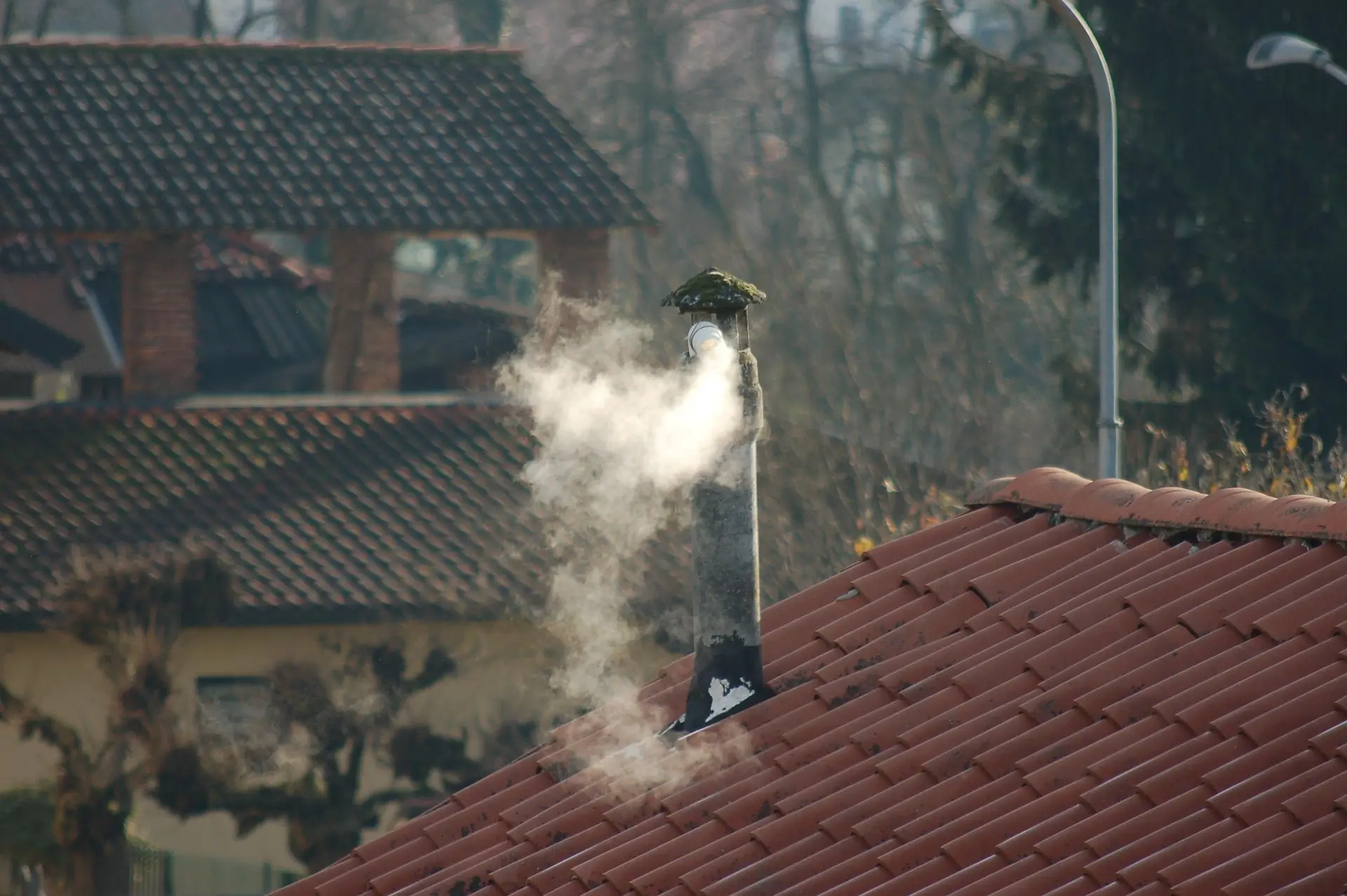
A straightforward mesh bird guard fitted with easy ground or ladder access typically runs £120 to £170, made up of a £15 to £70 product depending on style and a fixed labour charge rather than an hourly rate on most jobs. An anti-downdraught cowl properly clamped and sealed usually costs £150 to £280 once fitted, and a spinning cowl with its rotating bearing mechanism typically runs £180 to £320. Average spend across all chimney pot types tends to land around £300 once fitting is included.
What pushes the price up or down:
These are general market ranges, not a quote for your chimney. A fixed price needs a survey.
- **Access*— a ground-floor pot costs far less to reach than a tall stack needing scaffold
- **Product type*— a basic mesh guard costs less than a spinning cowl with moving parts
- **Number of pots*— fitting several pots on one visit reduces the cost per pot
- **Pot condition*— a cracked or ill-fitting pot may need replacing before a guard clamps securely
- **Combined work*— pairing fitting with other chimney repairs on the same scaffold saves a second visit
Keep Your Chimney Bird-Free and Drawing Well for Years
A well-fitted guard or cowl needs very little upkeep, but a short yearly check keeps it working properly. Mesh can clog with soot and old nest debris over time, and a spinning cowl's bearing can stiffen or seize if it is never checked.
- Have your sweep check the guard is clear when the flue is swept
- Look for loose or bent mesh after any strong storm
- Listen for a spinning cowl that has stopped turning freely in wind
- Book a check every few years, or sooner if your fire starts smoking back
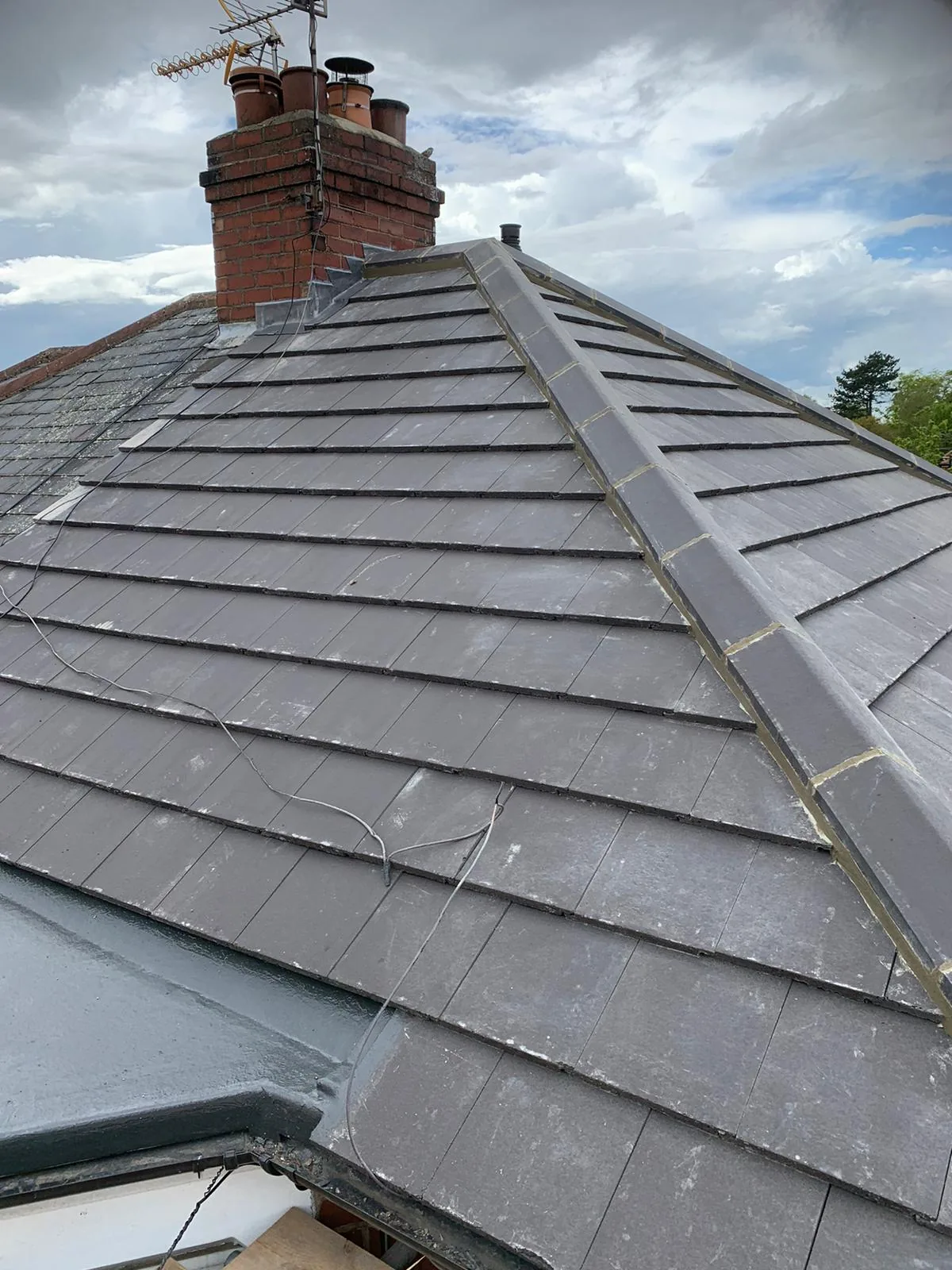
Properties backing onto Hollycroft Park see more bird activity than most, since the trees there give jackdaws and starlings a steady base to work from between your chimney and their next likely target. A guard checked and kept clear each year is the cheapest way to stop that pressure turning into a blocked flue.
Why Hinckley Homeowners Choose Tate & Sons for Bird Guard and Cowl Fitting
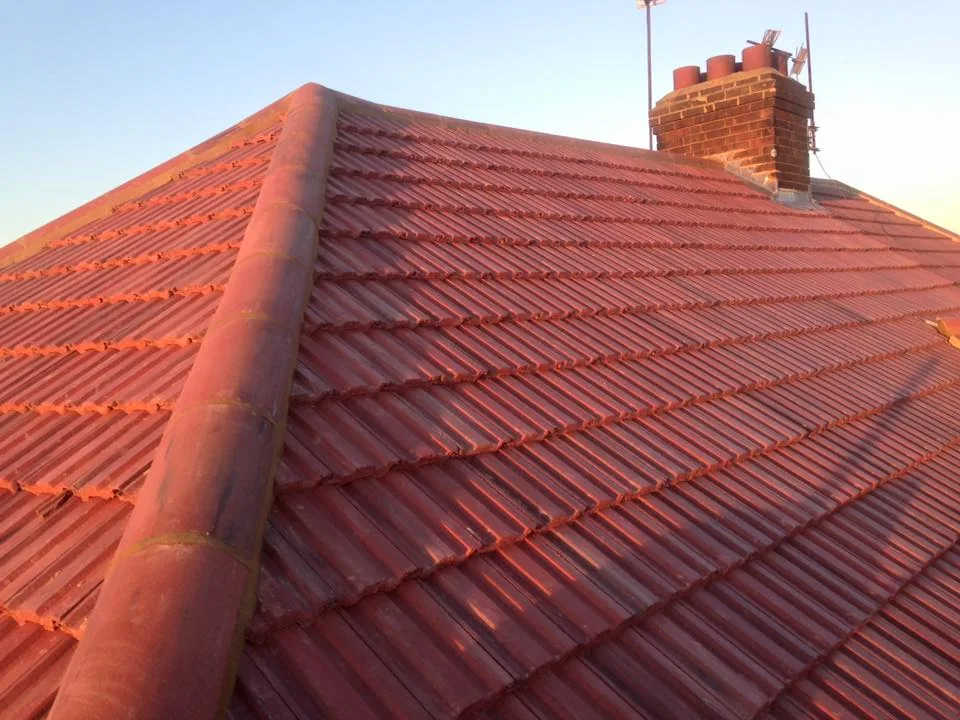
You want the guard fitted properly the first time, not a quick push-fit that works loose in the first winter gale. Daniel Whitmore, our project manager, handles the majority of chimney bird guard and cowl fitting personally, and pairs it with his wider specialism in leadwork and heritage pot detailing on Hinckley's older properties.
Founder James Tate started out on the tools more than 20 years ago and still quotes the majority of jobs himself, so the person weighing up your chimney is the one standing behind the finished work. Between us we bring 40 years of combined team experience, hold NVQ Level 2 and 3 qualifications in Roofing, and carry CSCS cards. Sophie Bennett, our office manager, keeps quotes and scheduling running smoothly from your first call through to the finished job. Read more about the people behind the work on our About Tate & Sons Roofing page.
Areas We Serve Across Hinckley and Bosworth Country
We fit chimney bird guards and cowls across Hinckley and the surrounding borough. If your area is not on the list below, call us anyway — there is a strong chance we already cover you.
- Hinckley (LE10)
- Burbage (LE10)
- Barwell (LE9)
- Earl Shilton (LE9)
- Sapcote (LE9)
- Sharnford (LE10)
- Wolvey (LE10)
- Higham on the Hill (CV13)
- Sutton Cheney (CV13)
- Stoke Golding (CV13)
- Market Bosworth (CV13)
- Nuneaton (CV10 / CV11)
- Bedworth (CV12)
Got Questions?
Your Chimney Bird Guard Questions, Answered Properly
What is a chimney bird guard and do I need one?
A chimney bird guard is a mesh or wire cage fitted over a chimney pot to stop birds, mainly jackdaws, from nesting or dropping debris into the flue. You need one if your chimney has an open pot, since jackdaws will use almost any suitable gap during nesting season. Without a guard, nest material can block the flue and create a real fire and carbon monoxide risk. It is one of the cheapest ways to protect a working fireplace or stove.
What is the difference between a chimney bird guard and a chimney cowl?
A bird guard is built to keep birds and debris out while leaving the flue as open as possible. A cowl, whether anti-downdraught or spinning, is built to improve or protect the chimney's draw, and some cowl designs include a mesh section that also blocks birds. If your only issue is nesting, a plain guard is usually enough. If your fire also smokes back on windy days, you need a cowl instead, or a combined product that does both jobs.
Is it illegal to remove a bird's nest from my chimney?
Yes, if the nest is active. The Wildlife and Countryside Act 1981 makes it an offence to damage or destroy the nest of any wild bird while it contains eggs or young. Jackdaw nesting season runs roughly April to July, so any clearance work is best carried out outside those months. If we find an active nest during a survey, we wait until the chicks have fledged before fitting your guard.
How much does it cost to fit a chimney bird guard or cowl in Hinckley?
A straightforward mesh bird guard typically costs £120 to £170 fitted with easy access. An anti-downdraught cowl usually runs £150 to £280, and a spinning cowl £180 to £320, with scaffold or multiple pots changing the final figure. Average spend across all pot types tends to land around £300. A fixed price always needs a short survey first.
Will a bird guard stop my fire from drawing properly?
A correctly sized mesh guard should not noticeably affect draw, since the mesh leaves most of the pot opening clear. Problems usually come from a guard that is too fine, damaged, or clogged with soot and old nest material. If your fire already struggles to draw well, mention that when you book, since an anti-downdraught or spinning cowl may suit your chimney better than a plain guard.
What is an anti-downdraught cowl and do I need one instead of a plain bird guard?
An anti-downdraught cowl is shaped to stop wind forcing smoke and fumes back down the flue and into the room. You need one if your fire smokes back on windy days, particularly on exposed sites away from other buildings. A plain bird guard does nothing for downdraught, since it is designed purely to exclude birds rather than manage airflow.
What mesh size actually keeps jackdaws out without trapping smaller birds?
A mesh gap of around 20mm or smaller reliably excludes jackdaws while still being fine enough that smaller birds like sparrows are not tempted to squeeze in and get stuck. Cheaper guards sometimes use a wider mesh that looks fitted but still lets a determined jackdaw force material through. We only fit guards built to a mesh spacing that actually does the job, not just one that looks the part.
Can I fit a bird guard on a chimney that is not in use anymore?
You can, but it may not be the best choice. A disused flue that never carries smoke can usually take a fully sealed cap instead of a vented guard, which stops damp and birds together rather than just birds. Older cottages around Wolvey and Sutton Cheney often have a second, disused pot standing open above a spare room, and these are exactly the ones worth capping rather than just guarding.
Why do so many disused chimneys around Wolvey and Sutton Cheney get jackdaws nesting?
Rural properties in these villages often have a second chimney pot left open above a flue that has not carried a fire in years. Jackdaws treat that gap as a ready-made cavity nest site, safe from most predators and close to open farmland for food. Without a guard or cap, the same pot gets used again every spring, and nest material builds up a little further each year until the flue is badly blocked.
Book Your Free Drone Survey Before Nesting Season Starts
See exactly what your chimney needs before any work starts. No ladders, no pressure — just a clear picture from a local Hinckley team.
Every spring a chimney is left unguarded, jackdaws get another chance to build a nest that blocks your flue and raises your fire risk. Once nesting starts, the law stops us clearing it until the chicks have fledged, so a guard fitted now is worth far more than one fitted in May. Book a free survey today and have your chimney protected before the birds get there first.
Call the Hinckley team today on 01455 242595, or request your free drone survey online. We're already working across your area.
Book Your Free Drone Roof Survey
See exactly where your roof stands, with no obligation and no pressure. Call our Hinckley team or request your free drone survey today.
Get in Touch
Tate & Sons Roofing — Hinckley Office
10 Brosdale Drive, Hinckley, LE10 0SW
📞 01455 242595
✉️ [email protected]