
🏠 Trusted Local Roofers
Cast Iron Gutter Restoration & Replacement Nottingham
Cast iron guttering is standard on Nottingham's Victorian and Edwardian streets, and it rarely fails all at once. A hairline crack widens over a few winters, a joint starts weeping down the brickwork, or a whole section rusts through and drops onto the path. This page covers when cast iron guttering can be restored, when it needs replacing, and what either job costs in 2025/26. As part of our wider guttering services across Nottingham, we treat cast iron the way a period property deserves — cleaned back, properly primed, and rejointed to last, not just painted over.
- Fully Insured
- 10-Year Guarantee
- 5-Star Rated
Quick Free Estimate - No Obligation
We're not just roofers – we're your neighbours.
Fully Insured • Response within 15 mins
🔒 Your details are safe with us. No spam, ever.
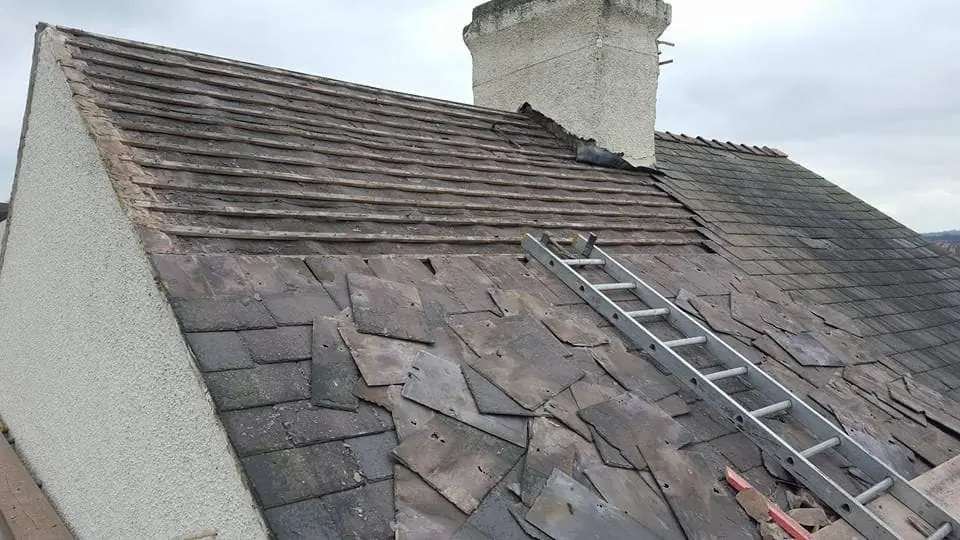
Repair or Replace? Deciding What Your Cast Iron Guttering Actually Needs
Most cast iron gutters don't need full replacement. Cast iron is a dense, resilient material, and sound sections can be cleaned up and put back to work for another few decades. The trick is telling isolated damage apart from a system that's genuinely worn out.
Signs your cast iron guttering can probably be restored:
- Surface rust or flaking paint, without the metal underneath being eaten through
- A single cracked or split section, with the rest of the run still solid
- Leaking joints where the old jointing paste (a putty-like sealant packed into gutter joints before iron fittings were bolted together) has simply dried out and failed
- Loose brackets or fixings pulling the gutter out of line, rather than the iron itself failing
- Blocked or slow-draining sections caused by moss and debris, not by damage
Signs it's time to replace instead:
- Rust has eaten right through the metal in more than one place, leaving holes rather than surface pitting
- Several sections are cracked, bowing, or pulling away from the fascia across the run
- The gutter overflows in moderate rain even when it's clear, meaning it's undersized or corroded internally
- Paint is peeling and staining the wall below in several places, pointing to long-term overflow damage rather than a one-off leak
- Previous repairs (patches, filler, mismatched brackets) have already been tried and haven't held
A full welding repair is rarely the right answer on cast iron. The metal is thick and brittle, and the sudden heat of welding can cause thermal shock, cracking the casting further rather than fixing it. Where a section is too far gone, replacing that length with a matching profile is safer and cheaper in the long run than trying to save it.
Cast Iron vs Cast-Iron-Effect Aluminium: Which Suits Your Nottingham Property
If replacement is needed, you've usually got two realistic options for a period property: like-for-like cast iron, or cast-iron-effect aluminium cast in the same traditional profiles. Both look right on a Victorian or Edwardian terrace. Here's how they differ once they're actually on your roofline.
New Cast Iron
- Matches original profiles exactly, which matters most on listed buildings and in conservation areas such as The Park
- Extremely heavy, so it needs solid brackets and careful handling during installation
- Needs painting every 8 to 10 years to stop fresh rust taking hold
- Can outlast most of the roof above it when it's maintained properly
- Costs more upfront than any other guttering material
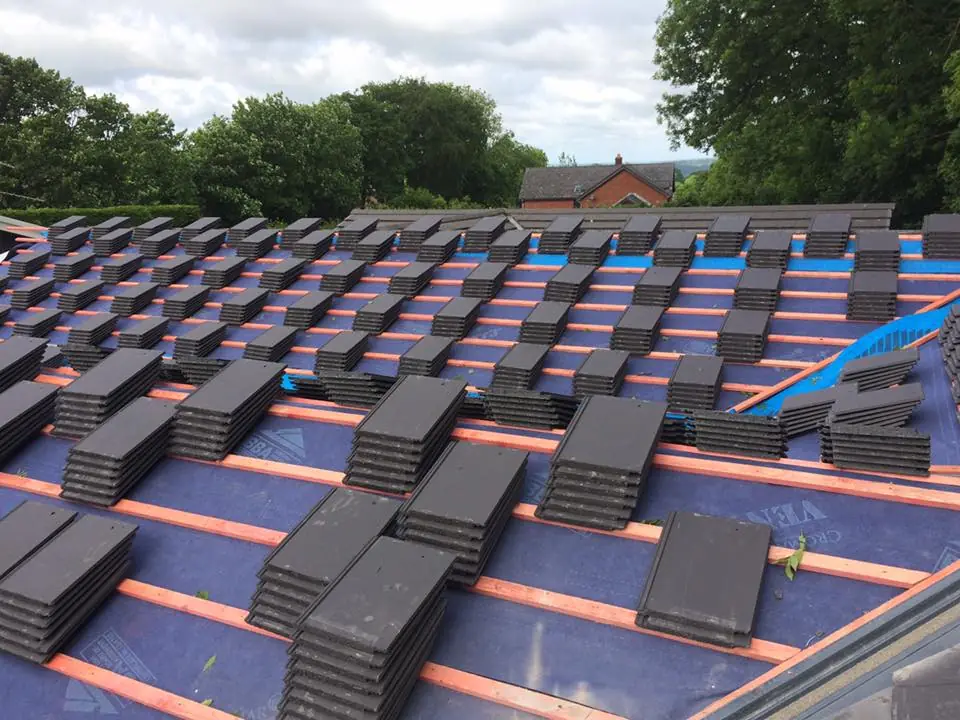
Cast-Iron-Effect Aluminium
- Sand-cast or moulded to copy Victorian ogee and beaded half-round profiles, so it passes for cast iron from ground level
- A fraction of the weight, which speeds up fitting and reduces strain on old fascia boards
- Doesn't rust, so it skips the repainting cycle that genuine cast iron needs
- Comes factory-finished in period colours, giving a more consistent finish than hand-painted iron
- Usually accepted by conservation officers on Grade II listed and conservation-area properties, though Grade I and Grade II* buildings often require genuine cast iron
If your property isn't period at all, or you'd rather move away from cast iron completely, standard guttering installation and replacement in UPVC or aluminium is worth a look too, and we'll talk you through it honestly at survey stage. On streets where cast iron is the norm, though, swapping to plastic guttering can look out of place and may need conservation area sign-off to avoid, not to get.
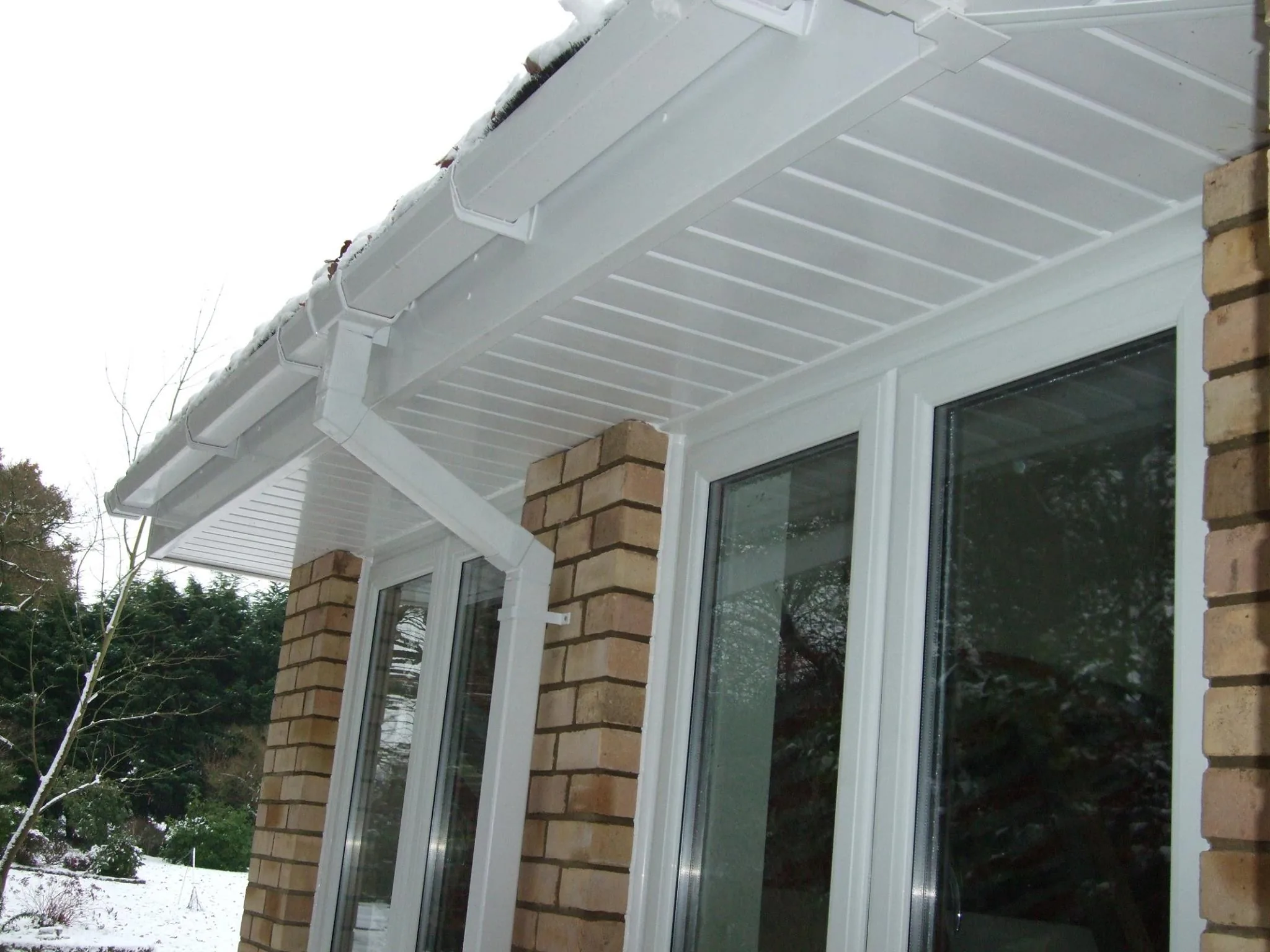
Cast Iron Gutters at a Glance
Cast iron guttering can last well over a century with regular repainting, and most rust damage can be treated rather than replaced outright. Restoration usually means cleaning back to bare metal, treating the rust, rejointing with modern sealant, and repainting. Full replacement is only needed where large sections are rusted through, cracked, or bowing away from the building. A free survey tells you honestly which category your gutters fall into, and typical costs run from around £60 per metre for repairs to £150 per metre for new cast iron.
What Happens Before We Touch Your Guttering
Cast iron work starts with an honest look at what's actually failing, section by section, not a guess from the ground.
- We carry out a free drone survey of the whole gutter run, joints, brackets, and downpipes — no ladders needed
- You get clear photos showing exactly which sections are sound and which aren't
- We tell you honestly whether each section needs cleaning and repainting, spot repair, or replacement
- We check the fascia boards and brackets behind the guttering, since a failing fascia is often what's really pulling a gutter out of line
- If you're in The Park, Lenton, or another conservation area, we flag what needs listed building consent or planning notification before any work starts
- You get a firm quote and an agreed scope, section by section, before any tool comes out of the van
How We Restore and Replace Cast Iron Guttering, Step by Step
Cast iron restoration is slower and more careful work than fitting plastic guttering, and it shows in the finish. Here's how we approach it.
- Take the guttering down section by section, numbering pieces so they go back in the same order and orientation
- Strip old paint and rust back to bare metal using wire brushing or grit blasting, rather than painting over what's underneath
- Assess each section honestly once it's clean — sound iron gets treated and reused, failed sections get replaced with a matching profile
- Prime bare metal immediately with a rust-inhibiting primer, since freshly stripped cast iron starts corroding again within hours if left exposed
- Rejoint every connection with modern polysulphide or silicone-based jointing compound, replacing the old red lead putty many original systems used
- Refit to solid brackets at the correct fall, so water runs to the downpipes instead of sitting in the gutter
- Finish with two coats of a proper gutter paint, then clear the site fully, typically 2 to 5 days for a standard semi or terrace, weather allowing
The Department for Communities' guidance on listed building maintenance backs this approach, noting that cast iron "is a very resilient material and will clean up well and be reusable," and that any replacement sections should stay in "heavy duty cast metal, preferably cast iron," rather than lightweight substitutes that can look out of place on a period elevation and get damaged by ladders. You can read the full guidance on gutter and downpipe maintenance for more technical detail.
How to Check Your Cast Iron Gutter Work Was Done Properly
Whether you're checking a job in progress or one we've just finished, a properly restored cast iron gutter should show these signs.
- No visible flaking paint or bare metal left exposed anywhere along the run, including the back edge you can't see from ground level
- Joints sit tight and dry, with no fresh staining on the wall below after the next heavy rain
- Brackets are evenly spaced and solidly fixed, with no sections sagging or out of line
- Water runs cleanly to the downpipes with a visible fall, not sitting flat or pooling at any point
- Replacement sections match the original profile, so the run looks consistent rather than patched
- You should get written confirmation of what was restored, what was replaced, and the paint system used
- We back every cast iron restoration and replacement with a 10-year workmanship guarantee, in writing, from day one
Keeping Cast Iron Gutters Rust-Free for Decades
Cast iron rewards a bit of regular attention. Skip it, and rust creeps back faster than most homeowners expect.
- Clear leaves and debris out of the gutters at least once a year, ideally in late autumn after most leaf-fall
- Repaint the full run every 8 to 10 years, even if it still looks sound, since rust often starts from the inside where you can't see it
- Touch up any chips or scratches as soon as you spot them, rather than waiting for the next full repaint
- Check joints after a hard frost, since old jointing paste can crack when the ground and brickwork move
- Keep an eye on the fascia boards and soffits behind the guttering too, since rot there will eventually pull brackets loose — our fascias and soffits team can check both at the same visit
- Watch for green staining or damp patches on the wall below, which usually means a joint or crack needs attention before it gets worse
Cost & Pricing Guidance
Cast iron gutter pricing across the UK for 2025/26 typically runs like this:
- Cast iron restoration (clean, treat, rejoint, repaint): £60-£120 per metre
- New cast iron replacement, like-for-like: £80-£150 per metre
- Cast-iron-effect aluminium replacement: £60-£100 per metre
- Downpipes, cast iron: £40-£90 per metre, on top of the gutter run cost
- Minor spot repairs (single joint or short section): £150-£350
A typical semi-detached or terraced house has 15 to 20 metres of guttering, which puts most full restorations at roughly £1,500-£3,500, and a full cast iron replacement at £2,000-£5,000 depending on access and how many downpipes are involved.
What pushes the price up or down: access and scaffolding needs, how much of the run needs full replacement versus restoration, the number of angles and outlets, and whether listed building consent adds time before work can start. Terraced streets around Sherwood and Mapperley, where cast iron is original to nearly every house, tend to price toward the lower end once we're doing several properties on the same street.
These are general ranges, not a quote. A fixed price needs a proper survey — and our drone survey is free, with no obligation.
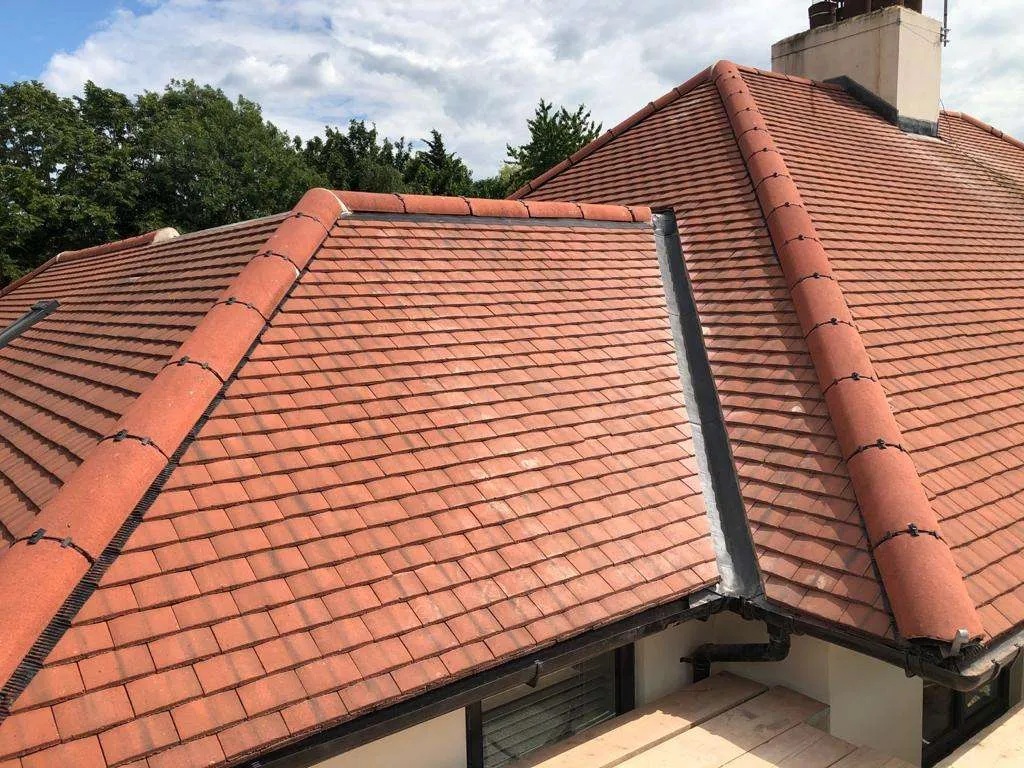
Comparison Table: Cast Iron Gutter Options
| Option | Typical Lifespan | Best For | Relative Cost |
|---|---|---|---|
| Cast iron restoration | 20-30+ years after treatment | Sound original guttering with surface rust or a few damaged sections | £ (lowest) |
| New cast iron (like-for-like) | 50-100+ years with maintenance | Listed buildings, Grade I/II* properties, strict conservation areas | £££ (highest) |
| Cast-iron-effect aluminium | 40+ years, minimal maintenance | Grade II listed and conservation-area homes wanting the look without repainting | ££ |
| Standard UPVC | 15-25 years | Non-period properties, budget-driven replacements | £ (lowest) |
Why Choose Tate & Sons for Your Cast Iron Guttering
Guttering and roofline work is led by Daniel Oakland, Project Manager and Lead Roofer, who has 20+ years in the trade. Alongside flat roof systems, he specialises in guttering and roofline work, including cast iron restoration on the Victorian and Edwardian terraces that run through Sherwood, Mapperley, and Lenton.
Tate & Sons was founded by James Tate on a simple idea: find out what's genuinely wrong, use the right materials, and leave something that holds for years, not months. That's exactly the mindset cast iron restoration needs — it's slower work than bolting up plastic guttering, and it only pays off if it's done properly. Read more on our About page.
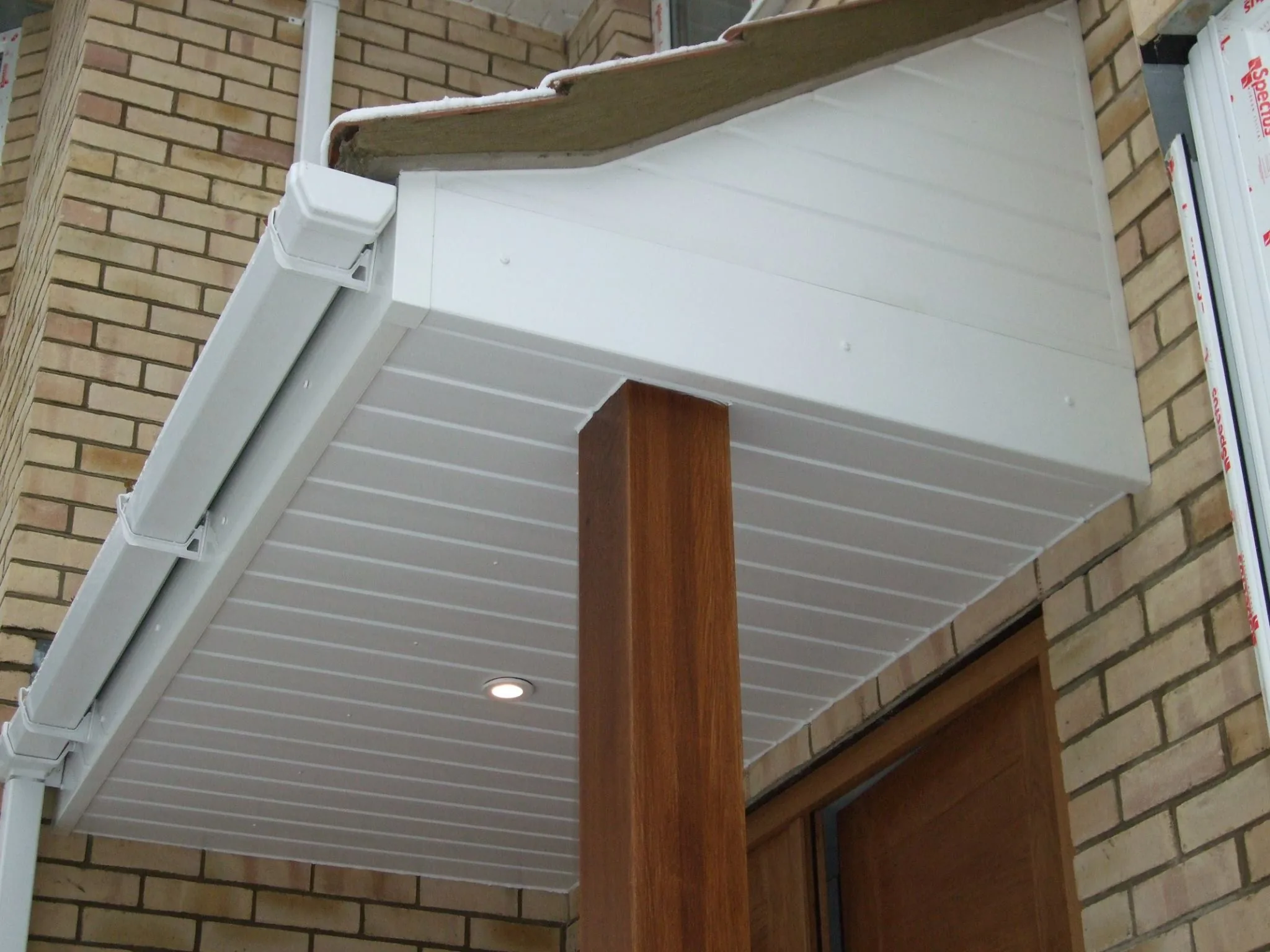
Our roofers are directly employed, not subcontracted. They hold NVQ Level 2 and 3 qualifications in Roofing Occupations and carry CSCS cards. Every cast iron job comes with a free drone survey up front and a 10-year workmanship guarantee once the work is finished.
Cast Iron Guttering Across Nottingham and the Wider County: Areas We Serve
We restore and replace cast iron guttering right across Greater Nottingham and out into the wider county, with particular experience on the city's Victorian and Edwardian streets.
- Nottingham City Centre (NG1)
- The Park (NG1)
- West Bridgford (NG2)
- Sneinton (NG2)
- Wollaton (NG8)
- Lenton (NG7)
- Beeston (NG9)
- Chilwell (NG9)
- Stapleford (NG9)
- Arnold (NG5)
- Sherwood (NG5)
- Mapperley (NG3)
- Carlton (NG4)
- Gedling (NG4)
- Hucknall (NG15)
- Long Eaton (NG10)
- Mansfield (NG18)
- Sutton-in-Ashfield (NG17)
Got Questions?
Your Flat Roofing Questions, Answered Properly
Should I repair or replace my cast iron guttering?
Repair the sections that are sound and replace only the ones that aren't — full replacement is rarely needed on cast iron. Surface rust, a single crack, or a failed joint can usually be fixed for a fraction of the cost of a new run. Full replacement makes sense only where several sections are rusted through, bowing away from the fascia, or where previous patch repairs haven't held. A free survey tells you exactly which sections fall into each category before you spend anything.
How much does cast iron gutter restoration or replacement cost?
Restoration typically costs £60-£120 per metre, and new cast iron replacement runs £80-£150 per metre. A typical semi or terrace with 15-20 metres of guttering usually comes to £1,500-£3,500 for restoration or £2,000-£5,000 for full replacement. Cast-iron-effect aluminium sits a little cheaper at £60-£100 per metre. Access, the number of angles and outlets, and any listed building consent needed all affect the final figure, so a survey gives you an exact number.
How long do cast iron gutters actually last?
Well-maintained cast iron guttering can last well over a century, which is longer than almost any other guttering material. The key word is maintained — it needs repainting roughly every 8 to 10 years to stop rust taking hold, and joints need checking and resealing periodically. Neglected cast iron can start failing within a couple of decades, so the lifespan you get depends heavily on upkeep rather than the material alone.
Can cast iron guttering be welded to repair a crack?
Welding is generally not recommended for cast iron gutters, and most specialists avoid it. The metal is thick and brittle, and the sudden heat of welding causes thermal shock, which often creates new cracks rather than fixing the old one. Small cracks are better patched with epoxy filler or a bonded plate, and larger splits usually call for replacing that section with a matching cast iron or cast-iron-effect profile instead.
What's the difference between cast iron and cast-iron-effect aluminium guttering?
Cast iron is the original Victorian material — heavy, extremely long-lasting, but it needs regular repainting to stop it rusting. Cast-iron-effect aluminium is cast in the same traditional profiles but is a fraction of the weight and doesn't rust, so it skips the repainting cycle entirely. From ground level the two look almost identical. Grade I and Grade II* listed buildings often require genuine cast iron, while Grade II listed and conservation-area properties frequently accept the aluminium alternative.
Do I need permission to replace cast iron guttering on a listed building?
If your property is listed, replacing cast iron guttering with anything other than a genuine cast iron or approved cast-iron-effect alternative usually needs listed building consent, even for a like-for-like replacement. Conservation areas such as The Park and parts of Lenton can also bring extra restrictions, even on unlisted properties within the boundary. We check what applies to your specific address during the survey and flag it before any work starts, so there are no surprises partway through.
What are the warning signs my cast iron gutters need attention?
Watch for water overflowing during moderate rain, staining or peeling paint on the wall below the gutter, and visible rust patches or holes in the metal. Damp patches inside near the roofline, green algae streaks down the brickwork, and gutters that look like they're sagging or pulling away from the fascia are all signs something needs looking at. Catching these early usually means a repair job rather than a full replacement.
Can old cast iron gutter sections be matched if part of the run needs replacing?
In most cases, yes. Cast iron guttering was made in a small number of standard profiles — half-round, ogee, and moulded Victorian patterns — that are still manufactured today, and reclamation yards also stock genuine period sections. We measure your existing profile at survey stage and source a matching replacement, whether that's new cast iron, a reclaimed section, or a cast-iron-effect aluminium equivalent, so the finished run looks consistent rather than patched together.
Is cast iron guttering worth the extra cost compared to UPVC?
For a period property, yes — cast iron holds its value, suits the building, and satisfies conservation requirements that plastic guttering often can't meet. UPVC costs less upfront and needs no repainting, but it typically lasts 15-25 years against a well-maintained cast iron system's 50 years or more. On a non-period property with no conservation restrictions, UPVC or aluminium is usually the more practical choice, and we'll say so honestly at survey stage rather than push cast iron where it isn't needed.
Book Your Free Drone Roof Survey Today
See exactly what your roof needs before any work starts. No ladders, no pressure — just a clear picture from a local Nottingham team.
A tired roof only gets worse as water works deeper into the deck and timber beneath it. A quick, free drone survey today tells you exactly where you stand — and often the fix is smaller and cheaper than you feared. Book now, get an honest quote, and protect your home before the next East Midlands downpour finds the weak spot.
📍 57 Cyril Avenue, Nottingham, NG8 5BA
📞 0115 647 4455
Call the Nottingham team today on 0115 647 4455, or request your free drone survey online. We’re already working across your area.
Get in Touch
Tate & Sons Roofing — Nottingham
57 Cyril Avenue, Nottingham, NG8 5BA
📞 0115 647 4455
✉️ [email protected]