
🏠 Trusted Local Roofers
Bird Proofing for Solar Panels Nottingham
Pigeons love the same spot your installer chose for your panels: high up, warm, sheltered, and hard to reach. Once they move in, droppings pile up, wiring gets pecked, and your generation figures start slipping. This page covers why birds target panels, what proper bird proofing costs, and how to check a job's been fitted right. As a roofing contractor working across the city, we fit bird proofing as roofers first, so we understand what's happening underneath your tiles and membrane, not just what's happening under the panel frame.
- Fully Insured
- 10-Year Guarantee
- 5-Star Rated
Quick Free Estimate - No Obligation
We're not just roofers – we're your neighbours.
Fully Insured • Response within 15 mins
🔒 Your details are safe with us. No spam, ever.
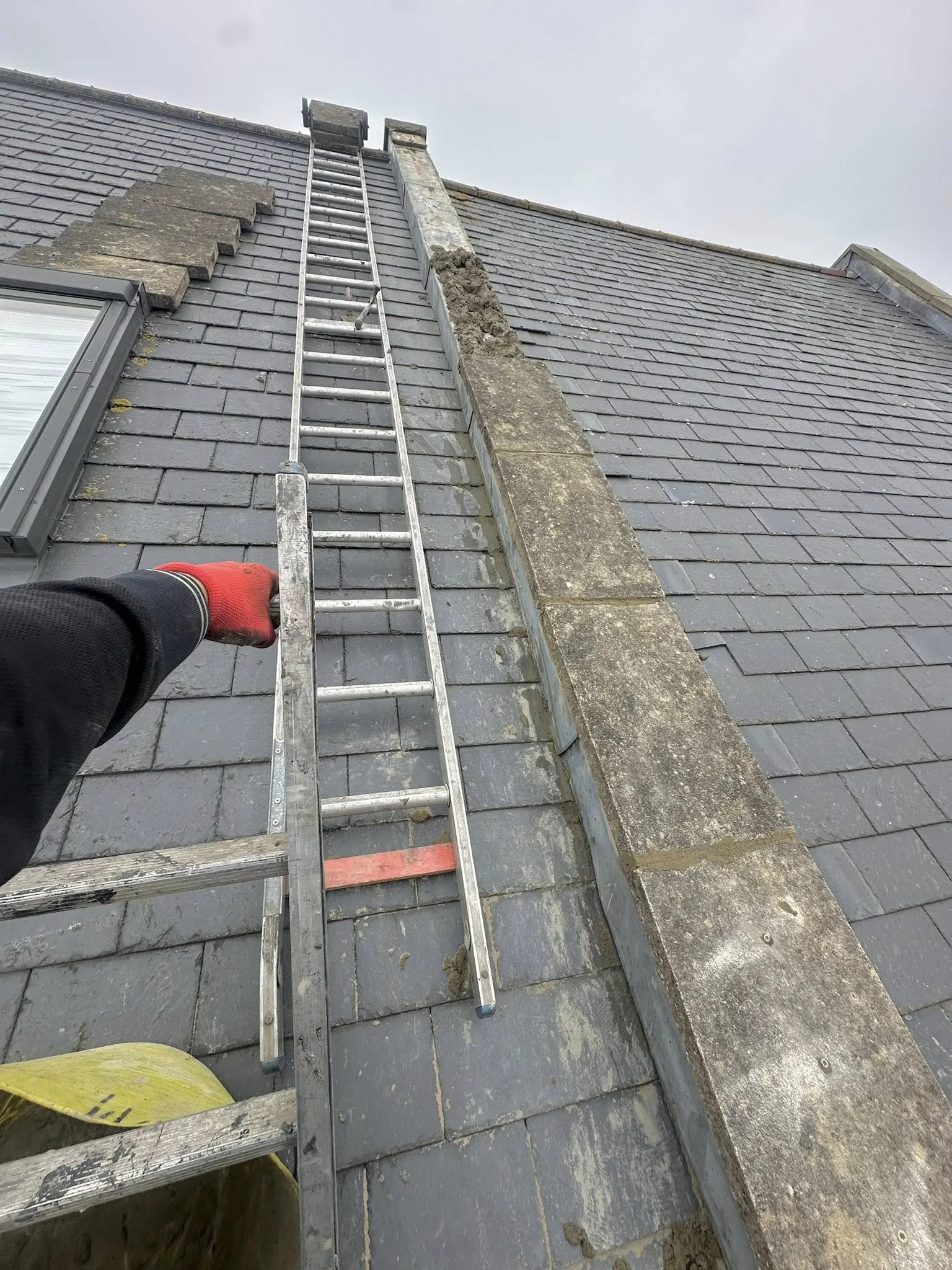
What Is Solar Panel Bird Proofing, and Does Your Nottingham Home Need It?
Solar panel bird proofing is a physical barrier, usually a mesh screen, fitted around the edge of your panel array to stop birds getting into the gap underneath. Pigeons are drawn to that gap because it's warm, dry, and safe from predators, exactly the conditions solar installers look for when they choose a roof pitch. Once a pair nests there, droppings build up fast, and 50 grams of pigeon droppings on a panel surface can cut light output by over 80%. The mess is corrosive too, eating into cabling and connectors over time. If you can hear scratching or cooing under your panels, or you've noticed white streaking below the array, you already need proofing, not just a clean.
Mesh, Spikes or Skirts: Which Bird Proofing System Suits Your Roof?
For most Nottingham homes, mesh is the best all-round choice. It wraps the full perimeter of the array, so there's no gap for a bird to squeeze through, and it lasts as long as your panels when it's fitted properly. Spikes are cheaper but only really suit narrow ledges, not the open run under a panel edge, so they're a poor fit for full solar exclusion on their own. Aluminium skirts sit at an angle along the panel frame and give the neatest finish for street-facing arrays, though they cost more than mesh. The right choice depends on your roof pitch, how visible the panels are, and whether birds have already moved in. See the comparison table further down this page for lifespan and cost at a glance.
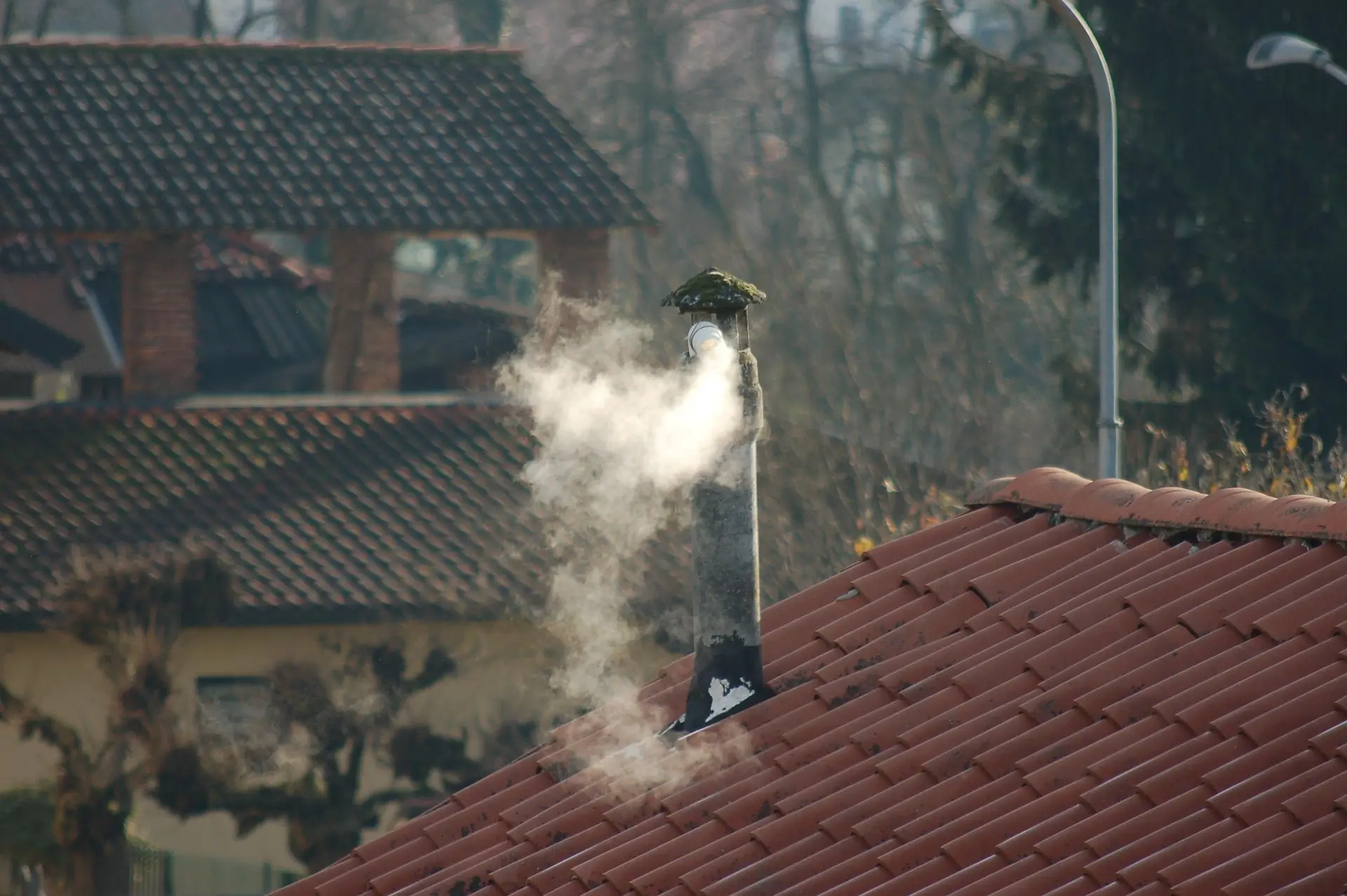
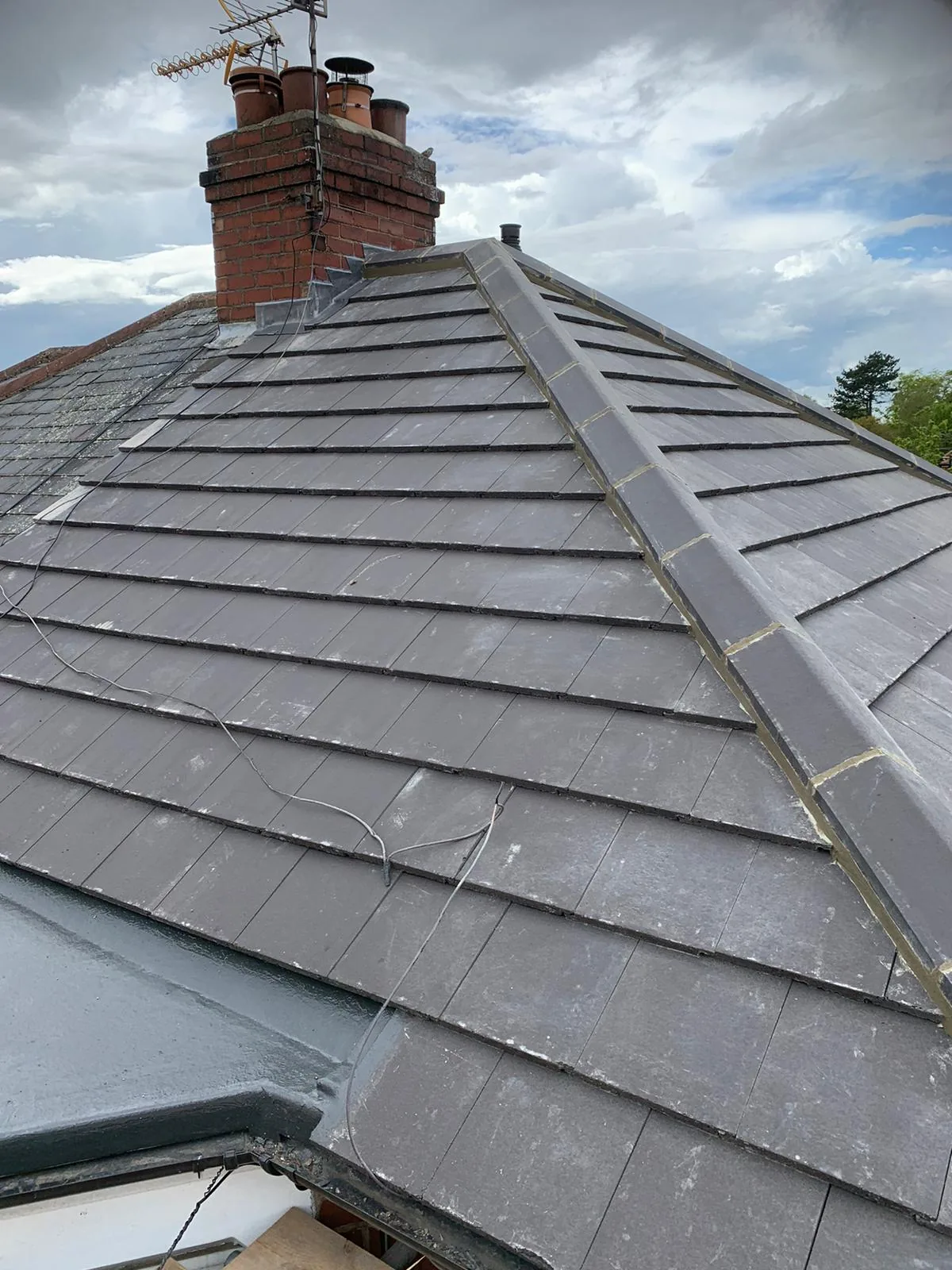
Mesh vs Spikes vs Skirts: What Each Option Actually Suits
Lifespan and cost only tell half the story. Here's how each system behaves once it's fitted, and where it fits best on a real Nottingham roof.
Stainless Steel or PVC-Coated Mesh
- Clips onto the existing panel mounting rails, so no drilling into the panel or roof is needed
- Runs the full perimeter of the array, closing off every access point in one go
- Black PVC-coated finish is close to invisible from ground level
- Air still moves freely underneath, which stops the panels running hotter than they should
- The standard choice for most residential arrays, from a single row to a full roof
Plastic-Based Spike Strips
- Best suited to narrow ledges, chimney stacks, or flat sections near the array, not the panel edge itself
- Cheapest material cost, but the plastic base degrades faster in UV than mesh or aluminium
- Rarely stops a determined pigeon working along a panel row on its own
- Most useful as a secondary deterrent alongside mesh, not a standalone solar bird-proofing system
Aluminium Skirts
- Fixes as a solid angled strip along the panel's leading edge instead of an open mesh weave
- Gives the tidiest, most uniform look, which matters on panels visible from the street
- Aluminium doesn't rust or sag the way some mesh fixings can over two decades
- Costs more upfront and needs more precise fitting than a mesh clip system
- A sound option where appearance is the deciding factor, not just function
What Happens Before We Fit a Single Clip
Every bird proofing job starts with checking what's actually under your panels, not guessing from the ground.
- We carry out a free drone roof survey to see the panel array, roof condition, and any existing bird activity without anyone going up a ladder
- We check whether a nest is already active, because disturbing an active nest is a criminal offence under the Wildlife and Countryside Act 1981
- Where birds are already established, we time the work outside the March-to-August nesting season, or bring in licensed guidance if it can't wait
- We check the roof covering itself, not just the panels, since droppings and old nesting debris can hide slipped tiles or damaged flashing underneath
- We confirm access, whether a ladder is enough or scaffolding is needed, before quoting a fixed price
- You get a clear scope and a firm quote before any mesh or clip goes anywhere near your roof
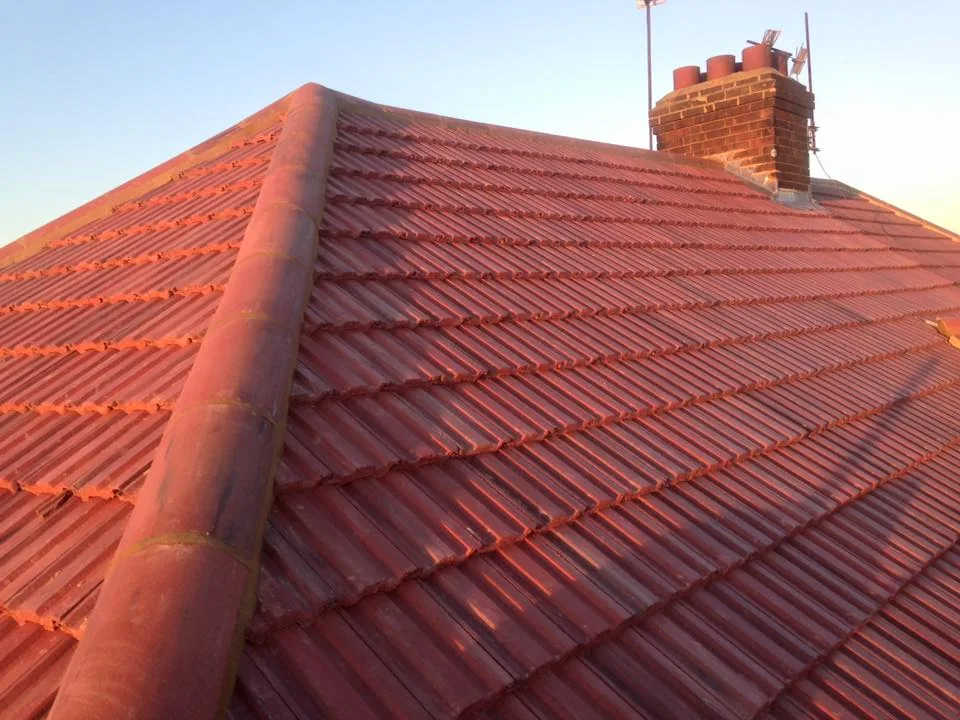
Nesting bird law catches out more homeowners than you'd think. The National Federation of Roofing Contractors' guidance on nesting birds and roof work sets out exactly why timing and a proper check matter before anyone touches a roof with birds nearby.
How We Fit Bird Mesh That Actually Keeps Birds Out
A mesh job is only as good as its weakest join. Here's how we fit one properly.
- Clear any existing nesting material and treat the area with biocide where birds have already been present
- Fix solar mounting clips to the panel's existing rail every 200mm, without drilling into the panel frame
- Run mesh with a 22-25mm aperture around the full perimeter, tight enough to stop pigeons but open enough for air to pass
- Overlap every joint by at least three mesh squares and secure it with a fixing clip, so there's no weak seam
- Take mesh right into internal and external corners, leaving no gap a bird could work loose over time
- Tidy the roof and clear all removed debris before we leave, typically finishing a standard residential array in half a day
How to Check Your Bird Proofing Job Was Done Properly
Whether you're checking work we've just finished or sizing up a quote from elsewhere, here's what a proper job looks like.
- The mesh should run continuously around the whole array, with no visible gap at corners or joints
- Fixing clips should be on the panel's mounting rail, not drilled through the panel glass or frame, which can void your solar panel warranty
- There should be no sagging or loose sections, which is usually a sign of clips spaced too far apart
- Ask whether biocide treatment was used if a nest was already present, and get that confirmed in writing
- You should receive written confirmation of the material used, the guarantee period, and whether any Wildlife and Countryside Act checks were carried out
- We back every bird proofing job with a 10-year workmanship guarantee, in writing, from day one
Keeping Birds From Coming Back: Maintenance That Works
Properly fitted mesh needs very little upkeep, but a couple of checks a year keep it working as it should.
- Check the mesh after any major storm for lifted clips or a sagging edge
- Clear leaf litter and moss build-up around the panel edges, which can trap moisture against the mesh fixings
- Have droppings and staining cleaned off the panel surface itself, since dirty panels lose output even with the birds kept out. Our roof cleaning service covers this alongside the wider roof
- Watch for gnaw marks or small gaps near cabling, a sign squirrels rather than birds are testing the mesh
- Get the mesh looked at if you notice a sudden drop in your solar generation figures, since that's often the first sign something's got underneath
Cost & Pricing Guidance
Bird proofing pricing across the UK for 2025/26 typically runs like this:
- Fitted at the same time as a new solar install: roughly £20-£25 per panel
- Standard retrofit on a 3-4kWp residential array (10-12 panels): £500-£900
- Larger or harder-to-reach arrays, or those needing scaffolding rather than a ladder: add £400-£600 on top
- Nest removal and biocide treatment, where birds are already established: added to the mesh price, not usually a separate call-out
Fitting mesh when your panels first go in is almost always cheaper than retrofitting later, since access is already arranged for the solar install and no separate scaffold or ladder trip is needed.
What pushes the price up or down: array size, roof pitch and access, whether birds have already nested underneath, and the material you choose. Mesh sits in the middle for cost, spikes are cheapest but limited in what they suit, and aluminium skirts cost the most.
These are general ranges, not a quote. A fixed price needs a survey.
Comparison Table: Bird Proofing Systems
| System | Typical Lifespan | Best For | Relative Cost |
|---|---|---|---|
| Plastic Spike Strips | 5-10 years | Narrow ledges and chimney stacks near the array, not full panel exclusion | £ (lowest) |
| Stainless Steel / PVC-Coated Mesh | 15-20+ years | Full-perimeter protection on most residential and commercial arrays | ££ |
| Aluminium Skirts | 20+ years | Street-facing arrays where a neat, uniform finish matters most | £££ (highest) |
Why Choose Tate & Sons for Bird Proofing
Bird proofing is led by Daniel Oakland, Project Manager and Lead Roofer, who has 20+ years in the trade. He looks after the modern systems side of the business, including preparing roofs properly for solar panels, and runs bird proofing jobs the same way, checking the roof underneath the array as carefully as the mesh itself.
Tate & Sons was founded by James Tate on a simple idea: find out what's genuinely wrong, use the right materials, and leave something that holds for years, not months. That's why we fit bird proofing as roofers first. A pest control firm can clip mesh on, but they won't spot a cracked flashing or a slipped tile hiding under two years of nesting debris the way a roofer will. Read more on our About page.
Our roofers are directly employed, not subcontracted. They hold NVQ Level 2 and 3 qualifications in Roofing Occupations and carry CSCS cards. Every bird proofing job comes with a free drone survey up front and a 10-year workmanship guarantee once the work is finished.
Areas We Serve
We fit bird proofing on solar arrays right across Greater Nottingham and out into the wider county. Wherever your panels sit, our crews know the local roof types, pitches, and access.
- Nottingham City Centre (NG1)
- The Park (NG1)
- West Bridgford (NG2)
- Sneinton (NG2)
- Wollaton (NG8)
- Lenton (NG7)
- Beeston (NG9)
- Chilwell (NG9)
- Stapleford (NG9)
- Arnold (NG5)
- Sherwood (NG5)
- Mapperley (NG3)
- Carlton (NG4)
- Gedling (NG4)
- Hucknall (NG15)
- Long Eaton (NG10)
- Mansfield (NG18)
- Sutton-in-Ashfield (NG17)
Got Questions?
Your Flat Roofing Questions, Answered Properly
How much does it cost to bird proof solar panels in the UK?
Most Nottingham homes pay £500-£900 to retrofit bird mesh on a standard 3-4kWp array. Fitting it at the same time as a new solar install is cheaper, at roughly £20-£25 per panel, since access is already sorted. Larger arrays, harder access, or scaffolding needs push the price up, and jobs where birds have already nested cost more because the area needs clearing and treating first. A survey gives you an exact figure for your roof.
Why do pigeons nest under solar panels?
Pigeons target the gap under solar panels because it's warm, dry, sheltered from wind and rain, and hard for predators to reach. It's the same combination of height, sun exposure, and clear sightlines that made your installer choose that spot in the first place. Once one pair settles in, the nest often attracts others, along with secondary pests like mice or insects drawn to the debris. Left alone, a single nesting season can lead to a build-up that's difficult and costly to clear.
Does bird mesh damage solar panels or void the warranty?
Properly fitted mesh doesn't damage your panels or affect your warranty, because it clips onto the existing mounting rail rather than drilling into the panel frame or glass. Warranty problems come from poor installation, not the mesh itself, particularly DIY jobs that use screws or strong adhesive directly on the panel. Always ask your installer to confirm the fixing method before work starts. A reputable fitter will confirm in writing that no part of the panel itself has been drilled or adhered to.
Can I bird proof my own solar panels?
You can buy DIY mesh kits, but a large share of professional call-outs are jobs fixing a DIY attempt that left gaps or used the wrong fixings. Working at height on a pitched roof also carries real risk without the right training and equipment. A professional install ensures full perimeter coverage, correctly spaced clips, and joints that won't work loose within a season. Given the access and safety involved, most homeowners find it isn't worth the saving.
Is it illegal to remove a bird's nest from under solar panels?
Yes, if the nest is active. The Wildlife and Countryside Act 1981 makes it a criminal offence to intentionally damage, destroy, or disturb an active wild bird's nest, with penalties including unlimited fines. This is why bird proofing work is best done between September and February, outside the main nesting season. If birds are already nesting when you contact us, we'll advise on timing or arrange licensed guidance rather than disturb them.
Does bird proofing affect airflow and solar panel performance?
No, properly fitted mesh is designed to keep air moving freely underneath your panels. Panels actually run less efficiently when they overheat, so blocking airflow entirely would work against you. The 22-25mm mesh aperture is wide enough for ventilation but too small for birds to squeeze through. What does hurt performance is the droppings and debris birds leave behind before proofing goes in, which is a far bigger efficiency risk than the mesh itself.
What damage do pigeon droppings actually cause?
Pigeon droppings are highly acidic and cause more than mess. As little as 50 grams sitting on a panel surface can cut light output by over 80%, and the acidity corrodes exposed wiring and connectors over time. Droppings and nesting debris can also block drainage paths on the roof itself, leading to damp problems that have nothing to do with the panels. Left long enough, it can mean a far bigger bill than the cost of proofing would ever have been.
Can nesting material under solar panels cause a fire risk?
It's a genuine, if less commonly discussed, risk. Dry nesting material sitting close to warm cabling and connectors under a panel can be a fire hazard, particularly through a hot summer once a nest has dried out over several seasons. Combined with any wiring already weakened by acidic droppings, the risk isn't trivial. It's one more reason to deal with an established nest properly rather than leave it to build up year after year.
Do you need a licence to clear an existing pigeon nest before fitting mesh?
An abandoned, inactive nest can usually be cleared without a licence, but an active nest with eggs or chicks cannot be disturbed under any circumstances outside a licensed exception. Pigeons and some other common species are covered by general licensing rules that allow control in specific situations, but the detail matters and getting it wrong carries real legal risk. We check nest status as part of every survey before quoting, so you're never caught out by timing you didn't know applied.
Book Your Free Drone Roof Survey Today
See exactly what your roof needs before any work starts. No ladders, no pressure — just a clear picture from a local Nottingham team.
A tired roof only gets worse as water works deeper into the deck and timber beneath it. A quick, free drone survey today tells you exactly where you stand — and often the fix is smaller and cheaper than you feared. Book now, get an honest quote, and protect your home before the next East Midlands downpour finds the weak spot.
📍 57 Cyril Avenue, Nottingham, NG8 5BA
📞 0115 647 4455
Call the Nottingham team today on 0115 647 4455, or request your free drone survey online. We’re already working across your area.
Get in Touch
Tate & Sons Roofing — Nottingham
57 Cyril Avenue, Nottingham, NG8 5BA
📞 0115 647 4455
✉️ [email protected]