
🏠 Trusted Local Roofers
Bird Proofing for Solar Panels in Market Harborough
The gap under a solar panel is warm, dry and hidden from cats and foxes. To a pigeon, that makes it a perfect nesting spot. Once one pair moves in, more follow, and soon you have droppings down the tiles, blocked gutters and a mess that eats into how much power your panels make. Bird proofing for solar panels in Market Harborough shuts that gap for good, without drilling your panels or harming the birds.
This page walks you through why pigeons pick solar panels, what their mess costs you, and the three main proofing methods — clip-on mesh, wire and spikes. You will see real fitting prices, how we keep your panel warranty intact, and the law around nesting birds. It starts with a free drone survey and a written price, with no scaffold just to take a look. Bird proofing is one job we handle as a roofing contractor across Market Harborough.
- Fully Insured
- 10-Year Guarantee
- 5-Star Rated
Quick Free Estimate - No Obligation
We're not just roofers – we're your neighbours.
Fully Insured • Response within 15 mins
🔒 Your details are safe with us. No spam, ever.
Why Pigeons Choose the Space Under Your Solar Panels
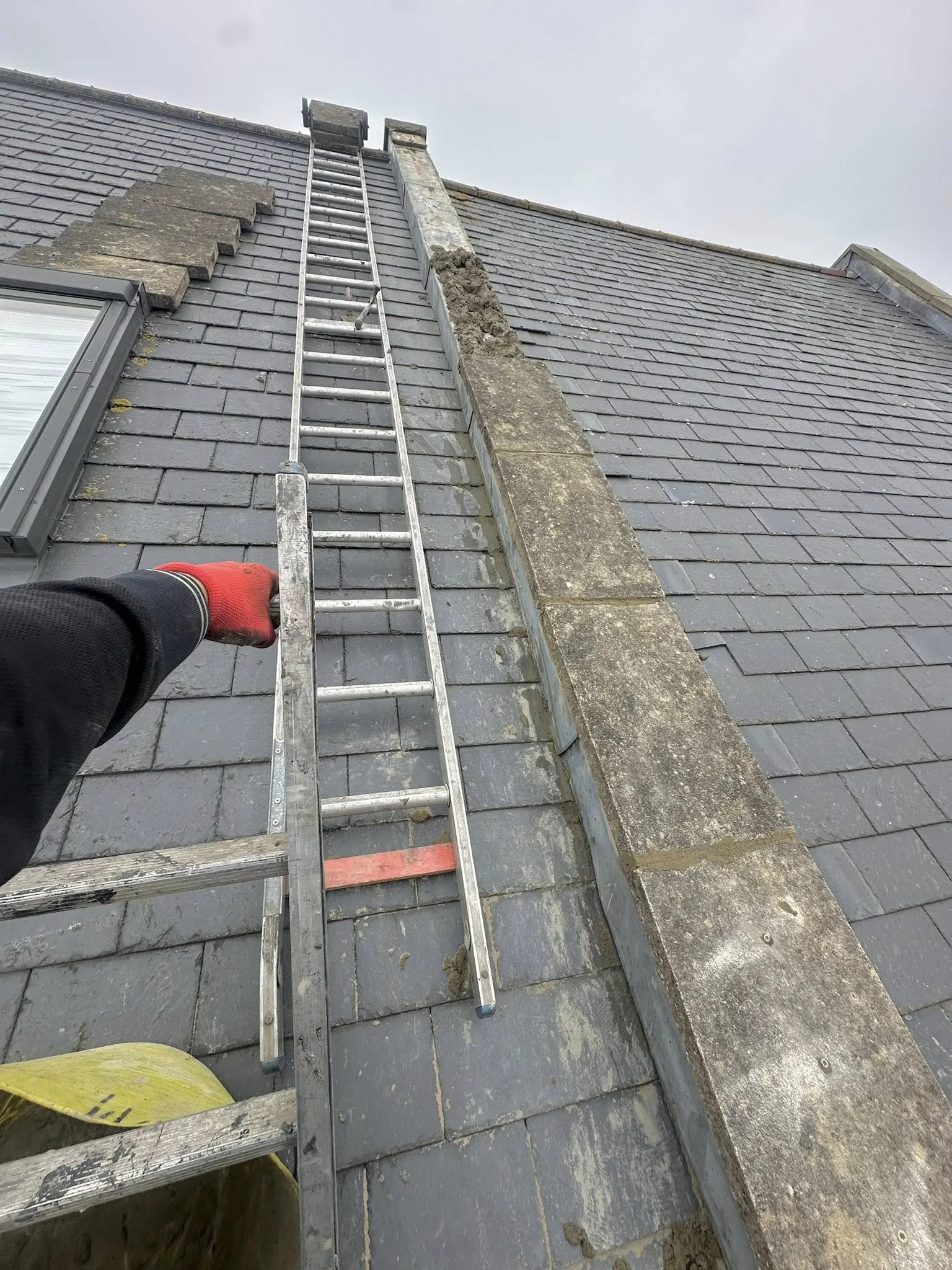
Solar panels sit a few centimetres off the tiles on brackets. That gap traps heat from the roof and the panels, so it stays warm even on a cold day. It is sheltered from wind and rain, and hidden from predators. For a pigeon looking to nest, few spots on a house beat it.
The trouble is that pigeons rarely stop at one nest. They return to the same roof year after year and bring others with them. What starts as a single pair over your garage can turn into a colony living under a whole south-facing array. The longer they stay, the harder and messier the clean-up.
We see this on homes right across Market Harborough, especially where panels face a quiet garden rather than a busy road. If you hear cooing and scratching above the bedroom ceiling, or find feathers and twigs in the gutter, birds have likely already moved in.
What Nesting Birds Really Cost You — Lost Power and Roof Damage
Bird mess is not just unpleasant to look at. It hits your panels, your roof and your wallet in ways that add up fast if you leave it.
Here is what nesting pigeons do to a solar roof:
- Droppings and nest debris block sunlight, so panels make less power
- Acidic droppings eat into panel frames, seals and roof tiles over time
- Twigs and feathers clog gutters and downpipes, causing overflow and damp
- Nest material can chew through cables and loosen panel mountings
- Droppings carry disease and mites that drift down into loft vents
- A fouled roof looks neglected and can knock money off a house sale
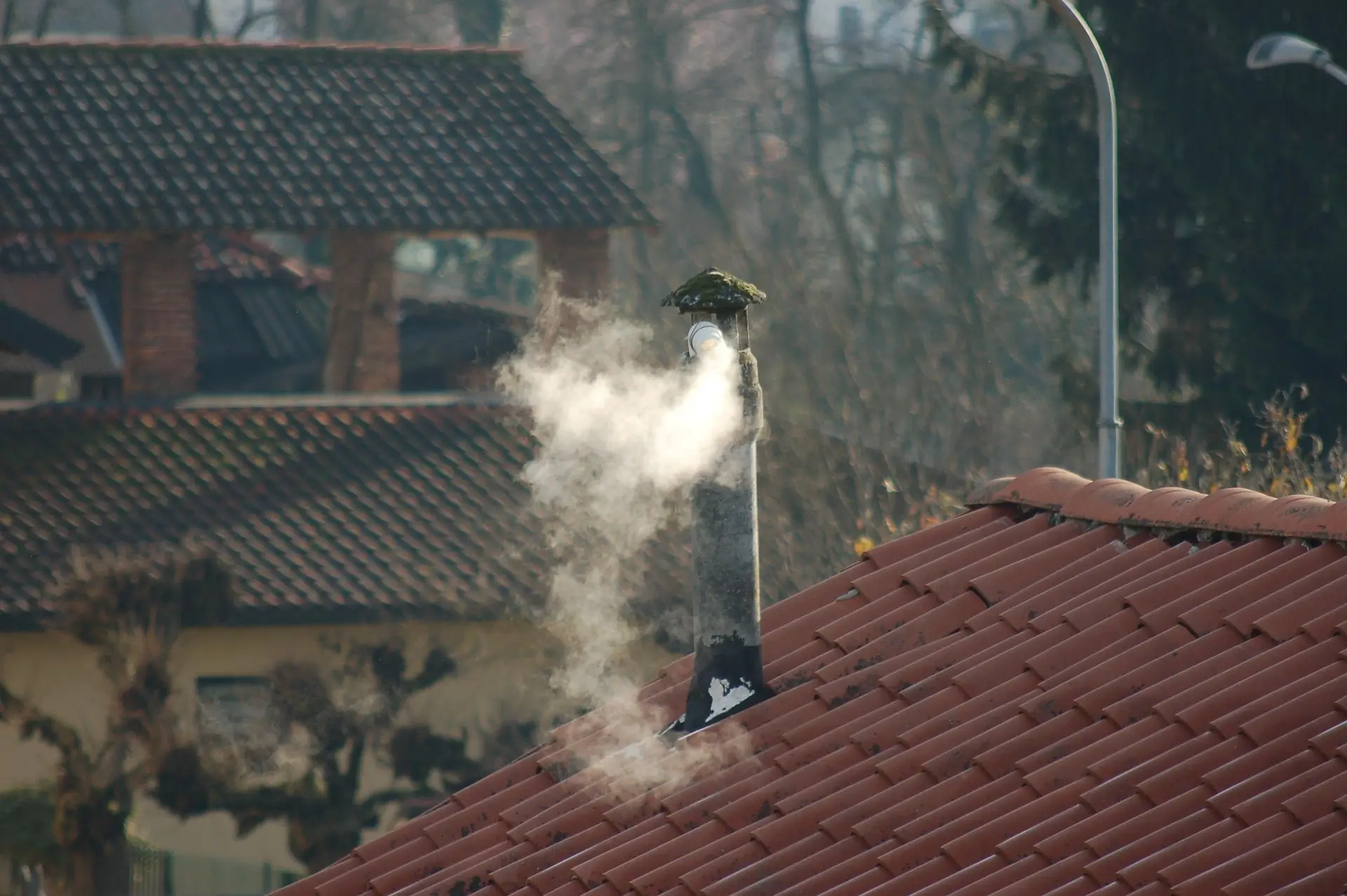
The power loss alone is worth acting on. Panels caked in droppings and shaded by nests work well below what they should. You paid good money for that array, so it makes sense to keep every panel earning. Left long enough, the damage moves from a cheap clean-up to a real repair bill.
Mesh, Wire or Spikes — Which Bird Proofing Method Fits Your Panels
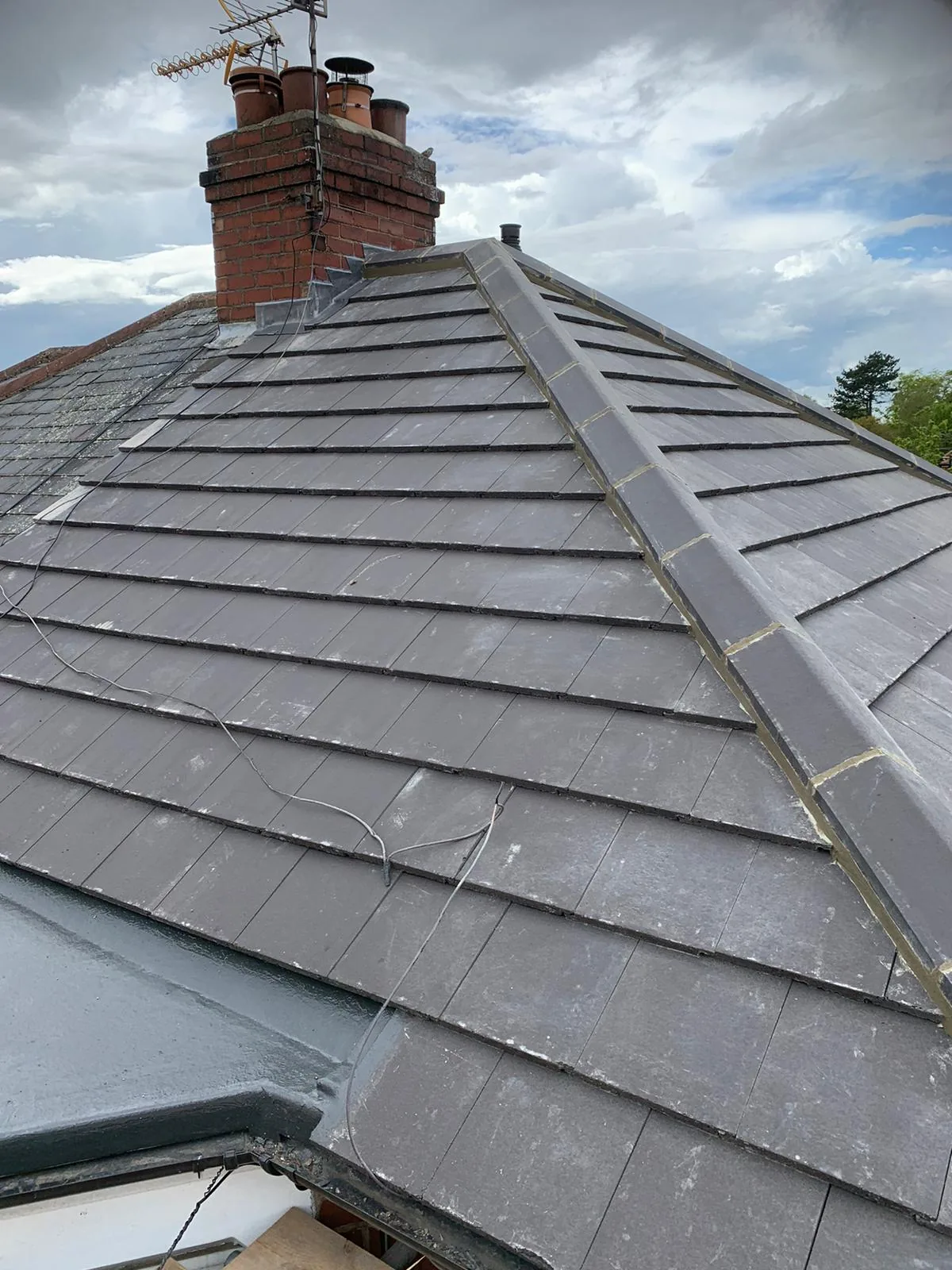
Three methods cover almost every solar bird problem. In short: clip-on mesh is the go-to fix that seals the gap under the panels and stops nesting; a post-and-wire system keeps birds off the panel tops; spikes protect edges and ledges where birds land. Most homes need clip-on mesh, sometimes paired with spikes on an awkward edge. The right mix depends on your roof and how the birds are using it.
Ryan Tate, our project manager, fits these systems regularly and will tell you in plain terms which one your roof needs. Sometimes that is mesh on its own. Other times a spike or two on an exposed edge finishes the job properly.
| :-: | :-: | :-: | :-: |
| Method | Typical cost | How it looks and works | Best for |
| Clip-on edge mesh | £40–£60 per panel | Fine galvanised or PVC mesh clipped to the panel lip; no drilling; lifts off for cleaning | Stopping pigeons nesting underneath — the usual job on most homes |
| Post-and-wire system | £8–£15 per metre | Thin tensioned wires on low posts across the panel tops; barely visible from the ground | Keeping birds from landing and fouling the panel surface |
| Stainless bird spikes | From £25 per pack (materials) | Blunt spikes fixed around edges and ledges so birds cannot perch or squeeze in | Edges and ridges where landing is the issue; often paired with mesh |
- **Clip-on edge mesh*fixes a fine mesh skirt around the panels using clips that grip the panel lip. No holes, no glue, and it comes off cleanly if a panel ever needs work. This is the method we fit most.
- **Post-and-wire*runs thin wires on small posts across the panel faces. It stops birds landing on top and fouling the glass, and it is almost invisible from the street below.
- **Bird spikes*are blunt stainless spikes that mount around edges without touching the panel itself. They stop birds perching, and pair well with mesh on a tricky corner or ridge.
No Drilling, No Voided Warranty — How Bird Proofing Clips On
The biggest worry homeowners raise is simple: will proofing damage my panels or cancel my warranty? Fitted the right way, it does neither. The whole point of a clip system is that nothing gets drilled or glued to your panels.
Quality mesh clips grip the underside lip of each panel and hold the mesh tight. They sit roughly every 450mm along the edge for a firm, gap-free fit. Because no screw or hole ever touches the panel or its frame, the manufacturer warranty stays intact. That matters, because drilling a panel almost always voids it.
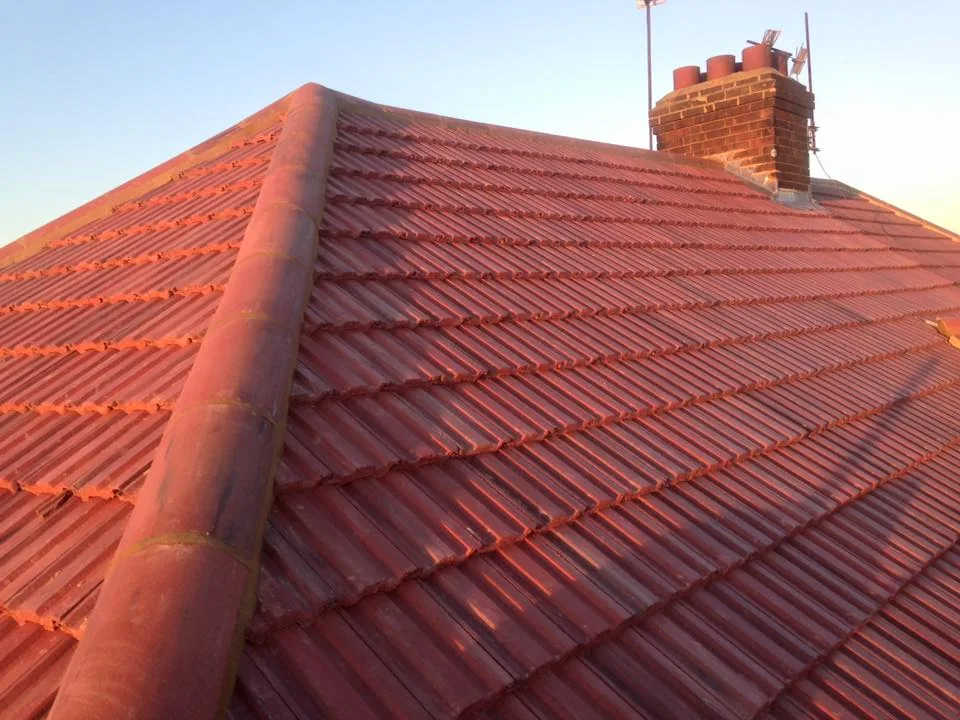
Cheap or rushed jobs are where warranties get lost. A fitter who screws mesh straight into a panel frame, or drills the roof carelessly, can cost you far more than the proofing saved. We only use non-penetrating clips designed for solar work, so your warranty and your roof both stay sound.
Humane, Legal and Done the Right Way
Good bird proofing keeps birds out without hurting a single one. Mesh, wire and spikes are exclusion methods. They block the gap or the ledge so birds move on and nest somewhere more suitable, which is exactly how it should work.
The law matters here too. Under the Wildlife and Countryside Act 1981, all wild birds, their nests and eggs are protected while a nest is in use or being built. You cannot proof over an active nest with eggs or chicks inside. We check first, and if a nest is active, we wait or work with a pest controller under the right licence.
Timing your proofing outside the breeding season is the clean way to do it. The RSPB sets out the rules on protected nests and wild birds in its guidance on the Wildlife and Countryside Act, which is worth a read before any work near a nest. We handle every job with those rules in mind, so you stay on the right side of the law.
What Bird Proofing for Solar Panels Costs in Market Harborough
Cost comes down to three things: how many panels you have, roof access, and how much cleaning the roof needs first.
As a general guide, fitted mesh runs roughly £40–£60 per panel. For a standard 3–4kW home system of ten to twelve panels, most jobs land between £500 and £900. Smaller arrays or easy-access roofs sit at the lower end. Larger arrays, steep roofs or a heavy clean-down before proofing push toward £1,000 or more.
What moves the price up or down:
- **Number of panels*— more panels means more edge to mesh and more clips
- **Roof access*— a two-storey roof or awkward pitch needs more scaffold or safe access
- **Cleaning first*— heavy droppings and old nests must be cleared before mesh goes on
- **Method mix*— mesh alone costs less than mesh plus spikes on tricky edges
- **Array shape*— split arrays and odd corners take longer to seal fully
These are general market ranges, not a quote for your roof. Two homes with the same panel count can price differently once access and clean-up are counted in. The only way to a firm figure is a proper look, which is what our free drone survey gives you, followed by a clear written price with nothing added later. A fixed price needs a survey.
Cleaned Down First, Then Sealed — What Happens on Fitting Day
Proofing over a dirty roof traps the mess underneath. We do it in the right order every time:
- Old nests, droppings and debris cleared from under the panels
- The roof and panel edges washed down so mesh sits clean and tight
- Gutters and downpipes checked and cleared where birds have blocked them
- Mesh clipped around every panel edge, roughly every 450mm
- Spikes added to any exposed ledge or ridge that needs them
- Site cleared, and the finished job checked from the drone before we leave
Getting proofing on at the same time as a fresh install is the smart move. There is already safe access to the roof, and you keep birds out from day one rather than fixing a colony later.
Most home arrays take one day, weather allowing. A heavy clean-down or a large split array can take longer. If your panels need a proper wash, our Roof Cleaning team handles that first. And if you are fitting panels or having a roof made ready for them, our Solar Panel Roof Preparation service sets the roof up right from the start.
Why Market Harborough Homeowners Call Tate & Sons First
You are not just buying mesh — you are buying whoever fits it and works around your panels. Ryan Tate, our project manager, does the roof and solar prep work and runs the site on the day. He knows how to work around an array without cracking a panel or lifting a tile, and he is part of the same crew that turns up, not just the man who quoted.
Founder Michael Tate started his apprenticeship at sixteen and built the firm on one idea: survey the roof properly and fix the real cause, never bodge it to look right for a season. Between us we carry over 45 years of combined experience, hold NVQ Level 2 and 3 in Roofing Occupations, and keep CSCS cards and NFRC trade-body membership. Every job starts with a proper survey, so you know exactly what your roof needs before anyone climbs up. Read more about the people behind the work on our About Tate & Sons Roofing page.
Areas We Serve Across Market Harborough and the Harborough District
We fit solar bird proofing across Market Harborough and the surrounding Welland Valley villages. If your area is not on the list below, call us anyway — if you are nearby, there is a strong chance we cover you.
- Market Harborough (LE16)
- Great Bowden (LE16 7)
- Little Bowden (LE16 8)
- Lubenham (LE16 9)
- Foxton (LE16 7)
- Medbourne (LE16 8)
- Kibworth Beauchamp (LE8)
- Great Glen (LE8 9)
- Fleckney (LE8 8)
- Husbands Bosworth (LE17 6)
- Desborough (NN14 2)
Got Questions?
Your Solar Bird Proofing Questions, Answered Properly
How do I stop pigeons nesting under my solar panels?
Fit a proofing barrier around the panel edges. The most reliable fix is a fine mesh clipped to the underside lip of each panel, which seals the gap so birds cannot get underneath. Spikes and wire help on edges and panel tops where birds land. Clear any old nests and droppings first, then fit the mesh, and the birds move on to nest elsewhere.
Is mesh or spikes better for solar panels?
They do different jobs, so the best answer is often both. Mesh seals the gap underneath and stops nesting, which is the main problem on most roofs. Spikes stop birds landing on exposed edges and ledges, but they will not close the gap under an array on their own. For a home solar system, clip-on mesh does the heavy lifting, with spikes added only where a ledge needs them.
Does bird proofing damage solar panels or void the warranty?
Not when it is fitted properly. Quality clips grip the underside lip of the panel with no drilling and no glue, so nothing touches the frame or glass. That keeps your manufacturer warranty intact. The risk comes from cheap work where mesh is screwed into a panel frame or the roof is drilled carelessly, which can void the warranty. We only use non-penetrating solar clips.
How much does it cost to bird proof solar panels?
As a general guide, fitted mesh runs around £40 to £60 per panel. For a standard 3 to 4kW home system, most jobs land between £500 and £900, depending on panel count, roof access and how much cleaning is needed first. A drone survey gives you an exact written price rather than a rough phone estimate. A fixed price always needs a survey first.
Is bird proofing humane?
Yes. Mesh, wire and spikes are exclusion methods, not traps or poisons. They block the gap or the ledge so birds cannot nest there, which simply pushes them to find a more suitable spot. No bird is harmed in the process. That is the whole aim — keep them off your panels without hurting them.
Is it legal to remove a bird's nest from under my panels?
It depends on whether the nest is active. Under the Wildlife and Countryside Act 1981, all wild birds, their nests and eggs are protected while a nest is in use or being built. You cannot proof over or clear an active nest with eggs or chicks. We check first and time the work outside the breeding season, or bring in a licensed pest controller where needed, so the job stays legal.
Will bird proofing stop my panels working properly?
No. Edge mesh sits around the panels, not across the glass, so it does not shade them. In fact, keeping birds off means no droppings or nest debris blocking the light, so your panels keep making full power. A clean, proofed array works better than a fouled one, and it stays that way for years.
How long does solar panel bird proofing last?
Fitted well, it should last as long as your panels. Galvanised or PVC-coated mesh, stainless clips and stainless spikes are all made to sit outside in UK weather for the long term. The key is proper fitting by an experienced installer, with clips spaced correctly and no gaps left at the corners. Get that right and you should not need to think about it again.
Book Your Free Drone Roof Survey Today
See exactly what your solar roof needs before any work starts. No ladders, no pressure — just a clear picture from a local Market Harborough team.
Every week birds stay under your panels, the droppings build up, the gutters block and your power output drops. A quick, free survey today shows you where you stand — and the fix is often smaller and cheaper than you feared. Book now, get an honest quote, and protect your panels before the next nesting season starts.
ð 5 Hood Close, Market Harborough, LE16 9XS
ð 01858 457600
Call the Market Harborough team today on 01858 457600, or request your free drone survey online. We're already working across your area.
Book Your Free Drone Roof Survey
See exactly where your roof stands, with no obligation and no pressure. Call our Market Harborough team or request your free drone survey today.
Get in Touch
Tate & Sons Roofing — Market Harborough Office
5 Hood Close, Market Harborough, LE16 9XS
📞 01858 457600
✉️ [email protected]