
🏠 Trusted Local Roofers
Bird Proofing for Solar Panels in Hinckley
A pair of pigeons under a solar array can turn into a real problem within a single spring. The gap beneath a panel is warm, sheltered and rarely disturbed, which makes it close to ideal nesting ground. Once one pair moves in, more usually follow within a season or two. Bird proofing for solar panels in Hinckley closes that gap off for good, fitted properly the first time by a local roofing contractor across Hinckley who already knows your roof.
This page walks you through the warning signs, which bird proofing system suits your roof, real cost ranges, the legal timing rules, and what fitting day actually looks like. Start with a free drone survey and a written quote before anything is agreed — no scaffold just to take a look, and no charge either way.
- Fully Insured
- 10-Year Guarantee
- 5-Star Rated
Quick Free Estimate - No Obligation
We're not just roofers – we're your neighbours.
Fully Insured • Response within 15 mins
🔒 Your details are safe with us. No spam, ever.
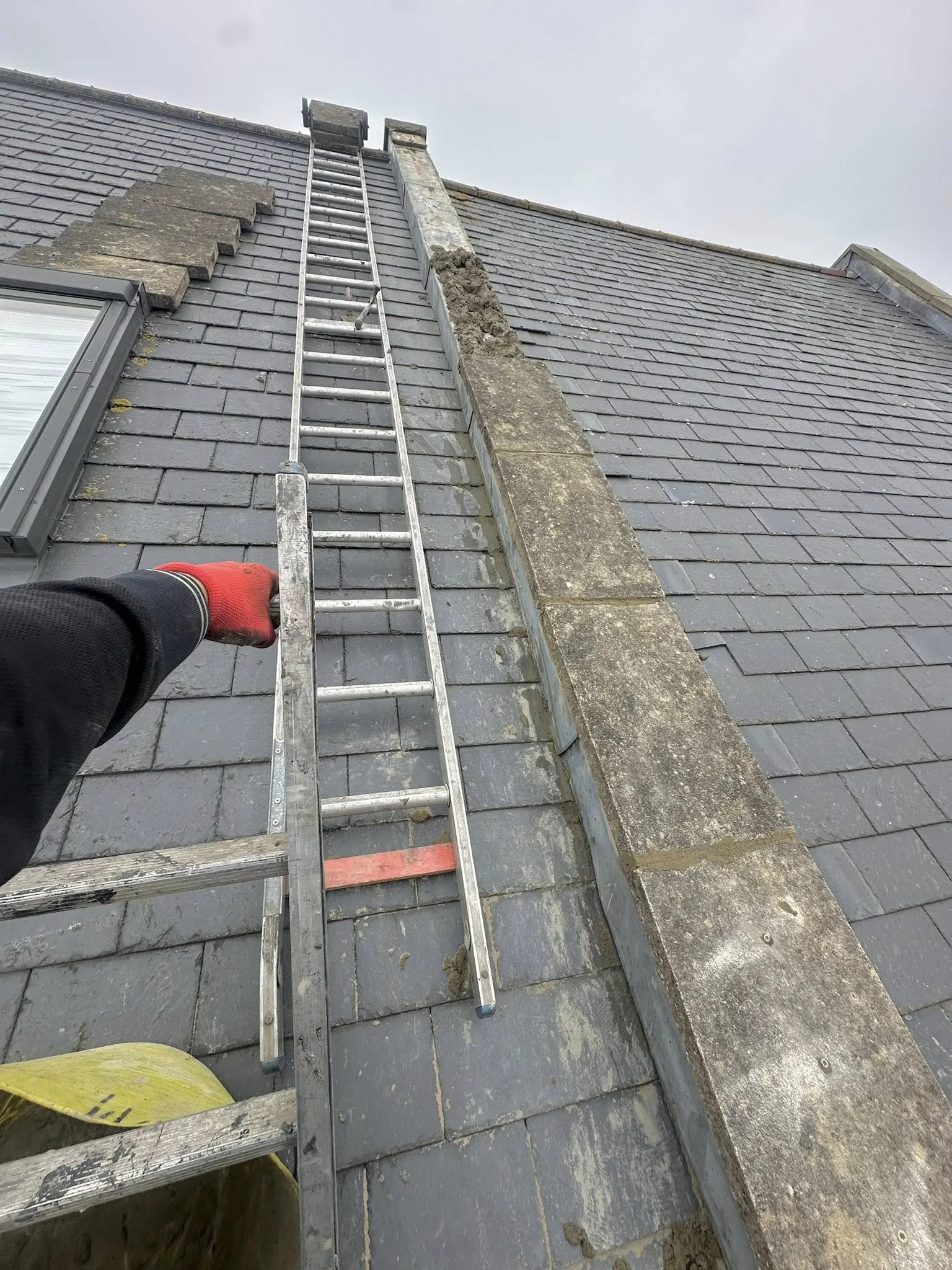
Spot the Signs Birds Are Already Under Your Panels
Most homeowners in Hinckley find out about a pigeon problem from the ground, long before they ever get close to the roof. The signs are easy to miss at first, but they build up fast once a pair has settled in.
Watch for these:
- Streaks of white droppings running down the roof below the array
- Cooing, scratching or shuffling sounds from the loft or roofline
- Twigs, straw or feathers poking out from under a panel edge
- Gutters filling with nesting debris faster than leaves alone explain
- A sudden, unexplained dip in what your panels generate
That last sign matters more than most people expect. A build-up of droppings and debris under and around a panel can block a large share of the light reaching the cells, and in bad cases a heavily fouled panel can lose the majority of its output. A free drone survey shows exactly what is happening under your array, without anyone needing to get on a ladder.
Why Ignoring a Nest Under Your Panels Costs More Than the Fix
Bird droppings are acidic, and left in place they slowly attack the panel surface, the frame, and the wiring connections underneath. What starts as a cosmetic mess can turn into a wiring problem that is far more expensive to put right.
Nesting material also blocks the air gap that keeps panels cool. Panels run less efficiently when they overheat, and that reduced airflow can shorten the working life of the whole array. Blocked gutters and valleys below the array add a second cost, since trapped water and debris are exactly what leads to slipped tiles and damp creeping into the loft.
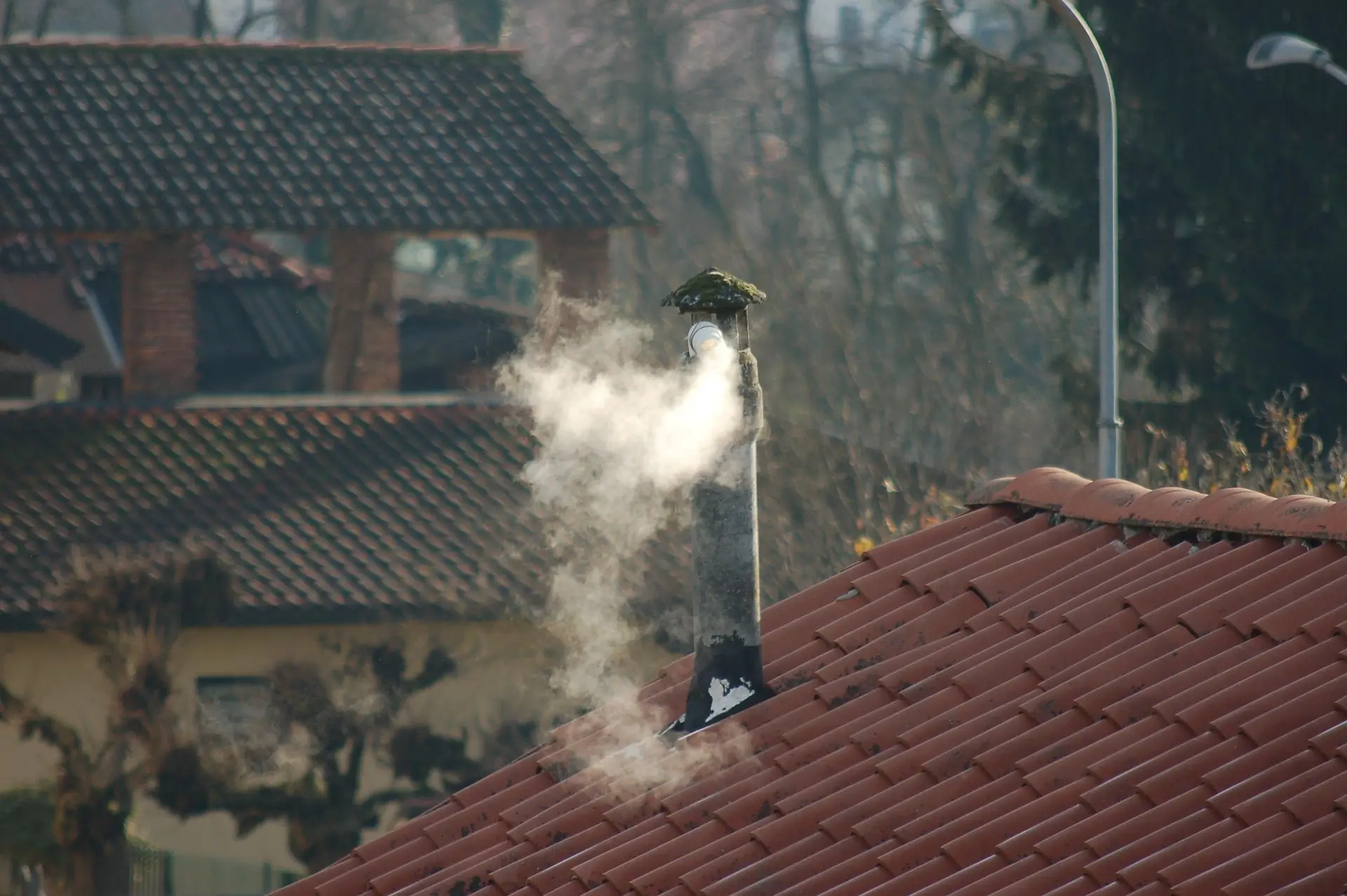
Hinckley gardens close to the Ashby Canal tend to see more pigeon and wood pigeon activity than streets further into town, since the water and tree cover keep birds close by all year. If your solar panels sit within a few hundred metres of the canal, it is worth having them checked even if nothing looks obviously wrong yet.
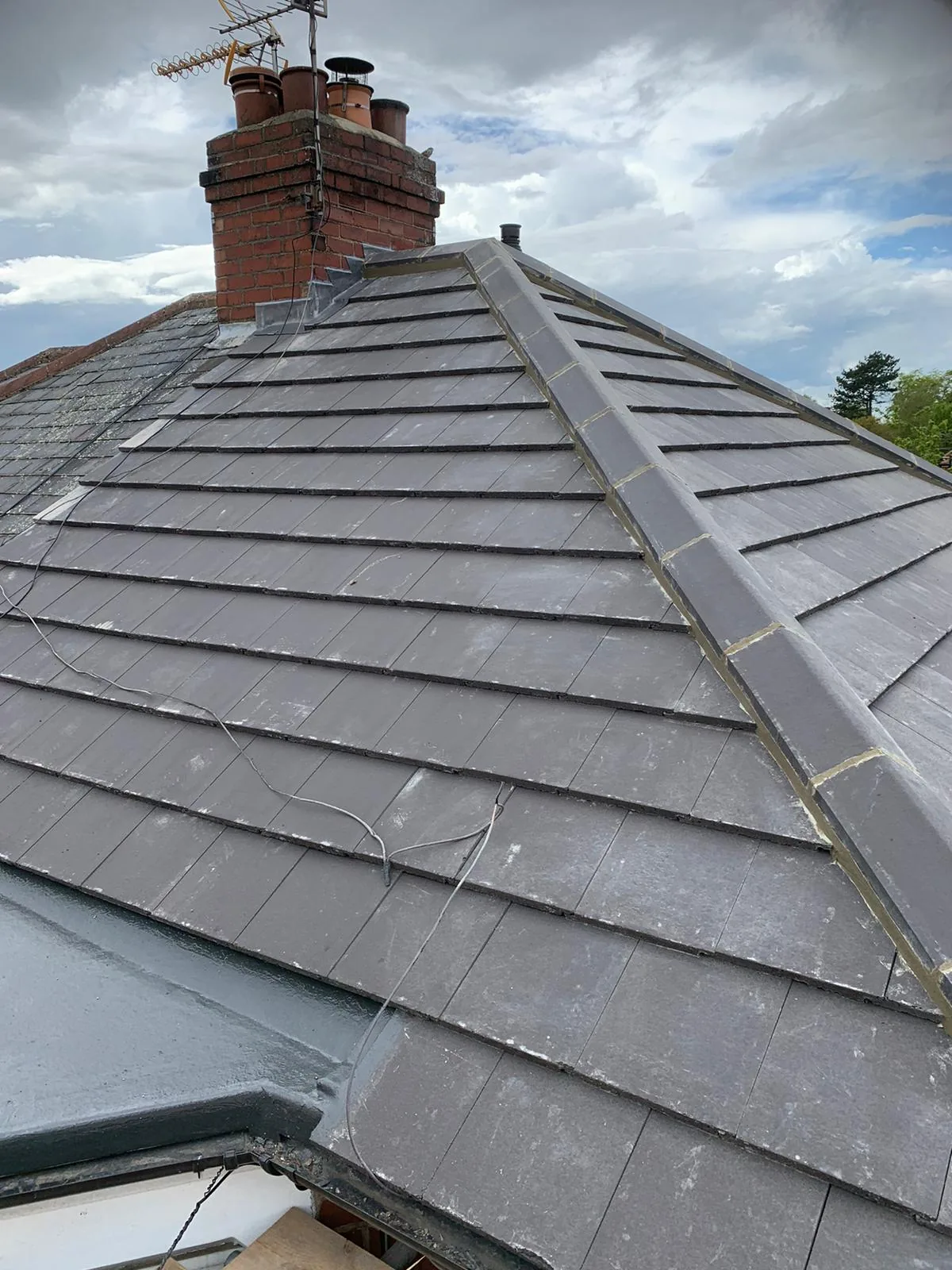
Mesh, Comb or Clip-Fix — Choosing the Right System for Your Roof
Three types of bird deterrent cover almost every solar array we fit around Hinckley. Each suits a different roof, budget and level of risk.
| :-: | :-: | :-: | :-: |
| System | Typical cost | Effectiveness | Best for |
| Mesh (perimeter barrier) | £40–£60 per panel fitted | High — seals the full gap under the array | Most pitched roofs and standard residential arrays |
| Comb (anti-roost strip) | £15–£25 per metre | Medium — stops landing and perching, not full nesting access | Ridge lines, panel edges, used alongside mesh |
| Clip-fix rigid barrier | £50–£70 per panel fitted | High — very durable against determined birds | Flat roofs, larger arrays, wider gaps under panels |
Mesh is the right call for most Hinckley homes, since it wraps the full perimeter of the array and keeps birds out without shading a single cell. Comb strips work well as extra protection along a ridge or exposed edge, but on their own they will not stop a determined pigeon getting underneath. Clip-fix rigid barriers cost more but hold up best on flat roofs or wherever the gap under the panel is too wide for mesh to sit flush.
If you are having panels fitted for the first time, pairing bird proofing with our solar panel roof preparation service means the barrier goes on as part of the same job, before the array is ever exposed to a single nesting season.
What Bird Proofing Really Costs in Hinckley
Most Hinckley homes pay between £400 and £900 to have a standard residential array fully bird-proofed with mesh, fitted around every edge of the panels. A small array of eight to ten panels usually sits toward the lower end of that range, while a larger 16 to 20 panel roof runs higher.
What pushes the price up or down:
It is almost always cheaper to fit bird proofing at the same time panels go up, or as soon as you notice the first signs of interest, rather than waiting until birds have properly settled in. These figures are general market ranges, not a quote for your roof. A fixed price needs a survey.
- **Number of panels*— more panels means more mesh, more clips and more time on the roof
- **Roof pitch and access*— a steep or awkward roof sometimes needs scaffolding, adding £400–£600
- **System chosen*— mesh, comb and clip-fix all price differently, as shown above
- **Existing nests or droppings*— a roof that already has birds in residence needs a clean-out first, which adds to the job
- **Panel gap width*— wider gaps under the panel frame need more robust fixings to stay secure
What Happens on Fitting Day, Start to Finish
A bird proofing job follows a straightforward order on every roof we work on:
- Free drone survey to measure the array and check for existing nests or damage
- Timing checked against the nesting calendar before any date is booked
- Any old debris or droppings cleared safely, if the roof is empty of active nests
- Mesh, comb or clip-fix barrier measured and cut to fit your panels exactly
- Barrier fixed to the panel frame, not drilled into the roof covering underneath
- Gutters and valleys below the array checked and cleared
- Finished job checked from ground level and by drone before we leave
Most homes are done in half a day to a full day, depending on the size of the array and whether scaffolding is needed. Daniel Whitmore, our project manager, oversees every bird proofing fit personally, checking the barrier sits securely on the frame and never compromises your panel or roof covering warranty in the process.
The Law, the Fire Risk, and Getting the Timing Right
Wild birds and their active nests are protected under the Wildlife and Countryside Act 1981. Once a nest has eggs or chicks in it, disturbing it is an offence, so bird proofing has to go on before nesting starts, not after. September to February is the safest window, once the previous season's birds have moved on and before the next one begins.
The older farm buildings and barn conversions around Sutton Cheney often carry larger arrays with wider gaps under the panels than a standard house roof, which means a clip-fix or reinforced mesh approach usually makes more sense than the standard residential kit. We check the gap width and roof type on every survey before recommending a system.
Fire risk is the reason we treat this as more than a tidiness issue. Dry nesting material sitting close to panel cabling and connectors is a genuine ignition risk if heat or a fault ever reaches it, and the UK government's own research into fire spread on pitched roofs fitted with solar panels found that debris and construction beneath an array can affect how quickly a fire takes hold. Keeping the space under your panels clear and sealed is a genuine safety measure, not just a way to protect your generation figures.
Keep Your Panels Performing for Years to Come
Bird proofing is not a fit-and-forget job. A little attention keeps the barrier doing its work for the life of your panels.
- Check the mesh or clips visually after any major storm
- Keep gutters below the array clear so trapped water cannot work fixings loose
- Have panels cleaned periodically so dust and grime do not mask early droppings
- Book a free drone survey every few years to check the barrier and the roof underneath
Family homes around Sapcote and Stoney Stanton have taken to solar in bigger numbers over the past few years, and most of those arrays now get bird proofing fitted within the first year, before a first nesting season ever gets the chance to take hold. Where droppings or debris have already built up under a panel, our roof cleaning service clears it safely before or alongside a new mesh fit.
Why Hinckley Homeowners Trust Tate & Sons With Their Solar Roof
Bird proofing sits right at the join between your roof covering and your solar array, and getting that join wrong can affect both. Daniel Whitmore, our project manager, personally oversees every bird proofing fit, drawing on the same leadwork and detailing skills he uses on full re-roofs, so the barrier is fixed properly without a single unnecessary hole in your roof.
Founder James Tate started out on the tools more than 20 years ago and still quotes the majority of jobs personally, so the person weighing up your roof is the one standing behind the finished work. Between us we bring 40 years of combined team experience, hold NVQ Level 2 and 3 qualifications in Roofing, and carry CSCS cards. Sophie Bennett, our office manager, keeps quotes, scheduling and aftercare running smoothly from the first phone call onwards. Read more about the people behind the work on our About Tate & Sons Roofing page.
Areas We Serve Across Hinckley and Bosworth Country
We fit bird proofing on solar arrays across Hinckley and the surrounding borough. If your area is not on the list below, call us anyway — there is a strong chance we already cover you.
- Hinckley (LE10)
- Burbage (LE10)
- Barwell (LE9)
- Earl Shilton (LE9)
- Sapcote (LE9)
- Sharnford (LE10)
- Wolvey (LE10)
- Higham on the Hill (CV13)
- Sutton Cheney (CV13)
- Stoke Golding (CV13)
- Market Bosworth (CV13)
- Nuneaton (CV10 / CV11)
- Bedworth (CV12)
Got Questions?
Your Bird Proofing Questions, Answered Properly
Do I really need to bird proof my solar panels?
Yes, if you want your array to keep performing at its rated output. Pigeons and other birds treat the gap under a panel as ready-made shelter, and once they settle in, droppings and debris build up fast. A build-up like that can block a large share of the light reaching your cells and cause lasting damage to wiring underneath. Fitting a barrier before birds move in is far cheaper than clearing a nest and repairing the fallout afterwards.
What damage can pigeons actually cause to solar panels?
Pigeon droppings are acidic and corrode panel surfaces, frames and wiring connections over time. Nesting material blocks the airflow that keeps panels cool, which reduces efficiency and can shorten the working life of the array. Debris also washes into gutters and valleys below the panels, adding blocked drainage and damp risk to the list. Left long enough, a nesting problem can mean cleaning, rewiring and roof repair work rather than a simple mesh fit.
How much does bird proofing for solar panels cost in Hinckley?
Most Hinckley homes pay between £400 and £900 for a standard array fitted with mesh around the full perimeter of the panels. Larger arrays, awkward access needing scaffold, or an existing nest that needs clearing first all push the price toward the higher end. A free drone survey gives you an exact written price rather than a phone estimate. A fixed price needs a survey.
Which is better, mesh, comb strips, or a clip-fix barrier?
Mesh suits most pitched residential roofs, since it seals the whole gap under the array without shading any cells. Comb strips work well as extra protection along ridges and edges but will not stop a determined bird alone. Clip-fix rigid barriers cost more but are the most durable choice for flat roofs, larger arrays, or wider gaps under the panel frame. We recommend the system based on your roof type and gap width, not a one-size-fits-all default.
Can I remove a pigeon nest myself once it is under my panels?
Not if it is active. Wild bird nests are protected under the Wildlife and Countryside Act 1981 once they contain eggs or chicks, and disturbing one is a criminal offence. An empty, out-of-season nest can be cleared safely, but an active one has to be left until the birds have moved on naturally. This is exactly why timing bird proofing before the nesting season starts matters so much.
Will bird proofing affect my solar panel warranty?
Not when it is fitted correctly. The barrier clips or fixes to the panel frame itself rather than being drilled through the panel or the roof covering beneath it. Fitted this way, bird proofing does not interfere with the panel manufacturer's warranty or your roof's own guarantee. Always check with your installer's warranty terms before any work goes ahead, and ask for written confirmation of how the barrier is fixed.
What is the best time of year to have bird proofing fitted?
September to February is the safest and most practical window. Birds typically nest between March and August, so fitting outside that period means there is little chance of disturbing an active nest and needing to stop work part-way through. Fitting bird proofing at the same time panels are first installed avoids the issue altogether, since birds never get the chance to settle in.
Can nesting debris under solar panels actually start a fire?
It is a genuine risk rather than a remote one. Dry twigs, straw and feathers sitting close to panel cabling and connectors can ignite if heat or an electrical fault reaches them, and government fire safety research into pitched roofs fitted with solar panels has looked specifically at how material under and around panels affects fire spread. Keeping the space beneath your array sealed and clear removes that risk rather than just tidying up the roof.
Do farm buildings and barn conversions near Sutton Cheney need a different approach?
Often, yes. Older farm buildings and barn conversions tend to carry larger solar arrays with wider gaps under the panels than a typical house roof, which standard residential mesh is not always built to span securely. A clip-fix or reinforced mesh system usually holds up better on these roofs. We check gap width and roof type on every survey before recommending which system to fit.
Book Your Free Drone Roof Survey Today
Every week a solar array goes without bird proofing is another chance for a pair of pigeons to settle in and start nesting. Once that happens, a straightforward mesh fit turns into a clean-out, a wiring check, and a bigger bill than it ever needed to be. A quick, free survey today tells you exactly what your roof and panels need, with footage to back it up.
Call the Hinckley team today on 01455 242595, or request your free drone survey online. We're already working across your area.
Book Your Free Drone Roof Survey
See exactly where your roof stands, with no obligation and no pressure. Call our Hinckley team or request your free drone survey today.
Get in Touch
Tate & Sons Roofing — Hinckley Office
10 Brosdale Drive, Hinckley, LE10 0SW
📞 01455 242595
✉️ [email protected]