
🏠 Trusted Local Roofers
Lead Flashing Around Chimneys Chesterfield
Most roof leaks near a chimney have nothing to do with the chimney itself. The real fault sits in the strip of lead wrapped around its base, where a stack meets sloping tiles or slates. Tate & Sons Roofing fits and repairs this lead detail across Chesterfield, from Victorian terraces near Old Whittington to modern estates on the edge of town, as part of our wider chimney services across Chesterfield.
This page covers why chimney flashing fails, what soakers, step flashing and back gutters actually do, real cost ranges, and how we put the job right so it stays dry for decades. You will also find straight answers to the questions Chesterfield homeowners ask us most about leaks around their chimney.
- Fully Insured
- 10-Year Guarantee
- 5-Star Rated
Quick Free Estimate - No Obligation
We're not just roofers – we're your neighbours.
Fully Insured • Response within 15 mins
🔒 Your details are safe with us. No spam, ever.
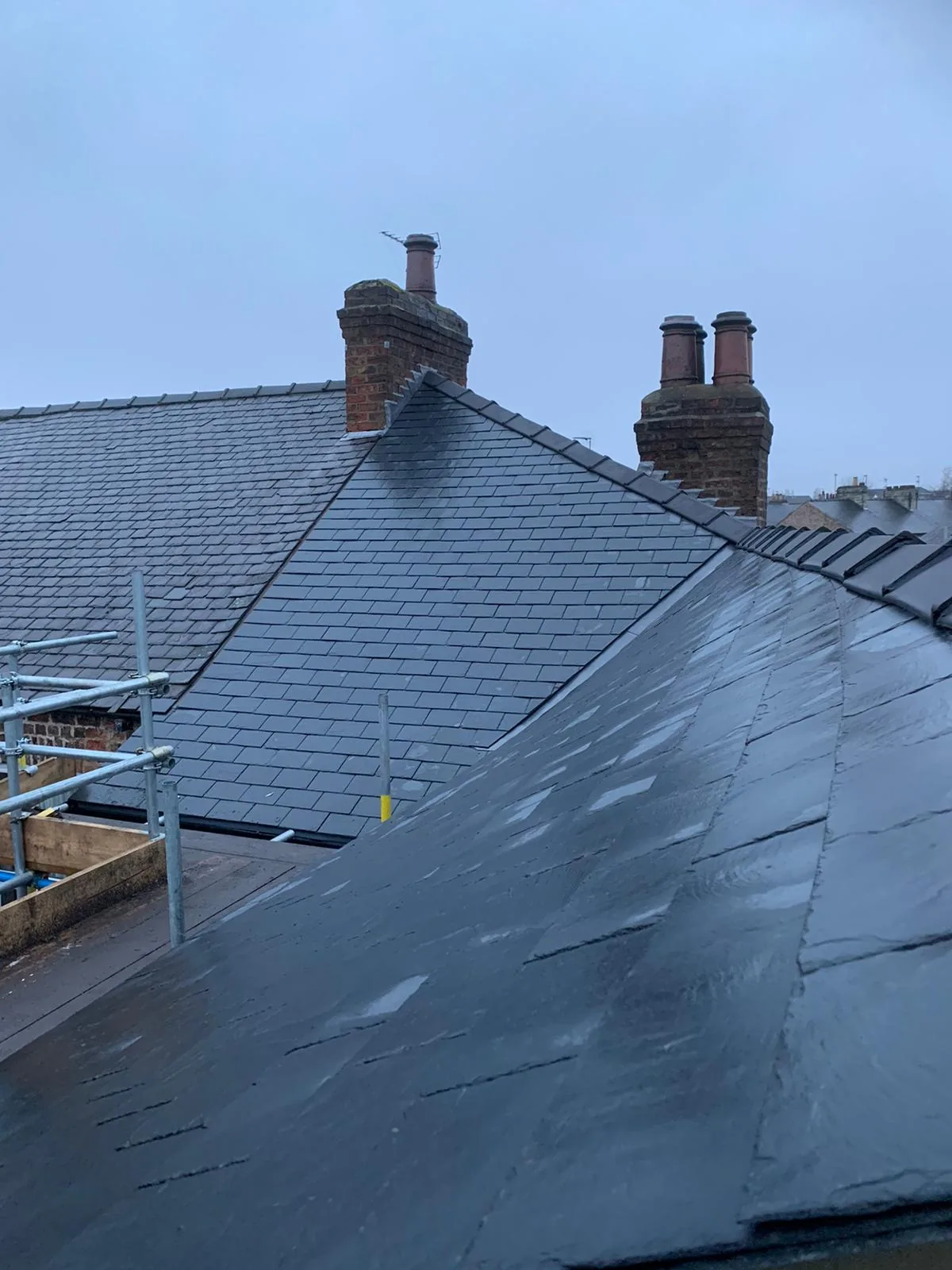
Signs Your Chimney Flashing Has Failed, Not Your Roof
A damp patch that lines up with one side of your chimney breast is rarely a coincidence. It usually points straight at the lead flashing rather than the tiles further up the slope.
Water travels a long way before it shows itself indoors, so a stain on a bedroom ceiling can trace back to a split soaker a metre above. Chesterfield's older stone chimneys, common around Brampton and Old Whittington, often show this pattern first in a loft space rather than a room below.
Watch for these warning signs before a small split becomes a bigger repair:
- Brown staining on a ceiling or wall directly below one side of the chimney
- Green or white streaks running down brickwork under the flashing line
- Daylight or a visible gap where lead meets the chimney stack in the loft
- Lead that has curled, cracked or lifted away from the brickwork
- Mortar joints crumbling where the flashing was once dressed into a chase
- A musty smell in the loft after heavy rain, even without a visible drip
If any of these match your home, get the flashing checked before the next spell of Chesterfield rain finds its way further into the roof timbers.
What Actually Stops Water at a Chimney: Soakers, Steps, Aprons and Back Gutters
A chimney is not sealed with one sheet of lead. It relies on four separate pieces working together, each one lapped over the next so water always runs downward and outward.
The front apron sits at the base of the chimney, on the downslope side, and carries water straight onto the tiles below. Step flashing runs up each side of the stack in short lengths, one piece per course of tiles or slates, each one tucked into a mortar chase in the brickwork.
Beneath every step piece sits a soaker, a smaller strip of lead that tucks under the tile above and over the tile below. Soakers do the quiet work of stopping water creeping sideways under the roof covering, and they fail more often than any other part of the detail because they flex with every tile that moves.
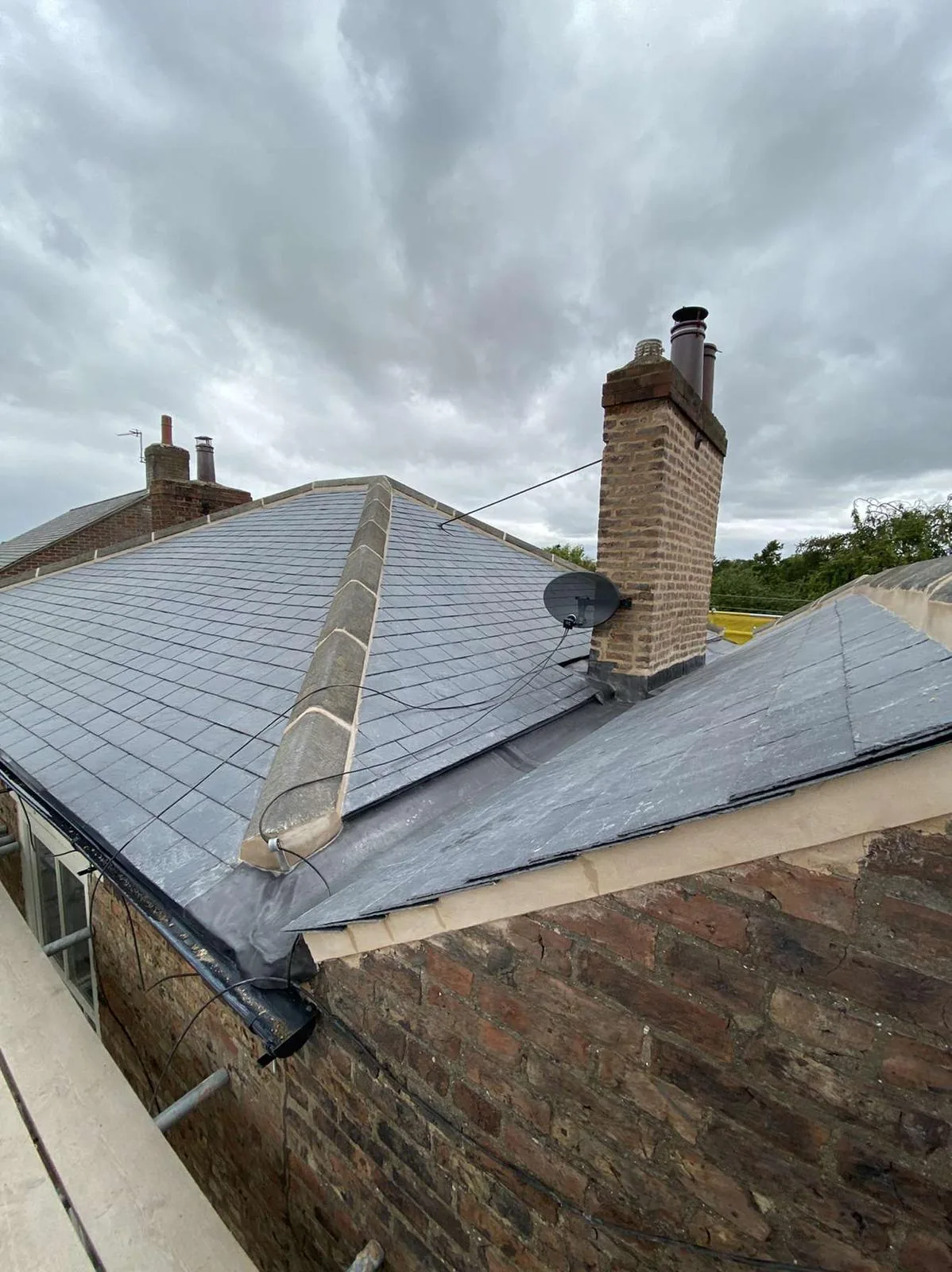
Behind the chimney, on the upslope side, sits the back gutter, sometimes called a saddle. This is the part most often skimped on during a cheap repair, yet it carries the largest volume of water on a wide stack. A poorly formed back gutter lets water pool rather than run away, and that standing water finds any weak point within a season or two.
Lead for chimney work is graded by thickness, known as its code. Code 4 lead is the standard choice for aprons and step flashing on most Chesterfield chimneys, while Code 5 is often specified for back gutters and wider stacks that carry more water. Full technical detailing for lead codes, laps and fixing centres is set out by the Lead Sheet Advisory Service, and we work to that same standard on every job.
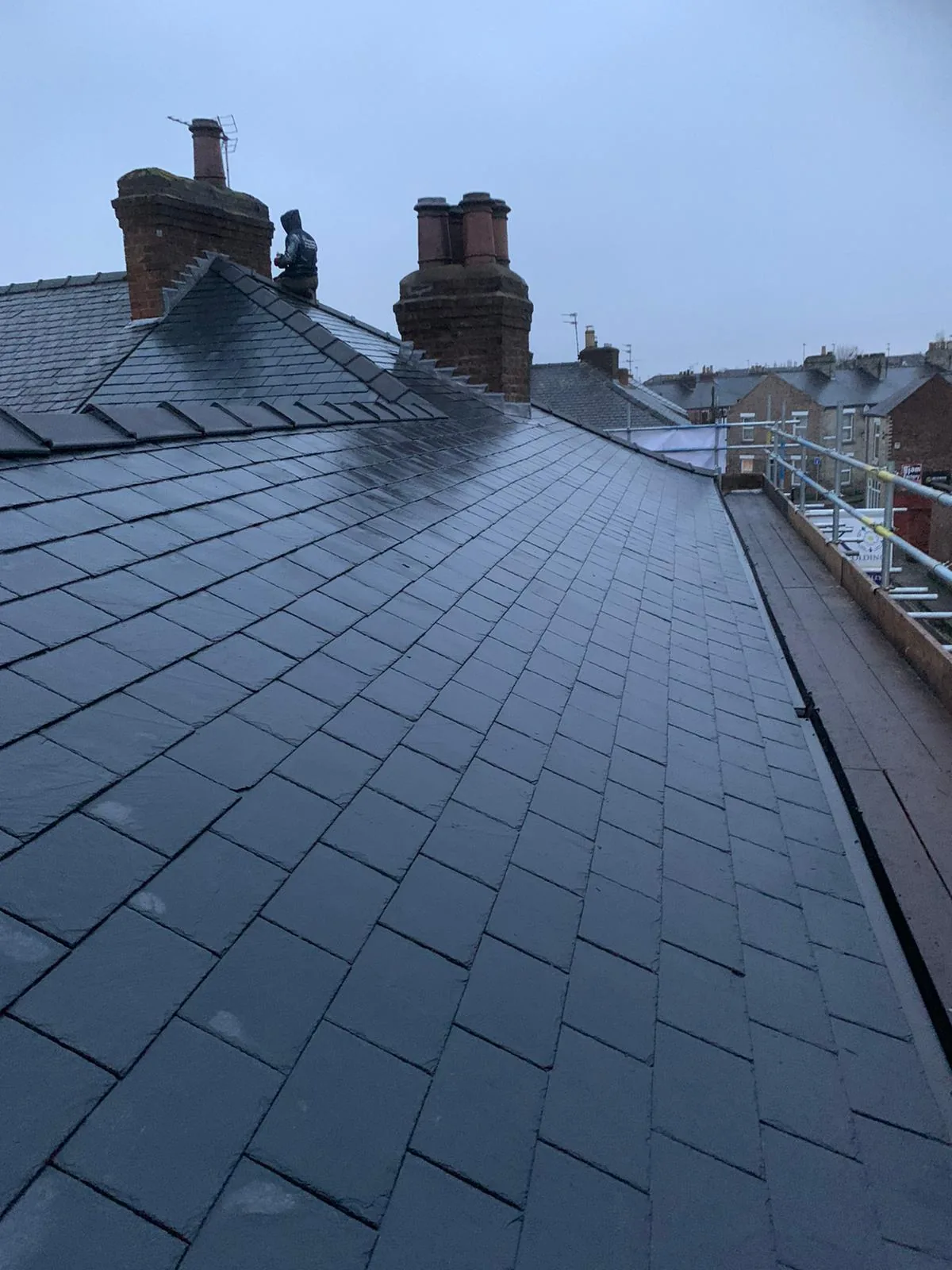
Why Chimney Flashing Fails Faster Than the Rest of Your Roof
Flashing sits at the hardest-working junction on the whole roof. It bridges two different materials, brick and tile, that expand and contract at different rates through every Chesterfield winter.
Frost is the main enemy. Water that gets behind a lifted lap freezes overnight, expands, and forces the lead further away from the brick. A few winters of this cycle turns a tight, tidy detail into a gap you could post a letter through.
Cement pointing is another common cause. Older repairs often used hard cement mortar to hold the lead in the chase instead of a lead-compatible pointing compound. Cement cracks as the lead moves with temperature, and once it cracks, water gets behind the flashing edge every time it rains.
Poor original workmanship shows up eventually too. Flashing dressed in without enough lap, or fixed with the wrong spacing of clips, tends to lift in strong wind rather than flex with it. Chimneys on exposed plots toward Ashgate and the higher ground around Holymoorside see this failure pattern more than sheltered town-centre streets.
Lead Flashing Cost Around a Chesterfield Chimney: What You'll Actually Pay
Small localised repairs, such as re-dressing a lifted section or re-pointing a chase, typically cost £150 to £350. A full re-flash of one side, including new soakers and step pieces, generally runs £350 to £700.
A complete strip-and-replace of all flashing around a standard single chimney, including a new apron, steps, soakers and back gutter, usually falls between £400 and £950. Wide or double stacks add 30-50% to that figure because there is more back gutter and more step length to form.
Access drives cost as much as the flashing itself. Ladder access suits most two-storey chimneys and keeps costs down. Taller stacks or steep roofs need scaffolding, which typically adds £150 to £300, though a full scaffold tower for a difficult roof can run higher.
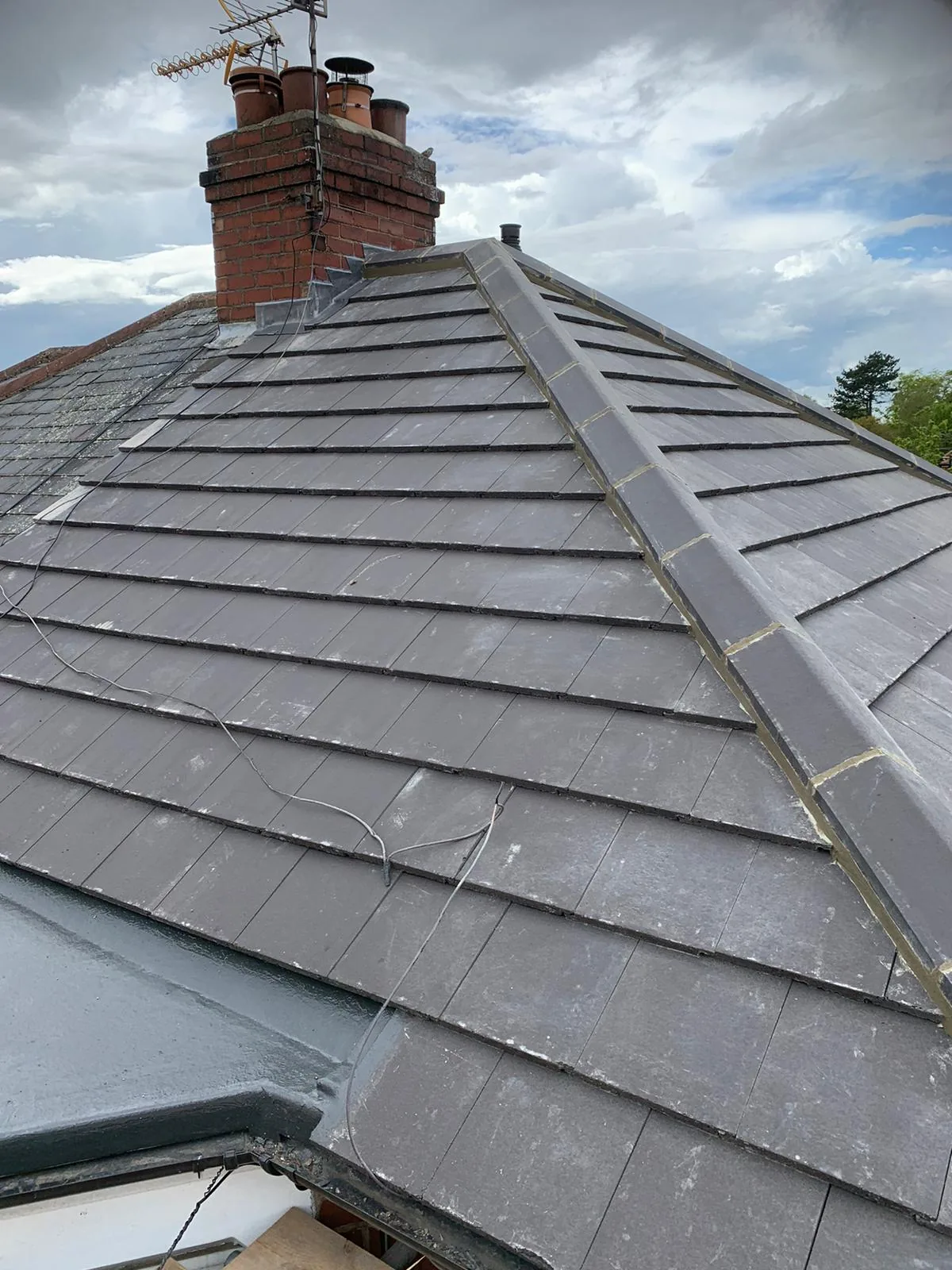
Cost falls when we catch a problem early, while it is still one lifted soaker rather than a whole side of failed lead. Cost rises when a leak has gone unnoticed for a season and timber or plaster repairs are needed alongside the flashing itself. A fixed price for your chimney flashing needs a survey, since two Chesterfield chimneys of the same size can need very different amounts of work.
Milled Lead vs Lead-Alternative Flashing: Which Suits Your Chimney
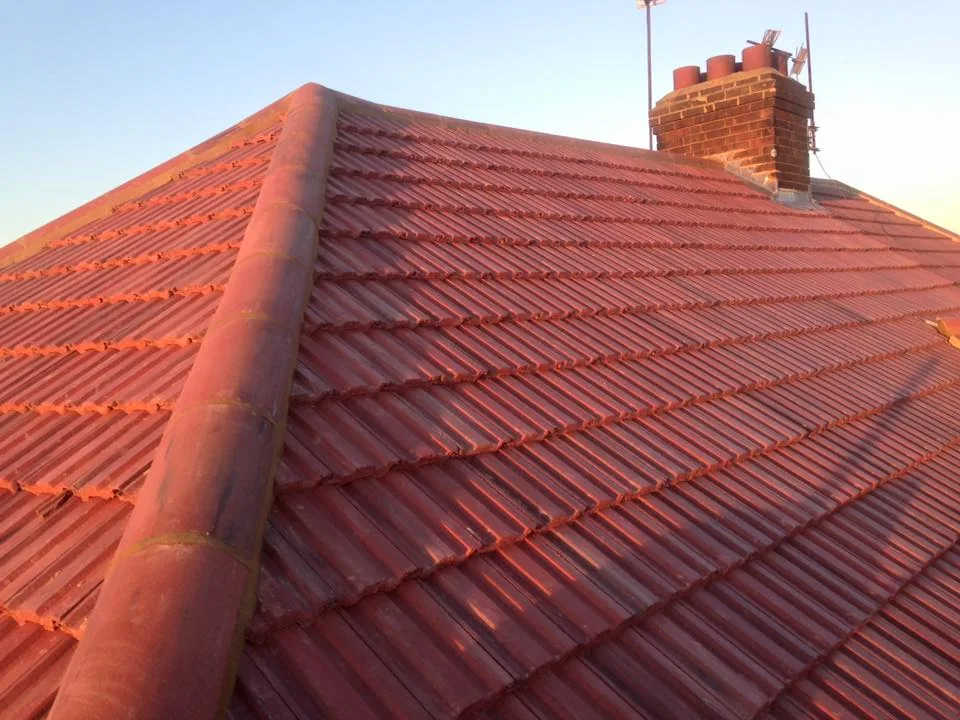
Traditional milled lead remains the standard for chimney flashing because it lasts longer than any other material and can be dressed tightly into brickwork. Lead-alternative systems have grown popular mainly because they carry no scrap value, which removes the risk of theft that has affected lead roofs across the country.
The table below sets out real cost, lifespan and best-use guidance for the two main options we fit on Chesterfield chimneys.
We will talk you through which option suits your chimney, your budget and your property type during your free drone survey. On a listed or conservation-area home near the Crooked Spire, building control will usually expect milled lead rather than an alternative product.
| System | Typical Cost (fitted) | Typical Lifespan | Best For |
|---|---|---|---|
| Traditional Milled Lead (Code 4/5) | £400-£950 per chimney | 80-100+ years | Period and listed properties, exposed sites, long-term value |
| Lead-Alternative Flashing (e.g. flexible/EPDM-based systems) | £250-£600 per chimney | 20-30 years | Budget repairs, theft-prone areas, non-listed homes |
How We Repair or Replace Chimney Flashing, Step by Step
James Tate, our founder and Managing Director, still prices most chimney flashing jobs himself. Lead detailing is his personal strength after 15 years working roofs across Derbyshire and the East Midlands, and he takes the same care on a small soaker repair as he does on a full re-flash.
Every job starts with a close inspection, either from a ladder or through our free drone survey, to check every side of the stack rather than just the visible face. We look at the apron, both sets of steps, the soakers beneath them, and the back gutter, since a failure on one side often means the rest is close behind.
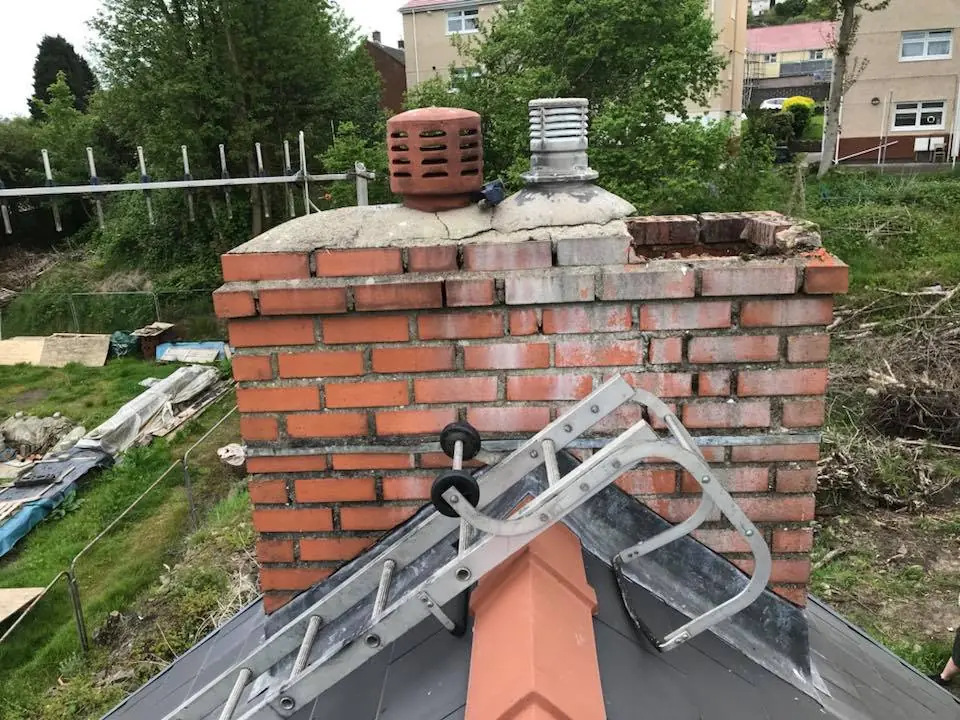
Old lead and cracked pointing come out first, and we cut a fresh chase into the mortar joint where the new flashing will sit. Chases are cut to the depth set out in Lead Sheet Advisory Service guidance, deep enough to hold the lead securely without weakening the brickwork around it.
New lead is cut, dressed and lapped by hand around the chimney, with each step piece tucked over the soaker below it. The back gutter is formed as one piece wherever the chimney width allows, since joints in a back gutter are the most likely place for a future leak to start.
Fixings and clips are spaced correctly to let the lead move with temperature rather than split, and the chase is finished with a lead-compatible pointing rather than hard cement. A straightforward re-flash on a single chimney usually takes one working day; wider stacks or full scaffold jobs can take two to three days.
Why Choose Tate & Sons Roofing for Your Chimney Lead Work
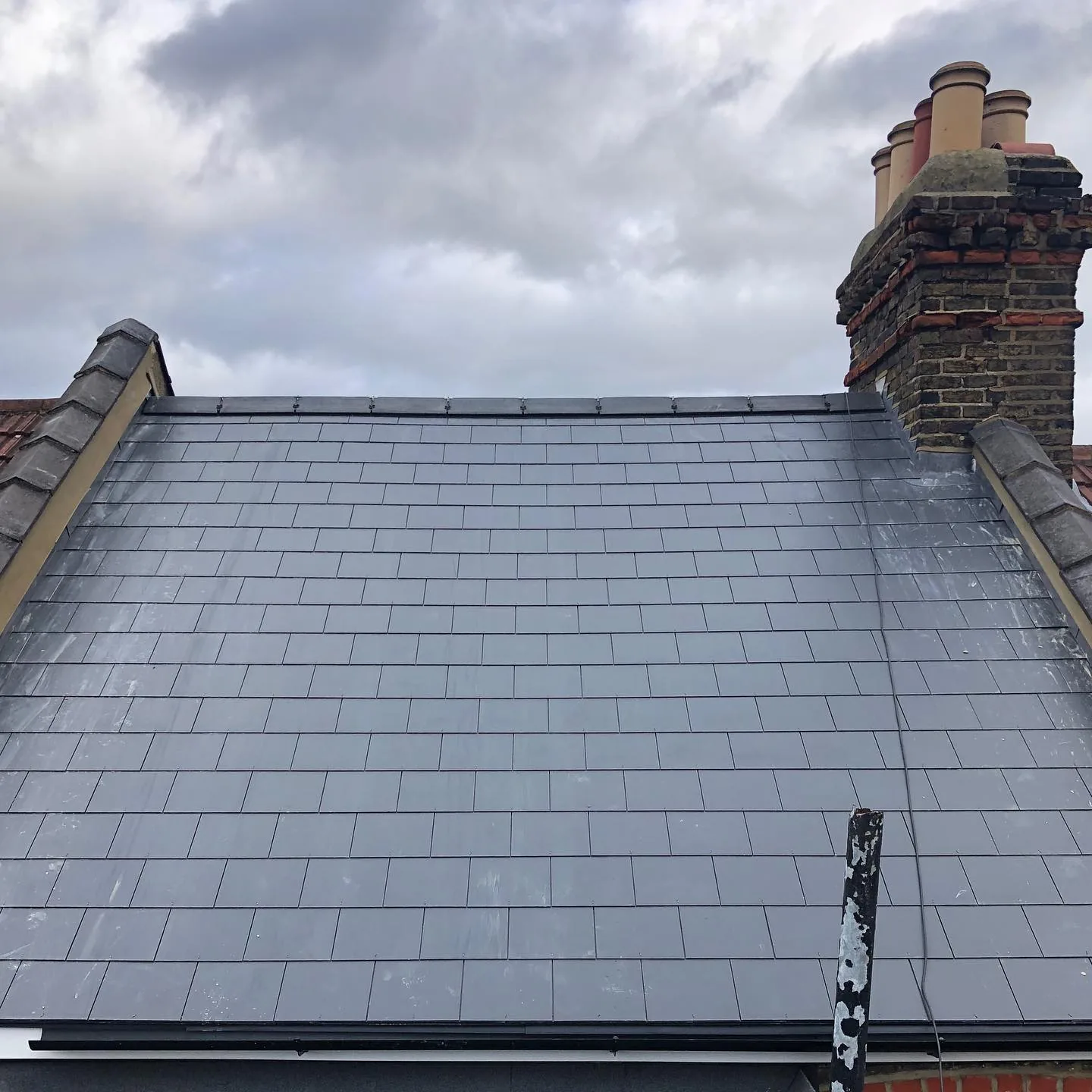
James Tate prices and often personally details the flashing work on our chimney jobs, drawing on lead detailing he has practised since long before founding the business. He treats a Chesterfield chimney the same way whether it sits on a stone terrace or a modern estate home.
Daniel Oakland, our Project Manager and Lead Roofer, brings over 20 years in the trade and is equally strong on lead detailing alongside his work on EPDM, GRP and standing-seam systems. Between them, most chimney flashing jobs across Chesterfield get checked by one of the two people who know this detail best.
Our wider team holds NVQ Level 2/3 qualifications in Roofing Occupations, CSCS cards and NFRC trade membership, with over 40 years of combined experience between us. Read more about the people who will work on your chimney on our About page.
Every chimney flashing job comes with a 10-year workmanship guarantee and starts with a free, no-obligation drone roof survey, so you know exactly what needs doing before we start work at your Chesterfield home. If you also need work on the stack itself, our chimney stack repair team works alongside our flashing crews on the same visit.
Areas We Serve Around Chesterfield
We fit and repair chimney flashing across Chesterfield and the surrounding towns and villages listed below.
- Chesterfield (S40 / S41)
- Brampton (S40)
- Hasland (S41)
- Newbold (S41)
- Staveley (S43)
- Brimington (S43)
- Whittington Moor (S41)
- Old Whittington (S41)
- Wingerworth (S42)
- Clay Cross (S45)
- Dronfield (S18)
- Eckington (S21)
- Holymoorside (S42)
Got Questions?
Your Lead Flashing Around Chimneys Questions, Answered Properly
How do I know if my roof leak is coming from the chimney flashing?
A damp patch that lines up directly with one side of your chimney breast is the clearest sign. Check your loft after rain for staining on the timbers close to the stack, since this usually shows the leak before it reaches a ceiling below. Green or white streaks on brickwork under the flashing line are another strong clue. If you are not sure, a free drone survey gives us a close look at all four sides without anyone going up a ladder.
What is the difference between soakers and step flashing?
Step flashing is the visible lead dressed into the brickwork chasing up each side of the chimney, in short lengths that follow the roof pitch. Soakers sit underneath, tucked between each tile or slate, and stop water creeping sideways under the roof covering before it reaches the step piece. Both work together, and soakers usually need replacing at the same time as step flashing since they are fitted in the same stages of roofing work. Doing soakers on a separate visit later almost always costs more in labour.
What is a back gutter and why does mine keep leaking?
A back gutter, sometimes called a saddle, is the lead detail formed behind a chimney on the upslope side. It carries more water than any other part of the flashing because rain running down the roof slope hits the chimney and has to be diverted around it. A back gutter that is too shallow, poorly lapped, or formed in more than one joined piece is the most common cause of a repeat leak in this spot. We form back gutters as a single piece wherever the chimney width allows, which removes the weakest point in the detail.
How much does chimney flashing repair cost in Chesterfield?
Small repairs such as re-pointing a lifted section start around £150 to £350. A full re-flash of one side of the chimney, including new soakers, typically costs £350 to £700, and a complete replacement of all flashing on a standard chimney runs £400 to £950. Wide or double stacks add 30-50% to these figures. We only give a fixed price after a free drone survey of your actual chimney.
Should I repair the existing lead or replace it completely?
If the lead itself is sound and the problem is isolated to one lifted section or a cracked mortar chase, a targeted repair is often enough. Once lead has started to crack, thin or pull away from the brickwork in more than one place, full replacement usually works out better than repeated repairs. We check the condition of the whole detail before recommending either option, rather than assuming a full replacement is always needed.
Does my tradesperson need a specific qualification to fit lead flashing?
There is no single legal licence required to fit lead flashing in the UK, but proper training makes a real difference to how long the work lasts. Look for a roofer with genuine leadwork experience, working to Lead Sheet Advisory Service guidance on laps, codes and fixing centres. James Tate has practised lead detailing since before founding the business, and our team follows the same technical standards on every job. Ask to see examples of previous chimney flashing work before booking.
Is my lead flashing at risk of theft, and what can I do about it?
Lead theft has affected roofs across the UK because scrap lead has resale value, and chimney flashing on an accessible single-storey extension is a common target. If your property has been targeted before, or sits somewhere accessible from the ground, a lead-alternative flashing system removes the resale incentive entirely. We can also fit smaller, less visible lead sections with hidden fixings on repeat-risk properties. Talk to us during your survey if theft is a concern for your home.
Can condensation inside the chimney be mistaken for a flashing leak?
Yes, this catches out a fair number of homeowners. If a gas fire or boiler flue runs through an old chimney, moisture from combustion can condense on the cold inner walls and show up as damp staining near the stack. This pattern tends to appear regardless of rainfall, which is the giveaway compared with a genuine flashing leak. We check both possibilities during a survey rather than assuming every stain by a chimney is a lead fault.
Why do some chimneys near Ashgate and Holymoorside need heavier lead than others in town?
Properties on higher, more open ground toward Ashgate and the villages around Holymoorside take more direct wind and rain than sheltered streets closer to the town centre. On these exposed sites we often specify Code 5 lead for back gutters instead of Code 4, and use wider side laps to stop wind-driven rain forcing its way under a joint. We factor your chimney's actual exposure into the survey rather than fitting a standard specification everywhere.
Book Your Free Drone Chimney Flashing Survey Today
A split soaker or a lifted back gutter rarely stays small. Left through a few more Chesterfield winters, a minor flashing fault turns into rotten roof timber, damp plaster and a much bigger bill. Book your free, no-obligation drone roof survey today and get a clear, fixed price for putting the lead right around your chimney.
📍 3 Marsden Street, Chesterfield, S40 1JY
📞 01246 956550
Call the Chesterfield team today on 01246 956550, or request your free drone survey online. We’re already working across your area.
Get in Touch
Tate & Sons Roofing — Chesterfield
3 Marsden Street, Chesterfield, S40 1JY
📞 01246 956550
✉️ [email protected]