
🏠 Trusted Local Roofers
Chimney Removal Chesterfield
An old chimney stack that no longer earns its keep can cause more damage than it ever prevented. Spalling brick, a damp patch on a bedroom ceiling and a flue nobody has used in years are the usual reasons Chesterfield homeowners call us about chimney removal in Chesterfield. Tate & Sons Roofing carries out full and partial chimney removal as part of our wider chimney services across Chesterfield, from Victorian terraces near Old Whittington to detached homes on the edge of Ashgate.
This page explains when removal makes more sense than repair, what building regulations and party wall rules actually require, real cost ranges for each option, and what happens on site once work starts. You will also find direct answers to the questions Chesterfield homeowners ask us most before they book a survey.
- Fully Insured
- 10-Year Guarantee
- 5-Star Rated
Quick Free Estimate - No Obligation
We're not just roofers – we're your neighbours.
Fully Insured • Response within 15 mins
🔒 Your details are safe with us. No spam, ever.
Signs Your Chimney Should Come Down, Not Just Be Repaired
A chimney you no longer use still needs to earn its place on your roof. If the stack is doing nothing but shedding brick dust and letting water in, removal is often cheaper over time than another round of repairs.
Many Chesterfield homes, especially the Victorian terraces around Old Whittington and Ashgate, carry a stack that stopped serving an open fire decades ago. Left alone, these disused stacks weather badly and the damp they cause spreads into bedrooms below the roofline.
Watch for these warning signs before you book another repair:
- A stack that leans or has visibly moved away from vertical
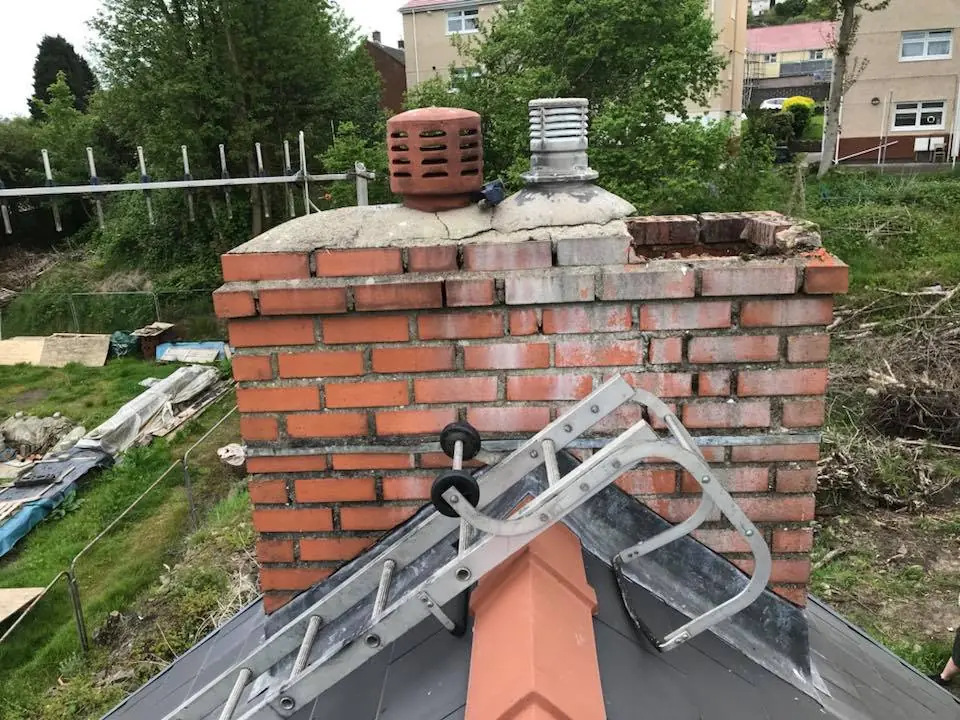
- Cracked, spalling or crumbling brickwork that repointing keeps failing to fix
- Damp staining on a chimney breast wall or ceiling below the loft
- A flue that has not been swept or used in years, with no plans to reconnect it
- Flashing that fails every year no matter how often it is patched
- A chimney breast that eats useful space in a small bedroom or landing
Sometimes the honest answer is repair rather than removal, particularly on period stacks with decorative pots worth keeping. Our chimney stack repair service in Chesterfield can rebuild a leaning or crumbling stack instead of taking it down, and we will tell you plainly which option suits your chimney during the survey.
Full Removal, Partial Removal or Repair: Choosing the Right Option
Not every job means stripping a chimney down to the foundations. Three real options exist, and the right one depends on how the stack is built, who owns the wall it sits on, and what you want the space for.
Full removal takes out the external stack and the internal chimney breast on every floor it passes through, right down to the footings. It reclaims the most space but needs proper structural support once the breast is gone.
Removal above the roofline takes the stack down to just below tile level, seals the flue, and closes the roof over. The chimney breast stays exactly where it is inside the house, so there is no internal disruption at all.
Repair and retain is the third path, and it suits stacks that are structurally sound but tired-looking. If your stack just needs repointing, a new pot or a lead repair, our chimney rebuilding service in Chesterfield can restore it rather than remove it, which matters on period homes around the town centre and in villages like Holymoorside where the street scene is protected.
The table below compares all three so you can see where your chimney is likely to land before you call us.
Brampton's older housing stock leans toward repair and retain more often than not, since many of those chimneys are still structurally fine underneath tired pointing. A free drone survey settles which category your chimney actually falls into.
| Option | Typical Cost | Structural Implications | Best For |
|---|---|---|---|
| Full Removal | £3,000-£6,800 (more for multi-storey breasts) | Structural, needs steel beam or gallows brackets and building regs sign-off | Homeowners reclaiming room space, unused stacks in poor condition |
| Removal Above Roofline | £800-£1,800 (up to £3,500 depending on access) | Minor, breast stays in place, usually no building regs application needed on its own | Redundant stacks that are damaged but the breast below is unwanted work |
| Repair and Retain | £300-£2,500 depending on scope | None structural, like-for-like repointing, capping or rebuilding | Sound stacks on period or listed properties, working fireplaces |
Chimney Removal Cost in Chesterfield: What You'll Actually Pay
Chimney removal above the roofline typically costs £800 to £1,800 in the UK, rising toward £3,500 where scaffolding and access are difficult. A full chimney removal, taking out the stack and the internal breast, usually runs £3,000 to £6,800, and multi-storey breasts removed floor by floor can push toward £10,000 once steel beams and full making good are included.
Price falls when the job is straightforward. A single-storey above-roofline removal on a detached bungalow with easy scaffold access sits at the lower end of the range. Cost also drops when you are only closing off a redundant flue rather than making good plastered walls and ceilings on two or three floors.
Several things push the price up. A shared stack on a party wall needs a party wall agreement before work starts, which adds time even if it does not add much to the build cost itself. Steel beam installation for a removed breast typically adds a few hundred pounds per beam, while gallows brackets cost less but are not accepted by every building control office, particularly on semi-detached and terraced homes common around Hasland and Brimington.
Listed buildings and homes in conservation areas, including some streets close to Chesterfield town centre, may need extra survey work and consultation before removal proceeds. A fixed price needs a survey, since no two Chesterfield chimneys sit on quite the same construction or ownership arrangement.
Permissions, Building Regulations and Party Walls: What the Law Requires
Removing a chimney breast or a full chimney stack counts as structural work and needs building regulations approval. Building control will want to see how the remaining structure is supported, usually by a steel beam or, in some cases, gallows brackets, before they sign the job off.
Taking down only the part of the stack above the roofline is treated differently. That work does not in itself usually need a building regulations application, since the part being removed is not carrying structural load in the same way, though the roof still needs to be closed up properly once the brickwork is gone.
Planning permission is rarely needed for chimney removal on an ordinary house. It becomes relevant if your home is listed, sits within a conservation area, or if the works affect a principal elevation that fronts a road, so it is always worth a quick check before you commit.
Shared stacks are common on the semi-detached and terraced housing around Old Whittington and Brampton, and these bring the Party Wall Act into play. If your chimney stack sits astride the boundary with next door, you will usually need to serve notice on your neighbour at least two months before work starts, even where full agreement is expected. The Party Wall etc. Act 1996 explanatory booklet sets out exactly what notice periods and agreements apply, and we talk you through what your specific chimney needs before any brick comes down.
Your Chimney Removal, Step by Step
James Tate, our founder, personally assesses the structural scope on most chimney removal jobs, particularly on period properties where the breast often ties into a spine wall or shares a flue with next door. Getting that judgement right before the scaffolding goes up avoids nasty surprises once work is underway.
Scaffold and internal protection go up first, sheeting floors and furniture below the chimney breast if it is coming out. Where a breast is being removed, a temporary support goes in before any permanent brickwork is touched, keeping the structure safe throughout.
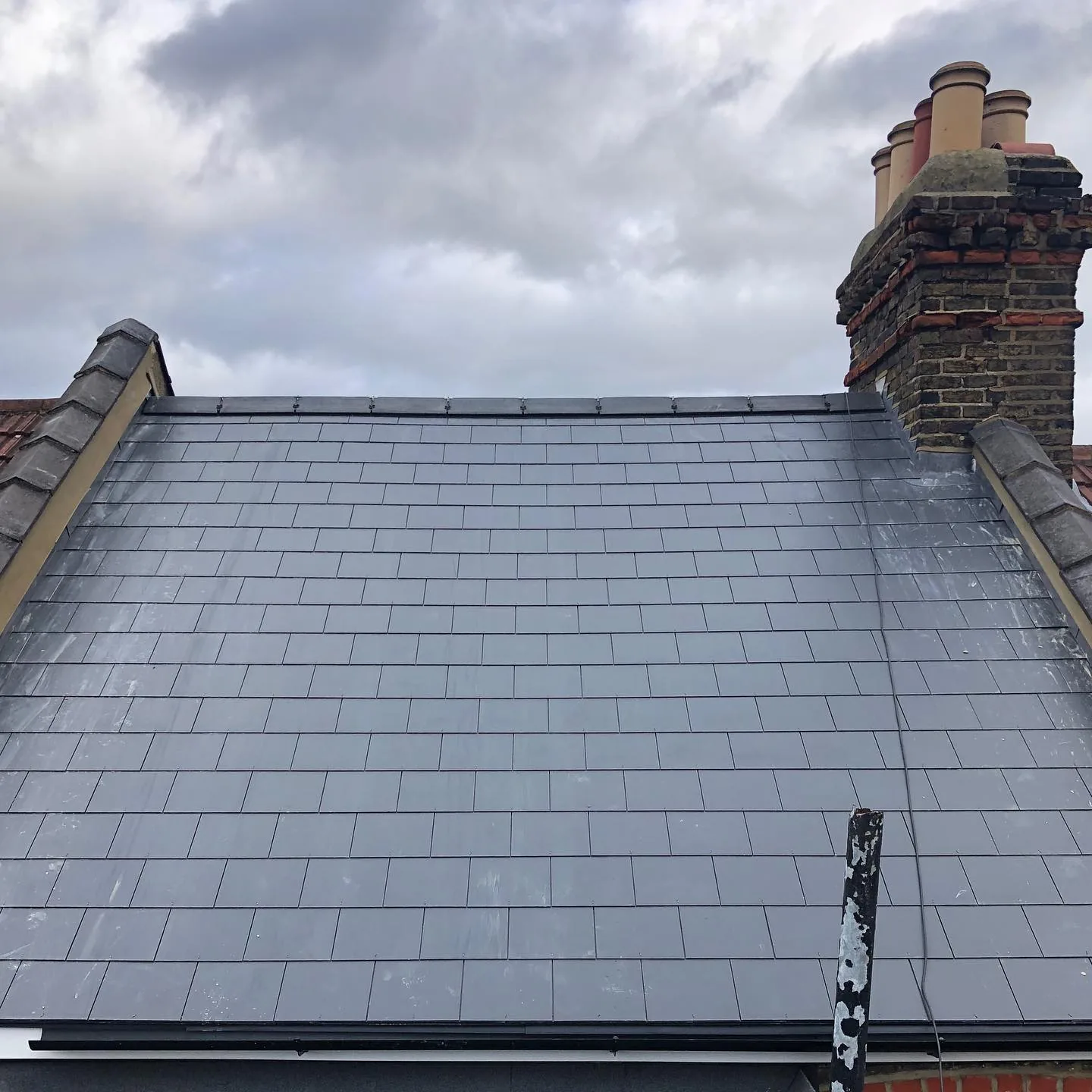
The stack comes down brick by brick from the top, either stopping at roofline for a partial removal or continuing down through each floor for a full removal. Daniel Oakland, our Project Manager and Lead Roofer, runs this stage on site day to day, with over 20 years of experience in structural roof work and heritage lead detailing.
Once the brickwork is out, the permanent steel beam or gallows brackets go in to support what remains, checked and signed off against the building regulations application before anything is covered over. The flue is capped or vented as required, and the roof is closed with new felt, battens and tiles to match the existing covering.
A straightforward above-roofline removal usually takes one to two days including roof closure. A full removal through two or three floors, with structural steel and making good to ceilings and walls, typically takes four to seven working days depending on access and how many floors the breast passes through.
Making Good Your Roof and Protecting the Result
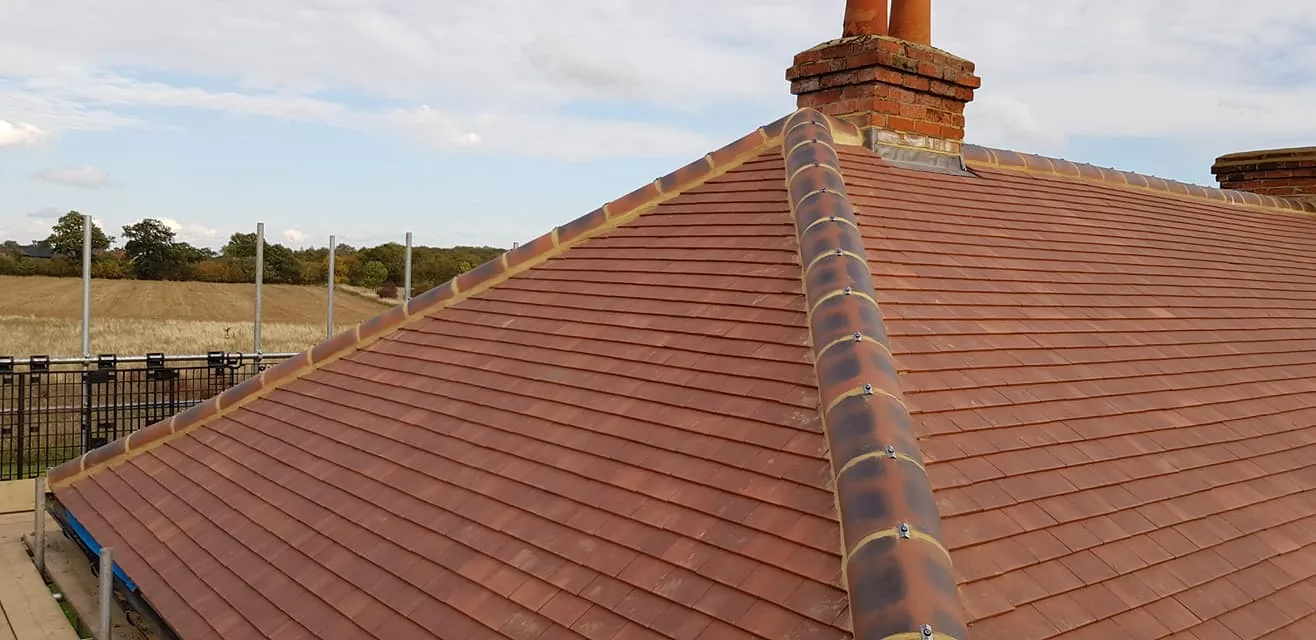
A hole in the roof where a stack used to be has to be closed to the same standard as the rest of the covering, not patched as an afterthought. Skimping on this step is the single most common reason a chimney removal leaks within its first winter.
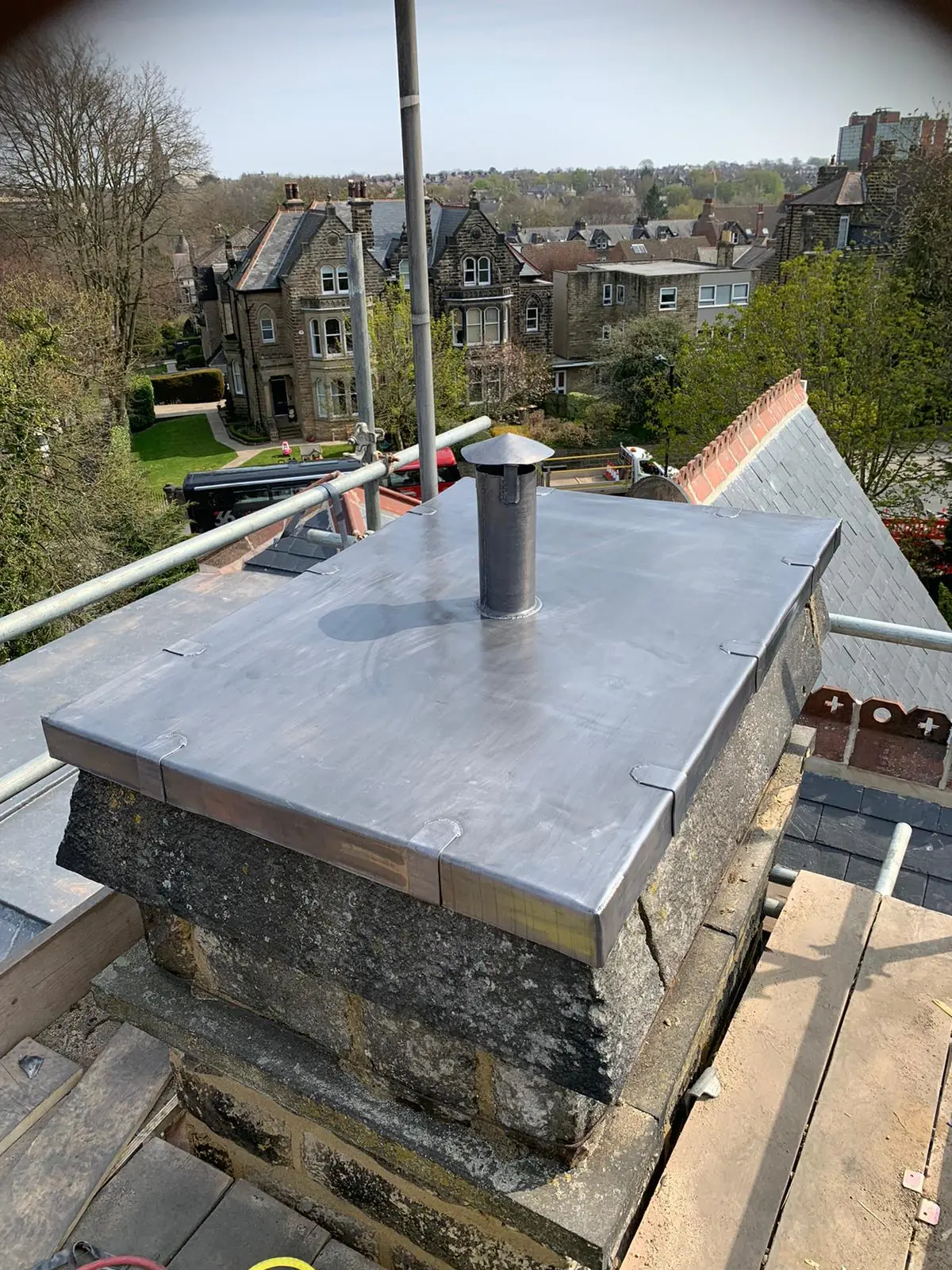
Where a stack is reduced but not fully removed, or where a neighbouring chimney remains standing, correctly detailed lead work keeps water out of the new roofline for decades. Our lead flashing service for chimneys in Chesterfield covers exactly this kind of detailing, on both new closures and existing chimneys nearby.
Inside the house, full breast removal leaves gaps in ceilings, walls and sometimes floors that need plastering and making good before you would want a decorator in. We coordinate this finishing work as part of the job, so you are not left chasing separate trades once the structural part is complete.
Every chimney removal we carry out comes with a 10-year workmanship guarantee covering the roof closure and any structural work involved. Keep gutters clear and have your roof checked after severe storms, and the new roofline will perform for years without the maintenance an old stack demanded.
Why Choose Tate & Sons Roofing for Your Chimney Removal
James Tate founded the business after 15 years working roofs across Derbyshire and the East Midlands, and chimney work on period properties is where he is happiest. He still prices most chimney removal jobs himself, because getting the structural read right at survey stage matters more here than on almost any other roofing job.
Daniel Oakland leads chimney removal work on site day to day, bringing over 20 years in the trade including heritage slate and lead detailing alongside modern structural techniques. Between them, James's judgement on what a Chesterfield chimney actually needs and Daniel's hands-on site management keep every job on schedule and properly supported.
Our wider team holds NVQ Level 2/3 qualifications in Roofing Occupations, CSCS cards and NFRC trade membership, with over 40 years of combined experience between us. Read more about the people who will remove your chimney on our About page.
Every chimney removal starts with a free, no-obligation drone roof survey, so you know the real scope and a fixed price before we touch a single brick on your Chesterfield home.
Areas We Serve Around Chesterfield
We carry out chimney removal across Chesterfield and the surrounding towns and villages listed below.
- Chesterfield (S40 / S41)
- Brampton (S40)
- Hasland (S41)
- Newbold (S41)
- Staveley (S43)
- Brimington (S43)
- Whittington Moor (S41)
- Old Whittington (S41)
- Wingerworth (S42)
- Clay Cross (S45)
- Dronfield (S18)
- Eckington (S21)
- Holymoorside (S42)
Got Questions?
Chimney Removal FAQs
How much does chimney removal cost in Chesterfield?
Removal above the roofline typically costs £800 to £1,800, while a full removal of the stack and internal breast usually runs £3,000 to £6,800. Multi-storey breast removals with structural steel can cost more once making good is included. Shared stacks needing a party wall agreement can add time, though not always cost. We only give a fixed price after a free drone survey of your actual chimney.
What's the difference between removing a chimney stack and removing a chimney breast?
The stack is the external brick structure above your roofline, while the breast is the internal structure running down through your rooms. Removing just the stack above the roof leaves the breast untouched inside the house, with far less disruption. Removing the breast as well means structural support is needed on every floor it passes through. Most homeowners start with the stack and decide on the breast separately once they see the survey.
Do I need planning permission to remove a chimney?
Most chimney removal does not need planning permission on an ordinary house. You are more likely to need permission if your home is listed or sits within a conservation area, including parts of Holymoorside and streets close to Chesterfield town centre. Building regulations approval is a separate matter and usually still applies to breast or full stack removal. We check both before quoting your job.
Do I need building regulations approval for chimney removal?
Yes, removing a chimney breast or a full stack is structural work and needs building regulations approval. Building control will want proof that whatever remains is properly supported, typically by a steel beam or gallows brackets. Removing only the stack above the roofline usually falls outside this requirement, since it is not carrying structural load. We handle the building regulations application as part of any full removal job.
Do I need a party wall agreement for a shared chimney stack?
Yes, if your chimney stack sits on a wall shared with next door, the Party Wall Act usually applies. You need to serve a written notice on your neighbour, generally at least two months before work starts, even where they are happy for the work to go ahead. This is common on the semi-detached and terraced homes around Old Whittington and Brampton. We can guide you through the notice process, though the legal responsibility to serve it sits with you as the building owner.
Can I remove just the stack above the roofline and leave the breast in place?
Yes, this is one of the most common jobs we do, and it is usually the cheaper and quicker option. The stack is taken down to below tile level, the flue is capped, and the roof is closed over with matching materials. The chimney breast stays exactly where it is inside your home, so there is no plastering or structural steel needed. Many homeowners choose this route for a stack that is damaged but where the room below still works well with the breast in place.
Does removing a chimney devalue a period Chesterfield house?
It depends on the property and the buyer. On a period home where original features and a working fireplace are expected, losing the chimney entirely can put off some buyers. On smaller terraces where floor space is at a premium, reclaiming the breast can add appeal instead. If you are unsure, removing just the stack above the roofline keeps the option to reinstate a fireplace later, which is worth discussing at survey stage.
What happens if bats or birds are nesting in the chimney before removal?
Bats and their roosts are protected by law in the UK, so a stack that shows signs of bat activity needs a proper check before any brickwork comes down. Nesting birds, including swifts, are also protected while a nest is in use, which can mean timing the job outside the breeding season. We look for droppings, feathers and capping signs during the survey and will flag anything that needs a specialist check before we quote a start date. This rarely delays a job by more than a few weeks once identified early.
Book Your Free Drone Survey Before That Old Stack Costs You More
An unused chimney stack does not sit still. Every winter of frost and rain works cracked brick a little looser, and a small damp patch below the roofline can turn into a rotten joist before you notice the cause. Book your free, no-obligation drone roof survey today and get a clear, fixed price for chimney removal in Chesterfield.
📍 3 Marsden Street, Chesterfield, S40 1JY
📞 01246 956550
Call the Chesterfield team today on 01246 956550, or request your free drone survey online. We’re already working across your area.
Get in Touch
Tate & Sons Roofing — Chesterfield
3 Marsden Street, Chesterfield, S40 1JY
📞 01246 956550
✉️ [email protected]