
🏠 Trusted Local Roofers
Solar Panel Roof Preparation Nottingham
Solar panels are only as good as the roof carrying them. Too many Nottingham installs go straight onto tired felt, cracked battens, or a roof with a handful of years left, so the panels end up coming straight back off for a re-roof. As a roofing contractor working across the city, we check, repair, and strengthen roofs before your solar installer ever turns up, so the panels only go on once.
- Fully Insured
- 10-Year Guarantee
- 5-Star Rated
Quick Free Estimate - No Obligation
We're not just roofers – we're your neighbours.
Fully Insured • Response within 15 mins
🔒 Your details are safe with us. No spam, ever.
What Does Solar Panel Roof Preparation Actually Involve?
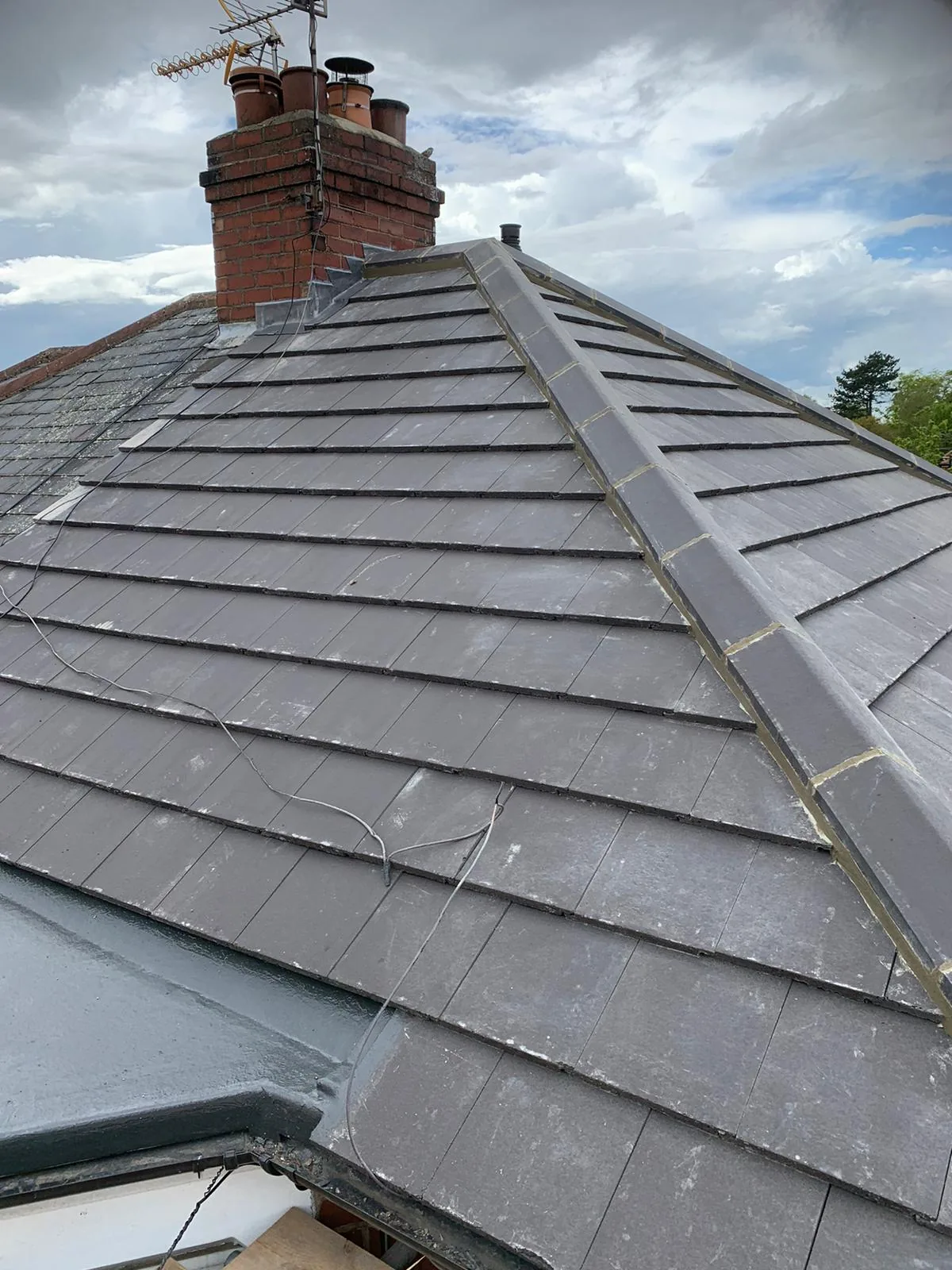
Solar panel roof preparation means checking your roof's structure, covering, and remaining lifespan before panels go on, then fixing anything that would fail once they're fitted. That covers a structural check of the rafters, a look at the felt and battens under the tiles, repairs to any cracked or slipped tiles, and renewal of flashings around chimneys or valleys. Where the roof covering is close to the end of its life, we recommend a partial or full re-roof first rather than fitting panels onto a roof that will need stripping again within a few years. Getting this right avoids the cost of removing and refitting panels twice.

Is Your Roof Solar-Ready? What We Check First
Before anyone talks about panel layout or inverters, we look at whether your roof can actually take them. A solar array is a 25-year-plus commitment, so the roof underneath needs to outlast it.
- Remaining roof life — panels typically last 25 to 30 years, so a covering with under 10 to 15 years left usually needs attention first
- Structural strength — rafters and trusses need to carry the extra weight of racking and panels, roughly 18-22kg per panel plus mounting hardware
- Roof pitch and orientation — a pitch of 30-40° facing south, east, or west generally performs best, and it affects where panels and fixings sit
- Condition of the felt and battens under the tiles — old bitumen felt often crumbles once disturbed by installers walking the roof
- Existing leaks or damp in the loft — these need tracing and fixing before panels seal anything in from above
- Shading from chimneys, dormers, or overhanging trees, which affects both output and where fixings can go
Re-Roof Before Solar or Not? How to Decide
This is the question that saves people real money. Fitting panels onto a roof that needs replacing within a few years means paying twice for scaffolding and twice for panel removal and refitting.
As a rough guide:
- If your roof covering has 15+ years of life left and no active leaks, prepping and fitting panels as-is is usually fine
- If it has 10-15 years left, a partial re-roof of just the panel area often makes sense
- If it has under 10 years left, or shows widespread slipped tiles, cracked battens, or damp patches, a full re-roof before solar is the better spend
- If you're already planning a re-roof for other reasons, doing it before solar means one lot of scaffolding instead of two
Removing and refitting an existing array to allow a later re-roof typically costs £1,000-£2,900, on top of a fresh set of scaffolding. Sorting the roof first, while the panels are still in a box, is nearly always cheaper.
What Happens Before We Touch Your Roof
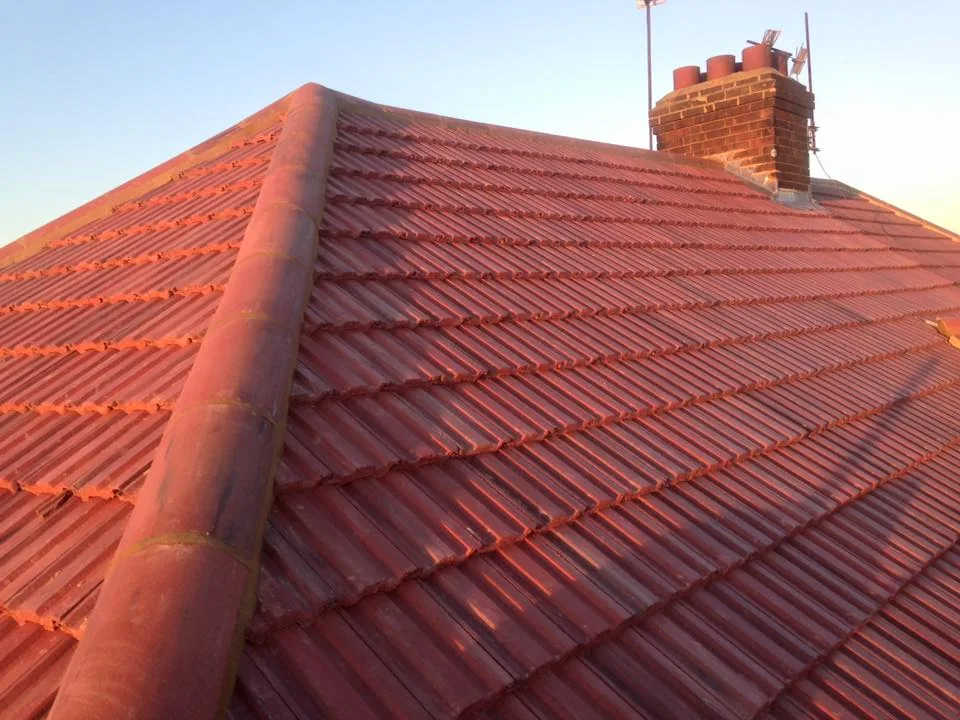
Every solar prep job starts with a proper look, not a guess from the pavement.
- We carry out a free drone survey of the whole roof surface, structure, and flashings — no ladders needed
- You get clear photos showing the condition of the tiles, felt, and any weak spots
- We check the loft space for signs of damp, sagging timber, or undersized rafters
- We tell you honestly whether your roof needs spot repairs, a partial re-roof, or a full replacement before panels go on
- If you're in The Park, Lenton, or another conservation area, we flag anything that needs planning sign-off before work starts
- You get a firm quote and an agreed scope before any tool comes off the van, timed to suit your solar installer's schedule
How We Prepare a Nottingham Roof for Solar Panels
Preparation work varies from a morning of spot repairs to a full re-roof, depending on what the survey finds. Here's the typical sequence.
- Strip back any section of covering that's failing and replace rotten timber or damaged battens underneath
- Renew old bitumen felt with a modern breathable membrane, since brittle felt often tears once installers are walking the roof
- Repair or replace cracked, slipped, or missing tiles across the whole roof, not just the panel area
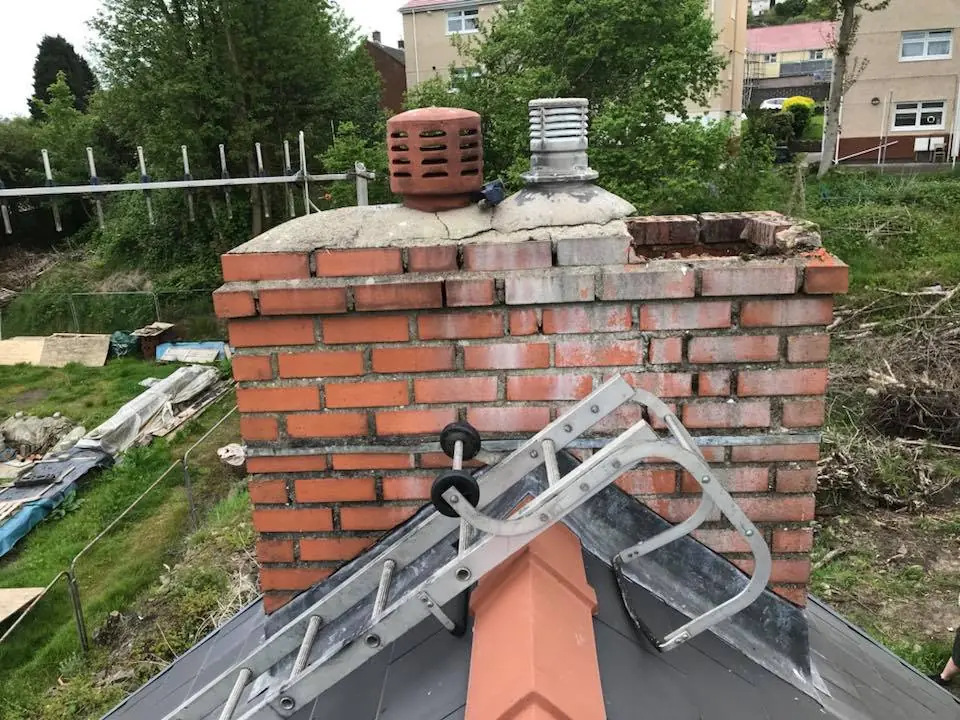
- Renew flashings around chimneys, valleys, and abutments so water can't track in once panels are fixed above
- Add extra fixing points or noggins where the structural check shows the rafters need more support for the racking
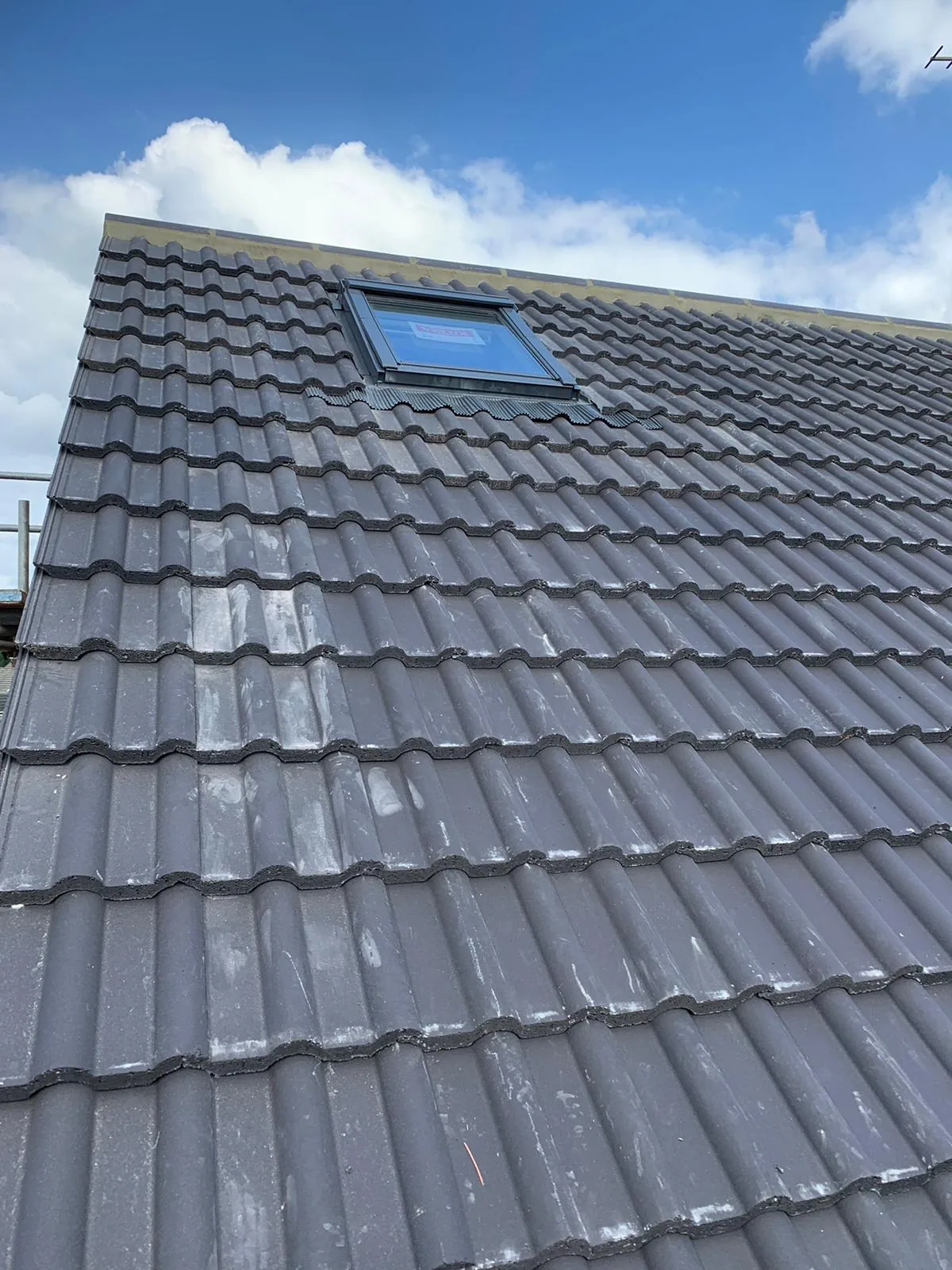
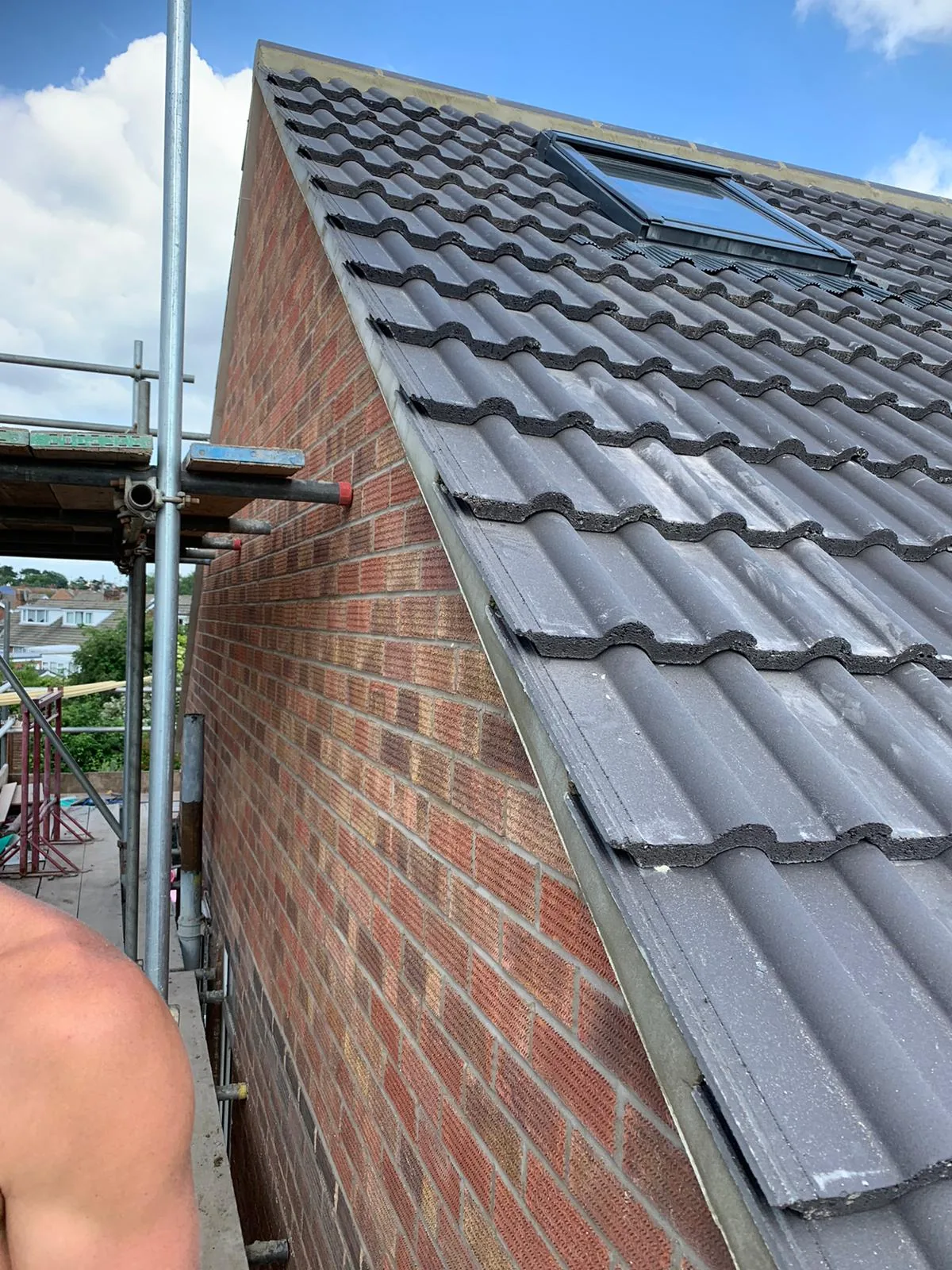
- If your ridge or verge tiles are still bedded in old mortar, we'll usually suggest upgrading to a dry ridge system or dry verge system at the same time, since the scaffolding is already up and mortar joints are exactly what shakes loose under installer foot traffic
Panel backing material matters too, and it's not just an efficiency question. Government-commissioned fire testing found that plastic-backed panels showed significantly more fire spread across a pitched roof than glass-backed panels, and that integrated (in-roof) systems were harder to extinguish because fire can spread behind a sealed waterproof layer. We factor this into how we detail flashings and fixings around an array, and you can read the government's fire spread research on solar panels and pitched roofs for the full findings.
How to Check Your Solar Prep Work Was Done Properly
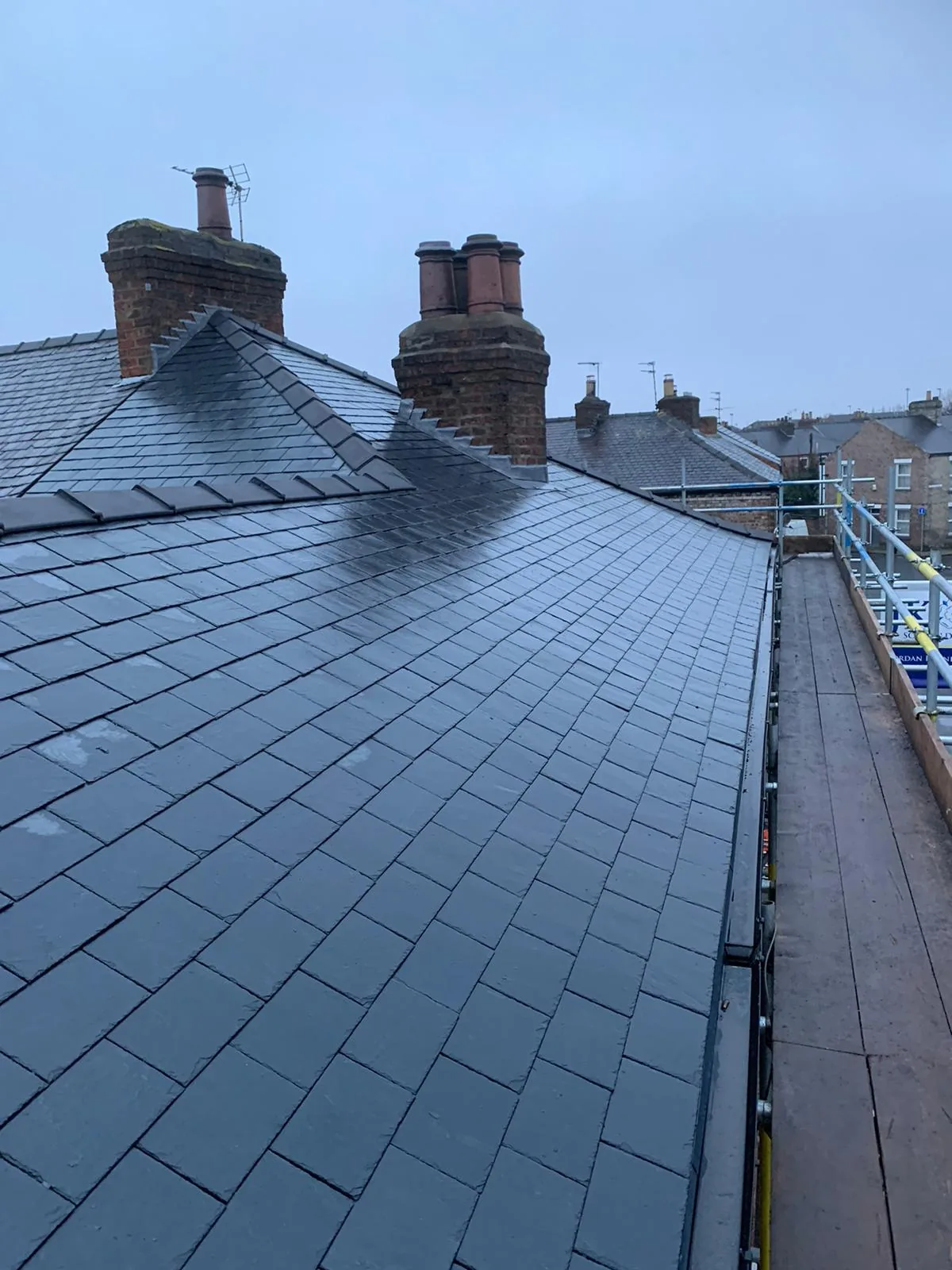
Once prep work is finished, whether by us or another contractor, a few checks tell you if it was done right before panels go on top and hide any problems for another 25 years.
- Ask to see photos of the felt, battens, and rafters taken before they were covered — proof the structure was sound underneath
- Check that repaired or replaced tiles match the surrounding roof, with no visible gaps or lifted edges
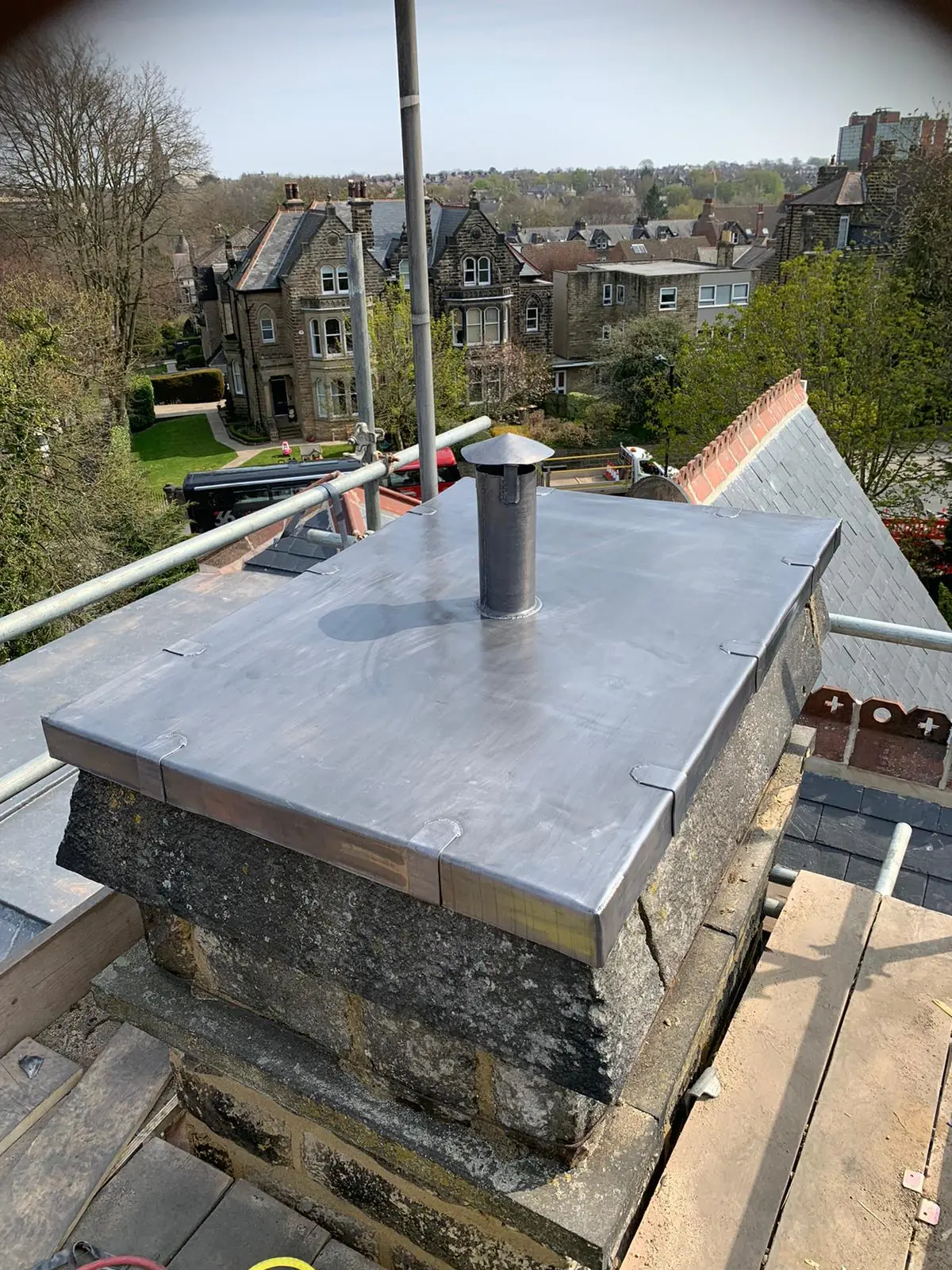
- New flashings around chimneys and valleys should be neatly dressed and fully bonded, not just tucked in place
- You should get written confirmation of any strengthening work carried out, in case your solar installer or building control asks for it
- Ask whether Building Regulations notification was needed for the roofing work, separate from any notification your solar installer handles
- We back every re-roof and repair with a 10-year workmanship guarantee, in writing, before the panels ever go on
Keeping a Solar-Ready Roof in Good Shape
Once panels are fitted, a roof gets harder to inspect and maintain, so it pays to stay ahead of small problems.
- Book an annual drone check of the roof and array — it spots slipped tiles or damaged flashings without anyone climbing near live cables
- Clear gutters and valleys twice a year, since panels shed extra rainwater run-off into fewer channels
- Watch for staining on ceilings below the array — leaks under panels often show up as a slow, hard-to-place damp patch
- Keep overhanging branches trimmed back so debris doesn't build up under the panel edges
- Get any roof repair near the array booked with a roofer who'll coordinate safely around the electrical system, rather than working around it themselves
Cost & Pricing Guidance
Solar panel roof preparation pricing across the UK for 2025/26 typically runs like this:
- Structural survey: £200-£500
- Spot repairs (tiles, minor flashing, batten fixes): £150-£600
- Roof strengthening, where the structural check flags it: £500-£2,000
- Partial re-roof of the panel area: £1,500-£4,000, depending on size and access
- Full re-roof before installation: typically £4,000-£10,000+ for an average semi, depending on materials and roof size
- Removing and refitting an existing array around new roofing work: £1,000-£2,900
What pushes the price up or down: how much of the roof needs stripping, access and scaffolding, the condition of the timber underneath, and whether ridge or verge tiles need upgrading at the same time.
These are general ranges, not a quote. A fixed price needs a survey.
Comparison Table: Solar Roof Prep Options
| Option | What It Involves | Best For | Relative Cost |
|---|---|---|---|
| Spot repairs only | Fixing individual tiles, flashings, or minor felt damage | Roofs under 10 years old with isolated defects | £ (lowest) |
| Partial re-roof (panel area) | Stripping and renewing felt, battens, and tiles under the array footprint only | Roofs with 10-15 years left and a sound structure elsewhere | ££ |
| Full re-roof before solar | Complete strip and renewal of covering, felt, and battens across the whole roof | Roofs with under 10 years left, or widespread wear | £££ |
| On-roof (rack-mounted) prep | Rafter checks and extra fixing points for rail-mounted panels sitting above the tiles | Most retrofit installs, fastest and cheapest to prepare for | ££ |
| In-roof (integrated) prep | Removing tiles across the array area and fitting a flashing kit so panels sit flush with the roofline | New builds or homeowners prioritising appearance over cost | £££ (highest) |
Why Choose Tate & Sons for Your Solar Roof Prep
Solar prep work is led by James Tate, our Founder and Managing Director, who still prices most jobs himself. He built Tate & Sons on a simple idea: find out what's genuinely wrong, use the right materials, and leave a roof that holds for years, not months. That matters more, not less, once panels are fixed on top and the roof underneath becomes far harder to reach. James has a particular feel for period and heritage properties around Wollaton Park and West Bridgford, where solar prep often means balancing structural work with conservation area requirements. Read more about the team on our About page.
Our roofers are directly employed, not subcontracted. They hold NVQ Level 2 and 3 qualifications in Roofing Occupations and carry CSCS cards. Every solar prep job comes with a free drone survey up front and a 10-year workmanship guarantee once the work is finished.
Solar Panel Roof Preparation Across Nottingham: Areas We Serve
We prepare roofs for solar installers right across Greater Nottingham and out into the wider county.
- Nottingham City Centre (NG1)
- The Park (NG1)
- West Bridgford (NG2)
- Sneinton (NG2)
- Wollaton (NG8)
- Lenton (NG7)
- Beeston (NG9)
- Chilwell (NG9)
- Stapleford (NG9)
- Arnold (NG5)
- Sherwood (NG5)
- Mapperley (NG3)
- Carlton (NG4)
- Gedling (NG4)
- Hucknall (NG15)
- Long Eaton (NG10)
- Mansfield (NG18)
- Sutton-in-Ashfield (NG17)
Got Questions?
Your Solar Panel Roof Preparation Questions, Answered Properly
Does my roof need any work done before solar panels go on?
Most roofs need at least a structural check and a look at the felt and battens before panels go on. Installers will fit racking straight onto an existing roof if it's sound, but a roof with cracked tiles, brittle old felt, or a sagging structure needs attention first. Skipping this step is how leaks end up hidden under a fixed array for years. A free survey tells you honestly whether you need nothing, spot repairs, or a re-roof.
How do I know if my roof can take the weight of solar panels?
A structural survey checks whether your rafters and trusses can carry the extra load of panels and racking, which typically adds 18-22kg per panel. Most standard UK roofs built to modern regulations cope fine with a domestic array. Older roofs, roofs with undersized timber, or roofs that have already had loft conversions sometimes need extra fixing points or strengthening. This is worth checking before you commit to a solar quote, not after installers arrive.
Should I re-roof before or after installing solar panels?
Re-roof before, if your covering has under 10-15 years of life left. Fitting panels first means paying to remove and refit them later, which typically costs £1,000-£2,900 on top of fresh scaffolding. If your roof is younger and in good condition, fitting panels as-is is usually fine. A survey looking at your specific roof's age and condition gives a clearer answer than a general rule.
What's the difference between in-roof and on-roof solar mounting?
On-roof mounting fixes racking and panels above your existing tiles, leaving them visible with a small air gap underneath. In-roof mounting removes a section of tiles and fits panels flush with the roofline using a sealed flashing kit, giving a neater look. On-roof is cheaper, faster to prepare for, and slightly more efficient because of the airflow underneath. In-roof costs more and takes longer to prepare, since it involves stripping tiles and fitting specialist flashing rather than just checking the structure.
Do solar panels affect my roof warranty or insurance?
Fitting panels means making fixings through your roof covering, so a poorly prepared or poorly installed array can affect an existing roofing warranty. Keeping written records of any prep work, including photos and a workmanship guarantee, protects you if a claim ever comes up. Most home insurers want to know about a solar installation, and some ask for proof the roof structure was checked beforehand. Sorting the paperwork alongside the physical prep work avoids problems later.
Do I need planning permission for solar panels in Nottingham?
Most Nottingham homes can fit solar panels under permitted development rights, meaning no planning application is needed. Listed buildings and properties in conservation areas, including parts of The Park and Lenton, often need formal permission before panels or roofing changes go ahead. Flat roof installations can also trigger different rules depending on how visible the panels are from street level. We flag anything that needs sign-off during your survey, before any work is booked.
Can solar panels be fitted on an older slate or tile roof?
Yes, provided the structure and covering are sound, but older slate and clay tile roofs need a closer look before panels go on. Brittle or delaminating slate can crack under installer foot traffic, and old mortar-bedded ridges and verges often shake loose once scaffolding and racking work begins. We usually recommend renewing any weak tiles and upgrading loose ridge or verge detailing at the same time, since it's far cheaper while the scaffolding is already up than going back later.
Does panel type change how you prepare the roof?
Yes. Government-commissioned fire testing found that plastic-backed panels spread fire across a pitched roof more readily than glass-backed panels, and that integrated in-roof systems were harder to extinguish because fire can travel behind a sealed waterproof layer. This affects how we detail flashings, fixings, and any fire-break spacing around your array. It's worth raising with your solar installer at quote stage, since panel choice and roof detailing work together, not separately.
Book Your Free Drone Roof Survey Today
A free drone survey shows you exactly what condition your roof is in before any solar installer sets foot on it — no ladders, no pressure, just a clear picture from a local Nottingham team. Tired felt, cracked battens, or a covering near the end of its life won't improve while panels sit on top of it, and a hidden leak sealed in under a fixed array usually turns into a soaked deck and a far bigger bill by the time anyone notices. Book now, get an honest scope of work, and get your roof solar-ready before the installers arrive.
Get in Touch
Tate & Sons Roofing — Nottingham
57 Cyril Avenue, Nottingham, NG8 5BA
📞 0115 647 4455
✉️ [email protected]