
🏠 Trusted Local Roofers
Rubber Roof Repair Nottingham
A rubber roof rarely fails all at once. It starts as a lifted seam, a blister after a hot spell, or a damp patch spreading above a kitchen extension. This page covers what actually goes wrong with EPDM rubber roofs, what a proper repair costs, and how to spot one that lasts. As a roofing contractor working across the city, we trace every rubber roof problem back to its real cause before we touch a patch or a tube of adhesive.
- Fully Insured
- 10-Year Guarantee
- 5-Star Rated
Quick Free Estimate - No Obligation
We're not just roofers – we're your neighbours.
Fully Insured • Response within 15 mins
🔒 Your details are safe with us. No spam, ever.
Can Your Rubber Roof Be Repaired, or Is It Time to Replace It?
Most rubber roof problems can be repaired if the deck underneath is still sound. EPDM (ethylene propylene diene monomer, the synthetic rubber sheet most flat roofs use) is tough and easy to patch when the damage is isolated to a split, a lifted seam, or a puncture. Full replacement usually only makes sense once the membrane is widespread failing, the deck has rotted, or the roof is well past its 30-40 year expected life. A free survey settles it either way, and it costs you nothing to find out.
Signs a repair is the right call:
- A single tear, puncture, or lifted seam in an otherwise sound membrane
- The deck underneath still feels firm, with no soft or spongy spots
- The roof is under 20 years old and has been reasonably maintained
Signs you're looking at full replacement instead:
- Multiple failed seams or patches across different parts of the roof
- Widespread cracking, crazing, or a membrane that's gone stiff and brittle
- A sagging or spongy deck, usually meaning rotten timber underneath
- The roof is over 30 years old and nearing the end of its working life
If your roof needs wider attention beyond the rubber membrane itself, our roof repairs and restorations team handles everything from tiled pitches to flat roof decks in one visit.
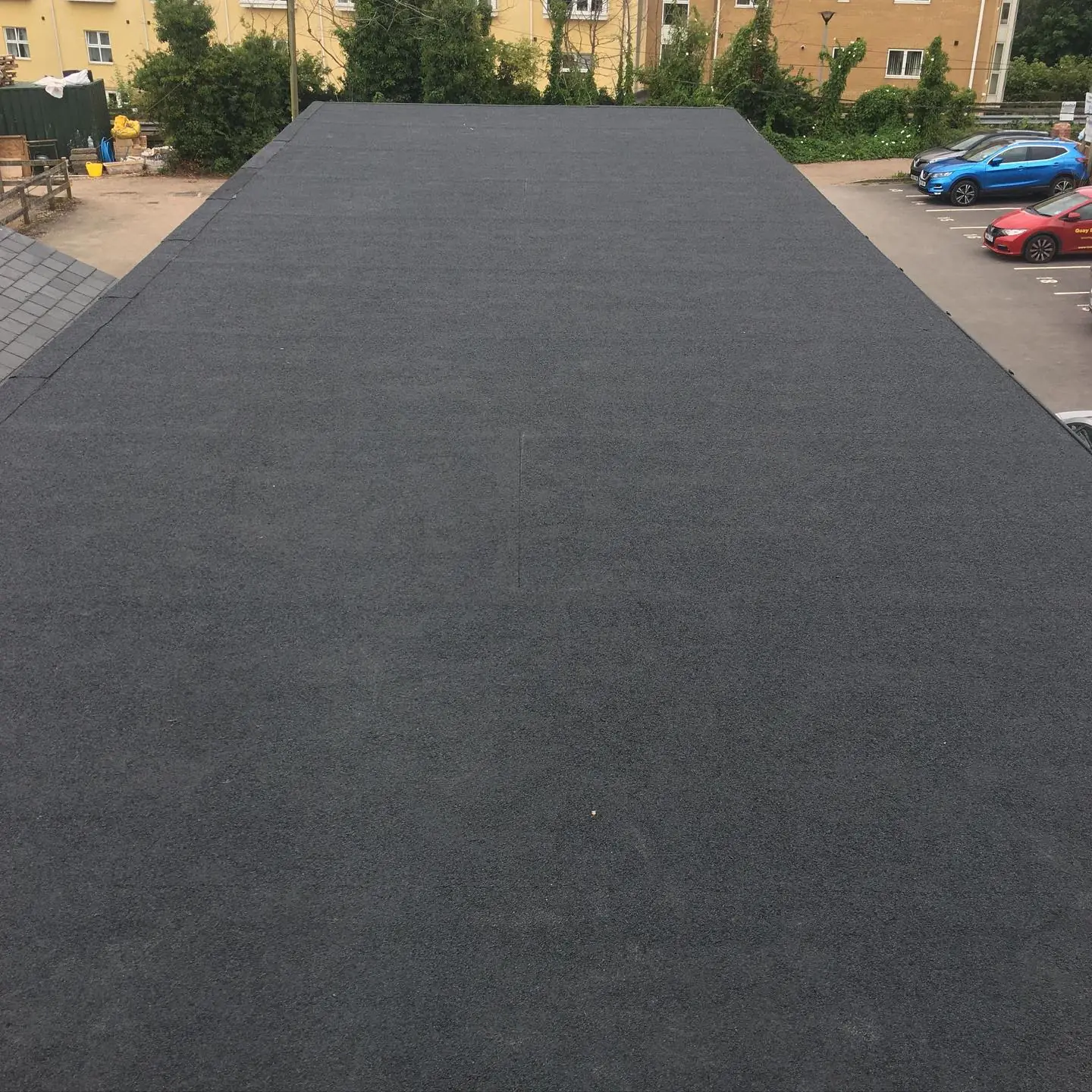
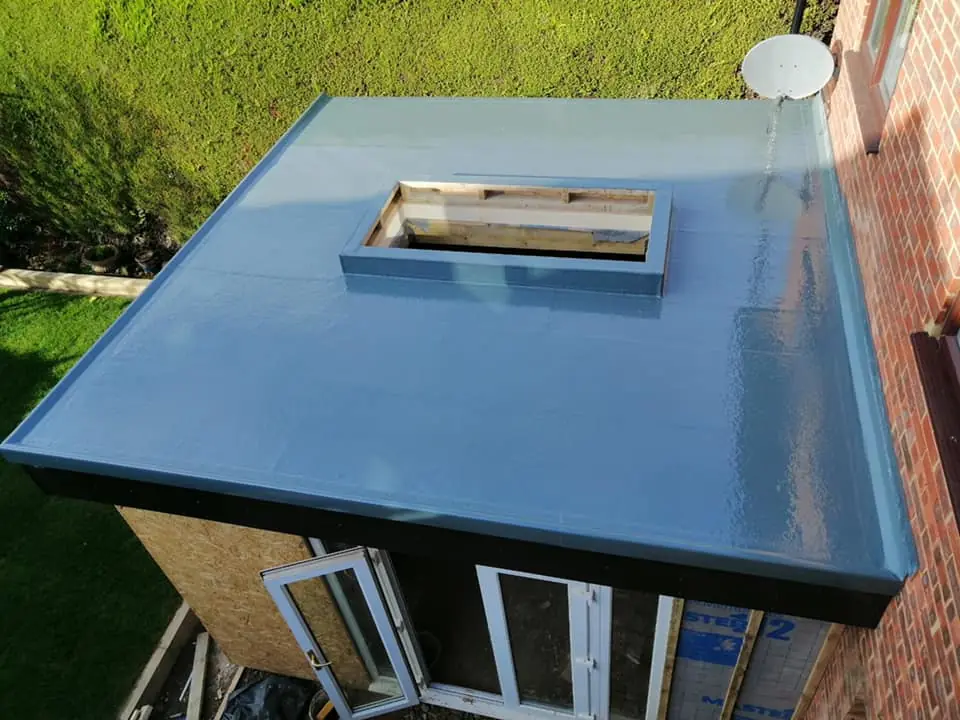
Why Rubber Roofs Actually Fail: Seams, Blisters and Splits Explained
Knowing what caused the damage stops you paying for the wrong fix. Here's what usually goes wrong on an EPDM roof, and why.
- Seam failure — the adhesive bonding two sheets or the membrane to a flashing loosens over time from UV exposure and temperature swings, letting the joint lift and water in. This is the single most common cause of a rubber roof leak.
- Blisters — trapped air or moisture under the sheet stretches the surface into a bubble, usually because the substrate was damp when the membrane went down or wasn't fully bonded at install.
- Punctures and tears — foot traffic, dropped tools, or falling branches cut or split the sheet, especially on roofs not designed for regular walking.
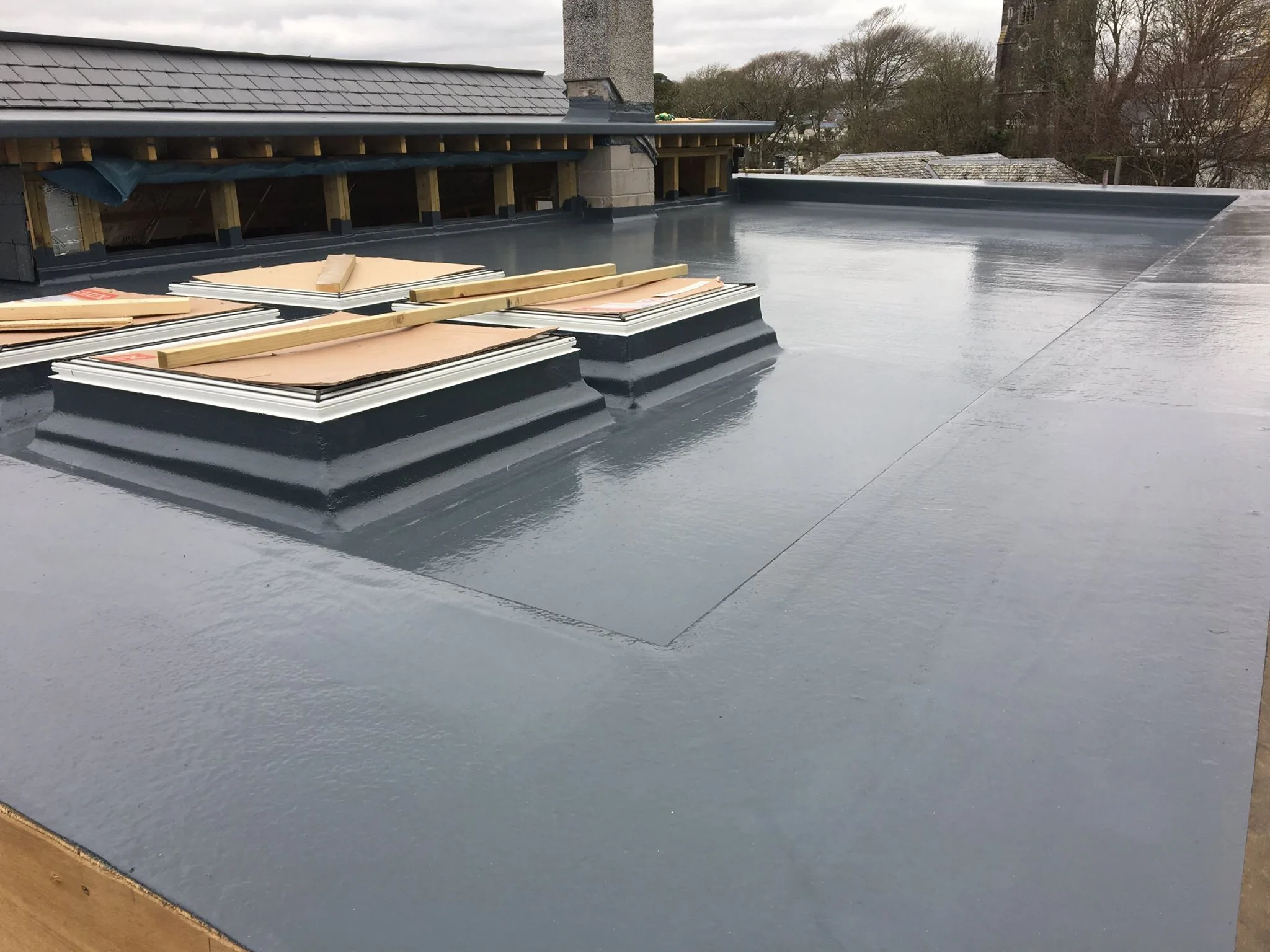
- Flashing and upstand failure — the abutment, the point where the flat membrane turns up against a wall, chimney, or parapet, is where movement and poor detailing show up first. Getting this junction right matters more than almost anything else on the roof; the Single Ply Roofing Association's guidance on abutment flashings sets out why these details take real care to get watertight.
- Shrinkage — EPDM contracts slightly with age and repeated heat cycles. On a poorly detailed roof, that gradual shrinkage pulls seams and edge trims apart years after installation, which is why a roof that seemed fine can suddenly start leaking with no obvious new damage.
An active leak dripping into a room below isn't something to sit on. If water is already coming through, our emergency roof repair team can get out fast to stop the damage spreading while we plan the permanent fix.
What Happens at Your Free Rubber Roof Survey
Every repair starts with an honest look at the whole roof, not just the spot you've noticed.
- We carry out a free drone survey of the membrane, seams, and every flashing junction — no ladders needed
- You get clear photos showing exactly where the membrane has failed and why
- We check the deck underneath for damp or soft timber before quoting anything
- We tell you honestly whether a patch, a partial re-cover, or full replacement fits your roof
- If you're near The Park or Lenton, we flag anything needing conservation area sign-off before work starts
- You get a firm price and an agreed scope before any tool comes out of the van
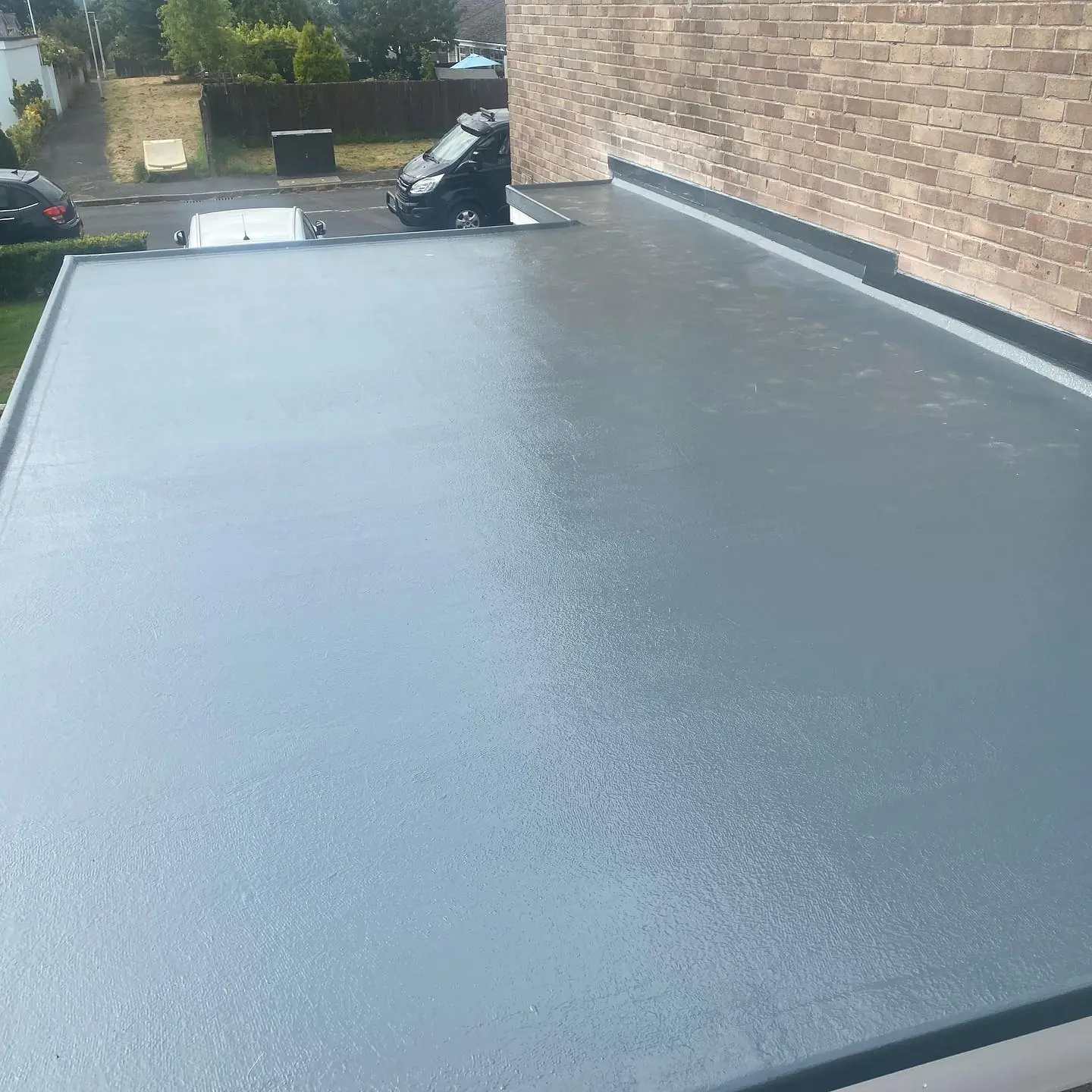
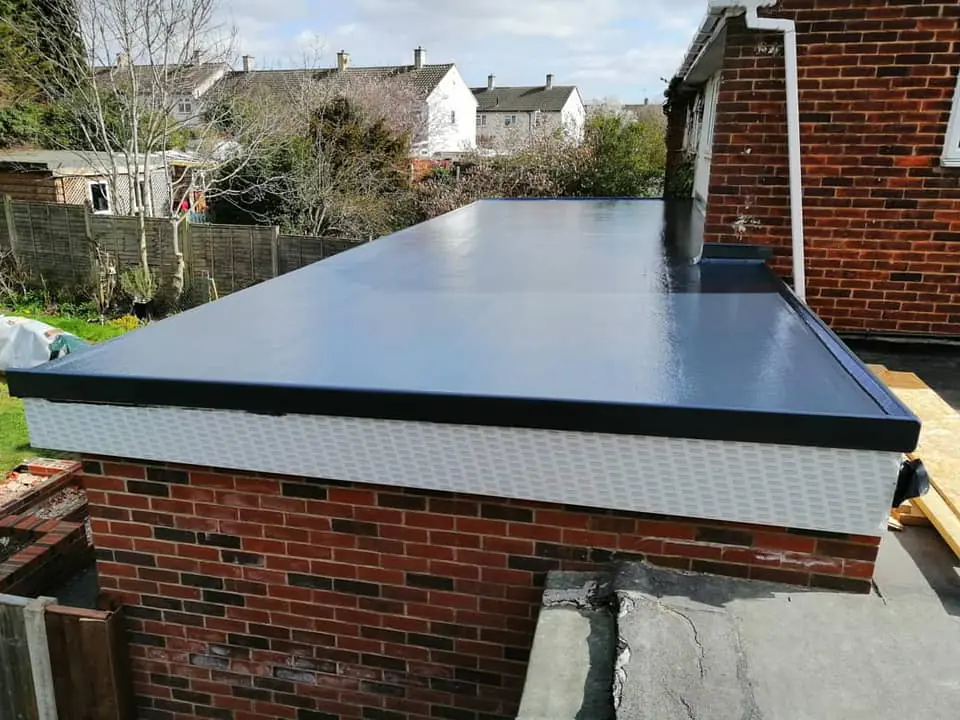
How We Repair a Rubber Roof That Actually Stays Fixed
Most rubber roof repairs that fail again within a year were rushed or skipped a step. Here's how we do it properly.
- Clean and dry the damaged area fully — EPDM adhesives won't bond properly to a dirty or damp surface
- Cut back any brittle, blistered, or delaminated membrane rather than patching over it
- Apply a compatible primer, matched to the existing membrane, before any new material goes on
- Bond an EPDM patch or seam tape over the repair with full, even adhesive coverage — a thin patch is where the next leak starts
- Rework failed flashings and edge trims rather than just resealing over the top of a loose one
- Roll the repair firmly to remove trapped air, then check for full adhesion at every edge
A few things worth knowing before you decide who does the work:
- DIY patch kits handle small, straightforward punctures reasonably well, but seam and flashing repairs need proper surface preparation and the right primer to bond correctly — get this wrong and the patch lifts within months
- Cold, wet weather slows adhesive cure times and can stop a bond forming at all below a few degrees, so winter repairs need the right window and sometimes a temporary weatherproof cover first
- Most straightforward patch or seam repairs take half a day to a day, depending on access and how many failure points there are
How to Check Your Rubber Roof Repair Was Done Properly
Once the work is finished, a few checks tell you whether it will actually hold.
- The patch edges should be fully bonded and feathered flat, not lifting or curling at the corners
- There should be no visible air pockets, ripples, or soft spots across the repaired area
- New material should match the existing membrane in colour and thickness, not an obvious mismatched patch
- Ask to see before-and-after photos of the deck and the failed area — a reputable roofer takes these as standard
- You should get written confirmation of the materials used and how long the repair is guaranteed for
- We back every rubber roof repair with a 10-year workmanship guarantee, in writing, from day one
Stop Small Rubber Roof Problems Turning Into Big Repairs
A few minutes of checking twice a year catches most rubber roof problems while they're still cheap to fix.
- Clear leaves and debris from outlets and gutters twice a year, especially after autumn leaf-fall
- Check for standing water a couple of days after heavy rain — water still sitting there usually means a dip has formed
- Watch for new blisters or seam edges starting to lift, and get them looked at before they split
- Keep heavy foot traffic and dragged equipment off the membrane wherever you can
- Trim back overhanging branches that scuff the surface or drop debris
- Give the roof a quick look after any storm, so small damage gets caught before it becomes a bigger repair
Cost & Pricing Guidance
UK rubber roof repair pricing for 2025/26 typically runs like this:
- Small patch or split repair: £150-£350
- Seam re-bonding or reinforcement: £250-£600
- Flashing or edge trim rework: £250-£700
- Wet decking replacement under a damaged section: £450-£1,200
- Partial re-cover of a larger damaged area: £800-£2,500
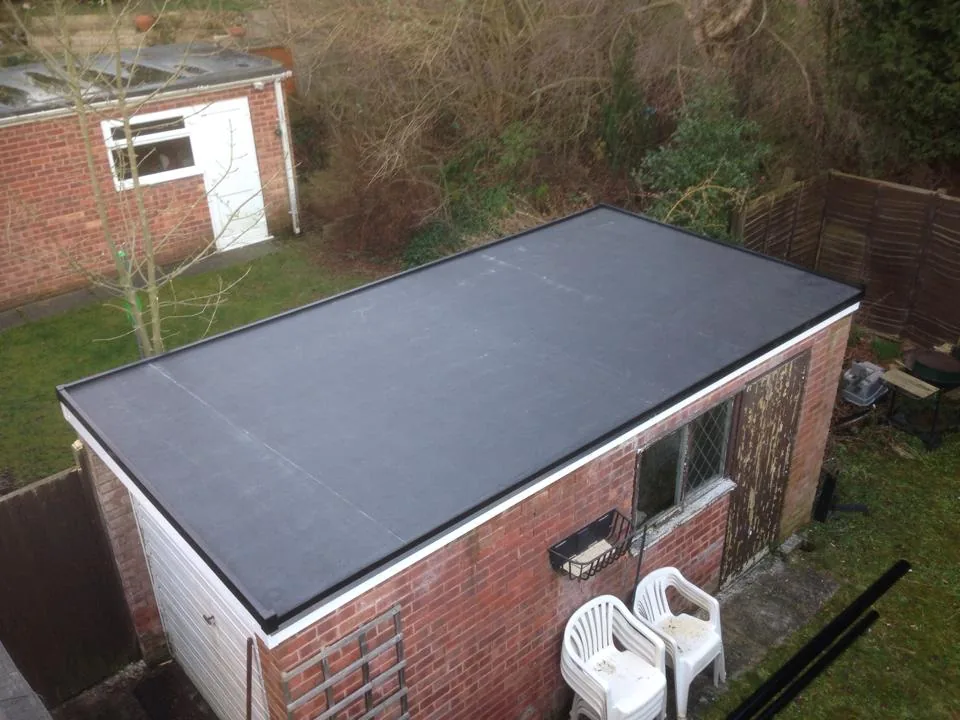
- Full EPDM replacement: £50-£80 per m², or roughly £1,200-£6,000 for a typical garage or extension roof
What pushes the price up or down: how many separate failure points there are, whether the deck underneath is wet or rotten, access (scaffolding versus a ladder), the age and condition of the existing membrane, and the time of year, since cold weather can add extra prep work to get a proper bond.
These are general ranges, not a quote. A fixed price needs a survey — and our drone survey is free, with no obligation.
Comparison Table: Rubber Roof Repair Options
| Repair Option | Best For | Typical Lifespan | Relative Cost |
|---|---|---|---|
| Lap sealant (temporary) | Emergency stop-gap on a small, active leak | Weeks to a few months | £ (lowest) |
| Patch repair | Isolated punctures, tears, or small splits | 10-15+ years if bonded properly | ££ |
| Seam re-bond / reinforcement | Lifted or failing seams and joints | 10-15+ years | ££ |
| Partial re-cover | A larger damaged section with a sound deck elsewhere | 20-30 years on the re-covered area | £££ |
| Full replacement | Widespread failure, rotten deck, or membrane past its working life | 30-40 years | £££ (highest) |
Why Choose Tate & Sons for Your Rubber Roof Repair
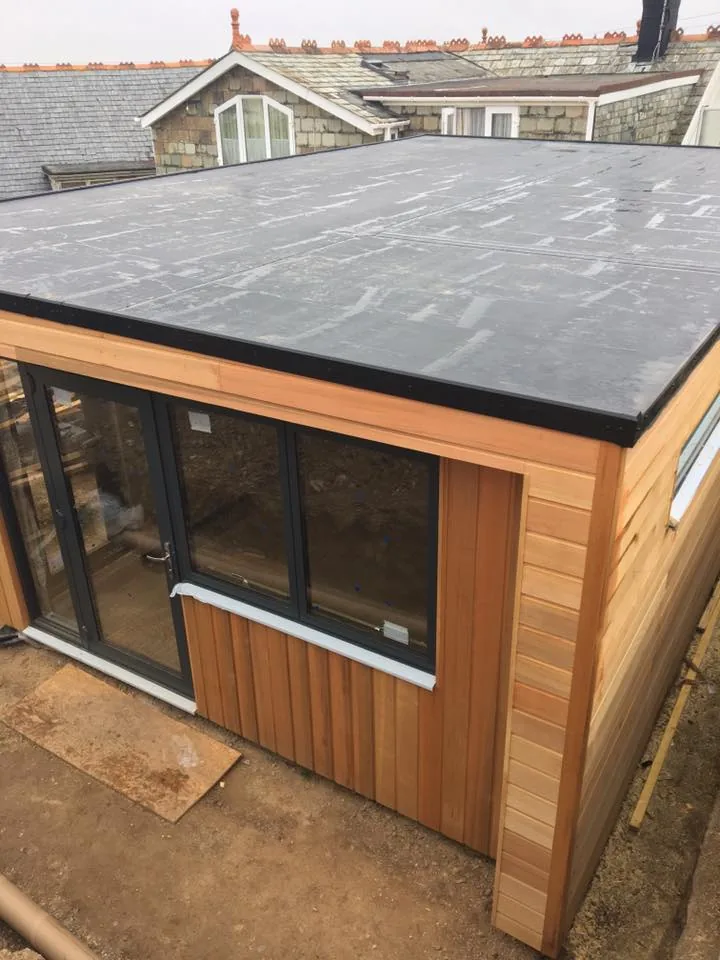
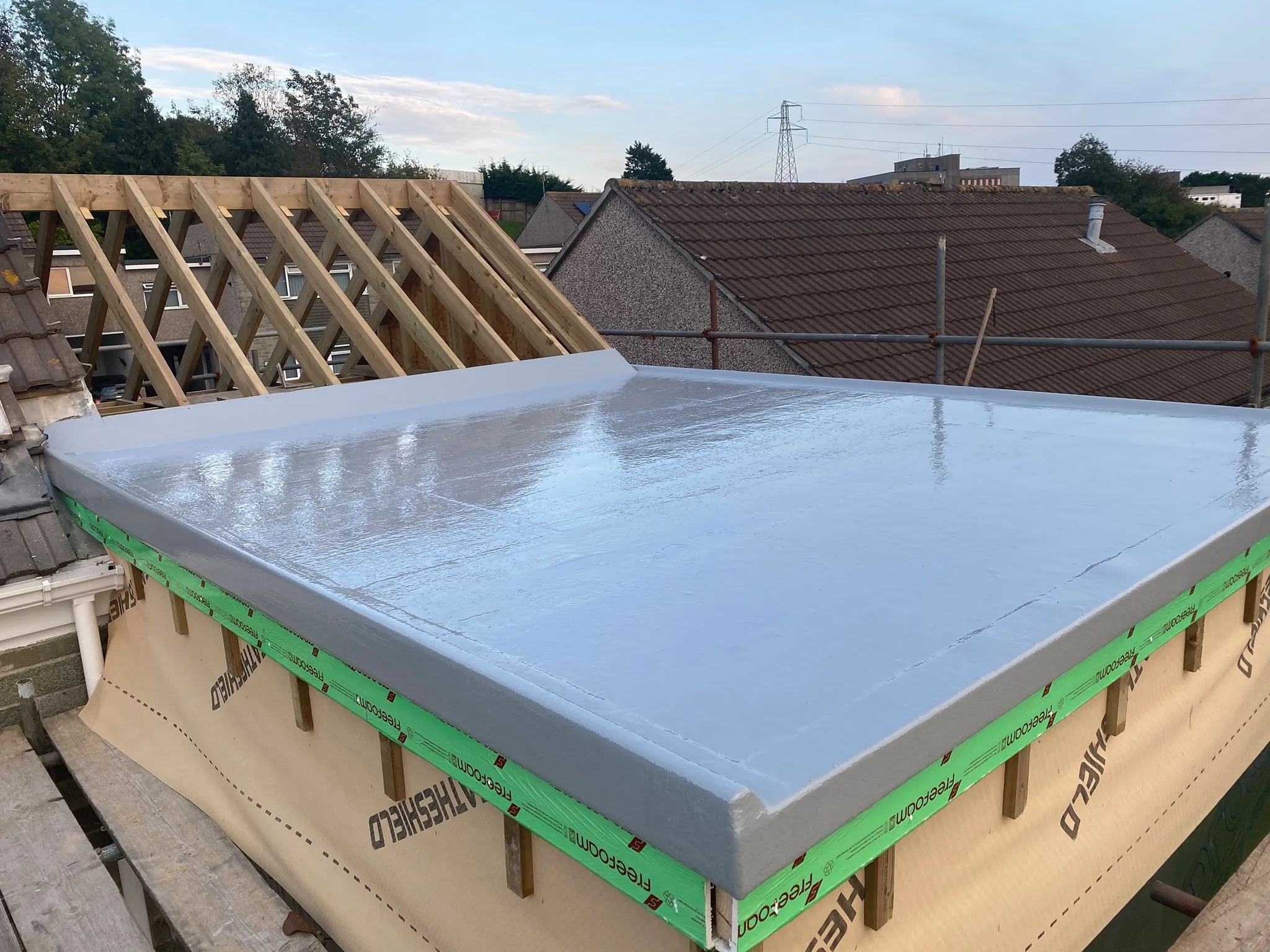
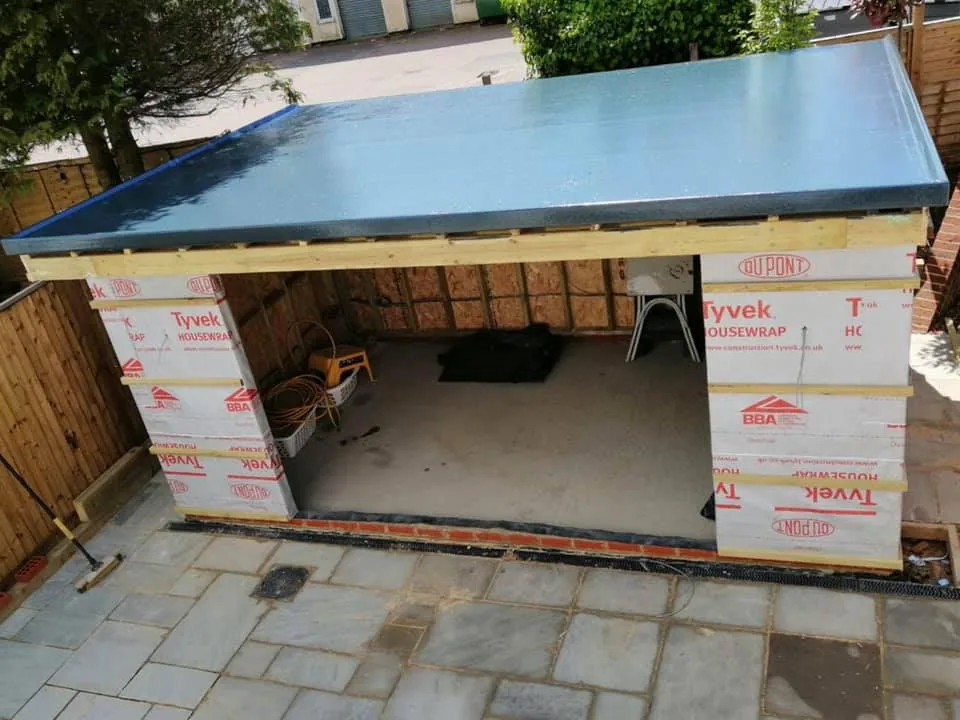
Rubber roof repairs are led by Daniel Oakland, Project Manager and Lead Roofer, who has 20+ years in the trade and specialises in EPDM, GRP, and standing-seam flat roof systems. He runs every rubber roof job day to day, from a single patch on a garden room to reworking flashings across a full commercial extension.
Tate & Sons was founded by James Tate on a simple idea: find out what's genuinely wrong, use the right materials, and leave a roof that holds for years, not months. That's exactly how we treat a rubber roof repair — trace the leak to its real source, prep the surface properly, and bond the patch the way the manufacturer specifies, not the fastest way to get off the roof. Read more on our About page.
Our roofers are directly employed, not subcontracted. They hold NVQ Level 2 and 3 qualifications in Roofing Occupations and carry CSCS cards. Every rubber roof repair starts with a free drone survey and finishes with a 10-year workmanship guarantee.
Rubber Roof Repairs Across Nottingham: Areas We Serve
We repair rubber roofs right across Greater Nottingham and out into the wider county, on everything from garden rooms to commercial flat roofs.
- Nottingham City Centre (NG1)
- The Park (NG1)
- West Bridgford (NG2)
- Sneinton (NG2)
- Wollaton (NG8)
- Lenton (NG7)
- Beeston (NG9)
- Chilwell (NG9)
- Stapleford (NG9)
- Arnold (NG5)
- Sherwood (NG5)
- Mapperley (NG3)
- Carlton (NG4)
- Gedling (NG4)
- Hucknall (NG15)
- Long Eaton (NG10)
- Mansfield (NG18)
- Sutton-in-Ashfield (NG17)
Got Questions?
Your Rubber Roof Repair Questions, Answered Properly
Can a rubber roof be repaired, or does it need replacing?
Most rubber roof damage can be repaired if it's isolated to a split, a lifted seam, or a puncture, and the deck underneath is still sound. EPDM is a tough, forgiving material once it's properly bonded, so a patch or seam re-bond usually solves the problem without touching the rest of the roof. Full replacement only becomes the sensible option once failure is spreading across several areas, the deck has rotted, or the membrane is past its 30-40 year working life. A free drone survey tells you honestly which category your roof falls into, with photos to back it up.
How much does rubber roof repair cost in the UK?
A small patch or split repair typically costs £150-£350, while seam re-bonding runs £250-£600. Flashing and edge trim rework generally costs £250-£700, and a larger partial re-cover runs £800-£2,500. Full replacement costs £50-£80 per m², or roughly £1,200-£6,000 for a typical garage or extension. The exact figure depends on how many failure points there are and how easy the roof is to access.
What causes a rubber roof to leak in the first place?
Seam failure is the most common cause, where the adhesive bonding two sheets together weakens from years of UV exposure and temperature swings. Blisters from trapped air or moisture, punctures from foot traffic or falling debris, and failed flashings at chimneys or parapet walls all cause leaks too. Poor original installation, particularly thin adhesive coverage at seams and edges, is behind most early failures. Knowing the actual cause matters, because patching over a symptom without fixing the underlying issue means the leak comes back.
How do you find where a rubber roof is actually leaking?
Water often travels along the deck or underlayment before it drips through the ceiling, so the wet patch inside rarely sits directly under the actual hole. A proper inspection checks every seam, flashing junction, and penetration first, since these are the most common failure points, before assuming a random puncture is to blame. Our drone survey lets us examine the whole membrane closely without walking the roof or guessing from the ground. Finding the real source before patching anything saves you paying twice for the same leak.
How long does a rubber roof repair actually last?
A properly bonded patch or seam repair, done with the right primer and full adhesive coverage, typically lasts 10-15 years or more. A quick lap sealant fix is only ever a temporary measure and usually needs following up with a proper patch within weeks or months. The biggest factor in how long a repair lasts is surface preparation; a rushed job on a dirty or damp substrate tends to lift again within a year. That's why we back every repair with a written 10-year workmanship guarantee.
Can I repair a rubber roof myself, or do I need a professional?
A small, straightforward puncture can often be patched reasonably well with a DIY kit, and plenty of homeowners do this successfully. Seam repairs and flashing work are a different matter, because they need the correct primer, full surface preparation, and even adhesive coverage to bond properly, and getting any of that wrong means the patch fails again quickly. Working at height on a flat roof also carries real risk without the right access equipment. For anything beyond a minor patch, a professional repair with a guarantee behind it is the safer route.
Can a rubber roof be repaired in cold or wet weather?
Cold temperatures slow down adhesive cure times significantly, and most EPDM adhesives won't form a reliable bond much below 5°C. Wet or damp conditions cause the same problem, since the surface needs to be clean and dry before anything is bonded to it. Winter repairs are still possible, but they usually need a dry weather window and sometimes a temporary weatherproof cover while the adhesive cures fully. We plan around the forecast rather than rushing a repair that won't hold in freezing conditions.
Does a rubber roof repair need Building Regulations sign-off on an older Nottingham home?
A like-for-like patch or seam repair on an existing rubber roof generally doesn't trigger Building Regulations notification, since you're not recovering or altering the structure significantly. A larger partial re-cover or full replacement usually does need notification if it covers more than 25% of the roof area. Conservation areas around The Park and parts of Lenton can bring extra restrictions on visible flat roof work, so it's worth checking before starting anything more than a small patch. We flag anything that applies during your survey, so there are no surprises later.
Book Your Free Drone Roof Survey Today
A free drone survey shows you exactly what's happening on your rubber roof — every seam, flashing, and blister, with clear photos and no ladders involved. A lifted seam or a small split won't seal itself, and left through another East Midlands winter it usually turns into a soaked deck, damaged insulation, and a far bigger bill than a same-day patch would have cost. Book now and get an honest repair-or-replace answer before the problem spreads.
Get in Touch
Tate & Sons Roofing — Nottingham
57 Cyril Avenue, Nottingham, NG8 5BA
📞 0115 647 4455
✉️ [email protected]