
🏠 Trusted Local Roofers
Roof Coatings and Sealing Nottingham
Nottingham roofs take a battering — baking summer sun one year, driving Trent Valley rain the next. Both wear down roof surfaces and open gaps at flashings. A proper coating or a targeted seal adds years of life without a full re-roof. As a roofing contractor working across the city, we coat and seal roofs honestly.
- Fully Insured
- 10-Year Guarantee
- 5-Star Rated
Quick Free Estimate - No Obligation
We're not just roofers – we're your neighbours.
Fully Insured • Response within 15 mins
🔒 Your details are safe with us. No spam, ever.
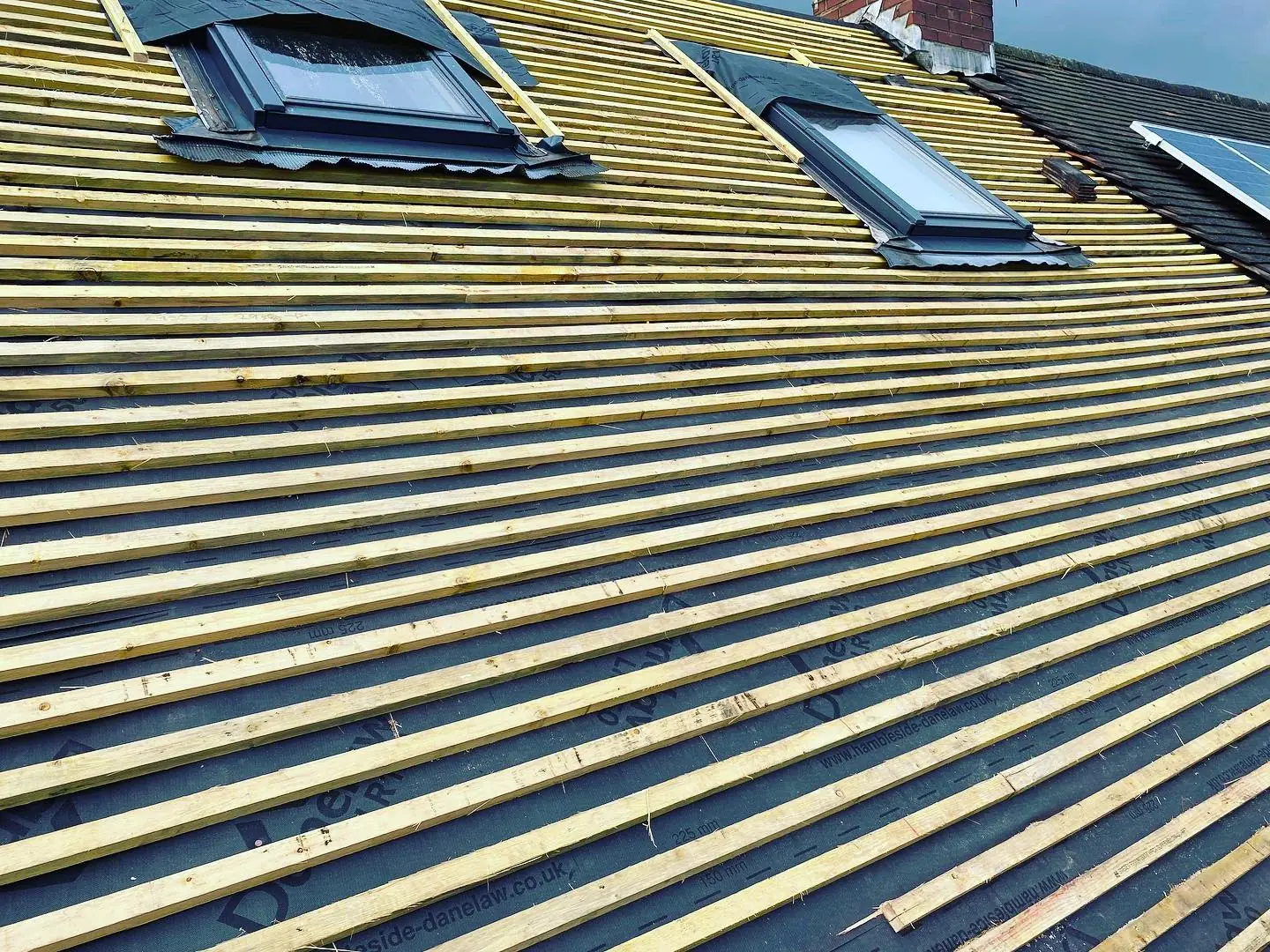
Do You Need a Roof Coating, a Seal, or Something Else?
A roof coating is a liquid waterproof layer rolled or sprayed across a whole roof surface — tiles, slate, or a flat roof membrane — to refresh and protect it. Roof sealing is a targeted fix, applied with a trowel or gun to one gap, joint, or flashing, such as where a chimney meets the tiles. Coating suits a roof that's tired all over but structurally sound. Sealing suits a roof that's mostly fine but leaking at a single weak point. A roof that's rotten, sagging, or missing tiles needs repair first — no coating fixes that.
Coating or sealing usually make sense when:
- The tiles, slates, or flat roof membrane are faded, porous, or starting to let damp through, but the structure underneath is sound
- A chimney flashing, valley, or ridge line has a small crack or gap letting water in at one spot
- You want to buy extra years from a roof that isn't ready for full replacement yet
- A survey confirms the deck, timbers, and battens underneath are still in good condition
- You want a lower-cost way to improve how a tired-looking roof presents, alongside genuine waterproofing
You probably need repair or replacement instead if:
- Tiles or slates are cracked, slipped, or missing outright, rather than just worn on the surface
- You can see daylight through the roof deck, or timbers feel soft or spongy underfoot
- Water is pooling on a flat roof for more than 48 hours after rain
- The roof covering is past its expected working life for its material
- A salesperson tells you a coating will fix structural problems, stop a leak that's actually coming from a failed flashing elsewhere, or cut your heating bills dramatically — a coating does not insulate a roof
Silicone, Acrylic, or Elastomeric: Which Coating Suits a Nottingham Roof?
Not every coating suits every roof. Silicone coatings have a high solids content — meaning most of what you apply stays on the roof once it cures, rather than evaporating off — so they build a thicker, tougher layer and handle standing water well. Acrylic coatings are cheaper and easier to apply, but soften under prolonged wet conditions and don't last as long. Elastomeric (rubberised) coatings flex with the roof as it expands and contracts in the heat, which matters on roofs with a lot of movement at joints. For technical detail on how liquid coating systems are specified and installed, the Liquid Roofing & Waterproofing Association's technical guidance is a solid independent reference.
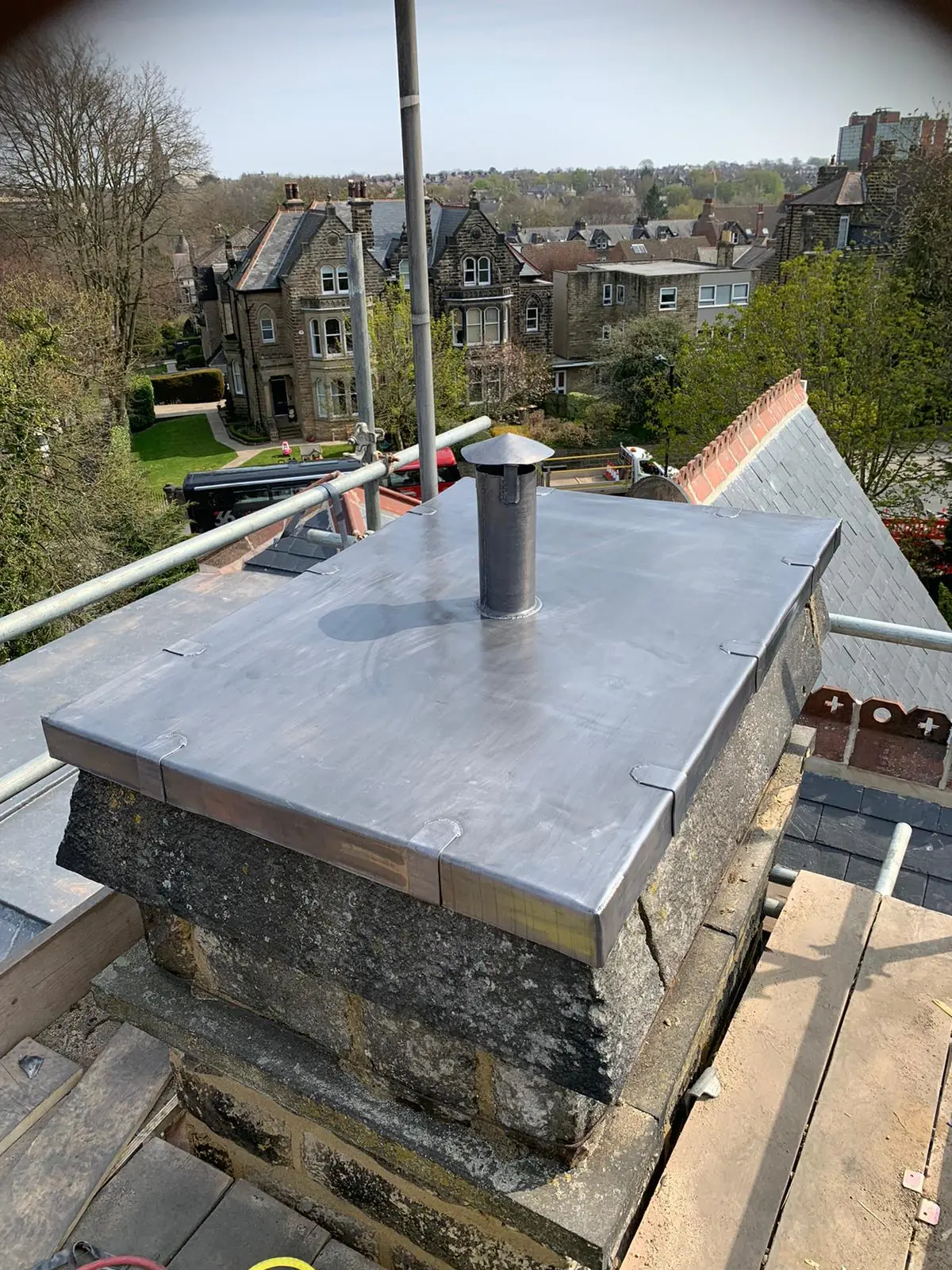
Silicone Coating
- Best all-round choice for flat roof upstands, valleys, and anywhere water tends to sit
- Typically applied in a single high-build coat once the surface is prepared
- Handles UV exposure and ponding without breaking down for many years
Acrylic Coating
- The most budget-friendly option for tiled and slated pitched roofs
- Rolled or sprayed on in two coats, usually over a primer
- Suits roofs with good drainage and little standing water
Elastomeric Coating
- Stretches and recovers with thermal movement, so it resists cracking at joints
- Often brush-applied to detailing around chimneys, vents, and abutments
- A good middle ground on cost between acrylic and silicone
Slate and Clay Tile: A Word of Caution
Whole-roof coatings are not always the right call on natural slate or clay tile. Coating these materials can trap moisture behind the surface rather than letting the roof breathe, which speeds up deterioration instead of slowing it down. We'll tell you honestly at survey stage if your roof type isn't a good candidate, rather than coating it anyway because you've asked for a quote.
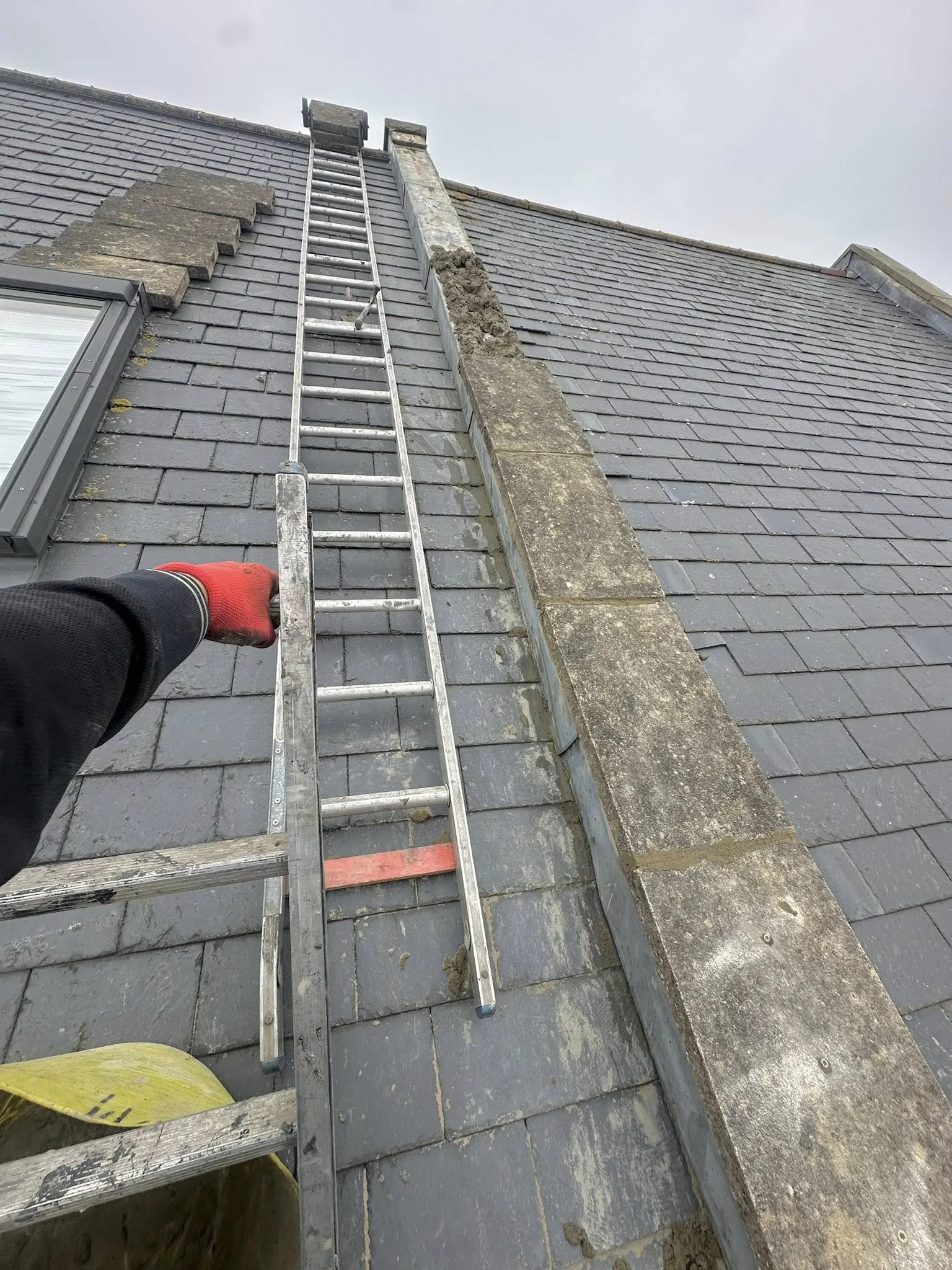
What Happens Before We Coat or Seal Your Roof
Coating or sealing over dirt, moss, or an unassessed problem never lasts. Here's what we do first.
- We carry out a free drone roof survey to see the whole surface, flashings, and junctions up close — no ladders needed
- You get clear photos showing exactly what condition your roof, chimney, and flashings are in
- If moss, algae, or built-up grime is present, we recommend a roof clean first, because coating over dirt just seals it in and shortens the coating's life
- We check the substrate — tiles, slates, felt, or membrane — is sound enough to coat or seal, not just tired-looking
- We tell you honestly whether coating and sealing will genuinely help, or whether repair or replacement is the better route
- If you're near The Park, Lenton, or another conservation area, we flag anything that needs sign-off before we touch the roof, since altering the external appearance of a property there can need permission
- You get a firm quote and an agreed scope before any tool comes out of the van
How We Apply a Coating or Seal That Actually Lasts
Most coating failures trace back to rushed preparation, not the product itself. Here's how we do it properly.
- Clean the roof thoroughly and let it dry fully before any product goes on
- Repair small defects — cracked tiles, lifted flashing edges, split sealant — before coating over them
- Prime the surface where the coating manufacturer specifies it, so the coating bonds properly instead of peeling later
- Apply the coating at the correct thickness, known as the dry film thickness (DFT) — too thin and it fails early, so we work to the manufacturer's stated coverage rate
- Give extra attention to edges, valleys, and penetrations, reinforcing with fleece where a liquid system calls for it
- For localised sealing jobs, work the sealant into the joint or gap fully, rather than skimming a thin bead across the top
- Let the coating or sealant cure for the time the manufacturer specifies before the roof takes any weight or heavy rain
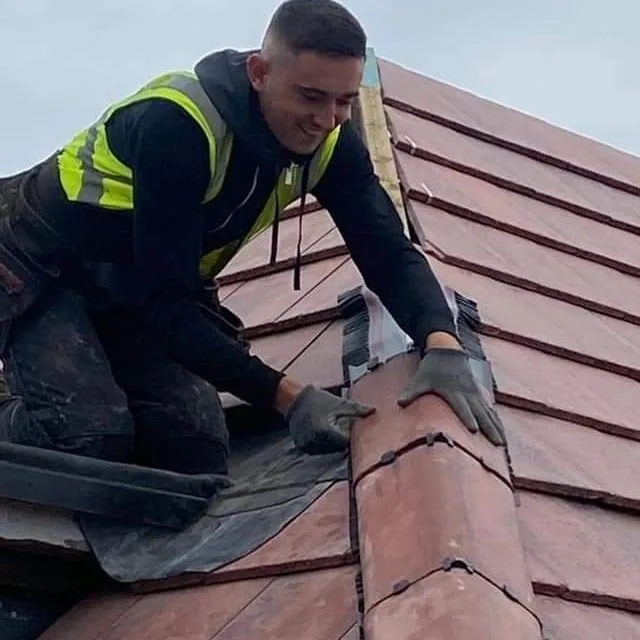
How to Check a Coating or Sealing Job Was Done Right
Whether you're checking work we've finished or sizing up a quote from anyone else, look for these signs.
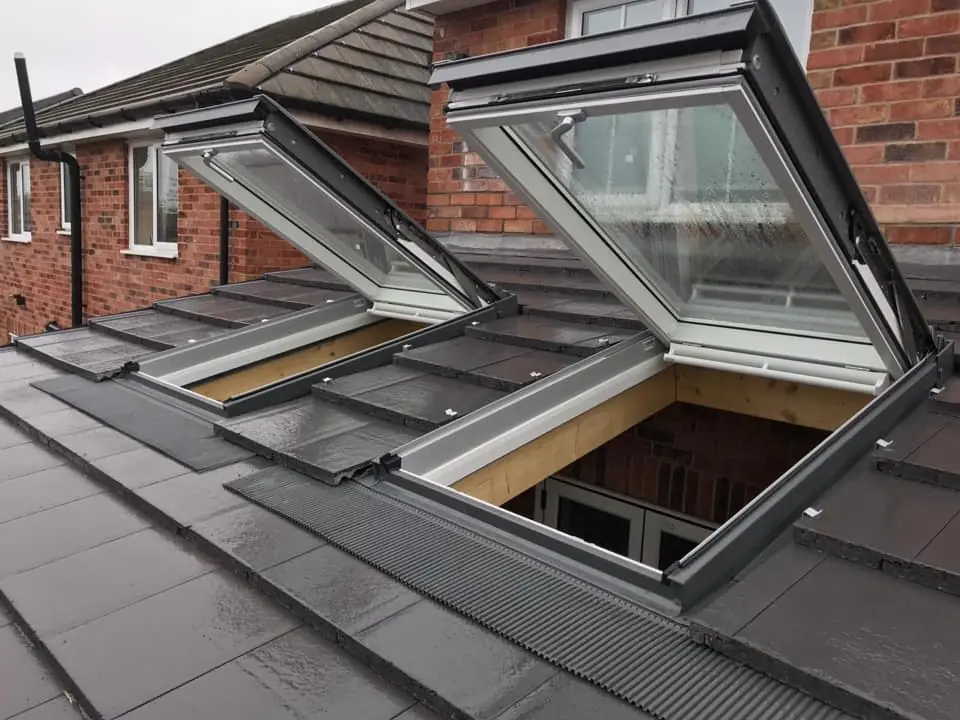
- The coating should look even in colour and thickness, with no thin patches, drips, or missed spots
- Flashings, valleys, and joints should be fully sealed, not just skimmed over on the surface
- Ask what product was used, its expected lifespan, and its dry film thickness — a straight answer is a good sign
- You should receive written confirmation of the material, coverage achieved, and any guarantee that comes with it
- A reputable contractor takes before-and-after photos as standard, showing the roof was cleaned and repaired properly first
- We back every roof coating and sealing job with a 10-year workmanship guarantee, in writing, from day one
How to Avoid Rogue Traders and Roof Coating Cold-Callers in Nottingham
Roof coating has a genuine trust problem in this city, and it's worth knowing why. In 2023, six fraudsters were sentenced at Nottingham Crown Court after running a £10.5 million rogue trading operation between 2014 and 2018, much of it built around exterior wall and roof coatings sold to elderly residents across Nottinghamshire with false promises of curing damp and slashing heating bills. That case is exactly why James Tate built this business on a simple rule: find out what's genuinely wrong with a roof, use the right materials, and never sell someone a fix they don't need.
Watch for these warning signs before you agree to any roof coating quote:
- A cold caller who turns up unannounced offering a "today only" discount
- Claims that a coating will stop damp for good or slash your heating bills — a coating on the outside of a roof does not insulate it
- Pressure to sign or pay a deposit on the spot, before you've had time to check the company out
- No fixed business address, no landline, or a company that's hard to find on Companies House
- A quote with no written detail on the product, coverage, or guarantee behind it
- A price that seems unusually low for the size of your roof, with vague reassurances instead of a proper survey
Keeping a Coated or Sealed Roof Watertight Year After Year
A coated or sealed roof still needs a little attention twice a year to get its full working life.
- Clear gutters and outlets twice a year, especially after autumn leaf-fall, so water doesn't back up against sealed edges
- Check flashings and valleys after any storm for lifted edges or fresh gaps
- Keep moss and algae from building back up, since it holds moisture against the coated surface and shortens its life
- Trim overhanging branches that scuff a coated surface or drop debris into valleys
- Watch for any dulling, flaking, or hairline cracking in the coating and get it looked at early, before it becomes a leak
- Book a re-inspection roughly every two to three years so small issues get caught before they spread
Cost & Pricing Guidance
Roof coating and sealing pricing across the UK for 2025/26 typically runs like this:
- Acrylic coating on a pitched tiled roof: £25-£40 per m² for the coating application itself
- Full coating service including cleaning, minor repairs, and two coats: £70-£120 per m²
- Whole-roof coating on a typical semi-detached house: £1,500-£2,500
- Whole-roof coating on a larger detached house: £2,000-£3,000+
- Flat roof liquid coating restoration (silicone or polyurethane): £25-£60 per m²
- Localised sealing — a chimney flashing, valley, or ridge line: £150-£450 per visit
What pushes the price up or down: roof size and pitch complexity, how much cleaning and repair is needed first, access (scaffolding versus a ladder can add £300-£900), and which coating system you choose.
These are general ranges, not a quote. A fixed price needs a proper survey — and our drone survey is free, with no obligation.
Comparison Table: Roof Coating and Sealing Options
| Treatment | Typical Lifespan | Best Suited To | Application Method | Relative Cost |
|---|---|---|---|---|
| Acrylic Coating | 5-10 years | Tiled roofs on a budget, roofs with good drainage | Rolled or sprayed in two coats over a primer | £ (lowest) |
| Silicone Coating | 15-20 years | Roofs prone to ponding, flat roof upstands and valleys | Sprayed or rolled at high build in a single coat | ££ |
| Elastomeric (Rubberised) Coating | 10-15 years | Roofs with joint movement, detailing around vents and abutments | Brush or spray-applied, flexes with thermal movement | ££ |
| Flat Roof Liquid Coating (PU/Silicone) | 15-20+ years | Ageing felt or asphalt flat roofs not yet due for full replacement | Fleece-reinforced at joints and upstands, fully bonded | £££ |
| Lead & Flashing Sealant | 5-10 years (spot) | Chimney flashings, valleys, abutments with a single weak point | Trowel or gun-applied to the specific joint or gap | £ (lowest, per visit) |
Why Choose Tate & Sons for Roof Coating and Sealing
Roof coating and sealing work at Tate & Sons is led by James Tate, our Founder and Managing Director, who still prices most jobs himself. James set up the business on one idea: find out what's genuinely wrong with a roof, use the right materials, and leave it holding for years, not months — the exact opposite of the mis-selling that's given roof coating such a bad name in parts of this city. For the technical detailing on lead flashings, valleys, and heritage slate that most sealing work depends on, Daniel Oakland, our Project Manager and Lead Roofer, brings over 20 years of hands-on experience. Read more about the whole team on our About page.
Our roofers are directly employed, not subcontracted. They hold NVQ Level 2 and 3 qualifications in Roofing Occupations and carry CSCS cards. Every roof coating and sealing job starts with a free drone survey and finishes with a 10-year workmanship guarantee.
Roof Coating and Sealing Across Nottingham and the Wider County: Areas We Serve
We coat and seal roofs right across Greater Nottingham and out into the wider county, on everything from Victorian terraces to modern extensions.
- Nottingham City Centre (NG1)
- The Park (NG1)
- West Bridgford (NG2)
- Sneinton (NG2)
- Wollaton (NG8)
- Lenton (NG7)
- Beeston (NG9)
- Chilwell (NG9)
- Stapleford (NG9)
- Arnold (NG5)
- Sherwood (NG5)
- Mapperley (NG3)
- Carlton (NG4)
- Gedling (NG4)
- Hucknall (NG15)
- Long Eaton (NG10)
- Mansfield (NG18)
- Sutton-in-Ashfield (NG17)
Got Questions?
Your Flat Roofing Questions, Answered Properly
What's the difference between roof coating and roof sealing?
A roof coating covers the whole roof surface with a liquid waterproof layer, while sealing targets one specific gap or joint. Coating is the right choice when a roof is tired all over but still structurally sound, refreshing and protecting the full surface. Sealing suits a roof that's basically fine but leaking at one point, such as a chimney flashing or a cracked valley. Many jobs use both together — a full coat plus extra sealant worked into the highest-risk joints.
How much does roof coating cost in Nottingham?
Most Nottingham semi-detached homes cost £1,500-£2,500 for a full roof coating, with larger detached properties running £2,000-£3,000 or more. Coating alone typically costs £25-£40 per m², rising to £70-£120 per m² once cleaning, minor repairs, and a full two-coat application are included. Localised sealing at a chimney or valley usually costs £150-£450 per visit. Access, roof condition, and the coating system chosen all move the final price, so a survey gives you an exact figure.
How long does a roof coating actually last?
It depends on the product and how well the roof was prepared beforehand. Acrylic coatings typically last 5-10 years, elastomeric coatings 10-15 years, and silicone coatings 15-20 years or more. Coating over dirt, moss, or unrepaired defects shortens all of these figures significantly. A coating applied to a clean, sound, well-prepared surface will consistently outlast one rushed onto a dirty roof.
Can you coat a slate or clay tile roof?
Coating natural slate or clay tile is possible, but it's not always the right call. These materials are designed to breathe, and a coating applied over them can trap moisture underneath the surface instead of letting it escape, which speeds up deterioration rather than slowing it down. We assess the tile type and condition honestly at survey stage, and we'll tell you if coating isn't suited to your roof rather than coating it anyway. Concrete tiles and most flat roof membranes are generally better candidates.
Does a roof coating stop leaks, or does it just hide them?
A coating stops leaks caused by a porous, worn surface, but it won't fix a leak coming from a structural problem underneath. If water is getting in because of rotten timber, a failed underlay, or a badly built junction, coating over the top just delays the discovery of a bigger problem. That's why we survey and repair defects first, then coat, rather than coating straight over an unassessed roof. Coating and sealing genuinely extend a sound roof's life, but they're not a substitute for fixing something that's actually broken.
Will a roof coating or seal affect my home insurance or mortgage?
A properly specified, professionally applied coating or seal shouldn't cause problems for either, as long as it's documented and doesn't mask a structural issue you should have declared. Insurers generally cover sudden, unexpected roof damage rather than gradual wear, so keeping your roof maintained with coating and sealing can help you avoid claims being refused for neglect. Keep the paperwork, product details, and guarantee from any work carried out, and store it with your policy documents. If you're remortgaging or selling, a documented maintenance history and workmanship guarantee reassures both lenders and buyers.
How do I avoid roof coating scams and cold-callers in Nottingham?
Never agree to work from someone who cold-calls at your door or pressures you to sign on the spot. Check the company is a genuine, established local business with a fixed address and a landline, not just a mobile number and a van. Ask for a written quote detailing the exact product, coverage rate, and guarantee, and get at least one other quote to compare it against. A properly accredited local roofer will be happy for you to take time to think it over, check them out on Companies House, or ask for references from other Nottingham jobs.
Can I coat or seal a roof myself?
Small sealant repairs on a single-storey structure like a shed roof can be a manageable DIY job with the right product. A full roof coating is a different matter — it involves working at height, correct surface preparation, and applying the product at the right thickness for it to perform as intended. Getting the preparation or coverage wrong means the coating fails early, and you've paid for materials with nothing to show for it. For anything above ground-floor height, or any work involving a chimney or flashing, a professional roofer is the safer and more reliable route.
Does roof coating really cut heating bills by reflecting heat?
A reflective roof coating can reduce solar heat gain on the roof surface itself, which is genuine, but claims that it will dramatically cut your heating bills are usually overstated. A coating applied to the outside of a roof does not insulate the building the way loft or cavity insulation does, because it doesn't stop heat escaping from inside. Be wary of any salesperson who promises a coating will pay for itself through heating savings alone. If cutting bills is your main goal, proper loft insulation will do far more than a coating ever will.
Book Your Free Drone Roof Survey Today
See exactly what your roof needs before any work starts. No ladders, no pressure — just a clear picture from a local Nottingham team.
A tired roof only gets worse as water works deeper into the deck and timber beneath it. A quick, free drone survey today tells you exactly where you stand — and often the fix is smaller and cheaper than you feared. Book now, get an honest quote, and protect your home before the next East Midlands downpour finds the weak spot.
📍 57 Cyril Avenue, Nottingham, NG8 5BA
📞 0115 647 4455
Call the Nottingham team today on 0115 647 4455, or request your free drone survey online. We’re already working across your area.
Get in Touch
Tate & Sons Roofing — Nottingham
57 Cyril Avenue, Nottingham, NG8 5BA
📞 0115 647 4455
✉️ [email protected]