
🏠 Trusted Local Roofers
Gutter Repairs Nottingham
A dripping joint or one sagging length rarely stays a small problem for long. Left alone, it soaks fascias, stains brickwork, and lets damp creep into the walls behind it. This page covers how to tell if your gutters need a repair or a full replacement, what it costs, and how a proper fix actually holds. As part of our wider guttering services across Nottingham, we treat gutter repairs the same way we treat any roofing job — find the real cause, fix it properly, and stand behind it.
- Fully Insured
- 10-Year Guarantee
- 5-Star Rated
Quick Free Estimate - No Obligation
We're not just roofers – we're your neighbours.
Fully Insured • Response within 15 mins
🔒 Your details are safe with us. No spam, ever.
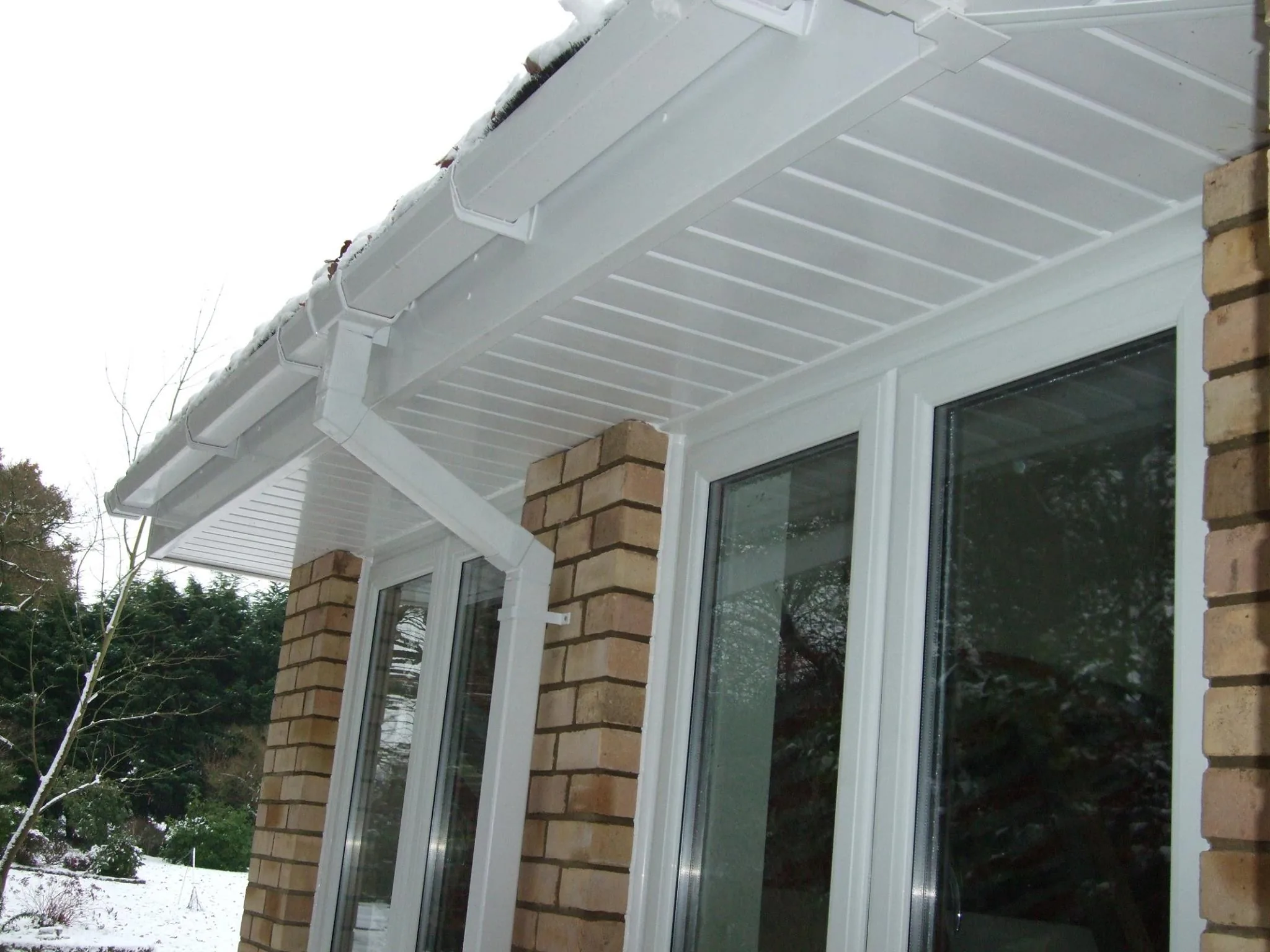
Is It a Repair or a Full Replacement? Spot the Signs Before It Costs You More
Most gutter problems are straightforward repairs, not full replacements. A leaking joint, a cracked section, a sagging bracket, or a blocked downpipe can usually be fixed in a single visit without touching the rest of the system. Full replacement only makes sense once the guttering is failing in several places at once, or the repair bill starts creeping toward what a new system would cost. A quick check of the signs below tells you which camp your gutters fall into.
- Water running down the outside of the gutter during rain, not just the inside
- A visible dip or sag where a length has pulled away from its brackets
- Green or black staining on brickwork below a joint or corner
- Pooling water sitting in the gutter itself after rain has stopped
- Plants or moss growing inside the gutter run
- Peeling paint, orange flecking, or rust spots on metal guttering
- Damp patches appearing on ceilings or walls near the roofline
- Water spilling over the front edge during heavy rain instead of draining away
As a rough rule, if the repair bill on a single system is heading toward 30% of what a full replacement would cost, or you're calling someone back for the third time in two years, replacement usually works out cheaper over the property's lifetime. If that's where you've landed, our page on guttering installation and replacement covers the full process. Most Nottingham gutters we're called to, though, need a repair, not a new system.
uPVC vs Cast Iron vs Aluminium: What Each Repair Actually Involves
The material your gutters are made from changes what a repair looks like, how long it takes, and what it costs. Here's what each one involves once we're actually working on it.
uPVC Guttering
- The most common system on Nottingham homes built or re-roofed since the 1980s
- Repairs usually mean replacing a cracked union, a snapped bracket, or a section that's dropped out of its clips
- Parts are widely available, so most jobs are same-day
- Joints rely on rubber seals that harden and leak with age — reseal or swap the union, not the whole length
- Sun exposure over years can make older uPVC brittle, so a bracket that's fine one visit can crack the next
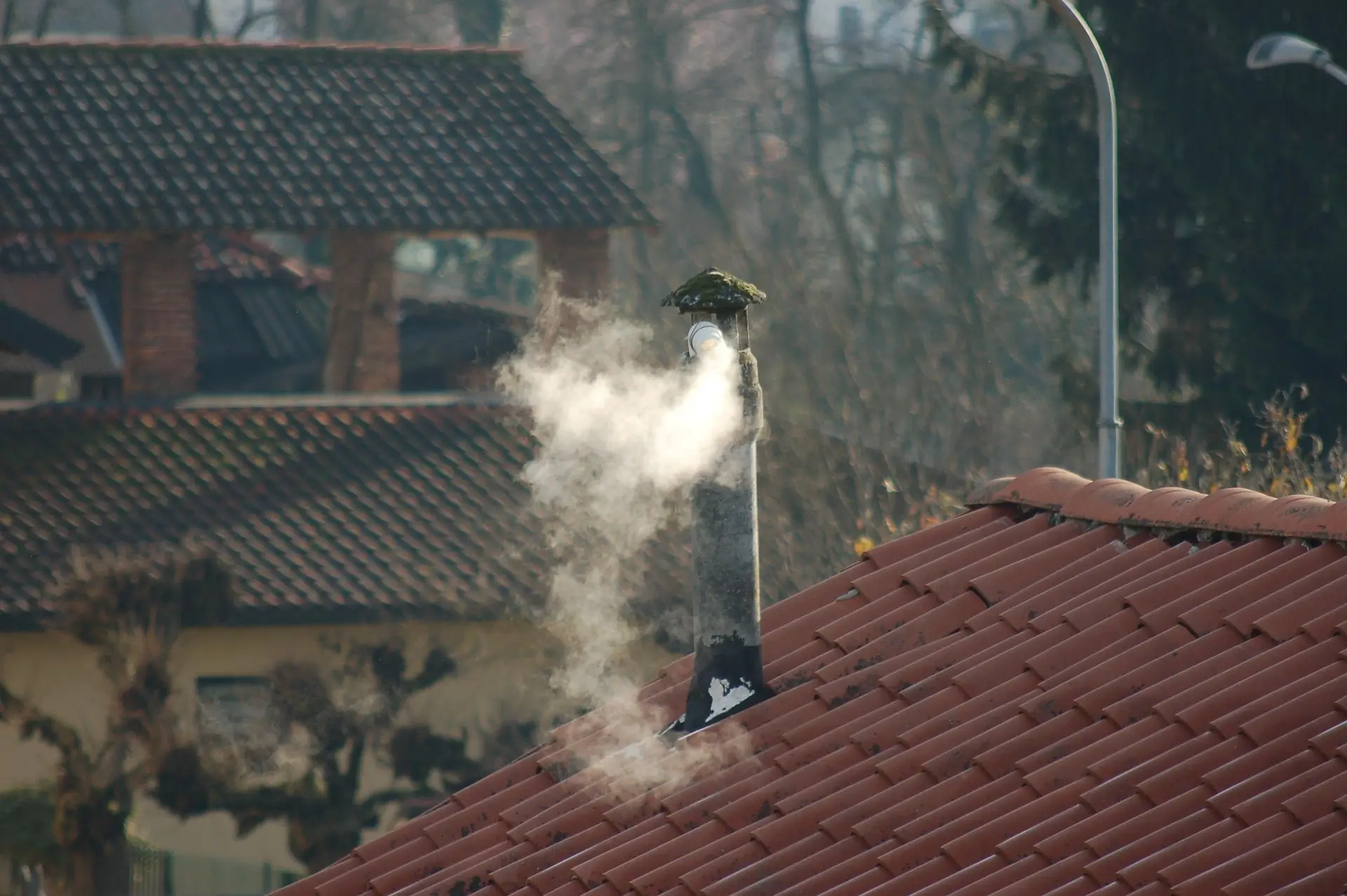
Cast Iron Guttering
- Common on Victorian and Edwardian properties around The Park, Lenton, Sherwood, and Mapperley
- Repairs involve re-jointing with modern flexible mastic, rather than the old lead-based putty that cracks over time
- Rust needs treating and repainting to stop it spreading, not just covering over
- A cracked section can often be spliced or bridged rather than replaced whole, keeping the original run intact
- Conservation areas around The Park and parts of Lenton often expect cast iron to be repaired rather than swapped for a modern material — the Department for Communities' guidance on listed building gutters and downpipes sets out why matching the original material matters on period properties
Aluminium Guttering
- Often fitted as a seamless system, formed in one continuous run with far fewer joints to fail
- When it does leak, the fault is usually at an angle, outlet, or corner piece rather than along the run itself
- Repairs at these points typically need specialist sealants or welding, not a standard uPVC-style fix
- Lighter than cast iron, so brackets take less strain and sag less over time
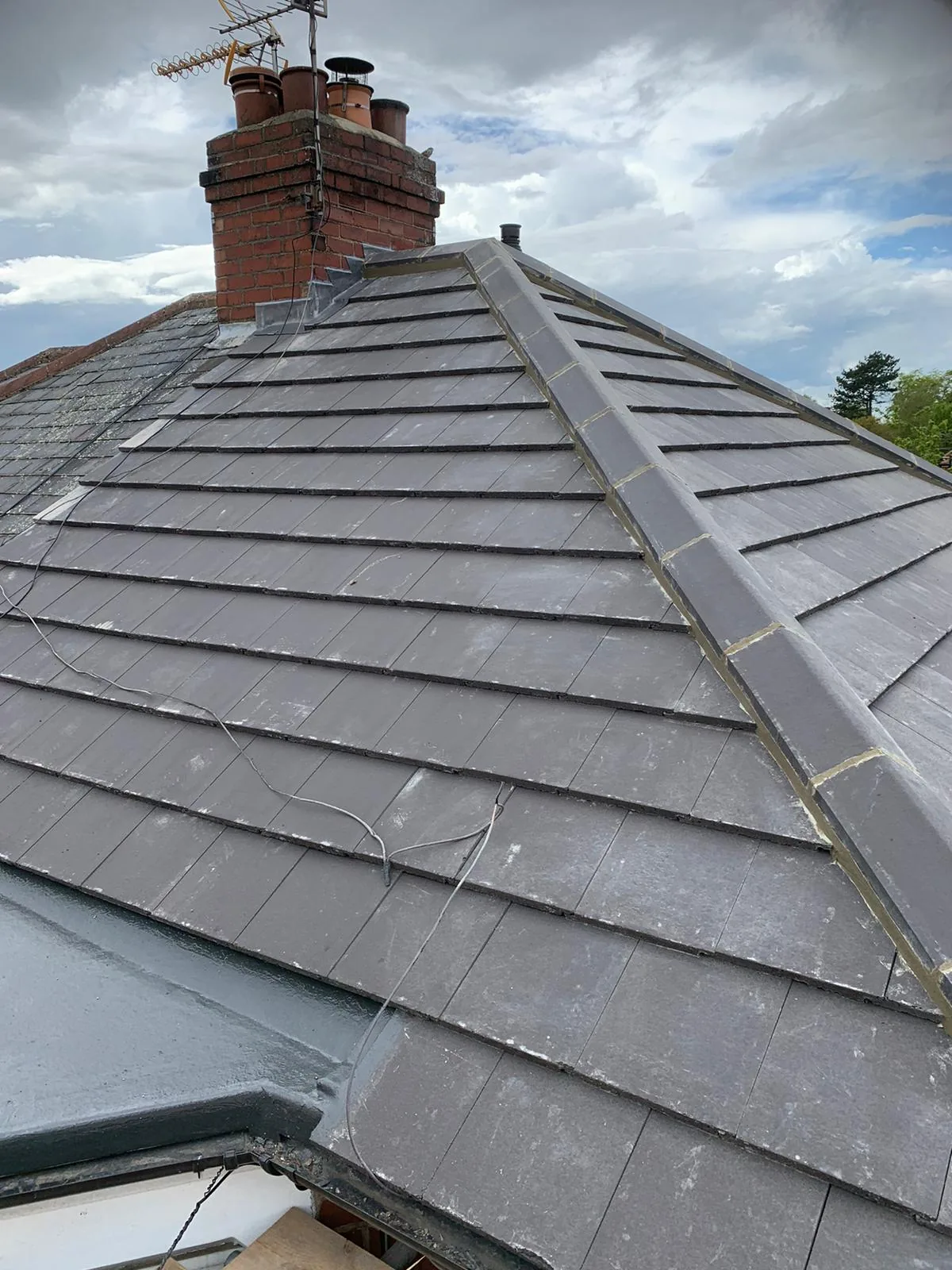
What Happens Before We Touch Your Gutters
A gutter repair should start with a proper look at the whole system, not a guess from ground level.
- We carry out a free drone survey of your guttering, downpipes, and the roofline behind it — no ladders needed to get a clear view
- You get photos showing exactly where the leaks, sags, and blockages are
- We check the fascias and soffits behind the gutter, since a leaking joint often soaks the timber or board sitting right behind it — see our page on fascias and soffits if that's what the survey turns up
- We tell you honestly whether it's a repair, a partial replacement, or a full system needed
- If your property sits in a conservation area around The Park or Lenton, we flag anything that needs sign-off before work starts
- You get a firm price and an agreed scope before any tool comes out of the van
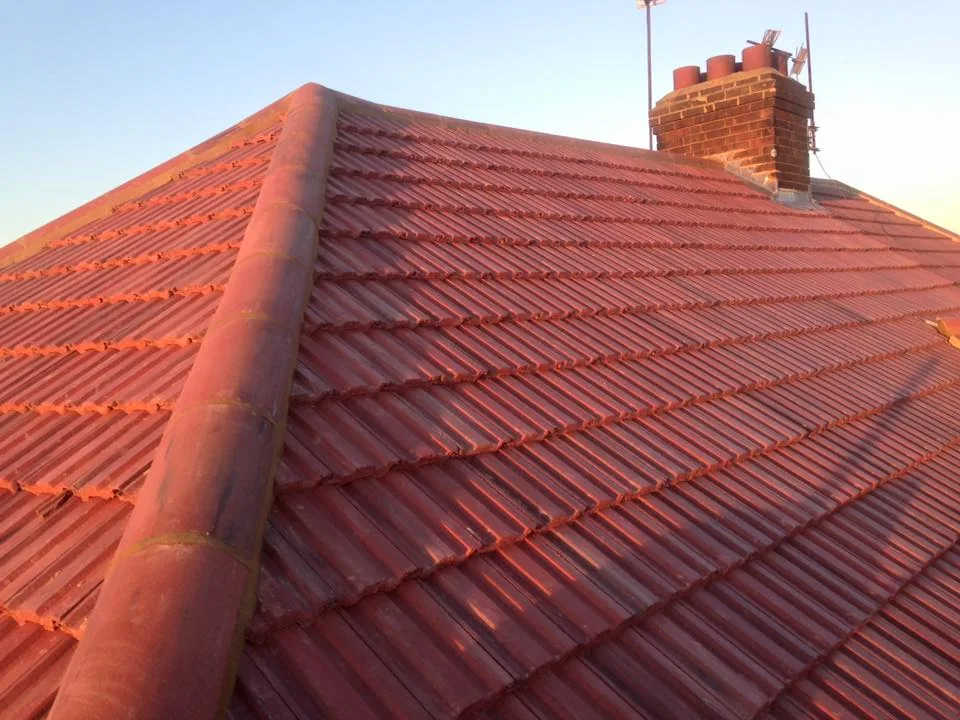
How We Fix a Leaking, Sagging or Blocked Gutter
Once we know what's wrong, the fix itself usually follows the same sequence, whatever the material.
- Clear all debris, leaves, and silt from the run so we can see the actual damage underneath
- Check the fall — the slight slope that carries water to the downpipe — and reset brackets where it's dropped
- Replace or reseal faulty joints, unions, and end caps
- Refit or replace any brackets that have rusted, loosened, or sheared
- Swap out cracked, split, or badly corroded sections rather than papering over them
- Clear and check downpipes so water actually reaches ground level instead of backing up
- Run water through the whole system to confirm it flows freely with no drips
Most single-property gutter repairs take a few hours to half a day, depending on how many sections need attention and what access we're working with.
How to Check a Gutter Repair Was Done Properly
A repair that looks fine from the ground can still leak the next time it rains. Here's what to check once the job's finished.
- Ask for a water test — a hose run through the gutter should show no drips at joints or brackets
- The gutter line should run dead straight, with no dips or visible sag
- Brackets should sit at even spacing, not bunched up where the old ones failed
- Joints should be flush and sealed, not just pushed together
- Ask to see photos of anything that was found behind the gutter, such as damaged fascia board
- You should get written confirmation of what was repaired, what parts were used, and what guarantee applies
We back every gutter repair with a 10-year workmanship guarantee, in writing, from day one.
Stopping Blockages and Leaks Coming Back
A little upkeep twice a year keeps a repair from becoming a repeat call-out.
- Clear gutters twice a year as a minimum — once in late autumn after leaf-fall, and again in spring
- Homes under oak, beech, or sycamore trees often need a third clean, since these drop debris earlier and more heavily
- Check for pooling water a day or two after heavy rain — standing water usually means the fall has dropped again
- Trim back overhanging branches that drop leaves and debris straight into the run
- Gutter guards can cut cleaning frequency on heavily shaded or hard-to-access roofs, though for most ordinary homes a yearly clean costs less than a guard system
- Give the gutters a five-minute look after any serious storm, so small damage gets caught before it turns into a leak
Cost & Pricing Guidance
Gutter repair pricing across the UK for 2025/26 typically runs like this:
- Leaking joint repair: £40-£90
- Single gutter length repair (medium semi-detached house): £120-£180
- Small general repairs: £180-£250
- uPVC repair work: roughly £30 per metre
- Cast iron repair work: roughly £60-£70 per metre
- Full gutter replacement (typical uPVC system on a semi): £400-£1,500, with most homeowners paying £600-£1,000
Cast iron and aluminium repairs generally cost more than uPVC because the materials and specialist re-jointing take longer. Scaffolding, where needed for higher or awkward-access properties, typically adds around £250 a week — though our drone survey means we usually price the actual job without needing scaffolding just to look.
What pushes the price up or down: how many sections need attention, access, the material, and whether the fascia or roofline behind the gutter has also been damaged by the leak.
These are general ranges, not a quote. A fixed price needs a proper survey — and our drone survey is free, with no obligation.
Comparison Table: Gutter Materials for Repair and Replacement
| Material | Typical Lifespan | Best For | Relative Cost |
|---|---|---|---|
| uPVC | 15-25 years | Most modern homes, straightforward repairs, budget jobs | £ (lowest) |
| Aluminium | 25-40 years | Seamless installs, fewer joints, lower sag risk | ££ |
| Cast Iron | 50-100+ years with upkeep | Period and listed properties, conservation areas | £££ (highest) |
Why Choose Tate & Sons for Your Gutter Repair
Guttering and roofline work is led by Daniel Oakland, Project Manager and Lead Roofer, who has 20+ years in the trade. Alongside flat roof systems, Dan specialises in guttering and roofline repair across the city, including heritage cast iron work on older homes around Sherwood, Mapperley, and Lenton.
Tate & Sons was founded by James Tate on a simple idea: find out what's genuinely wrong, use the right materials, and leave something that holds for years, not months. That's exactly how we treat a gutter repair — not a quick bracket swap to stop the immediate drip, but a proper look at why it failed in the first place. Read more on our About page.
Our roofers are directly employed, not subcontracted. They hold NVQ Level 2 and 3 qualifications in Roofing Occupations and carry CSCS cards. Every gutter repair comes with a free drone survey up front and a 10-year workmanship guarantee once the work is finished.
Gutter Repairs Across Nottingham and the Wider County: Areas We Serve
We repair guttering right across Greater Nottingham and out into the wider county, on everything from Victorian terraces to modern semis.
- Nottingham City Centre (NG1)
- The Park (NG1)
- West Bridgford (NG2)
- Sneinton (NG2)
- Wollaton (NG8)
- Lenton (NG7)
- Beeston (NG9)
- Chilwell (NG9)
- Stapleford (NG9)
- Arnold (NG5)
- Sherwood (NG5)
- Mapperley (NG3)
- Carlton (NG4)
- Gedling (NG4)
- Hucknall (NG15)
- Long Eaton (NG10)
- Mansfield (NG18)
- Sutton-in-Ashfield (NG17)
Got Questions?
Your Flat Roofing Questions, Answered Properly
How much does gutter repair cost in Nottingham?
Most single-joint or bracket repairs cost between £40 and £180, depending on access and the material. Small general repairs covering a few sections typically run £180-£250. Cast iron repairs cost more than uPVC because the material and re-jointing work take longer per metre. Larger jobs involving several damaged sections or scaffolding cost more. A free survey gives you an exact figure rather than a rough guess.
What are the warning signs my gutters need repair?
Water running down the outside of the gutter, visible sagging, and staining on the brickwork below are the clearest signs. Pooling water sitting in the gutter after rain, moss or plants growing inside the run, and damp patches on ceilings near the roofline also point to a fault. Rust spots or peeling paint on metal guttering usually mean corrosion has already started. Catching these early keeps the job to a repair rather than a replacement.
Why is my gutter overflowing when it rains?
Overflow is almost always down to a blockage or a lost fall, the slight slope that carries water toward the downpipe. Leaves and debris build up and dam the water until it spills over the front edge instead of draining away. It can also mean the gutter is undersized for the roof it's serving, so heavy rain simply arrives faster than it can drain. A clear-out solves most cases, but repeated overflow after cleaning usually points to a fall or bracket problem underneath.
Can a sagging gutter be repaired, or does it need replacing?
A sagging gutter can usually be repaired by resetting or adding brackets and correcting the fall, as long as the material itself is sound. It only needs replacing where the sagging has come from widespread bracket failure, brittle or cracked uPVC, or rot in the fascia board behind it. We check the cause during survey rather than assuming, since a repair costs a fraction of a full new system. If several sections are sagging at once, replacement usually works out cheaper long term.
How often should gutters be cleaned to avoid repairs?
Twice a year is the minimum for most Nottingham homes — once in late autumn after leaf-fall and again in spring. Properties under oak, beech, or sycamore trees often need a third clean, since these species drop debris earlier and more heavily. Skipping cleaning is one of the biggest causes of the blockages, overflow, and eventual joint failure that lead to repair call-outs. A quick check after any serious storm catches small problems before they turn into leaks.
Can I repair my own guttering?
Simple jobs like clearing debris from ground-floor gutters with the right equipment are reasonable for a confident homeowner. Anything involving a ladder at height, resealing joints, or replacing brackets carries real fall risk and is where most DIY gutter jobs go wrong. Cast iron re-jointing and fascia repairs behind the gutter need trade experience to get right. If your property is over one storey or you're at all unsure, it's worth getting a professional opinion first.
Does home insurance cover gutter repairs?
Standard buildings insurance usually covers sudden damage, such as a gutter torn off in a storm, but not gradual wear like rust or old age. Damage caused by a gutter that was left blocked or unmaintained can be treated as a maintenance failure and refused. Keeping records of regular cleaning and any repairs helps if you ever need to make a claim. Check your specific policy wording, since cover varies between insurers.
Can cast iron guttering on a period Nottingham property be repaired rather than replaced?
Yes, and on period and listed properties it's usually the right approach rather than switching to a modern material. Cast iron can be re-jointed, spliced, treated for rust, and repainted, often keeping the original run intact for decades more. Conservation areas around The Park and parts of Lenton generally expect the original cast iron profile to be kept rather than swapped for uPVC. Sourcing matching sections or profiles takes longer than a standard uPVC repair, so factor in slightly more lead time.
Book Your Free Drone Roof Survey Today
See exactly what your roof needs before any work starts. No ladders, no pressure — just a clear picture from a local Nottingham team.
A tired roof only gets worse as water works deeper into the deck and timber beneath it. A quick, free drone survey today tells you exactly where you stand — and often the fix is smaller and cheaper than you feared. Book now, get an honest quote, and protect your home before the next East Midlands downpour finds the weak spot.
📍 57 Cyril Avenue, Nottingham, NG8 5BA
📞 0115 647 4455
Call the Nottingham team today on 0115 647 4455, or request your free drone survey online. We’re already working across your area.
Get in Touch
Tate & Sons Roofing — Nottingham
57 Cyril Avenue, Nottingham, NG8 5BA
📞 0115 647 4455
✉️ [email protected]