
🏠 Trusted Local Roofers
Industrial Roofing Installation Nottingham
An industrial roof rarely fails on your schedule. Stock gets soaked, machinery gets rained on, and production stops while everyone stares upward wondering how bad it is. Industrial Roofing Installation in Nottingham from Tate & Sons means a roof built to stay watertight for decades, fitted by a directly employed crew who plan the work around your business, not the other way round. As a roofing contractor working across the city, we install industrial roofs on warehouses, factories, and distribution units throughout Greater Nottingham.
- Fully Insured
- 10-Year Guarantee
- 5-Star Rated
Quick Free Estimate - No Obligation
We're not just roofers – we're your neighbours.
Fully Insured • Response within 15 mins
🔒 Your details are safe with us. No spam, ever.
Which Industrial Roofing System Is Right for Your Nottingham Building?
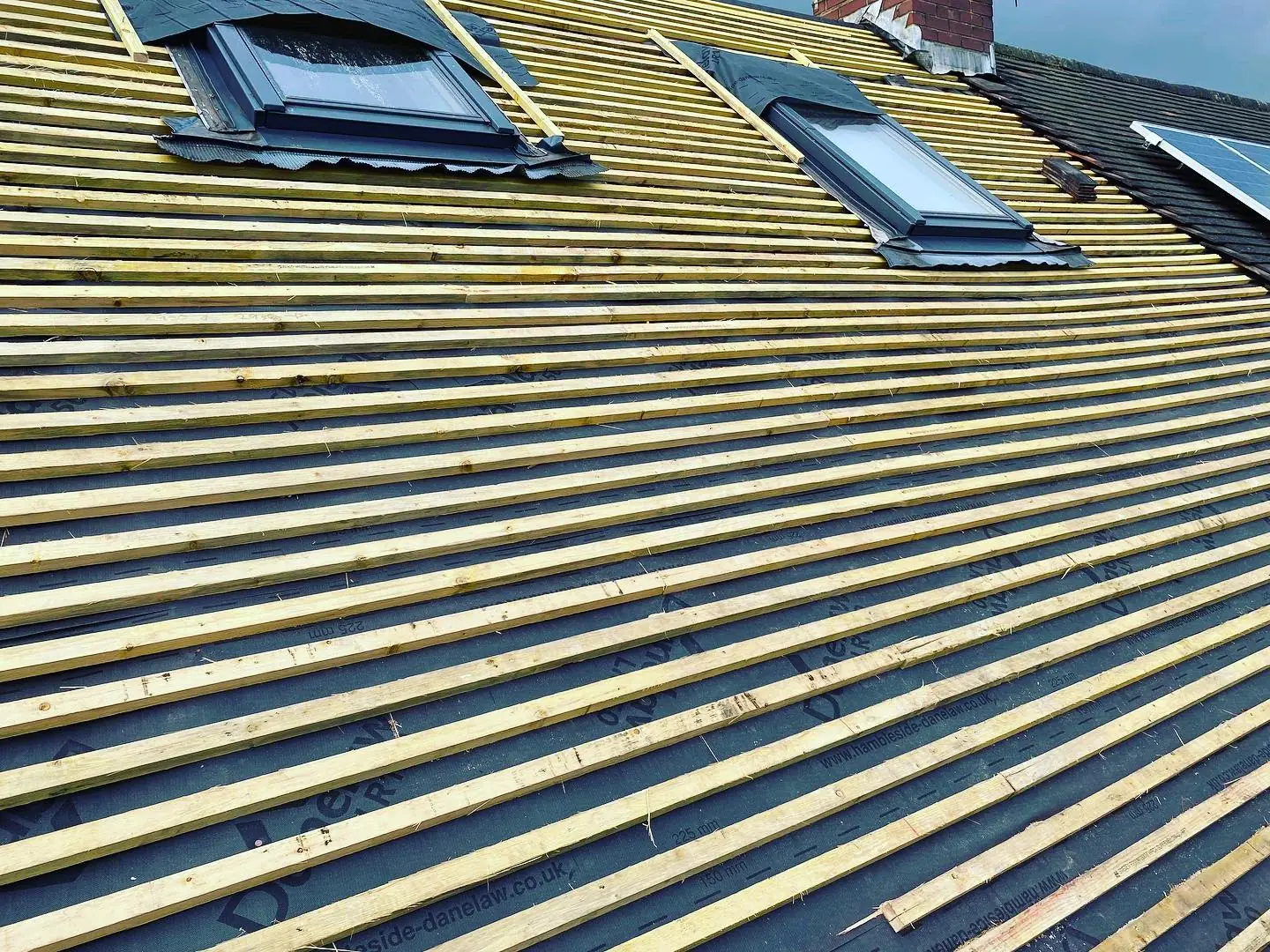
For most industrial buildings around Nottingham, profiled steel sheeting or a single-ply membrane system gives the best mix of cost and lifespan. Profiled steel sheeting suits pitched industrial roofs and typically lasts 30-40 years. Single-ply membrane — a continuous rubber or plastic sheet welded at the seams rather than layered — suits flat or low-pitch roofs and typically lasts 25-30 years. Built-up felt costs the least upfront but has the shortest working life of the common options. The right system depends on your roof's pitch, your budget, and whether the building needs to stay open while work goes on. A free drone survey gives you an exact recommendation for your building.
Industrial roofing sits alongside our wider commercial roofing work across Nottingham, though the two overlap less than you'd think. Commercial roofs on shops, offices, and mixed-use units tend to be smaller and more varied in shape. Industrial roofs on warehouses and factories are usually large, low-pitch expanses where the sheer scale of the job, the need to keep production running, and any asbestos in the existing roof drive most of the decisions.
Profiled Metal, Single-Ply Membrane, or Built-Up Felt: What Each System Suits
Lifespan and cost only tell half the story. Here's how each system behaves once it's on your building, and where it fits best.
Profiled Steel or Aluminium Sheeting
- Fitted in long interlocking sheets over purlins (the horizontal beams that support the roof covering)
- Suits pitched industrial roofs at 4 degrees or steeper
- Comes pre-finished in a wide range of colours and coatings, so it needs no painting
- Can be fitted as a built-up system with a separate liner tray and insulation, or as a factory-made composite panel in one piece
- The most common choice for new-build warehouses and factory units
Single-Ply Membrane (EPDM, TPO or PVC)
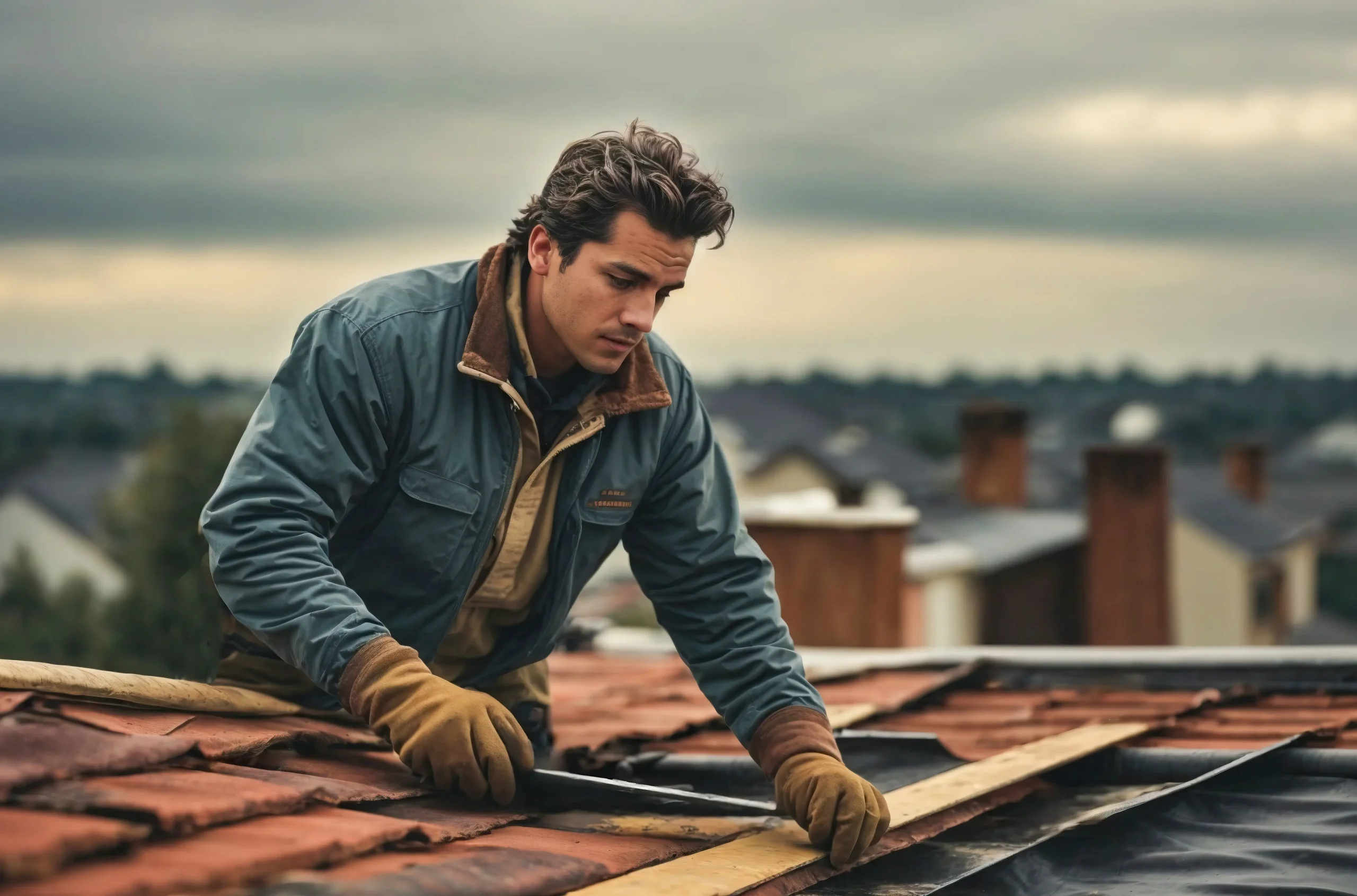
- Rolled out in wide sheets and welded or bonded at the joints, leaving very few seams
- Suits flat or shallow-pitch roofs, including roofs with rooflights and multiple penetrations
- Flexible enough to work around awkward roof shapes without extra jointing
- Usually laid over a warm roof buildup, where insulation sits above the deck and below the membrane
- A strong choice when the roof needs to stay lightweight, which matters on older steel-frame buildings
Built-Up Felt
- Laid in overlapping bitumen layers, torched or bonded together on site
- The cheapest system to install per square metre
- Needs closer monitoring than membrane or metal, since seams are more numerous
- A sensible choice for older units nearing the end of their working life, or tight budgets
- Modern polymer-modified felt performs far better than the older three-layer systems it replaced
Whichever system you choose, it has to meet current British and European standards for the metal, insulation, and fixings used. The Metal Cladding & Roofing Manufacturers Association's materials guidance sets out the specifications that steel and aluminium roofing products need to meet, which is worth knowing if a contractor quotes an unusually cheap system.
What Happens Before We Touch Your Industrial Roof
Every job starts with a clear picture of what's actually up there, not a guess from ground level.
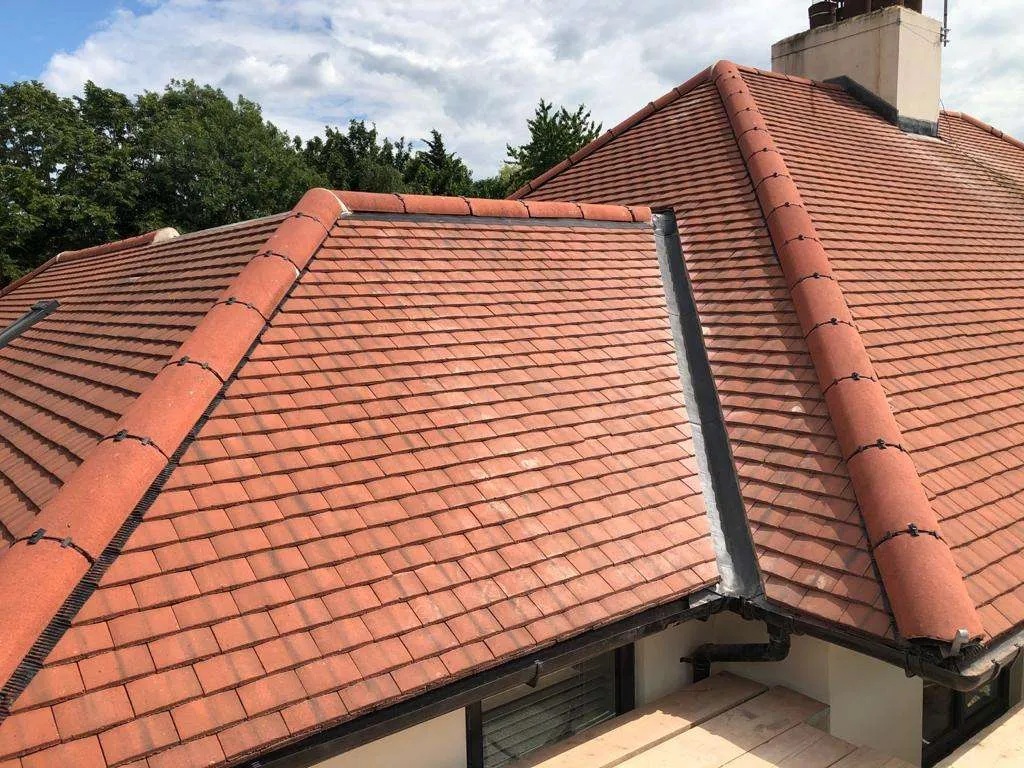
- We carry out a free drone survey of the whole roof, flashings, rooflights, and gutter lines — no scaffolding needed just to look
- You get clear photos and a written report showing exactly what condition your roof is in
- We check whether the existing roof contains asbestos cement sheeting, common on units built before the mid-1980s, and arrange a licensed survey if it does
- We confirm whether the work needs Building Regulations sign-off, which usually applies once you're recovering more than 25% of the roof
- We check the structure can take the added weight of new insulation before we specify it
- We agree a phased plan with you, so parts of the building can keep operating while we work on the rest
- You get a firm quote and an agreed scope before any material arrives on site
If your existing roof needs asbestos removed first, that work is carried out by a licensed contractor under strict controls, separate from and ahead of the new roof installation.
How We Install an Industrial Roof With Minimal Downtime
Most industrial roofing jobs fail because the sequencing was rushed, not because the material was wrong. Here's how we install one properly.
- Set up edge protection and safe access before any material is stripped, in line with Health and Safety Executive rules for roof work
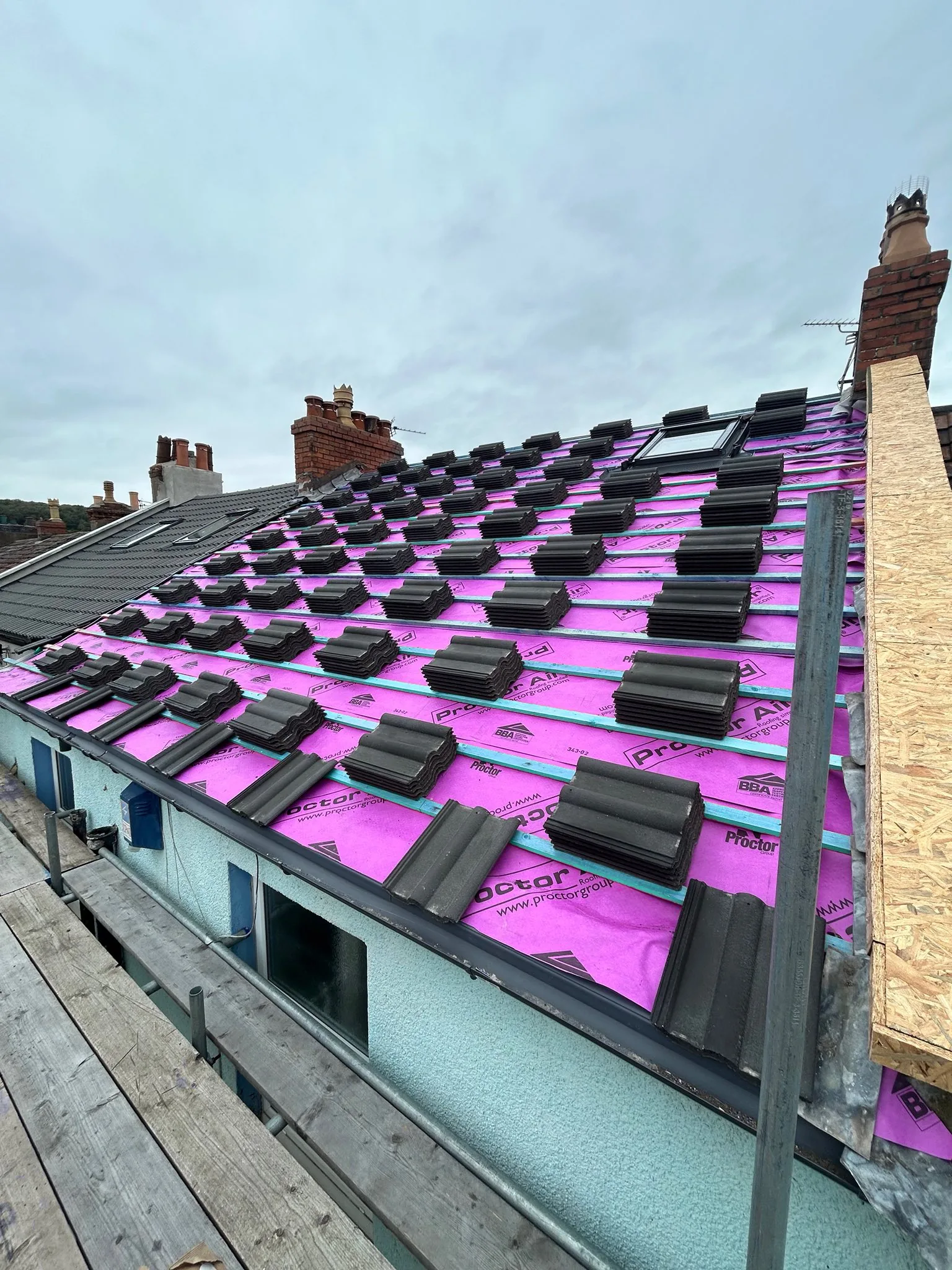
- Strip the roof back in manageable sections, keeping the building weathertight overnight and between shifts
- Replace or repair purlins and any structural steel found to be corroded or unsound
- Fit insulation to meet current U-value targets (a measure of how much heat escapes through the roof, with lower numbers meaning better performance)
- Install the chosen system — sheeting, membrane, or felt — with particular care at ridges, valleys, and rooflight upstands, where most industrial roof leaks start
- Fit new guttering and rainwater outlets sized for the roof area, so heavy rain clears properly
- Work in phases agreed at survey stage, moving section to section so production areas stay dry and operational
- Clear the site fully at the end of each phase, leaving no loose fixings or debris on walkways below
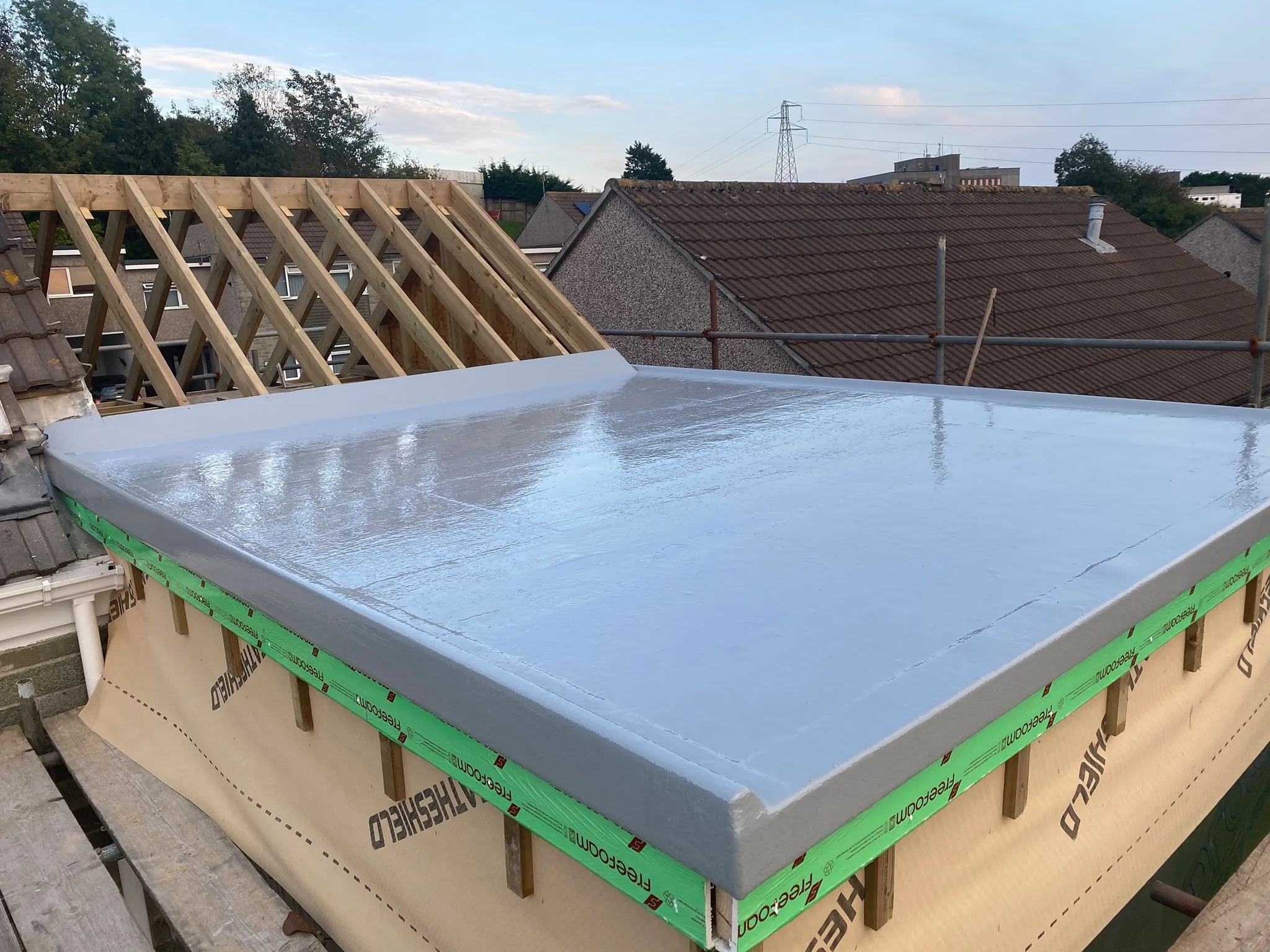
How to Check Your New Industrial Roof Was Installed Right
Whether you're assessing an ageing roof or checking a job we've just finished, here's what to look for.
Signs Your Industrial Roof Is Failing
- Staining or drip marks on the underside of the roof or on stock below
- Rust streaking down profiled sheeting, especially near fixings and laps
- Ponding water that sits on a flat or low-pitch section for more than 48 hours after rain
- Daylight visible through the roof from inside, often around rooflights or old fixing holes
- Condensation dripping from the underside of the roof in cold weather, a sign the insulation or ventilation is failing
- Loose or lifting sheet edges after high winds, common on older fixings that have worked loose over the years
How to Check the Work Was Done Properly
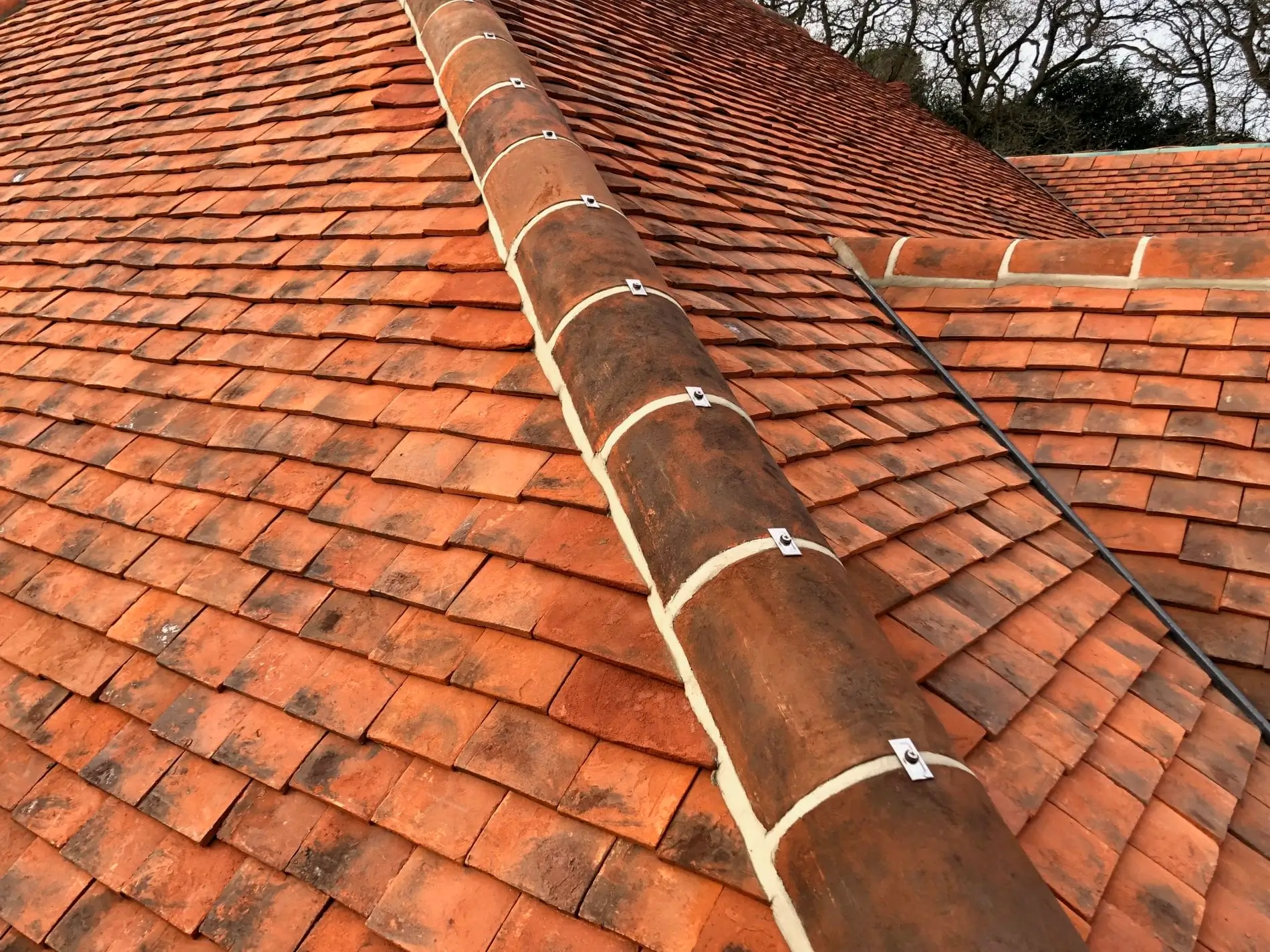
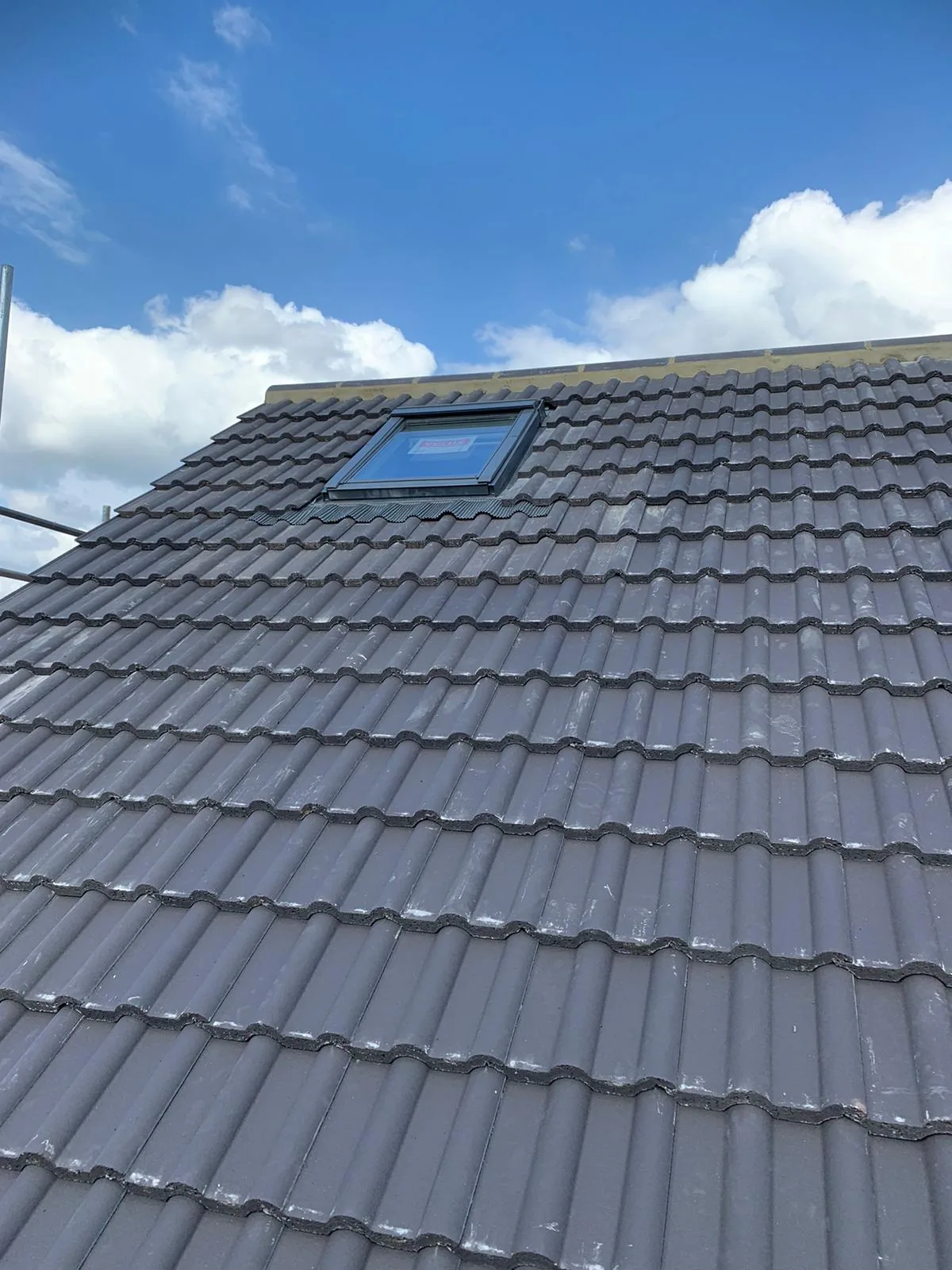
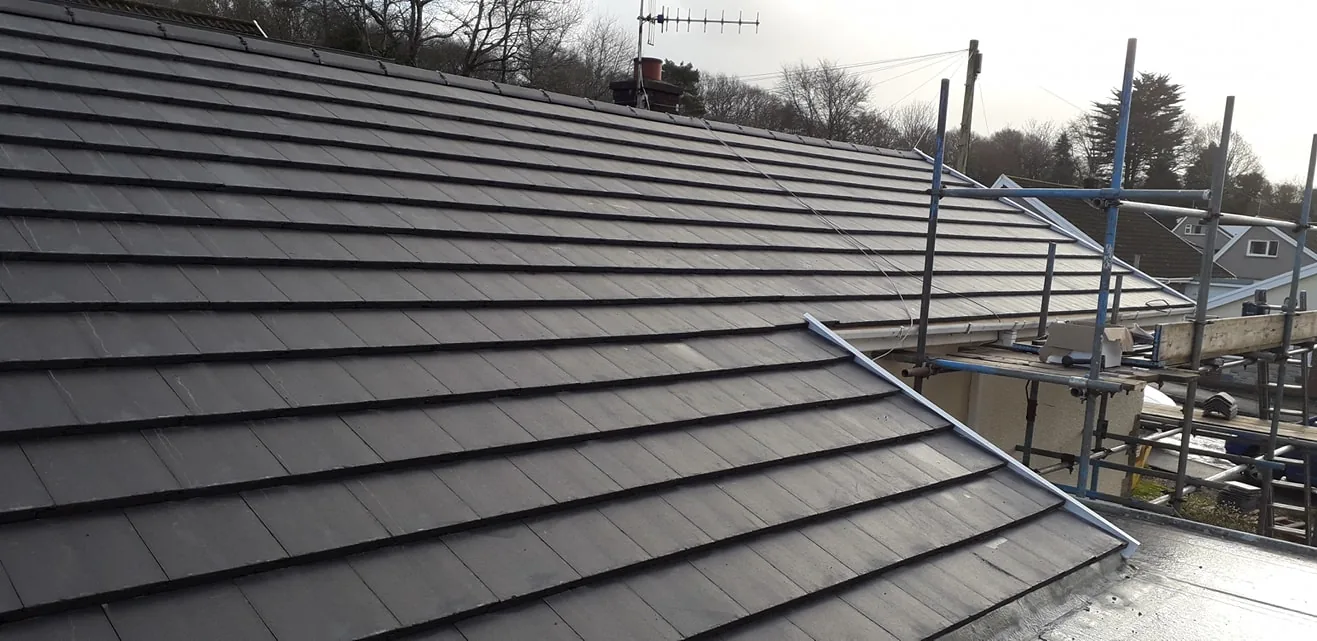
- Sheeting or membrane should sit flat and taut, with no ripples, drumming sounds underfoot, or visible gaps at laps
- Fixings should be evenly spaced and driven straight, not skewed or over-tightened enough to dimple the sheet
- Ask to see photos of the purlins and structure taken before covering, proof the frame was sound before it went out of sight
- You should receive written details of the guarantee, the exact system and thickness fitted, and confirmation of any Building Regulations notification
- We back every industrial roof we fit with a 10-year workmanship guarantee, in writing, from day one
Keeping Your Industrial Roof Watertight for Decades
A planned maintenance visit twice a year catches small faults before they become a shutdown.
- Clear gutters, valley gutters, and outlets twice a year, especially after autumn leaf-fall
- Check fixings and laps for movement or rust after any severe storm
- Re-seal rooflights and pipe penetrations as the sealant ages, usually every 5-10 years
- Keep an eye on flat or low-pitch sections for standing water a couple of days after heavy rain
- Log every inspection and repair, which matters for insurance and for any future lease dilapidations claim (a tenant's contractual duty to hand a leased building back in good repair)
- Book a drone re-survey every few years to track wear before it turns into a leak
Cost & Pricing Guidance
Industrial roofing installation pricing across the UK for 2025/26 typically runs like this:
- Built-up felt: £45-£75 per m²
- Single-ply membrane (EPDM, TPO or PVC): £55-£95 per m²
- Profiled steel or aluminium sheeting: £45-£90 per m²
- Standing-seam metal: £90-£150 per m²
- Insulated composite liner panels: £70-£110 per m²
A full re-roof on a mid-sized industrial unit, around 1,000m², typically costs £50,000-£95,000, depending on system, insulation specification, and access.
If your existing roof contains asbestos cement sheeting, removal adds roughly £30-£50 per m² on top of the new roofing costs above, sometimes charged instead by weight at around £15 per kg. Large or complex sites with multiple roof levels or restricted access sit toward the higher end of any range.
What pushes the price up or down: roof height and access (a cherry picker or scaffold tower costs more than simple ladder access), whether the building needs to stay operational during work, the insulation thickness needed to hit current U-value targets, and whether asbestos removal has to happen first.
These are general ranges, not a quote. A fixed price needs a proper survey — and our drone survey is free, with no obligation.
Comparison Table: Industrial Roofing Systems
| System | Typical Lifespan | Best For | Relative Cost |
|---|---|---|---|
| Built-up felt | 15-20 years | Older units, tight budgets, short-term ownership | £ (lowest) |
| Profiled steel/aluminium sheeting | 30-40 years | Pitched warehouse and factory roofs, new builds | ££ |
| Single-ply membrane | 25-30 years | Flat or low-pitch roofs, complex shapes and rooflights | ££ |
| Insulated composite liner panels | 30-40 years | New builds needing insulation and cladding in one fix | £££ |
| Standing-seam metal | 40-50 years | Long-life buildings, low-pitch roofs, premium spec | £££ (highest) |
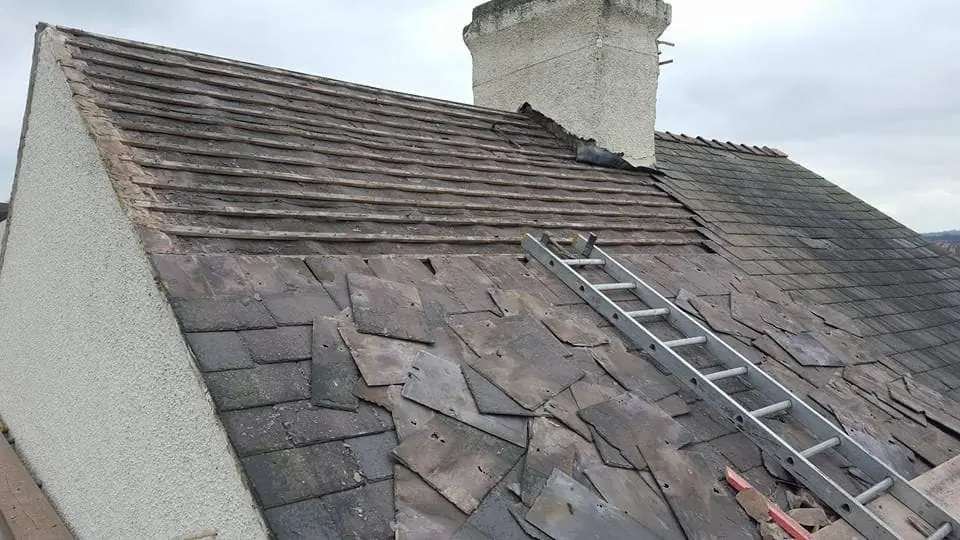
Why Choose Tate & Sons for Your Industrial Roof
Industrial roofing work is led by Daniel Oakland, Project Manager and Lead Roofer, who has 20+ years in the trade. He specialises in EPDM, GRP, and standing-seam systems, and runs every large-scale roofing job day to day, from a single warehouse re-cover to a full factory roof out towards Colwick or Lenton Lane.
Tate & Sons was founded by James Tate on a simple idea: find out what's genuinely wrong, use the right materials, and leave something that holds for years, not months. That's just as true on a 2,000m² warehouse roof as it is on a single garage. Read more on our About page.
Our roofers are directly employed, not subcontracted. They hold NVQ Level 2 and 3 qualifications in Roofing Occupations and carry CSCS cards. Every industrial roof comes with a free drone survey up front and a 10-year workmanship guarantee once the work is finished.
Industrial Roofing Across Nottingham and the Wider County: Areas We Serve
We install and repair industrial roofs right across Greater Nottingham and out into the wider county, including the business parks and industrial estates that sit alongside these areas.
- Nottingham City Centre (NG1)
- The Park (NG1)
- West Bridgford (NG2)
- Sneinton (NG2)
- Wollaton (NG8)
- Lenton (NG7)
- Beeston (NG9)
- Chilwell (NG9)
- Stapleford (NG9)
- Arnold (NG5)
- Sherwood (NG5)
- Mapperley (NG3)
- Carlton (NG4)
- Gedling (NG4)
- Hucknall (NG15)
- Long Eaton (NG10)
- Mansfield (NG18)
- Sutton-in-Ashfield (NG17)
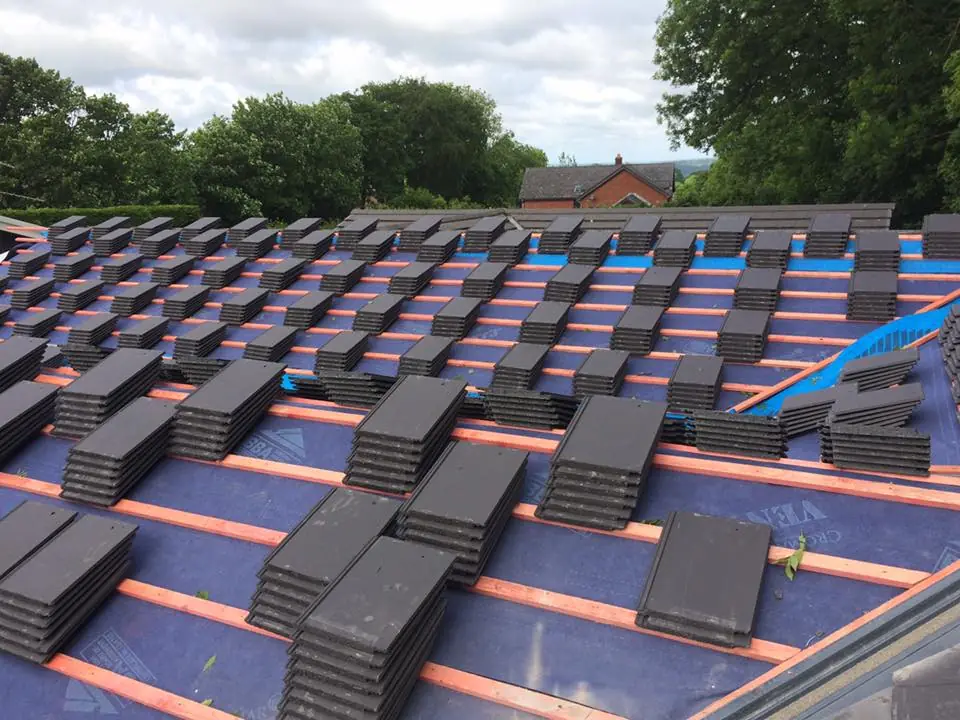
Got Questions?
Your Flat Roofing Questions, Answered Properly
How much does industrial roofing installation cost in the UK?
Most industrial roofing systems cost £45-£150 per m² fully installed, depending on the material. Built-up felt sits at the cheaper end around £45-£75 per m², profiled steel runs £45-£90 per m², and standing-seam metal runs £90-£150 per m². A mid-sized 1,000m² warehouse re-roof typically costs £50,000-£95,000 all in. A survey gives you an exact figure for your building.
What is the best roofing system for a warehouse or factory?
There isn't one system that suits every building, but profiled steel sheeting and single-ply membrane cover most cases. Profiled steel suits pitched roofs and lasts 30-40 years with low maintenance. Single-ply membrane suits flat or low-pitch roofs and handles rooflights and awkward shapes well. Your roof's pitch, age, and how the building is used decide which fits best.
How long does it take to install a new industrial roof?
A straightforward re-roof on a single warehouse unit typically takes 2-4 weeks, weather allowing. Larger sites, phased projects, or roofs needing asbestos removal first take longer, sometimes several months for a large distribution centre. We agree a realistic programme with you at survey stage, including any phasing needed to keep the building operational.
Can an industrial roof be replaced without stopping business operations?
Yes, in most cases, by working in phases across sections of the roof rather than stripping the whole thing at once. We weatherproof each section before moving to the next, so production, storage, or retail areas underneath stay dry and usable. Phasing does add some time and cost compared with a single continuous strip, but it protects your trading and avoids a full shutdown.
Does my industrial roof contain asbestos, and does it need removing?
Any industrial roof built before the mid-1980s may contain asbestos cement sheeting, and only a licensed survey can confirm it either way. If asbestos is present, it needs safe removal by a licensed contractor before new roofing goes on, which adds roughly £30-£50 per m² to the job. Left undisturbed and in good condition, asbestos sheeting isn't automatically dangerous, but a full re-roof always disturbs it, so removal becomes necessary at that point.
Do I need planning permission or Building Regulations approval for a new industrial roof?
Most industrial re-roofs don't need planning permission if the building's shape and appearance stay broadly the same. Building Regulations notification is generally required once you're recovering more than 25% of the roof, which covers most full re-roofs, and this includes meeting current insulation and U-value targets. We handle this notification as part of the job and flag anything unusual during your survey.
How long does a new industrial roof last?
It depends on the system and how well it's installed. Built-up felt lasts 15-20 years, single-ply membrane lasts 25-30 years, and profiled steel or standing-seam metal can last 30-50 years with routine maintenance. Poor detailing at laps, upstands, and fixings causes most early failures, whatever material is used, so installation quality matters as much as the material choice.
What insulation standard does a new industrial roof need to meet?
Current Building Regulations generally call for a roof U-value around 0.18 W/m²K on a new or substantially replaced industrial roof, a figure that measures how much heat escapes through it — lower means better performance. Meeting this usually means fitting 150-220mm of rigid insulation, depending on the type used. Poorly insulated roofs can account for a large share of a building's total heat loss, so getting this right cuts ongoing energy costs as well as meeting the regulation.
Can solar panels be fitted to a new industrial roof?
Yes, and it's worth planning for at installation stage even if you're not fitting panels immediately. The roof structure and covering need to be specified to take the extra point loads and fixings solar panels bring, and retrofitting later is more disruptive than building it in from the start. Tell us at survey stage if solar is a future possibility, so we can specify a system and warranty that won't be voided by adding panels down the line.
Book Your Free Drone Roof Survey Today
See exactly what your roof needs before any work starts. No ladders, no pressure — just a clear picture from a local Nottingham team.
A tired roof only gets worse as water works deeper into the deck and timber beneath it. A quick, free drone survey today tells you exactly where you stand — and often the fix is smaller and cheaper than you feared. Book now, get an honest quote, and protect your home before the next East Midlands downpour finds the weak spot.
📍 57 Cyril Avenue, Nottingham, NG8 5BA
📞 0115 647 4455
Call the Nottingham team today on 0115 647 4455, or request your free drone survey online. We’re already working across your area.
Get in Touch
Tate & Sons Roofing — Nottingham
57 Cyril Avenue, Nottingham, NG8 5BA
📞 0115 647 4455
✉️ [email protected]