
🏠 Trusted Local Roofers
Ridge Tile Repairs & Rebedding Nottingham
A ridge tile that's slipped, or a ribbon of crumbling mortar along your roofline, rarely stays a small problem for long. Wind gets underneath, water finds a way in, and a straightforward rebed turns into a bigger repair bill. As a roofing contractor working across the city, we rebed, repoint and dry-fix ridge tiles the way we'd want it done on our own home — properly stripped back, fixed with the right method, and left to hold for years.
- Fully Insured
- 10-Year Guarantee
- 5-Star Rated
Quick Free Estimate - No Obligation
We're not just roofers – we're your neighbours.
Fully Insured • Response within 15 mins
🔒 Your details are safe with us. No spam, ever.
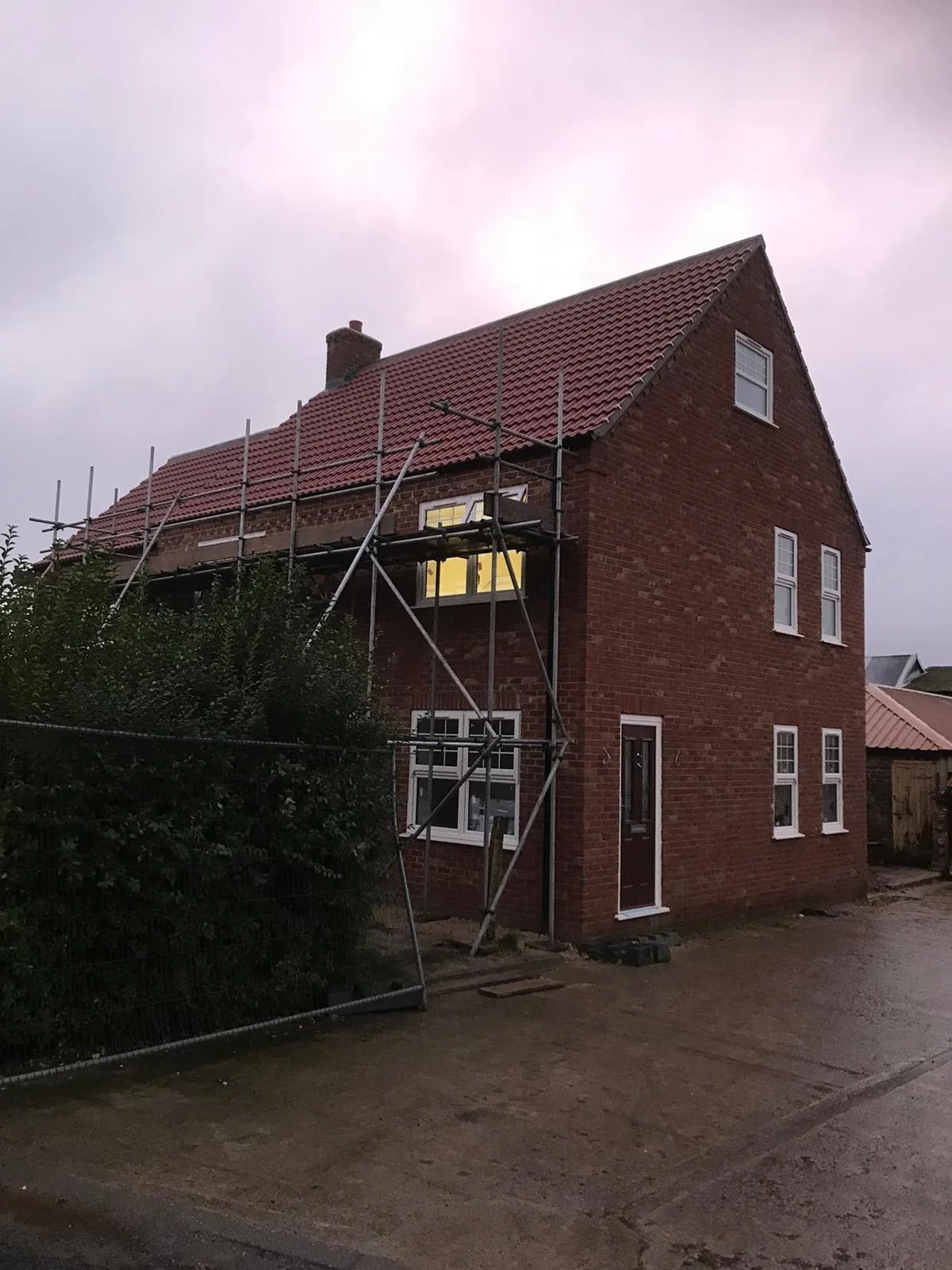
What Is Ridge Tile Rebedding, and Does Your Roof Need It?
Ridge tile rebedding means lifting the tiles that cap the top of your roof, stripping off the old, failed mortar, and resetting each tile in a fresh sand-and-cement mix or fixing it mechanically with a dry ridge system. It's different from repointing, which only renews the pointing — the mortar fillet along the tile edges — without lifting the tiles themselves. You need a full rebed once the mortar bed underneath has crumbled, not just the visible pointing on top. A quick survey tells you which job you actually need.
Here's what usually points to a rebed rather than a simple repoint:
- Ridge tiles sitting slightly proud, crooked, or rocking underfoot when checked
- Cracked, crumbling, or missing mortar between tiles, not just surface hairline cracks
- Mortar grit or broken chunks collecting in your gutters after wind or rain
- Daylight visible along the ridge line when you look up from inside the loft
- Damp patches or water stains on the ceiling near the roof apex
- A tile that's slipped or blown off in a storm, leaving bare timber exposed
If a tile has come off in a storm and you can see daylight or feel a draught overhead right now, that's not a wait-and-see job. Our Emergency Roof Repair team can get a tarpaulin or temporary fix on the same day, then come back to do the ridge properly.
Dry Ridge System or Mortar Rebed: Which Fix Suits Your Nottingham Roof?
For most Nottingham homes, a dry ridge system — tiles held with mechanical clips and screws instead of wet mortar — lasts longer and needs less upkeep than a traditional mortar rebed. Mortar rebedding resets tiles by hand in fresh sand-and-cement and suits period and heritage roofs where the traditional look matters. Current British Standard guidance (BS 8612) now calls for mechanical fixing alongside or instead of mortar on most ridges, which is why dry ridge has become the default on newer roofs. Your roof's age, look, and exposure decide which is right — see the comparison table further down this page.
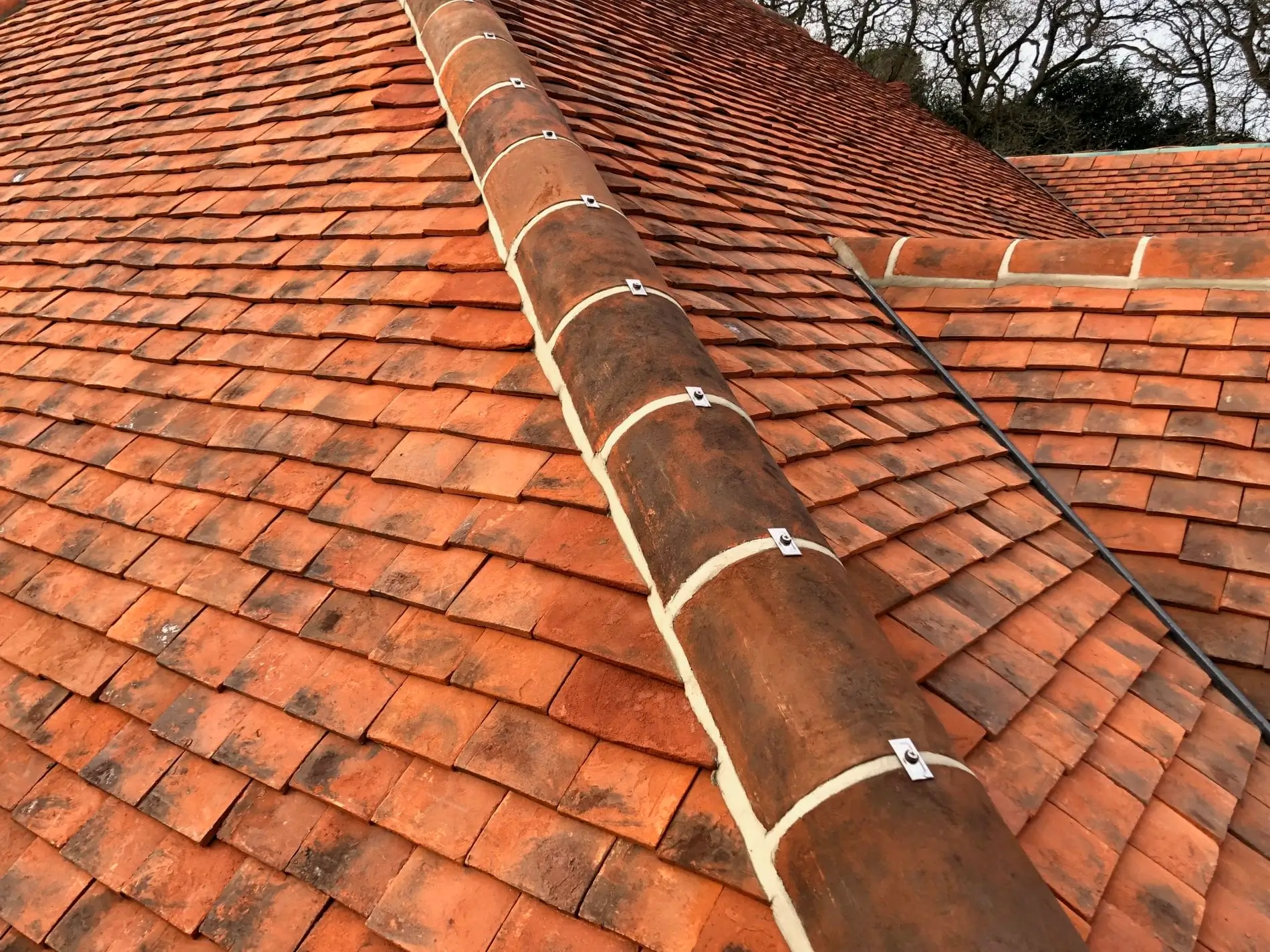
Lifespan and cost only tell half the story. Here's how each method behaves once it's fitted, and where it fits best.
Dry Ridge System
- Uses mechanical clips, screws and a ventilated union strip instead of wet mortar
- The ventilated design cuts condensation risk in the loft space below
- Flexes slightly with roof movement instead of cracking under stress
- Usually backed by a 10 to 15 year manufacturer guarantee on the fixings themselves
- Doesn't always suit heritage rooflines, and some conservation areas prefer the mortar look
Mortar Rebedding
- Tiles are cleaned back, bedded in fresh sand-and-cement mortar, then pointed by hand
- Keeps the traditional finish that conservation areas around The Park expect
- Needs dry, mild weather to cure properly, so it can't be rushed in a frost
- Will likely need repointing or another rebed within 10 to 15 years as the mortar weathers
- Cheaper to install upfront, though it asks for more maintenance over its life
For the technical detail behind current dry-fix standards, see the Roof Tile Association's introduction to dry-fix roofing.
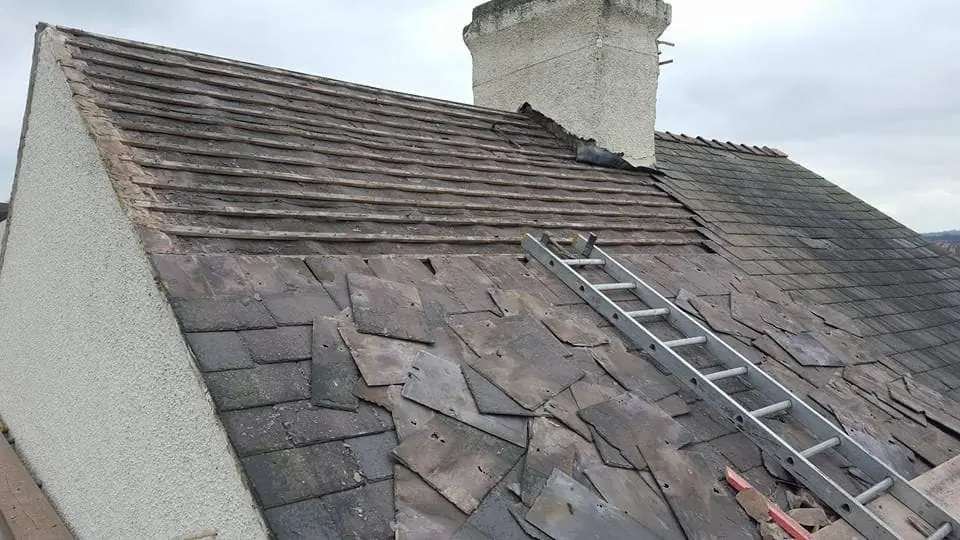
What Happens Before We Touch Your Ridge
Every job starts with a proper look at what's going on up there, not a guess from the pavement.
- We check every ridge tile and hip tile, not just the ones visible from the ground
- We assess the mortar bed's condition and depth, tile by tile
- We check the timber ridge board and battens underneath for water damage before quoting
- We tell you honestly whether repointing, a full rebed, or a switch to dry ridge is the right call for your roof
- We flag anything that needs conservation area sign-off if you're near The Park or parts of Lenton
- If the ridge trouble is part of a wider pattern of slipped tiles or tired felt, our Roof Repairs and Restorations team looks at the whole roof, not just the ridge
- You get a firm quote and an agreed scope before any tool comes out of the van
How We Rebed or Dry-Fix Ridge Tiles Properly
Most ridge failures trace back to old mortar or a rushed original fix, not a fault in the tiles themselves. Here's how we do it properly.
- Remove the affected ridge tiles carefully, without cracking the tiles either side
- Strip out all old, failed mortar back to a sound base
- Check and repair the timber ridge board or batten underneath if it's damp or rotten
- Bed each tile in fresh mortar, or fit dry ridge clips and a ventilated union strip, to the tile manufacturer's specification
- Point neatly and tool off each joint for a clean, weatherproof finish
- Clear the site and check the ground and gutters for dropped mortar or tile debris
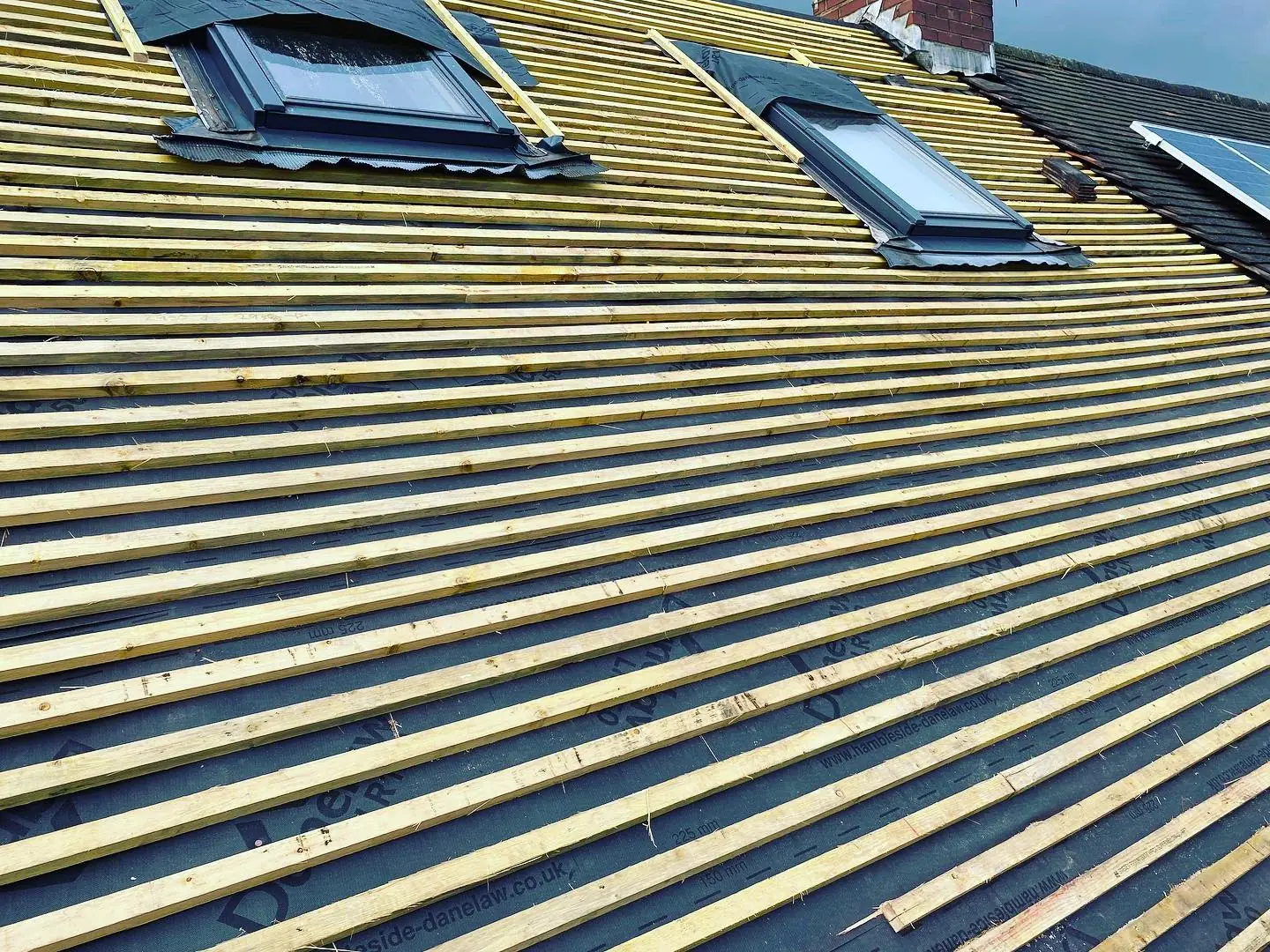
Most ridge tile jobs, even a full rebed on a typical semi, take a single day from start to finish, weather allowing. A full dry ridge conversion on a longer roofline can run to two days where there's more ridge length to cover.
How to Check Your Ridge Tile Repair Was Done Right
Whether you're checking work we've just finished or sizing up a quote from anyone else, here's what a proper job looks like.
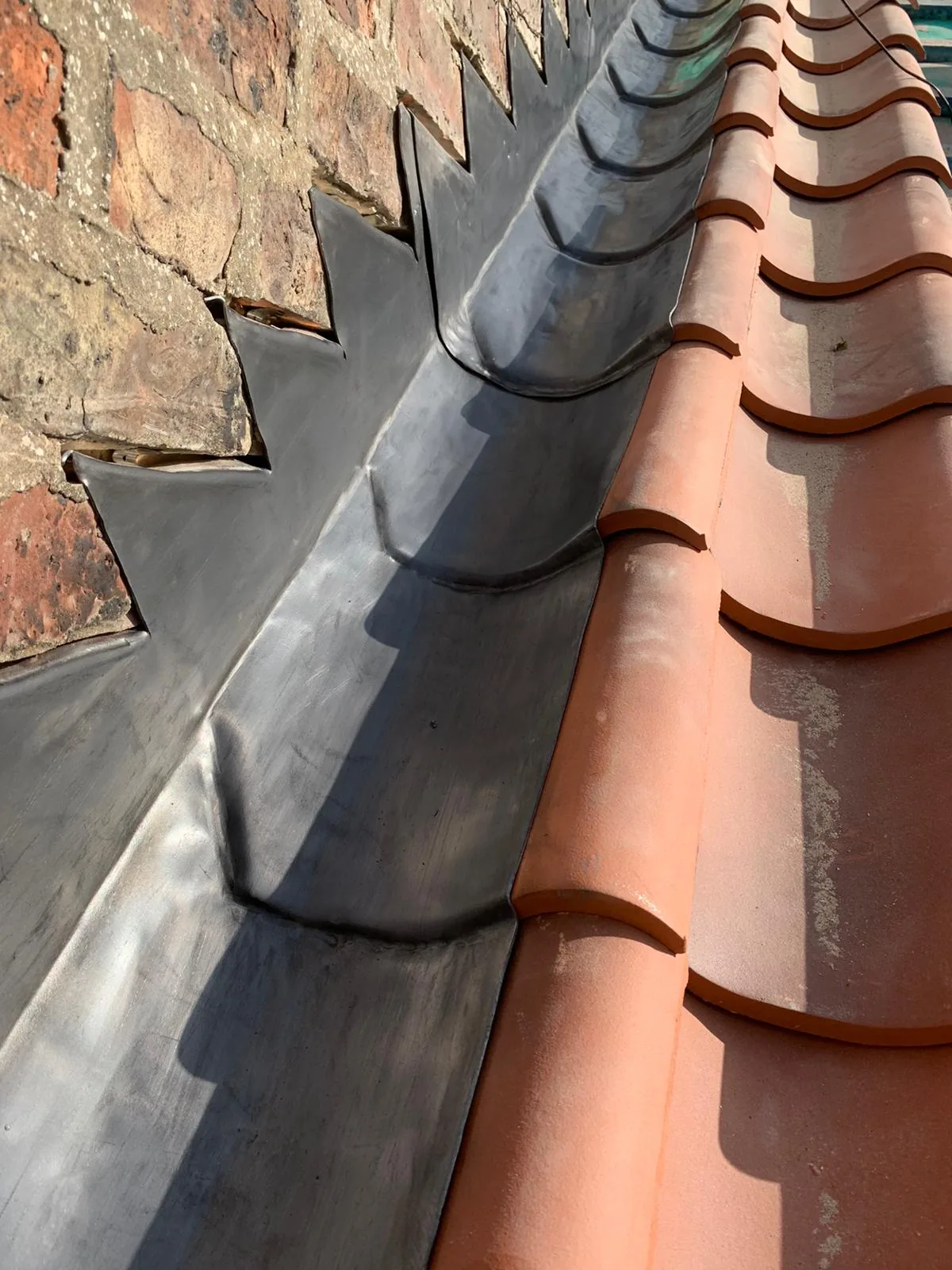
- Every tile sits flush, level, and in line along the ridge, with no rocking when nudged
- Pointing is smooth, fully filled, and free of hairline gaps or bare patches
- No leftover mortar smears left on the tiles or on the roof slopes below
- On a dry ridge, the union strip lies flat along its full length with no gaps at the joins
- Ask to see before-and-after photos of the ridge — a reputable roofer takes these as standard
- You should get written confirmation of the guarantee, the method used, and any materials fitted
- We back every ridge tile job with a 10-year workmanship guarantee, in writing, from day one
Stopping Loose Ridge Tiles Before They Start
A little attention twice a year keeps a small mortar crack from turning into a missing tile.
- Get your roof checked after any named storm or spell of severe gales
- Clear your gutters twice a year — mortar grit collecting there is an early warning sign worth acting on
- Book a five-yearly check on mortar-bedded ridges, since they weather faster than dry ridge systems
- Trim back overhanging branches that scuff tiles or knock debris onto the ridge line
- Don't leave a single loose or cracked tile — waiting usually turns a cheap repoint into a full rebed
- Ask for a look at the ridge whenever you're having other roof work done nearby
Cost & Pricing Guidance
Ridge tile pricing across the UK for 2025/26 typically runs like this:
- Repointing only (roughly 10 metres of ridge): £150-£300
- Single tile re-fix (1-3 tiles): £150-£300
- Section rebed, up to 4 metres: £250-£450
- Full ridge rebed, 3-bed semi: £350-£650
- Full ridge rebed, detached house: £500-£900
- Dry ridge conversion: typically higher than a mortar rebed on the same roof, reflecting the clip, screw and union strip materials
What pushes the price up or down: how much ridge length needs doing, how many tiles need full replacement rather than reuse, access and scaffolding needs, whether a chimney stack sits along the ridge and needs separate attention, and whether you choose mortar or dry ridge.
These are general ranges, not a quote. A fixed price needs a survey.
Comparison Table: Ridge Tile Repair Options
| Option | Typical Lifespan | Best For | Relative Cost |
|---|---|---|---|
| Repointing only | 5-10 years | Minor pointing wear on tiles that are otherwise sound | £ (lowest) |
| Mortar Rebedding | 10-15 years | Period and heritage roofs, conservation areas | ££ |
| Dry Ridge System | 20-30+ years | Modern homes, exposed or high roofs, low-maintenance owners | £££ |
| Full Ridge Replacement (new tiles) | Matches new tile warranty, often 30+ years | Cracked or damaged tiles beyond reuse | £££ (highest, tile-dependent) |
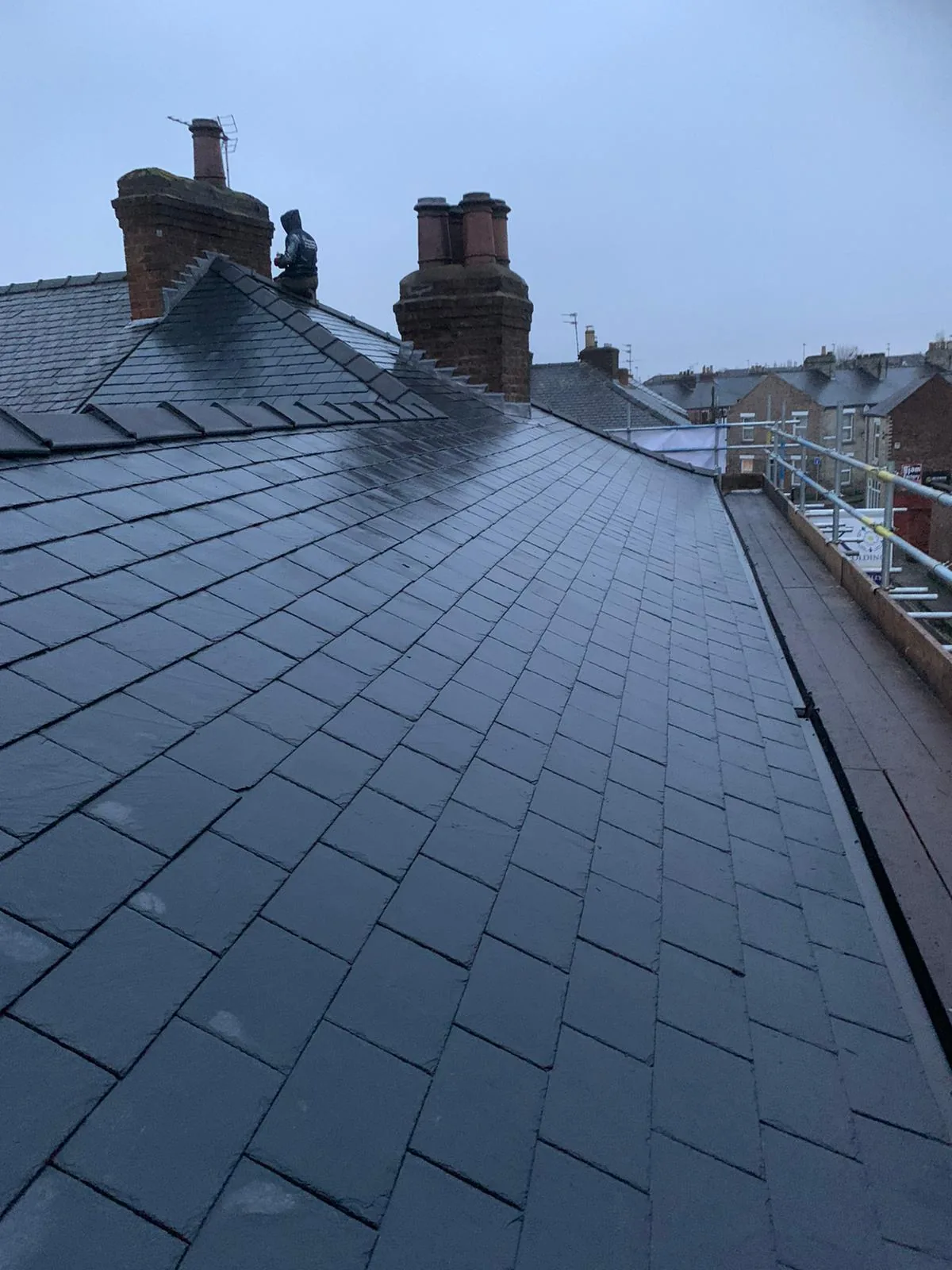
Why Choose Tate & Sons for Ridge Tile Repairs
Ridge and mortar work is led by James Tate, our Founder and Managing Director, who still prices most jobs himself. He's happiest up a ladder on a tricky period roofline, working out how to fix a ridge properly without losing the character of the property underneath. Tate & Sons was built on his founding idea: find out what's genuinely wrong, use the right materials for the job, and leave something that holds for years, not months. That's exactly the standard we apply whether we're bedding tiles in traditional mortar on a Victorian terrace in Sherwood or fitting a dry ridge system on a newer roof out towards Hucknall. Read more on our About page.
Our roofers are directly employed, not subcontracted. They hold NVQ Level 2 and 3 qualifications in Roofing Occupations and carry CSCS cards. Every ridge tile job comes with a free drone survey up front and a 10-year workmanship guarantee once the work is finished.
Ridge Tile Repairs Across Nottingham and the Wider County: Areas We Serve
We rebed, repoint and dry-fix ridge tiles right across Greater Nottingham and out into the wider county. Wherever your property sits, our crews know the local housing stock, the weather it takes, and the access.
- Nottingham City Centre (NG1)
- The Park (NG1)
- West Bridgford (NG2)
- Sneinton (NG2)
- Wollaton (NG8)
- Lenton (NG7)
- Beeston (NG9)
- Chilwell (NG9)
- Stapleford (NG9)
- Arnold (NG5)
- Sherwood (NG5)
- Mapperley (NG3)
- Carlton (NG4)
- Gedling (NG4)
- Hucknall (NG15)
- Long Eaton (NG10)
- Mansfield (NG18)
- Sutton-in-Ashfield (NG17)
Got Questions?
Your Flat Roofing Questions, Answered Properly
What's the difference between ridge tile repointing and rebedding?
Repointing only renews the mortar fillet along the edge of each tile, without lifting the tiles themselves. Rebedding goes further — it lifts every tile, strips out the old bedding mortar underneath, and resets each one in a fresh mix or on mechanical fixings. Repointing suits ridges where the tiles are still solid and only the visible pointing has worn away. Rebedding is the right call once the bedding mortar itself has crumbled, since fresh pointing on a failed bed won't hold for long. A survey tells you honestly which one your roof needs.
How much does ridge tile repair cost in the UK?
Most single tile repairs cost £150-£300, and a full ridge rebed on a typical semi-detached house runs £350-£650. Detached properties with longer ridgelines cost more, usually £500-£900 for a full rebed. Repointing alone, without lifting tiles, tends to sit at the lower end, around £150-£300 for roughly 10 metres of ridge. Access, ridge length, and whether you choose mortar or a dry ridge system all move the price, so these figures are a guide rather than a fixed quote.
How long does ridge tile rebedding last?
A traditional mortar rebed typically lasts 10 to 15 years before it needs attention again. A dry ridge system, fixed mechanically rather than bedded in mortar, tends to last 20 to 30 years or more with far less maintenance. Weather exposure, the quality of the original workmanship, and how exposed your roof is all affect the real-world lifespan. Roofs high up or on exposed sites, common around the edges of the county, tend to see mortar wear faster than sheltered city streets.
Is a dry ridge system better than a mortar-bedded ridge?
For most modern homes, yes — dry ridge systems last longer, need less upkeep, and flex with the roof instead of cracking. They use mechanical clips, screws, and a ventilated union strip instead of wet mortar, which also helps cut condensation in the loft. Mortar rebedding still has its place, particularly on period and heritage properties where a conservation area or the building's character calls for the traditional look. The right choice depends on your roof's age, appearance, and how exposed it is, which is exactly what a survey establishes.
Do I need scaffolding to repair ridge tiles?
Not always — a single loose or cracked tile can often be reached and fixed from a secured ladder or roof ladder, depending on the property's height and access. A full ridge rebed or a dry ridge conversion covering the whole roofline usually needs proper access equipment, since the work takes longer and involves carrying materials up. Steep roofs, multi-storey properties, or awkward access generally call for scaffolding or a tower regardless of how much ridge needs doing. We confirm what access your job needs as part of the survey, so it's priced in from the start.
How long does a ridge tile repair take?
A minor repair covering a few tiles typically takes a few hours in a single visit. A full ridge rebed on a typical semi-detached roof usually takes one day from start to finish. Longer ridgelines, dry ridge conversions, or jobs that turn up rotten timber underneath can take two days. Weather plays a part too, since mortar needs dry, mild conditions to cure properly.
Do I need planning permission or Building Regulations approval for ridge tile work?
Most ridge tile repairs and rebeds on an existing house don't need planning permission, since you're maintaining what's already there rather than changing the roof's appearance or form. Building Regulations generally come into play only on larger-scale re-covering work, not routine ridge repair or rebedding. Conservation areas around The Park and parts of Lenton can carry extra restrictions on materials and appearance, so it's worth checking if your property falls inside one. We flag anything that applies during your survey, before any work is agreed.
Can ridge tiles be rebedded in winter?
Mortar rebedding needs dry, mild weather to cure properly, ideally above 5°C and without heavy rain in the following day or two, so winter can slow the work down or push it back. A dry ridge system doesn't rely on curing mortar, so it can usually be fitted safely in colder weather when a traditional rebed would have to wait. If you've got a loose tile in winter and can't wait for milder conditions, a temporary fix can hold things over until a proper rebed is practical. We'll always tell you honestly if weather means a job needs rescheduling rather than rushing it.
Book Your Free Drone Roof Survey Today
See exactly what your roof needs before any work starts. No ladders, no pressure — just a clear picture from a local Nottingham team.
A tired roof only gets worse as water works deeper into the deck and timber beneath it. A quick, free drone survey today tells you exactly where you stand — and often the fix is smaller and cheaper than you feared. Book now, get an honest quote, and protect your home before the next East Midlands downpour finds the weak spot.
📍 57 Cyril Avenue, Nottingham, NG8 5BA
📞 0115 647 4455
Call the Nottingham team today on 0115 647 4455, or request your free drone survey online. We’re already working across your area.
Get in Touch
Tate & Sons Roofing — Nottingham
57 Cyril Avenue, Nottingham, NG8 5BA
📞 0115 647 4455
✉️ [email protected]