
🏠 Trusted Local Roofers
Metal Roofing Nottingham
A metal roof should be the one part of your house you never think about again once it's fitted. Done badly, it lets go at a fixing point, a seam, or a junction with the brickwork, and you're looking at a leak within a few winters. This page covers the metal systems that suit Nottingham homes and extensions, what they cost, and how to check a job was done right. As a roofing contractor working across the city, we fit metal roofing the way we'd want it fitted on our own house — the right material, in the right thickness, detailed properly at every edge.
- Fully Insured
- 10-Year Guarantee
- 5-Star Rated
Quick Free Estimate - No Obligation
We're not just roofers – we're your neighbours.
Fully Insured • Response within 15 mins
🔒 Your details are safe with us. No spam, ever.
Which Metal Roofing Material Suits Your Nottingham Home?
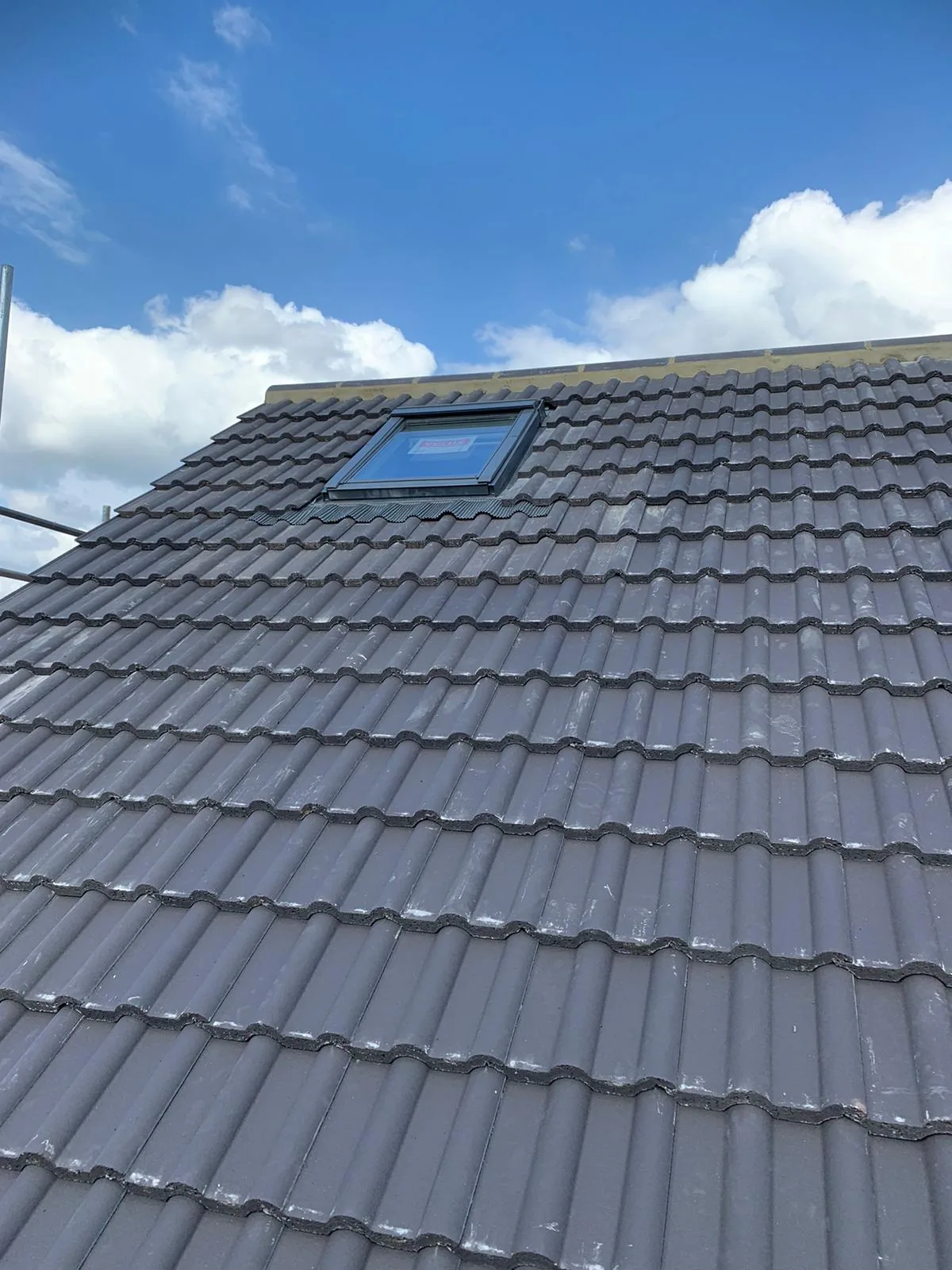
For most Nottingham homes, aluminium standing seam gives the best balance of cost and long life, typically lasting 40 to 50 years with almost no upkeep. Zinc costs more but can run past 80 years and develops a soft grey patina (the weathered surface layer that forms naturally over time) that suits period properties well. Steel box profile or tile-effect sheets are the budget option, ideal for garages and outbuildings. Copper costs the most but can outlast the building itself. A free survey confirms which fits your roof, your budget, and how the property is used — see the comparison table further down this page for lifespan and cost at a glance.
Steel and aluminium are the most common choices we fit around the city, mainly because they're cost-effective and hold up well against the wind-driven rain that comes off the Trent Valley. Zinc and copper turn up more often on architect-designed extensions and period properties in areas like The Park and West Bridgford, where the finish matters as much as the performance. For the technical detail on how aluminium performs as a roofing material, including its natural corrosion resistance, see the Federation of Traditional Metal Roofing Contractors' guide to aluminium roofing.
If you're building an extension or replacing a whole roof rather than adding metal to an existing one, it's worth reading our page on new roof installation too, since the two jobs often overlap on a full re-roof.
Standing Seam, Box Profile or Tile-Effect: What Each System Suits
Material is only half the decision. The profile — how the metal is shaped and jointed — changes what a roof suits and how it goes together.
Standing Seam
- Flat panels joined by raised, folded seams with no exposed fixings visible on the finished roof
- Gives a clean, contemporary look that suits extensions, dormers, and architect-designed new builds
- Can be laid down to a very low pitch when detailed correctly, which suits modern flat-fronted extensions
- Needs a skilled installer, since the seams are hand or machine-folded on site rather than simply screwed down
- The premium choice for visible, prominent roof areas
Box Profile and Corrugated Sheets
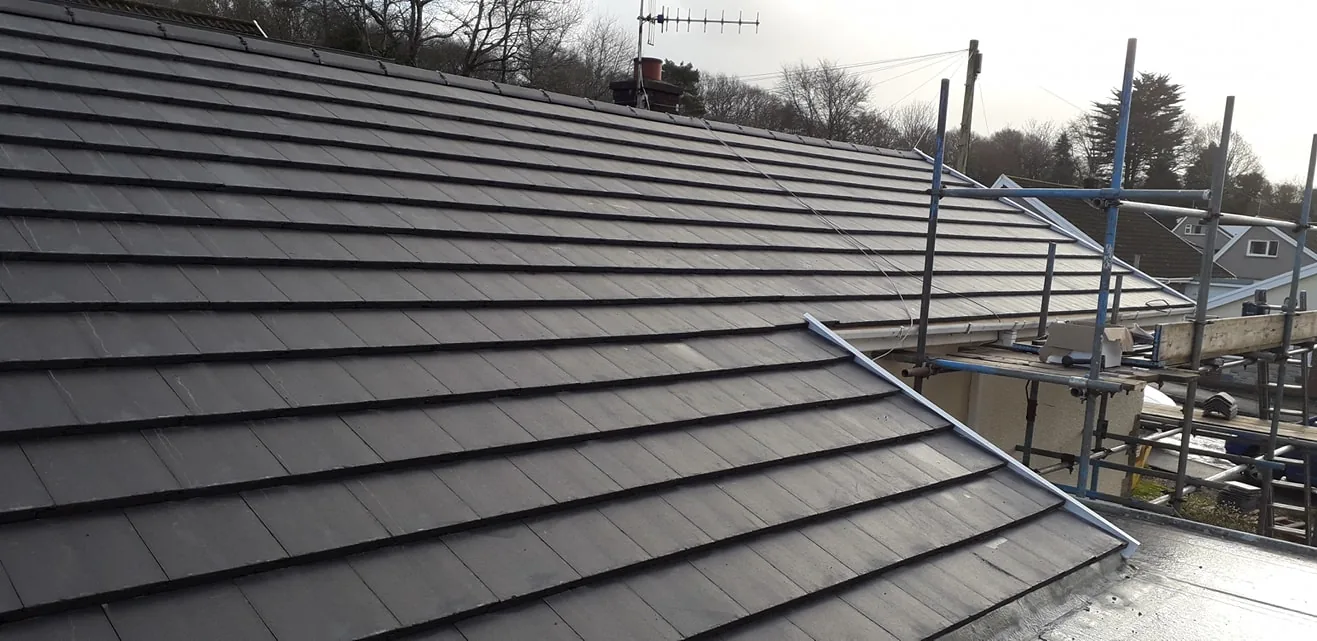
- Pre-formed trapezoidal or wave-shaped sheets, fixed through the metal with capped screws
- The fastest and cheapest metal system to install
- Common on garages, workshops, agricultural-style outbuildings, and budget extensions
- Works down to a shallower minimum pitch than tile-effect sheeting, which suits low-slope garden rooms
- Visible fixings mean the screws need periodic checking, since a loose one is where a leak usually starts
Tile-Effect Steel Sheets
- Pressed steel panels finished to look like clay pantiles or slate from ground level
- Far lighter than real tile or slate, which helps on older rafters that can't take much extra load
- A practical option where a homeowner wants a traditional look without the weight or the cost of natural material
- Needs a slightly steeper minimum pitch than standing seam or box profile to shed water properly
- A sensible middle ground for a like-for-like re-roof on a tighter budget
Metal roofing also suits new-build pitched extensions well, since it goes on quickly once the deck and battens are ready. If you're planning a pitched extension or a new-build roof from scratch, our pitched roof construction page covers the structural side in more detail.
What Happens Before We Touch Your Roof
Every job starts with a clear look at what's actually going on, not a guess from the pavement.
- We carry out a free drone survey of the whole roof surface, flashings, and junctions — no ladders needed
- You get clear photos showing exactly what condition your existing roof or rafters are in
- We tell you honestly whether an existing metal roof needs a repair or a full replacement
- We recommend a material and gauge (sheet thickness) that suits your budget, your roof's exposure, and its pitch
- We check the deck or rafters underneath are sound enough to fix into properly
- If you're near The Park or a listed building, we flag anything that needs conservation area sign-off before work starts
- You get a firm quote and an agreed scope before any tool comes out of the van
How We Install a Metal Roof That Lasts Decades, Not Years
Most metal roof failures trace back to poor detailing, not poor material. Here's how we install one properly.
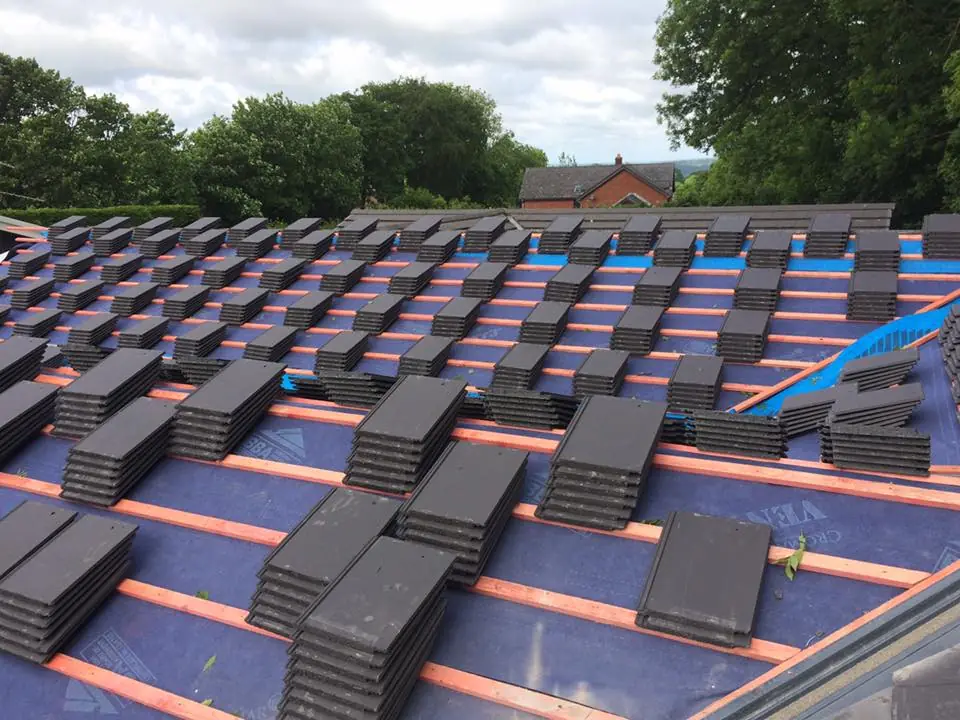
- Strip back to a sound deck or set of rafters, replacing any rotten timber we find
- Fit a breather membrane (a waterproof layer that still lets trapped moisture escape) across the whole roof area before any metal goes down
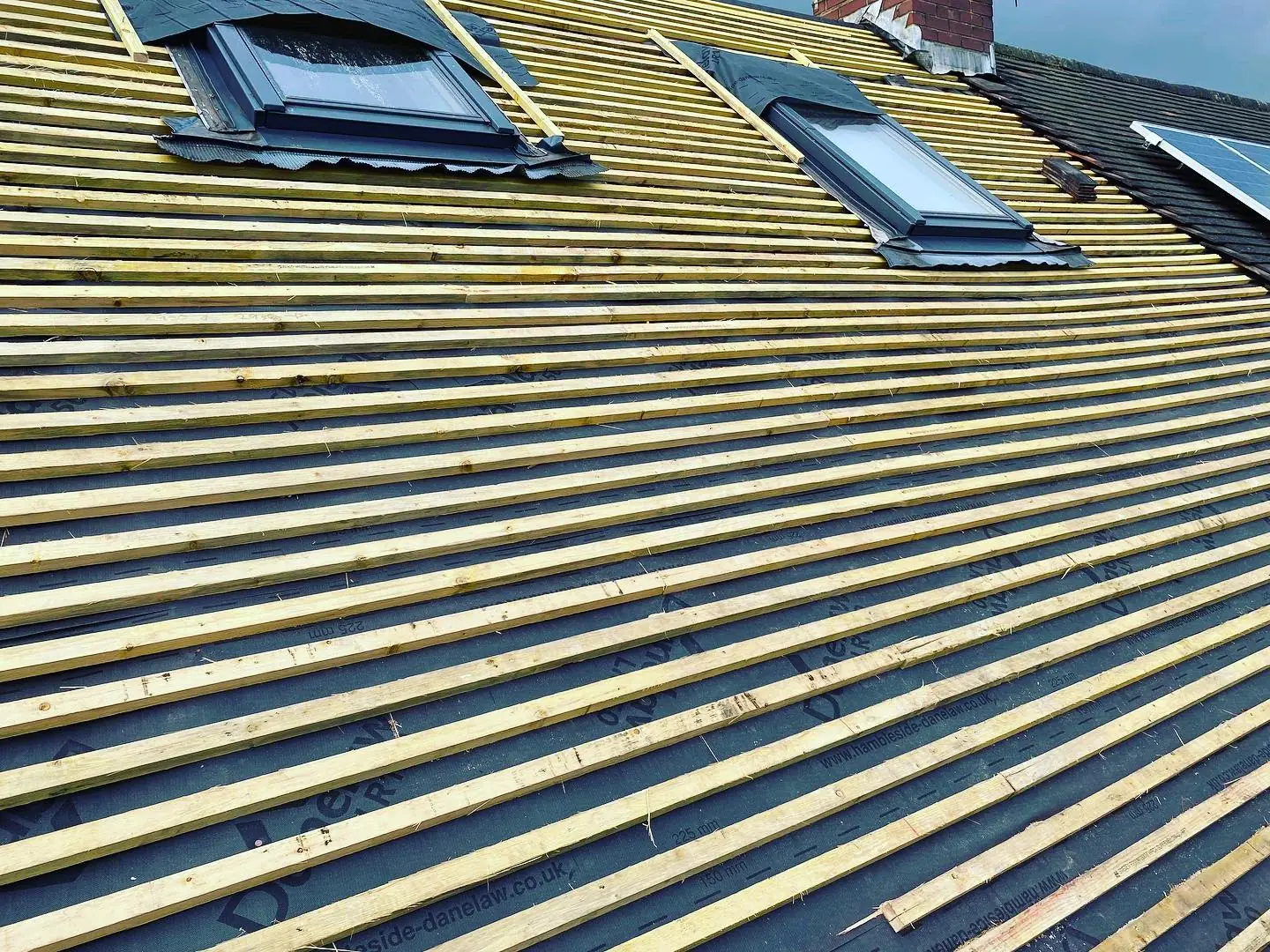
- Batten or fix support rails to suit the chosen system, checking fall and alignment as we go
- Fit panels or sheets working from the eaves up, keeping laps, seams, and fixing spacing to the manufacturer's specification
- Use fixings and flashings in a metal compatible with the roof covering, avoiding direct contact between dissimilar metals that can trigger galvanic corrosion (a reaction where one metal wears away faster when it touches another metal in wet conditions)
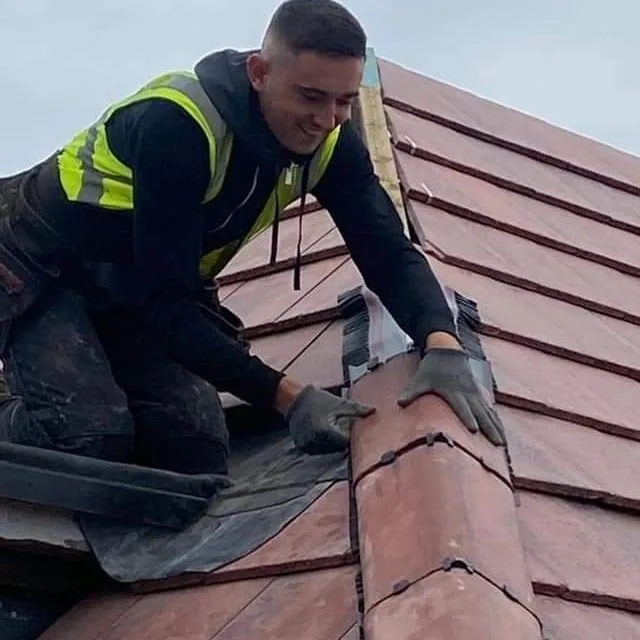
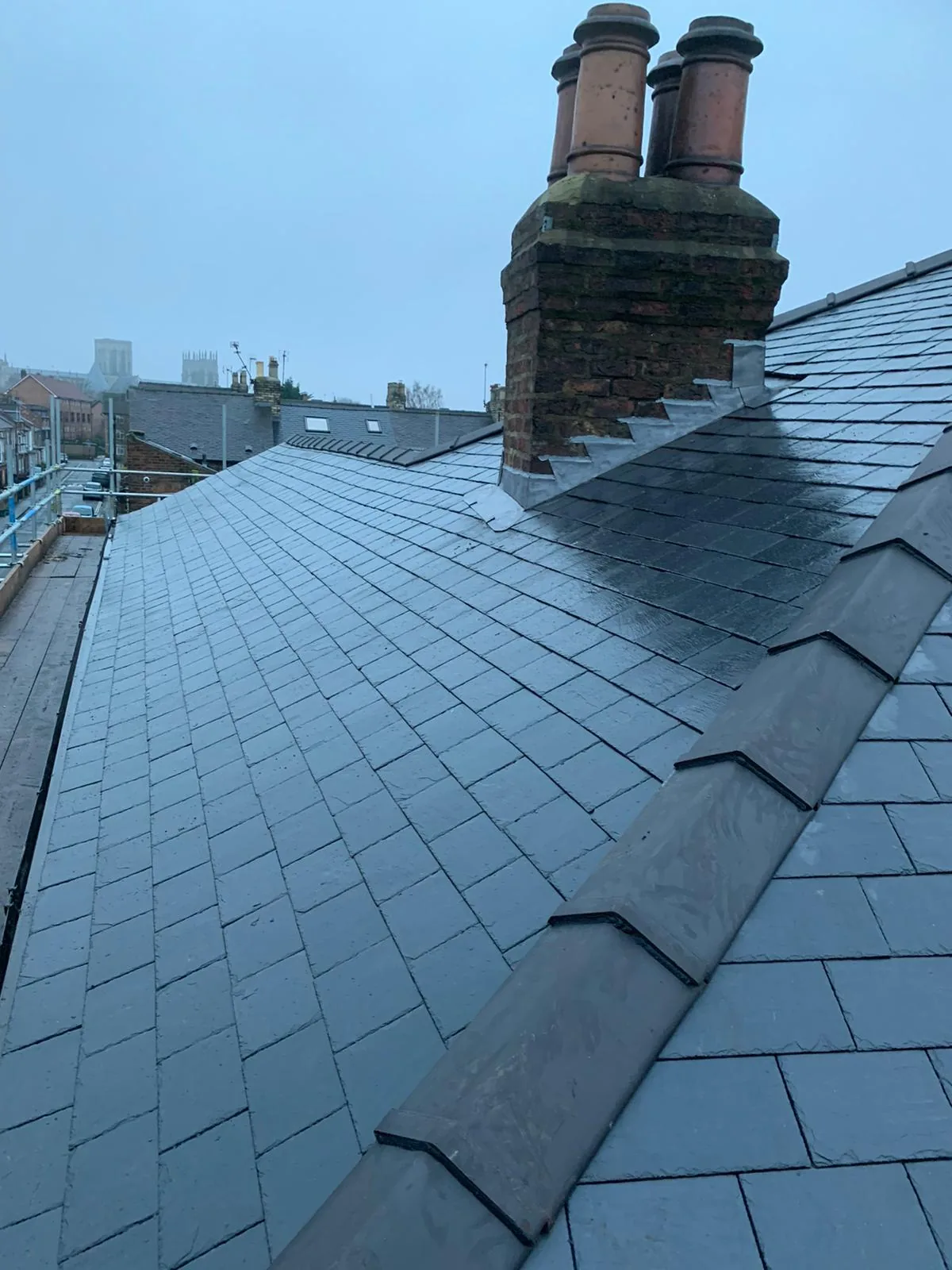
- Give extra attention to ridges, valleys, and junctions with brickwork or existing tiled slopes, where rushed jobs fail first
- Finish and clear the site, typically 2 to 5 days for a garage or extension roof, weather allowing
Spot the Warning Signs, Then Check the Work
Whether you're worried about an existing metal roof or checking a job we've just finished, here's what to look for.
Signs Your Metal Roof Needs Attention
- Rust streaks or bubbling paint, usually starting at a cut edge or a fixing point where the protective coating has worn through
- Loose, lifted, or missing fixings on box profile or corrugated sheets
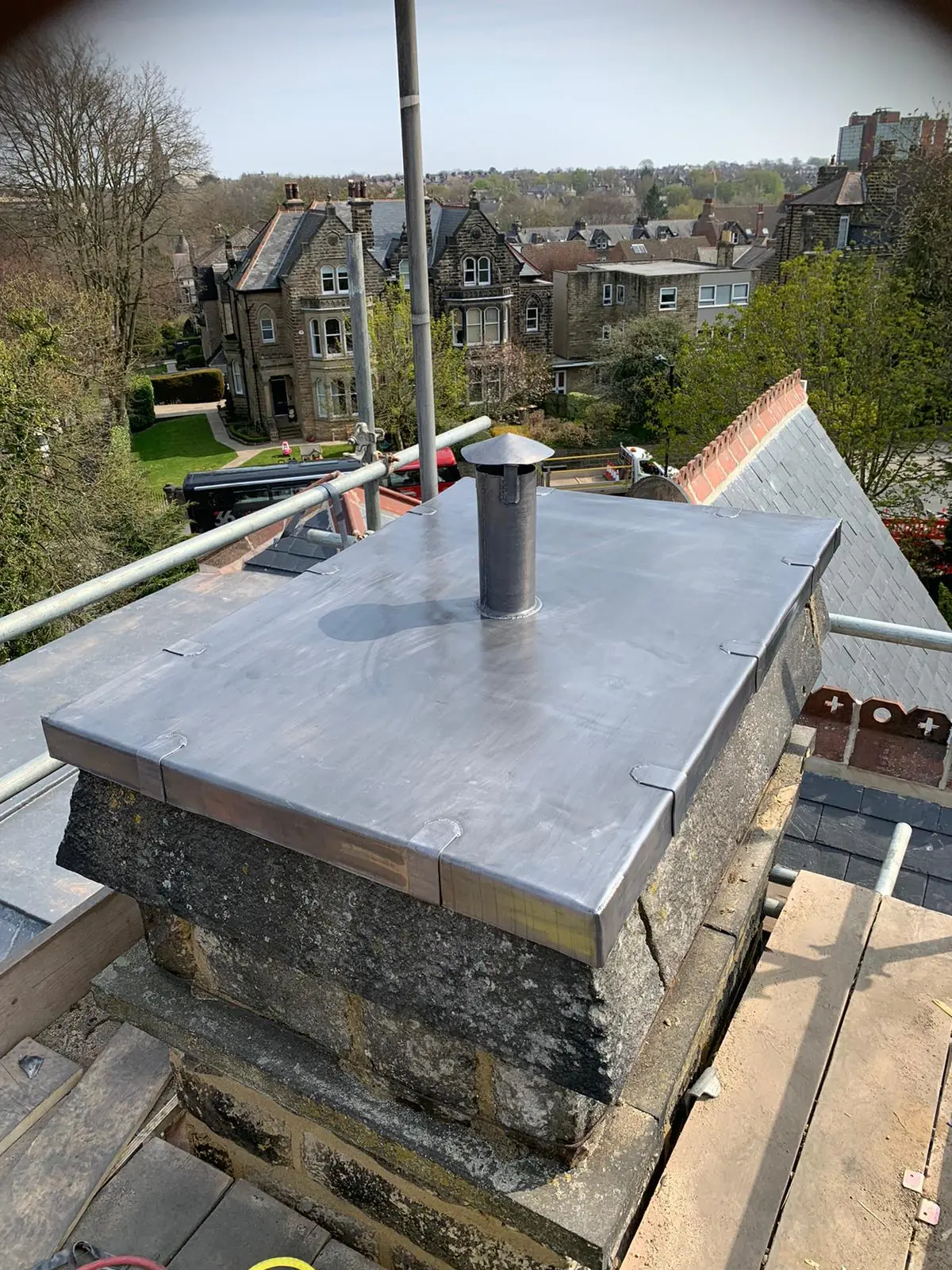
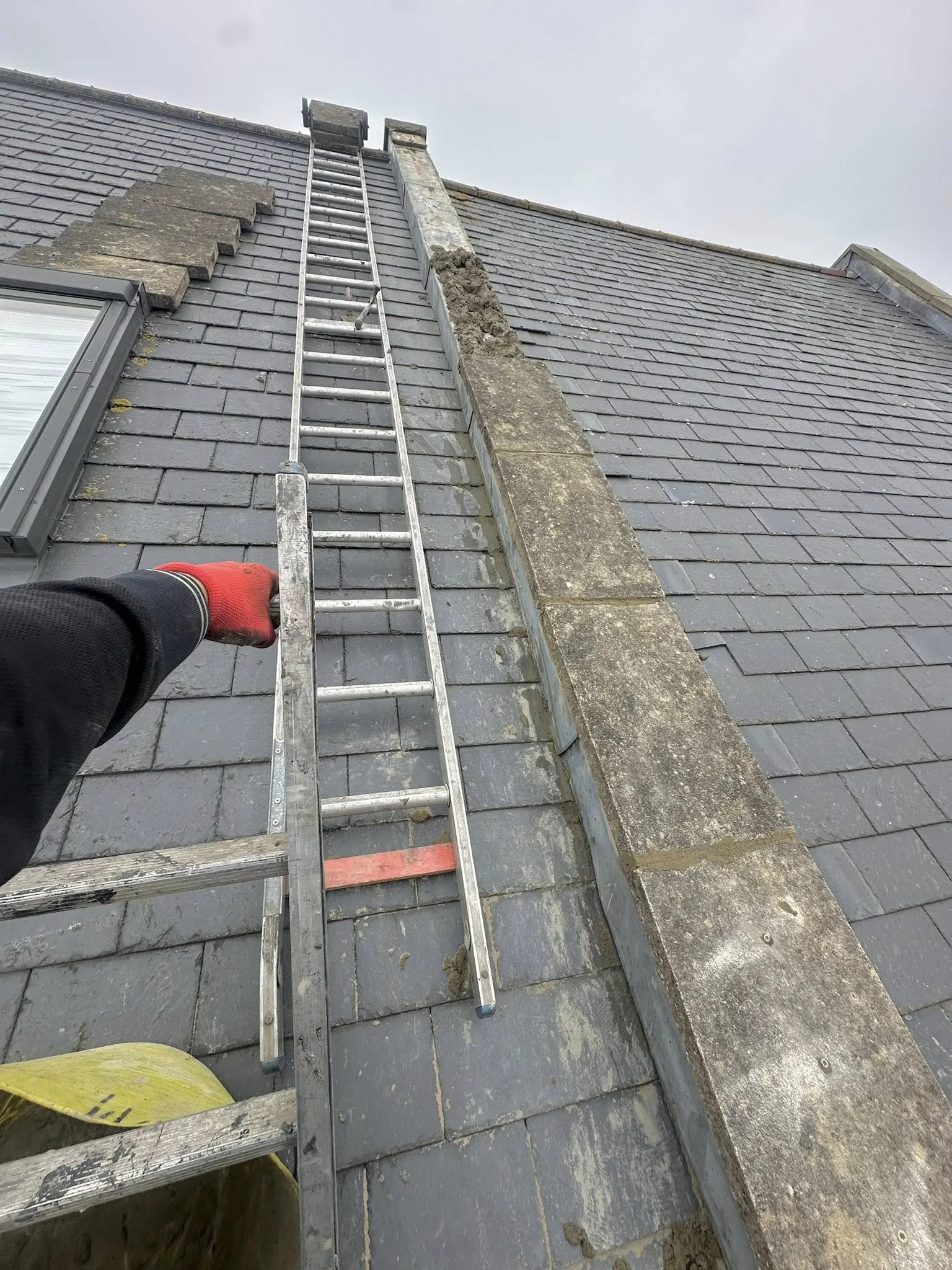
- Gaps or splits opening up at seams, ridges, or flashings around chimneys and walls
- A drumming or rattling noise in wind, which usually means a fixing or clip has worked loose rather than a fault with the material itself
- Staining or a green-white residue where two different metals meet, a sign of galvanic corrosion taking hold
- Damp patches or staining on ceilings below the roof
How to Check a Metal Roof Job Was Done Properly
- Seams on standing seam roofs should be tight, straight, and consistent along their full length, with no gaps or crimping
- Fixings on box profile sheets should sit flush with a proper sealing washer, not overtightened or dimpled
- All cut edges should be treated or capped, since bare cut metal is where corrosion starts first
- Ask to see photos of the deck or rafters taken before the metal went on — proof the structure was sound
- You should receive written details of your guarantee, the exact material, gauge, and finish used
- We back every metal roof we fit with a 10-year workmanship guarantee, in writing, from day one
Stopping Corrosion and Leaks Before They Start
Metal roofing needs far less upkeep than tile or felt, but a little attention twice a year keeps it performing for decades.
- Clear leaves and debris from valleys and gutter lines twice a year, especially after autumn leaf-fall
- Check fixings on box profile and corrugated sheets aren't working loose, particularly after a stormy winter
- Keep an eye on any point where a different metal touches your roof, such as a new lead flashing against an old zinc panel, and have it isolated properly if it wasn't fitted that way
- Watch for the first signs of a patina forming on zinc or copper — this is normal weathering, not damage, but it's worth knowing what to expect so you don't mistake it for a fault
- Trim back overhanging branches that scuff coated finishes or drop debris into valleys
- Give the roof a five-minute check after any storm — it catches small damage before it becomes a bigger repair
Cost & Pricing Guidance
Metal roofing pricing across the UK for 2025/26 typically runs like this:
- Steel box profile or corrugated sheets: £40-£90 per m²
- Tile-effect steel sheets: £45-£90 per m²
- Aluminium standing seam: £100-£180 per m²
- Zinc standing seam: £160-£240 per m², rising to £350-£400 per m² on complex or highly detailed roofs
- Copper standing seam: £250-£450 per m² and up
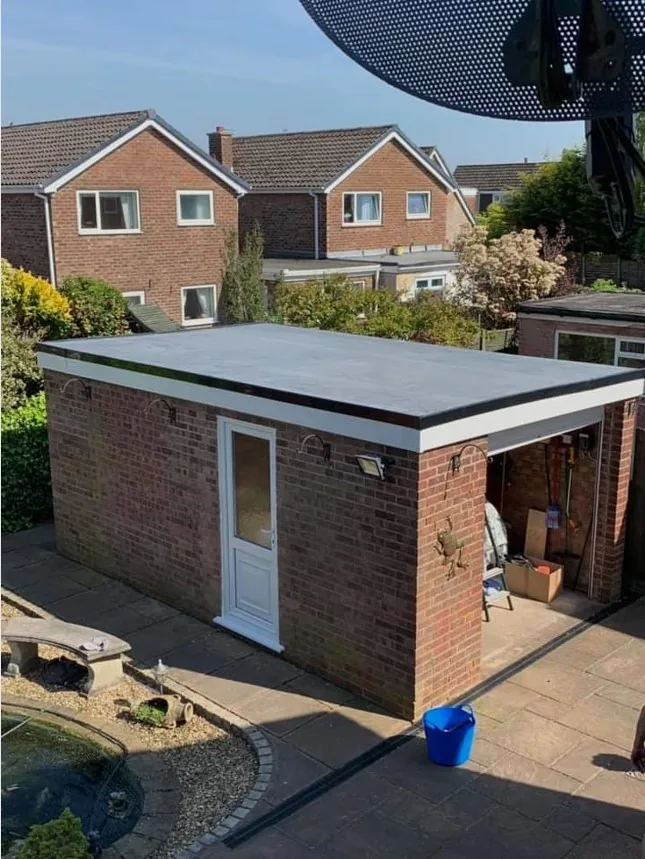
A garage roof or small extension in steel or aluminium typically costs £2,000 to £6,000 all in. A full house re-roof in zinc standing seam, on a roof of around 100m², commonly lands between £16,000 and £24,000, with copper running higher again.
Repairs cost far less than full replacement where the structure underneath is sound. Minor repairs to loose fixings or a damaged panel run £150-£450. More involved repairs to seams, flashings, or a section of corroded sheeting run £450-£900.
What pushes the price up or down: the metal you choose, roof pitch and complexity, access (scaffolding versus a ladder), the number of junctions and penetrations, and whether old roofing needs stripping and disposing of first.
These are general ranges, not a quote. A fixed price needs a proper survey — and our drone survey is free, with no obligation.
Comparison Table: Metal Roofing Materials
| Material | Typical Lifespan | Best For | Relative Cost |
|---|---|---|---|
| Steel (box profile / tile-effect) | 25-40 years | Garages, outbuildings, budget re-roofs | £ (lowest) |
| Aluminium | 40-50 years | Extensions, dormers, most standing seam projects | ££ |
| Zinc | 60-80+ years | Period properties, architect-designed extensions | £££ |
| Copper | 100+ years | Heritage and statement projects, prominent roof areas | ££££ (highest) |
Why Choose Tate & Sons for Your Metal Roof
Metal roofing is led by Daniel Oakland, Project Manager and Lead Roofer, who has 20+ years in the trade. He specialises in standing-seam, EPDM, and GRP systems, and runs every metal roofing job day to day, from a garage re-cover to a full standing-seam replacement on a period property near The Park.
Tate & Sons was founded by James Tate on a simple idea: find out what's genuinely wrong, use the right materials, and leave something that holds for years, not months. That's exactly the standard metal roofing needs, since a rushed seam or a badly chosen fixing is the difference between a roof that lasts decades and one that leaks within a few winters. Read more on our About page.
Our roofers are directly employed, not subcontracted. They hold NVQ Level 2 and 3 qualifications in Roofing Occupations and carry CSCS cards. Every metal roof comes with a free drone survey up front and a 10-year workmanship guarantee once the work is finished.
Metal Roofing Across Nottingham and the Wider County: Areas We Serve
We fit and repair metal roofing right across Greater Nottingham and out into the wider county. Wherever your property sits, our crews know the local weather, the housing stock, and the access.
- Nottingham City Centre (NG1)
- The Park (NG1)
- West Bridgford (NG2)
- Sneinton (NG2)
- Wollaton (NG8)
- Lenton (NG7)
- Beeston (NG9)
- Chilwell (NG9)
- Stapleford (NG9)
- Arnold (NG5)
- Sherwood (NG5)
- Mapperley (NG3)
- Carlton (NG4)
- Gedling (NG4)
- Hucknall (NG15)
- Long Eaton (NG10)
- Mansfield (NG18)
- Sutton-in-Ashfield (NG17)
Got Questions?
Your Flat Roofing Questions, Answered Properly
How much does a metal roof cost in the UK?
Metal roofing typically costs £40-£450 per m², depending on the material you choose. Steel box profile or tile-effect sheets sit at the budget end, around £40-£90 per m², while aluminium standing seam runs £100-£180 per m². Zinc costs £160-£240 per m² and copper £250-£450 per m² and up. A garage or small extension usually costs £2,000-£6,000, while a full house re-roof in zinc can run £16,000-£24,000. A survey gives you an exact figure.
How long does a metal roof actually last?
It depends on the material and the quality of the install. Steel lasts 25-40 years, aluminium 40-50 years, zinc 60-80 years or more, and copper can pass 100 years. Poor detailing at seams, fixings, and junctions is the most common reason for early failure, whatever the material. A properly fitted metal roof, checked and maintained twice a year, will usually outlast every other roofing option available.
Is a metal roof noisy when it rains?
No, not when it's fitted properly. A metal roof fitted over a solid deck, insulation, and a breather membrane is no louder in the rain than a tiled or felt roof, and can even be quieter. The noisy-metal-roof idea mostly comes from thin agricultural sheeting fixed straight onto open rafters with nothing underneath to absorb sound. Ask your installer what buildup sits beneath the metal before you worry about noise.
Do I need planning permission for a metal roof in Nottingham?
Most straightforward re-roofs don't need planning permission if you're replacing like-for-like materials on a standard house. Switching from tile or slate to a visibly different metal finish can need approval, particularly on the street-facing slope. Conservation areas around The Park and parts of Lenton, along with any listed building, bring extra restrictions that apply regardless of material. We flag anything that applies during your survey, before any work is agreed.
What's the difference between standing seam and box profile metal roofing?
Standing seam uses flat panels joined by raised, folded seams with no visible fixings, giving a clean, premium finish. Box profile uses pre-formed sheets fixed through the metal with capped screws, which is faster and cheaper to install but shows its fixings. Standing seam suits extensions and prominent roof areas where appearance matters, while box profile suits garages, outbuildings, and budget projects. Both can last decades when the gauge and fixings suit the roof's exposure.
Which metal roofing material is best: zinc, aluminium, steel, or copper?
There's no single best material — it depends on your budget, your roof's style, and how long you want it to last. Aluminium gives the strongest balance of cost and lifespan for most homes. Zinc suits period properties and architect-designed extensions where the patina and longevity justify the extra cost. Steel is the practical choice for garages and budget jobs. Copper is the premium option, chosen where a statement finish and a lifespan measured in a century matter more than upfront cost.
Does metal roofing rust or corrode?
Properly specified metal roofing resists corrosion well, but the wrong material or detailing can still fail. Steel needs a galvanised or coated finish to resist rust, and any scratch or cut edge that exposes bare metal is where corrosion starts first. Aluminium, zinc, and copper all form a natural protective layer on their surface and don't rust in the way steel does. The bigger risk is galvanic corrosion, where two different metals touching in wet conditions cause one to wear away faster, which is why fixings and flashings need to be compatible with the main roof material.
Can metal roofing be fitted on a property near The Park or another conservation area?
Yes, but it usually needs extra sign-off first. Zinc and standing seam systems are often the material of choice on heritage and conservation-area projects, since they can be detailed to sit well against traditional brick and stone. Conservation area status doesn't ban metal roofing outright, but it does mean the finish, colour, and detailing usually need approval before work starts. We check this at survey stage for any property in The Park, Lenton, or a listed building, so there are no surprises once work is booked.
What happens when two different metals touch on a roof?
Two different metals in contact, with rainwater acting as the conductor, can trigger galvanic corrosion, where the less noble (more reactive) metal wears away faster than it would alone. This is a real risk when an aluminium fixing touches a steel sheet, or when a new lead flashing sits directly against an old zinc panel, and it can eat through metal over a few years if it's missed. A competent installer separates incompatible metals with a plastic washer, isolating tape, or a compatible fixing spec, rather than letting them touch directly. It's a detail easy to miss on a DIY or rushed job, and one worth asking your installer about directly.
Book Your Free Drone Roof Survey Today
See exactly what your roof needs before any work starts. No ladders, no pressure — just a clear picture from a local Nottingham team.
A tired roof only gets worse as water works deeper into the deck and timber beneath it. A quick, free drone survey today tells you exactly where you stand — and often the fix is smaller and cheaper than you feared. Book now, get an honest quote, and protect your home before the next East Midlands downpour finds the weak spot.
📍 57 Cyril Avenue, Nottingham, NG8 5BA
📞 0115 647 4455
Call the Nottingham team today on 0115 647 4455, or request your free drone survey online. We’re already working across your area.
Get in Touch
Tate & Sons Roofing — Nottingham
57 Cyril Avenue, Nottingham, NG8 5BA
📞 0115 647 4455
✉️ [email protected]