
🏠 Trusted Local Roofers
Moss & Algae Removal Nottingham
Thick green moss on a north-facing slope or black streaks creeping down a shaded valley are two of the most common calls we get across Nottingham. Both hold moisture against your tiles and can force their way under the edges if left alone. As a roofing contractor working across the city, we remove moss and algae the safe way, without the pressure washer that damages more roofs than it cleans.
- Fully Insured
- 10-Year Guarantee
- 5-Star Rated
Quick Free Estimate - No Obligation
We're not just roofers – we're your neighbours.
Fully Insured • Response within 15 mins
🔒 Your details are safe with us. No spam, ever.
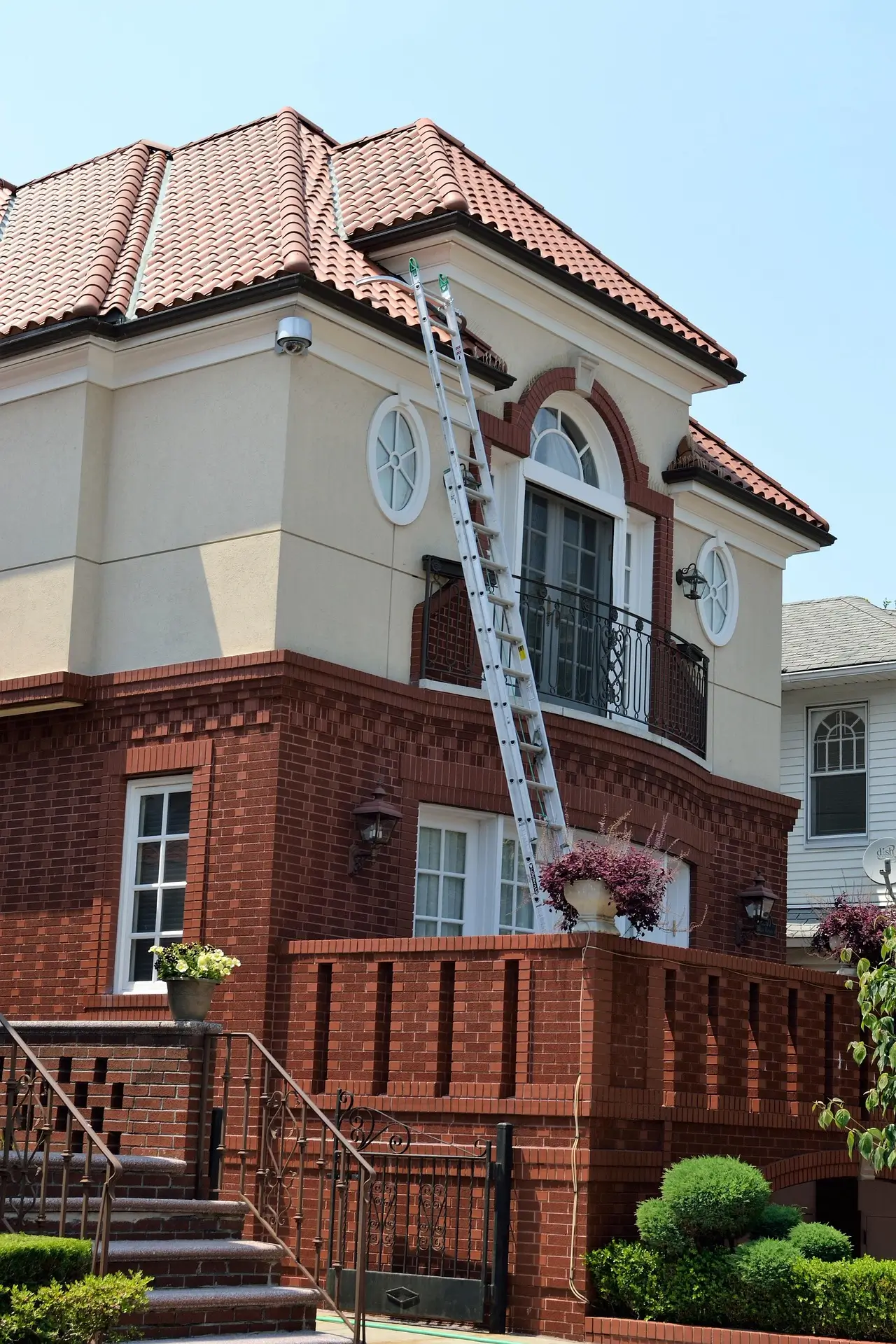
Do You Actually Need Moss and Algae Removal, or Is It Just Cosmetic?
Moss only needs removing if it's blocking gutters, outlets, or valleys, or if it's built up thick enough to lift tile edges. A light dusting on a shaded slope is mostly cosmetic and can often wait. Algae, which shows as green or black streaks rather than a raised cushion, is usually a surface stain with less structural risk, though it still points to a damp, shaded roof that dries out slowly. A quick check of your gutters and a look at how thick the growth has got tells you which category your roof falls into.
Moss grows fastest on the north and east faces of a roof, where sunlight rarely reaches and tiles stay damp longer after rain. Rough concrete tiles with a sanded finish trap dirt and spores more easily than smooth clay or slate. Overhanging branches drop leaf litter that feeds new growth, and gutters that drain slowly keep the lower courses of tile permanently damp. Lichen — a crusty, often grey-green growth that bonds tightly to the tile surface — is a different organism again, and it's the toughest of the three to shift without specialist treatment. If general dirt, staining, or algae across the whole roof is your main concern rather than moss specifically, our roof cleaning service covers the wider job.
Soft Washing vs Hand Scraping vs Pressure Washing: Which Method Actually Works?
Method matters more than most homeowners realise, because the wrong one strips the protective surface off your tiles along with the moss. Here's how the three common approaches compare.
Hand Scraping and Brushing
- Removes thick, established moss cushions by hand, working from the ridge down
- Least risk of forcing water under tiles, since no jet is involved
- Needs a careful, experienced hand on older or brittle clay and slate
- Usually followed by a biocide wash to kill remaining spores
Soft Washing
- Uses low-pressure water with a biodegradable biocide — a treatment that kills moss, algae, and lichen spores at the root, not just the visible growth
- Reaches into joints and under moss without dislodging tiles
- The safest and most effective method for the majority of Nottingham's concrete and clay tile roofs
- Leaves a treatment in place that keeps working for weeks after the visit
Pressure Washing — Why We Don't Recommend It
- Strips the protective granule or sanded surface off concrete tiles
- Forces water under overlaps and flashings, which can cause leaks weeks or months later
- Cracks and dislodges older or weathered tiles under direct jet pressure
- Can void a tile manufacturer's guarantee outright
The National Federation of Roofing Contractors warns homeowners against pressure-washing moss off a roof, precisely because of the damage and unnecessary foot traffic it tends to bring with it. We use hand removal and soft washing on every job, chosen to suit your roof's material and condition, never a pressure washer.
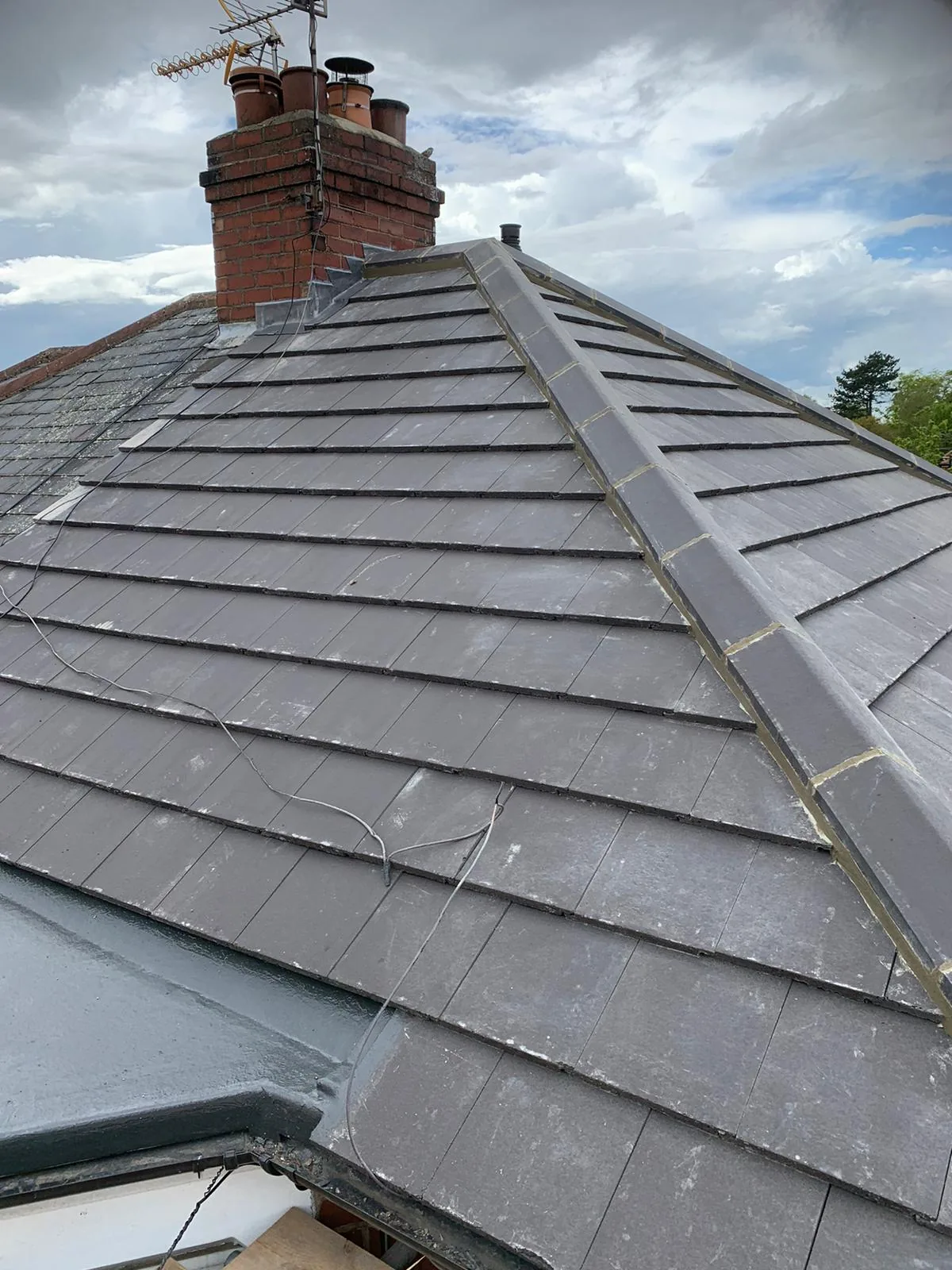
What Happens Before We Touch Your Roof
Every job starts with a clear look at what's actually growing up there, not a guess from the pavement.
- We carry out a free drone roof survey to see exactly how much moss, algae, or lichen has built up, and where
- You get clear photos showing which tiles, valleys, and gutters are affected
- We check whether any tiles are already lifted, cracked, or slipped underneath the growth
- We tell you honestly whether hand removal, soft washing, or both are needed
- We check your gutters and downpipes for moss debris already blocking the flow
- If you're in The Park or another conservation area, we flag anything needing sign-off before work starts
- You get a firm quote and an agreed scope before anyone goes up a ladder
How We Remove Moss and Algae Without Damaging Your Tiles
Here's the process we follow on every moss and algae removal job, start to finish.
- Clear loose debris, leaves, and moss cushions from valleys and gutters first, so nothing washes back onto a cleaned surface
- Hand-scrape thick or established moss growth from the ridge downward, working with the tile lay rather than against it
- Apply a soft wash biocide treatment across the full roof to kill remaining spores in joints and under tile edges
- Give extra attention to north-facing slopes, valleys, and any area shaded by trees, where regrowth starts first
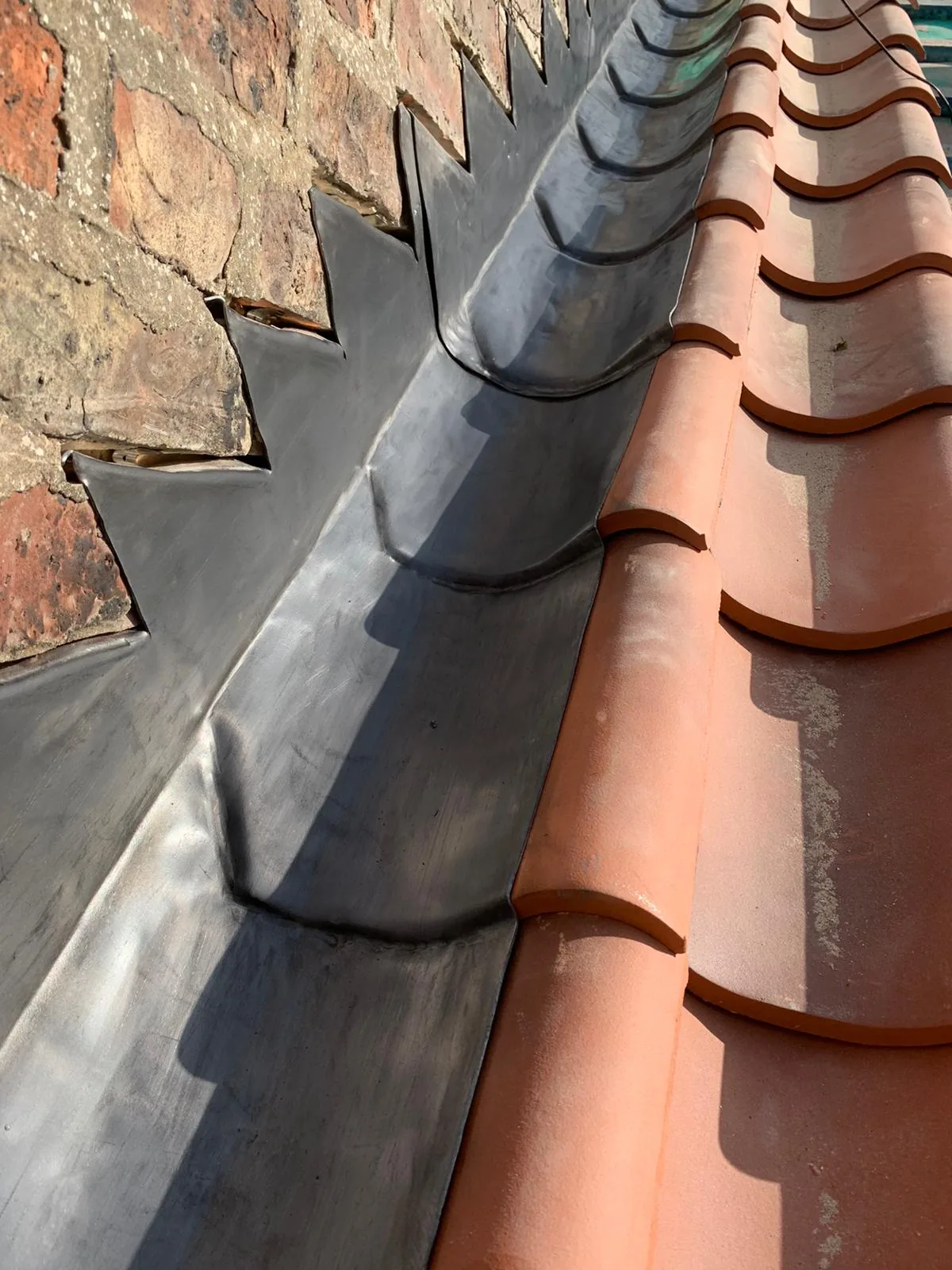
- Check flashings, ridge tiles, and mortar joints for damage the moss was hiding
- Clear gutters and outlets a second time once the roof debris has settled
- Finish and clear the site, typically half a day to a full day for a standard semi-detached roof
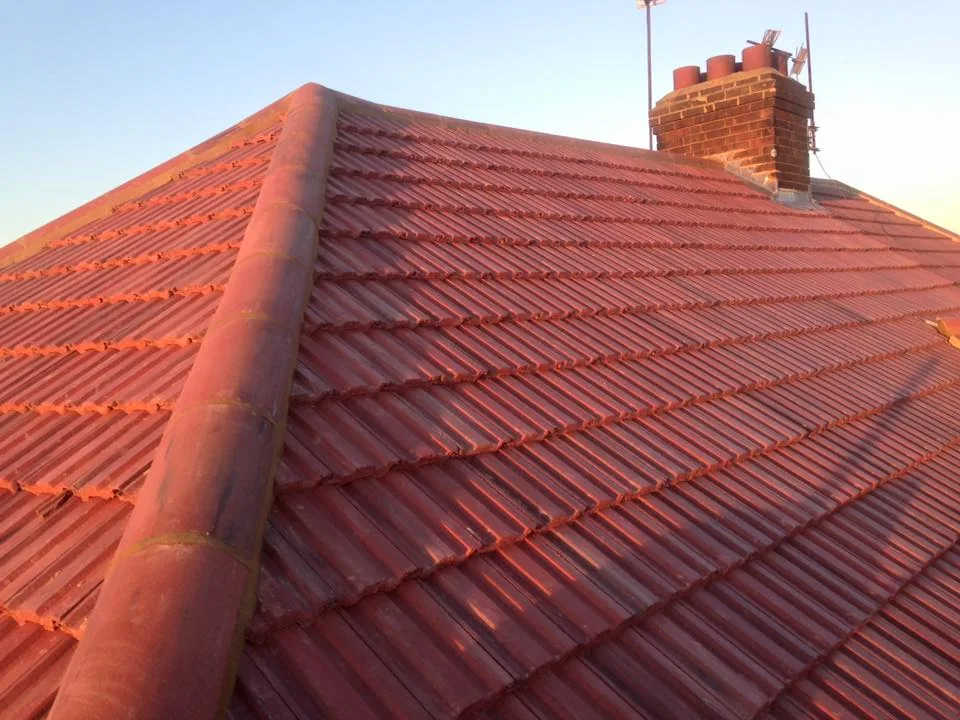
Spot the Warning Signs, Then Check the Work
Whether you're deciding if your roof needs attention or checking a job we've just finished, here's what to look for.
Signs Your Roof Needs Moss or Algae Removal
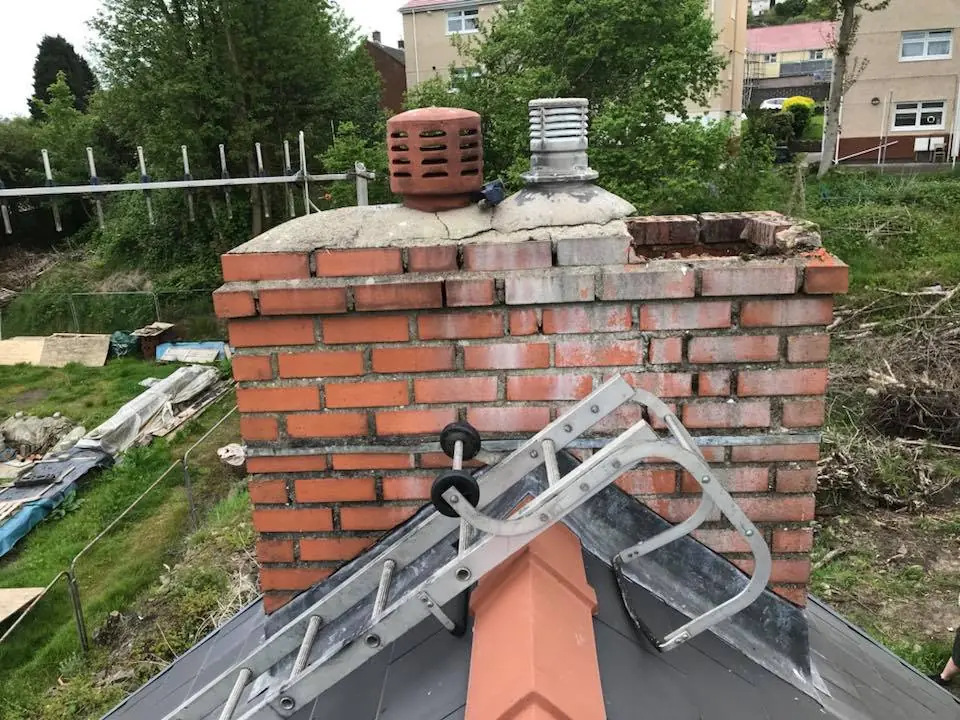
- Thick green cushions building up on ridge lines or north-facing slopes
- Green or black streaking running down from a valley, chimney, or overhanging branch
- Gutters filling with moss debris after every spell of wind or rain
- Tiles that look raised or slightly lifted where moss has forced its way under an edge
- Damp patches in the loft directly below a heavily mossed section
- Slippery, dark patches on paths or brickwork below the roofline, a sign of runoff carrying algae down the wall
How to Check a Moss and Algae Removal Job Was Done Properly
- Tiles should look clean but not scoured, chipped, or lighter in patches where a pressure washer has stripped the surface
- Gutters and downpipes should run clear, with no leftover moss debris packed into outlets
- Check for any tiles left cracked, slipped, or displaced that weren't like that before
- Ask what biocide treatment was used and how long it's expected to keep new growth at bay
- You should receive written confirmation of the work carried out and any guarantee attached to it
- We back every moss and algae removal job with our 10-year workmanship guarantee on any repair work it uncovers
Stopping Moss and Algae Coming Back
A little upkeep between visits keeps regrowth slow and manageable.
- Clear gutters and valleys twice a year, especially after autumn leaf-fall, so moss spores have less to feed on
- Trim back overhanging branches to let more light and air reach shaded slopes
- Check north and east-facing tiles each spring, where regrowth shows first
- Consider a biocide refresh every two to three years to keep new spores from taking hold
- Zinc or copper strips fitted near the ridge can help on some roof types, releasing ions that slow regrowth as rain washes over them, though they typically need replacing every five to eight years
- Book a follow-up drone survey if you notice growth returning faster than expected
Cost & Pricing Guidance
UK moss and algae removal pricing for 2025/26 typically runs like this:
- Hand removal with biocide treatment: £8-£15 per m², averaging around £11.50 per m²
- Soft wash biocide-only treatment (light growth): £150-£300 for an average roof
- Full moss removal and treatment, small terrace or semi: from around £495
- Full moss removal and treatment, average detached house: from around £895
- Whole-property roof cleaning including moss removal: £300-£1,500 depending on size and condition
- Protective coating after cleaning, if wanted: roughly £25-£30 per m² extra
Treated roofs typically stay clear of significant regrowth for two to five years, depending on aspect and how shaded the roof is.
What pushes the price up or down: roof size and pitch, how thick and established the moss is, access (scaffolding can add £250-£900 where a ladder won't do), and whether gutters need clearing as part of the job.
These are general ranges, not a quote. A fixed price needs a survey.
Comparison Table: Moss and Algae Removal Methods
| Method | How It Works | Risk to Tiles | Best For | Relative Cost |
|---|---|---|---|---|
| Hand Scrape & Brush | Physical removal of moss cushions by hand | Very low, if done carefully | Thick, established moss on older or brittle tiles | £ (lowest) |
| Soft Wash (Biocide) | Low-pressure water plus biodegradable biocide | Low | General moss, algae, and lichen across a full roof | ££ |
| Biocide-Only Refresh | Chemical treatment with no scraping needed | None | Light regrowth on an already-cleaned roof | £ |
| Pressure Washing | High-pressure water jet | High — strips surfaces, forces water under tiles | Not recommended for roof tiles | ££ (false economy) |

Why Choose Tate & Sons for Moss and Algae Removal
Moss and algae removal is overseen by Daniel Oakland, Project Manager and Lead Roofer, who has 20+ years in the trade. His background in heritage slate and lead detailing means he knows which older tiles won't survive a stiff brush, let alone a pressure washer, and his guttering and roofline experience means the drainage moss threatens gets checked and cleared in the same visit.
Tate & Sons was founded by James Tate on a simple idea: find out what's genuinely wrong, use the right materials, and leave something that holds for years, not months. That's why we hand-remove and soft-wash instead of reaching for a pressure washer that trades a quick clean for a shorter roof life. Read more on our About page.
Our roofers are directly employed, not subcontracted. They hold NVQ Level 2 and 3 qualifications in Roofing Occupations and carry CSCS cards. Every moss and algae removal job starts with a free drone survey and finishes with a 10-year workmanship guarantee on any repair work it uncovers.
Moss and Algae Removal Across Nottingham and the Wider County: Areas We Serve
We remove moss and algae from roofs right across Greater Nottingham and out into the wider county. Wherever your property sits, our crews know the local tree cover, aspect, and housing stock that decide how fast moss comes back.
- Nottingham City Centre (NG1)
- The Park (NG1)
- West Bridgford (NG2)
- Sneinton (NG2)
- Wollaton (NG8)
- Lenton (NG7)
- Beeston (NG9)
- Chilwell (NG9)
- Stapleford (NG9)
- Arnold (NG5)
- Sherwood (NG5)
- Mapperley (NG3)
- Carlton (NG4)
- Gedling (NG4)
- Hucknall (NG15)
- Long Eaton (NG10)
- Mansfield (NG18)
- Sutton-in-Ashfield (NG17)
Got Questions?
Your Flat Roofing Questions, Answered Properly
How much does moss and algae removal cost in Nottingham?
Most Nottingham homes pay £300-£1,500 for full moss removal and treatment, depending on roof size and access. A small terrace or semi typically starts from around £495, while an average detached house starts from around £895. Hand removal with biocide runs roughly £8-£15 per m² on its own. Scaffolding, if your roof needs it over a ladder, adds £250-£900 on top. A survey gives you an exact figure for your roof.
Does moss actually damage roof tiles?
Yes, given enough time. Moss itself doesn't eat away at tiles, but it holds moisture against the surface and can lift tile edges as it thickens, letting water creep underneath. In winter, that trapped water can freeze, expand, and crack tiles from beneath. Left long enough, it also blocks gutters and valleys, which sends rainwater somewhere it shouldn't go. Catching it early with removal keeps it a cosmetic job rather than a repair job.
Is pressure washing safe for removing roof moss?
No, and we'd steer you away from anyone offering it. High-pressure jets strip the protective surface off concrete tiles and force water under overlaps and flashings, which can cause leaks weeks or months later. Older or weathered tiles can crack or dislodge outright under the pressure. It can also void a tile manufacturer's guarantee. Hand removal and soft washing achieve the same clean result without the risk.
Can I remove moss from my roof myself?
You can, but it's riskier than it looks. Working at height on a wet, moss-covered roof is one of the most common causes of falls reported to the Health and Safety Executive each year. DIY scraping with the wrong tool can also crack tiles or dislodge them entirely, especially on older clay or slate. If you do want to try it from ground level with a long-handled tool, stick to gentle brushing rather than scraping, and never use bleach-based products that can strip tile colour. For anything beyond light, easily reached growth, it's worth calling in a professional.
Will removing moss void my roof guarantee?
It depends entirely on the method used, not on whether the moss gets removed at all. Pressure washing is the method most likely to void a tile manufacturer's guarantee, since it can strip the protective coating the guarantee depends on. Hand removal and soft washing with an approved biocide are the methods manufacturers generally accept. Always check what method a contractor plans to use before they start, and ask for written confirmation once the job's done.
How often does moss come back after removal?
A properly treated roof usually stays clear of significant regrowth for two to five years. How long depends on your roof's aspect, how much shade it gets, and how well your gutters keep flowing afterwards. North and east-facing slopes under overhanging trees tend to see growth return fastest. A biocide refresh every two to three years, plus keeping branches trimmed back, stretches that gap considerably.
What are the black or green streaks on my roof?
Those streaks are usually algae, a different organism from moss that stains rather than builds up as a cushion. It thrives in the same damp, shaded spots as moss and often appears on valleys, north-facing slopes, or wherever a chimney or tree casts shade. It's mostly a cosmetic issue on its own, but it signals a roof surface that stays wet longer than it should. A soft wash biocide treatment removes it and slows its return.
Do I need to remove moss before selling my house?
Not always, but it's worth doing if a survey has flagged it. A mortgage surveyor will often note heavy moss as a maintenance item, and buyers can use it to push for a price reduction or ask for it sorting before completion. Removing it beforehand, with photo evidence and a written record of the work, heads off that conversation entirely. It's a relatively small cost against the risk of a sale stalling over it.
Is roof moss protected by law, so I'm not allowed to remove it?
No, you can remove moss from your own roof without breaking any law. The confusion comes from the Wildlife and Countryside Act 1981, which protects wild plants generally from being uprooted without the landowner's permission, and it isn't a special protection for moss, nor does it stop you clearing your own property. Some roof cleaning companies use this claim to push chemical treatments as the only lawful option, which isn't accurate. Hand removal and soft washing on your own roof are both perfectly legal.
Book Your Free Drone Roof Survey Today
See exactly what your roof needs before any work starts. No ladders, no pressure — just a clear picture from a local Nottingham team.
A tired roof only gets worse as water works deeper into the deck and timber beneath it. A quick, free drone survey today tells you exactly where you stand — and often the fix is smaller and cheaper than you feared. Book now, get an honest quote, and protect your home before the next East Midlands downpour finds the weak spot.
📍 57 Cyril Avenue, Nottingham, NG8 5BA
📞 0115 647 4455
Call the Nottingham team today on 0115 647 4455, or request your free drone survey online. We’re already working across your area.
Get in Touch
Tate & Sons Roofing — Nottingham
57 Cyril Avenue, Nottingham, NG8 5BA
📞 0115 647 4455
✉️ [email protected]