
🏠 Trusted Local Roofers
Chimney Cap Installation & Weatherproofing Nottingham
A chimney with no cap is an open invitation to rain, birds, and cold draughts. Left unprotected, a flue lets damp creep into brickwork, ceilings, and the rooms below it. This page covers which cap or cowl suits your chimney, what it costs, and how a proper fit stops leaks for good. As part of our wider chimney services across Nottingham, we fit caps and cowls the way we'd want on our own roof — right first time, with nothing bodged to save an hour.
- Fully Insured
- 10-Year Guarantee
- 5-Star Rated
Quick Free Estimate - No Obligation
We're not just roofers – we're your neighbours.
Fully Insured • Response within 15 mins
🔒 Your details are safe with us. No spam, ever.
Do You Need a Chimney Cap, a Cowl, or Both?
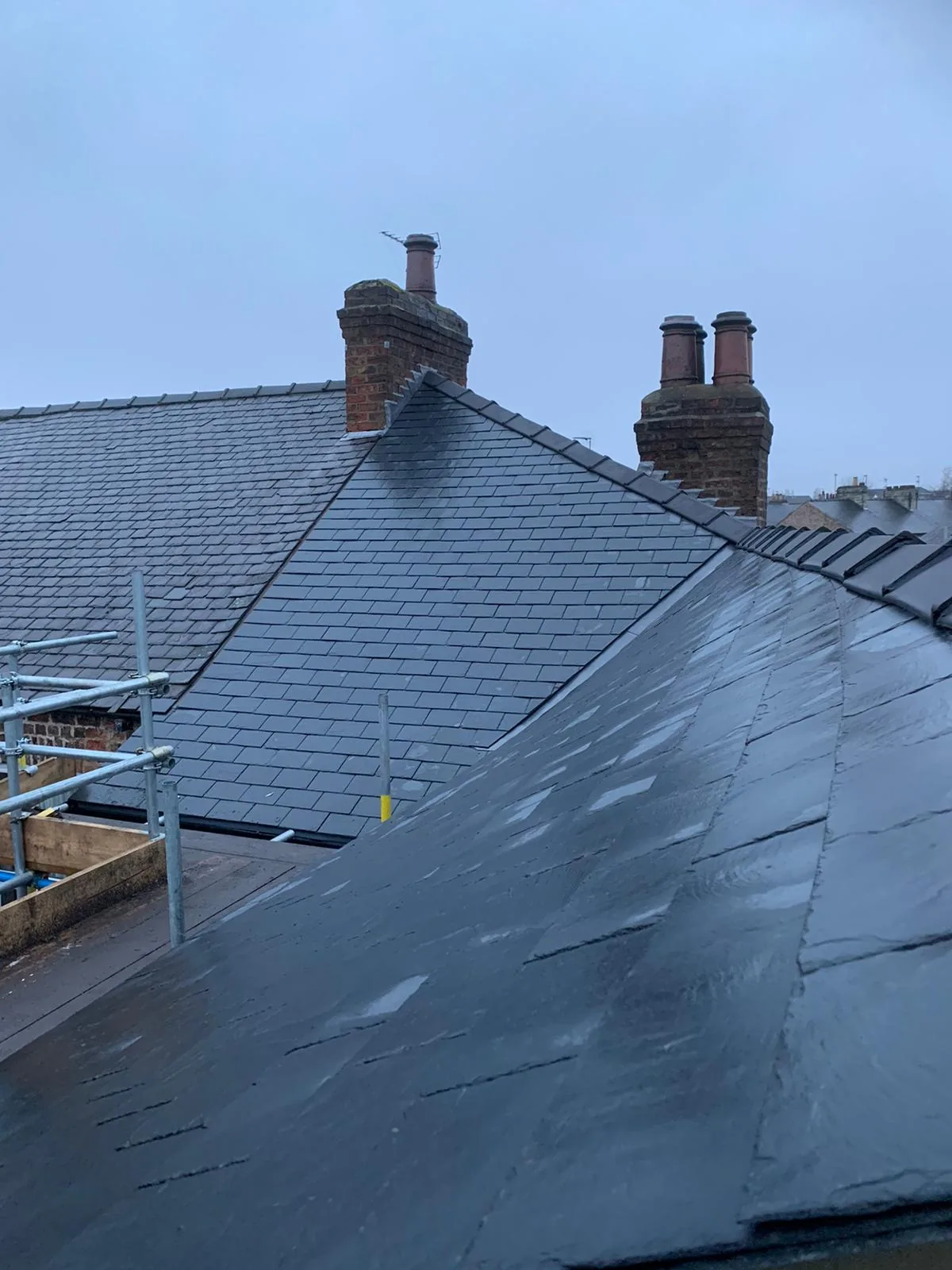
A chimney cap is a rigid cover that sits over the pot or flue outlet to keep out rain, debris, and animals, and it's most often fitted to a chimney that's no longer used. A chimney cowl does the same job but adds a controlled opening or vane so smoke and gases can still escape safely, which makes it the right choice for any flue still connected to a working fire, stove, or boiler. Fit a cap to the wrong flue and you can trap moisture, or worse, block ventilation an appliance genuinely needs. The choice comes down to one question: is anything still burning below it?
Once you know whether the flue is active or disused, the type of cover narrows down fast.
- Rain cap / cone cap: covers the pot to stop water running straight down the flue, suits chimneys catching wind-driven rain
- Bird guard / mesh cowl: wire mesh with gaps under 20mm keeps jackdaws and squirrels out without choking the draw
- Anti-downdraught cowl: shaped to stop smoke blowing back into the room on gusty days, useful on exposed sites like Mapperley Top
- Spinning cowl: rotates with the wind to improve draw on a chimney that smokes badly, but the moving parts need an occasional check
- Hard capping: a solid mortar or lead cover that seals a disused flue completely, only used where ventilation is kept open elsewhere
- Ventilated cap: seals a disused flue from rain while a small vent keeps air moving, which stops condensation building up inside the stack
If the stack isn't coming back into use at all and you'd rather remove it than cap it, our chimney removal page covers that route, including what happens to the roof once the stack comes down.
Which Chimney Cap Material Actually Holds Up in Nottingham's Weather?
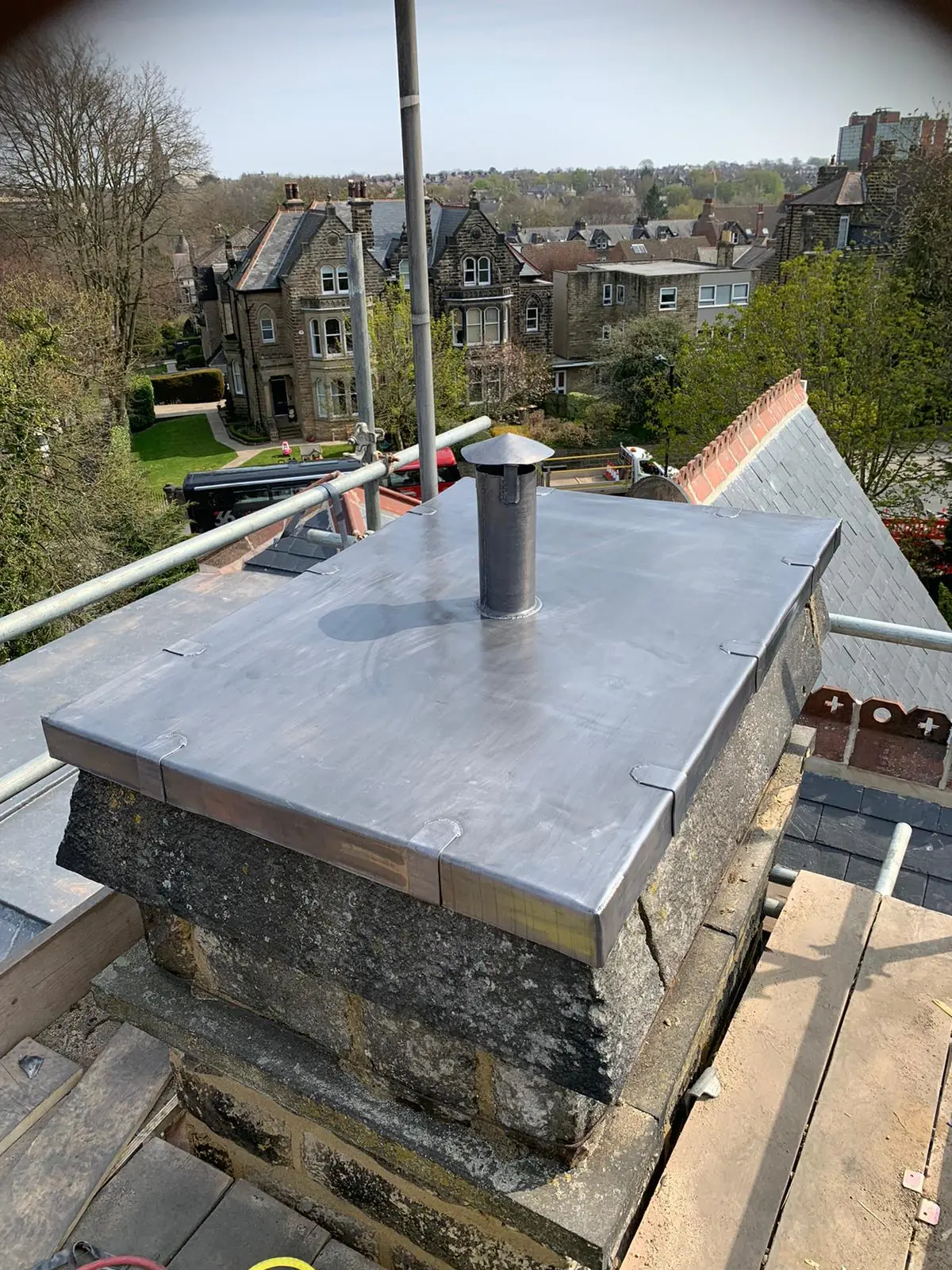
Galvanised steel and aluminium mesh caps are the cheapest option and suit lower-exposure chimneys tucked between roof slopes, common on terraces around Lenton and Beeston. Stainless steel resists corrosion far longer and copes better on stacks that catch the worst of the weather, such as elevated spots around Mapperley Top or exposed edges of the wider county. Lead caps and lead flaunching covers cost more upfront but match period brickwork and can outlast the roof around them, which matters on the Victorian and Edwardian stock across The Park and Sherwood. GRP and concrete caps sit in the middle for cost and suit modern extensions and outbuildings where appearance matters less than function.
Stack height and exposure change what a cap needs to do its job, whatever material you pick.
- Taller, more exposed stacks need a heavier-gauge cap and extra fixing points to stop it working loose in high wind
- A cap sized even slightly too small for the pot lets wind-driven rain get underneath the seal, so accurate measurement matters more than the material you choose
- Coastal-grade stainless steel isn't usually needed inland, but any stack above two storeys benefits from the same corrosion resistance for the wind it takes
What Happens Before We Touch Your Chimney
Every cap or cowl job starts with a proper look at the stack, not a guess from ground level.
- We carry out a free drone survey of the stack, pot, flaunching, and flashing — no ladders needed
- We check the flaunching, the sloped mortar bed that holds the pot and sheds water, since a new cap on cracked flaunching won't stop leaks
- We confirm whether the flue is still connected to a working appliance, which decides cap versus cowl
- We check listed building and conservation area status — The Park and parts of Lenton often need consent before a stack's appearance changes
- We measure the pot or flue outlet accurately, since a loose-fitting cap moves in wind and lets rain past the seal
- We flag any repointing or stack repair needed first — see our chimney stack repair page if the brickwork itself needs attention before a cap goes on
- You get a firm price and agreed scope before any tool comes out of the van
For a disused flue specifically, the established guidance lines up with how we work: the Society for the Protection of Ancient Buildings advises capping after sweeping, while keeping ventilation open at both ends of the flue, so trapped damp doesn't build up inside the stack over time. That's exactly why we ask about ventilation before recommending a hard cap over a vented one.
How We Fit a Chimney Cap That Actually Seals
Most cap failures trace back to rushed prep, not the cap itself. Here's how we install one properly.
- Sweep the flue first if it's in use or was recently in use, clearing soot and any nesting material
- Repair or renew the flaunching if it's cracked, giving the cap a sound, watertight base to seal against
- Fit the cap or cowl to the pot or flue outlet using the correct clamps or fixings for that stack's diameter
- Seal any gaps around the base with proper pointing or leadwork, not just a smear of mastic
- Check clearances so a cowl's moving parts or vents aren't blocked by nearby structures or overhanging branches
- Clear the site and leave the stack, roof, and guttering free of debris, typically a half-day job on straightforward access
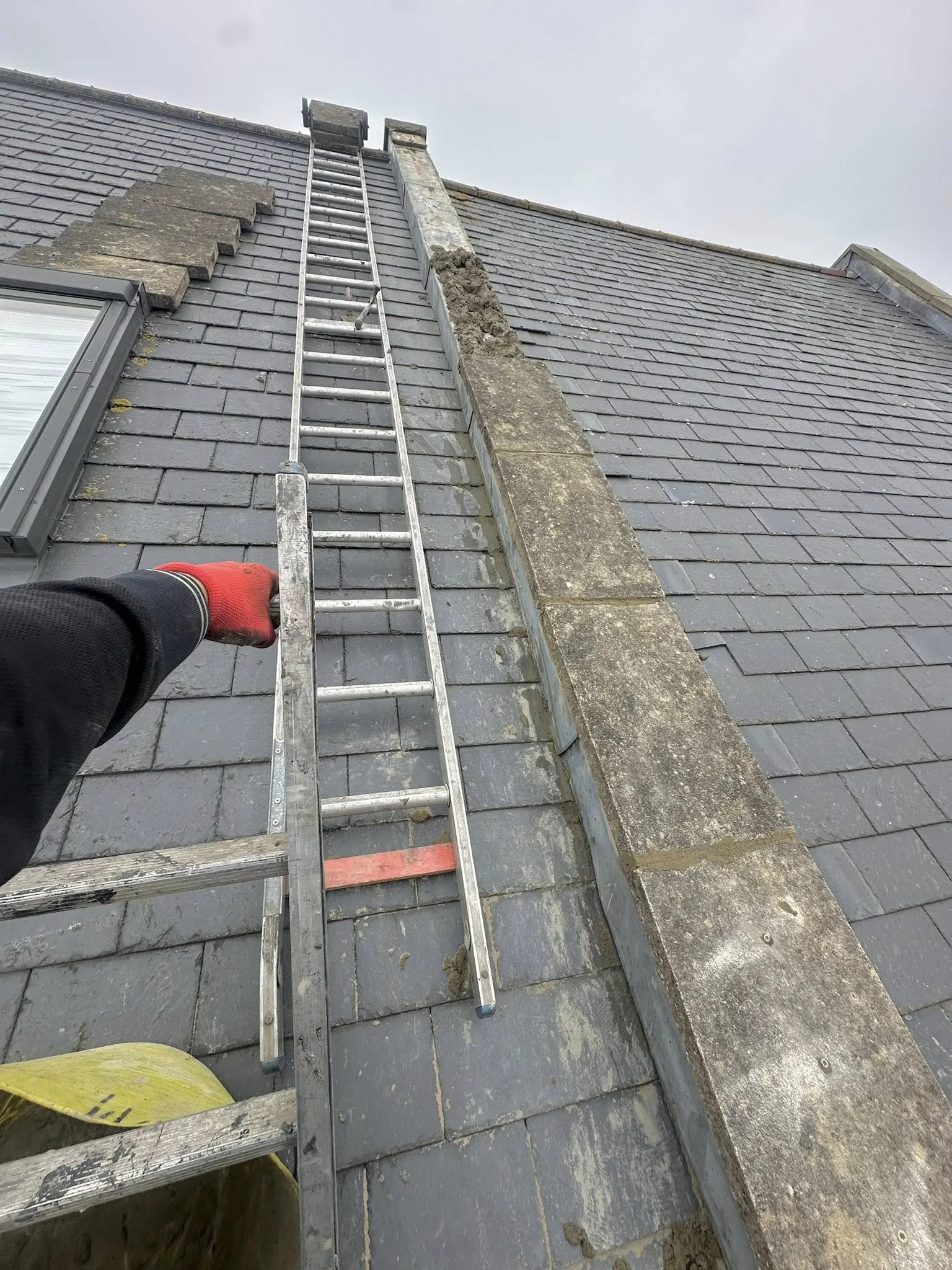
Spot the Warning Signs, Then Check the Work
Whether you're worried about an existing chimney or checking a job we've just finished, here's what to look for.
Signs Your Chimney Cap or Cowl Is Failing
- Rust streaks running down the pot, or a cap that rocks visibly in wind
- A damp patch or brown stain on the chimney breast wall inside the house
- Birds or nesting sounds despite a cap being fitted, usually a sign the mesh gaps are too wide
- Cracked or crumbling flaunching, visible from the ground with binoculars or in drone photos
- A musty smell from a disused fireplace, often a sign of poor ventilation trapping moisture inside the flue
How to Check a New Cap Was Fitted Properly
- It sits square on the pot and doesn't move when pushed gently by hand
- The flaunching underneath is intact, with no fresh hairline cracks left behind
- Mesh gaps on any bird guard measure under 20mm, small enough to keep jackdaws out
- You get written confirmation of the material used and your workmanship guarantee
- Ask for before-and-after photos of the flaunching and pot — a reputable roofer takes these as standard
Keep that paperwork — photos, the material spec, and your guarantee — with your policy documents. Undocumented or bodged capping work can complicate an insurance claim if a leak develops later, and it can slow down a house sale survey if a buyer's surveyor can't confirm what was done or when.
Stopping Leaks and Birds Before They Start Again
A few minutes of checking each season keeps a good cap doing its job for decades.
- Get an in-use flue swept annually, since soot and debris shorten a cap's working life
- Check the cap from ground level with binoculars after any serious storm
- Look for nesting activity each spring, since jackdaws are most active from April to July
- Clear moss and leaf debris from around the base of the pot
- Have the flaunching re-checked every few years, as hairline cracks widen with each freeze-thaw cycle
- Don't remove a cap or cowl yourself to sweep the flue — most are designed to come off with the right tool, and mishandling one cracks the flaunching underneath
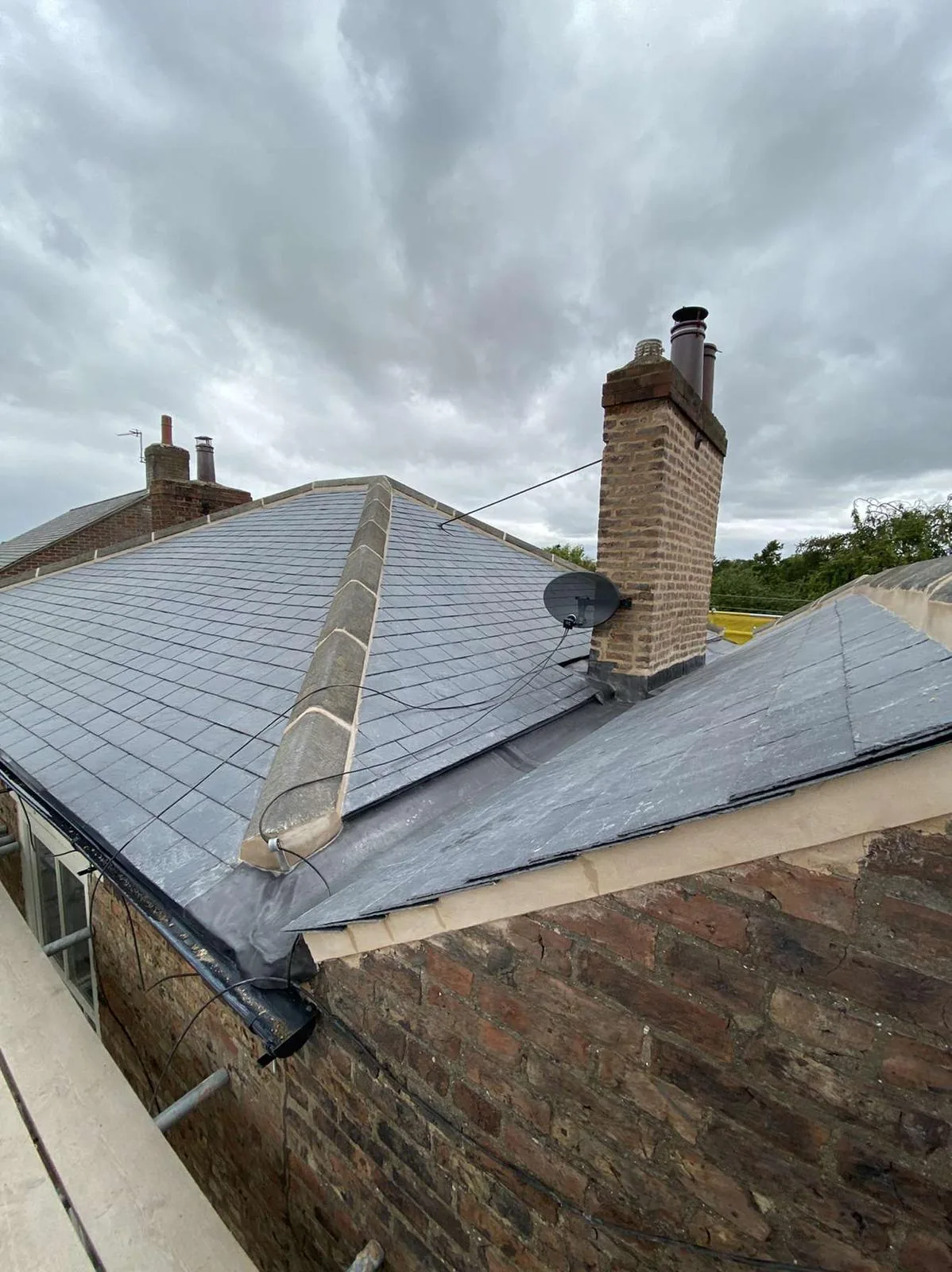
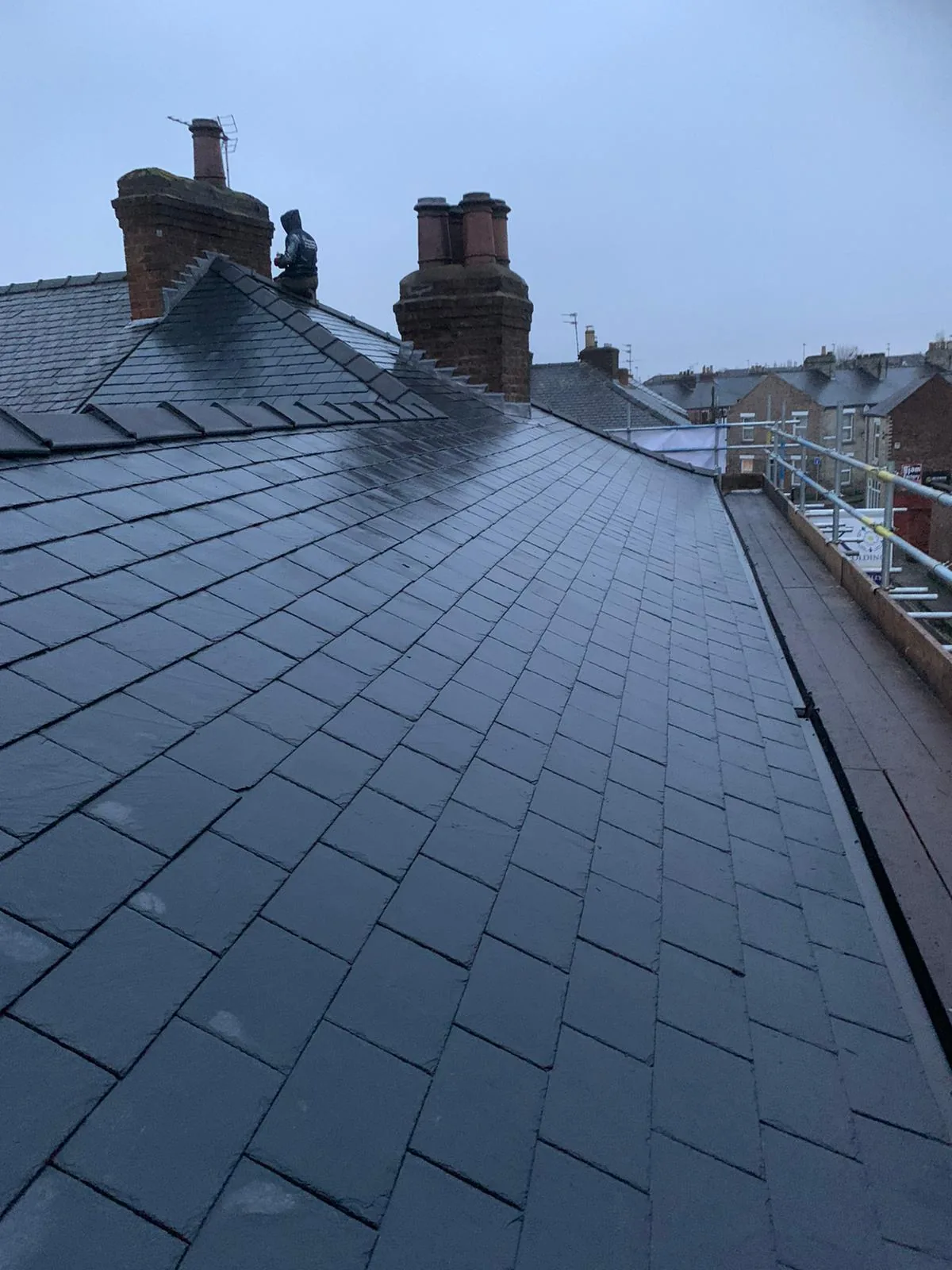
Cost & Pricing Guidance
UK chimney cap and cowl pricing for 2025/26 typically runs like this:
- Simple wire mesh bird guard, supply and fit: £100-£200
- Spinning or fixed mesh cowl, supply and fit: £150-£250
- Standard cap, supply and fit average: around £180
- Elaborate or specialist cap designs: up to £520
- Single-storey property, easy access, no scaffolding: roughly £150-£200 all-in
- Flaunching repair (often needed alongside a new cap): £150-£400
- Chimney pot replacement, including fitting: £100-£300 per pot
- Scaffolding, where the stack needs it: £400-£1,200, and it can exceed the cost of the cap itself
What pushes the price up or down: roof height and access, whether flaunching or pointing needs attention first, the pot's diameter and condition, and whether the property is listed or in a conservation area, which can call for a specific material or finish.
These are general ranges, not a quote. A fixed price needs a survey — and our drone survey is free, with no obligation.
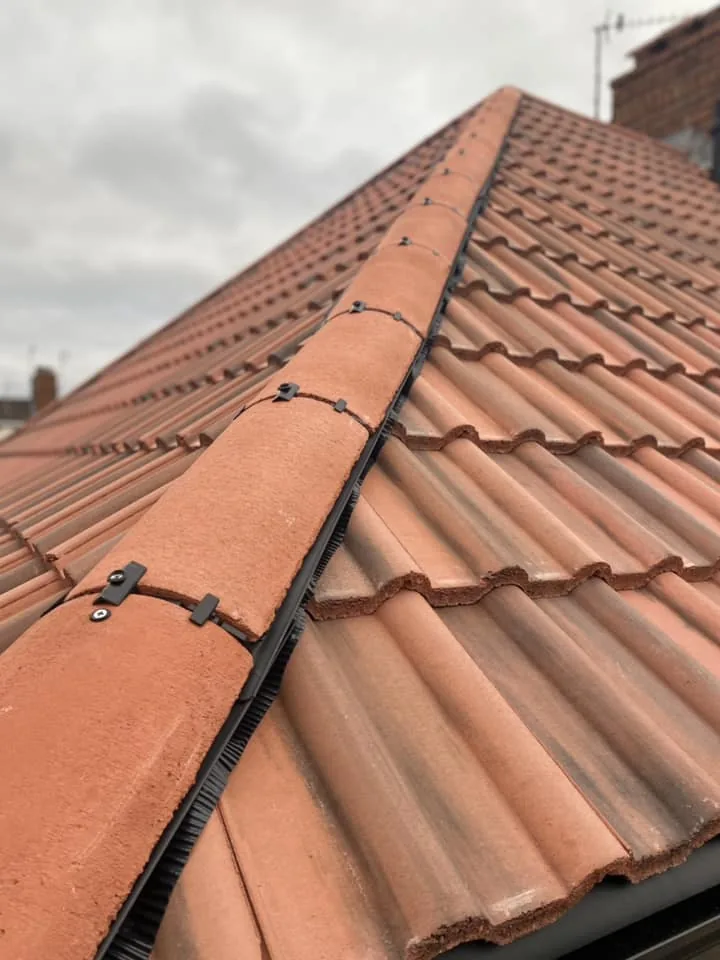
Comparison Table: Chimney Caps and Cowls
| Type | Typical Lifespan | Best For | Relative Cost |
|---|---|---|---|
| Wire Mesh Bird Guard | 10-15 years | Disused or rarely-used flues, keeping birds and debris out | £ (lowest) |
| Rain Cap / Cone Cap | 15-20 years | Exposed pots catching wind-driven rain | ££ |
| Anti-Downdraught Cowl | 15-20 years | Smoky fires, gusty or elevated sites | ££ |
| Spinning Cowl | 10-15 years (moving parts wear) | Poor-draw chimneys needing extra pull | ££ |
| Stainless Steel Hard Cap | 25+ years | Disused flues, high-exposure stacks | £££ |
| Lead Flaunching Cap | 25-40+ years, matches roof lifespan | Period and listed properties | £££ (highest) |
Why Choose Tate & Sons for Your Chimney Cap
Chimney work is priced and led by James Tate, our Founder and Managing Director. He set the business up on one idea: find out what's genuinely wrong, use the right materials, and leave something that holds for years, not months. James is happiest up a ladder on a tricky period property, and that matters on a job like this — a cap fitted onto cracked flaunching or the wrong pot size looks fine for a season and fails by the next winter. He'd rather fix the flaunching properly first and fit a cap that actually seals.
Read more about the whole team on our About page.
Our roofers are directly employed, not subcontracted. They hold NVQ Level 2 and 3 qualifications in Roofing Occupations and carry CSCS cards. Every chimney cap job comes with a free drone survey up front and a 10-year workmanship guarantee once the work is finished.
Chimney Cap Installation Across Nottingham and the Wider County: Areas We Serve
We fit chimney caps, cowls, and bird guards right across Greater Nottingham and out into the wider county. Wherever your stack sits, our crews know the local weather, the housing stock, and the access.
- Nottingham City Centre (NG1)
- The Park (NG1)
- West Bridgford (NG2)
- Sneinton (NG2)
- Wollaton (NG8)
- Lenton (NG7)
- Beeston (NG9)
- Chilwell (NG9)
- Stapleford (NG9)
- Arnold (NG5)
- Sherwood (NG5)
- Mapperley (NG3)
- Carlton (NG4)
- Gedling (NG4)
- Hucknall (NG15)
- Long Eaton (NG10)
- Mansfield (NG18)
- Sutton-in-Ashfield (NG17)
Got Questions?
Your Flat Roofing Questions, Answered Properly
What is a chimney cap and do I actually need one?
A chimney cap is a rigid cover fitted over the pot or flue outlet to stop rain, debris, and animals getting in. Most Nottingham chimneys benefit from one, whether the flue is active or disused, because an open pot is a direct route for water straight down into the stack and the room below. Without a cap, jackdaws and squirrels will happily nest in an open flue, and rain runs straight down onto the damper or into the fireplace. If your chimney has never had one fitted, a survey will tell you fast whether it's the reason for a damp patch you've been chasing.
What's the difference between a chimney cap and a chimney cowl?
A cap is a solid, sealed cover suited to a disused flue, while a cowl is a ventilated cover designed for a chimney still connected to a working fire, stove, or boiler. The distinction matters because a solid cap on an active flue can trap smoke and dangerous gases that need to escape. A cowl still keeps rain and birds out but allows air to move freely through it. Always confirm whether your flue is genuinely disused before choosing between the two, since guessing wrong creates a safety issue rather than just a maintenance one.
How much does chimney cap installation cost in the UK?
Most straightforward jobs cost £150-£250 for a standard cap or cowl, supply and fit, on a single-storey property with easy access. Costs rise to £400-£800 where scaffolding is needed to reach the stack safely, and more elaborate or bespoke designs can run to £500 or more. If the flaunching underneath the pot also needs repair, add roughly £150-£400 to the total. A free survey gives you an exact figure rather than a general range.
Can a chimney cap fix a leaking chimney on its own?
A cap stops new water getting in through the top of the pot, but it won't fix a leak that's already coming from cracked flaunching, failed flashing, or damaged brickwork lower down the stack. Fitting a cap over a chimney that's already leaking elsewhere treats one symptom and leaves the rest untouched. A proper survey checks the whole stack — pot, flaunching, flashing, and pointing — before recommending a cap as part of the fix rather than the whole fix. In many cases the cap is the last step, not the first.
Should a disused chimney be capped or fully removed?
Capping is usually the simpler, cheaper option if the stack is sound and you might want the fireplace back one day. A hard cap seals the flue against rain and pests while keeping ventilation open elsewhere, which stops damp building up inside. Full removal makes sense if the stack is structurally poor, is causing loft space or layout problems, or you're certain you'll never use it again. Our chimney removal page covers what that involves if capping isn't the right fit for your property.
Do I need planning permission for a chimney cap on a listed building or in a conservation area?
Straightforward cap or cowl fitting on a standard property rarely needs planning permission. Listed buildings are different — altering a stack's appearance, including the pot or capping detail, generally needs listed building consent regardless of how small the change looks. Conservation areas, including The Park and parts of Lenton in Nottingham, can also bring extra restrictions on materials and finish. We check this at survey stage and flag anything that needs sign-off before work starts, so there are no surprises later.
How do I stop birds nesting in my chimney?
A properly fitted bird guard or mesh cowl, with gaps under 20mm, is the most reliable way to keep jackdaws and squirrels out. Jackdaws are most active from April to July and will push twigs down a flue until they wedge a base for a nest, which can block the flue and become a fire risk. Jackdaws and their nests are protected under the Wildlife and Countryside Act, so removal of an existing nest should always go through a licensed professional. Fitting a correctly sized guard before nesting season starts is far easier than dealing with an established nest once birds have moved in.
How long does a chimney cap actually last?
It depends on the material and how exposed the stack is. Galvanised steel mesh guards typically last 10-15 years, rain caps and anti-downdraught cowls run 15-20 years, and stainless steel or lead capping can last 25 years or more. Spinning cowls tend to wear faster than fixed designs because of their moving parts. Poor flaunching underneath shortens the working life of any cap, whatever it's made from, since water finds its way in around the base rather than through the cap itself.
Book Your Free Drone Roof Survey Today
See exactly what your roof needs before any work starts. No ladders, no pressure — just a clear picture from a local Nottingham team.
A tired roof only gets worse as water works deeper into the deck and timber beneath it. A quick, free drone survey today tells you exactly where you stand — and often the fix is smaller and cheaper than you feared. Book now, get an honest quote, and protect your home before the next East Midlands downpour finds the weak spot.
📍 57 Cyril Avenue, Nottingham, NG8 5BA
📞 0115 647 4455
Call the Nottingham team today on 0115 647 4455, or request your free drone survey online. We’re already working across your area.
Get in Touch
Tate & Sons Roofing — Nottingham
57 Cyril Avenue, Nottingham, NG8 5BA
📞 0115 647 4455
✉️ [email protected]