
🏠 Trusted Local Roofers
Chimney Removal Nottingham
A chimney rarely fails quietly. Cracked stacks, damp patches around an old chimney breast, or a flue nobody has used in years all raise the same question — repair it, or take it down for good? This page covers chimney removal in Nottingham: cost, permissions, and how we do the job without cracking a ceiling or opening your roof to the weather. It's one part of our wider chimney services across the city, alongside stack removal, breast removal, and full jobs from foundation to ridge.
- Fully Insured
- 10-Year Guarantee
- 5-Star Rated
Quick Free Estimate - No Obligation
We're not just roofers – we're your neighbours.
Fully Insured • Response within 15 mins
🔒 Your details are safe with us. No spam, ever.
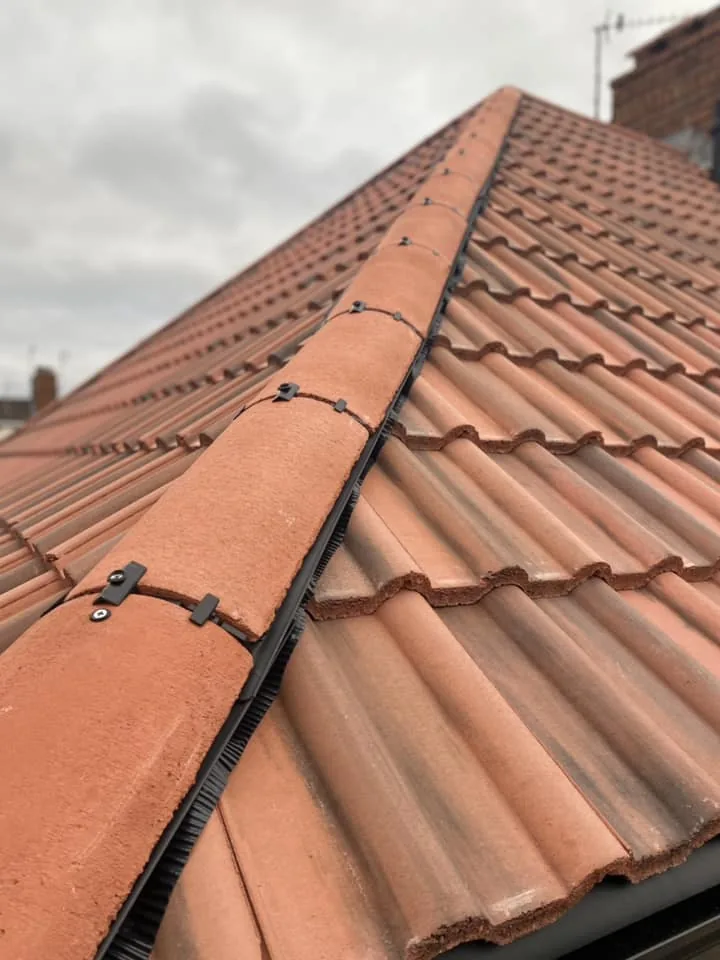
Chimney Breast, Stack, or Both? Choosing the Right Chimney Removal
Chimney removal usually means one of three jobs: taking down the stack above the roofline, removing the chimney breast (the internal brick or stone projection that once housed a fireplace, usually in a corner of a room) inside the house, or stripping the whole thing from foundation to ridge. Stack-only removal suits a stack you never use and don't want to keep repairing. Breast removal suits homeowners who want the floor space back in a bedroom or lounge. Full removal suits a chimney that serves no purpose anywhere in the house. A free survey checks whether any fireplace, flue, or gas appliance still relies on it before anything gets planned.
A few checks worth working through before you decide:
- Is any fireplace, gas fire, or woodburning stove downstairs still connected to this flue (the internal passage that carries smoke and fumes up through the chimney)?
- Does the stack support any part of the roof structure or an upstairs floor?
- Is the property listed, or inside a conservation area such as The Park or parts of Lenton?
- Do you share the stack with next door through a party wall (the wall dividing two adjoining properties)?
- Would repair and re-capping fix the actual problem for less money than full removal? If a crumbling stack is your only real issue, our chimney stack repair page covers that route instead.
Do You Need Permission to Remove a Chimney in Nottingham?
Most straightforward chimney removals on an ordinary Nottingham house fall under permitted development — rights that let you carry out certain changes without a full planning application. Building Regulations approval is a different matter, and it's needed for almost every chimney breast removal and for most stack removals below roof level, because a chimney very often helps hold up a floor, wall, or roof timber above it.
- Standard removal on a non-listed house: usually permitted development, so no planning application is needed
- Listed building: needs listed building consent even for an internal breast removal you can't see from the street
- Conservation area (The Park, and parts of Lenton and Sherwood): check before altering anything visible from outside
- Building Regulations: needed for breast removal and for stack removal that affects any supporting structure, submitted as a Full Plans application rather than a simpler Building Notice, so an engineer's calculations get checked before work starts
- Shared or party wall stack: serve a Party Wall Notice on your neighbour, giving at least two months before work begins
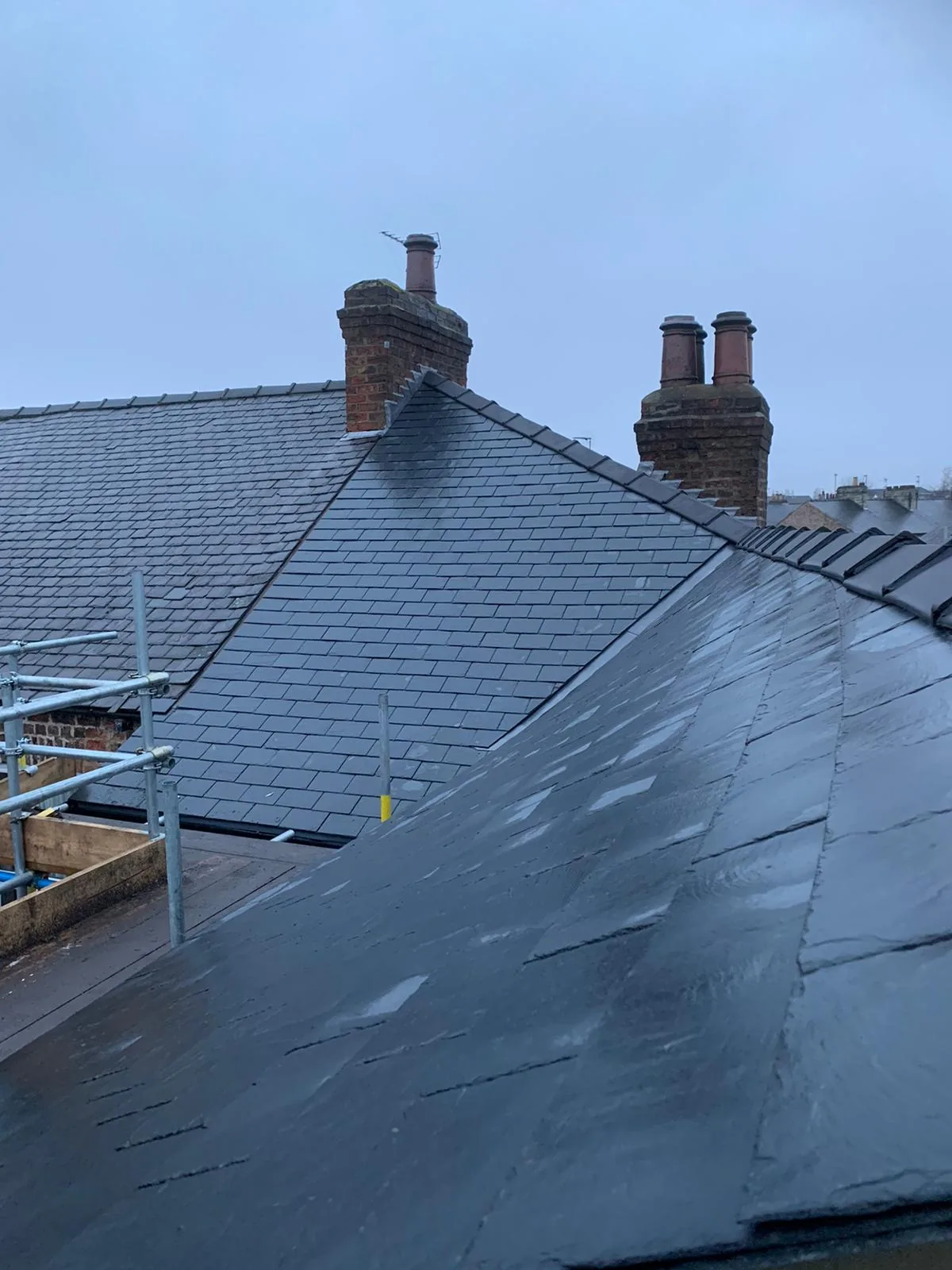
For period and listed properties, the Institute of Historic Building Conservation's technical guidance on chimney removal and alteration sets out how conservation status affects what you're allowed to change. We flag anything that applies during your survey, so there are no surprises once Building Control gets involved.
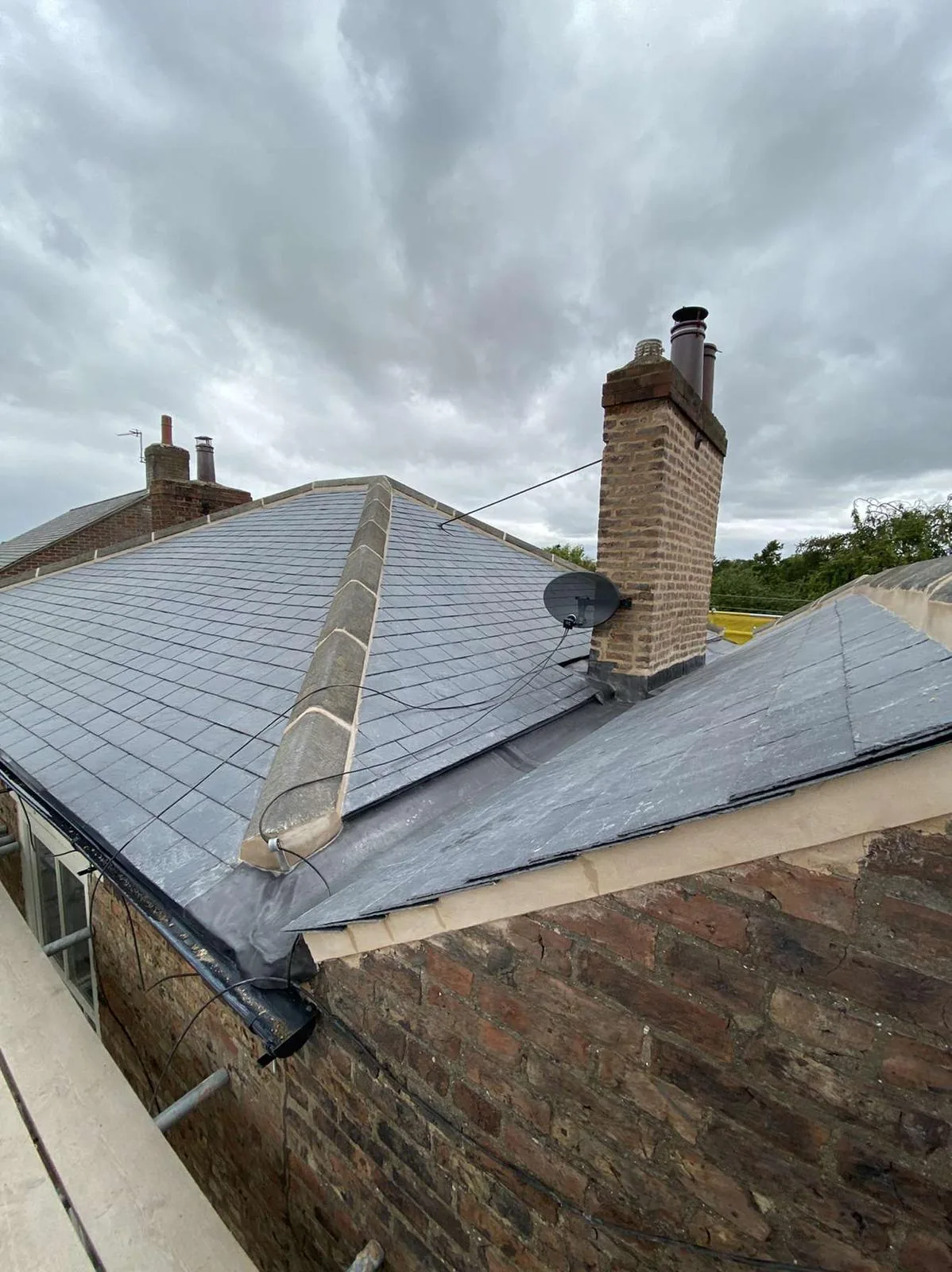
What Happens Before We Touch Your Chimney
Every job starts with a proper look, not a guess from the pavement.
- We carry out a free drone survey of the stack, flashings, and roof junctions, plus an internal check of the breast
- A structural engineer assesses what's needed to support the building once the chimney's gone — usually a steel beam (an RSJ, or rolled steel joist) at ceiling level, or a gallows bracket, a steel bracket fixed to the wall that carries the weight of any breast left above
- We test for asbestos in old flaunching (the mortar fillet around the base of the chimney pots), rope seals, and soot-blackened linings before any demolition starts
- We check whether a fireplace, gas fire, or woodburner downstream is still connected, and arrange for it to be safely isolated first
- We serve a Party Wall Notice where the stack is shared with a neighbouring property
- We submit the Building Regulations application and get the engineer's design signed off before a single brick comes out
- You get a firm quote, an agreed scope, and full protection of floors and furniture before we start
How We Remove a Chimney Breast or Stack Without Wrecking Your Home
Most chimney removal problems trace back to skipped steps, not bad luck. Here's the sequence we follow.
- Protect the room and isolate any gas, electric, or flue connection tied to the chimney
- Prop the breast temporarily, then fit the permanent steel beam or gallows bracket exactly to the engineer's design
- Break out the brickwork floor by floor for a breast, or top-down for a stack, keeping dust and debris contained
- Remove or cap the stack at roof level, then batten, felt, and tile or slate to match the existing roof covering
- Seal and ventilate any redundant flue left below roof level, so trapped moisture has somewhere to escape
- Make good the roof timbers and plaster the wall left behind, then clear rubble and debris, usually within 2 to 5 days depending on the scope
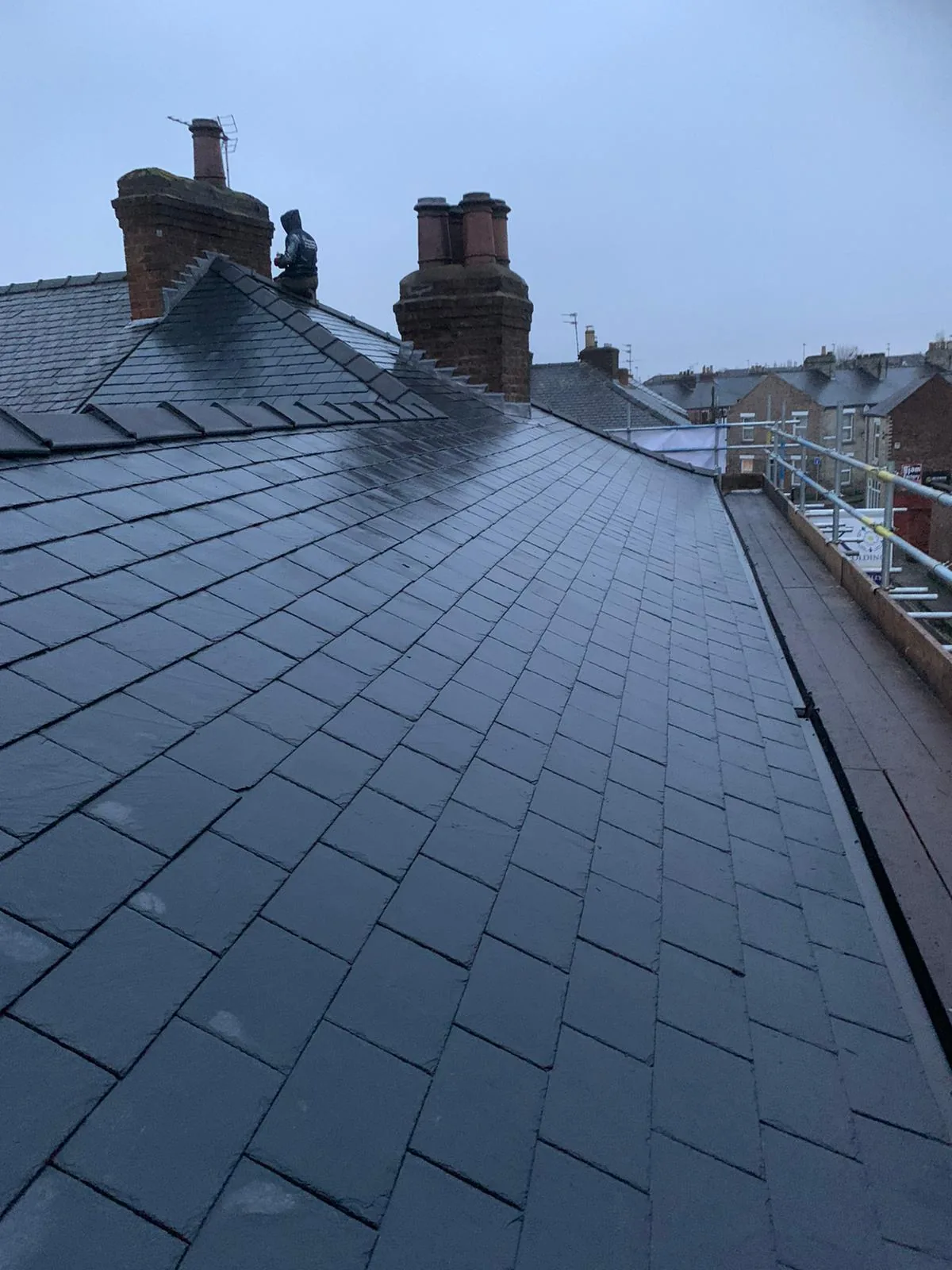
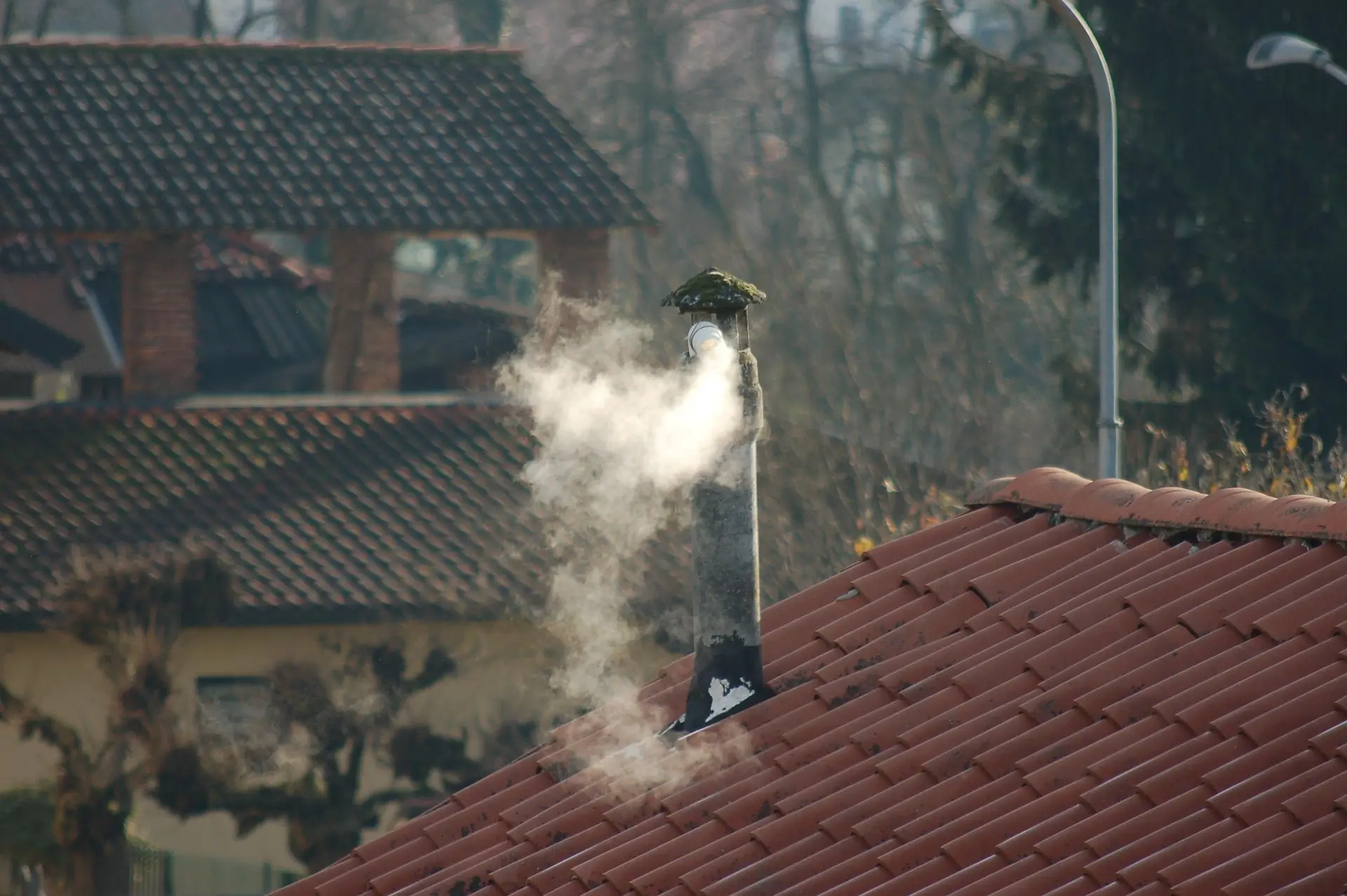
How to Check Your Chimney Removal Was Done Properly
Once the dust has settled, here's what separates a job done right from one that'll cause trouble later.
- Ask to see the structural engineer's calculations and confirm the steel beam or gallows bracket installed matches them
- Check that Building Control has issued, or will issue, a completion certificate for the work
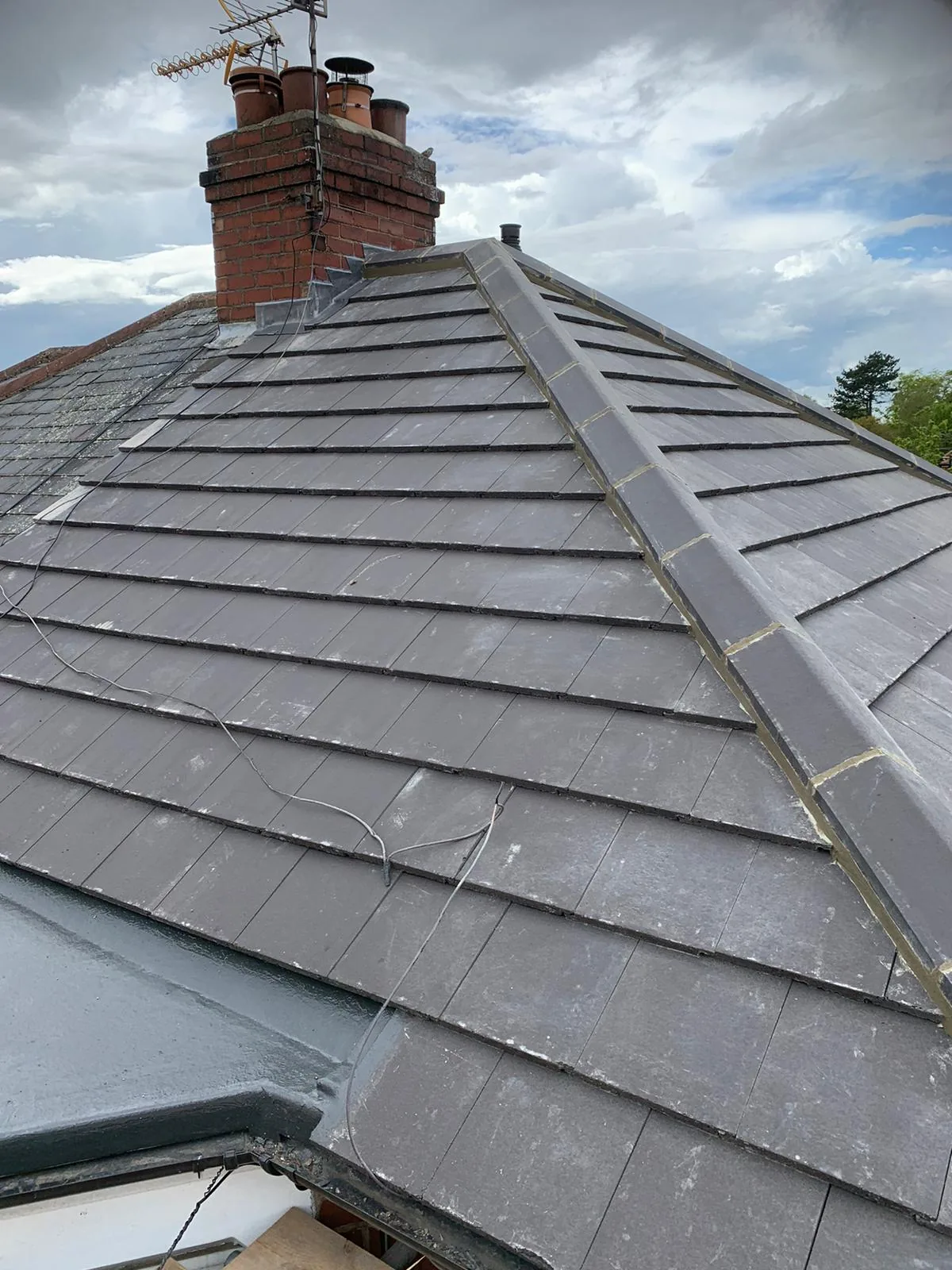
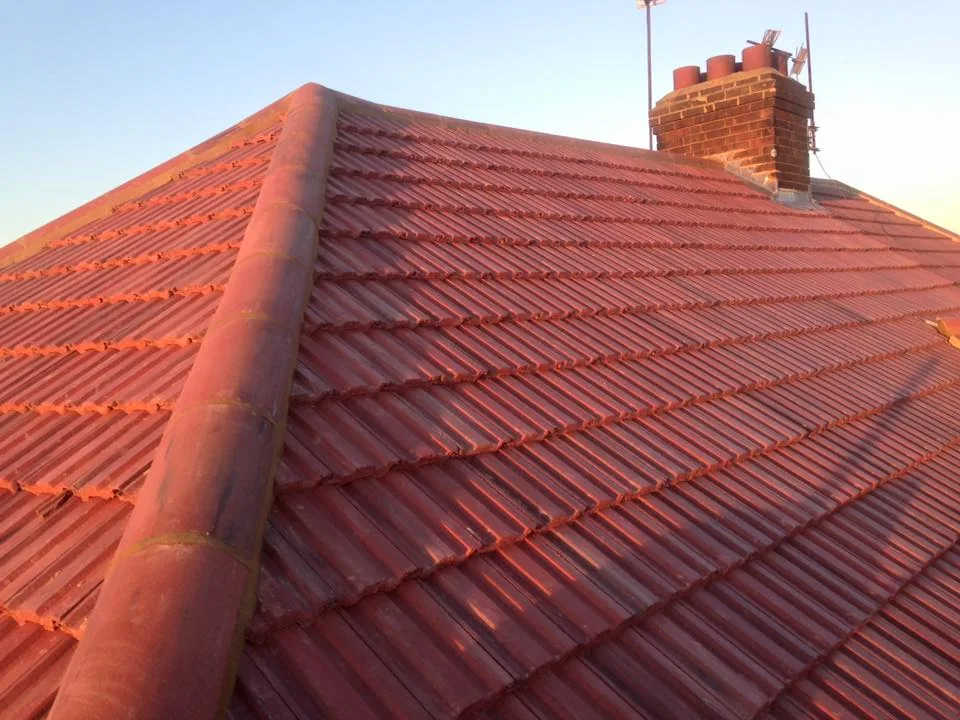
- Look at the roof where the stack used to be — tiles or slates should match the surrounding roof, with flashing dressed in neatly and no visible patch
- Run a hand down the wall where the breast used to be — it should be flush and straight, not bulging or hollow-sounding
- Confirm any redundant flue was sealed and ventilated correctly, not just boarded over
- Get the full paperwork: the engineer's report, your Building Regulations completion certificate, and our 10-year workmanship guarantee in writing
Stop Damp and Structural Problems After Your Chimney's Gone
A chimney removal that's done and signed off still needs a little attention afterwards.
- Keep any section of flue still in place ventilated top and bottom, so condensation doesn't build up and stain the wall
- Check the new roof patch after the first heavy storm, particularly around the flashing edges
- Watch the plastered wall for hairline cracks through the first year, as the building settles around the new support
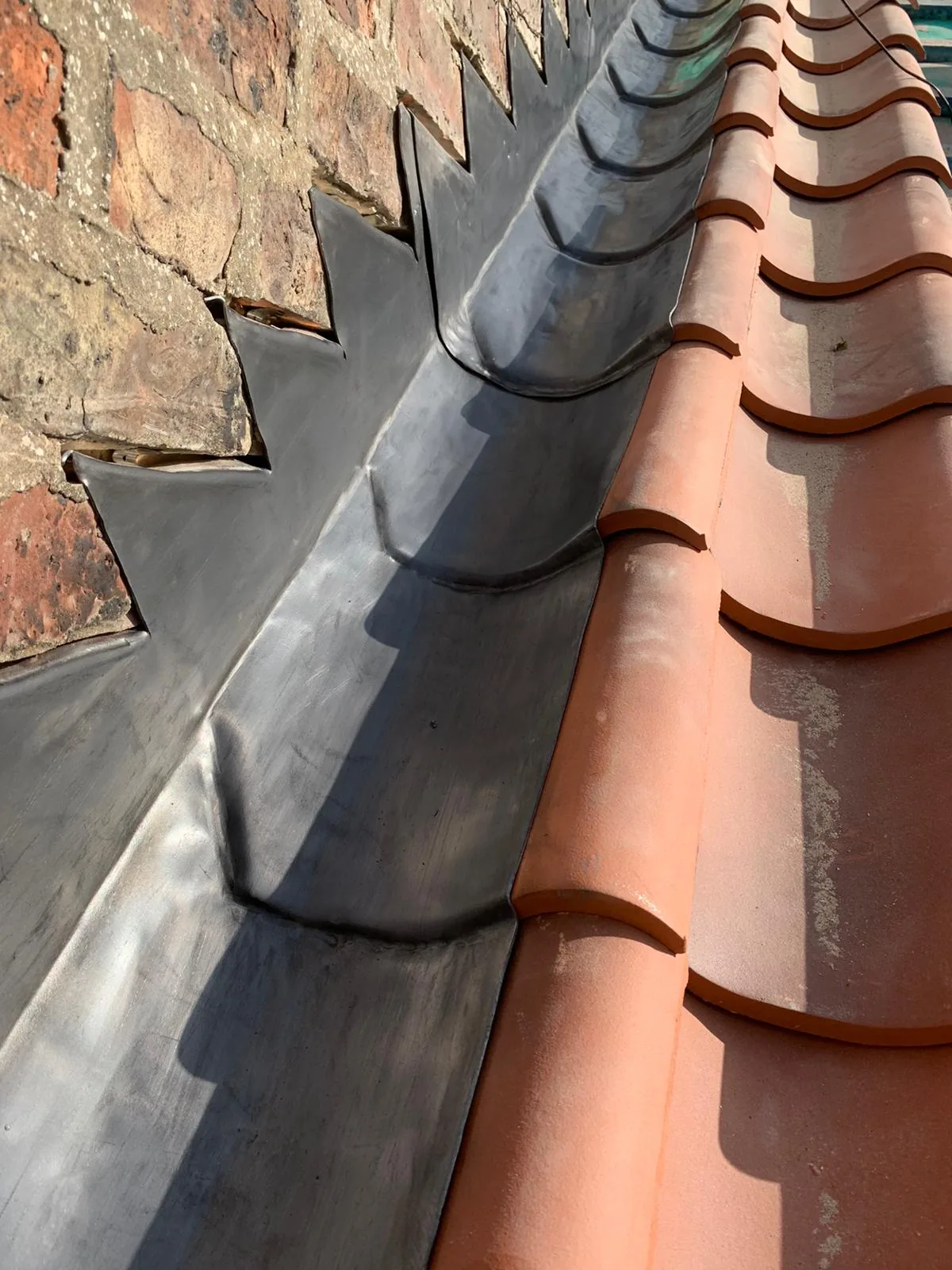
- If you'd rather keep the stack and rebuild it in matching brick and lead instead of removing it outright, our chimney rebuilding page covers that option
- Never board over a redundant flue without a vent — trapped moisture rots the joists nearby over time
- If you add a woodburner or fireplace back in later, a capped flue needs reopening and relining properly, not just knocking through
Cost & Pricing Guidance
Chimney removal pricing across the UK for 2025/26 typically runs like this:
- Stack removal only, above the roofline: £1,200-£1,800
- Chimney breast removal, per floor: £1,500-£2,500
- Non-structural or false breast removal: £900-£1,300
- Full removal, stack and breast, all floors: £3,000-£4,500
Extra costs to budget for on top: a structural engineer's report runs £250-£600, roof reinstatement after stack removal runs £500-£2,000 depending on the tile match and extent of work, plastering and making good runs £250-£800, and asbestos testing and disposal, where needed, runs £400-£3,000. Scaffolding and skip hire typically add another £400-£600 combined.
What pushes the price up or down: access (scaffolding versus a tower), whether the chimney is load-bearing, how many floors the breast runs through, and whether asbestos turns up in the flaunching or lining.
These are general ranges, not a quote. A fixed price needs a survey.
Comparison Table: Chimney Removal Options
| Option | What It Involves | Best For | Relative Cost |
|---|---|---|---|
| Stack Removal (above roof only) | Take down brickwork above the roofline, cap and weatherproof the opening below | Redundant or unsafe stacks where you're keeping the breast downstairs | £ |
| Breast Removal (single floor) | Remove the internal projection on one floor, supported on a steel beam or gallows bracket | Opening up a bedroom or reception room without touching the roof | ££ |
| Full Removal (breast and stack, all floors) | Strip the chimney from foundation to ridge, with steel support at each floor and the roof made good | Properties where the chimney is unused throughout and space is the priority | £££ |
| Cap & Retain (repair instead) | Repoint, reflash, and cap the stack instead of taking it down | Period features worth keeping, or where consent for removal won't be granted | £ (lowest) |
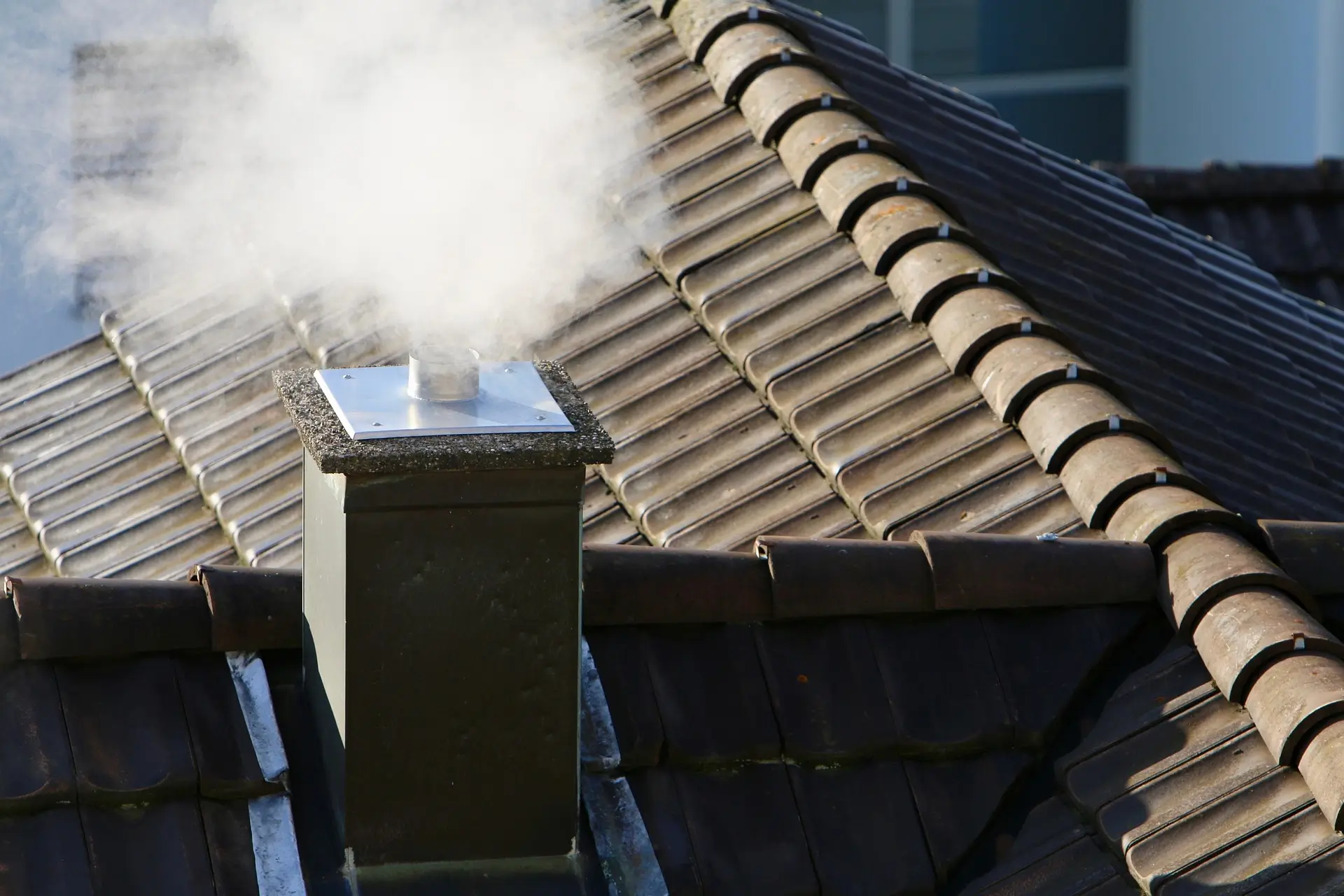
Why Choose Tate & Sons for Your Chimney Removal
Chimney work is led by James Tate, our Founder and Managing Director, who still prices most jobs himself. He's happiest working out how to put a tricky period chimney right without losing the character of the house above it — exactly the judgement call a removal on an older Nottingham property needs, from The Park's Victorian villas to the Edwardian terraces of Sherwood and Mapperley.
Tate & Sons was built on a simple idea James set out from day one: find out what's genuinely wrong, use the right materials, and leave something that holds for years, not months. That's exactly what a chimney removal needs — the right structural support, properly signed off, not a quick knock-through that causes trouble down the line. Read more on our About page.
Our roofers are directly employed, not subcontracted. They hold NVQ Level 2 and 3 qualifications in Roofing Occupations and carry CSCS cards. Every chimney removal starts with a free drone survey and finishes with a 10-year workmanship guarantee in writing.
Chimney Removal Across Nottingham and the Wider County: Areas We Serve
We remove and rebuild chimneys right across Greater Nottingham and out into the wider county, on everything from Victorian terraces to modern semis.
- Nottingham City Centre (NG1)
- The Park (NG1)
- West Bridgford (NG2)
- Sneinton (NG2)
- Wollaton (NG8)
- Lenton (NG7)
- Beeston (NG9)
- Chilwell (NG9)
- Stapleford (NG9)
- Arnold (NG5)
- Sherwood (NG5)
- Mapperley (NG3)
- Carlton (NG4)
- Gedling (NG4)
- Hucknall (NG15)
- Long Eaton (NG10)
- Mansfield (NG18)
- Sutton-in-Ashfield (NG17)
Got Questions?
Your Flat Roofing Questions, Answered Properly
How much does chimney removal cost in the UK?
Most Nottingham chimney removals cost £1,200-£4,500, depending on whether you're removing the stack only, the breast only, or the whole chimney. Stack-only removal above the roof runs £1,200-£1,800. A single-floor breast removal runs £1,500-£2,500, and a full removal through every floor runs £3,000-£4,500. Extras like a structural engineer's report, roof reinstatement, and asbestos testing can add several hundred pounds more. A survey gives you an exact figure for your property.
Do I need planning permission to remove a chimney?
Most chimney removals on an ordinary house don't need planning permission, because they fall under permitted development rights. Listed buildings are the exception — you'll need listed building consent even for work you can't see from the street. Properties in a conservation area, such as The Park or parts of Lenton, may also need a check before anything visible from outside gets altered. We confirm your exact position during the survey, before any application goes in.
Do I need Building Regulations approval to remove a chimney breast or stack?
Yes, almost every chimney breast removal needs Building Regulations approval, because the chimney very often supports a floor, wall, or roof timber above it. Stack removal usually needs approval too, unless you're only taking down brickwork above the roofline that carries no structural load. Approval is normally submitted as a Full Plans application, so an engineer's calculations get checked and signed off before work starts. Skipping this step can cause real problems when you come to sell.
Do I need a structural engineer or steel beam to remove a chimney breast?
Yes, in nearly every case, because a chimney breast usually helps carry the weight of the chimney above it and sometimes the roof too. A structural engineer works out whether you need a steel beam, known as an RSJ, at ceiling level, or a lighter gallows bracket fixed to the wall. Skipping this step risks sagging floors, cracked ceilings, or worse in the room above. Building Control won't sign off the work without proper calculations in place.
Does removing a chimney breast affect my home's value?
It can go either way, and it depends on the buyer and the property. Extra floor space in a small bedroom or lounge appeals to some buyers, especially where a chimney breast currently blocks furniture layouts. Other buyers, particularly for period properties, value original fireplaces and chimney breasts as character features worth keeping. Whatever you decide, keep every piece of paperwork — the engineer's report and Building Regulations certificate reassure a future buyer that the work was done properly.
Do I need my neighbour's permission to remove a shared chimney stack?
Yes, if the stack sits on or straddles a party wall shared with next door, you need to serve a formal Party Wall Notice before work starts. This is common across Nottingham's Victorian terraces in areas like Sneinton and Lenton, where stacks are often shared between two properties. Your neighbour has the right to raise concerns or ask for a surveyor, and the process typically needs at least two months' notice. We handle the notice and paperwork as part of the job where it applies.
Is asbestos a risk when removing an old chimney?
It can be, particularly in older flaunching, rope seals around flue liners, and soot-blackened linings in chimneys that once served solid fuel fires. We test for asbestos as a standard part of the survey, before any demolition begins. If it's present, removal and disposal need a licensed specialist and can add £400-£3,000 depending on the extent found. It's far better to know before work starts than to disturb it partway through a job.
Can I remove a chimney breast but keep the stack, or the other way round?
Yes, this is a common and often sensible middle ground. You can remove the breast downstairs while capping and retaining the stack above the roofline, which keeps the roofline's appearance unchanged and can be cheaper than a full removal. Equally, you can remove a stack that's become unsafe while leaving the breast in place downstairs as a feature. Either way, any redundant flue left behind needs sealing and ventilating properly to stop trapped damp.
Will removing my chimney affect a future solar panel installation?
It can actually help. A chimney stack close to a roof slope often creates shading and awkward panel layouts, so removing an unused stack can open up more usable roof space for solar panels later. If you're planning both, tell us at survey stage so we can plan the removal, roof reinstatement, and future panel mounting points together. Sorting the sequence properly avoids paying twice for scaffolding or re-doing roof work down the line.
Book Your Free Drone Roof Survey Today
See exactly what your roof needs before any work starts. No ladders, no pressure — just a clear picture from a local Nottingham team.
A tired roof only gets worse as water works deeper into the deck and timber beneath it. A quick, free drone survey today tells you exactly where you stand — and often the fix is smaller and cheaper than you feared. Book now, get an honest quote, and protect your home before the next East Midlands downpour finds the weak spot.
📍 57 Cyril Avenue, Nottingham, NG8 5BA
📞 0115 647 4455
Call the Nottingham team today on 0115 647 4455, or request your free drone survey online. We’re already working across your area.
Get in Touch
Tate & Sons Roofing — Nottingham
57 Cyril Avenue, Nottingham, NG8 5BA
📞 0115 647 4455
✉️ [email protected]