
🏠 Trusted Local Roofers
Concrete Roof Tiling Market Harborough
Concrete roof tiling in Market Harborough covers more homes than any other type. Look along most streets in the town and the Welland Valley, and the pitched roofs you see are concrete tile. They give a strong roof for sensible money, which is why so many builders reach for them. When those tiles reach the end of their life, water finds the gaps, and a slipped tile can wet a bedroom ceiling in one wet week.
This page explains interlocking concrete tiles, what they weigh, how long they last, and what a re-tile really costs. You will see how concrete compares with clay and slate, and how to tell a repair from a full re-roof. Start with a free drone survey and a written quote before any work begins — no scaffold just to take a look, and no charge either way. Concrete tiling is one part of the wider service we offer as a roofing contractor across Market Harborough.
- Fully Insured
- 10-Year Guarantee
- 5-Star Rated
Quick Free Estimate - No Obligation
We're not just roofers – we're your neighbours.
Fully Insured • Response within 15 mins
🔒 Your details are safe with us. No spam, ever.
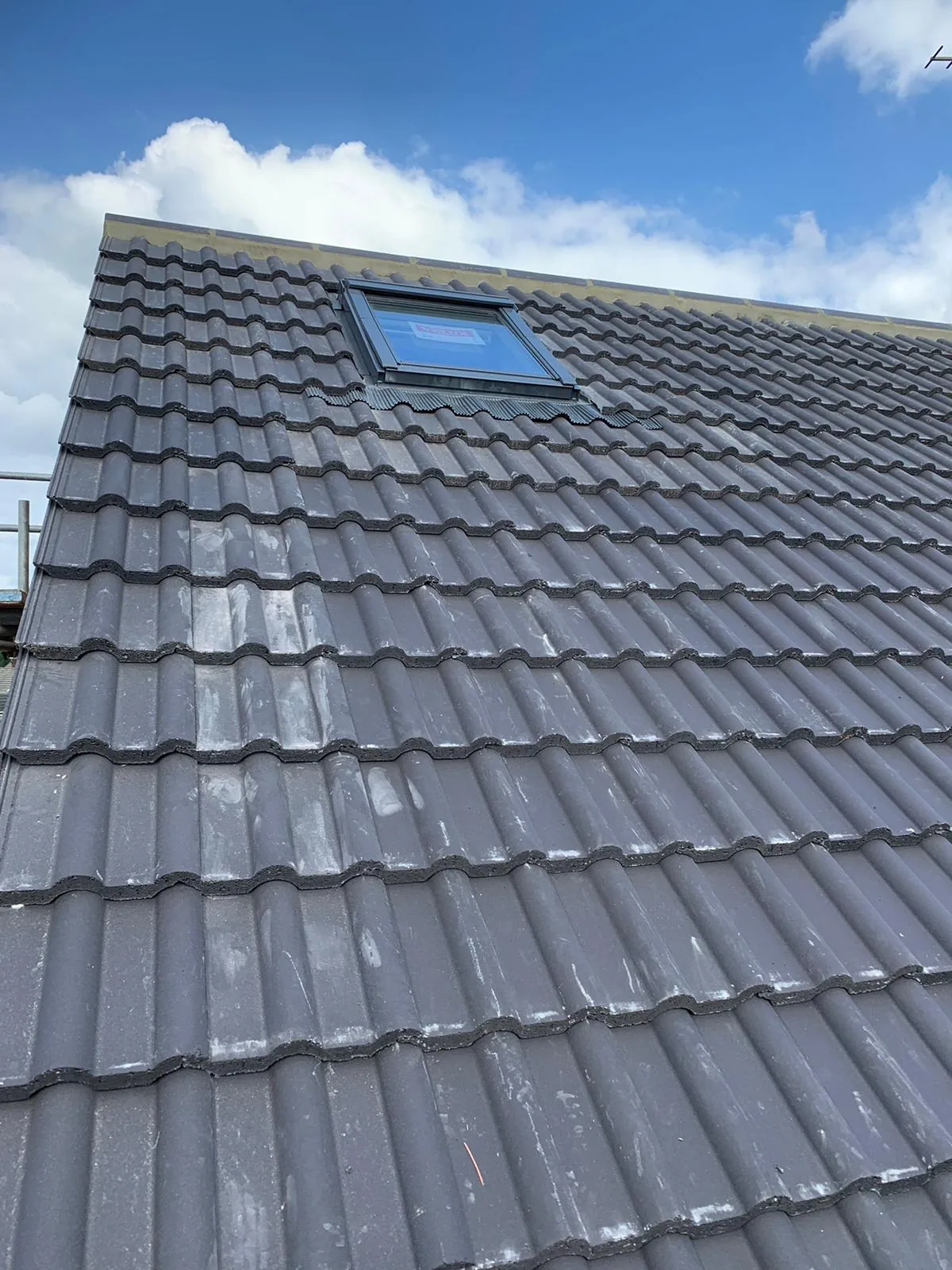
Why Concrete Tiles Give You a Solid Roof Without the Premium Price
Concrete tiles are made by pressing sand, cement and pigment into a mould. The result is a heavy, dense tile that shrugs off wind and rain for decades. Most cost far less than clay or slate, so you get a proven roof without paying top money.
The big win is the interlocking design. Each tile has ridges cast into its sides and head that lock into the next tile. This forms a tight, weathertight lap that keeps driven rain out, even on the exposed roofs we see around Husbands Bosworth and the open Welland Valley. Interlocking tiles are also larger than plain tiles, so fewer cover each square metre. That means a quicker fit and a lower labour bill for you.
You will find interlocking concrete tiles in a few common shapes:
- **Interlocking (single-lap)*— the standard choice on most homes; large, fast to fit, and strong value
- **Plain concrete tiles*— smaller, laid double-lap for a traditional flat look on period-style homes
- **Pantile and Roman profiles*— a curved, characterful finish that still keeps the interlocking benefit
Modern concrete tiles pass the highest UK frost test, taking 150 freeze-and-thaw cycles without cracking. That matters here, where a wet Leicestershire winter swings above and below freezing again and again. A tile that holds up to that is a tile that keeps your loft dry.
Spot the Signs Your Concrete Tiles Need Attention
Concrete tiles rarely fail overnight. Catch the early signs and a repair often does the job, before the felt or timber gets involved.
Watch for these:
- Slipped or slipped-down tiles sitting out of line with the rest
- Cracked or chipped tiles, often worst on the weather-facing slope
- Tiles that have gone thin, flaky or crumbly at the edges
- Heavy moss holding damp against the surface all year round
- Loose or crumbling mortar along the ridge and hip lines
- A damp patch or stain on a bedroom or landing ceiling
- Tile fragments or grit collecting in the gutters after rain
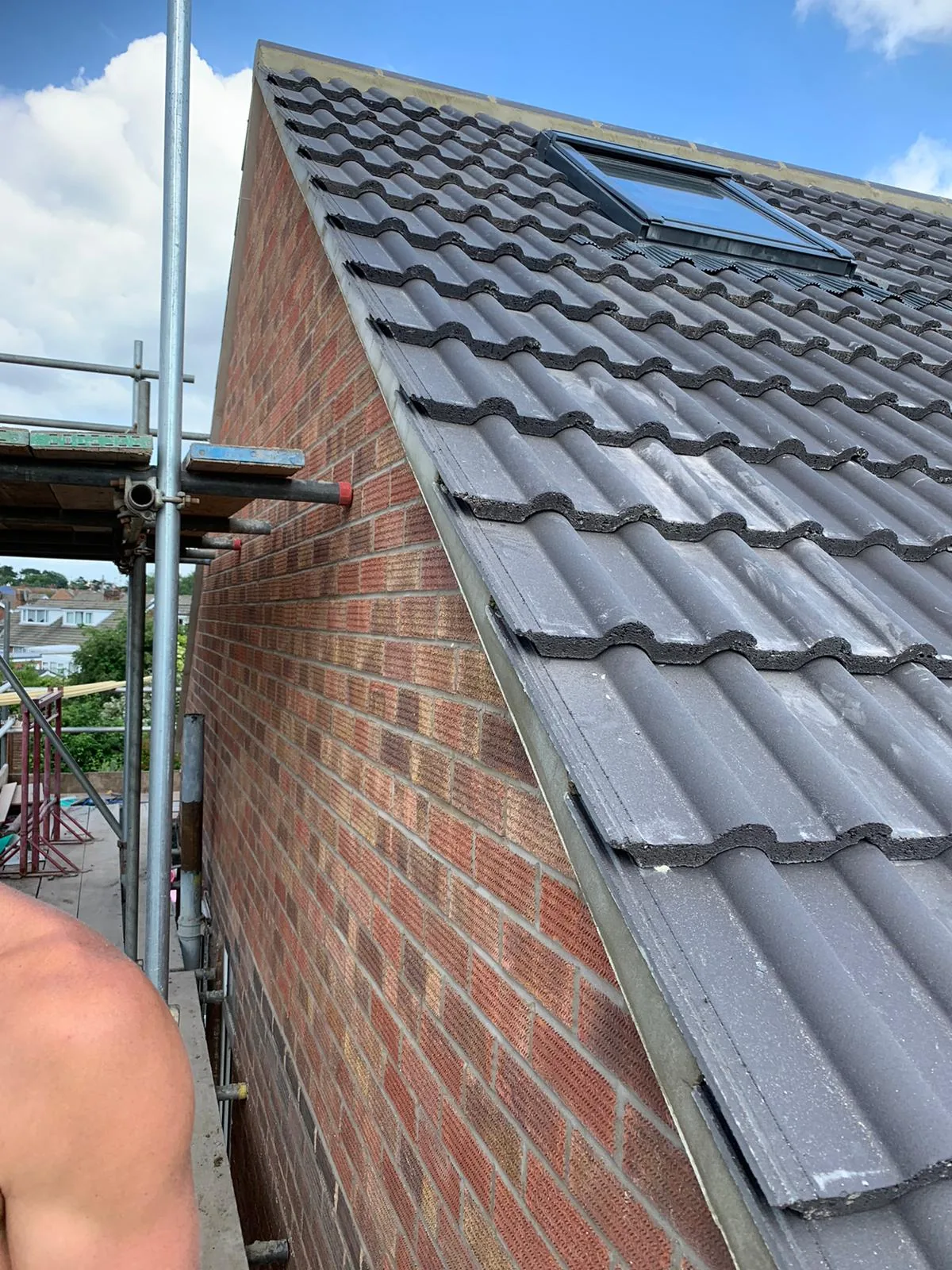
Old tiles also lose their surface skin over time. Rub a weathered concrete tile and grit comes off in your hand. That grit is the tile wearing thin, which lets water soak in and frost do its damage. One or two slipped tiles is a quick fix. A whole slope shedding grit and cracking points to a roof near the end of its life. A proper look tells you which one you are dealing with, so you do not pay for a patch that fails again next winter.
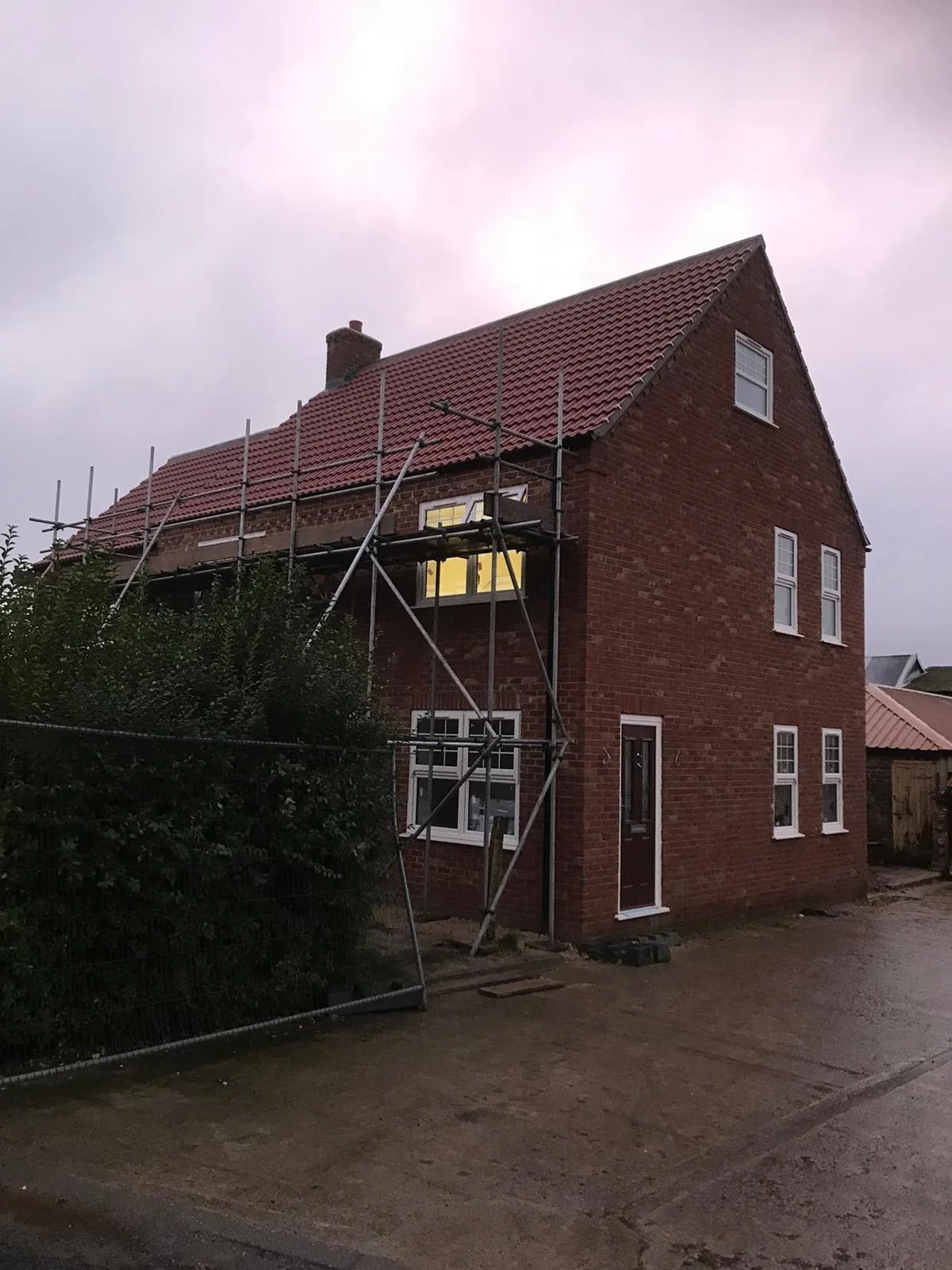
Concrete vs Clay vs Slate — Which Tile Earns Its Place on Your Roof
Three coverings account for almost every pitched roof around Market Harborough. Each suits a different budget, look and lifespan. In short: concrete is the strong-value all-rounder for most homes, and the tile we re-roof most often. Clay costs more but holds its colour and lasts longer, which suits period and character homes. Natural slate costs the most and lasts the longest, giving a fine finish on the right property. The table below sets out the real numbers side by side.
None of these figures is a quote for your roof. They are current market ranges to help you weigh up the choice. What you actually pay depends on your roof size, its pitch, and how easy it is to reach — which is what a survey settles.
| :-: | :-: | :-: | :-: |
| Covering | Typical cost (per m²) | Typical lifespan | Best for |
| Concrete tile | £60–£100 | 40–60 years | Most homes; strong value and a proven, sturdy roof |
| Clay tile | £80–£130 | 60–100+ years | Period and character homes; holds colour for life |
| Natural slate | £100–£150 | 75–100+ years | Premium finish and the longest life of the three |
Concrete wins on cost and gives a roof that keeps water out for 40 to 60 years. Its colour is a pigment worked into the tile and finished on the surface, so it can soften over the decades. Clay keeps its colour for the life of the roof and often looks better as it weathers, but you pay more upfront. If your home suits a traditional look, our Clay Roof Tiling page walks through that option in full. Slate is the long-life choice for the right property, at the top of the price range.
What Concrete Roof Tiling Costs in Market Harborough
Cost comes down to three things: the tile you pick, the size of the roof, and access.
As a general guide, concrete tiling runs roughly £60 to £100 per square metre fitted, taking in the tiles, a new breathable felt, treated battens and the labour. For a typical semi-detached or terraced home in Market Harborough, a full re-tile often lands between £6,000 and £10,000. A larger detached house with a steep or cut-up roof can run £10,000 to £15,000 or more, assuming the roof timber underneath is sound.
What pushes a price up or down:
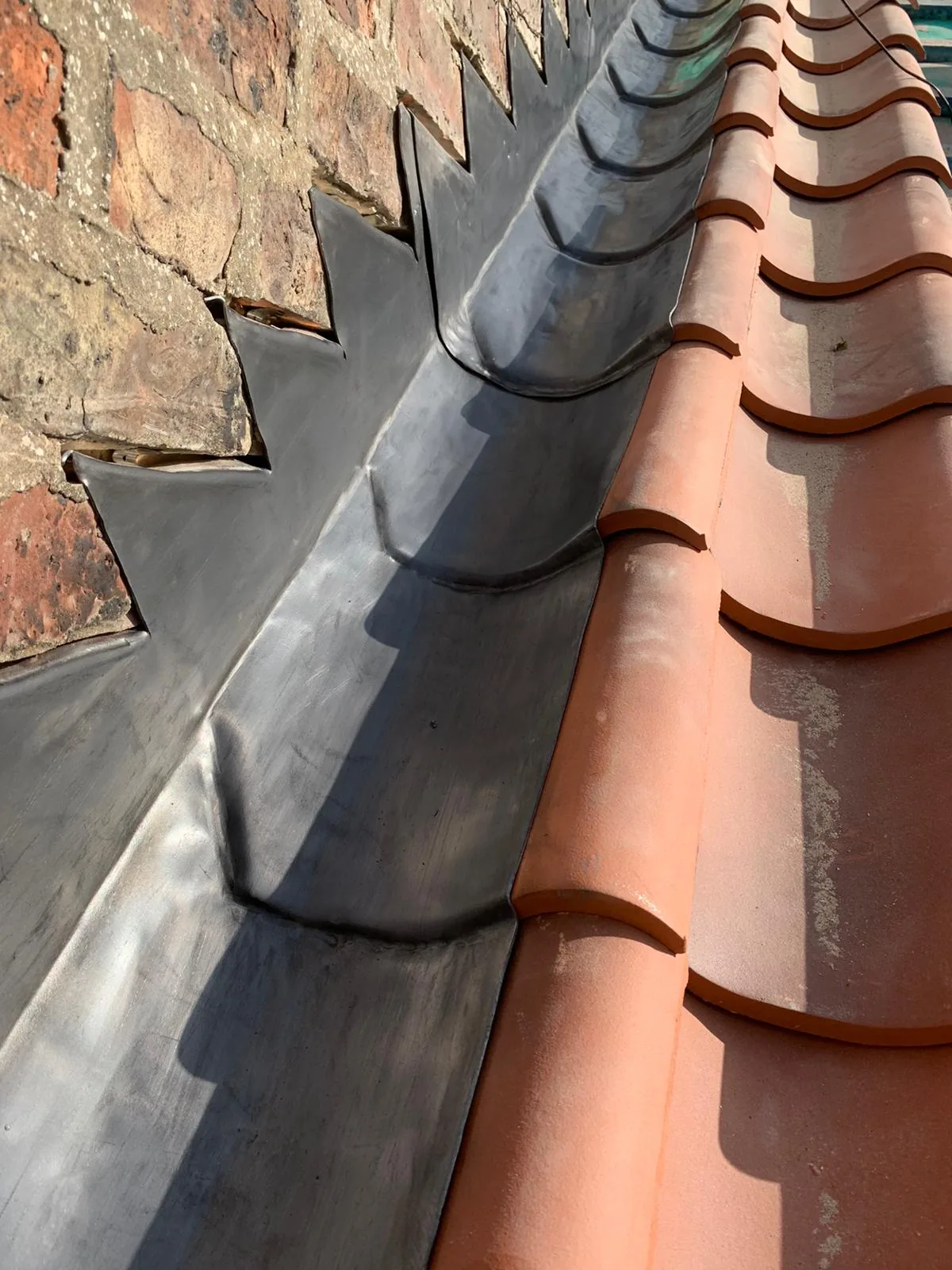
- **Roof size and pitch*— more area and a steeper slope both add labour
- **Access and scaffolding*— a safe working platform usually adds £1,200–£2,000
- **Ridge and hip work*— a dry-fix ridge and hip system adds roughly £400–£700
- **Roof timber*— rotten rafters or battens found on strip-off add to the bill before tiling
- **Tile choice*— a plain or profiled concrete tile costs more than a standard interlocking one
These are general market ranges, not a price for your home. Two roofs of the same size can quote very differently once pitch, access and timber condition come into it. The only route to a firm figure is a proper survey — which is exactly what our free drone survey gives you, followed by a clear written price with nothing added later. A fixed price needs a survey.
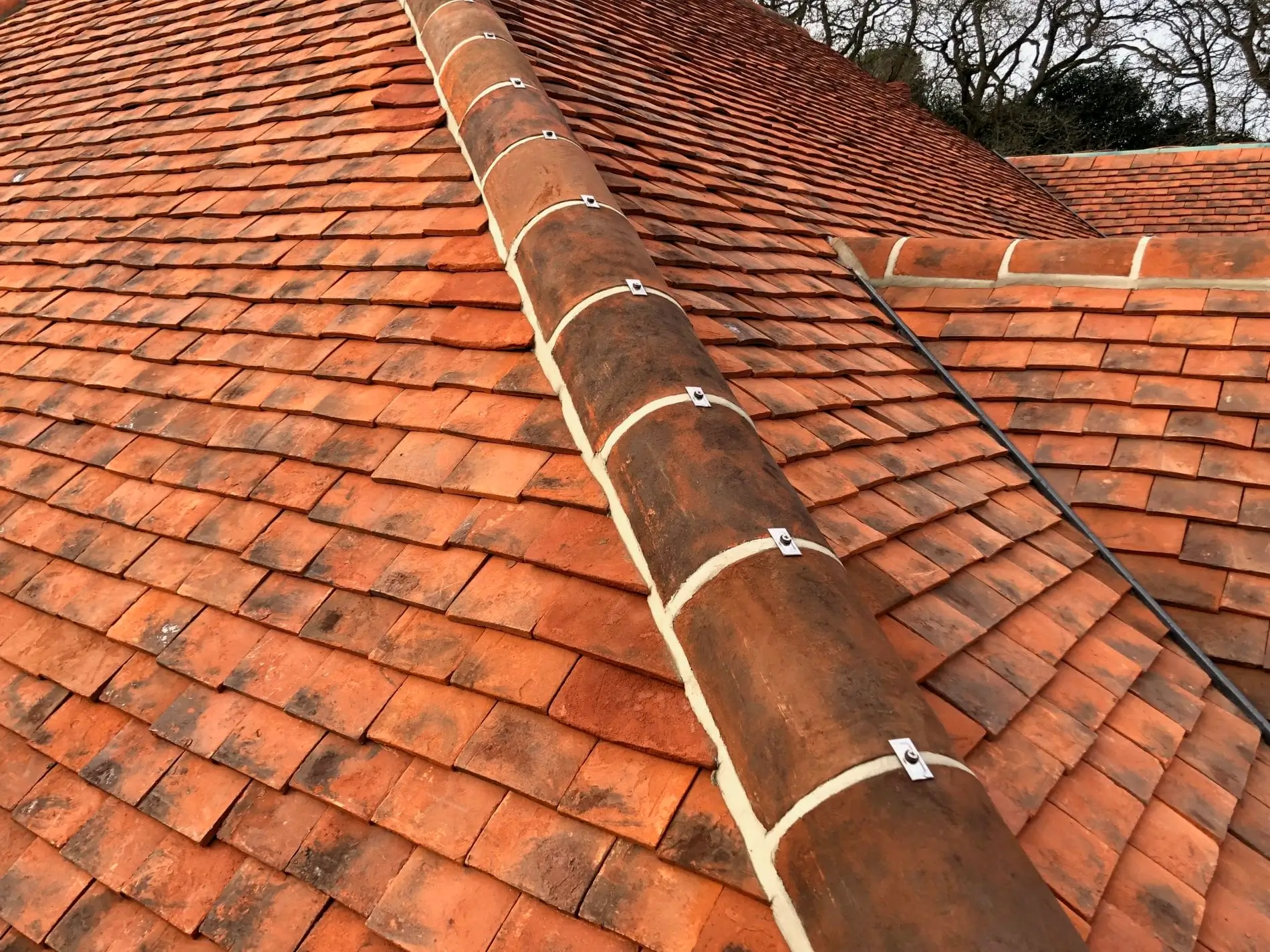
Can Your Roof Take the Weight? Getting the Structure Right
Concrete tiles are heavy. A concrete tile weighs around 40% more than a clay one, and a lot more than natural slate laid thin. That weight is not a problem on a roof built for it — most homes around here already carry concrete and always have. It only matters when the covering changes.
The weight question comes up if you switch from a light covering, such as slate or a lightweight tile, over to concrete. The rafters and wall plates were sized for the old load, and dropping heavier tiles on top can overstress them. We check the roof structure as part of the survey. Where a change adds real load, we tell you plainly and bring in a structural check before any tiles go up. It is the sort of detail a cheap quote skips and you pay for later.
Re-Tile or Repair? You Get a Straight Answer, Not the Biggest Invoice
A few slipped or cracked tiles rarely means the whole roof is done. Odd tiles slip because a nail rusts through or a batten softens, and swapping them is a small job. A full re-tile is the answer once tiles across a slope are shedding grit, cracking and letting damp through, or the felt below has perished.
A re-tile follows the same order on every job:
- Old tiles stripped off and cleared from the roof
- Battens and felt removed, and the rafters checked over
- Any rotten timber replaced before anything goes back on
- New breathable felt and treated battens fixed down
- Tiles laid, clipped and nailed to current wind standards
- Ridge, hip and verge finished, then the site cleared and checked
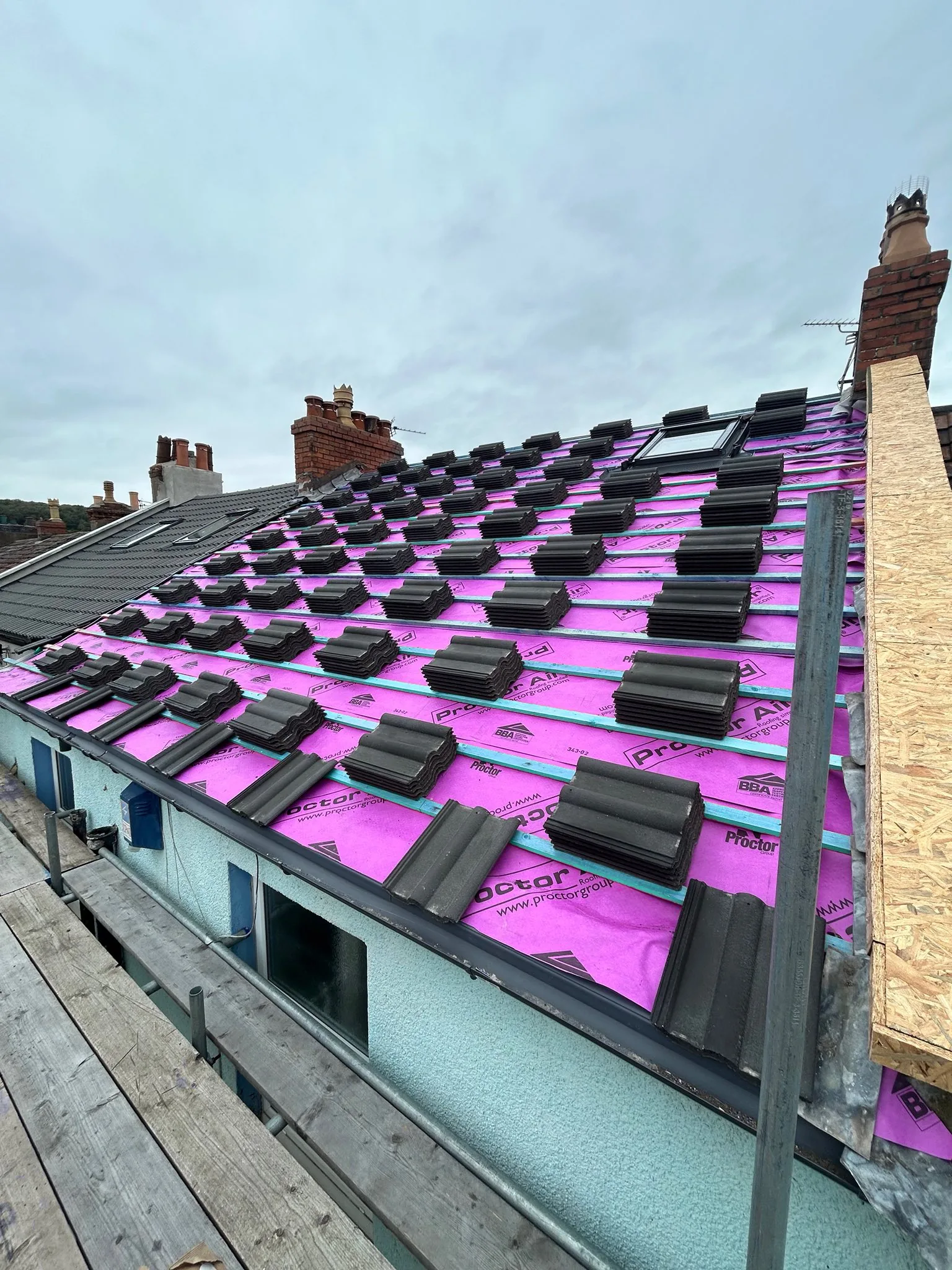
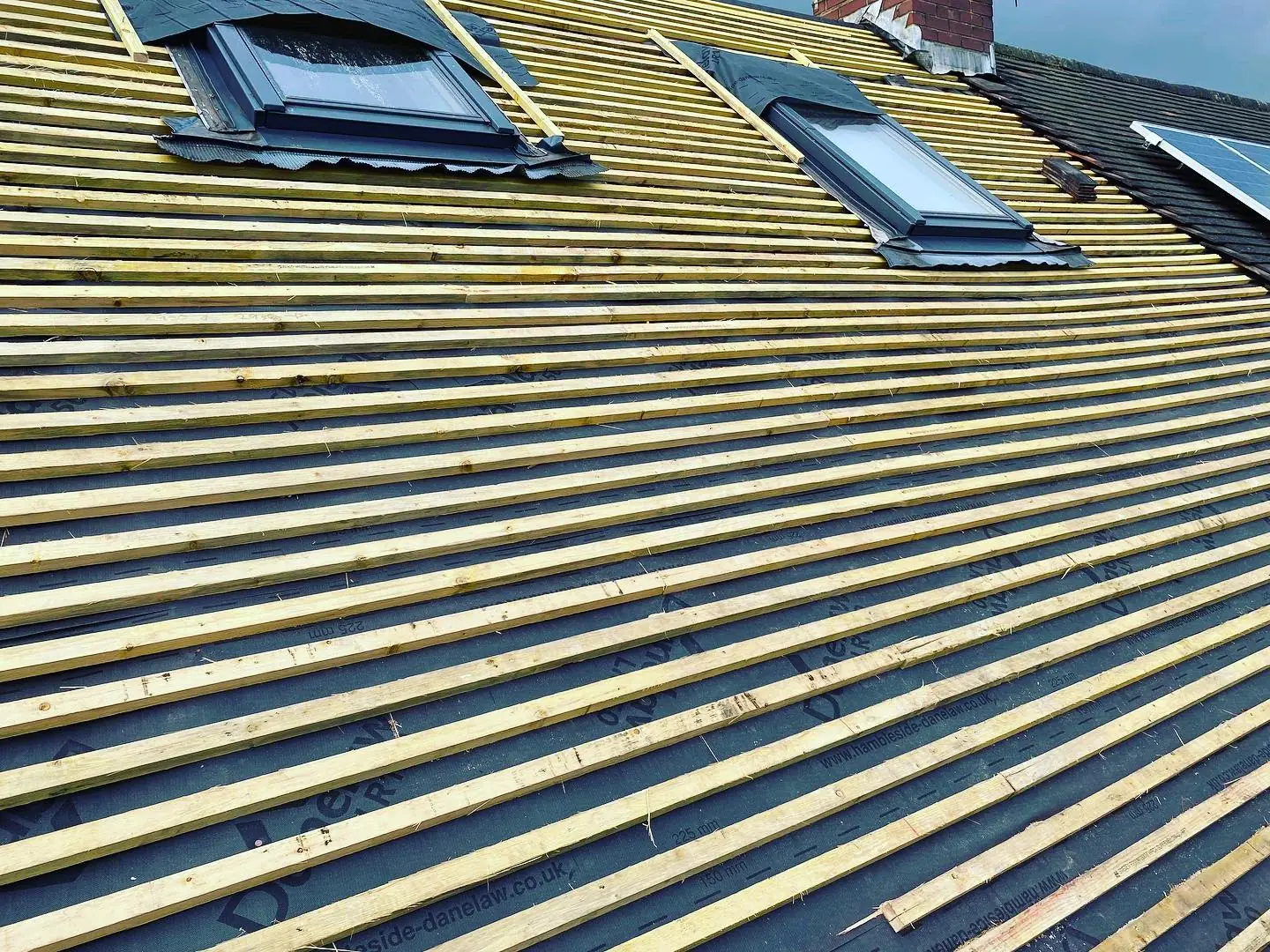
We see this on 1960s and 1970s homes around Little Bowden and Kibworth Beauchamp. The original concrete tiles are now sixty years old and the felt beneath them has gone brittle. Patching a slope like that buys a season, then the next tile goes, then another. You end up paying for a run of small visits instead of one proper re-roof. A full Roof Replacement & Re-roofing resets the whole roof — new felt, new battens, sound tiles — and draws a line under the drip-feed of repairs.
A free drone survey shows the full picture before you commit — the ridge line, the valleys and the verges that a ground-level look always misses. You get the footage, not just our word for it.
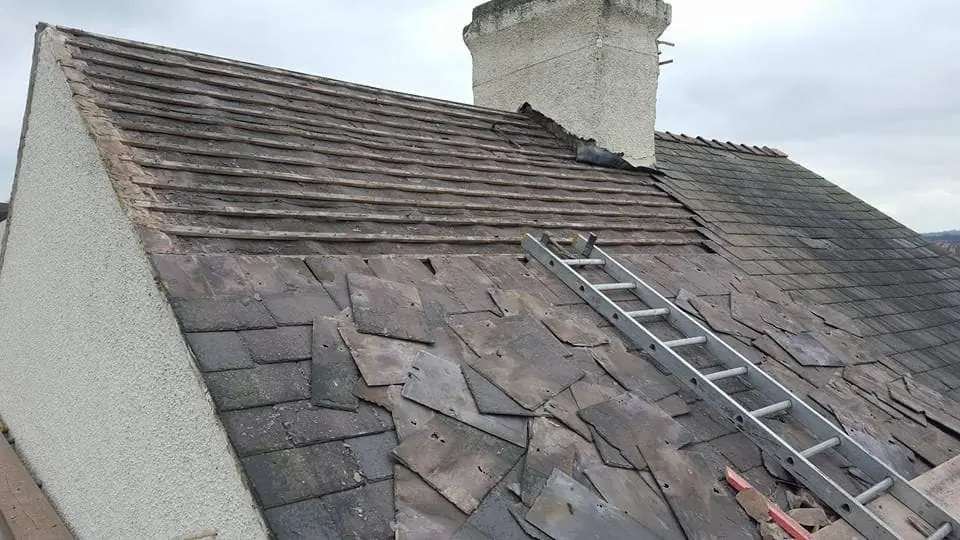
Do Concrete Tiles Fade? What to Expect Over the Years
Concrete tiles can lose some colour over their life. The pigment sits in and on the tile rather than baked through it, so a strong red or brown may soften after twenty or thirty years of sun and weather. A faded tile still keeps water out just as well as new.
Concrete also holds moss more readily than clay or slate. The surface is a touch more porous, so it stays damp longer and gives moss a foothold, especially on a north-facing slope. Modern tiles carry better surface coatings than the tiles of forty years ago, so fading and moss are slower to take hold on a fresh re-roof.
Picking a tile that suits our climate matters as much as the colour. For an independent view, the Roof Tile Association on choosing roofing materials for the UK is a useful read on frost, wind and rain before you commit. We only fit tiles that meet those standards, so your roof is built for a Leicestershire winter, not a mild one.
Why Market Harborough Homeowners Choose Tate & Sons First
You are not just buying tiles — you are buying whoever fits them. Ryan Tate, our project manager, came into the trade full-time after his NVQ Level 3 in Roofing, and handles the modern re-roofs on this page day in, day out. He sets out the whole job in plain English, then works on the same crew that turns up to fit it. You deal with the man who quoted the roof, start to finish.
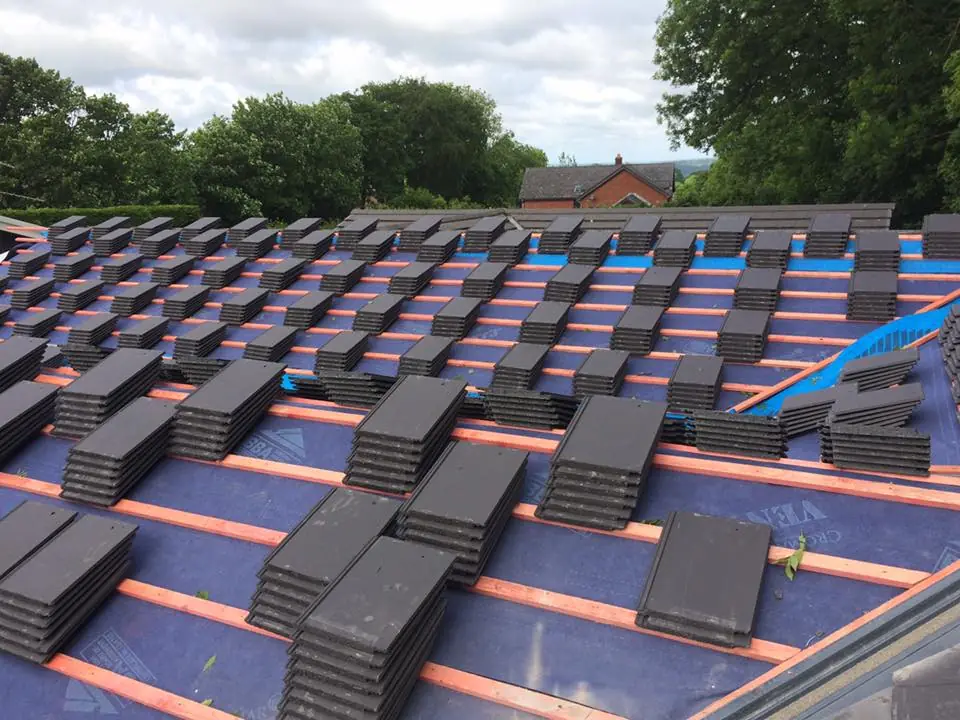
Founder Michael Tate started his apprenticeship at sixteen and built Tate & Sons on one rule: fix the cause, not just the symptom — never patch a roof to look right for a season and fail the next. That is why we survey the whole roof before we quote, timber and felt included, not just the tile you can see. Between us we carry over 45 years of combined experience, hold NVQ Level 2 and 3 qualifications in Roofing Occupations, and keep CSCS cards and NFRC trade-body membership. Read more about the people behind the work on our About Tate & Sons Roofing page.
Areas We Serve Across Market Harborough and the Harborough District
We fit and re-tile concrete roofs across Market Harborough and the surrounding Welland Valley villages. If your area is not on the list below, call us anyway — if you are nearby, there is a strong chance we cover you.
- Market Harborough (LE16)
- Great Bowden (LE16 7)
- Little Bowden (LE16 8)
- Lubenham (LE16 9)
- Foxton (LE16 7)
- Medbourne (LE16 8)
- Kibworth Beauchamp (LE8)
- Great Glen (LE8 9)
- Fleckney (LE8 8)
- Husbands Bosworth (LE17 6)
- Desborough (NN14 2)
Got Questions?
Your Concrete Roof Tiling Questions, Answered Properly
How long do concrete roof tiles last?
A good concrete tile roof lasts around 40 to 60 years. The tiles themselves are tough, but the felt and battens beneath them wear out first, often within 30 to 40 years. A roof can look fine from the ground while the felt has gone brittle above the ceiling. Age, pitch and how exposed the roof is all shift the number, which is why a survey beats a guess.
Are concrete or clay tiles better?
Neither is simply better — they suit different jobs. Concrete costs less, gives a strong roof, and is the sensible choice for most homes. Clay costs more, keeps its colour for life, and often improves as it weathers, which suits period and character properties. Clay also tends to last longer, sometimes past a century. On a straight value basis, concrete is hard to beat for a standard family home.
Do concrete roof tiles fade or lose their colour?
They can soften in colour over the years. The pigment sits in and on the tile rather than fired right through it, so a bright shade may dull after two or three decades of sun and rain. This is cosmetic only and does not affect how well the tile keeps water out. Modern tiles use better surface coatings than older ones, so a fresh re-roof holds its colour longer than the tiles it replaces.
Are concrete tiles too heavy for my roof?
Not if your roof was built for them, and most homes around here were. A concrete tile weighs roughly 40% more than a clay one, so weight only becomes a question if you switch from a lighter covering like slate. In that case the rafters may need checking or strengthening before concrete goes on. We assess the structure as part of the survey and tell you plainly if a structural check is needed first.
What is the difference between interlocking and plain concrete tiles?
Interlocking tiles have ridges cast into their edges that lock into the next tile, forming a tight weather seal. They are large, laid in a single lap, and quicker to fit, which keeps labour down. Plain tiles are smaller and laid double-lap, giving a flat, traditional look at a higher cost. Most homes use interlocking tiles, while plain tiles tend to go on period-style or character roofs.
How much does it cost to re-tile a concrete roof in Market Harborough?
As a general guide, concrete tiling runs about £60 to £100 per square metre fitted, covering tiles, felt, battens and labour. A typical semi or terrace re-tile lands between roughly £6,000 and £10,000, while a larger detached home can reach £10,000 to £15,000 or more. Scaffolding and any rotten timber add to that. A free drone survey gives you an exact written price rather than a phone estimate, and a fixed price always needs a survey first.
Can you just replace a few slipped tiles instead of the whole roof?
Yes, if the rest of the roof is sound. Odd tiles slip when a fixing nail rusts or a batten softens, and swapping a handful is a small, quick job. We only recommend a full re-tile when tiles across a slope are cracking and shedding grit, or the felt beneath has perished. Our survey shows you which situation you are in, so you are not sold a re-roof you do not need.
Why is there moss growing on my concrete tiles?
Concrete holds damp a little longer than clay or slate, so moss takes hold more readily, especially on a shaded north slope. Light moss is normal and mostly cosmetic, but a thick mat traps water against the tile and speeds up wear. Clearing gutters and a yearly check keep it in hand. If moss has built up over a badly worn roof, that is worth a survey rather than a scrub.
Book Your Free Drone Roof Survey Today
See exactly what your concrete roof needs before any work starts. No ladders, no pressure — just a clear picture from a local Market Harborough team.
Every winter a worn tiled roof waits, more grit washes away and frost bites deeper into the tiles beneath. A quick, free survey today tells you exactly where you stand — and often the fix is smaller and cheaper than you feared. Book now, get an honest quote, and protect your home before the next downpour finds the weak spot.
ð 5 Hood Close, Market Harborough, LE16 9XS
ð 01858 457600
Call the Market Harborough team today on 01858 457600, or request your free drone survey online. We're already working across your area.
Book Your Free Drone Roof Survey
See exactly where your roof stands, with no obligation and no pressure. Call our Market Harborough team or request your free drone survey today.
Get in Touch
Tate & Sons Roofing — Market Harborough Office
5 Hood Close, Market Harborough, LE16 9XS
📞 01858 457600
✉️ [email protected]