
🏠 Trusted Local Roofers
Industrial Roofing Installation Market Harborough
Factories, warehouses and workshops around Market Harborough all share one weak point: the roof. When a large industrial roof starts to leak, it does not stay small for long. Water gets to stock, to steelwork and to the people working below. Tate & Sons Roofing handles industrial roofing installation in Market Harborough and across the Harborough District, from a single failed roof light to a full warehouse re-roof.
This page walks you through the three systems we fit most: built-up metal, composite insulated panels and single-ply membrane. You will see what each one costs, how long it lasts, and how roof safety and non-fragility fit into the job. Start with a free drone survey and a written quote before any work begins — no charge, no pressure. Industrial roofing is one part of the wider service we offer as a roofing contractor across Market Harborough.
- Fully Insured
- 10-Year Guarantee
- 5-Star Rated
Quick Free Estimate - No Obligation
We're not just roofers – we're your neighbours.
Fully Insured • Response within 15 mins
🔒 Your details are safe with us. No spam, ever.
Match the Right Industrial Roof System to Your Building
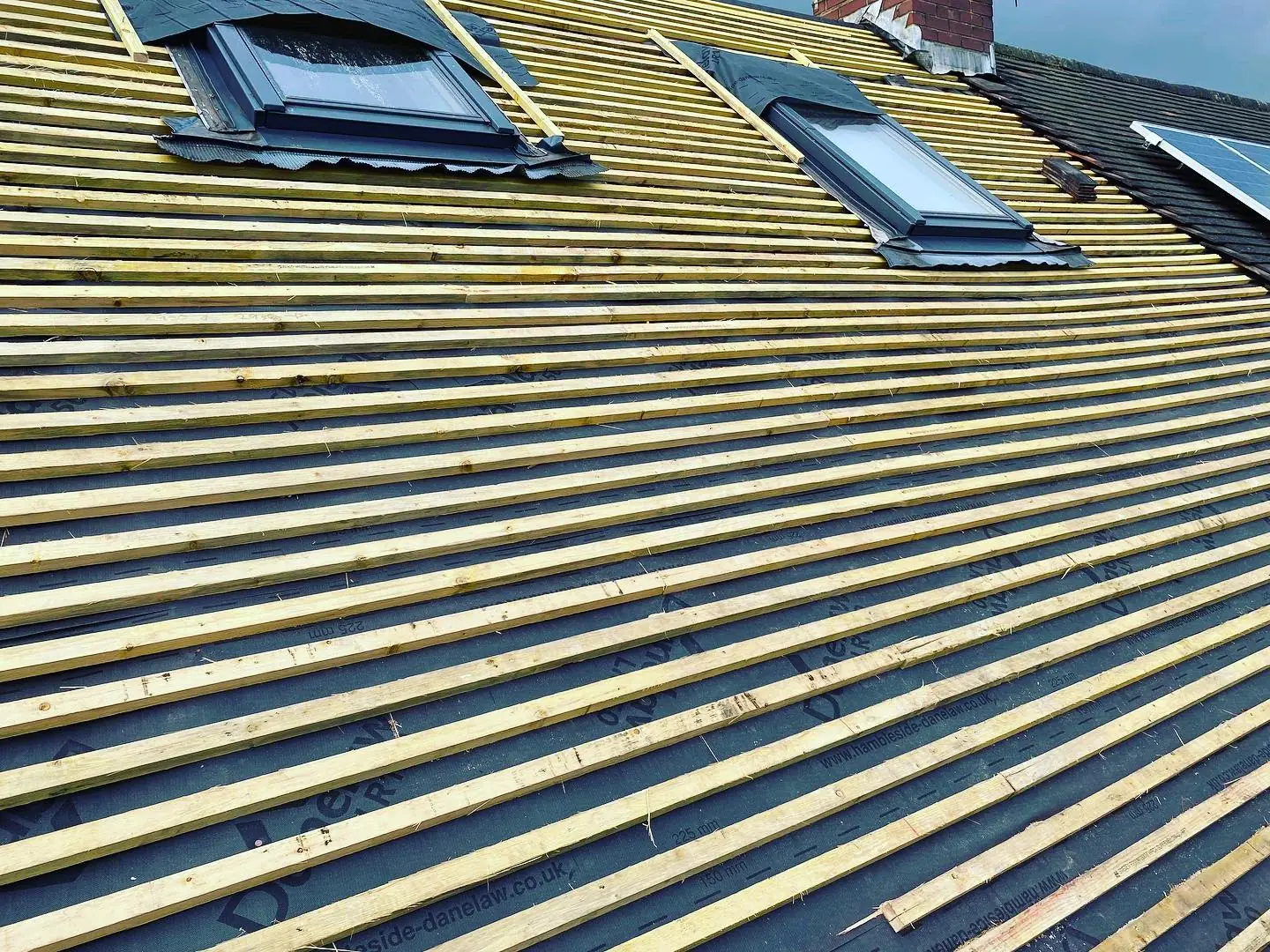
Not every industrial roof needs the same system. The right choice depends on the building, how it is used, and how warm it needs to stay. Metal covers most industrial and commercial roofs in the UK, and three build-ups handle nearly every job.
Here is the short version:
On a workshop out at Lubenham or a warehouse near Foxton, the same building can take more than one of these. A survey settles it in plain terms, with the cost and lifespan of each laid out side by side.
- **Built-up metal (twin-skin)*uses a liner sheet, spacer bars, insulation and a profiled outer sheet, all built up on site over the purlins. It suits large heated units where you want to tune the insulation to the building.
- **Composite insulated panels*arrive as one factory-made unit, with two steel skins bonded to a rigid insulation core. They go on fast and make the building watertight in less time on site.
- **Single-ply membrane*is a thin, flexible sheet fitted over insulation on low-pitch and flat industrial roofs. It handles big spans and awkward details with very few joints.
Built-Up Metal, Composite Panel and Single-Ply Compared
Each system earns its place on a different kind of job. Built-up metal gives you full control over the spec on large heated units. Composite panels win when speed on site matters and you want the insulation and weather skin in one unit. Single-ply suits low-pitch and flat industrial roofs with big open spans. The table below sets the real figures next to each other.
| :-: | :-: | :-: | :-: |
| System | Typical cost (per m²) | Typical lifespan | Best for |
| Built-up metal (twin-skin) | £45–£80 | 30–40 years | Large heated warehouses and factories; spec tuned on site |
| Composite insulated panel | £75–£110 | 30–40 years | Heated units needing a fast, watertight install |
| Single-ply membrane | £50–£90 | 25–40 years | Low-pitch and flat industrial roofs with big open spans |
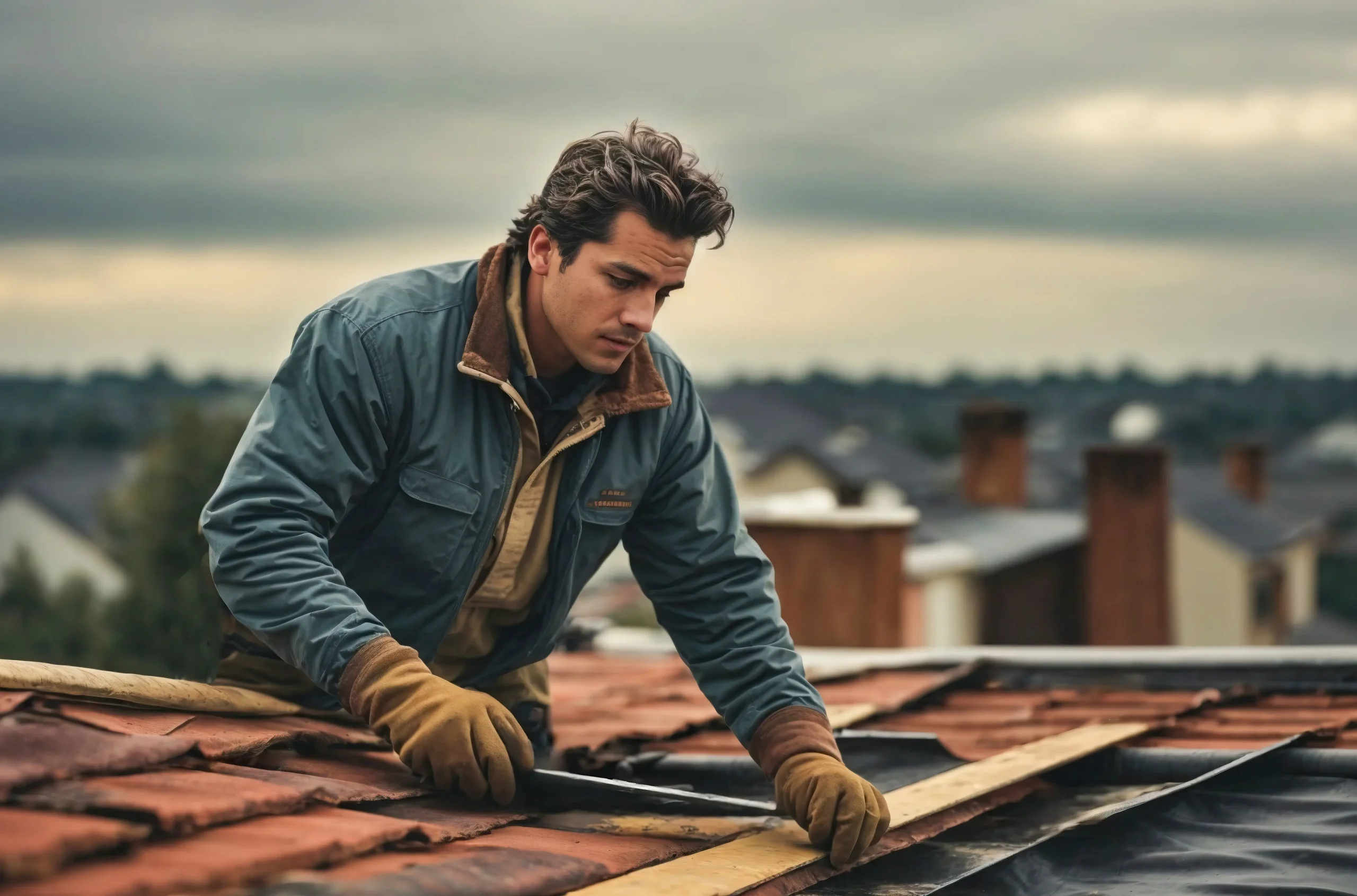
Cost per square metre is only the start. A twin-skin build gives you room to raise the insulation level and hit current energy standards. A composite panel roof cuts days off the programme, which matters when the unit stays in use during the work. Single-ply copes with the complex outlets, upstands and roof lights that large flat roofs tend to carry.
If your building leans more toward standing seam or profiled sheet, our Metal Roofing page covers those systems in full. For office, retail and mixed-use premises, the Commercial Roofing page is the better starting point.
Keep Your Roof Non-Fragile and Your People Safe
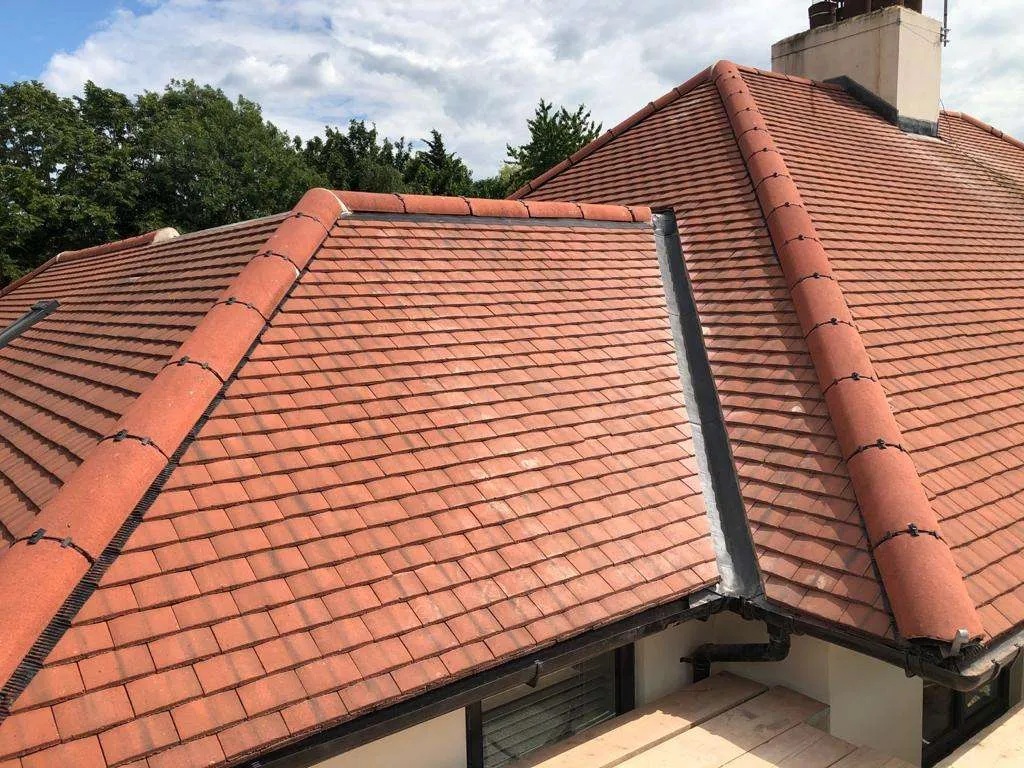
Falls through fragile roofs kill more people than any other single roofing cause. Old asbestos-cement sheets and worn roof lights are the usual culprits. Any industrial roof we install is built to meet current non-fragility standards, so nobody drops through it during later maintenance.
The test that matters here is ACR[M]001, often called the Red Book. It drops a weight onto a full roof assembly and grades the result, not just the single product. A roof that passes as Class B holds the load after two drops at the same point. That is the grade we aim for on the roof lights and sheeting we fit.
Non-fragile does not mean walk-on. A non-fragile roof light stops a fall through it, but it is not built for someone to stand on. Where a roof needs regular access, we plan walkways and fixing points into the job from the start. You get a roof your maintenance team can work on safely for the next thirty years.
For the technical standards behind the metal systems we fit, the MCRMA industry standards set out the British and European specifications manufacturers work to.
Get More Daylight In Without Weakening the Roof
Roof lights cut your lighting bill and make a working floor safer to move around. On a large warehouse near Great Bowden, a run of roof lights can light the space for most of the working day. The trade-off is that old roof lights are the weakest, most fragile part of any industrial roof.
We fit modern GRP roof lights matched to the profile of your sheeting, so they sit flush and seal cleanly. New units carry a non-fragility rating from new, unlike the brittle plastic they replace. Spacing them across the roof gives you steady daylight without hot spots or glare on the floor below.
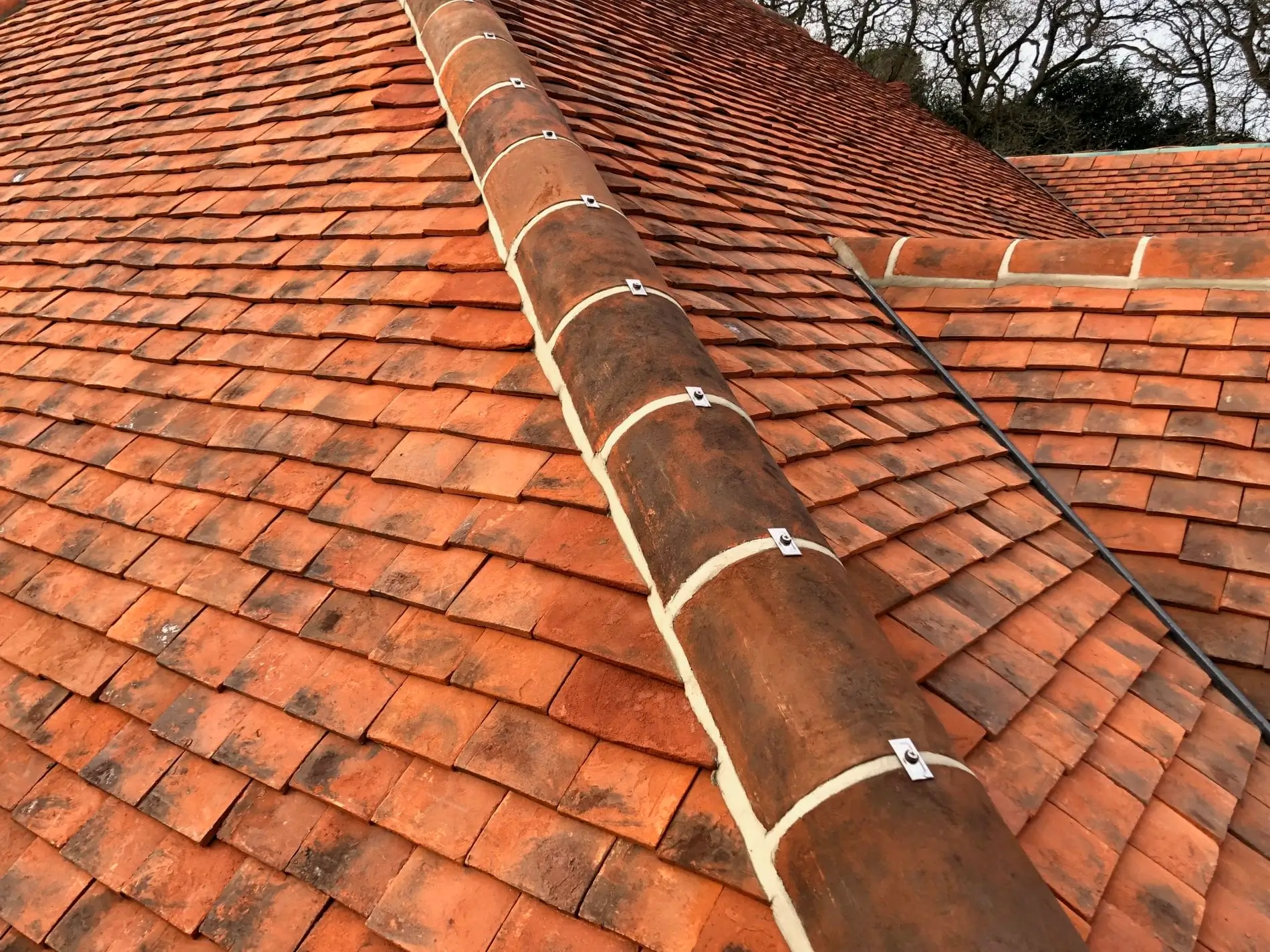
On a re-roof we nearly always renew the roof lights at the same time. Leaving twenty-year-old panels in a brand-new roof makes no sense — they will be the first thing to leak and the first thing to fail a fragility check. Doing them together costs less than going back up a second time.
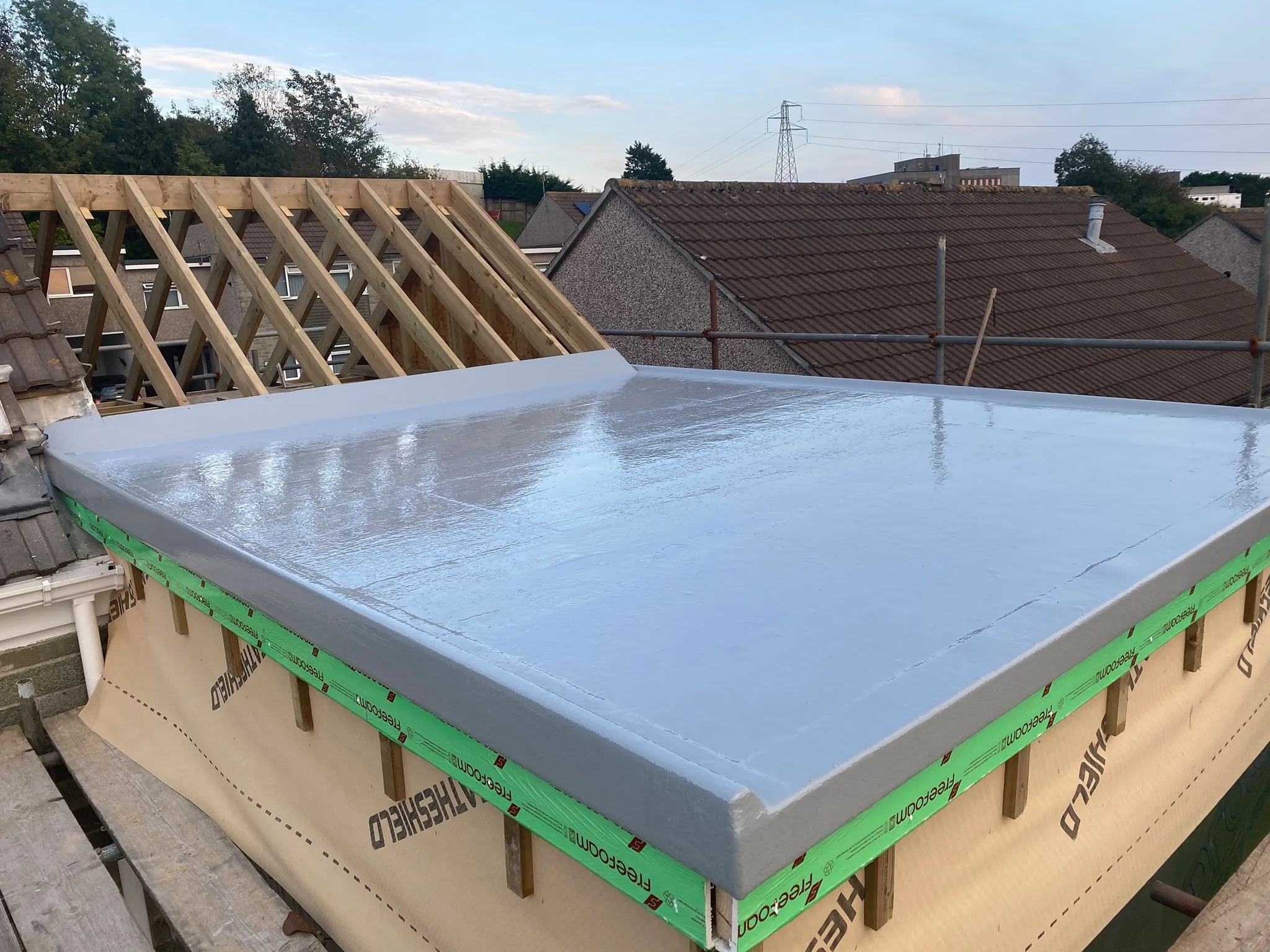
What Industrial Roofing Installation Costs in Market Harborough
Cost on an industrial roof comes down to four things: the system, the size, the access and the state of what is already up there.
As a 2025/2026 guide, built-up twin-skin metal runs roughly £45–£80 per square metre, single-ply membrane £50–£90, and composite insulated panels £75–£110. Those figures cover the roof covering fitted. On a large open span the rate per square metre often settles toward the lower end, since the crew keeps a steady rhythm across the sheets.
What pushes an industrial price up or down:
- **Roof area and pitch*— a big, simple span costs less per square metre than a cut-up roof with many outlets
- **Access and height*— the scaffold, edge protection and any crane time all add to the bill
- **Existing roof*— stripping old asbestos-cement sheets needs a licensed contractor and adds real cost
- **Insulation level*— hitting current energy standards on a heated unit lifts the material spec
- **Roof lights and details*— the number of roof lights, upstands and penetrations across the roof
Over-roofing, where a new skin goes over the old one, can cut cost and keep the unit trading through the work. It only suits roofs where the frame and purlins are sound. These are general market ranges, not a quote for your building. Two units the same size price very differently once access and the old roof are factored in. The only way to a firm figure is a proper survey — which is exactly what our free drone survey gives you, followed by a clear written price with nothing added later. A fixed price needs a survey.
From Steelwork to Sign-Off: What Installation Day Looks Like
An industrial roof install follows the same order on nearly every job. You will know who is on site and roughly how long each stage takes before we start.
- Scaffold, edge protection and safety nets go up first
- Old sheeting is stripped and cleared, or left in place for an over-roof
- Purlins are checked and any weak steel is put right
- The liner sheet, spacer bars and insulation are set out across the roof
- Outer sheets or panels are fixed, lapped and sealed
- Roof lights, flashings and trims are fitted to shed water cleanly
- The roof is checked and the site cleared before we leave
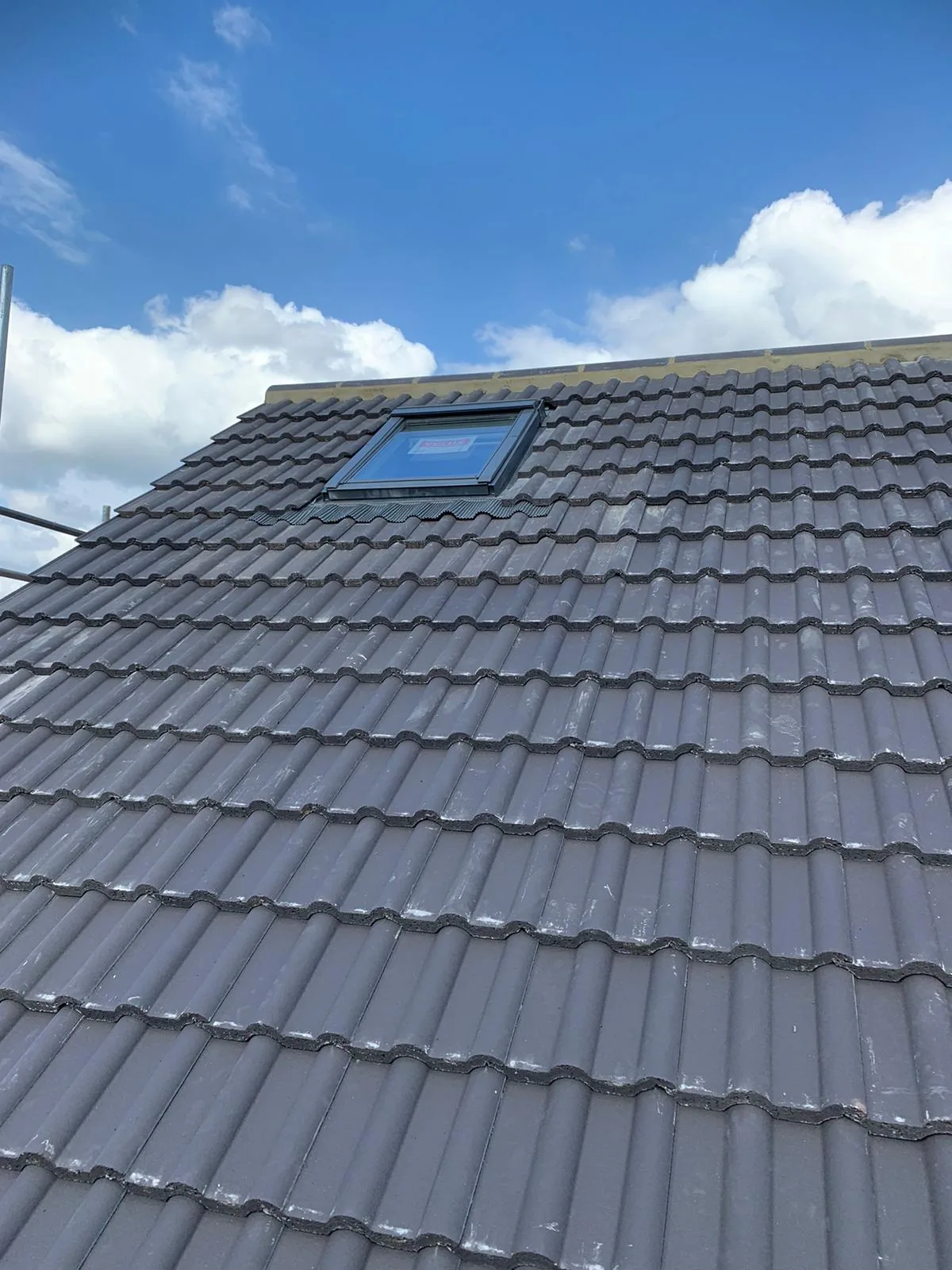
Ryan Tate, our project manager, runs the large-span and modern-system work. He plans the sequence so your unit stays as usable as possible during the job. On a live warehouse out toward Kibworth Beauchamp, that often means working in bays so one end keeps trading while the other is re-roofed.
Timescale depends on size and weather. A small workshop roof might take a few days, while a full warehouse re-roof runs over several weeks. We give you a realistic programme up front, not an optimistic one built to win the job.
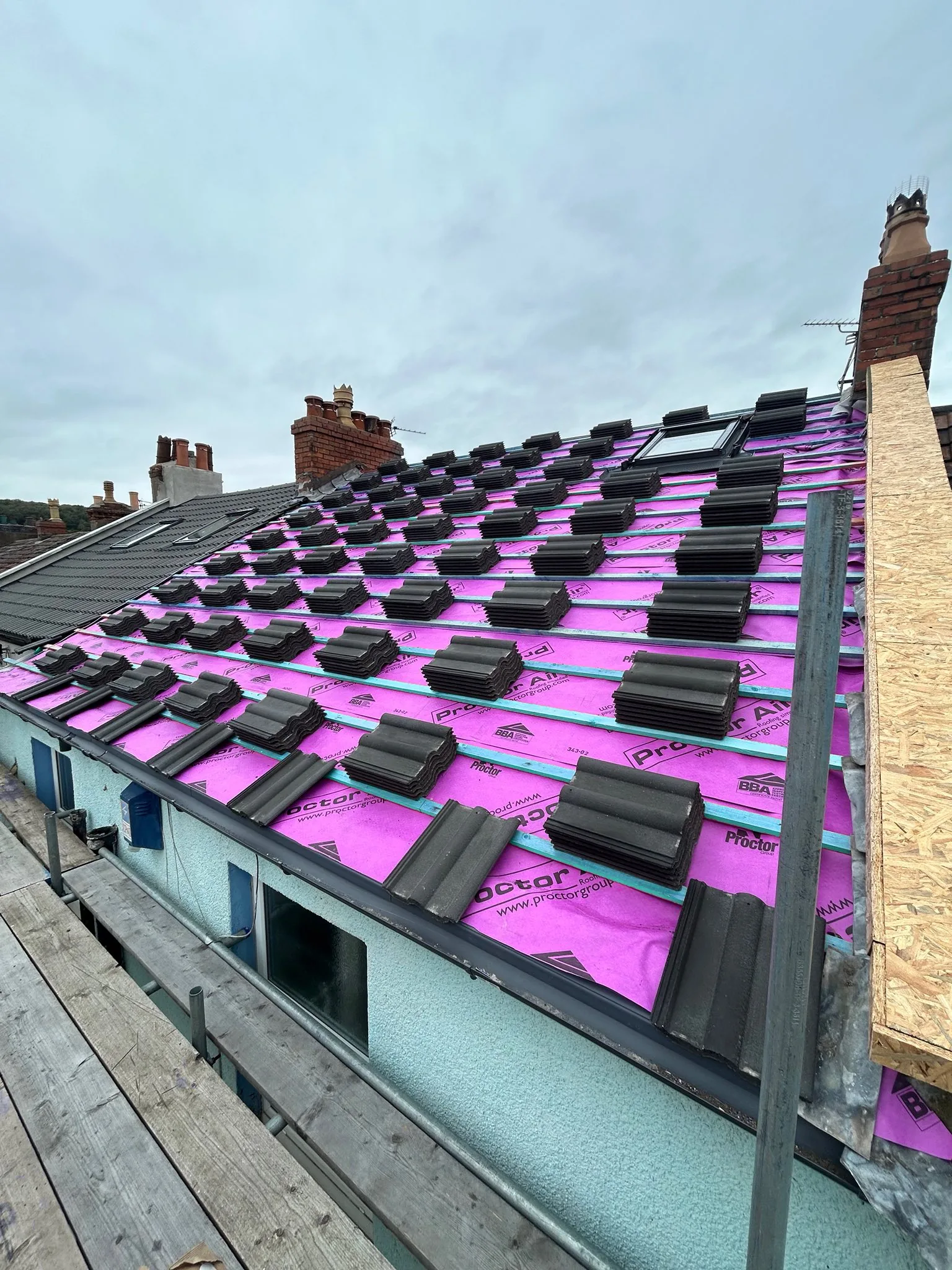
Built to Last Decades With the Right Upkeep
A well-fitted industrial roof lasts thirty to forty years. It gets there faster when small faults are caught before they spread. None of the checks below need a specialist — just eyes on the roof once or twice a year.
- Clear leaves and debris from gutters and outlets each autumn
- Look for slipped or loose sheet fixings after high winds
- Check roof light seals and lap joints for early splits
- Watch for rust bleed around fixings and cut edges
- Book a survey the moment a stain shows on an inside wall or ceiling
Most industrial roofs fail early because nobody looked, not because the material gave out. A blocked gutter or one loose sheet lets water track along the purlins for months before it shows inside. A quick yearly check, and a drone survey when something looks off, keeps a big roof working for its full life. Catching it early always costs less than the repair that follows a proper leak.
Why Market Harborough Businesses Call Tate & Sons First
You are not just buying sheeting — you are buying whoever fits it. Ryan Tate, our project manager, came into the trade full-time after his NVQ Level 3 in Roofing, and leads the modern, large-span systems on this page: built-up metal, composite panels and single-ply on big open roofs. He is on site with the crew, not just the man who priced the job.
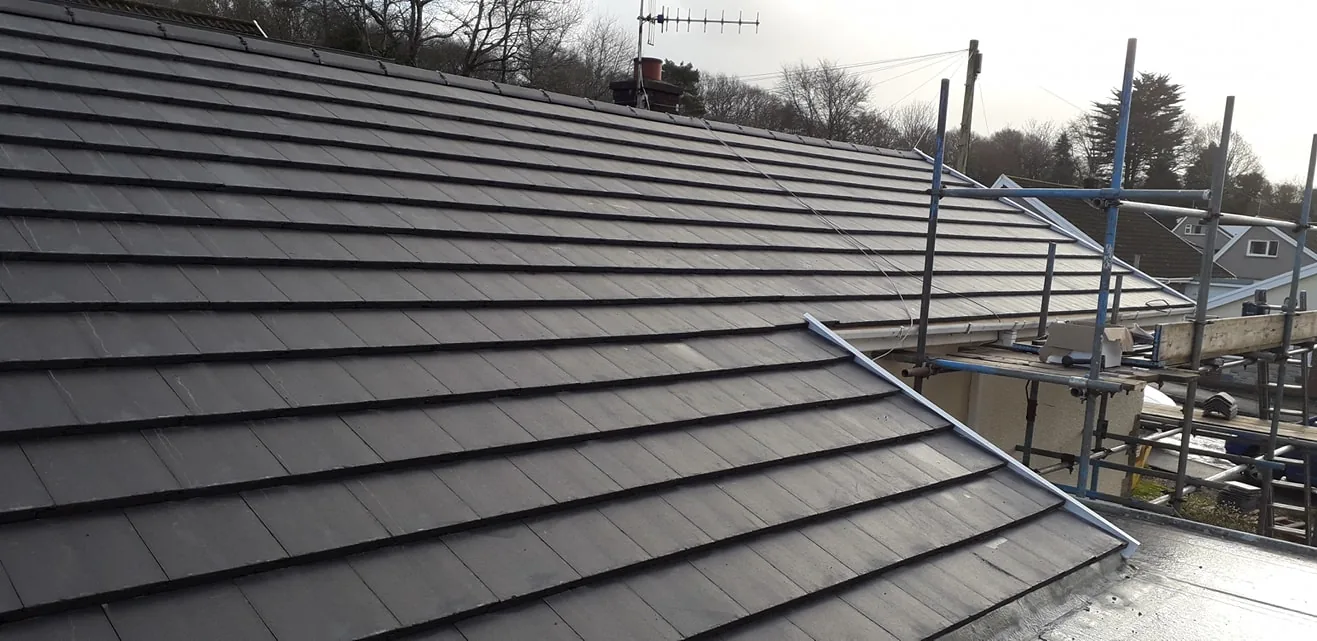
Founder Michael Tate started his apprenticeship at sixteen and built Tate & Sons on one rule: find the cause, fix it once, and survey the whole roof before quoting a penny. Between us we carry over 45 years of combined experience, hold NVQ Level 2 and 3 qualifications in Roofing Occupations, and keep CSCS cards and NFRC trade-body membership. Hannah Freeman, our office manager, keeps you posted from the first call through to final sign-off, so nothing slips between the drone survey and the finished roof. Read more about the people behind the work on our About Tate & Sons Roofing page.
Areas We Serve Across Market Harborough and the Harborough District
We install and repair industrial roofs across Market Harborough and the surrounding Welland Valley. If your unit is not on the list below, call us anyway — if you are nearby, there is a strong chance we cover you.
- Market Harborough (LE16)
- Great Bowden (LE16 7)
- Little Bowden (LE16 8)
- Lubenham (LE16 9)
- Foxton (LE16 7)
- Medbourne (LE16 8)
- Kibworth Beauchamp (LE8)
- Great Glen (LE8 9)
- Fleckney (LE8 8)
- Husbands Bosworth (LE17 6)
- Desborough (NN14 2)
Got Questions?
Your Industrial Roofing Questions, Answered Properly
Which industrial roof system is best for my building?
It depends on how the building is used and how warm it needs to stay. Built-up twin-skin metal suits large heated warehouses where you want to tune the insulation. Composite insulated panels win when speed on site matters, since they arrive as one unit. Single-ply membrane handles low-pitch and flat roofs with big open spans and many details. A survey lays all three out with cost and lifespan, so you choose on facts.
How much does industrial roofing installation cost in Market Harborough?
As a 2025/2026 guide, built-up metal runs around £45 to £80 per square metre, single-ply £50 to £90, and composite panels £75 to £110, all fitted. The final figure is set by area, access and the state of the existing roof. Stripping old asbestos-cement sheets adds cost, as does hitting current insulation standards. A free drone survey gives you an exact written price rather than a rough phone estimate. A fixed price always needs a survey first.
What is a fragile roof and why does it matter?
A fragile roof is one you can fall through, usually old asbestos-cement sheets or brittle roof lights. Falls through fragile roofs cause more deaths than any other roofing hazard. Any roof we install meets current non-fragility standards, tested to ACR[M]001, so a maintenance worker will not drop through it. Non-fragile does not mean walk-on, though, so we plan proper access and walkways where the roof needs regular use.
How long does an industrial roof last?
A well-fitted industrial roof lasts thirty to forty years across all three systems. Composite panels and built-up metal both sit in that range, and quality single-ply membranes match it when installed properly. Lifespan depends far more on the fit and the upkeep than on the material alone. A yearly gutter clear and a look over the fixings keeps a big roof working for its full life.
Can you re-roof over the existing roof?
Often yes. Over-roofing leaves the old skin in place and fits a new one above it, which keeps the unit trading and cuts disruption. It only works where the frame and purlins are sound enough to carry the extra load. A spacer bar or bracket system lifts the new sheet clear, with fresh insulation in between. We check the structure on the survey before we recommend it, so you are not paying to cover a roof that should come off.
Do you install roof lights and skylights too?
Yes, and we nearly always renew them during a re-roof. New GRP roof lights are matched to your sheet profile so they sit flush and seal well. They carry a non-fragility rating from new, unlike the brittle old panels they replace. Spreading them across the roof brings in steady daylight and cuts your lighting bill. Fitting them with the roof costs far less than a return visit later.
Will you need to close my unit during the work?
Rarely for the whole job. On a live warehouse we work in bays, so one end keeps trading while the other is re-roofed. Over-roofing helps here too, since the inside stays dry and usable throughout. We plan the sequence with you before we start, around your busy times and deliveries. You get a realistic programme, not a promise we cannot keep.
Do you handle asbestos sheeting on old industrial roofs?
Old cement roof sheets often contain asbestos, and stripping them is licensed work. We arrange safe, licensed removal and disposal as part of the job, with the right paperwork to prove it. This is why the survey matters — we identify it before quoting, so it is priced in and never a nasty surprise. You are left with a clean, safe roof and a clear record of how the old material was removed.
Book Your Free Drone Roof Survey Today
See exactly what your industrial roof needs before any work starts. No ladders across your yard, no pressure — just a clear picture from a local Market Harborough team.
Every month a tired industrial roof waits, water works deeper into the sheeting, the insulation and the steel below. A quick, free survey today tells you exactly where you stand — and often the fix is smaller than you feared. Book now, get an honest written quote, and protect your building before the next storm finds the weak spot.
ð 5 Hood Close, Market Harborough, LE16 9XS
ð 01858 457600
Call the Market Harborough team today on 01858 457600, or request your free drone survey online. We're already working across your area.
Book Your Free Drone Roof Survey
See exactly where your roof stands, with no obligation and no pressure. Call our Market Harborough team or request your free drone survey today.
Get in Touch
Tate & Sons Roofing — Market Harborough Office
5 Hood Close, Market Harborough, LE16 9XS
📞 01858 457600
✉️ [email protected]