
🏠 Trusted Local Roofers
Felt Roof Repair Market Harborough
A felt roof gives plenty of warning before it lets water in. A blister here, a hairline split there, a dark patch spreading across the garage ceiling. Tate & Sons Roofing handles felt roof repair in Market Harborough and across the Harborough District, from a single cracked seam to a full re-felt. Catch it early and a small fix now saves you a much bigger bill later.
This page walks you through why felt roofs fail, when a patch does the job, and when re-felting makes more sense. You will find real repair prices, a side-by-side comparison, and honest answers to the questions we hear most. Start with a free drone survey and a written quote before any work begins — no scaffold just to take a look, and no charge either way. Felt repair is one part of the wider service we offer as a roofing contractor across Market Harborough.
- Fully Insured
- 10-Year Guarantee
- 5-Star Rated
Quick Free Estimate - No Obligation
We're not just roofers – we're your neighbours.
Fully Insured • Response within 15 mins
🔒 Your details are safe with us. No spam, ever.
Why Felt Roofs Blister, Crack and Split
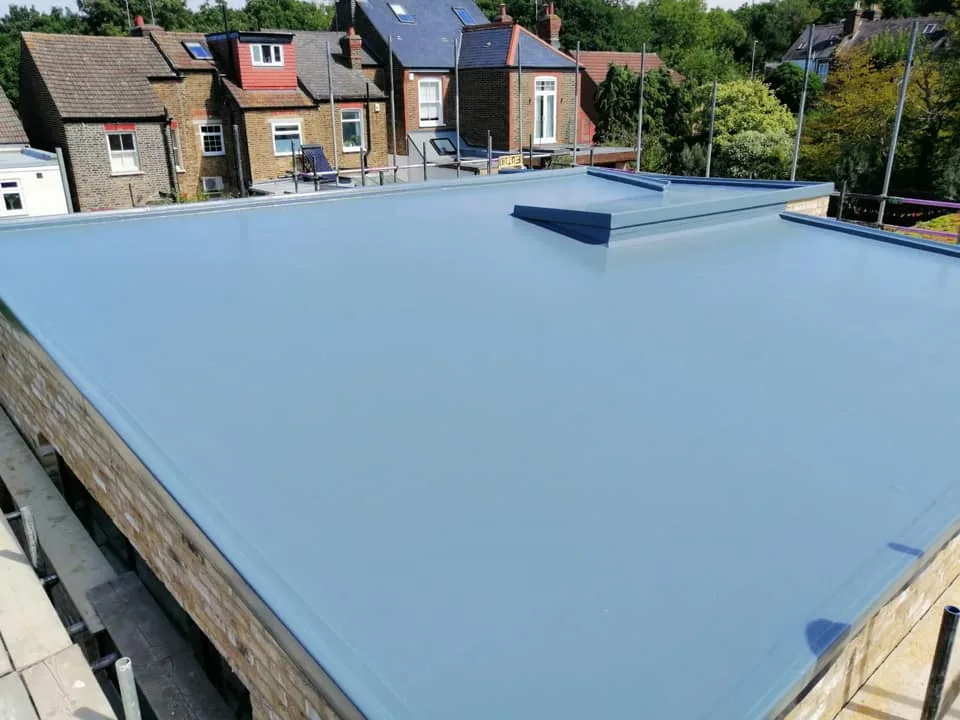
Felt takes a beating that you never see. Sun heats it all day, then it cools fast at night, and the bitumen expands and shrinks with every cycle. After fifteen to twenty years that felt goes hard and brittle. Cracks show up first along the laps, the joints and the edges where the felt is fixed down.
Blisters are a different story. A blister means air or damp got trapped under the felt, often when it was laid on a wet deck. The sun warms that pocket, it swells into a bubble, and in time the top skin splits open. Once a blister splits, you have a direct route for water into the deck below.
Here is what to watch for on your own felt roof:
- Bubbles or raised blisters across the surface
- Hairline cracks or crazing along the laps and joints
- Splits or open seams at the edges and upstands
- A dark, damp stain spreading on the ceiling below
- Loose stone chippings gathering in the gutter
- Standing water still sitting two days after rain
- Green algae or moss holding damp against the felt
We see the same faults on older garages around Lubenham and Foxton. Most start as one small split that nobody spots until the ceiling marks. Get up for a look twice a year, and you catch the problem while it is still a cheap patch.
Can You Patch a Felt Roof, or Does It Need Re-Felting?
Yes, you can patch felt — a lot of the time a patch is exactly the right call. One split, one lifted blister or one failed seam on a sound roof is a repair, not a re-cover. We cut out the damage, dry the area, and bond in fresh felt over the top. Done well, that patch holds for years.
A patch stops being the answer once the felt fails in more than one place. Widespread cracking, blisters coming back after every summer, or the same spot leaking twice all point one way. If the felt has broken down across more than about a third of the roof, another patch just buys a season. You end up paying for three small jobs instead of one re-felt.
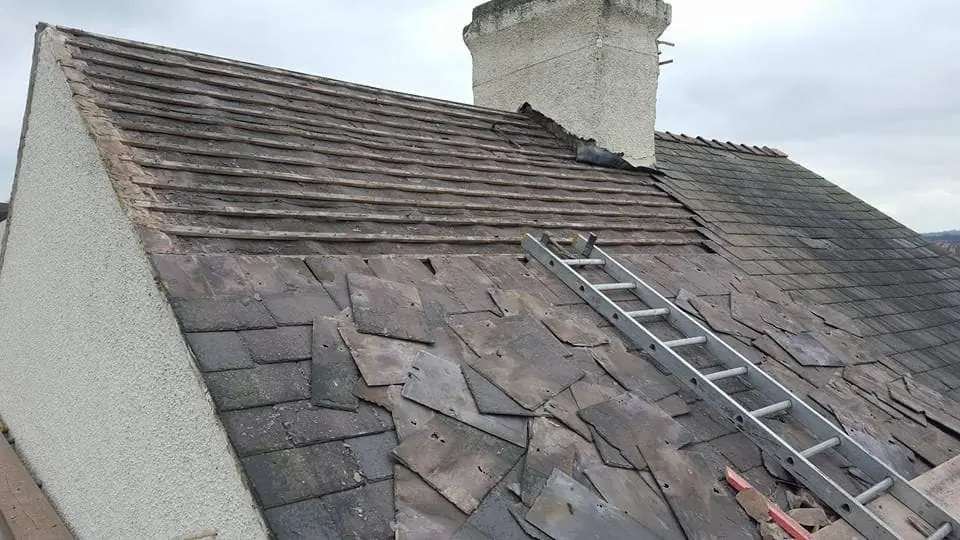
The deck underneath settles the question too. Press on the roof near a leak, and if it feels soft or spongy the timber has taken on water. No felt lasts over a rotten deck, so that has to be sorted first. A free drone survey shows us the seams, upstands and edges from above, and you get the footage rather than just our word. We give you a straight answer on repair versus re-felt, not the biggest invoice we can write.
Torch-On or Cold Repair — Which Fix Suits Your Felt Roof?
There are two main ways to fix felt, and the right one depends on the roof and the damage. A torch-on repair melts the bitumen with a gas flame so the new felt welds to the old. It gives the strongest, longest bond, which is why we use it for larger repairs and full re-felts. It is skilled work with an open flame, so it is a job for a trained roofer, never a DIY afternoon.
A cold repair uses self-adhesive felt or a brush-on compound, with no flame at all. It suits small splits, timber sheds and spots where heat would be a fire risk. Cold patches go down quickly and work well for localised damage. For anything bigger, or a roof you want to last, torch-on wins on durability.
We match the method to the job in front of us. A hairline crack might need a brush-on seal. A split blister takes a cold or torch-on patch. A tired roof across a whole garage in Great Bowden calls for a torch-on re-felt. You get told which route we are taking and why, before we start.
Patch, Re-Felt or Upgrade — Your Options Side by Side
Not every felt roof needs the same fix. The table below sets out the four routes we quote most, with real figures for a typical garage or extension. In short: a patch is the cheapest way to stop one leak; a partial re-felt renews a single failed section; a full re-felt renews the lot; and an upgrade to EPDM rubber buys the longest life. A survey tells you which one your roof actually needs.
These are general market ranges for guidance, not a quote for your roof. Two garages the same size can price very differently once access and deck condition come into it. If you are weighing a full re-cover, our Flat Roof Repair page covers the wider options too. A firm price only ever comes after a survey.
| :-: | :-: | :-: | :-: |
| Option | Typical cost | Life it buys | Best for |
| Patch repair | £80–£400 | 2–5 more years | One split, blister or seam on an otherwise sound roof |
| Partial re-felt | £300–£800 | 5–10 years | A single failed section, bay or upstand |
| Full re-felt | £1,000–£3,500 | 15–20 years | Widespread cracking or blistering; a roof near the end of its life |
| Upgrade to EPDM | £1,800–£3,200 | 20–30 years | The longest life and the fewest joints on a re-cover |
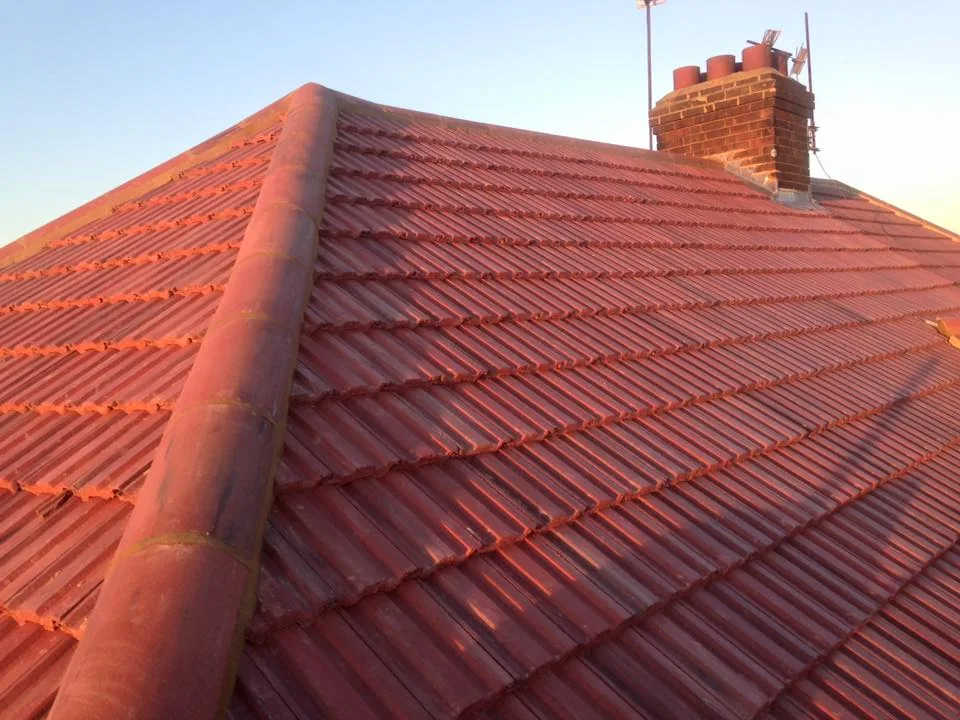
What Felt Roof Repair Costs in Market Harborough
Cost comes down to how much felt has failed and how easy the roof is to reach.
A small patch on a single split or blister usually runs £80–£250. Re-sealing several metres of tired seams lands nearer £150–£400. A full re-felt on an average garage sits around £1,500, with most jobs falling between £1,000 and £3,500 depending on size. As a rough per-metre guide, felt re-covering works out at roughly £50–£80 per square metre.
What moves the price up or down:
- **How much felt has failed*— one patch is cheap; a roof full of blisters means a re-felt
- **Access*— a garage reached by ladder costs less than a roof boxed in behind an extension
- **Deck condition*— soft or rotten timber typically adds £200–£800 before new felt goes down
- **Method*— a quick cold patch costs less than a torched-on multi-layer re-felt
- **Stripping off*— how many old layers have to come off first
Most roofers, us included, work to a day rate of around £200–£350 per person. A small garage repair is often a few hours; a full re-felt takes a day or so for a two-man crew. The only way to a fixed figure is a proper look — which our free drone survey gives you, followed by a clear written price with nothing added later.
How Much Life Is Left in Your Felt Roof?
Age tells you a lot before anyone climbs a ladder. Traditional three-layer felt lasts about fifteen to twenty years. Modern high-performance felt stretches to twenty or twenty-five. If your roof is past that and cracking, patching it again is money after a lost cause.
Drainage decides the rest. Felt with a proper fall, no ponding and clear outlets easily reaches the top of its range. A roof where water sits for days wears out at that spot years early. For an independent read on how long different roof coverings last, this Roofing Today guide on roof material lifespans is a useful reference before you decide.
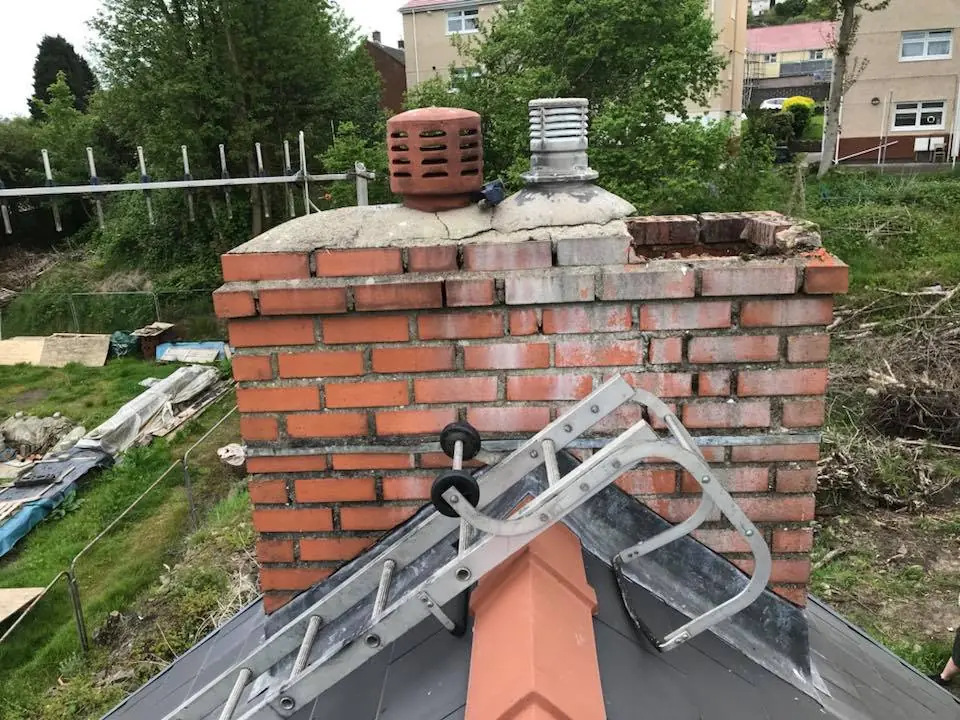
A drone survey puts a number on it. We show you how worn the felt really is, how the deck is holding up, and roughly how many years a repair would add. Then you choose patch, re-felt or upgrade with the facts in front of you, not a guess.
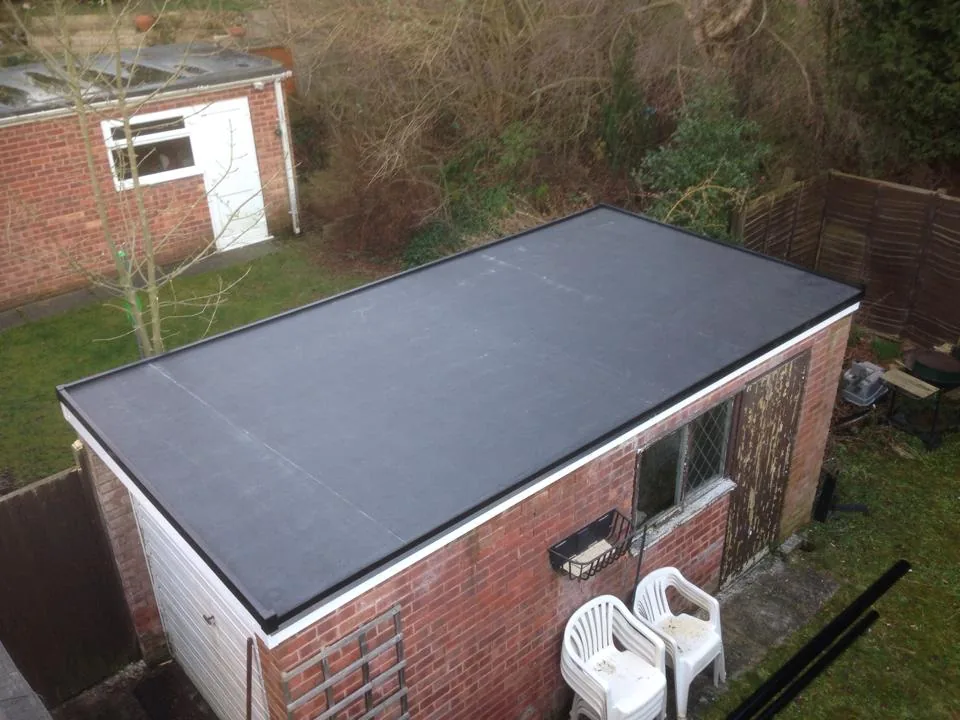
Leaking Shed and Garage Felt Roofs Around Market Harborough
Sheds, garages and outbuildings are where most felt leaks start. These roofs get the cheapest felt, the least maintenance, and years of neglect until a stored box turns up damp. The leak nearly always shows at an edge, a lap or where the felt turns up a wall.
On a timber shed, a cold self-adhesive patch is often the safest, tidiest fix. On a brick garage in Little Bowden or Kibworth Beauchamp, a torch-on repair or re-felt lasts longer and takes the weather better. Either way, we sort the flashing and edge trim at the same time, since that is where the next leak usually begins.
If the felt is old and split in several places, re-felting the whole roof works out cheaper than chasing leak after leak. We will tell you honestly which one your outbuilding needs. Sometimes a £150 patch is all it takes, and we will say so.
What a Felt Repair Day Looks Like
A felt repair follows the same order every time:
- Survey pins down where the water is actually getting in
- Damaged or blistered felt is cut back to a sound edge
- The deck underneath is checked and dried, timber replaced if needed
- Fresh felt is bonded or torched in, lapped well past the fault
- Edges, upstands and flashings are sealed to shed water cleanly
- The area is cleared and the finished repair checked before we leave
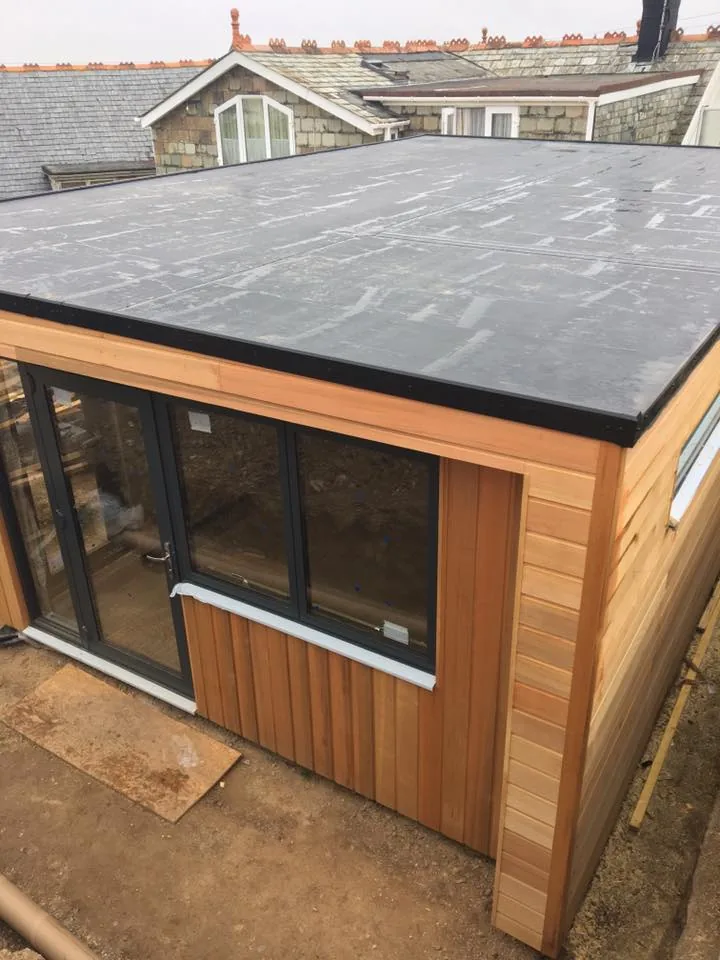
A single patch is often done in a morning. A full re-felt on a garage or extension takes a day or so, weather allowing. We give you a realistic timeframe up front, not an optimistic one to win the job. You will know who is turning up and roughly how long they will be on site.
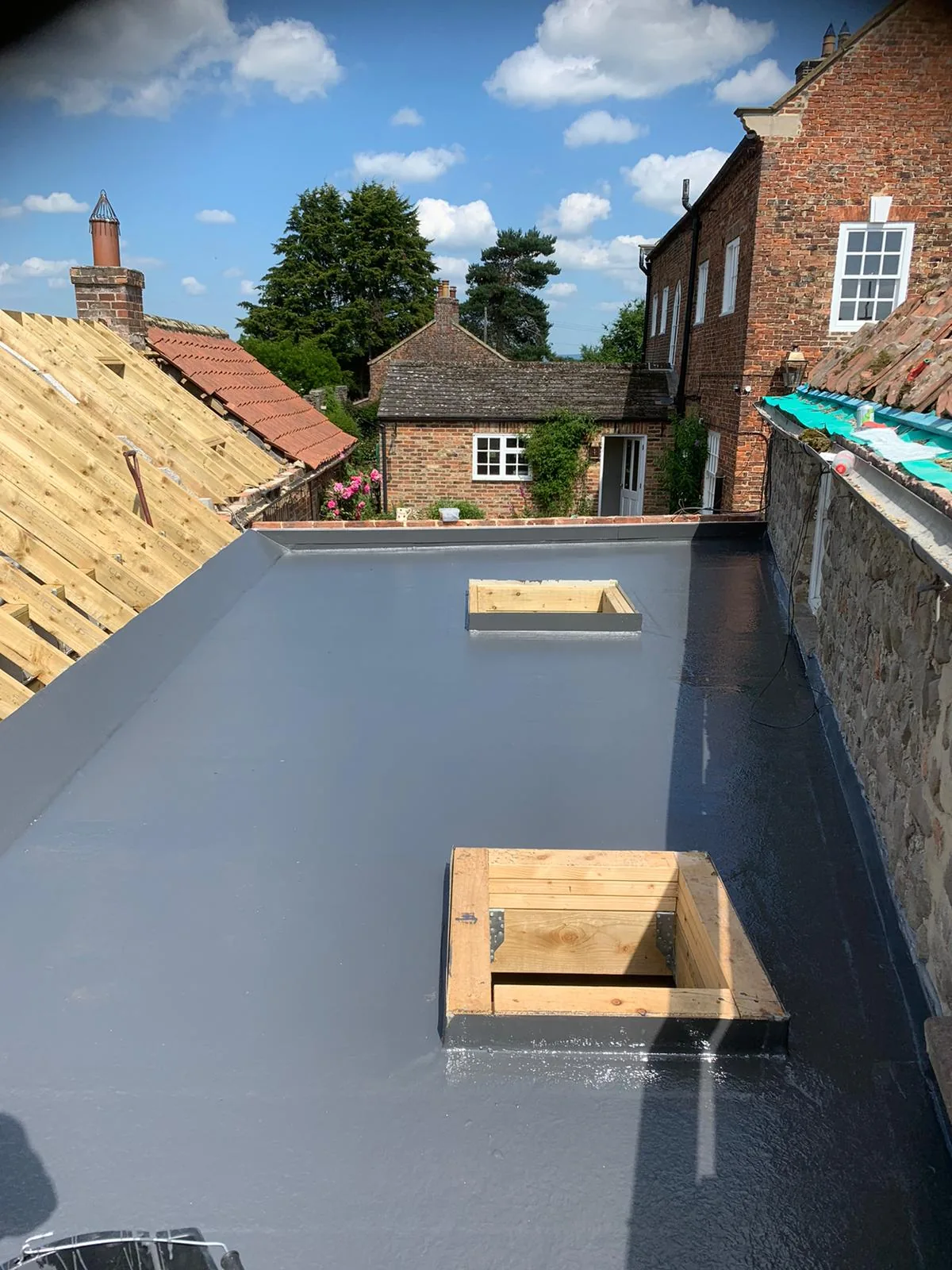
Why Market Harborough Homeowners Call Tate & Sons First
You are not just buying a patch — you are buying whoever lays it. Ryan Tate, our project manager, works flat and felt systems day in, day out, and runs the site jobs himself. He came into the trade full-time after his NVQ Level 3 in Roofing, and he is part of the same crew that turns up to fix your roof, not just the man who quoted it.
Founder Michael Tate started his apprenticeship at sixteen and built the firm on one rule: fix the cause, not the symptom. He surveys a roof to find why the felt failed, not just where it leaks — patch the wrong spot and you are back up there next winter. Between us we carry over 45 years of combined experience, hold NVQ Level 2 and 3 qualifications in Roofing Occupations, and keep CSCS cards and NFRC trade-body membership. Read more about the people behind the work on our About Tate & Sons Roofing page.
Areas We Serve Across Market Harborough and the Harborough District
We repair and re-felt roofs across Market Harborough and the villages of the Welland Valley. If your area is not on the list below, call us anyway — if you are nearby, there is a strong chance we cover you.
- Market Harborough (LE16)
- Great Bowden (LE16 7)
- Little Bowden (LE16 8)
- Lubenham (LE16 9)
- Foxton (LE16 7)
- Medbourne (LE16 8)
- Kibworth Beauchamp (LE8)
- Great Glen (LE8 9)
- Fleckney (LE8 8)
- Husbands Bosworth (LE17 6)
- Desborough (NN14 2)
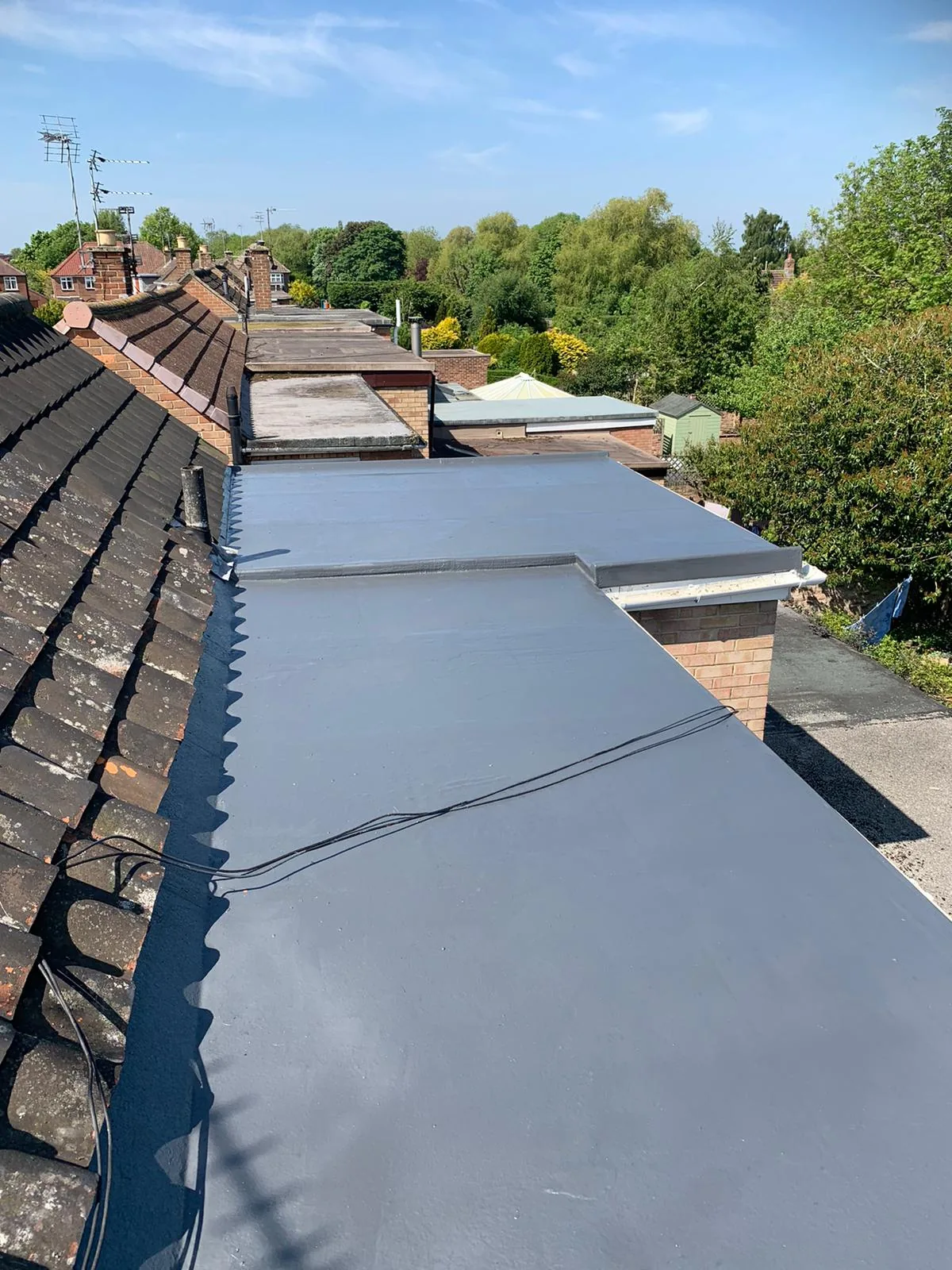
Got Questions?
Your Felt Roof Repair Questions, Answered Properly
Can you patch a felt roof, or does it need replacing?
You can patch it, and often a patch is the right call. One split, blister or failed seam on an otherwise sound roof is a straightforward repair. We cut out the damage, dry the deck, and bond fresh felt over the top. Replacement only wins once the felt has broken down across more than about a third of the roof, or the deck below has gone soft.
Why does my felt roof keep blistering?
Blisters form when air or damp is trapped under the felt, usually because it was laid on a surface that was not fully dry. The sun heats that pocket, it swells, and eventually the top skin splits. If they keep coming back after every patch, the felt has reached the end of its life. At that point a re-felt clears the problem for good, rather than chasing bubble after bubble.
Is torch-on or cold-applied felt better for a repair?
It depends on the roof and the damage. Torch-on welds the felt with a gas flame and gives the strongest, longest-lasting bond, so we use it for larger repairs and re-felts. Cold self-adhesive felt uses no flame, which makes it the safer choice on timber sheds and small patches. For anything bigger, or a roof you want to last, torch-on is the more durable fix.
How long will a felt roof repair last?
A well-done patch on a sound roof typically adds two to five years. A partial re-felt of a failed section buys five to ten. A full re-felt gives you fifteen to twenty years, and modern high-performance felt can reach twenty-five. Good drainage and a yearly look extend all of those figures.
My garage felt roof leaks at the edge — why?
Edges, laps and upstands are where felt roofs give way first, because that is where the felt is fixed, folded and most exposed. Over time the bond at the edge dries out and lifts, and water tracks straight under it. A repair there means sealing the edge and flashing properly, not just dabbing sealant on the top. We sort the trim at the same time, since that is where the next leak would start.
How much does felt roof repair cost?
A small patch on one split or blister usually runs 80 to 250 pounds. Re-sealing several metres of tired seams lands nearer 150 to 400 pounds. A full re-felt on an average garage sits around 1,500 pounds, with most jobs between 1,000 and 3,500 depending on size and access. A free drone survey turns those ranges into an exact written price for your roof.
When is it worth re-felting instead of patching again?
Once you are patching the same roof for the third time, re-felting is nearly always cheaper. Widespread cracking, blisters returning every summer, or a felt roof already past twenty years all point the same way. Another patch on a worn-out roof buys a season, not a solution. A re-felt clears the lot and resets the clock for fifteen to twenty years.
Should I re-felt or upgrade to EPDM rubber?
Felt is cheaper up front and a sound choice for garages and outbuildings on a budget. EPDM rubber costs a little more but has far fewer joints and lasts twenty to thirty years, so it works out well over the life of the roof. On a small shed, felt often makes sense. On an extension you want to forget about for decades, EPDM is worth the extra. A survey helps you weigh the two against your budget.
Book Your Free Drone Roof Survey Today
See exactly what your felt roof needs before any work starts. No ladders, no pressure — just a clear picture from a local Market Harborough team.
Every week a split blister goes unfixed, water works deeper into the deck and timber beneath it. A quick, free survey today tells you where you stand — and often the fix is smaller and cheaper than you feared. Book now, get an honest quote, and stop the leak before the next downpour finds the weak spot.
ð 5 Hood Close, Market Harborough, LE16 9XS
ð 01858 457600
Call the Market Harborough team today on 01858 457600, or request your free drone survey online. We're already working across your area.
Book Your Free Drone Roof Survey
See exactly where your roof stands, with no obligation and no pressure. Call our Market Harborough team or request your free drone survey today.
Get in Touch
Tate & Sons Roofing — Market Harborough Office
5 Hood Close, Market Harborough, LE16 9XS
📞 01858 457600
✉️ [email protected]