
🏠 Trusted Local Roofers
Chimney Stack Repair Market Harborough
Your chimney stack takes the worst of the weather on the whole house. It sits high, fully exposed, and catches every bit of rain, wind and frost. Over the years the mortar wears back, the brick faces flake, and the render cracks. Left alone, that damage lets water in, and the damp soon shows up on the ceiling below. Tate & Sons Roofing carries out chimney stack repair in Market Harborough and the villages across the Harborough District.
This page walks you through the common faults — spalling brick, cracked render, a leaning stack, worn flaunching and damp that starts up top. You will see what each repair costs, when a stack can be saved and when it needs rebuilding. Chimney stack work is one part of our wider chimney services across Market Harborough. Start with a free drone survey and a written price before any work begins — no scaffold just to take a look, and no charge either way.
- Fully Insured
- 10-Year Guarantee
- 5-Star Rated
Quick Free Estimate - No Obligation
We're not just roofers – we're your neighbours.
Fully Insured • Response within 15 mins
🔒 Your details are safe with us. No spam, ever.
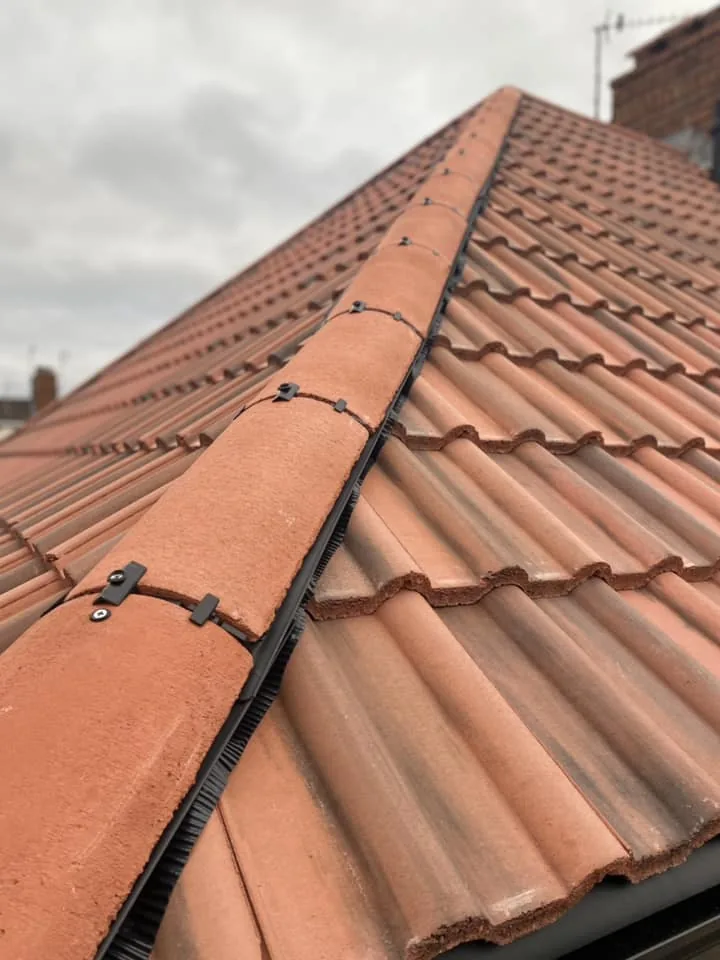
Spot the Signs Your Chimney Stack Needs Repair
A stack rarely fails overnight. It gives you warning first. Catch the signs early and a small repair usually does the job, before water reaches the timber and plaster inside.
Look up at your stack and watch for these:
- Brick faces flaking, crumbling or dropping bits into the gutter
- Gaps and soft, powdery mortar between the bricks
- Cracked, hollow or bulging render on a rendered stack
- A stack that leans noticeably to one side
- Loose or wobbling pots and cracked mortar around their base
- Damp patches on the chimney breast in the room below
- Green staining or moss holding wet against the brickwork
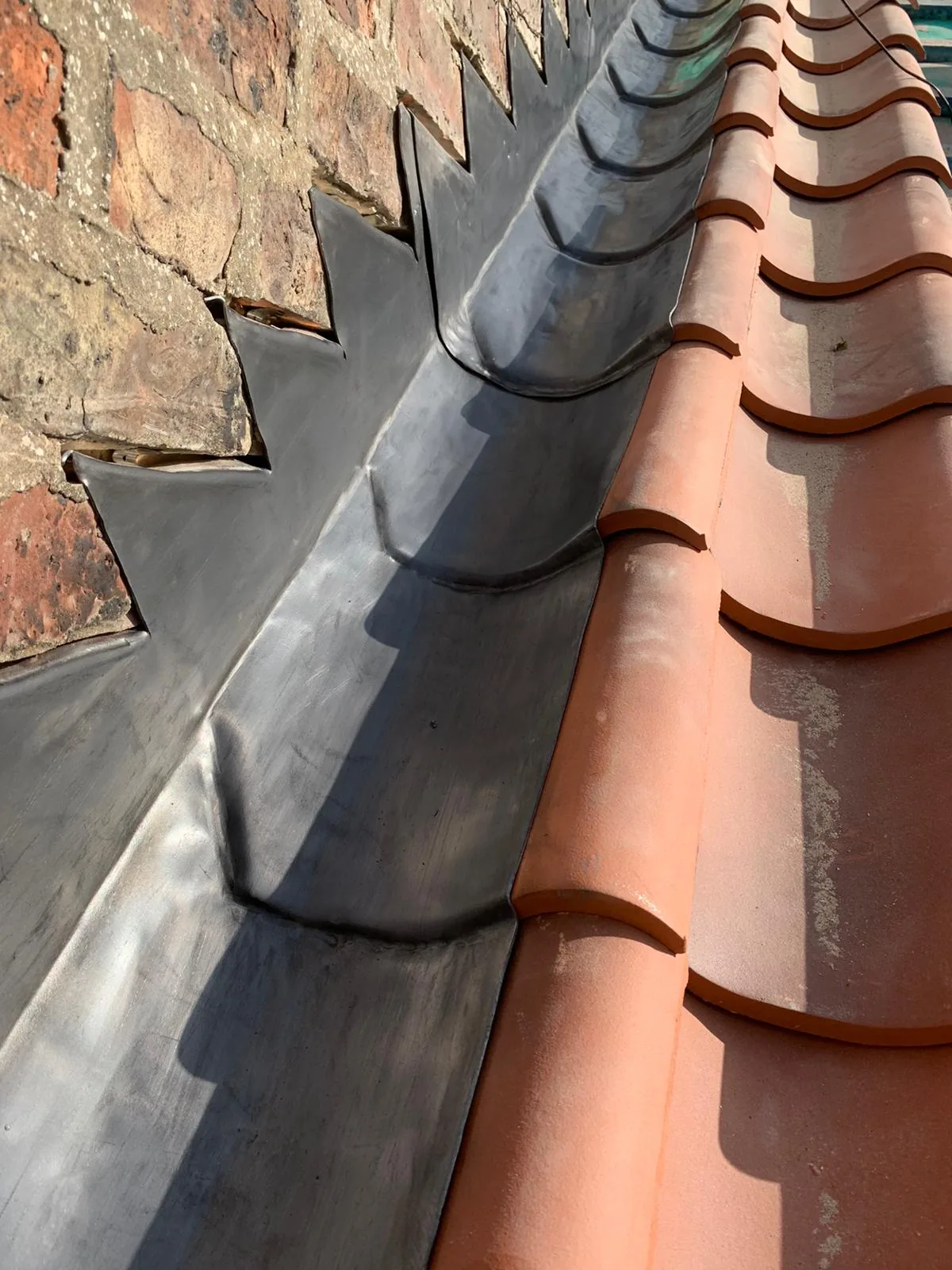
Not every mark on the ceiling means the stack itself has failed. The leak often starts at the lead flashing where the stack meets the roof, not in the brickwork at all. Guess wrong and you pay to repoint a stack when the real fault was a slipped flashing. A proper survey tells the two apart before anyone reaches for mortar. That is why we always look at the whole thing first.
Repair, Repoint, Rebuild or Cap — You Get a Straight Answer
A few flaking bricks do not mean the whole stack is finished. Isolated damage on a stable stack is a straightforward repair, not a rebuild. The right route depends on how far the damage has spread and whether the stack still stands true. Here is how the four main options compare.
| :-: | :-: | :-: | :-: |
| Option | Typical cost | Best for | What it fixes |
| Localised repair | £300–£900 | A stable stack with isolated damage | Cracked bricks, loose render, small leaks |
| Repointing | £400–£1,200 | Eroded, open mortar joints | Water getting in through weak joints |
| Rebuild | £1,000–£3,500+ | Leaning or widely spalled stacks | Structural movement and failed brickwork |
| Cap or cowl | £80–£300 | An unused, disused flue | Rain entry down the flue and damp |
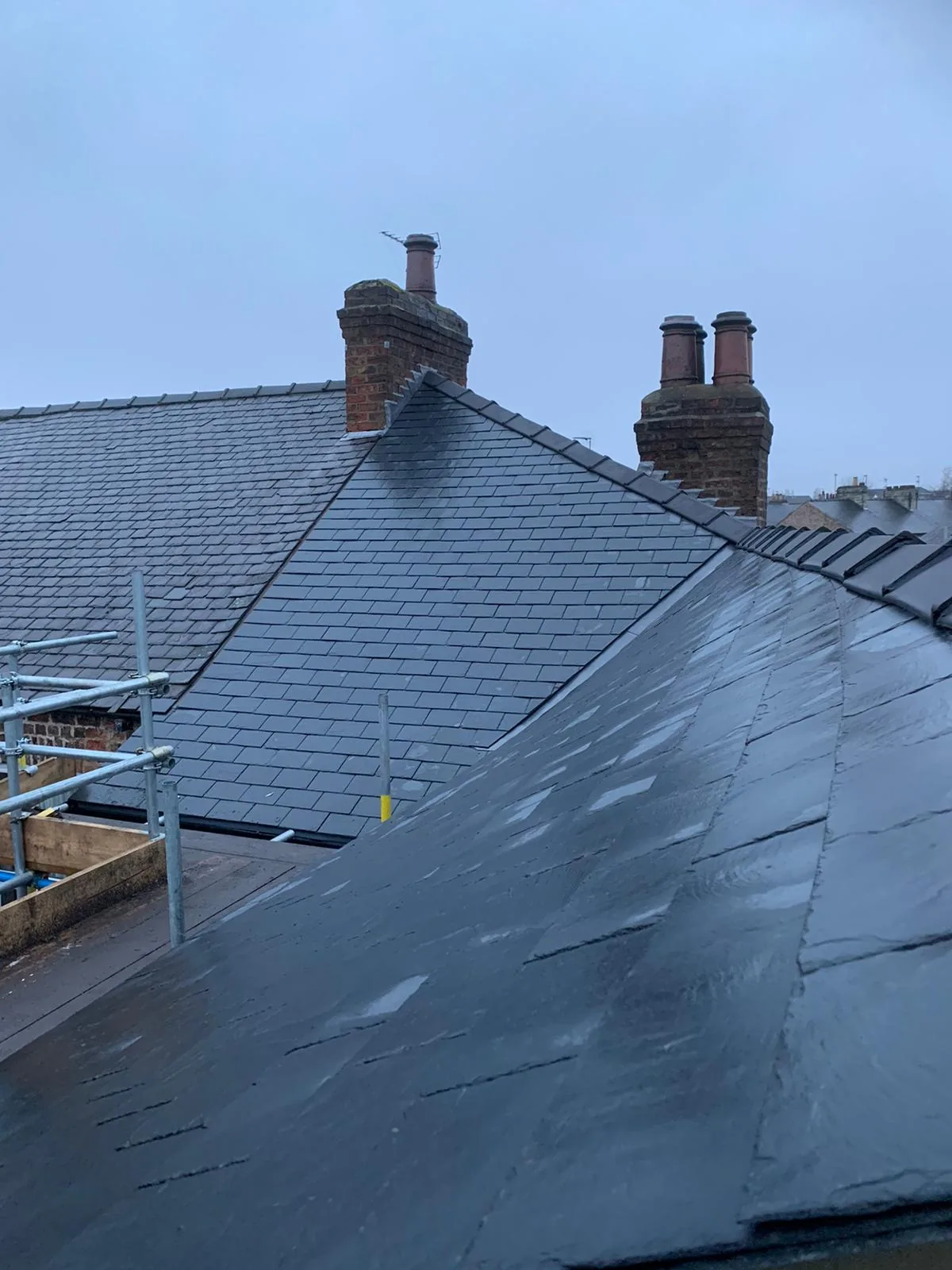
We see the same story on older homes around Lubenham and Foxton. A stack gets patched once, then again, while nobody sorts the worn flaunching that let the water in first. Patching the symptom buys a season or two, then it fails again. You end up paying for three small jobs instead of one proper fix. If the brickwork is sound and only the joints have gone, Chimney Repointing is often all you need. Where the stack is unstable or crumbling right through, a Chimney Rebuilding job is the honest answer.
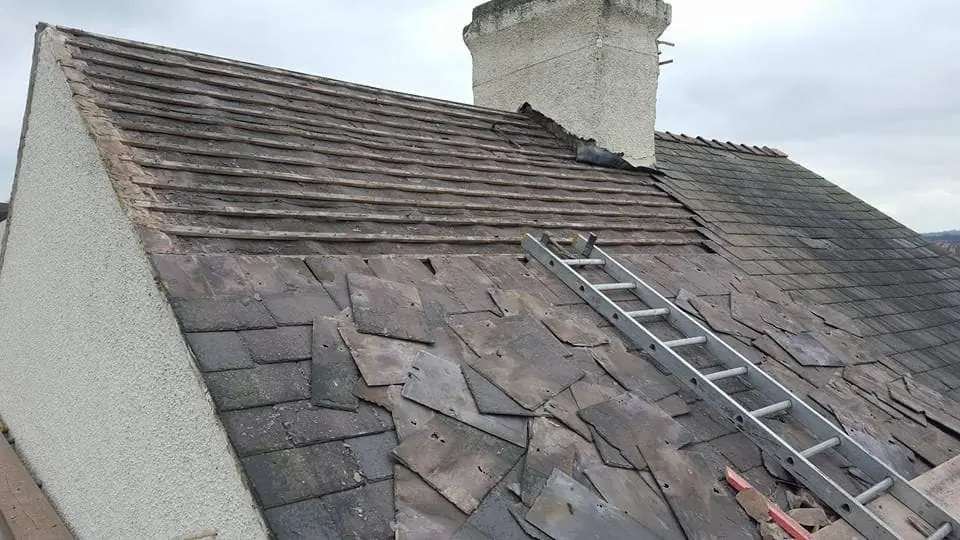
A Leaning Chimney Stack: Cosmetic Lean or Structural Problem?
A slight lean on an old stack is common and often harmless. Many stacks around Market Harborough have leaned a touch for decades and stand perfectly safe. The concern is a pronounced lean, and the direction tells a story. Stacks tend to lean away from the prevailing wind and rain.
The cause is usually sulphate attack. One side of the stack stays wetter than the other for years on end. Salts in the brick react and expand, so the mortar joints on the wet side grow. That slow growth pushes the whole stack over to one side. It is a sign of long-term damp, not just a cosmetic quirk.
Where a lean is pronounced, we bring in a structural engineer to check it. Some stacks can be held with a stainless steel tie bar anchored into the roof. Others have moved too far and need taking down and rebuilding. We never guess with a leaning stack — a chimney is heavy, and it sits right above your head. You get a clear, honest verdict either way.
Spalling Brick and Cracked Render — Why They Keep Coming Back
Spalling is when the face of a brick flakes off and crumbles away. It nearly always comes down to one thing: water. The brick soaks up rain, then the temperature drops and the trapped water freezes. Freezing water expands, and it breaks the brick face apart. Repeat that cycle every winter and the damage spreads.
Cracked render works the same way. Once the render cracks, water sits behind it against the brick. It freezes, lifts the render clear, and the wall behind starts to break down too. Around Great Bowden and Little Bowden we see plenty of rendered stacks where the coating has blown right off in patches.
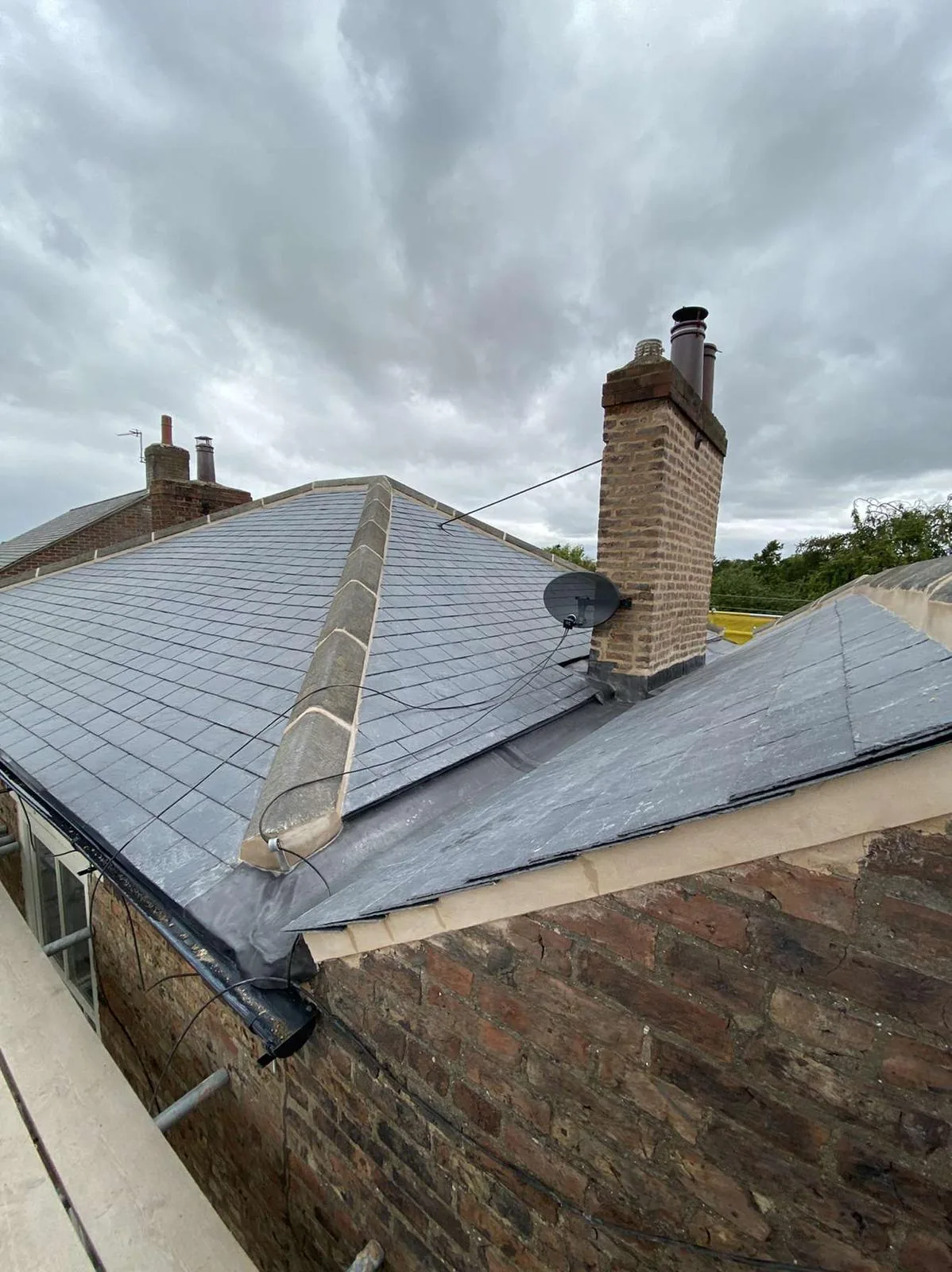
The fix depends on how far it has gone. A few spalled bricks can be cut out and replaced with matching ones. Loose render is hacked back and patched. But if the spalling covers most of the stack, replacing brick after brick makes little sense. At that point a rebuild costs less over time than chasing the damage around the stack. We tell you which side of that line your stack sits on.
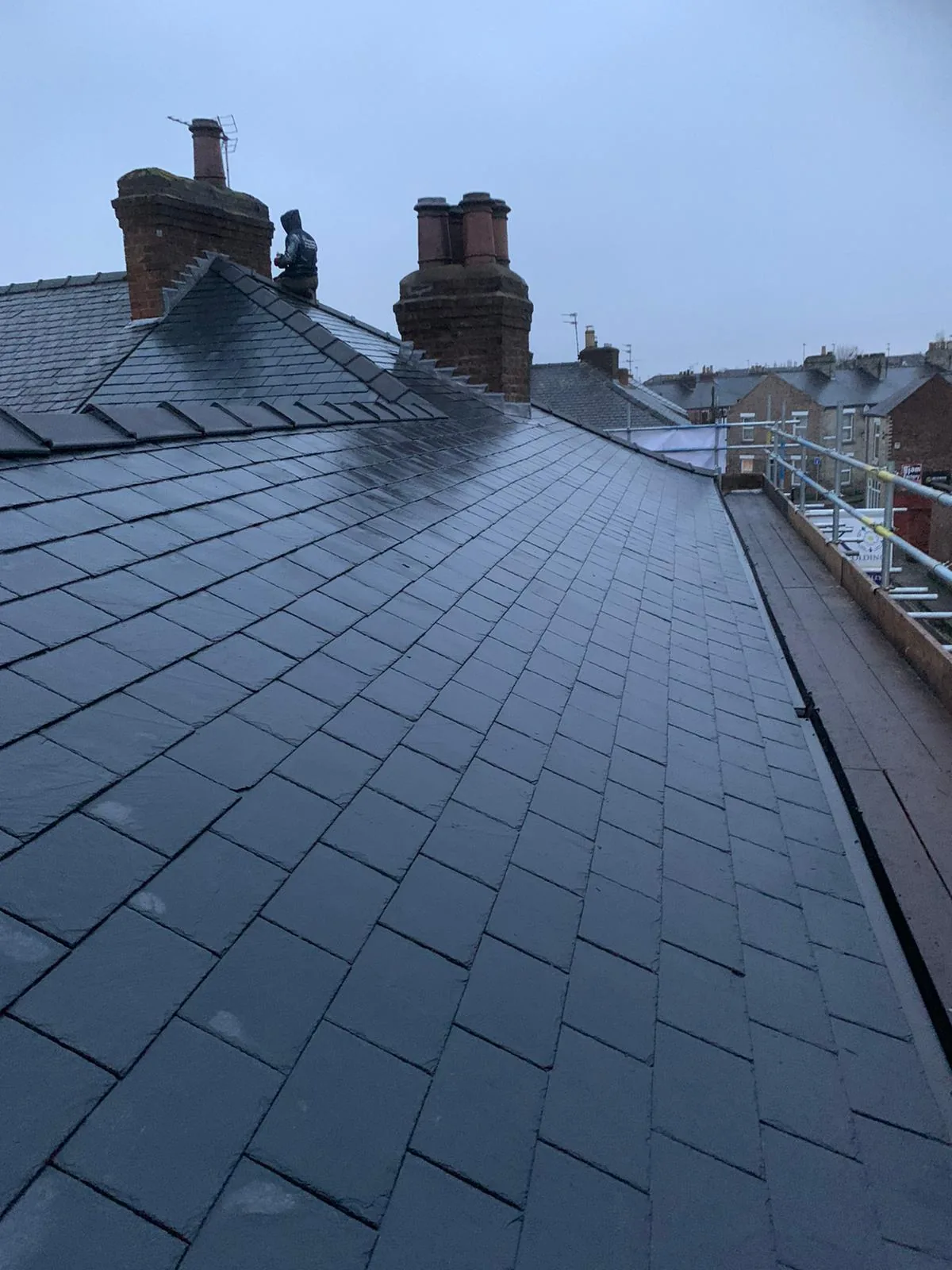
When the Damp in Your Ceiling Starts at the Chimney
Damp on a chimney breast puzzles a lot of homeowners. The water often enters high up and tracks down inside the wall before it shows. By the time you see the stain, the fault is metres above it. So treating the wall alone gets you nowhere.
The usual sources sit at the top of the stack. Open mortar joints let rain soak straight into the brickwork. A cracked flaunching or a broken cap lets water run down the flue. An uncapped, unused chimney takes rain straight in every time it pours. Each one puts water where it should never be.
An unused flue needs airflow as well as a cap. We vent it at the top with a cowl that keeps rain out but lets air pass. A vent low down in the room keeps a gentle draught moving through. That stops trapped moisture forming damp on the chimney breast. Fix the top of the stack and cap the flue, and the damp inside dries out for good.
What Chimney Stack Repair Costs in Market Harborough
Cost comes down to the type of repair, the state of the stack, and how the roofers reach it.
As a general guide, a localised brick or render repair runs roughly £300–£900. Repointing a stack costs around £400–£1,200. New flaunching sits near £150–£400, and a replacement pot is about £100–£250 each. A partial rebuild of the top courses runs £600–£1,500, while a full stack rebuild above the roofline is £1,000–£3,500 or more.
What moves the price up or down:
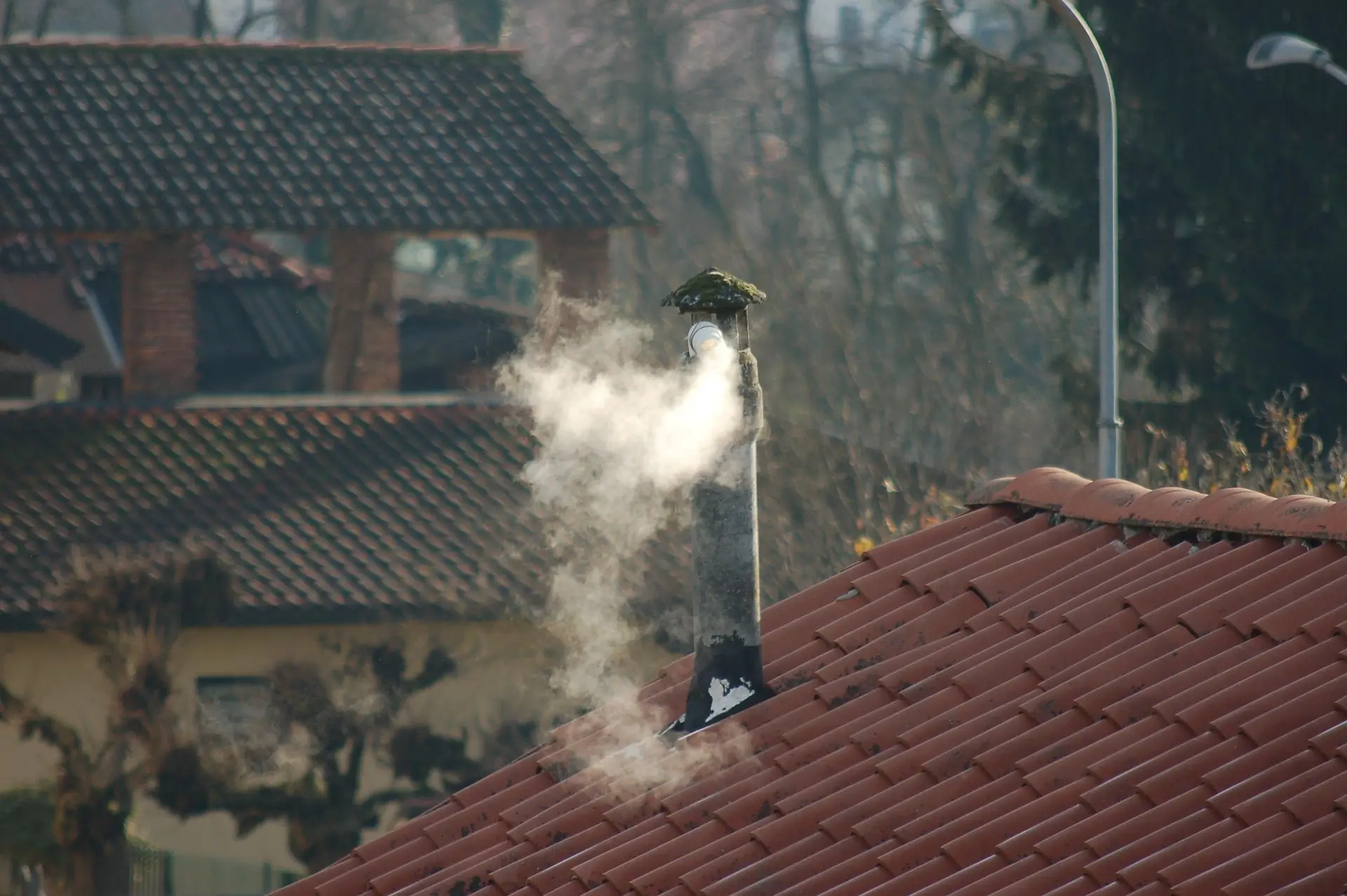
- **Access*— a stack reached off the roof costs less than one that needs a full scaffold, which alone adds roughly £400–£1,200
- **Stack height and position*— a tall stack over a ridge takes more work to reach safely
- **How far the damage runs*— a few bricks cost far less than a stack that has failed all over
- **Lead flashing*— worn flashing replaced at the same time adds around £400–£1,500
- **Matching materials*— sourcing bricks and pots to suit a period stack takes extra time
These are general market ranges, not a quote for your chimney. Two stacks the same size can price very differently once access and true condition are factored in. The only way to a firm figure is a proper look, which our free drone survey gives you, followed by a clear written price with nothing added later. A fixed price needs a survey.
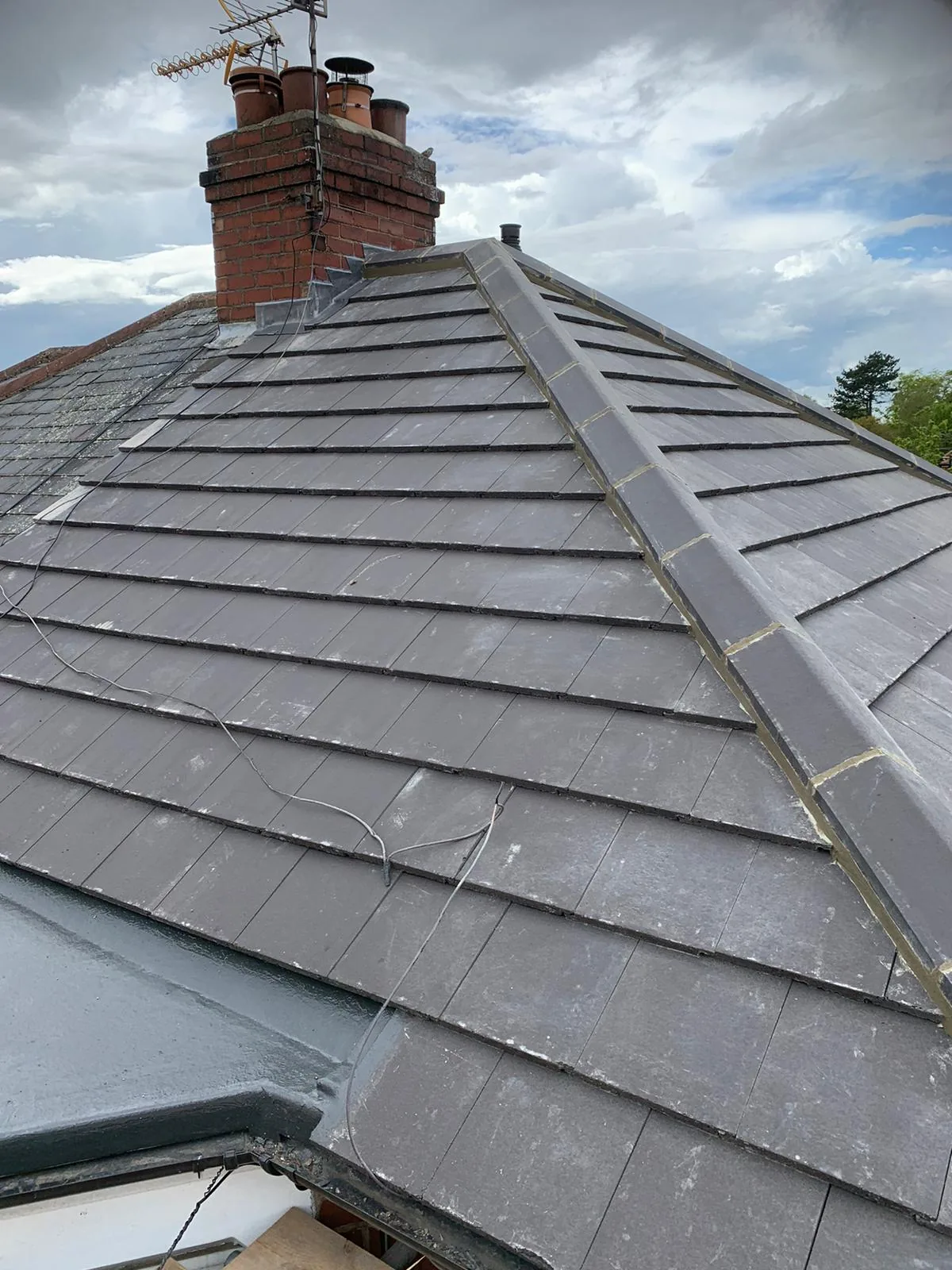
Flaunching, Caps and Pots — the Small Fixes That Save the Stack
The flaunching is the mortar bed on top of the stack that holds the pots in place. It sheds rain away from the flue and the top of the brickwork. Weather cracks it over time, and once it cracks, water gets straight in. That water freezes, opens the crack wider, and loosens the pots that sit in it.
These are small jobs on their own, yet they protect the whole stack. Fresh flaunching, a sound cap and secure pots keep water out of the brickwork below. Skip them and the water works down into the joints, and a small fix turns into a big one. Around Medbourne and Husbands Bosworth we often renew flaunching while the scaffold is already up for other work.
For an independent read on looking after an older chimney, the SPAB chimney maintenance guidance is worth a look. It backs the same point we make on every job: lime-based mortar and regular care keep a period stack sound for the long run. Getting the small things right is what stops the big bills later.
Why Market Harborough Homeowners Call Tate & Sons First
You are not just buying mortar and bricks — you are buying the person who reads the stack. Founder Michael Tate handles the heritage and structural chimney work himself, and surveys the jobs in person. With more than 30 years in the trade, he has seen every way a stack fails. He built Tate & Sons on one rule: fix the cause, not just the symptom. He will not patch a stack to look right for a season and fail again the next.
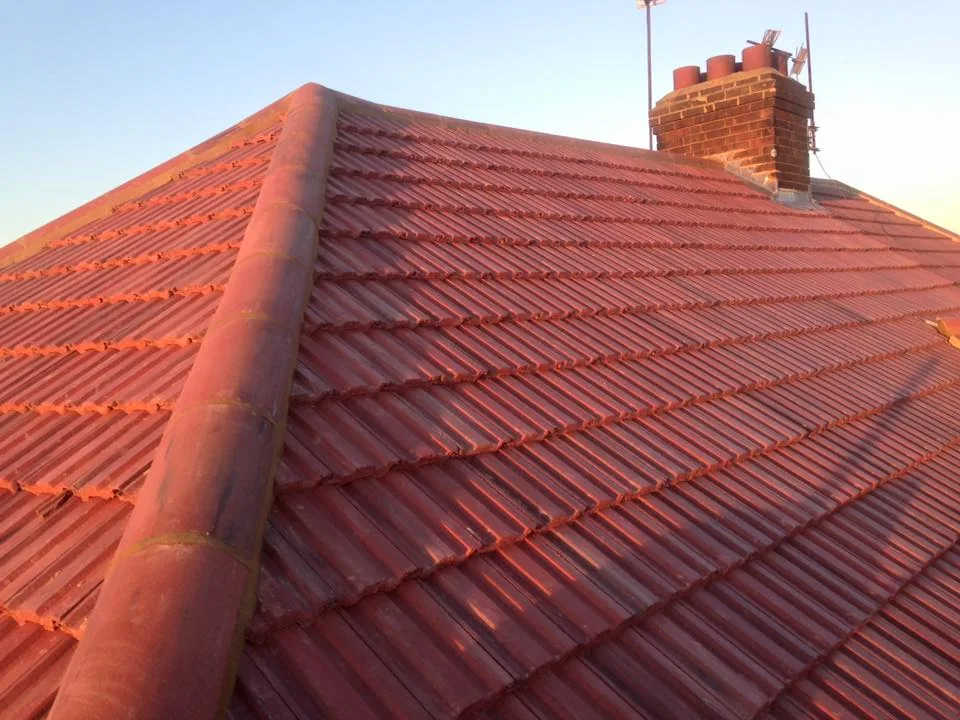
Ryan Tate runs the site work and leads the crew that turns up to do the job. Between the two of them the firm carries over 45 years of combined experience. We hold NVQ Level 2 and 3 qualifications in Roofing Occupations, keep CSCS cards, and hold NFRC trade-body membership. That is a directly employed team, not subcontractors passing through. Read more about the people behind the work on our About Tate & Sons Roofing page.
Areas We Serve Across Market Harborough and the Harborough District
We repair chimney stacks across Market Harborough and the villages of the Welland Valley. If your area is not on the list below, call us anyway — if you are nearby, there is a strong chance we cover you.
- Market Harborough (LE16)
- Great Bowden (LE16 7)
- Little Bowden (LE16 8)
- Lubenham (LE16 9)
- Foxton (LE16 7)
- Medbourne (LE16 8)
- Kibworth Beauchamp (LE8)
- Great Glen (LE8 9)
- Fleckney (LE8 8)
- Husbands Bosworth (LE17 6)
- Desborough (NN14 2)
Got Questions?
Your Chimney Stack Questions, Answered Properly
How do I know if my chimney stack needs repair or a full rebuild?
It comes down to how stable the stack is and how far the damage has spread. A stable stack with a few spalled bricks or open joints needs a repair or a repoint, not a rebuild. A stack that leans badly, crumbles all over, or fails in the same spot twice usually needs rebuilding. Repeated patching of a failing stack costs more in the end. A drone survey shows the full picture so you choose the right route once.
Why is my chimney stack leaning, and is it dangerous?
A slight lean on an old stack is common and often safe. It usually comes from sulphate attack, where one wet side of the stack expands over years and pushes it over. A pronounced lean is a different matter and needs checking properly. We bring in a structural engineer, who may fix it with a steel tie bar or advise a rebuild. Never ignore a stack that has clearly moved, as it sits right above your roof.
What causes spalling brick on a chimney stack?
Spalling is caused by water and frost. The brick soaks up rain, then the water freezes and expands, and the brick face flakes off. It happens most on chimneys because the stack is fully exposed on every side. Worn pointing, cracked flaunching and missing caps all let more water in and speed it up. Sound bricks can be cut out and replaced, but widespread spalling often points to a rebuild.
Can damp inside my house come from the chimney stack?
Yes, and it is a common cause of damp on a chimney breast. Water enters high up through open joints, cracked flaunching or an uncapped flue. It then tracks down inside the wall before it shows as a stain far below. Treating the plaster alone will not fix it while the top of the stack still lets water in. We repair the source up top and cap or vent the flue so the wall dries out.
How much does chimney stack repair cost in Market Harborough?
As a general guide, a localised brick or render repair runs around £300–£900, and repointing a stack is roughly £400–£1,200. New flaunching sits near £150–£400, and a full rebuild above the roofline is £1,000–£3,500 or more. Scaffolding, where needed, adds about £400–£1,200 on top. The final figure depends on access and the true state of the stack, so a free drone survey gives you an exact written price rather than a phone estimate.
What is flaunching and why does it crack?
Flaunching is the sloped bed of mortar on top of the stack that holds the pots and sheds rain. It sits fully exposed, so weather and frost crack it over time. Once it cracks, water gets into the top of the stack and loosens the pots. Renewing it is a small job that protects the whole stack below. We often renew flaunching while the scaffold is already up for other repairs.
Should I cap an unused chimney stack?
Usually, yes, but it has to be done the right way. An open, unused flue takes rain straight in every time it pours, which causes damp. A cap or cowl keeps the rain out while still letting air pass through. That airflow matters, because a fully sealed flue can trap moisture and cause damp on the chimney breast. We fit a vented cap up top and a vent low down so the flue stays dry.
Do you need scaffolding to repair a chimney stack?
It depends on the stack and where it sits. Some stacks can be reached safely off the roof for a small repair. A larger job, a stack over the ridge, or a rebuild usually needs a proper scaffold for safe access. Scaffolding adds roughly £400–£1,200 to the cost when it is required. We only put up what the job needs, and the free drone survey tells us before we quote, so nothing surprises you later.
Book Your Free Drone Chimney Survey Today
See exactly what your stack needs before any work starts. No ladders, no pressure — just a clear picture from a local Market Harborough team.
Every winter a tired stack waits, frost works deeper into the brick and mortar. A quick, free survey today tells you exactly where you stand — and often the fix is smaller and cheaper than you feared. Book now, get an honest quote, and protect your home before the next storm finds the weak spot.
ð 5 Hood Close, Market Harborough, LE16 9XS
ð 01858 457600
Call the Market Harborough team today on 01858 457600, or request your free drone survey online. We're already working across your area.
Book Your Free Drone Roof Survey
See exactly where your roof stands, with no obligation and no pressure. Call our Market Harborough team or request your free drone survey today.
Get in Touch
Tate & Sons Roofing — Market Harborough Office
5 Hood Close, Market Harborough, LE16 9XS
📞 01858 457600
✉️ [email protected]